2027 Sports Management Salary Trends Report: Are Wages Keeping Up With Tuition and Inflation?

Co-Founder and Chief Data Scientist
A prospective sports management student faces a challenging decision: can the financial return justify the rising costs of earning a degree amid persistent inflation? This question extends beyond tuition alone, requiring an understanding of how salaries for sports management graduates measure against increasing education expenses and the overall cost of living. Rising tuition and inflation impact students differently, so evaluating the degree's true value means considering how wage growth aligns with these economic pressures.
Salary increases in sports management do not always keep pace with tuition hikes or inflation rates, complicating long-term financial planning. Analyzing average starting salaries against historical tuition and inflation trends reveals deeper insight into affordability and earning potential over time. This article explores salary trends, tuition costs, inflation, return on investment, and the factors shaping the enduring financial value of a sports management degree.
Key Things to Know About Sports Management Salary Trends
- Graduate salaries in sports management have grown by only 2% annually since 2021, lagging behind average inflation rates near 3.5%, signaling real income erosion for recent graduates confronting rising tuition debt.
- Specialization in data analytics or sports marketing correlates with 20-30% higher starting salaries, indicating targeted skill acquisition directly influences long-term earning trajectories more than generalist degrees.
- Industry connections and internships boost salary prospects by up to 15%, underscoring that practical experience weighs heavily in compensation outcomes where academic pedigree alone is insufficient.
- Key Things to Know About Sports Management Salary Trends Key Things to Know About Sports Management Salary Trends
- What Is the Current Salary Outlook for Sports Management Graduates? Salary Outlook
- Are Sports Management Salaries Keeping Up With Inflation? Inflation Impact
- How Do Tuition Costs Compare With Sports Management Salary Growth? Tuition vs Salary
- Does a Sports Management Degree Deliver a Positive Return on Investment? Degree ROI
- Which Industries Offer the Highest Salaries for Sports Management Graduates? Which Industries Offer the Highest Salaries for Sports Management Graduates?
- Which States and Cities Offer the Highest Pay for Sports Management Professionals? Which States and Cities Offer the Highest Pay for Sports Management Professionals?
- How Do Sports Management Salaries Grow Throughout a Career? Career Growth
- How Do Sports Management Salaries Compare With Similar Degrees? Salary Comparison
- How Is Employer Demand Affecting Sports Management Salary Trends? Employer Demand
- How Can Students Maximize Their Lifetime Earnings With a Sports Management Degree? Maximizing Earnings
What Is the Current Salary Outlook for Sports Management Graduates?
Salary outcomes for sports management graduates are notably influenced by specialization, industry segment, and geographic location, making the current earnings outlook far from uniform. Entry-level roles typically start near $40,000, but median wages for positions like athletic directors, sports agents, and event coordinators hover between $50,000 and $80,000 according to 2024 data from the U.S. Bureau of Labor Statistics. For example, two graduates starting with similar credentials may diverge significantly if one pursues a niche in sports marketing-where salaries often exceed $75,000-and the other enters a smaller nonprofit organization with lower initial pay but greater experiential opportunities, underscoring how career choices and sector dynamics shape financial outcomes.
Understanding sports management graduate salary trends requires looking beyond initial salaries to long-term prospects framed by industry demand and skill evolution. Demand for competencies in digital media, analytics, and contract negotiation is rising, enabling those who develop these proficiencies to accelerate wage growth and job security. However, wage increases averaging 3-4% per year have lagged behind rising tuition and living costs, creating a gap that recent graduates must navigate carefully. Prospective students should evaluate such economic tradeoffs, considering both salary trajectories and the potential advantages of targeted training-such as through online BCBA programs-to enhance marketability and compensation over time.
Ultimately, sports management salaries vary widely and are contingent upon ongoing professional development and economic conditions. Those who combine business savvy with technological skills tend to see better progression, while others may face more modest upward movement. This nuanced reality means that the current salary outlook is best interpreted as a snapshot within a complex and evolving labor market rather than a definitive predictor of individual financial success.
Are Sports Management Salaries Keeping Up With Inflation?
Nominal salary increases in sports management-related occupations have not kept pace with inflation, which means the real earning power of graduates has effectively declined. Industry data from 2024 shows average base salaries grew about 5% from 2019 to 2023, while cumulative inflation rose nearly 15%. This gap suggests that even moderate wage growth does not translate into increased purchasing power, impacting professionals' ability to cover rising living costs and loan repayments. For instance, a recent graduate managing event coordination at a mid-sized firm may see a higher paycheck than in 2019, but that increase won't fully offset the extra expenses triggered by inflationary pressure.
The disconnect between sports management salary growth versus inflation highlights important tradeoffs for prospective students weighing degree value. As tuition fees over the same period climbed 20% nationally, the cost of education is rising faster than wages for typical graduates. This disparity complicates long-term financial planning and raises questions about the return on investment in a sports management degree. Career changers and recent graduates might consider expanding skills or supplementing credentials to enhance earning potential, much like individuals who pursue certifications or cross-disciplinary qualifications after recognizing limited wage growth. For those comparing career alternatives, exploring roles in adjacent fields such as a video game designer may also offer different salary trajectories and inflation dynamics.
How Do Tuition Costs Compare With Sports Management Salary Growth?
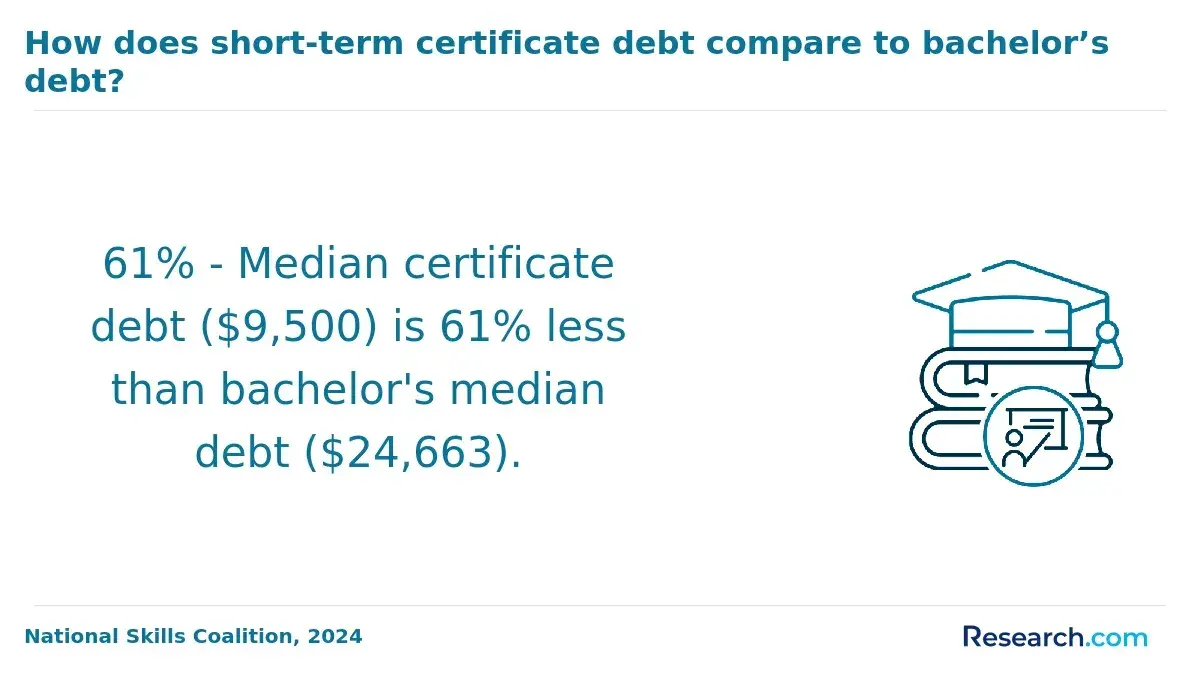
The evolving gap between tuition costs and salary growth in sports management highlights critical financial considerations for students weighing their investment in this field. As of 2024, average annual tuition at public universities surpasses $11,000 for in-state students, while private institutions charge over $38,000. Meanwhile, starting salaries for sports management graduates typically range between $40,000 and $50,000, with mid-career earnings rising to around $65,000 to $75,000. This disparity matters because tuition has increased by nearly 20% in real terms over the last five years, whereas salaries have climbed by only about 8%, meaning wage growth is not adequately offsetting the rising education costs and student debt burden.
Comparing tuition and salary figures together provides a clearer picture of the actual return on investment than viewing these metrics separately. For example, a prospective student considering a private university may face $150,000 in total tuition costs, leading to sizable debt that early-career earnings may barely cover after living expenses and loan repayments, delaying financial independence. Conversely, choosing an affordable public institution with lower tuition could mitigate this pressure, even if starting salaries remain similar. Factors such as geographic location, graduation year, and job market conditions also influence how these trends play out, meaning individuals experience different financial outcomes despite broadly similar salary data.
One sports management graduate recalled hesitating before enrolling at a private university, concerned about the high tuition relative to initial salary projections. The decision was a tradeoff; they chose a scholarship-supported program close to home to keep costs manageable. Early on, loan repayments tightened their budget, requiring careful expense management and part-time work. Over time, moderate salary increases helped ease this strain, but the initial imbalance between education cost and earnings was a significant stressor that shaped their financial decisions during the first years post-graduation.
Does a Sports Management Degree Deliver a Positive Return on Investment?
Return on investment (ROI) in higher education for a sports management degree means weighing the full cost of earning the degree-including rising tuition and related expenses-against the long-term career prospects and potential salary growth in the field. Entry-level salaries typically fall between $50,000 and $70,000 annually, according to 2024 data from the National Center for Education Statistics and the U.S. Bureau of Labor Statistics, which may initially seem modest relative to increasing tuition costs that have grown about 4% annually over the past five years. However, evaluating ROI requires looking beyond starting pay to consider how career progression, professional certifications, and practical experience contribute to earnings growth over time rather than focusing solely on immediate financial returns.
For instance, a graduate who invests in internships, networking, and specialized credentials might move from an entry-level manager earning just above $50,000 to a senior role surpassing $100,000 within several years, substantially improving the ROI despite initial tuition debt. The affordability gap between public and private universities also plays a meaningful role, as attending a public institution may lower overall debt burdens and enhance long-term net returns. The resilience and global expansion of the sports industry further support sustained demand, making practical skills and industry-relevant education critical factors influencing whether a sports management degree pays off.
Overall, while average salary increases in sports management may not immediately outpace inflation or tuition hikes, strategic career planning and hands-on experience can shift the balance toward positive ROI. Data from the Georgetown University Center on Education and the Workforce highlight that degrees aligned with market needs typically offer stronger long-run earnings relative to cost. Ultimately, the financial value of a sports management degree depends on individual choices, economic conditions, and one's ability to leverage opportunities, indicating ROI is variable rather than guaranteed across all cases.
Which Industries Offer the Highest Salaries for Sports Management Graduates?
Among industries offering the highest salaries for sports management graduates in the United States, several sectors consistently deliver stronger earning potential and career stability. Analysis of 2024 labor market data reveals that sectors tied directly to revenue-rich sports organizations and institutions tend to pay the best. These opportunities require candidates to balance a passion for sports with strategic business and operational skills, often demanding advanced knowledge in areas like contract negotiation, brand management, and compliance. For example, a recent graduate working as a team operations manager in a professional football league might earn significantly more than a peer employed in a smaller collegiate program, despite similar educational backgrounds. Here are key high-paying sectors for sports management professionals by industry and location.
- Professional Sports Leagues: Dominating salary charts, these leagues offer roles such as player agents, marketing directors, and team operations managers. Compensation reflects the massive revenues generated by broadcasting rights, sponsorships, and ticket sales, rewarding expertise in negotiation and sports law.
- Collegiate Athletics Administration: Division I schools with large sports programs pay athletic directors and compliance officers competitive wages. These jobs benefit from institutional budgets and can provide professional development opportunities, especially for those with skills in compliance and program management.
- Sports Marketing Agencies: Agencies that focus on branding, sponsorship coordination, and fan engagement capitalize on the expanding global sports economy. Leadership and digital marketing experience are highly valued, pushing salaries above industry averages.
- Event Management Firms: Specializing in sports events coordination, these firms need graduates proficient in logistics and multi-stakeholder communication. Successful managers often command premium pay tied to the size and prestige of events handled.
- Sports Media Companies: Broadcast and digital media firms employ sports management graduates in roles coordinating content, advertising sales, and audience analytics. As media rights deals escalate, salaries in these roles trend higher.
- Fitness and Recreation Management: While typically offering lower salaries compared to leagues or agencies, select high-end fitness chains and recreational facilities pay more for managers with strong business acumen and community engagement skills.
Data from the U.S. Bureau of Labor Statistics highlights professional sports leagues and collegiate athletics as among the top-paying sectors for sports management-related occupations. Prospective students and career changers weighing these options should consider how sector-specific skills and location impact salary potential. Balancing tuition costs, living expenses, and earning outcomes remains essential, and those exploring alternative educational paths might find value in programs like online masters urban planning for complementary skill development.
Which States and Cities Offer the Highest Pay for Sports Management Professionals?
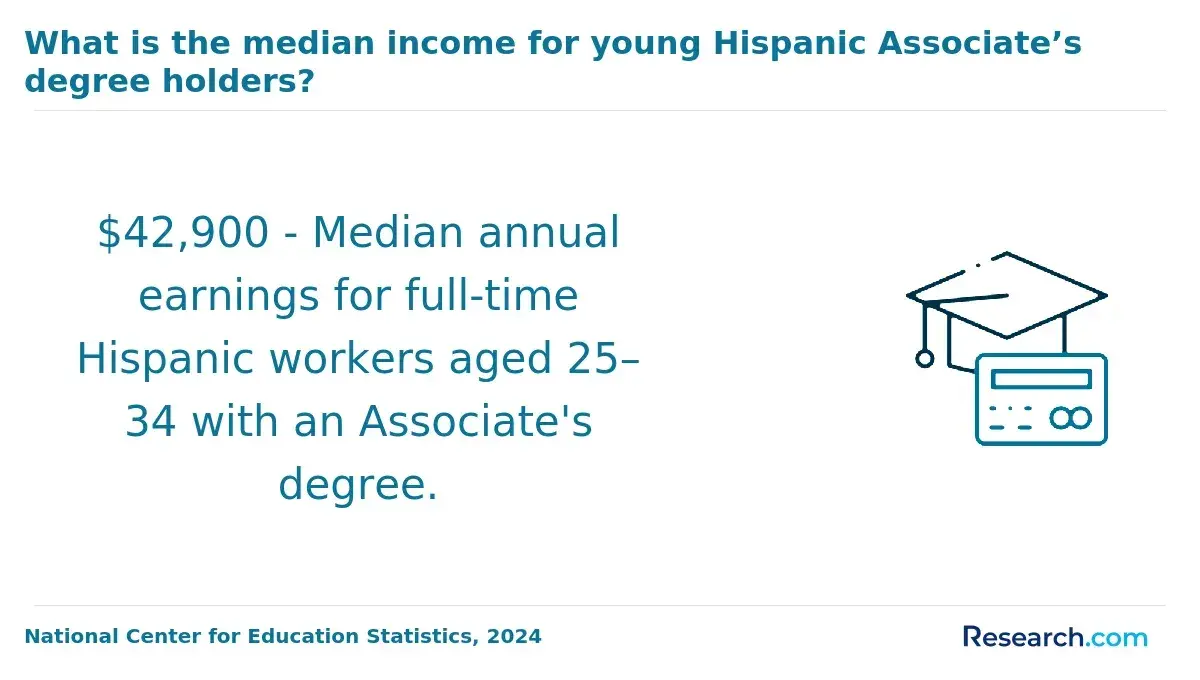
Geographic location plays a crucial role in shaping the earning potential of sports management professionals, with significant variation among states and metropolitan areas. Data from the U.S. Bureau of Labor Statistics and recent industry salary reports highlight certain markets where wages stand out, although these higher incomes frequently come with increased living costs and competitive job landscapes. Understanding where sports management salaries peak-and why-helps graduates and career changers weigh financial gains against expenses and professional opportunities. Below are key regions noted for offering some of the highest pay in the field as of 2024.
- California: With median annual wages exceeding $85,000, California benefits from a concentration of major league teams and collegiate programs in urban centers like Los Angeles and San Francisco. However, candidates should consider the state's notably high living expenses and taxes, which can erode take-home pay despite strong nominal salaries.
- New York City Metropolitan Area: Including nearby parts of New Jersey, this region commands salaries about 15-20% above the national median due to its dense network of professional sports franchises, media outlets, and marketing agencies. The area's steep housing costs and intense competition require professionals to possess advanced skills and networks to thrive.
- Massachusetts (Greater Boston): Boston's established sports culture and numerous universities with athletic departments create solid demand for sports management expertise. Though wages are competitive, the balance of salary versus living costs and tuition fees remains a critical factor for emerging professionals.
- Texas: Fueled by rapidly expanding metropolitan areas like Dallas and Houston, Texas offers growing opportunities with relatively moderate living expenses compared to coastal regions. While salaries may not reach California's levels, the favorable cost of living can enhance overall financial viability.
- Florida: Presenting a strong sports market with multiple professional teams and collegiate programs, Florida attracts sports management workers seeking a combination of reasonable wages and a lower cost of living. State tax advantages also support better net earnings in many cases.
- Illinois (Chicago Metropolitan Area): Chicago's diverse sports economy delivers solid income potential, though it falls slightly below the highest-paying markets. Professionals there should weigh competitive salaries against Chicago's urban living costs and market saturation.
Consider a recent graduate facing a choice between accepting a $90,000 position in Los Angeles or a $75,000 role in Dallas. While the nominal pay is higher in California, elevated housing costs and taxes could reduce disposable income below what the Dallas job offers after expenses. This example underscores the importance of evaluating salary alongside living costs when planning a Sports Management career path.
How Do Sports Management Salaries Grow Throughout a Career?
Starting salaries in sports management-related roles often fall between $40,000 and $55,000 annually, reflecting a saturated entry-level job market and the competitive nature of the industry as reported by the U.S. Bureau of Labor Statistics in 2024. As professionals accumulate experience over five to ten years, median salaries can climb substantially, reaching between $65,000 and $90,000, especially in positions such as team operations managers or senior agents. At senior levels, including director or general manager roles within athletic organizations, compensation typically exceeds $100,000, bolstered by bonuses and commissions tied to performance and event revenues. However, long-term salary growth is closely tied to factors such as geographic location, employer size, and the segment of the sports industry, with larger markets and prestigious organizations offering the most lucrative opportunities.
Consider two graduates with similar sports management degrees: one chooses to work for a major league sports team in a large metropolitan area, actively expanding professional networks and pursuing certifications, while the other remains in smaller collegiate athletics with fewer advancement resources. Over a decade, the former is more likely to experience steeper salary growth due to access to higher-profile roles and financial incentives, whereas the latter may see modest increases limited by organizational constraints. This disparity underscores that advancing beyond entry-level salaries involves strategic career decisions and engagement in professional development rather than relying on industry-wide averages alone. Evaluating market segments and organizational prestige alongside personal growth efforts is essential when weighing the financial viability of a sports management career.
One sports management graduate recalls feeling uncertain when initially accepting a low-paying assistant agent role in a mid-size city but decided to invest in specialized negotiation workshops and networking events. Although the early years felt marked by slow salary progression, this proactive approach eventually opened doors to a senior agent position with significantly higher earnings. The graduate notes, "I hesitated about whether to take that entry-level job because of the pay, but focusing on building skills and connections made the difference over time." This example highlights how deliberate professional choices can meaningfully influence salary growth despite broader market trends.
How Do Sports Management Salaries Compare With Similar Degrees?
Graduates holding a sports management degree often face distinct financial realities compared to peers in adjacent fields. Median starting salaries for sports management hover near $44,000 annually, noticeably lower than similar degrees focused on broader business or marketing skills. This reflects the specialized, sometimes niche nature of sports management roles, which frequently begin with internships or lower-paying entry-tier jobs. For prospective students evaluating long-term earning potential amid rising tuition and inflation, understanding these differences is crucial. Below is a concise comparison of sports management salaries versus related fields that provides context for making informed decisions.
- Business Administration: Starting salaries average around $57,000, significantly higher than sports management. Graduates often enter diverse industries where leadership or operational roles provide quicker salary growth. The broader applicability of this degree contributes to stronger initial compensation and more varied job paths.
- Marketing: With starting wages typically between $50,000 and $60,000, marketing graduates benefit from rapidly evolving digital and brand strategy sectors. These roles tend to offer greater scalability in compensation due to demand for creative and analytical skills across industries.
- Finance: Finance degrees often command starting salaries in the $50,000 to $60,000 range. These roles focus on financial analysis, investments, and corporate finance, which usually have clearer entry-level career ladders and higher bonuses, driving higher median earnings.
- Sports Management: The median salary near $44,000 aligns with entry-level positions emphasizing experience-building, such as internships or assistant roles. However, seasoned professionals who acquire specialized expertise or executive responsibilities can surpass peers' earnings in other sectors.
Realistically, a graduate passionate about sports management might start lower but can leverage additional certifications or diverse skills to bridge initial pay gaps. Rising tuition costs combined with inflation-generally outpacing sports management wage growth-mean financial planning becomes even more vital. Exploring programs such as an environmental engineering online degree can also offer perspective on alternative fields where educational expenses and income may align differently. Careful consideration of both short-term salary tradeoffs and long-term industry passion is essential before committing to sports management studies.
How Is Employer Demand Affecting Sports Management Salary Trends?
Employer demand directly influences salary trends for sports management professionals by shaping hiring practices and compensation strategies. When demand is robust, organizations and franchises face intensified competition to attract qualified candidates, which can push wages higher. For instance, a mid-sized sports marketing firm ramping up sponsorship deals might increase starting salaries to secure top talent, reflecting a direct link between employer demand impact on sports management salaries and wage growth. However, this relationship is tempered by economic conditions and organizational budgets, meaning that a surge in job openings does not always translate into proportional salary increases.
According to 2024 projections from the U.S. Bureau of Labor Statistics, employment in sports management is expected to grow moderately, driven by the expanding commercial sports landscape. Yet, salary trends for sports management jobs in the US reveal only modest gains-starting salaries rose about 2.5% annually according to the National Association of Colleges and Employers, lagging behind inflation and tuition costs. This gap highlights how a rising supply of graduates can balance out employer demand, limiting how quickly salaries can increase despite positive hiring outlooks.
Prospective students should carefully weigh these dynamics when considering a sports management degree. In a competitive job market, real-world returns depend on specialization, experience, and the ability to capitalize on niche opportunities. Exploring flexible educational paths, such as accelerated online degree programs for working adults, may help manage costs while positioning for growth in a field where employer demand supports but does not guarantee significant salary increases.
How Can Students Maximize Their Lifetime Earnings With a Sports Management Degree?
Maximizing lifetime earnings with a sports management degree involves targeted strategies beyond simply completing coursework. Data from the U.S. Bureau of Labor Statistics in 2024 shows that specialization, leadership roles, and strategic networking consistently correlate with higher salaries in this field. For example, a graduate who combines advanced analytics skills with sports management knowledge and gains internships at leading sports agencies is better positioned for lucrative executive roles. Focused career planning and ongoing skill development are essential for navigating a competitive, evolving industry.
Key strategies to enhance earning potential include:
- Advanced Credentials: Pursuing certifications or graduate degrees in related fields like business or finance sharpens expertise and increases marketability to employers valuing multidisciplinary skills.
- Specialization Focus: Developing niche skills such as sports analytics or athlete representation addresses specific market demands, often commanding premium compensation.
- High-Level Internships: Gaining experience with top-tier franchises or agencies provides valuable industry connections and signals competence for promotion to higher-paying roles.
- Leadership Roles: Transitioning into managerial or executive positions significantly boosts salary trajectories as responsibilities increase.
- Networking Engagement: Actively building relationships within the sports industry through events and professional groups opens doors to better opportunities.
- Geographic Mobility: Relocating to major sports hubs like New York or Los Angeles can substantially affect salary ranges due to concentrated industry presence.
- Industry Adaptability: Staying updated on trends such as esports and digital marketing ensures relevance and competitiveness in emerging revenue streams.
References
- Does College Pay Off? A Comprehensive Return On Investment Analysis - FREOPP https://freopp.org/whitepapers/does-college-pay-off-a-comprehensive-return-on-investment-analysis/
- What are the salaries after studying sports management? https://www.monaco.edu/en/faq-all-the-answers-to-your-questions-3/what-are-the-salaries-after-studying-sports-management/
- Sports Management: A Comprehensive Guide to Careers in Sports Leadership - AISTS INDIA https://aists.org/aistsindia/sports-management-a-comprehensive-guide-to-careers-in-sports-leadership/
- Salary Trends in Sports Management – United States Sports University https://restore-ussa-edu.mystagingwebsite.com/news/salary-trends-in-sports-management/
- Sports Management Careers: Paths, Jobs, and Outlook https://pathwise.io/careers-in-sports-management/
- Is College Worth it? | Return on Investment Analysis of College Degree https://educationdata.org/college-degree-roi
- Sports Management Salary Guide https://www.allbusinessschools.com/sports-management/salary/
- What Can I Do with an MBA in Sports Management? https://go.tiffin.edu/blog/what-can-i-do-with-a-masters-in-sports-management/
- What Can I Do With a Sport Management Degree? https://www.origym.co.uk/blog/sports-management-degree-jobs/
- The price of college is rising faster than wages for people with degrees | USAFacts https://usafacts.org/articles/is-college-worth-it-the-price-of-college-is-rising-faster-than-wages-for-people-with-degrees/
Other Things You Should Know About Sports Management
With modest salary increases in many sports management roles, hands-on experience often outweighs academic prestige alone. Employers tend to prioritize candidates who demonstrate real-world skills like event coordination, sponsorship acquisition, or digital marketing within sports contexts. Students should seek internships or project-based learning opportunities even if it requires balancing heavier workloads, as these experiences can directly impact employability and faster salary progression.
When wage growth is not consistently outpacing tuition inflation, opting for a lower-cost program can be pragmatic to limit debt burden without sacrificing core competencies. However, attending a program with industry connections and a strong alumni network may offer better job placement that can accelerate salary growth despite higher tuition. The key is balancing affordable education with access to experiential learning and employer pipelines rather than relying solely on brand recognition.
Many sports management students work part-time in related roles, which can slow time to degree but build practical skills and networks. While this might delay immediate entry-level salaries, it often improves starting salaries post-graduation. Prioritizing integrated work-study experiences embedded in the curriculum usually yields better outcomes than unrelated part-time jobs, supporting a strategic balance between earning and learning.
As wages in broad roles stagnate, focusing on niches like analytics, sports marketing, or facility management can open pathways to higher pay and leadership opportunities. Specialization requires deliberate program choices and sometimes additional certification but can differentiate candidates in competitive job markets. Students should weigh the upfront cost and effort of specialization against the potential for earlier salary growth and career stability.