2027 Sports Management Student Debt Report: Borrowing, Monthly Payments, and Repayment Risk

Co-Founder and Chief Data Scientist
Programs in sports management often require a balance between academic coursework and extensive internships or fieldwork, influencing borrowing patterns distinctively from other disciplines. The variable length of these programs, combined with certification standards and fluctuating labor market demand, shapes students' financial decisions and repayment potential. According to the 2024 National Center for Education Statistics, nearly 35% of sports management students enroll part-time while juggling employment, contributing to diverse borrowing needs and repayment timelines.
These trends reflect the profession's evolving accessibility and the financing complexities as graduates enter a labor market marked by salary variability and non-linear career paths. Age distribution in this field signals a growing presence of mid-career students seeking reskilling, affecting future workforce composition and debt management.
Key Things to Know About Sports Management Student Debt
- Average monthly payments for sports management graduates tend to be moderate but can extend repayment periods, creating a long-term financial commitment that delays wealth accumulation and career flexibility.
- Employers increasingly prioritize practical experience over advanced sports management credentials, meaning higher student debt must be justified by internships or network-building to avoid limited ROI.
- Rising tuition costs in sports management programs heighten access barriers, forcing some students to rely on higher loans early, which elevates default risk if professional entry is delayed.
- Key Things to Know About Sports Management Student Debt Key Things to Know About Sports Management Student Debt
- How Much Student Loan Debt Do Sports Management Graduates Typically Have at Graduation? Average Studen Loan Debt
- What Factors Have the Biggest Impact on Sports Management Student Loan Debt? Student Debt Key Factors
- What Is the Average Monthly Student Loan Payment for Sports Management Graduates? Average Monthly Payment
- How Do Repayment Rates Compare Between Public and Private Institutions? Public vs. Private Institution Repayment Rates
- Do Online Sports Management Graduates Have Different Repayment Outcomes Than Campus-Based Students? Online vs. On-Campus Student Loan Repayment
- Which Industries Provide the Best Financial Return Relative to Borrowing Costs? Which Industries Provide the Best Financial Return Relative to Borrowing Costs?
- Does Student Debt Affect Which Jobs Sports Management Graduates Accept? Does Student Debt Affect Which Jobs Sports Management Graduates Accept?
- What Factors Increase Student Loan Repayment Risk for Sports Management Graduates? Loan Repayment Risk Factors
- How Can Sports Management Students Reduce Student Loan Debt While Earning Their Degree? Tips to Reduce Student Debt
- How Should Prospective Students Evaluate Borrowing Risk Before Enrolling? Evaluating Student Debt Risk
How Much Student Loan Debt Do Sports Management Graduates Typically Have at Graduation?
Graduates holding a sports management degree typically carry student loan debt ranging from approximately $25,000 to $40,000 at graduation, according to recent data from NCES and other 2024 sources. This estimate aligns with broader averages seen in social sciences and business fields but reflects notable variability driven by program-specific factors. The average student debt for sports management degree holders is influenced by tuition levels that differ widely between public and private institutions as well as the duration and intensity of curriculum requirements unique to the discipline. Understanding this debt distribution is essential when evaluating the true cost of this educational path beyond sticker price figures.
Debt variation among sports management graduates often hinges on enrollment patterns such as full-time versus part-time attendance, which affect how quickly students progress and accumulate costs. Public universities typically offer lower in-state tuition rates, while private schools and out-of-state students face higher fees, skewing borrowing behavior upward. Scholarship availability and grants also play crucial roles, effectively reducing borrowing needs for some but leaving others fully reliant on loans. The nature of sports management programs, including experiential learning and internship mandates, may limit students' capacity to work while studying, influencing reliance on loans. For those considering alternatives, exploring funding options such as those highlighted for the MSW degree can provide useful comparative insights.
Given the moderate debt levels, post-graduation repayment pressures can be significant, especially considering entry-level salaries in sports management often fall below those in STEM or healthcare fields. This economic dynamic encourages graduates to carefully weigh their borrowing decisions and consider income-based repayment plans to manage risk. The balance between manageable debt and realistic income growth prospects remains a pivotal factor shaping how graduates plan their career trajectories, pursue further education, or switch fields to secure financial stability over time.
What Factors Have the Biggest Impact on Sports Management Student Loan Debt?
Student loan debt levels among sports management students result from a complex interplay between institutional pricing models and individual financial circumstances rather than a single factor. Borrowing differences by sports management program type reflect how institutional factors like tuition structure intersect with personal choices, such as enrollment in longer programs or reliance on limited financial aid. This nuanced landscape influences the ultimate debt burden and shapes long-term repayment challenges for graduates.
- Institution Type and Pricing Models: Public and private colleges diverge sharply in tuition rates, affecting borrowing levels substantially. Data from the National Center for Education Statistics in 2024 shows students at private nonprofit institutions typically incur about 25% more debt than peers at public universities. This difference is driven by private schools' higher sticker prices and often less state-supported financial aid, making institutional type a primary determinant of debt variation.
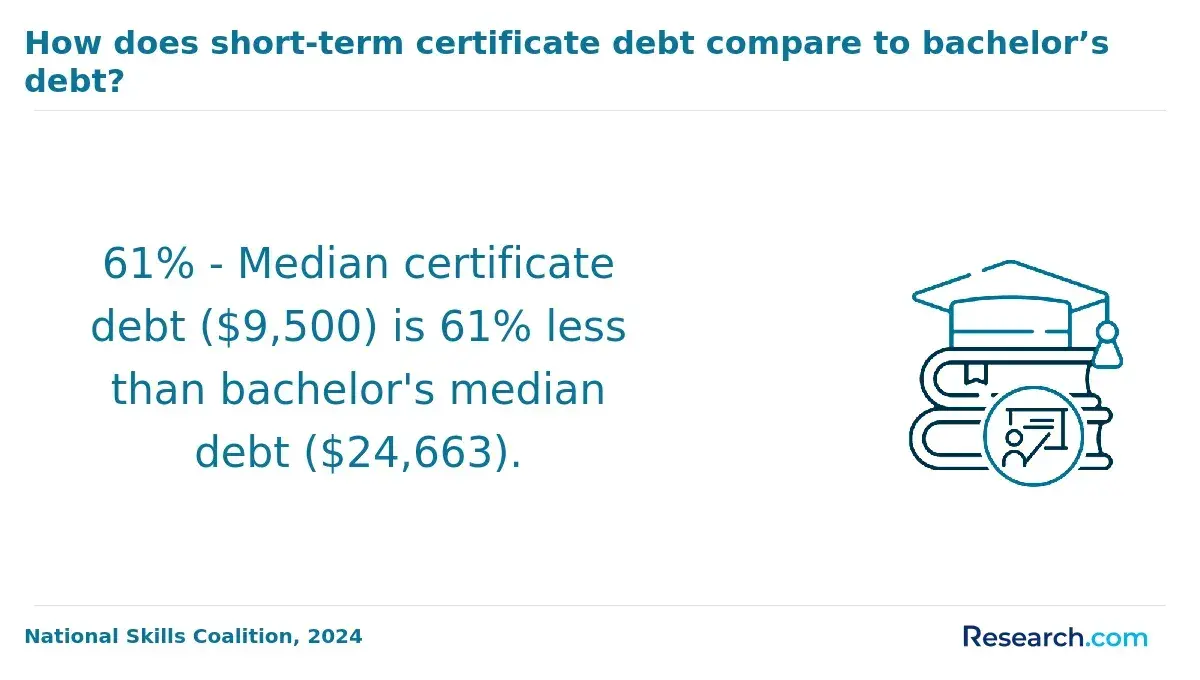
- Program Length and Degree Level: Lengthier pathways, such as bachelor's and master's degrees in sports management, inherently raise borrowing needs by extending time enrolled and increasing credit requirements. Master's degree students, for example, accumulate nearly 40% more debt than bachelor's level borrowers, reflecting both added tuition and the opportunity cost of additional study time. Shorter or certificate programs may reduce borrowing but also influence employability outcomes.
- Availability and Impact of Financial Aid: The limited availability of targeted scholarships for sports management amplifies borrowing pressures. With only around 30% of students receiving significant sports management-specific aid, many must depend heavily on loans. This gap is significant, as financial aid acts as a direct counterbalance to tuition costs and can substantially mitigate debt accumulation when accessible.
- Geographic and Living Expense Considerations: Location-based cost differentials heavily affect total debt, as programs in urban or high-cost living areas raise both tuition and ancillary expenses. Living costs often eclipse tuition as a borrowing driver, disproportionately affecting students lacking robust financial support. Those attending institutions in less expensive regions generally face lower overall debt, underscoring how geography interlinks with borrowing decisions.
- Enrollment and Work-Study Patterns: Employment opportunities during study critically influence borrowing but are constrained for many sports management students due to the seasonal and often unpaid nature of relevant internships. Programs incorporating paid internships or reasonable part-time work lessen the need for loans; however, the field's typical employment structures limit these opportunities, reinforcing reliance on debt to finance education.
Understanding these interdependencies clarifies how borrowing differences by sports management program type emerge, emphasizing the influence of institutional pricing and aid availability in shaping student loan debt. Prospective students should consider these factors carefully alongside program outcomes and career objectives rather than basing decisions on tuition costs alone. For further insight into program selection as it relates to manageable debt and accessibility, exploring the easiest MSW program can provide a comparative framework in related degree fields.
What Is the Average Monthly Student Loan Payment for Sports Management Graduates?
Recent analyses from the U.S. Department of Education and Federal Reserve data indicate that sports management graduates face average monthly student loan payments generally ranging from about $250 to $450. This variance reflects differences in initial loan amounts, interest accruals, and the specific repayment terms selected. While these figures are lower than payments associated with many STEM or healthcare fields due to comparatively moderate borrowing, they still represent a noticeable financial commitment given the relatively modest entry-level salaries commonly found in sports-related administrative or marketing roles. The combination of borrowing patterns and salary range shapes the overall repayment burden these graduates encounter in their early professional years.
Monthly payment disparities stem primarily from the total debt accumulated, which commonly falls between $20,000 and $50,000 for sports management students. Graduates who opt for standard ten-year repayment plans typically see higher fixed payments, whereas those enrolling in income-driven plans can reduce monthly obligations at the cost of extending the repayment period and accumulating additional interest. Geographic wage differences and employment in public or nonprofit sectors further influence affordability, as these positions may limit income growth and thus repayment capacity. Effectively, managing student loans in this field involves balancing realistic post-graduation earnings expectations against borrowing decisions and repayment strategy to minimize financial strain.
An individual who recently completed a sports management degree recalled navigating a rolling admissions process complicated by application timing and uncertain financial aid offers. Initially hesitant to commit without clarity on loan eligibility and repayment implications, they delayed submitting final documents until close to the deadline, creating stress and uncertainty. Ultimately, pragmatic assessment of their borrowing limits and anticipated income helped finalize their enrollment, highlighting how strategic timing and cautious financial planning during admissions can profoundly impact post-graduate loan payment outcomes.
How Do Repayment Rates Compare Between Public and Private Institutions?
Graduate repayment rates for sports management programs show a distinct divide between public and private institutions, with public university alumni demonstrating notably higher success in reducing federal student loan balances within three years of entering repayment. According to 2024 figures from the U.S. Department of Education's College Scorecard, roughly 58% of graduates from public institutions achieve meaningful repayment progress, compared to about 45% from private schools. This gap reflects more than just institutional type; it signals systemic differences in borrowing behavior, financial aid distribution, and early career earnings that shape repayment outcomes in this field.
Several structural factors contribute to these disparities. Public universities typically charge lower tuition rates, particularly for in-state students, which often results in smaller initial debt burdens for their sports management graduates. Private institution alumni frequently assume larger loans, intensifying repayment pressure and extending the timeline before significant balance reduction occurs. Additionally, employment outcomes-enhanced by stronger career services and athletic program networks at many public schools-can translate to comparatively higher early-career salaries within the sports management sector, improving borrowers' capacity to meet repayment obligations. In contrast, higher average debt paired with muted post-graduation earnings among private institution graduates elevates default risk and repayment stress, as highlighted in recent Federal Reserve analyses.
These repayment patterns hold implications beyond numbers: they influence long-term financial mobility and perceptions of program value for prospective students. Persistent repayment challenges can affect credit standing and constrain economic opportunities, thereby coloring judgments about institutional accountability and the practical merit of sports management degrees. Understanding how debt-to-income ratios and institutional resources interact to shape repayment success is crucial for borrowers navigating the financial realities of sports management education today.
Do Online Sports Management Graduates Have Different Repayment Outcomes Than Campus-Based Students?
Recent data from the U.S. Department of Education highlights measurable differences in repayment rates between graduates of public and private institutions offering sports management programs. Public university graduates tend to have a three-year repayment rate averaging around 45%, compared to roughly 38% for those from private institutions. These figures reflect broader trends where public schools often provide more affordable tuition and financial aid packages, reducing students' overall debt burden and improving their ability to begin repaying loans in a timely manner. Understanding these nuances in repayment data is essential for assessing financial risk and return among prospective sports management students.
The disparity in repayment rates is influenced by several intersecting factors. Private institutions frequently charge higher tuition, leading to elevated average debt levels that weigh heavily on graduates' monthly budgets. Coupled with sports management loan payments often influenced by graduate earnings and employment outcomes, those carrying greater debt face increased repayment challenges. Institutional prestige and stronger employer networks tied to public programs can further enhance initial job placement and salary, thus supporting more consistent repayment. These differences underscore how borrowing amounts, income potential, and aid distribution collectively shape long-term loan performance in this field.
Lower repayment rates tied to higher debt loads in private sports management programs can result in greater financial stress and slower wealth accumulation for graduates. This dynamic affects not only individual borrower mobility but also influences broader perceptions of program value and institutional accountability within higher education finance. Prospective students must critically evaluate how repayment obligations align with realistic career trajectories, considering factors such as the quality and relevance of internships, employer preferences, and compensation in order to better manage debt risk over time. Those investigating options might also benefit from exploring alternatives, including online MBA programs under 30k, which can offer cost-effective pathways while still addressing labor market demands tied to sports management graduate repayment rates.
Which Industries Provide the Best Financial Return Relative to Borrowing Costs?
Financial return on a Sports Management degree varies widely by industry, shaped not just by salary levels but by how quickly earnings grow and how those wages interact with typical loan balances. Strong return on investment (ROI) hinges on balancing borrowing costs with sustainable income trajectories that enable manageable debt repayment. Industries with faster career progression, robust hiring demand, and higher median salaries tend to ease financial strain, while sectors with stagnant wages and tighter pay scales often amplify repayment challenges.
- Professional Sports Teams and Leagues: Median salaries typically range from $65,000 to $75,000 within five years post-graduation, which paired with borrowing averages near $30,000, results in solid debt-to-income ratios. Career advancement in this sector is often tied to networking and proven results, but the initial pay scale and steady demand in well-established organizations provide a relatively secure foundation for loan repayment.
- Sports Marketing Agencies: This sector leverages growing digital marketing trends, offering competitive salaries that escalate with experience. Demand for data-driven marketing skills accelerates career growth, which helps graduates offset borrowing costs through wage increases that outpace debt accumulation, improving long-term financial viability.
- Sports Technology Firms: Rapid growth in analytics, wearable tech, and performance tools fuels hiring and salary gains. Firms competing for skilled talent often provide above-average compensation early in careers, enabling graduates to address debts more aggressively compared to slower-paying fields.
- Sports Media and Broadcasting: While median salaries can vary widely, digital content expansion has created new revenue streams and job opportunities that strengthen earning potential. Graduates with strong technical or content production skills may experience faster wage growth, which can enhance debt repayment capacity despite typical borrowing levels.
- Collegiate Sports Administration: This public and nonprofit segment often features median salaries of $40,000 to $50,000, which, given typical student loans, can yield tighter budgeting margins. Limited salary growth and restricted budgets in educational settings necessitate cautious borrowing and realistic repayment planning for graduates pursuing this path.
Does Student Debt Affect Which Jobs Sports Management Graduates Accept?
Student loan burdens often compel sports management graduates to prioritize jobs that can immediately cover monthly repayments, which frequently means favoring positions with higher starting salaries over lower-paid roles traditionally valued for industry experience. Research from the National Center for Education Statistics in 2024 reveals that 57% of graduates with outstanding loans report that borrowing amounts influence their first job choice. This financial imperative leads many to bypass internships or entry-level sports sector roles that offer minimal pay, opting instead for related sectors such as marketing or retail, where consistent income better supports debt servicing. Such choices, driven by the practical need to stabilize personal finances, may sideline long-term career alignment and slow advancement within sports management itself.
The impact of debt on employment decisions also reflects deeper structural dimensions, including disparities in debt levels across graduates and the diversity of sports management subfields. Graduates with heavier debt loads face stronger constraints on geographic mobility and willingness to accept seasonal or commission-based work common in the industry, limiting their job options compared to those with lighter debts. This dynamic shapes broader labor market patterns, where financial pressure curtails risk-taking in career moves and incentivizes immediate financial security over experiential roles that could yield stronger future returns. Strategic career planning under these conditions requires balancing short-term repayment demands with the potential benefits of entry into lower-paying but more industry-relevant positions, a tradeoff that can define long-term employability and career trajectory.
A recent graduate recounted feeling caught between urgency and uncertainty during the rolling admissions process for a coveted sports management internship. With looming loan repayments and no guarantee of placement, the graduate hesitated to commit to a low-paying role until acceptance was confirmed, fearing financial instability. This delay meant missing early opportunities to network and gain relevant experience, illustrating how the timing pressures of student debt can shape decision-making in ways that complicate smooth career entry. Ultimately, the graduate accepted a better-compensated position outside the sports sector while continuing to seek industry roles, highlighting the nuanced negotiations between financial necessity and professional ambition faced by debt-burdened graduates.
What Factors Increase Student Loan Repayment Risk for Sports Management Graduates?
Student loan repayment risk for sports management graduates is shaped by a combination of financial, academic, and labor market factors rather than any single element. This risk reflects both the amount of borrowing and how stable and sufficient graduates' post-degree earnings are to cover loan obligations. Understanding these interconnected factors is essential, as they reveal why some sports management graduates face greater challenges in managing debt and the long-term financial impact of their educational investments.
- High Debt Relative to Modest Starting Salaries: The median student loan debt for sports management graduates is about $28,000, while entry-level salaries often remain below $40,000 annually, according to the National Center for Education Statistics 2024 report. This significant debt-to-income imbalance reduces the ability to allocate funds toward loan repayment without jeopardizing basic living expenses, increasing default risk.
- Income Volatility and Employment Instability: Many jobs in sports management are seasonal, part-time, or contract-based, causing income fluctuations that disrupt consistent monthly loan payments. Economic downturns or events like the COVID-19 pandemic exacerbate employment unpredictability, further weakening repayment capacity and financial stability.
- Additional Borrowing for Extended Education or Experience: Pursuing advanced degrees or unpaid internships to meet employer demands for practical experience often leads to higher cumulative debt. If the resulting income gains do not adequately compensate for increased borrowing, this amplifies repayment challenges and prolongs financial strain.
- Limited Financial Literacy and Awareness: Some graduates lack sufficient understanding of borrowing implications, repayment options, and loan forgiveness programs. This gap can result in suboptimal borrowing decisions and missed opportunities for manageable repayment plans, increasing overall loan default risk.
These factors collectively create a repayment environment where risk varies significantly among graduates depending on their borrowing levels and employment outcomes. Individuals considering further studies might explore alternatives such as an online MBA under 10k to limit debt exposure while enhancing employability in related fields.
The dynamics outlined here emphasize the complex ways in which the impact of borrowing levels on sports management loan repayment shapes long-term financial outcomes.
How Can Sports Management Students Reduce Student Loan Debt While Earning Their Degree?
Reducing student loan debt while earning a sports management degree demands a combination of financial awareness, academic efficiency, and strategic use of institutional resources throughout the educational journey. Students must move beyond simple cost-cutting and embrace proactive planning that aligns with their career goals and borrowing limits. This approach involves targeted academic decisions, optimizing financial aid opportunities, and integrating work-based learning experiences that support both affordability and employability. Effective borrowing strategies for sports management students in the US hinge on balancing these factors to minimize cumulative debt and related repayment risks.
Seek Paid Internships Relevant to Sports Management: Engaging in paid internships during academic terms or summers provides dual benefits: it offsets tuition or living expenses and enhances employability after graduation. The National Center for Education Statistics (2024) reports that students working part-time in their field can reduce borrowing by up to 20% annually, making this a critical debt reduction tactic.
Start at Lower-Cost Institutions Before Transferring: Beginning general education requirements at community colleges or public universities significantly lowers overall tuition costs. Transfer students save on average $10,000 compared to completing the entire degree at private institutions, thereby reducing loan dependence and eventual debt burdens.
Target Scholarships and Grants Specific to Sports Management: Consistently applying for field-specific scholarships and grants tailored to athletics administration can yield non-repayable funding. While competitive, these sources are often underutilized yet essential in reducing loan amounts for sports management majors.
Accelerate Degree Completion When Feasible: Completing the degree in under four years can reduce total borrowing by approximately 15%, according to the National Student Clearinghouse Research Center (2024). This strategy limits tuition accumulation and interest on borrowed funds by shortening the repayment horizon.
Leverage Institutional Work-Study and On-Campus Opportunities: Participating in work-study programs aligned with sports management divisions or campus athletic departments can provide steady income and reduce out-of-pocket costs, thus lowering loan dependency without compromising academic progress.
Plan Degree Requirements to Avoid Excess Credits: Careful academic advising and credit transfer evaluation prevent accumulating unnecessary coursework, which can inflate tuition costs and increase total debt in sports management programs.
Utilize Structured Academic Pathways Like the EdS to EdD bridge program Model: Although specifically designed for education degrees, the EdS to EdD bridge program model highlights the value of streamlined program pathways that reduce time and expense, a concept sports management students can emulate by choosing efficient curricular tracks.
How Should Prospective Students Evaluate Borrowing Risk Before Enrolling?
Evaluating borrowing risk before enrolling in a sports management degree program is critical to fully grasp the long-term financial impact of educational debt relative to realistic income prospects. Borrowing decisions should weigh total debt incurred against expected post-graduation earnings and repayment capacity. This approach moves beyond simple budgeting to a nuanced assessment of affordability and return on investment within the sports management labor market.
- Total Expected Debt Load: Carefully calculate all tuition, fees, and ancillary costs that contribute to overall borrowing. Understanding the cumulative debt burden helps anticipate monthly repayment amounts and potential financial strain over time.
- Projected Starting Salary: The median starting salary for sports management graduates hovers around $45,000 annually according to the National Center for Education Statistics 2024 data. Comparing this figure with debt obligations offers insight into repayment feasibility and income-to-debt ratios.
- Repayment Terms and Flexibility: Federal versus private loan characteristics, interest rates, and loan duration affect monthly payment levels and options for deferment or income-driven repayment. Evaluating these aspects determines how manageable repayments will be under different employment scenarios.
- Program Employment Outcomes: Assess the percentage of graduates securing relevant jobs within sports management, as employment directly influences the ability to meet debt service requirements and avoid default risk.
- Institutional Cost Structures and Scholarships: Comparing costs across programs and factoring in available grants or scholarships reduces reliance on loans, directly lowering borrowing risk.
- Alternative Career Pathways: Evaluating whether the degree opens financially viable alternatives beyond core sports management roles provides a safety net for income diversification and debt repayment options.
- Monthly Income-to-Debt Payment Ratio: Adhering to a guideline where loan payments consume no more than 10-15% of gross monthly income supports sustainable financial planning and reduces the likelihood of repayment distress.
References
- How to Manage Student Loan Debt https://www.prevail.bank/blog/post/how-to-manage-student-loan-debt
- Managing Credit Risk as Student Loans Payments Resume | Ncontracts https://www.ncontracts.com/nsight-blog/student-loan-payments-increase-credit-risk
- Deep Dive: New Research Shows the Profound Impact of Debt on Perceptions of Higher Ed - Protect Borrowers https://protectborrowers.org/resource/deep-dive-new-research-shows-the-profound-impact-of-debt-on-perceptions-of-higher-ed/
- Viewpoint: What Do You Do In Sports Management? https://theracquet.org/4548/sports/viewpoint-what-the-heck-is-a-sports-management-degree/
- Repaying your student loan https://www.gov.uk/repaying-your-student-loan/what-you-pay
- 7 Tips to Minimize Student Loan Debt https://www.macu.com/must-reads/college/7-tips-to-minimize-student-loan-debt
- What is the typical debt load for graduates of four-year public universities - APLU https://www.aplu.org/our-work/4-policy-and-advocacy/publicuvalues/student-debt/
- Financial Planning with Student Loan Debt https://mai.capital/resources/financial-planning-with-student-loan-debt/
- The Impact of Student Debt on the Low-Wage Workforce https://workrisenetwork.org/working-knowledge/impact-student-debt-low-wage-workforce
- Average Student Loan Debt [2025]: by Year, Age & More https://educationdata.org/average-student-loan-debt
Other Things You Should Know About Sports Management
Sports management programs differ widely in focus, from business-intensive curricula to event operations or athlete representation. Graduates from more specialized or niche tracks often face narrower job markets, which can slow income growth and complicate debt repayment. Prioritizing programs that balance practical skills with broad industry applicability generally improves long-term employment stability, thereby reducing repayment strain.
Securing internships or paid roles within sports organizations can directly influence a graduate's employability and starting salary, which in turn affects loan repayment capability. While unpaid internships may limit immediate earnings, paid experiences provide both financial relief and stronger resume credentials. Students should prioritize paid opportunities that align with their career goals to mitigate repayment risk by boosting both income potential and professional networks.
Borrowing beyond tuition for living costs significantly increases total debt and monthly repayment obligations without enhancing employability or skill acquisition. This added financial burden heightens the risk of default, especially when starting salaries in sports management tend to be moderate. Students should weigh the benefits of borrowing extra funds against realistic post-graduation income and explore alternative support like part-time work or cost-saving living arrangements.
Careers in sports management often demand irregular hours and high availability, limiting the feasibility of supplemental jobs to accelerate loan repayment. Graduates need repayment plans that accommodate potentially uneven cash flow, such as income-driven options, rather than aggressive standard schedules. Understanding the industry's work demands early allows borrowers to adopt flexible repayment strategies that prevent default while managing professional obligations.