2027 Sports Management ROI by Institution Type: Public vs Private vs Nonprofit Online Programs

Co-Founder and Chief Data Scientist
Facing nearly identical online sports management programs, a prospective student confronts stark contrasts in tuition fees, average student debt, and graduation rates. According to a 2024 National Center for Education Statistics report, public and nonprofit online graduates experience a 15% higher completion rate than private counterparts, highlighting significant disparities in institutional support and student outcomes. Such differences affect not only financial burdens but post-graduation employability and career mobility. Choosing a program without weighing these factors risks escalating debt with limited career advancement. This article analyzes ROI by institution type, helping readers assess long-term value, affordability, and career impacts across public, private, and nonprofit online sports management programs.
Key Things to Know About Sports Management ROI by Institution Type
- Public institutions typically offer lower tuition and greater financial aid access, reducing upfront costs but often have larger class sizes which may limit personalized learner support, affecting completion speed and program satisfaction.
- Private online sports management programs often tout higher graduation rates and stronger alumni networks, enhancing employer recognition; however, this advantage can be offset by significantly higher tuition and student debt exposure, influencing long-term financial flexibility.
- Nonprofit schools balance affordability and reputation but vary widely in accreditation rigor; understanding each program's credentials and employer partnerships is critical for predicting meaningful career advancement and return on investment.
- Key Things to Know About Sports Management ROI by Institution Type Key Things to Know About Sports Management ROI by Institution Type
- What Does ROI Mean for a Sports Management Program and How Is It Measured? Understanding Sports Management Program ROI
- How Do Public, Private, and Nonprofit Online Sports Management Programs Differ in Overall Value? Value by Institution Type
- How Do Tuition Costs Affect the ROI of a Sports Management Program Across Institution Types? Tuition Costs and ROI
- How Do Graduation Rates Influence Sports Management Program ROI? Graduation Rates Impact ROI
- What Role Do Career Outcomes Play in the ROI of a Sports Management Degree? Career Outcomes and ROI
- How Does Student Debt Impact the Long-Term ROI of a Sports Management Program? Debt vs. Long-Term ROI
- How Do Flexibility and Adult Learner Support Affect Sports Management Program Value? Flexibility and Program Value
- How Do Accreditation and Institutional Reputation Influence Sports Management ROI? How Do Accreditation and Institutional Reputation Influence Sports Management ROI?
- How Does Time-to-Degree Affect the ROI of Public, Private, and Nonprofit Sports Management Programs? How Does Time-to-Degree Affect the ROI of Public, Private, and Nonprofit Sports Management Programs?
- How Can You Choose the Best Sports Management Program Based on Your ROI Goals? Choosing Programs by ROI
What Does ROI Mean for a Sports Management Program and How Is It Measured?
Evaluating return on investment in sports management programs requires looking beyond tuition sticker prices to assess total educational costs, time-to-degree, and the quality of career outcomes. For adult learners balancing work and study, a program's graduation rate and completion speed heavily influence opportunity costs and debt accumulation. While public online programs may offer tuition savings of roughly 40-60% compared to private counterparts according to the National Center for Education Statistics, these savings can be offset if lower graduation rates or less robust career services delay entry into the workforce or reduce earning potential. For example, a student choosing a less expensive public program that averages a 55% completion rate might face extended study duration compared to a nonprofit program with a 70% rate, resulting in higher total costs and postponed salary gains despite lower upfront tuition.
Measuring educational ROI in sports management degrees also depends on learner goals and the tradeoffs between cost, institutional reputation, and access to industry connections. Prospective students aiming for specialized roles or leveraging internships and alumni networks should weigh how private and nonprofit institutions often provide enhanced career resources that bolster employment prospects, even if their programs carry higher price tags and increased average debt burdens-Federal Reserve data shows graduates of private schools typically incur about 20% more student debt than public school peers. Conversely, cost-conscious students focused on foundational knowledge or exploring easier online paths might consider easy degrees to get online as a strategic starting point, factoring in how a program's structure aligns with their timeline and financial limits. This nuanced calculation underscores why lowest tuition does not always translate to best long-term value, making ROI a multidimensional decision factoring institutional mission, learner support, and realistic career trajectories.
How Do Public, Private, and Nonprofit Online Sports Management Programs Differ in Overall Value?
The overall value of public, private, and nonprofit online sports management programs hinges on factors extending beyond tuition costs, influencing affordability, completion, and career prospects differently for various students. Public institutions typically offer lower tuition and greater flexibility through part-time or asynchronous formats, catering well to working adults balancing multiple responsibilities. Conversely, private and nonprofit programs often command higher fees but invest more significantly in student support, career services, and networking opportunities, which can enhance job placement and long-term career mobility, particularly when coupled with specialized accreditations. Data from the National Center for Education Statistics in 2024 also shows graduates of private programs tend to carry about 20% more student debt than those from public institutions, raising important considerations for those weighing immediate costs against potential reputational benefits and alumni connections.
Graduation rates further underscore differing institutional strengths; nonprofit online programs frequently demonstrate stronger retention and completion rates compared to both public and private counterparts, reflecting targeted student engagement strategies. Employers in the sports industry often value the perceived prestige gained through private and nonprofit program affiliations, which may open doors despite higher upfront expenses. However, for many cost-conscious learners, public programs' affordability and adaptable scheduling remain decisive, particularly for those aiming to minimize debt and maintain steady employment during their studies. The decision rests on individual priorities-balancing price, institutional reputation, flexibility, and support services to optimize both educational attainment and career impact.
One recent student recalled deliberating over several online sports management options, initially hesitant to invest in a pricier private program due to concerns about long-term debt and uncertain career return. They appreciated the nonprofit program's stronger graduation rates and closer industry ties but found its schedule less flexible for their full-time job. Ultimately, they selected a public university with modest tuition and asynchronous classes, aligning affordability with their need to maintain income. Although this choice meant fewer career services upfront, the student planned to leverage professional networking externally, valuing the lower debt burden and graduation likelihood in their cost-benefit analysis.
How Do Tuition Costs Affect the ROI of a Sports Management Program Across Institution Types?
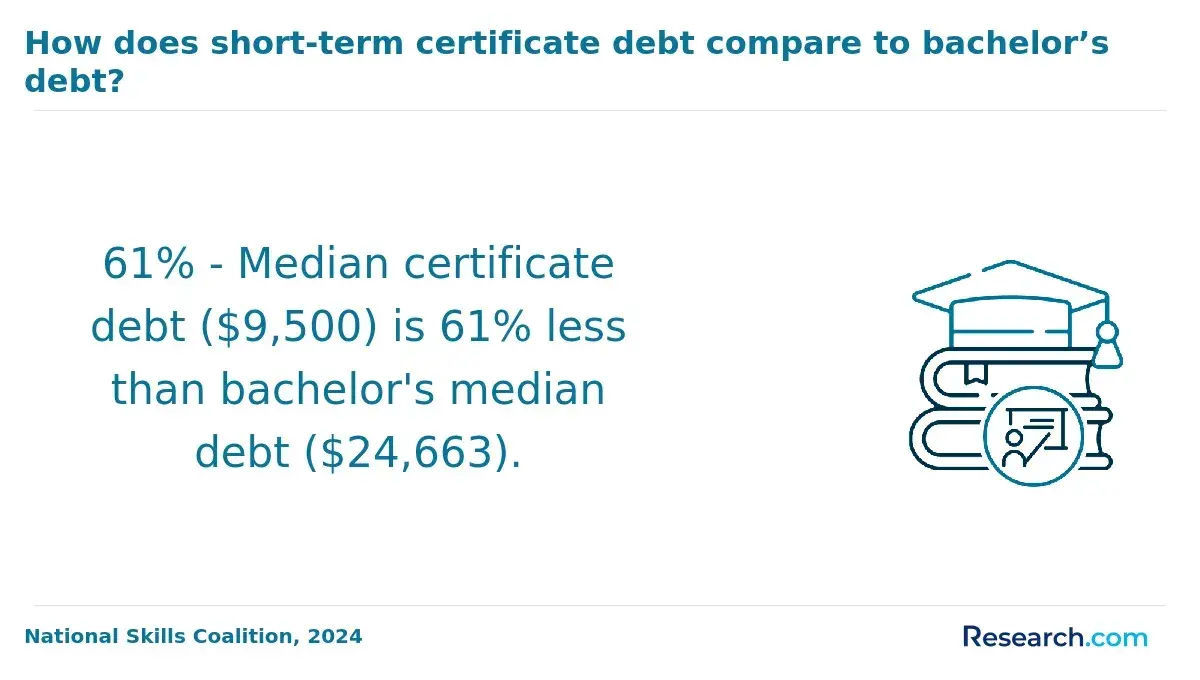
Tuition costs significantly influence the return on investment for sports management programs, but lower expenses do not guarantee better financial outcomes. Public institutions often offer average net prices near $9,500 annually after aid, substantially less than private nonprofits, which can exceed $25,000. However, the higher sticker price at private nonprofits may be offset by stronger completion rates and more robust job placement, as reported by the Education Data Initiative. For a working adult balancing career and education, choosing a lower-cost public program might reduce immediate debt but could delay career advancement if graduation timelines or employment supports are weaker.
Debt load disparities also affect the net ROI, with graduates from private nonprofit programs assuming average debts around $35,000 compared to approximately $21,000 from public institutions, potentially postponing financial stability. Yet, private nonprofits often provide flexible formats and extensive career services, potentially accelerating entry into competitive markets. Students must weigh the tradeoff between upfront costs and long-term earning potential, especially considering that private programs may offer access to stronger alumni networks and industry connections that public programs typically lack. Evaluating sports management programs thus requires a nuanced approach that balances tuition expense, debt exposure, completion likelihood, and career resource quality to align educational investment with individual financial and professional goals.
How Do Graduation Rates Influence Sports Management Program ROI?
Graduation rates provide a revealing, if incomplete, measure of the return on investment for sports management programs, particularly when comparing public, private, and nonprofit online institutions. For example, public universities often show lower 6-year completion rates near 55% compared to about 70% for private nonprofits, reflecting differences in student populations where more part-time and working adults enroll in public settings. This affects time-to-degree and consequently tuition costs and debt accumulation, which are critical for cost-conscious adult learners balancing education with life and work responsibilities. Programs offering flexible pacing and robust academic support can mitigate these challenges, enhancing persistence and improving ROI despite varied graduation timelines.
The impact of graduation rates on sports management program ROI extends beyond raw percentages to include educational quality and employability outcomes. While institutions with higher completion rates often signal efficient support systems and stable student engagement, graduation rate alone should not dictate program choice. Real-world tradeoffs, such as accommodating students who pause studies for family or job demands without dropping out, underscore why employers and students must consider broader factors like affordability and career relevance. Prospective students benefit from evaluating these dynamics alongside data from trusted sources such as the National Center for Education Statistics. Those seeking comparative affordability may also explore options like a criminology degree online to understand cross-disciplinary investment implications.
What Role Do Career Outcomes Play in the ROI of a Sports Management Degree?
Career outcomes critically shape the true return on investment of online sports management degrees, with differences between public, private, and nonprofit institutions reflecting distinct tradeoffs in cost, employability, and long-term value. Graduates from private programs often see higher immediate employment rates-around 85% within six months according to recent National Center for Education Statistics data-largely because of stronger industry partnerships and networking channels that facilitate entry into competitive sports roles. However, these benefits come with higher tuition costs and potential debt, which can dilute ROI if career mobility stalls. Public online programs, meanwhile, offer more affordable options with somewhat lower but still respectable employment rates near 78%, appealing to students prioritizing lower upfront costs but accepting slower or less direct career pathways. Nonprofit institutions tend to serve niche sectors, focusing on community or nonprofit sports management, which can limit broad-based job placement yet provide meaningful roles aligned with specific career goals.
Because employers increasingly value practical skills like data analytics and event coordination, programs that integrate applied learning substantially influence graduates' prospects beyond degree completion. For many students, the decision to pursue a particular online program is less about brand prestige and more about whether the curriculum and connections translate into real access to jobs-a critical factor when balancing tuition, time-to-degree, and debt against the likelihood of achieving upward mobility. This variable employability challenges a simplistic cost-versus-credential calculation, underscoring that ROI depends on how a program's outcomes align with workforce demand and the graduate's targeted career sector.
One graduate recalled weighing the decision to enroll in a mid-tier private online sports management program, skeptical whether the higher cost would yield tangible career rewards. Initially uncertain about whether the degree would lead to meaningful promotions or role expansion, they eventually found that the program's internship network opened doors to a regional sports agency where practical skills learned were recognized and utilized. Over time, this access translated into broader responsibilities and steady professional growth, reinforcing that career outcomes were the essential metric-not just the degree's price or prestige-in assessing the program's return on investment.
How Does Student Debt Impact the Long-Term ROI of a Sports Management Program?
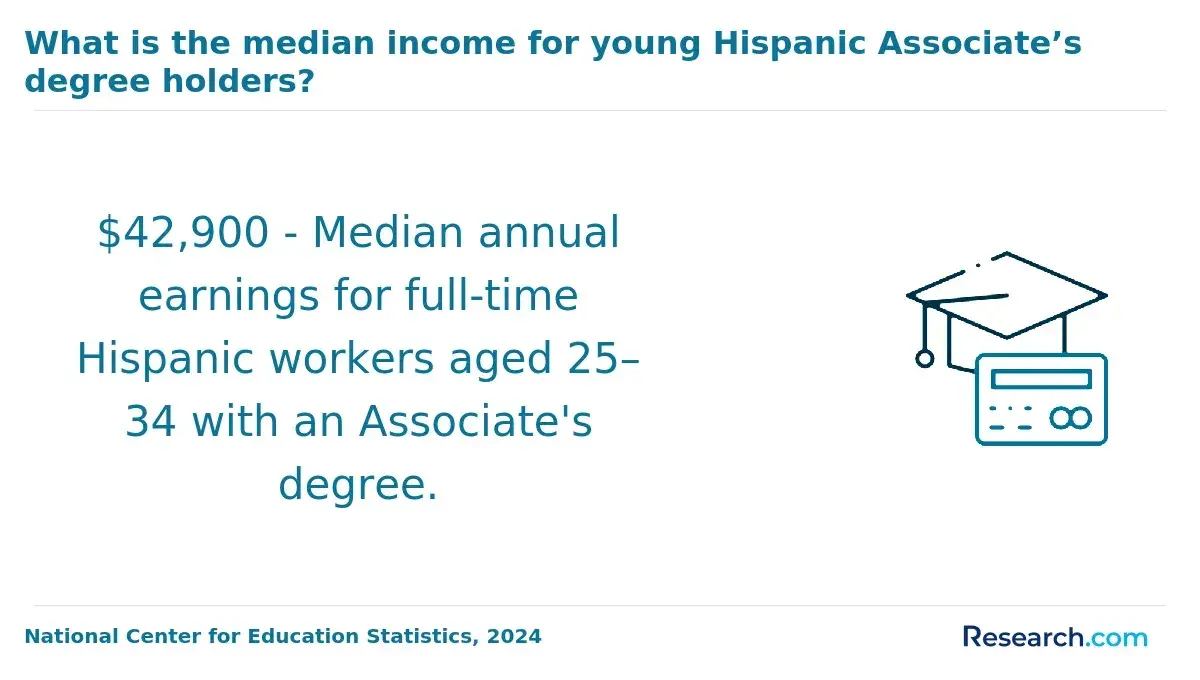
Borrowing strategies and debt levels critically shape the long-term return on investment (ROI) for online sports management programs, with substantial variation across public, private, and nonprofit institutions. Graduates from public programs often benefit from lower tuition and more extensive financial aid, allowing for manageable repayment terms that align more closely with entry-level salaries in the sports industry. In contrast, private online programs generally carry higher tuition and elevated borrowing requirements, which increase the risk of longer repayment periods and greater cumulative interest costs, eroding net lifetime earnings despite potentially stronger brand recognition.
How student loans affect career ROI in online sports management programs becomes clearer when considering completion timelines and program quality alongside debt burdens. Programs with extended graduation periods often lead to increased borrowing and delayed entry into the workforce, reducing financial flexibility and career mobility. Nonprofit institutions vary widely: some mitigate debt through scholarships, while others resemble private programs in cost, offering mixed outcomes. Prospective students must therefore weigh these debt realities against salary expectations and career advancement opportunities, especially if considering an online hospitality management program for related career paths.
Graduation rates, career support services, and employment outcomes heavily influence how debt affects overall ROI. Without strong career services or clear labor market alignment, borrowers risk higher delinquency and default rates, undermining financial gains from the degree. Evaluating debt proportionate to educational quality and job market fit is essential for cost-conscious adult learners, working professionals, and career changers who require pragmatic insight into financing options and long-term value rather than surface-level comparisons.
How Do Flexibility and Adult Learner Support Affect Sports Management Program Value?
Programs offering asynchronous scheduling significantly enhance the ability of working professionals and career changers to progress efficiently, directly impacting persistence and degree completion timelines. This flexibility is especially crucial for adults balancing employment, family, or military commitments, enabling more manageable integration of coursework without sacrificing income or responsibilities. However, public institutions often emphasize affordability and part-time options, sometimes at the expense of comprehensive adult learner support services like tailored advising or accessible faculty, which can slow progress and diminish long-term ROI in a competitive job market.
In contrast, nonprofit and private online sports management programs tend to provide more robust academic advising, career support, and transfer-friendly policies designed to shorten time-to-degree and facilitate employment transitions. While these services may increase upfront costs and student debt, they often yield improved retention and faster credential attainment, which can offset expenses through earlier workforce entry or advancement. According to a 2024 National Center for Education Statistics report, students enrolled in online programs with flexible scheduling and strong support experienced up to a 30% higher graduation rate within six years, underscoring the tangible impact of these program features on educational outcomes and vocational readiness.
Prospective students must therefore weigh the tradeoff between lower tuition and fewer support mechanisms at some public schools versus the potential for enhanced guidance and networking at private or nonprofit institutions. The latter may justify higher costs through improved career services and personalized resources that influence long-term job prospects in sports management. Ultimately, decision-makers should assess how well a program's design addresses their specific life circumstances and persistence challenges, as these factors critically shape both immediate affordability and the enduring value of their investment in education.
How Do Accreditation and Institutional Reputation Influence Sports Management ROI?
Regional accreditation remains a crucial factor for assessing the return on investment in sports management programs, as it signals adherence to recognized academic standards that many employers and graduate schools prioritize. Graduates from regionally accredited schools experience roughly a 15% higher employment rate within their field, according to the Council for Higher Education Accreditation's 2024 report, which can substantially influence early career earnings and job stability. While some private institutions may leverage brand reputation or alumni networks to enhance perceived value, recruiters emphasize relevant experience and skills over prestige, meaning institutional reputation alone rarely secures employment or salary advantages.
Tradeoffs between public, private, and nonprofit online programs often lie in completion rates, tuition costs, and academic support, all of which shape net ROI through debt burden and time-to-degree. Public and nonprofit programs typically show higher graduation rates and stronger transfer policies, reducing both financial risk and barriers to advanced licensure or graduate education. Conversely, accelerated private formats might compress time but sometimes yield lower completion, which can harm both affordability and employer perception of student persistence. Employer familiarity with the institution may help in negotiation or advancement but does not replace demonstrated competencies and relevant experience in hiring decisions.
Deciding among options requires weighing accreditation status alongside reputation, affordability, and academic outcomes in light of personal career goals. Programmatic accreditation in sports management or related business fields can further enhance credibility for specialized roles, while the interaction of these factors informs long-term career trajectories more than institutional brand alone. Cost-conscious learners should prioritize institutions that balance recognized accreditation, viable transfer and licensure pathways, and practical training to maximize the meaningful ROI of their sports management investment.
How Does Time-to-Degree Affect the ROI of Public, Private, and Nonprofit Sports Management Programs?
Time-to-degree significantly shapes the return on investment for public, private, and nonprofit sports management programs by impacting both direct costs and foregone earnings. For example, adult learners in nonprofit online programs may prioritize part-time enrollment and program flexibility, extending completion timelines and tuition exposure but possibly preserving work-life balance. Private programs often offer accelerated pathways and accept transfer credits, allowing faster graduation but sometimes at a higher per-credit cost, which can increase student debt without guaranteeing better career outcomes. Public institutions usually have more rigid course schedules that could lengthen time-to-degree for nontraditional students but often maintain lower tuition rates, affecting the overall debt burden and timing of labor market entry.
Graduation rates and completion speed are crucial to understanding the comparative ROI of public private nonprofit sports management degrees, as delays or dropout risks amplify sunk costs and diminish earning potential. Higher completion rates at private nonprofits may offset their steeper tuition by reducing the risk of attrition, yet accelerated programs might sacrifice the experiential learning and networking critical in sports management careers. Balancing these tradeoffs is essential for working professionals who must weigh flexible timelines against losing optimal post-graduate earning windows. Prospective students assessing affordability and educational quality should consider metrics beyond tuition alone, integrating time-to-degree impacts with outcomes such as career progression and debt management.
When evaluating educational pathways, those seeking cost-effective options might also explore related fields-such as through an online masters in finance-to compare ROI and time commitments. This broader perspective helps inform decisions anchored in practical realities, ensuring that the chosen route aligns with professional goals and personal circumstances while optimizing long-term value.
How Can You Choose the Best Sports Management Program Based on Your ROI Goals?
The highest ROI in sports management programs hinges more on individual priorities and circumstances than simply whether a program is public, private, or nonprofit. Public online programs generally offer significantly lower tuition-often 30-50% less according to the 2024 National Center for Education Statistics-reducing upfront debt but may provide fewer specialized career services or networking opportunities. Conversely, private institutions often command higher fees but may translate into stronger employment outcomes through robust alumni networks and learner support, a tradeoff that matters most for those valuing long-term career placement over immediate cost savings.
Graduation rates, time-to-degree, and program flexibility also heavily influence ROI calculations. Programs with higher completion rates and accelerated or asynchronous options minimize income disruption for working adults or career changers, improving net returns on educational investment. Accreditation and institutional reputation remain decisive factors for employer recognition, shaping hiring decisions in competitive sports management sectors. Consideration of financial aid availability and debt burden is especially critical given varied personal circumstances such as family obligations and career goals.
Cost-conscious learners comparing public vs private sports management degrees return on investment must weigh these elements carefully. For students balancing work and study who prioritize affordability, public programs may offer the best fit, while those with access to financial aid and seeking credential prestige might lean toward private or nonprofit options. Exploring MFA online resources can also provide insight into cost-effective pathways tailored to individual ROI objectives.
References
- 7 Key Differences Between Nonprofit and For-profit Organizations https://online.norwich.edu/online/about/resource-library/7-key-differences-between-nonprofit-and-profit-organizations
- Types of Sports Management Degrees https://www.allbusinessschools.com/sports-management/degrees/
- Why study sports management? - INSEEC https://www.inseec.com/en/guides/orientation-guide/why-study-sports-management/
- ROI and Accreditation of Online Programs | 16 | Using ROI for Strategi https://www.taylorfrancis.com/chapters/edit/10.4324/9781003448587-16/roi-accreditation-online-programs-leah-matthews
- What can you do with a sports management degree? - AISTS https://aists.org/what-can-you-do-with-a-sports-management-degree/
- A Degree in Sports Management | Game-Changer for Your Career | George Group of Colleges https://www.georgecollege.org/blog/a-degree-in-sports-management-can-be-a-game-changer-for-your-career/
- 10 Of The Best New Sports Management Programmes To Look For - Bluesky Thinking https://bluesky-thinking.com/7-of-the-best-new-sports-management-programmes-to-look-for/
- The Economics of Accreditation: Costs, Benefits, ROI - Course Accreditation https://course-accreditation.com/blog/the-economics-of-accreditation-costs-benefits-roi/
- Is Grad School Worth It? A Comprehensive Return on Investment Analysis - FREOPP https://freopp.org/whitepapers/is-grad-school-worth-it-a-comprehensive-return-on-investment-analysis/
- ‘MBAs for the Public Good’? https://www.vitalcitynyc.org/mbas-for-the-public-good-does-getting-a-masters-degree-make-sense-for-nonprofit-professionals/
Other Things You Should Know About Sports Management
Private programs often charge more but may offer smaller classes, more tailored career services, or faculty with stronger industry connections. However, these benefits do not always translate into significantly better job placement or salary outcomes within sports management. For cost-conscious students, public and nonprofit online programs frequently provide comparable practical skills and employer recognition for a fraction of the cost, making them preferable unless the private program's unique partnerships or experiential learning options directly align with the student's career goals.
Public institutions often leverage larger alumni networks and established local sports markets, which can enhance internship opportunities and regional job prospects. Private programs might emphasize personalized mentoring or specialized concentrations, potentially beneficial for niche roles but less critical if your career interests are broad. Nonprofit programs usually balance cost and quality but may have limited course offerings or extracurricular activities, which can restrict experiences valued by employers. Students should assess how these program structures directly affect their ability to access relevant hands-on experiences and build meaningful industry connections.
If you require flexibility due to work or personal commitments, nonprofit and public programs are often designed with part-time and adult learners in mind, offering asynchronous options and extended enrollment periods. However, some sports management employers place a premium on graduates from programs with recognized names, often private institutions or flagship publics known for their athletics administration focus. Balancing these priorities means choosing a program that fits your schedule without sacrificing the degree's credibility in the hiring market, with a slight preference for public programs that can offer both reasonable flexibility and established employer connections.
Nonprofit programs frequently sit between public and private schools regarding cost and educational delivery, but their success hinges on how well they integrate internships, capstone projects, and networking opportunities. Many nonprofits rely heavily on digital formats, which can limit spontaneous interaction with professionals or peers unless intentionally structured. Prospective students should verify that these programs include meaningful, employer-recognized experiential components before committing, as missing practical engagement can dilute ROI even if tuition is moderate.