2027 Sports Management Degree Enrollment Trends by Age Group: Traditional Students vs Adult Learners

Co-Founder and Chief Data Scientist
The Sports Management sector faces unique workforce dynamics that shape enrollment patterns across age groups. Licensing requirements and employer preferences for recent graduates with up-to-date technical skills drive younger student participation, while adult learners often balance program accessibility against demanding practicum hours and portfolio-building expectations.
Recent data shows that 42% of Sports Management students are aged 25 and older, reflecting industry shifts toward mid-career transitions amid projected 9% employment growth over the next decade. These patterns reveal an evolving profession where age distribution signals not only adaptation to economic disruptions but also increasing emphasis on diversified credentials and experiential learning models.
Key Things to Know About Sports Management Degree Enrollment Trends by Age Group
- Enrollment among traditional college-age students in sports management often favors full-time, campus-based programs, leading to quicker completion but less work experience during study, which can challenge immediate employability.
- Adult learners constitute over 35% of recent sports management enrollees, reflecting workforce reskilling trends; however, employers may prioritize younger graduates for entry-level roles requiring prolonged internships.
- The tendency for older students to enroll part-time extends program duration and increases overall costs, impacting return on investment and necessitating careful financial planning for career advancement.
- Key Things to Know About Sports Management Degree Enrollment Trends by Age Group Key Things to Know About Sports Management Degree Enrollment Trends by Age Group
- Which Age Groups Represent the Largest Share of Sports Management Students? Students by Age Group
- Why Do Traditional Students Choose Sports Management Degree Programs? Traditional Students
- Why Do Adult Learners Return to School for a Sports Management Degree? Adult Learners
- How Do Academic Goals Vary Between Younger and Older Sports Management Students? Academic Goals by Age Group
- How Do Financial Concerns Differ Between Traditional Students and Adult Learners? Financial Concerns by Age Group
- What Challenges Do Adult Learners and Traditional Students Face While Earning a Sports Management Degree? Student Challenges by Age Group
- How Does Age Affect Sports Management Degree Student Retention? Age and Student Retention
- Which Sports Management Specializations Are Most Popular Among Adult Learners? Top Specializations for Adult Learners
- How Does Age Affect Job Opportunities for Sports Management Graduates? Impact of Age in Job Opportunities
- What Do Current Sports Management Enrollment Trends Reveal About Future Demand? What Do Current Sports Management Enrollment Trends Reveal About Future Demand?
Which Age Groups Represent the Largest Share of Sports Management Students?
Sports management programs attract learners across diverse stages of life, yet enrollment predominantly clusters within distinct age groups shaped by financial capacity, career timing, and education accessibility. This age distribution mirrors larger workforce patterns and higher education system dynamics, reflecting how students align their study choices with professional and personal circumstances.
The interplay between full-time availability, career transitions, and resource access largely determines who pursues these degrees and when.
- Ages 18-24: This traditional college-age cohort represents the largest share of sports management students, consistent with broader trends in higher education enrollment. Many in this group transition directly from high school into full-time undergraduate study, benefiting from institutional support such as structured internship pipelines and campus resources. Their enrollment patterns are driven by fewer external obligations and the ability to dedicate time exclusively to academics and career-building activities.
- Ages 25-34: Often comprising early-career professionals or individuals seeking vocational shifts, this group enrolls part-time or through flexible online formats to balance education with employment and family responsibilities. Their participation reflects practical limitations, including time constraints and financial commitments, which may slow degree completion but align with career advancement needs. Programs aimed at this demographic frequently emphasize applied learning to integrate existing industry experience.
- Ages 35 and older: Adult learners in this segment typically engage in sports management education to formalize practical experience or pivot careers later in life. Though smaller in number compared to younger groups, their presence is increasing due to evolving workforce demands and growing availability of FAFSA-approved online certificate programs. However, balancing academic schedules with extensive professional and personal commitments remains a significant enrollment barrier.
These enrollment trends underscore how age demographics of sports management degree students are less about academic preference and more about real-world considerations such as career timing, access to financial aid, and the flexibility of educational offerings. Employer expectations often favor candidates who can invest in immersive internships or entry-level roles early, favoring younger students, while adult learners contribute valuable experience but encounter structural challenges in accessing and sustaining formal education pathways.
Awareness of these enrollment dynamics can better inform students' decisions in choosing programs aligned with both their life stage and career objectives.
Why Do Traditional Students Choose Sports Management Degree Programs?
Traditional-aged students pursuing Sports Management degrees are often driven by a combination of academic interest in sports-related industries and recognition of the degree's signaling value for entry-level careers. Many view these programs as structured pathways to explore early career options in sports business, marketing, and administration, where a specialized credential is increasingly expected.
Enrollment decisions reflect a strategic approach to combine passion for sports with tangible employment prospects, supported by curricula that emphasize practical skills and industry knowledge. According to a 2024 report by the National Center for Education Statistics, around 38% of these students cite both strong career prospects and personal enthusiasm as primary motivations.
Deeper enrollment influences include targeted university recruitment paths and the role of guidance counselors who increasingly present Sports Management as a viable professional route. Exposure to sports management content in secondary or early college coursework raises awareness and shapes student perceptions of job market stability within professional and collegiate sports sectors. This early academic and counseling engagement also correlates with students' expectations for internships and experiential learning opportunities integral to program selection.
For those weighing educational alternatives, options like an online psychology degree can offer comparisons in flexibility and career alignment, but traditional students often prioritize campus-based, sports-focused pathways that align closely with their occupational ambitions.
Why Do Adult Learners Return to School for a Sports Management Degree?
Adult learners often pursue a sports management degree to enhance career mobility, address wage stagnation, or transition into new roles within the sports industry. This demographic typically returns to education with a clear intent to acquire credentials that bridge experience gaps and meet updated qualifications demanded by employers.
A 2024 report by the National Center for Education Statistics found that nearly 38% of nontraditional students seek degrees specifically to qualify for different or higher-level occupational roles, underscoring a strategic focus on credential-driven career shifts or advancement rather than general academic exploration.
Additional factors influencing adult enrollment include the increasing prevalence of employer-funded tuition assistance and the flexibility offered by online or part-time programs, which better accommodate the competing professional and personal responsibilities typical of this age group. The evolving landscape of sports management, with growing emphasis on analytics, digital media, and global business practices, requires continuous skill updating, prompting adults to refresh technical expertise and adapt to changing industry standards.
These realities reinforce the value of re-skilling or up-skilling through education that directly aligns with workforce demands, rather than solely pursuing degrees for credentials in isolation.
The growing participation of adult learners shapes program delivery models, encouraging institutions to expand flexible, technology-enabled options that differ from traditional full-time study paradigms. This shift also influences classroom dynamics, introducing more diverse peer learning experiences and practical industry perspectives that reflect real-world challenges.
The trend contributes to the broader normalization of lifelong learning and workforce reskilling as fundamental components of professional sustainability in a rapidly evolving sports employment market.
How Do Academic Goals Vary Between Younger and Older Sports Management Students?
Younger students pursuing a sports management degree often approach their education with an emphasis on foundational learning and exploration of career possibilities within the field. Their academic goals typically involve building a broad skill set and securing internships or entry-level roles that offer hands-on experience, which 68% of traditional students identify as critical according to the 2024 National Postsecondary Student Aid Study.
This exploratory phase supports both direct workforce entry and preparation for potential graduate studies, reflecting a stage of educational and professional development where practical exposure shapes future specialization choices.
In contrast, adult learners enrolling in sports management programs usually have clearer, outcome-driven objectives tied to specific career milestones. Their focus centers on targeted skill acquisition, such as managerial competencies or niche specializations, that facilitate immediate workplace impact or role transitions. These students often balance education with existing work and family demands, prioritizing flexible program formats and credentials that strengthen their positioning for leadership or growth within established sports sectors.
A 2024 report by the Postsecondary Education Research Institute found that 74% of adult learners select programs aligned with advancing managerial expertise or securing promotions rather than broad academic exploration.
One adult learner shared how the timing of admissions decisions influenced his return to school: initially hesitant, he delayed applying due to uncertainty about juggling family and job commitments. When his preferred program's rolling admissions process extended, he used the extra weeks to finalize his schedule and financial aid, allowing him to enter with greater confidence. This experience highlights how adult learners often navigate more complex life logistics before committing, underscoring the importance of accessible, flexible enrollment options tailored to diverse career and personal circumstances.
How Do Financial Concerns Differ Between Traditional Students and Adult Learners?
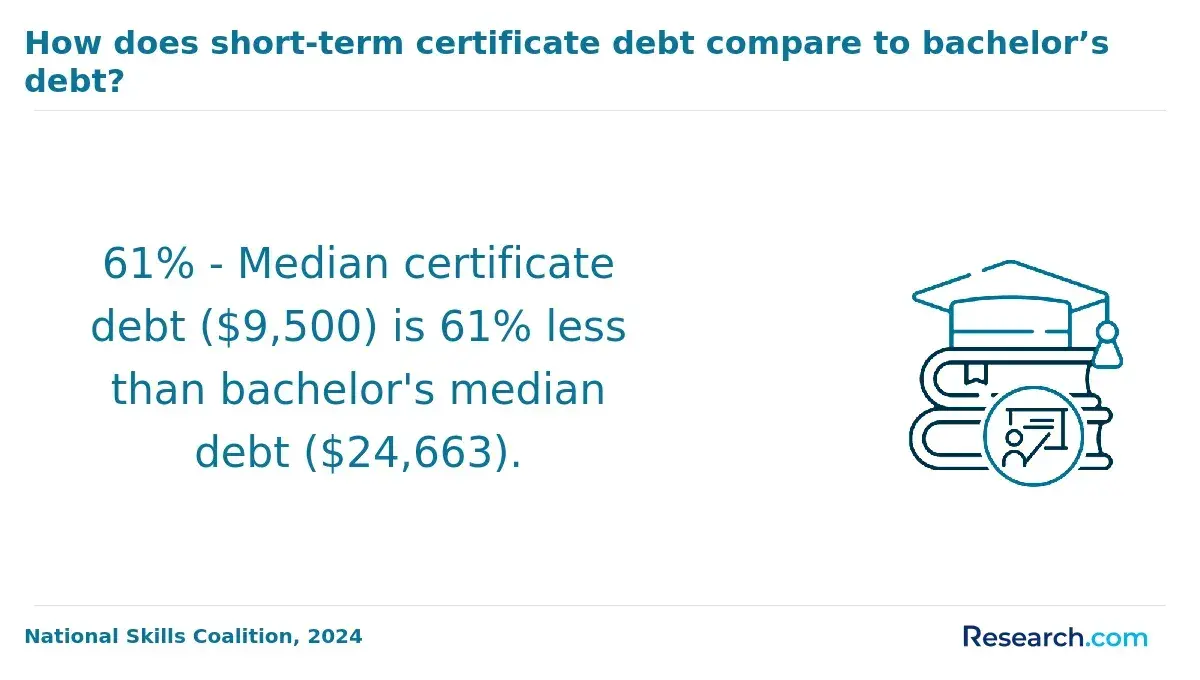
Traditional students pursuing a sports management degree generally depend on family support, financial aid, and student loans to cover tuition and living expenses. These younger learners frequently leverage federal financial aid programs, with approximately 65% utilizing such support according to the National Center for Education Statistics, which shapes their willingness to incur debt and influences long-term repayment concerns.
Their financial decision-making often revolves around balancing tuition costs against potential debt accumulation and post-graduation employment prospects, making shorter programs or associate degrees attractive to limit overall liability. This dynamic underscores the distinct financial challenges faced by traditional students versus adult learners in sports management.
In contrast, adult learners face a more intricate set of financial pressures that extend beyond tuition. Many self-fund their education or benefit from employer tuition assistance, but fewer-about 38% per the Postsecondary Education Finance Trends study-apply for federal aid, reflecting immediate income needs and family responsibilities. The opportunity cost of reduced work hours and lost wages can be substantial, driving preferences for flexible program formats such as evening or online classes.
These financial realities cause adult learners to critically evaluate the balance between short-term income sacrifice and longer-term career returns, especially given competing demands from household obligations.
These financial distinctions contribute to varying enrollment patterns and program preferences within sports management education. Traditional students often opt for cost-efficient pathways that minimize debt and expedite workforce entry, while adult learners frequently pursue more comprehensive bachelor's or graduate degrees to support career transitions or advancement. The decision-making calculus incorporates long-term return on investment considerations and practical constraints, encouraging a careful assessment of program delivery methods and timelines.
For those interested in specialized options combining flexibility and relevance, resources such as the best online social work programs illustrate how targeted degrees can align educational access with financial behavior across differing life stages, a parallel applicable to sports management as well.
What Challenges Do Adult Learners and Traditional Students Face While Earning a Sports Management Degree?
Traditional students pursuing a sports management degree often confront challenges tied to their transitional stage, including adapting to academic rigor while managing time effectively. Many are learning foundational skills such as disciplined study habits and balancing coursework with social and part-time work commitments. Data from the National Center for Education Statistics in 2024 indicates that roughly one-third of undergraduates find juggling these multiple demands stressful enough to affect retention and academic outcomes.
This group typically navigates these pressures without extensive professional experience, making internship competition and networking critical yet challenging components of their career preparation.
Adult learners face a markedly different set of obstacles stemming from competing personal and financial responsibilities. They frequently must integrate full-time employment and family care with their academic workload, which complicates scheduling and extends time-to-degree. According to a 2024 analysis by the Lumina Foundation, financial concerns-including tuition, childcare, and transportation-are cited by over half of adult students as significant barriers to uninterrupted progress.
Additionally, re-entry into academic environments requires adults to refresh skills while adjusting to technology and pedagogical shifts uncommon during their initial education, creating friction between existing professional expertise and evolving curriculum demands.
Recognizing these distinct patterns, institutions increasingly tailor support services to address such divergent needs by implementing flexible course delivery, asynchronous learning options, and specialized advising. These adaptations aim to mitigate lifecycle-related constraints by accommodating traditional students' need for foundational academic development alongside the multifaceted time and financial pressures experienced by adult learners.
Effectively responding to these differentiated challenges is pivotal for improving completion rates and aligning program design with realistic employability outcomes in sports management education.
How Does Age Affect Sports Management Degree Student Retention?
Younger sports management students often face retention difficulties tied to their developmental stage within higher education. Many juggle the transition from high school without a fully formed sense of academic direction or professional clarity, which can dilute motivation and engagement with rigorous coursework. Their academic preparedness may lag behind older peers, necessitating additional institutional support to bridge gaps in foundational skills.
Research from the National Center for Education Statistics (2024) shows that retention rates for this cohort can be significantly lower, reflecting challenges in sustaining commitment amid typical social distractions and less immediate application of theoretical content.
In contrast, older sports management students generally demonstrate higher persistence linked to well-defined career objectives and accrued life experience. Despite this, their retention is frequently impacted by the competing demands of employment, family obligations, and limited availability, which impose unique time constraints on their studies. However, their focused approach and practical orientation with workplace relevance often translate into stronger program completion rates, underscoring the value of integrating flexible scheduling and targeted support services.
This balance between goal clarity and external pressures shapes a distinct retention pattern that institutions must recognize to optimize outcomes for adult learners.
One sports management graduate recalled navigating rolling admissions with caution, initially postponing application submissions due to uncertainty about balancing part-time work and study. As deadlines approached, the urgency prompted strategic planning to secure financial aid and confirm internship placements-steps that ultimately reinforced commitment. This experience highlighted how timing and preparedness critically influence retention decisions, particularly for nontraditional students managing overlapping responsibilities.
Which Sports Management Specializations Are Most Popular Among Adult Learners?
Adult learners enrolled in sports management degree programs typically prioritize specializations that offer clear, tangible benefits for career mobility and salary growth. Their choices are informed by existing professional experience, often seeking fields that complement or accelerate their workforce transition goals. Emphasis is placed on applied skills and leadership potential, with many adult students targeting specializations that align with current industry demands and managerial roles.
This practical orientation differs from traditional students, who more frequently explore emergent or theoretical concentrations.
- Sports marketing and sponsorship: This specialization attracts adults aiming to leverage or pivot into roles involving event promotion, brand partnerships, and fan engagement. The business acumen gained here improves readiness for strategic marketing positions across diverse sports sectors, supporting income advancement and network expansion.
- Sports analytics: Increasingly popular due to its reliance on data-driven decision-making, this field appeals to adults with backgrounds in business, finance, or IT. It facilitates transition into analytical or strategic roles within front offices or coaching staffs, reflecting rising demand for performance optimization skills.
- Athletic administration: Many adult learners favor this pathway for its stability and focus on compliance, facility management, and program coordination. It suits those targeting managerial and administrative careers in collegiate or community sports settings, where organizational leadership is critical.
- Facility and event management: This specialization supports adults seeking hands-on roles in planning and executing sports events and managing venues. It aligns with workforce segments emphasizing operational leadership and logistical expertise.
- Sports finance and economics: Adults with finance experience often choose this area to deepen financial management and budgeting skills tailored to sports organizations, facilitating upward mobility in fiscal oversight roles.
Data from the 2024 National Collegiate Sports Management Survey indicates that 58% of adult learners select business-oriented specializations such as marketing or administration, almost double the 34% rate seen among traditional students. This reflects a pronounced preference among mature students for educational pathways enhancing immediate career applicability and employability in leadership roles.
Factors such as program flexibility and alignment with real-world job functions strongly influence adult learners' specialization choices, underscoring their focus on maximizing return on time invested in education. This trend is relevant for those evaluating sports management degree specializations preferred by adult learners to ensure practical outcomes.
Those interested in foundational academic credentials might also consider an online associates degree, which can serve as a stepping stone toward more advanced sports management roles or specializations.
How Does Age Affect Job Opportunities for Sports Management Graduates?
Younger sports management graduates typically enter the labor market with advantages tied to traditional academic timelines and access to entry-level internships, which often serve as critical gateways in the sports industry's experiential learning environment. Employers tend to favor candidates in this age group for roles requiring adaptability and a longer-term commitment, partly because these younger students usually have fresher academic knowledge and more flexible schedules.
However, competition within this demographic can be intense, as many applicants possess similar credentials but differ in practical exposure through internships. Understanding how age influences job prospects for sports management graduates in the US reveals that early career hiring patterns prioritize applied skills demonstrated during these formative internship experiences.
Conversely, older sports management graduates often bring substantial prior work experience and transferable skills that can position them for mid-level or leadership roles focused on business acumen and strategic decision-making. While such experience can be a considerable asset, these adult learners may face implicit biases, with some employers questioning their adaptability or potential for long-term career growth within sports management programs.
According to a 2024 report from the National Association of Colleges and Employers, 65% of employers value relevant work experience equally or more than age or traditional academic pathways, underscoring the tangible advantage of experience supplemented by structured internships or certifications. Adult learners pursuing sports management must therefore navigate both these systemic hiring behaviors and leverage existing networks to maximize opportunities while addressing potential barriers inherent to their career transition goals.
For those interested in more academic pathways like what is library science, the accessibility and enrollment patterns may similarly vary by age and professional background.
What Do Current Sports Management Enrollment Trends Reveal About Future Demand?
Rising enrollment in sports management degree programs reflects a growing recognition among students-both traditional and adult learners-of the practical career value inherent in combining formal education with hands-on experience. National Center for Education Statistics data from 2024 show an 8% growth in enrollment over three years, highlighting expanding interest broadly but especially among adults seeking flexible formats to accommodate existing professional and personal obligations.
This shift suggests students perceive these programs as gateways to roles in athletic administration and event management where academic credentials increasingly complement prior experience rather than merely replace it.
These enrollment patterns signal evolving labor market dynamics where employers prioritize a hybrid skill set addressing traditional operations and emerging digital commercialization in sports. Demand for professionals who can navigate both legacy structures and new media intensifies competition, triggering program expansions and curricular adaptations aligned with workforce needs.
The rise in adult learners entering sports management also corresponds with sector workforce shortages and technological disruption, indicating sustained future demand that will likely encourage specialized tracks emphasizing strategic, operational, and market-driven competencies to meet complex industry requirements.
References
- Traditional Vs. Non-Traditional Students in Higher Education https://moderncampus.com/blog/traditional-vs-non-traditional-students-in-higher-education.html
- Adult career changer's guide: Benefits of going back to college https://news.newmanu.edu/adult-career-changers-guide-benefits-of-going-back-to-college/
- How Higher Education Institutions Can Address the Needs of Adult Learners https://www.higheredtoday.org/2022/04/18/how-higher-education-institutions-can-address-the-needs-of-adult-learners/
- Why Adult Learners Persist, and How Colleges Can Engage Them | John M. Belk Endowment https://jmbe.org/news/why-adult-learners-persist-and-how-colleges-can-engage-them
- Why study sports management? - INSEEC https://www.inseec.com/en/guides/orientation-guide/why-study-sports-management/
- Gender, Age, and Race as Predictors of Sports-Viewing Behavior of Sport Management Undergraduates – The Sport Journal https://thesportjournal.org/article/gender-age-and-race-as-predictors-of-sports-viewing-behavior-of-sport-management-undergraduates/
- What can you do with a sports management degree? - AISTS https://aists.org/what-can-you-do-with-a-sports-management-degree/
- Why Colleges Should Support Non-Traditional Students https://hellomongoose.com/blog/why-colleges-should-support-non-traditional-students/
- Age Doesn’t Matter: How to Pivot Into a Career in Sports https://www.sportsmanagementworldwide.com/content/age-doesn%E2%80%99t-matter-how-pivot-career-sports
- The End of the Traditional Student Era: Higher Ed’s New Enrollment Reality - Collegis Education https://collegiseducation.com/insights/end-of-traditional-student-era/
Other Things You Should Know About Sports Management
Adult learners often need more flexibility due to work and family commitments, making part-time, evening, and online options critical for their enrollment decisions. Traditional students typically have fewer outside responsibilities, allowing them to engage in full-time, on-campus programs that may offer richer networking or hands-on internship opportunities. Consequently, programs that prioritize flexible delivery can better retain adult learners, but these might limit access to certain in-person experiential learning components valued by employers.
Adult learners often face pressure to complete degrees quickly to return to the workforce or advance careers, making accelerated programs appealing. However, faster-paced curricula may sacrifice depth in specialized sports management topics or reduce opportunities for applied learning. Students must weigh whether completing a degree sooner justifies potentially less comprehensive preparation, especially when aiming for advanced roles requiring nuanced industry knowledge.
Employers often expect traditional students to demonstrate potential through internships and academic achievements, while for adult learners, relevant work experience frequently outweighs academic credentials. This divergence means adult learners might focus on programs that offer skills directly applicable to current or target jobs rather than purely academic prestige. Choosing a degree path aligned with one's existing career stage and employer expectations optimizes employability and professional growth.