2027 Social Media Marketing Degree Completion Rates by Format: Online, Hybrid, and Campus Programs Compared

Co-Founder and Chief Data Scientist
Choosing between online, hybrid, and campus formats for a social media marketing degree can feel overwhelming. Each option presents distinct challenges: online programs may offer flexibility but can lack structure, hybrid formats combine digital and face-to-face elements requiring juggling schedules, and campus programs demand full-time presence with a traditional classroom experience. For a prospective student balancing work, family, and financial constraints, understanding how these formats influence completion is crucial.
Completion rates vary significantly across these modalities, affecting not only graduation prospects but also long-term career outcomes in social media marketing. Factors such as engagement, support services, and time management play central roles in student persistence. This article compares completion rates by format, examines influences on student success, and offers a framework for selecting the path best aligned with a student's goals and realities in social media marketing education.
Key Things to Know About Social Media Marketing Degree Completion Rates by Format
- Online formats show lower completion rates, around 55%, reflecting challenges in self-motivation and peer interaction, which can delay career entry despite flexible scheduling advantages.
- Hybrid programs boast roughly 70% completion, balancing digital access with campus engagement, improving retention through structured social accountability critical to mastering dynamic social media strategies.
- Campus-based degrees reach near 80% completion, benefitting from immersive environments that foster real-time networking and hands-on collaboration, directly enhancing post-graduation employability outcomes.
- How Do Completion Rates Compare Across Online, Hybrid, and Campus Social Media Marketing Programs? Completion Rate Comparison
- What Factors Have the Greatest Impact on Social Media Marketing Degree Completion? Degree Completion Factors
- Which Social Media Marketing Degree Format Is Hardest to Complete? Completion Difficulty
- How Does Each Social Media Marketing Learning Format Affect Student Success? How Does Each Social Media Marketing Learning Format Affect Student Success?
- How Does Enrollment Status Affect Social Media Marketing Completion Rates? How Does Enrollment Status Affect Social Media Marketing Completion Rates?
- Can Transfer Credits Improve Social Media Marketing Degree Completion? Transfer Credits
- What Student Support Services Improve Social Media Marketing Completion Rates? Student Support Services
- How Do Social Media Marketing Completion Rates Affect Career Outcomes? Impact on Career Outcomes
- How Should Students Choose the Best Social Media Marketing Learning Format? Choosing the Best Format
- What Are the Long-Term Pros and Cons of Each Social Media Marketing Learning Format? Learning Format Pros & Cons
How Do Completion Rates Compare Across Online, Hybrid, and Campus Social Media Marketing Programs?
Completion rates across online, hybrid, and campus social media marketing programs often reflect the differing profiles and circumstances of their student populations rather than an absolute measure of program quality. For example, students choosing campus programs typically have more structured schedules and immediate access to academic resources, while online learners frequently balance work, family, and other commitments. These contextual factors mean that completion statistics should be viewed as indicators of student outcomes, shaped by who enrolls in each format and their external challenges.
The variation in completion rates is influenced by several consistent themes: campus programs generally report rates near 65%, hybrid formats around 55%, and online-only programs about 45%. These gaps stem largely from differences in enrollment intensity, availability of face-to-face support, and flexibility in time management. Students in online or hybrid settings may struggle with less direct oversight but benefit from adaptable pacing, whereas campus students gain from fixed schedules and peer interaction. Ultimately, success hinges as much on individual discipline and circumstances as on the delivery format itself.
Prospective students evaluating social media marketing degree completion rates by format should weigh these statistics against their personal learning styles, study availability, and career aims. For instance, a student with ongoing work commitments might find a hybrid program's balance of flexibility and support more conducive to completion than a fully on-campus pathway. Conversely, those preferring immersive, in-person engagement may prioritize campus enrollment despite the demands. For those uncertain about their fit, exploring easy masters programs with flexible online or hybrid options may provide a practical starting point toward graduation.
What Factors Have the Greatest Impact on Social Media Marketing Degree Completion?
Successful completion of a social media marketing degree hinges on a complex interplay between personal readiness, academic foundation, and program-specific elements, rather than motivation alone. Students who rely solely on drive without considering external pressures or their own academic preparedness often face hurdles that impede progress. Completion reflects not only individual determination but also the availability of support systems and alignment between student circumstances and educational delivery modes. The following factors represent core influences shaping degree completion outcomes.
- Academic Preparation and Prior Success: Students entering programs with demonstrated college-level achievement and clear academic goals show significantly higher completion rates, with research indicating a 30% increased likelihood. This foundation builds confidence and fosters resilience in challenging coursework, benefiting learners across all formats.
- Self-Regulation and Time Management Skills: Essential in online formats, these skills help students navigate flexible schedules and independent study demands. Those who cultivate discipline and structured routines reduce attrition risk, as reflected in studies showing nearly double completion rates for self-directed learners in fully online social media marketing degree programs.
- Adaptability to Learning Environments: Particularly relevant for hybrid students, the capacity to switch between face-to-face and online settings helps maintain motivation and persistence. Students able to leverage hybrid flexibility while embracing intermittent campus engagement tend to experience improved persistence, with reported rates 15% higher than fully online peers.
- Social and Academic Integration: Campus-based programs often provide direct interaction with faculty and peers, fostering a sense of community that supports persistence. This engagement proves crucial for first-generation and underrepresented students, helping to offset challenges associated with balancing external commitments.
- Financial Stability and Access to Support Services: Economic pressures and availability of institutional resources frequently determine whether students can persist. Those with dependable funding and access to mental health, tutoring, or career services navigate obstacles more effectively, highlighting the importance of support networks regardless of format.
- External Responsibilities and Life Circumstances: Work, family, and personal obligations often conflict with degree demands, particularly in campus settings. Students who strategically assess their ability to manage these responsibilities before enrollment tend to maintain momentum and reduce dropout risk.
- Clarity of Career Objectives: Understanding how a social media marketing degree fits into longer-term employment plans encourages persistence. Students with defined professional goals are more likely to cope with academic challenges by focusing on practical outcomes, a consideration crucial when comparing diverse educational pathways including options like an accelerated cyber security degree online as alternative or complementary qualifications.
Which Social Media Marketing Degree Format Is Hardest to Complete?
Completion rates for social media marketing programs differ notably by format, highlighting important trade-offs for students balancing persistence and flexibility. Campus-based programs lead with 55%-65% graduation rates within six years, benefiting from structured schedules and in-person engagement that strengthen accountability and community support. Hybrid formats fall in the middle with 45%-55% completion, blending on-site interaction and remote learning but requiring students to navigate varying demands. Fully online degrees tend to have the lowest completion rates, often below 40%, reflecting challenges in maintaining motivation amid fewer direct interactions and distractions from competing responsibilities.
These differences underscore that no format guarantees ease of completion; instead, success hinges on managing distinct obstacles. For instance, a working parent pursuing an online social media marketing degree may appreciate scheduling flexibility but must cultivate strong self-discipline to overcome isolation and distractions. Meanwhile, a student choosing campus-based study benefits from embedded social networks but may struggle with rigid time commitments. Recent 2024 data from credible educational research centers confirm these patterns, encouraging prospective students to critically evaluate how each format aligns with their lifestyle and support needs.
One recent graduate recalled initially debating between hybrid and fully online routes due to job demands and family responsibilities. Choosing hybrid aimed to balance face-to-face support with remote convenience, yet they struggled with inconsistent routines and shifting deadlines, leading to moments of self-doubt. Looking back, the combination of in-person check-ins and online flexibility proved crucial; without periodic campus engagement, maintaining momentum might have been impossible. Their experience highlights how nuanced these challenges can be and why thoughtful format selection matters.
How Does Each Social Media Marketing Learning Format Affect Student Success?
Student success in social media marketing programs depends largely on how well the chosen learning format fits a student's personal learning style, time availability, and life responsibilities. No single format-online, hybrid, or campus-guarantees better outcomes on its own; rather, the alignment between format and individual circumstances shapes persistence and degree completion. For example, a working parent may thrive in a flexible online setting if they can maintain discipline, while a student who benefits from direct interaction might find campus-based instruction more effective. The following points highlight key ways different formats impact student success.
- Engagement and Interaction Opportunities: Campus programs generally offer richer direct contact with instructors and peers, which research shows is linked to higher degree completion rates. This face-to-face interaction builds accountability and community, benefiting students who thrive on social reinforcement.
- Flexibility and Accessibility: Online formats provide unmatched scheduling freedom, ideal for nontraditional students balancing work or family. However, without structured support, online learners often struggle with motivation and time management, which negatively affects persistence.
- Balance of Support and Autonomy in Hybrid Programs: Hybrid formats blend in-person engagement with online flexibility, often yielding completion rates closer to campus settings. Students in hybrid programs tend to be more intentional learners and enjoy both personalized support and adaptable scheduling.
- Self-Motivation and Time Management Challenges: Online students face greater pressure to independently organize study time and maintain discipline. Those lacking strong self-regulation skills risk falling behind, highlighting the need for proactive academic assistance in virtual environments.
- Access to Academic Resources: Campus students can leverage immediate access to tutoring, libraries, and faculty office hours, whereas online learners must rely on virtual equivalents that vary in effectiveness. The quality of remote support can determine retention and success.
- Sense of Community and Accountability: Being physically present on campus naturally fosters connection and peer support networks, which improve resilience and completion likelihood. Online and hybrid learners must seek or be offered ways to replicate this support digitally.
- Demographic Variations in Success Rates: According to 2024 data from the National Center for Education Statistics and the National Student Clearinghouse Research Center, campus programs report notably higher graduation rates than fully online formats, illustrating that format selection interacts with student backgrounds and learning needs to influence outcomes.
How Does Enrollment Status Affect Social Media Marketing Completion Rates?
Enrollment status is among the most influential factors affecting social media marketing degree completion rates, yet its impact depends heavily on a student's unique circumstances rather than the sheer number of courses taken. Full-time and part-time enrollment shape educational experiences differently, influencing how students can balance academic demands with personal and professional obligations. Recognizing the nuanced effects of enrollment status can help prospective learners choose a path that aligns with their life situation and commitment capacity. Below are key factors illustrating how enrollment status impacts social media marketing degree completion.
- Structured Academic Engagement: Full-time students often benefit from a more cohesive academic schedule that fosters immersion in coursework and peer networks. This structured engagement supports timely progression but may challenge those balancing significant outside responsibilities.
- External Commitments Influence: Part-time students frequently juggle work, family, or other obligations that extend time to completion. This group may face higher dropout rates unless academic institutions provide targeted support and flexibility that accommodate their schedules.
- Access to Resources and Interaction: Full-time campus-based students generally have enhanced access to on-campus resources and frequent instructor interaction, which improves retention. Online and hybrid students-especially part-time-might miss these supports unless proactive measures are in place.
- Program Format and Accountability: Hybrid formats tend to offer a middle ground, where part-time students receive some in-person accountability to offset challenges common in fully online settings. This can improve persistence relative to fully online part-time learners.
- Feasibility and Life Balance: Full-time enrollment accelerates completion but is not viable for everyone. Prospective students who must maintain employment may choose part-time status to preserve financial stability while advancing their education.
- Completion Rate Disparities: Data from the National Center for Education Statistics shows that full-time students in social media marketing programs complete degrees at rates approximately 30% higher than part-time students-a critical metric highlighting completion risks and opportunities tied to enrollment choices.
- Long-Term Career Alignment: Enrollment pacing affects not just completion but also the ability to apply learning practically. Students who match their enrollment with career demands can optimize both educational outcomes and workforce readiness.
For those evaluating options, understanding these enrollment factors alongside personal goals can clarify whether full-time or part-time study suits their path. Prospective students may also explore programs designed to improve part-time student success, such as those offering flexible scheduling or advising tailored to balancing work and study. Considering programs like an online degree business administration could provide models of flexibility and support that inform social media marketing degree decisions.
Can Transfer Credits Improve Social Media Marketing Degree Completion?
Transfer credits can meaningfully affect the completion rates of social media marketing degrees by reducing the number of courses students must retake, thereby shortening time-to-degree and easing financial strain. According to a 2024 report from the National Center for Education Statistics, students who utilize transfer credits are about 20% more likely to finish within six years than those starting without them. This advantage is notably stronger in online programs, where learners often bring prior college coursework, military credits, or professional training into flexible, modular curricula.
However, the extent to which transfer credits accelerate graduation depends heavily on credit relevance and the specific policies of each institution and program format. Campus-based social media marketing programs often enforce stricter transfer rules due to accreditation and tightly sequenced curricula, making it challenging to apply many external credits. Hybrid formats provide moderate flexibility, balancing traditional and digital requirements, while online programs typically offer a smoother credit evaluation process that can better accommodate prior learning.
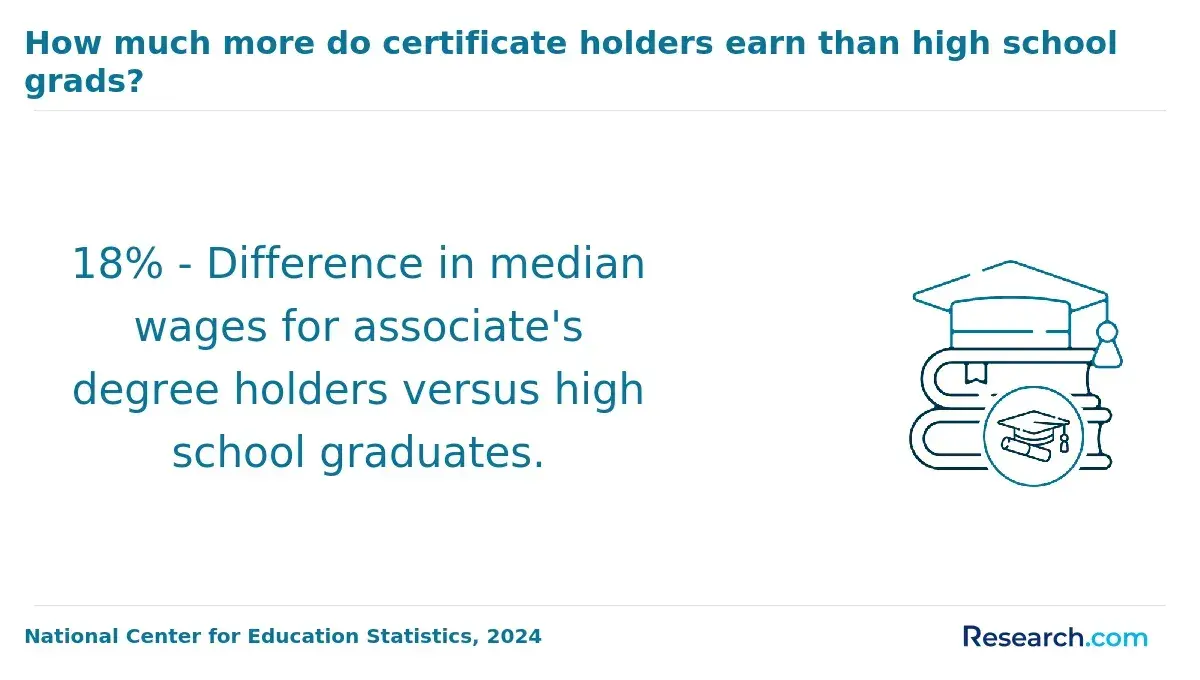
For example, a working professional with an associate degree and relevant certifications enrolling in an online social media marketing program might transfer substantial credits, cutting the degree timeline by a year or more. Conversely, a student without prior related credits or whose credits don't align with key program outcomes may gain little to no time savings. Certain caps on transferable credits require completing a minimum portion of a degree directly with the granting institution, ensuring the diploma maintains its value and market recognition.
Prospective students should conduct a thorough, official credit evaluation before enrollment, examining which courses transfer and how they fit graduation requirements. Comparing remaining required credits to one's planned course load and pace offers a realistic picture of potential time savings. Transfer credits can be a powerful tool for reducing redundant coursework and accelerating degree completion, but their impact is conditional, intertwined with program structure, institutional regulations, and individual academic history. Recognizing these nuances can help future graduates make informed decisions about how transfer credits may or may not improve their path to a social media marketing credential.
What Student Support Services Improve Social Media Marketing Completion Rates?
Student support services are critical factors influencing whether students complete social media marketing degrees, especially when comparing online, hybrid, and campus formats. Their impact is not uniform; the type and delivery of support must align with the specific challenges each learning environment presents. Data from 2024 studies by the National Center for Education Statistics and the Education Advisory Board confirm that well-targeted advising, tutoring, and engagement initiatives can substantially raise completion rates. Consider these key supports that drive persistence and degree attainment:
- Proactive Academic Advising: Advisors who actively track student progress and initiate contact prevent many from falling behind, particularly online learners who often wrestle with isolation. Hybrid students especially benefit from advisors skilled at coordinating between in-person and virtual schedules to maintain commitment.
- Adaptive Tutoring Services: Timely tutoring tailored to social media marketing's evolving content helps students master complex concepts faster. Both peer-led sessions and digital platforms contribute, boosting pass rates and shortening time to degree completion.
- Structured Orientation Programs: Comprehensive onboarding familiarizes students with degree demands and available resources, which reduces early dropout risk. Campus and hybrid students gain from face-to-face networking during orientation; online students rely more on virtual community-building.
- Community-Building Initiatives: Ongoing efforts to foster peer connection and mentorship support motivation and belonging, which are critical to persistence. Online cohorts especially need intentional social integration to combat detachment risks inherent in remote learning.
- Customized Scheduling Support: For hybrid learners balancing different modalities, flexible guidance on course timing mitigates conflicts and stress, supporting steady progress toward completion.
- Resource Accessibility and Navigation Assistance: Helping students quickly locate and use academic and technical aids improves efficiency and reduces frustration, a vital factor across all formats but acutely important online.
- Real-Time Progress Monitoring Tools: Digital dashboards that provide transparent feedback on grades and milestones empower students to adjust their efforts promptly and seek help when needed.
An online graduate once recounted that despite initial doubts about managing coursework alone, personalized outreach from her academic advisor kept her engaged. When she struggled with new analytics software, quick access to targeted tutoring made a decisive difference in her confidence and performance. The virtual mentorship program connected her with peers facing similar challenges, making her feel less isolated. This combination of supports transformed what began as a daunting, solitary endeavor into an achievable journey, underscoring how integrated services create the scaffold for completion in online social media marketing programs.
How Do Social Media Marketing Completion Rates Affect Career Outcomes?
Completion rates in social media marketing degree programs directly influence long-term career success by shaping employability and advancement opportunities. Evidence from national labor statistics shows that bachelor's degree holders have a 17% higher employment rate and earn significantly more over a lifetime compared to non-completers. Choosing between online, hybrid, or campus formats affects these outcomes since completion rates vary by education delivery mode and impact career trajectories differently. Below are primary ways that completing a social media marketing program can affect career outcomes.
- Enhanced job market access through degree verification improves initial employment prospects: Employers increasingly demand formal credentials that confirm skills and persistence. Completing a social media marketing program signals commitment, which often outweighs self-study alone. Those who finish in campus or hybrid formats typically benefit from stronger professional networks and recruiting events that translate into faster job placement.
- Higher lifetime earnings driven by credential recognition and networking opportunities: Degree completers earn more because they qualify for roles that require formal education and gain access to promotions. Campus-based programs generally provide richer peer interaction and immediate instructor feedback, which can cultivate skills valued by employers, though online programs offer comparable outcomes for those who persist.
- Greater eligibility for advanced education and specialized roles: Finishing a degree opens doors to graduate studies and certifications that enhance specialization in social media marketing. Persistence signals to graduate programs and employers a capacity for discipline and perseverance, critical in competitive fields. Hybrid models often balance flexibility with engagement, improving completion chances for working students.
- Improved professional resilience and adaptability to shifting market demands: Graduates can better navigate industry changes by leveraging knowledge gained through structured curricula and applied experiences. Completing the degree, regardless of format, differentiates candidates in a crowded job market, though results depend on individual initiative and labor market conditions.
Prospective students balancing unique challenges may find the flexibility of online programs essential, especially those exploring what can a felon go to college for. Careful consideration of personal commitment capacity relative to program format remains critical since degree completion strongly correlates with career success metrics linked to social media marketing degree completion rates impact on career success and career outcomes linked to social media marketing program formats.
How Should Students Choose the Best Social Media Marketing Learning Format?
Deciding the best format for completing a social media marketing degree depends on one's work-life balance, learning preferences, and personal discipline. Studies from 2024, such as those by the National Center for Education Statistics and the Chronicle of Higher Education, show degree completion rates vary significantly by format, influenced by student circumstances. For example, a working professional balancing multiple responsibilities may find online learning's flexibility crucial but should acknowledge the increased risk of attrition tied to limited direct interaction. The following factors provide a framework to evaluate which format aligns best with individual goals and challenges.
- Work and Family Commitments: Students with full-time jobs or caregiving roles often prefer online programs for flexibility. However, this freedom requires proactive time management and motivation to avoid the higher dropout rates seen in less structured online environments.
- Desire for Peer Interaction: Campus-based programs offer immersive environments and stronger peer networks, which research links to higher completion rates. Those valuing community and immediate access to resources may find hybrid or on-campus formats more conducive to sustained engagement.
- Self-Discipline and Time Management: Success in online learning correlates strongly with students' ability to maintain motivation without direct supervision. Prospective students should honestly assess their habits before selecting online routes.
- Learning Style Preference: Some students require hands-on or face-to-face experiences to fully grasp social media marketing concepts. Hybrid formats balance remote convenience with in-person sessions, supporting diverse learning needs better than purely online or campus options.
- Access to Institutional Resources: On-campus learners benefit from immediate support services, labs, and networking opportunities that contribute to persistence and skill acquisition, factors that impact employment readiness.
- Prior Academic Preparation: Students with stronger academic backgrounds tend to navigate the demands of any format more successfully, highlighting the importance of foundational skills regardless of delivery mode.
- Long-Term Career Objectives: Aligning format choice with professional goals ensures relevant skill sets are developed in a sustainable manner. For instance, students aiming for flexible careers may favor online programs, while those seeking immersive training might opt for campus or hybrid pathways.
Understanding these dimensions can guide a prospective student's selection of the best social media marketing learning format to improve degree completion outcomes and career readiness. Individuals interested in an online associate degree in criminal justice can similarly apply these insights to decide the learning environment best suited to their success.
What Are the Long-Term Pros and Cons of Each Social Media Marketing Learning Format?
Choosing the best learning format for social media marketing degree completion requires considering long-term impacts on skill development, engagement, and career readiness. Each format-online, hybrid, and campus-presents distinct advantages and challenges that influence graduation success and professional outcomes. Below are key factors to weigh before deciding your educational pathway.
- Flexibility Versus Structure: Online programs provide unmatched scheduling flexibility, ideal for working adults or caregivers, but may lack the structured accountability present in hybrid and campus settings, which support steadier progress and persistence.
- Engagement and Peer Interaction: Campus courses offer immersive, face-to-face collaboration critical for mastering hands-on social media marketing skills, while hybrid models balance interaction with convenience, and purely online programs often face higher attrition due to limited peer support.
- Networking Opportunities: In-person formats facilitate stronger long-term professional connections and internships vital for career entry; hybrid options improve networking compared to online-only routes, which may require extra effort to build industry contacts.
- Completion and Retention Rates: National Center for Education Statistics reports higher retention and completion rates for campus programs, with hybrid students showing modest gains over online learners, reflecting differences in engagement and support.
- Accessibility and Cost Implications: Online studies reduce commuting and living expenses, broadening access for some demographics, whereas campus demands can entail significant time and financial commitments that limit participation for others.
- Skill Application and Career Transition: Campus and hybrid formats better support practical skill mastery and smoother employment entry, as evidenced by Education Advisory Board findings; online students may need supplementary experience to compensate.
References
- How to get a Job in Social Media Marketing | University for the Creative Arts https://www.uca.ac.uk/blogs/what-is-a-social-media-degree/
- 15 New Solutions on Social Media Marketing in Higher Education — HE Professional https://heprofessional.co.uk/edition/release-social-media-marketing-higher-education-release
- 7 Best Social Media Marketing Courses for Effective Training https://landingi.com/social-media-marketing/courses/
- The Impact of Social Media in Enrollment Marketing - VisionPoint Marketing https://www.visionpointmarketing.com/social-media-marketing-impact/
- Digital and Social Media Marketing BSc (Hons) - University of Staffordshire https://www.staffs.ac.uk/course/digital-social-media-marketing-bsc
- Digital Marketing and Social Media - MA https://york.citycollege.eu/m/articles.php
- Social Media Marketing for Higher Ed Students https://unibuddy.com/blog/social-media-marketing-for-higher-ed-students/
- Certified Social Media Marketing Specialist 2.0 - Equinet Academy https://www.equinetacademy.com/course/certified-social-media-marketing-specialist/
- Guide to Measuring Social Media Success | Worcester State University https://www.worcester.edu/about/communications-and-marketing/web-digital-and-social-media/social-media/training-resouces/social-media-analytics-guide/
- Top 9 Social Media Marketing Success Factors https://emeritus.org/blog/digital-marketing-social-media-marketing-success-factors/
Other Things You Should Know About Social Media Marketing
Online social media marketing programs offer unmatched scheduling flexibility, but this often reduces direct interaction with instructors and peers, which is critical for motivation in a discipline that values collaboration and creativity. Lower engagement can contribute to higher dropout rates compared to campus formats, especially for students who struggle with self-paced learning or lack strong external accountability. Prospective students should weigh their self-discipline and need for structured feedback before prioritizing online programs solely for convenience.
Hybrid social media marketing programs attempt to combine the best of online and campus learning but can introduce complex scheduling demands that challenge students juggling work and school. The oscillation between on-site sessions and online tasks can disrupt consistent study routines, potentially increasing stress and impacting completion rates. For learners who thrive on routine, a fully online or fully campus program might present fewer barriers to finishing the degree. Prioritizing a format with predictable demands is key.
Employers in social media marketing increasingly acknowledge the legitimacy of online and hybrid degrees, especially when programs come from accredited institutions with strong practical components. However, campus degrees often carry an implicit advantage given the traditional networking and hands-on collaboration involved, which employers may interpret as better preparation for team-oriented roles. Students who rely heavily on networking for job placement should consider campus or hybrid options despite potential completion complexities.
Experiential learning-such as internships or project-based assignments-directly impacts social media marketing completion by making coursework feel relevant and engaging. Campus programs typically facilitate access to these opportunities more seamlessly through established local partnerships. Online students may face challenges securing comparable hands-on experience, which can affect motivation and timely degree completion. When choosing a format, students should assess how well the program integrates real-world projects aligned with their career goals to ensure the learning experience supports staying on track.