2027 Social Media Marketing Degree Concentration Trends: Which Specializations Are Growing the Fastest

Co-Founder and Chief Data Scientist
A marketing graduate weighing different social media marketing degree concentrations faces more than academic choices-they confront pivotal career risks. Selecting a specialization misaligned with the swiftly shifting digital landscape may limit job opportunities in an industry projected to add over 13% more social media-related roles by 2027, according to recent labor data. This recent growth surge underscores employer demand for skill sets tied to data analytics, influencer strategy, and platform-specific expertise rather than general marketing knowledge. Understanding which concentrations drive employment growth is vital to avoid costly detours and to build a sustainable career in this competitive field.
This article analyzes emerging concentration trends within social media marketing degrees, revealing which specializations show the strongest growth potential and best align with evolving employer priorities and long-term career success.
Key Things to Know About Social Media Marketing Degree Concentration Trends and Fast-Growing Specializations
- Data-driven specialization growth shows rising employer preference for candidates skilled in analytics and audience segmentation, implying students must invest in quantitative skills despite higher upfront coursework challenges.
- Emerging fields like influencer partnership strategy reflect shifting workforce demands toward integrated brand collaboration, meaning graduates with these skills can access expanding roles but face evolving performance expectations.
- Programs emphasizing short-term certificates within social media marketing specializations offer quicker entry but may limit depth, so selecting between faster access or comprehensive study affects long-term career trajectory and adaptability.
- Key Things to Know About Social Media Marketing Degree Concentration Trends and Fast-Growing Specializations Key Things
- What Are the Most Popular Social Media Marketing Degree Concentrations Today? Popular Degree Concentrations
- Which Social Media Marketing Degree Specializations Are Growing the Fastest? Fastest Growing Specializations
- Why Are Certain Social Media Marketing Degree Concentrations Experiencing Rapid Growth? Reasons for Rapid Growth
- Which Industries Are Driving Demand for Fast-Growing Social Media Marketing Degree Specializations? Industries Driving Demand
- What Are the Highest-Paying Social Media Marketing Degree Concentrations? Highest-Paying Concentrations
- How Are Technology and Innovation Influencing Social Media Marketing Degree Specialization Trends? Tech and Innovation Impact
- What Career Opportunities Are Available in Fast-Growing Social Media Marketing Degree Concentrations? Career Paths in Growth Areas
- Which Online Social Media Marketing Degree Concentrations Are Seeing the Most Growth? Concentrations Growth
- What Is the Future Outlook for Emerging Social Media Marketing Degree Specializations? Future Outlook
- How Can You Choose the Right Social Media Marketing Degree Concentration Based on Your Career Goals? Choosing Your Degree Concentration
What Are the Most Popular Social Media Marketing Degree Concentrations Today?
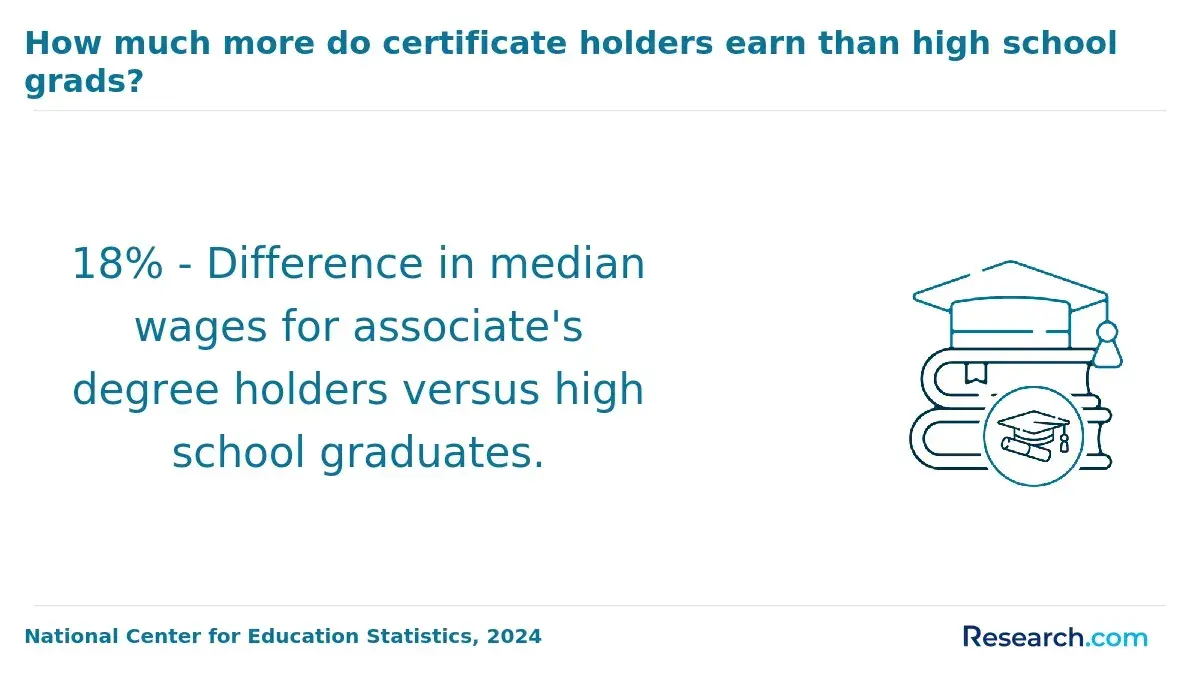
The most popular social media marketing degree concentrations today illuminate a clear bifurcation in industry needs: on one hand, data-driven skills centered on digital analytics are surging, reflecting employer demand for professionals who can translate social media metrics into actionable campaign strategies and ROI justification. According to the National Center for Education Statistics, programs emphasizing these analytics skills have seen an 18% increase in enrollment over two years, underscoring how tightening accountability pressures and technological advancements elevate the value of this specialization. However, pursuing this path often requires comfort with quantitative tools and programming languages, which may pose a steeper learning curve but offer strong alignment with market signals prioritizing measurable outcomes and data fluency.
Simultaneously, concentrations in content strategy, influencer marketing, and social commerce have gained traction by responding to evolving platform dynamics and consumer behavior shifts. These specializations tend to attract students focused on creativity, brand storytelling, and engagement metrics that are less strictly quantitative but demand agility in a fast-changing social ecosystem. For instance, influencer marketing's projected growth rate of 22% through 2030 emphasizes its expanding role in shaping consumer purchasing decisions and brand loyalty, though it requires navigating platform algorithm changes and regulatory scrutiny.
Prospective students should weigh this against more technical fields, as these areas often blend marketing know-how with interpersonal and narrative skills, influencing where graduates may fit in an increasingly interdisciplinary workforce. Those needing a practical integration of both analytics and content often explore emerging program models that combine these strands, a trend visible in a growing share of programs highlighted in top social media marketing specialization trends in the US.
Understanding these concentration patterns aids in decisions that balance immediate employability with longer-term adaptability. For individuals debating specialization, it is also worth noting how rapidly shifting platforms and consumer preferences can redefine skill relevance, making some niche focuses more vulnerable to obsolescence. Exploring broadly relevant options, potentially alongside adjunct credentials such as AI or data science, can create durable career versatility, illustrated by the rise in demand for skills that bridge marketing creativity with technology. For those keen on maximizing practical outcomes, resources like an AI degree online offer complementary pathways that reinforce data-driven decision-making in social media contexts.
Which Social Media Marketing Degree Specializations Are Growing the Fastest?
The fastest expansion within social media marketing degree specializations is largely driven by shifting employer priorities toward actionable data insights, partnership dynamics, and content innovation. For instance, social media analytics programs are rapidly growing as organizations increasingly require skills to translate complex audience data into strategic decisions-a 2024 report from Burning Glass Technologies notes a 25% annual rise in job listings calling for these competencies.
This growth signals a broader trend toward integrating AI and machine learning tools, making traditional marketing knowledge insufficient without advanced analytical expertise. Concurrently, influencer marketing management is becoming more prominent due to evolving regulatory landscapes and demographic preferences for peer-driven content, introducing challenges that demand both ethical discernment and nuanced understanding of sponsored communications.
These specialization growth trajectories emphasize significant tradeoffs for students: choosing highly technical or narrowly focused tracks may yield strong short-term demand but risk limiting adaptability as platforms and algorithms evolve. Conversely, concentrations geared toward digital content strategy promote versatility by emphasizing storytelling across multiple formats and platforms, a necessity given the volatile nature of social media channels and algorithmic shifts highlighted by the Content Marketing Institute in 2024. Students must, therefore, align their academic focus with realistic assessments of long-term skill relevance, as sustained employability increasingly depends on continuing education and agile responses to technology-driven transformations rather than static curricular knowledge.
A student evaluating these rising concentrations recalled initially favoring influencer marketing management due to its popularity and apparent direct link to emerging digital commerce trends. However, after consulting faculty and analyzing recent labor market reports, they grew uncertain whether such a niche focus would maintain its value amid regulatory changes and market saturation.
Ultimately, the decision pivoted on balancing personal interest toward creative content development with the pragmatic consideration that a specialization in social media analytics or broader digital content strategies might offer more durable career flexibility. This reflective process underscored how critical it is to critically interrogate enrollment trends and industry forecasts instead of assuming growth rates alone dictate the best educational path.
Why Are Certain Social Media Marketing Degree Concentrations Experiencing Rapid Growth?
The surge in demand for certain social media marketing degree concentrations results primarily from rapid technological innovation and shifting regulatory landscapes. Employers increasingly seek specialists skilled in artificial intelligence-driven content strategies, real-time analytics, and platform-specific influencer marketing as these capabilities directly impact campaign precision and measurable ROI.
For example, the rise of AI tools for content personalization requires marketers who can integrate such technologies efficiently, creating a competitive edge for those with advanced analytics proficiencies. However, rapid specialization growth does not guarantee that every student benefits equally; those pursuing niche tracks must commit to continuous learning to keep pace with evolving platforms and tools.
Regulatory pressures around data privacy, with expanding rules modeled after frameworks like GDPR and CCPA, have sparked a need for marketers versed in compliance and ethical data use. This evolution fosters a demand for concentrations centered on social media law and responsible practice, reflecting employer priorities for risk mitigation alongside targeted advertising.
Workforce shortages compound these dynamics-surveys reveal that 68% of employers struggle to fill roles requiring sophisticated social media analytics, highlighting the premium placed on data-centric skills. While programs are expanding specialized curricula to address this, students should carefully evaluate whether these intensive concentrations align with their long-term adaptability and career goals in a rapidly changing marketing environment.
Which Industries Are Driving Demand for Fast-Growing Social Media Marketing Degree Specializations?
Demand for fast-growing social media marketing degree specializations is driven less by academic trends and more by the evolving priorities of specific industries. Technological innovation and data expertise have made the technology sector a dominant force, as companies increasingly deploy sophisticated campaigns to engage digitally native consumers. The U.S. Bureau of Labor Statistics projects a 12% growth in demand for marketing specialists with digital skills through 2034, highlighting the strategic importance of tech-driven social media marketing concentrations for students aiming at sectors where technology shapes both opportunity and competition.
Retail and healthcare sectors illustrate distinct workforce needs that influence specialization choices. The rise of e-commerce has created a critical need for marketers proficient in influencer strategies and algorithm analytics, while healthcare demands social media professionals adept at navigating complex compliance environments like HIPAA. These regulatory challenges impose practical tradeoffs for students: specialization in healthcare social media marketing requires not only creative skills but also a strong grasp of ethical frameworks, differentiating it from faster-paced retail roles.
Prospective students evaluating programs should consider how these sector-specific demands can shape employability and flexibility, acknowledging that growth in social media marketing concentrations aligns with industries expanding their digital footprint and increasing demand across healthcare systems. More nuanced guidance on related fields is available through research on MFT masters programs.
What Are the Highest-Paying Social Media Marketing Degree Concentrations?
Social media marketing degree concentrations that focus on advanced data analytics, digital strategy leadership, and content innovation tend to command noticeably higher earnings due to their alignment with emerging market demands. The 2024 Workforce Analytics Report by the U.S. Bureau of Labor Statistics and the Digital Marketing Institute highlights that professionals skilled in social media analytics and campaign optimization can earn up to 25% more than those concentrating on basic content creation.
This premium reflects the scarcity of marketers who combine technical expertise in AI-driven insights and machine learning with strategic decision-making capabilities. Employers increasingly seek candidates who can translate complex engagement data into business growth, making analytical and leadership-driven specializations more valuable despite requiring ongoing upskilling and adaptability.
Leadership-oriented concentrations such as social media brand strategy and integrated marketing communications also yield higher returns by demanding cross-functional collaboration and budget oversight, roles that carry broader organizational impact. Emerging areas like influencer marketing management and social commerce reveal robust growth, shaped by evolving regulatory and consumer trust challenges that require specialized knowledge beyond traditional marketing skills.
These niches pressure candidates to balance technical depth, strategic oversight, and compliance navigation. Yet, prospective students must weigh the narrower job markets and the necessity for geographical and professional flexibility against the potential for increased compensation and role complexity.
One recent graduate evaluating social media marketing concentrations weighed the clear earning advantages of analytics and leadership tracks against personal interest in creative content development. After consulting alumni outcome reports and discussing curriculum depth with faculty, the graduate debated whether to pursue the higher-paying analytics specialization, which involved more technical rigor and fewer creative tasks, versus a broader content innovation focus that felt more personally rewarding but financially less promising. This deliberation underscored the importance of balancing market-driven data with individual career satisfaction and realistic assessments of day-to-day work demands when selecting a specialization.
How Are Technology and Innovation Influencing Social Media Marketing Degree Specialization Trends?
Specializations within social media marketing degrees are increasingly defined by their integration of advanced technologies, shifting demand toward graduates who possess hybrid skills in AI, automation, and data analytics. The 2024 Digital Marketing Workforce Report by the Interactive Advertising Bureau highlights a 35% enrollment surge in AI-enhanced social media marketing concentrations, reflecting employer demand for candidates who can apply machine learning to campaign optimization and user personalization.
Programs emphasizing these competencies also incorporate automation and algorithmic decision-making, producing graduates prepared for environments where technical fluency supplements creative strategy. However, choosing a specialization highly focused on technology requires balancing quantitative expertise with communication skills, as employers continue to value creative and interpersonal competencies.
The impact of social media marketing technology trends extends beyond AI to include emerging tools like augmented reality (AR) and blockchain, which shape new curricular tracks tied to immersive marketing and secure, transparent ad metrics. These specializations cater to organizations prioritizing innovative engagement and privacy compliance, influencing curricular design toward skills in AR content creation and blockchain-based tracking solutions.
Prospective students assessing these fast-growing fields should weigh how effectively programs blend these innovations with foundational marketing knowledge, recognizing that continuous learning post-graduation remains essential to maintaining career relevance. For those weighing degree options, flexible pathways such as a one year online master's in communication may provide practical routes to acquire evolving competencies without extended time commitments.
What Career Opportunities Are Available in Fast-Growing Social Media Marketing Degree Concentrations?
The rising demand for marketing professionals skilled in data analytics reflects a significant shift toward evidence-based decision-making within social media marketing. According to the U.S. Bureau of Labor Statistics' 2024 projections, marketing analyst roles will grow faster than average, emphasizing the importance of interpreting consumer data to drive campaign optimization. This specialization offers cross-industry flexibility and tends to provide greater stability, as organizations increasingly prioritize measurable ROI and customer segmentation. However, focusing solely on analytics may limit creative opportunities compared to other concentrations.
Influencer marketing capitalizes on the growing importance of peer-driven social commerce but requires continual adaptation to fast-changing algorithms and regulatory landscapes. Professionals working in this area must balance relationship management skills with strategic content development, often navigating volatile job markets and short campaign cycles. In contrast, content strategy roles combine storytelling with SEO and community engagement, offering a more consistent creative outlet but demanding ongoing awareness of algorithmic trends and content saturation. Each concentration steers career paths differently, influencing how professionals position themselves for leadership, consultancy, or agency roles.
Choosing a specialization in social media marketing thus directly impacts skill development and long-term employability. Data-focused concentrations align with employer demand for quantifiable marketing results but come with narrower creative latitude. Influencer marketing offers dynamic opportunities but greater volatility, while content strategy bridges creative and analytical skills, requiring a balance of originality and platform savvy. Understanding these tradeoffs against industry trends enables candidates to tailor their education to evolving market needs and individual career aspirations.
Which Online Social Media Marketing Degree Concentrations Are Seeing the Most Growth?
Data-driven marketing and digital analytics dominate growth among online social media marketing degree concentrations due to employers' heightened demand for measurable campaign outcomes and consumer insights. The U.S. Bureau of Labor Statistics highlights a more than 15% increase in roles requiring advanced analytical skills between 2022 and 2024, reflecting marketing's shift toward ROI-focused strategies. However, students pursuing these technical specializations should be aware that success often depends on continuous adaptation to evolving analytics platforms and a strong quantitative aptitude, which can narrow flexibility in broader marketing roles.
Meanwhile, concentrations like content strategy and brand management are expanding alongside influencer marketing and short-form video platforms such as TikTok, driven by rising investments in authentic and community-centric storytelling. This growth responds to changing consumer behaviors but carries challenges in quantifying impact and involves more subjective performance measures, which may influence advancement prospects differently than analytics-focused paths.
Social media advertising, particularly programmatic buying and paid media strategy, also shows notable expansion, fueled by the increasing allocation of nearly 70% of marketing budgets to digital ads in 2024. Graduates aiming for these roles must navigate complex ad technologies and regulatory shifts around data privacy, balancing creative execution with technical precision.
What Is the Future Outlook for Emerging Social Media Marketing Degree Specializations?
Growth projections for social media marketing concentrations reflect substantial shifts in technology and consumer engagement that shape the future job market trends for emerging social media marketing degree specializations. The U.S. Bureau of Labor Statistics forecasts a 13% increase in digital marketing roles, including social media specialists, by 2032, signaling strong demand for expertise in data-driven strategies and platform-specific content. However, candidates must weigh the tradeoff between specializing narrowly-such as in artificial intelligence tools or influencer marketing-and maintaining adaptable skill sets to navigate platform algorithm volatility and regulatory changes that influence employer hiring and retention priorities.
The expansion of fields like data analytics, social commerce, and AI-driven advertising requires academic programs to integrate cross-disciplinary training, blending marketing, data science, and user experience design. This evolving landscape favors graduates who can demonstrate measurable impact on engagement and ROI, while also navigating intensified privacy compliance demands. Prospective students should consider how emerging specialties align with real-world employer expectations and long-term viability, as some niches may face saturation or constraints from shifting privacy laws. Those seeking flexible paths might also explore related areas such as a masters in child development online to complement social media skills in demographically targeted marketing roles.
Evaluating career growth projections for social media marketing concentrations requires attention to demographic trends favoring Gen Z and Gen Alpha consumers who prefer interactive, video-heavy content on newer platforms like TikTok and augmented reality. The fastest-growing specializations respond to these demands through advanced content strategies and machine learning integration. However, prospective students are advised to critically assess program outcomes for practical skills and adaptability rather than relying solely on emerging trend appeal, ensuring that their chosen specialization maintains relevance amid regulatory shifts and fast-paced technological innovation.
How Can You Choose the Right Social Media Marketing Degree Concentration Based on Your Career Goals?
Choosing the right social media marketing degree concentration requires prioritizing specializations that match explicit career trajectories rather than general interests. For instance, a student targeting roles in data analytics should weigh concentrations emphasizing technical skills like SEO and paid media, which are linked to faster mid-level workforce entry and benefit from a robust 13% job growth projection for marketing analysts through 2032, according to the U.S. Bureau of Labor Statistics. Conversely, specializing in content strategy might offer creative satisfaction but often demands months or years building a portfolio before significant advancement, potentially affecting both early-career momentum and long-term flexibility.
The best social media marketing specialization for job opportunities reflects a balance between emerging industry demands and individual professional development goals. Employer surveys, including the 2024 LinkedIn Workforce Report, indicate growing preference for candidates adept in social commerce and influencer marketing-fields that may not be covered equally across all programs. Such trends highlight the risk of choosing a concentration misaligned with evolving market needs, which can hinder employability and delay progression in marketing leadership tracks. Students should therefore compare workforce outcomes data and consider how their chosen specialization supports intended roles, skill adaptability, and possible graduate education pathways.
Prospective students and career changers stand to benefit from decision frameworks rooted in real labor market realities rather than generic passion-based advice. Evaluating programs with a focus on outcomes aligns with why some seek flexible options like a bachelor of project management online, blending marketing acumen with project delivery competencies. This cross-disciplinary agility can enhance career resilience, highlighting how the right social media marketing degree concentration for career growth often requires integrating skill sets to navigate complex, shifting digital ecosystems effectively.
References:
- Digital Marketing: A Transformative Shift in Social Media Marketing – Opportunities and Challenges https://acr-journal.com/article/digital-marketing-a-transformative-shift-in-social-media-marketing-opportunities-and-challenges-1477/
- How to Become a Social Media Marketer in 2025 https://www.educationconnection.com/fastest-growing-jobs/become-a-social-media-marketer/
- Marketing in Social Networks: Key Trends and Development Forecasts https://econjournals.com/index.php/irmm/article/view/19195
- Best Social Media Marketing Associate Degree Programs, Jobs, and Salaries https://careerkarma.com/blog/best-social-media-marketing-associate-degrees/
- Future Professions in Digital Marketing: The Dynamically Evolving Professional Landscape https://ebs.tn/en/blog/future-professions-in-digital-marketing-dynamic-changes-in-the-professional-landscape/
- Digital Marketing: Tools, Trends and Perspectives https://www.icaiit.org/paper.php
- Types of Marketing Degree Specialization - Best Marketing Degrees https://www.bestmarketingdegrees.org/types-marketing-degree-specialization/
- All 6 Types of Marketing Degrees: What Works Best for You | Brafton https://www.brafton.com/blog/content-marketing/types-of-marketing-degrees/
- What Does a Social Media Specialist Do? (2025 Guide) | BrainStation® https://brainstation.io/career-guides/what-does-a-social-media-specialist-do
- Social media most used by marketers 2026| Statista https://www.statista.com/statistics/259379/social-media-platforms-used-by-marketers-worldwide/
Other Things You Should Know About Social Media Marketing
In 2027, the fastest-growing specializations in social media marketing degree programs include AI-driven content marketing, social commerce, and influencer marketing. These areas are expanding rapidly due to the increased integration of technology and data analysis, offering graduates diverse opportunities in the evolving digital landscape.
Social commerce is one of the fastest-growing specializations, integrating direct sales and marketing on social platforms, which requires new competencies beyond traditional content creation. Degrees incorporating social commerce skills often align better with employers seeking candidates who can generate measurable revenue and manage complex customer journeys online. If you aim for roles in e-commerce or digital sales, look for concentrations that include hands-on experience with social commerce tools and metrics rather than purely editorial or creative tracks.
Yes, concentrations emphasizing data analytics typically require stronger quantitative skills and familiarity with analytics software, making their coursework more challenging for students without a technical background. Students should consider their comfort level with statistics and data interpretation, as these programs often expect proficiency in handling large datasets and drawing actionable insights. While the workload may be higher, these specializations tend to increase employability in strategic and decision-support roles, which pay off long-term.
Emerging AI content marketing tracks reflect growing industry demand for automation and personalized content strategies, making them attractive for staying ahead of digital marketing trends. However, these programs are still evolving, and curricula vary widely in quality and depth, so it's critical to assess whether the program offers practical tools and frameworks or only theoretical coverage. Prioritize programs with applied projects and up-to-date case studies to gain relevant hands-on experience that employers recognize as valuable for advancement into cutting-edge roles.