2027 How Employers Are Changing Hiring Criteria for Social Media Marketing Graduates in the AI Era

Co-Founder and Chief Data Scientist
A recent graduate in social media marketing reflects on the challenges ahead after earning a degree, realizing that academic credentials alone may no longer guarantee a competitive edge. As artificial intelligence reshapes workplace expectations, employers increasingly prioritize candidates who can integrate AI tools and adapt to ongoing technological changes. According to the U. S. Bureau of Labor Statistics, nearly 35% of employers have shifted their hiring criteria since 2023 to emphasize AI literacy and digital adaptability alongside traditional marketing skills.
This shift signals a fundamental change in how social media marketing talent is evaluated. Beyond technical knowledge, employers now seek transferable skills such as critical thinking and creativity, paired with an understanding of AI-driven analytics. This article examines how hiring criteria for social media marketing graduates are evolving, highlights the rising importance of AI literacy and adaptable skill sets, and explores strategies that students can use to remain competitive in the AI era.
Key Things to Know About the Changing Hiring Criteria for Social Media Marketing Graduates in the AI Era
- Employers increasingly expect graduates to leverage AI tools for data-driven campaign optimization, shifting skill requirements from manual content creation to strategic technology integration.
- A 2024 Gartner report shows 67% of hiring managers prioritize AI literacy, underscoring the need for proactive upskilling in machine learning applications relevant to social media marketing.
- Transferable skills like critical thinking and adaptive problem-solving now weigh heavily, as companies seek graduates who can navigate rapid AI-driven platform changes and algorithm updates.
- Key Things to Know About the Changing Hiring Criteria for Social Media Marketing Graduates in the AI Era Key Things to Know About the Changing Hiring Criteria for Social Media Marketing Graduates in the AI Era
- How Is AI Changing What Employers Look for in Social Media Marketing Graduates? How Is AI Changing What Employers Look for in Social Media Marketing Graduates?
- Which AI Skills Are Employers Expecting Social Media Marketing Graduates to Have? AI Skills
- Which Human Skills Are Employers Looking for in Social Media Marketing Graduates? Human Skills
- How Are AI Tools Changing Daily Work in Social Media Marketing Careers? AI Workplace Tools
- How Are Employers Evaluating Social Media Marketing Candidates Beyond Academic Credentials? Hiring Criteria
- How Are Social Media Marketing Degree Programs Adapting to AI? AI Curriculum
- Which Industries Are Changing Hiring Expectations Most for Social Media Marketing Graduates? AI and Industry Expectations
- How Is AI Changing Career Growth for Social Media Marketing Professionals? AI and Career Growth
- How Should Social Media Marketing Students Prepare for AI-Driven Hiring? Career Preparation
- How Should Students Choose a Social Media Marketing Program for the AI Era? How Should Students Choose a Social Media Marketing Program for the AI Era?
How Is AI Changing What Employers Look for in Social Media Marketing Graduates?
Employers hiring social media marketing graduates are increasingly focused on candidates who do more than execute routine technical tasks-they seek professionals who can collaborate effectively with AI-driven platforms to enhance campaign outcomes. The 2024 World Economic Forum report highlights that over 65% of marketing positions now require proficiency with AI tools, illustrating a dramatic shift from just a few years ago.
For example, a graduate managing social listening software or AI-powered chatbots must interpret complex data streams and adapt strategies in real time, demonstrating a blend of creativity and technical acumen. This evolving landscape favors graduates who integrate AI capabilities with traditional marketing insight to forecast trends and personalize content for diverse audiences.
AI adoption in marketing is reshaping hiring priorities by emphasizing an adaptive, growth-oriented mindset alongside technical skills. According to LinkedIn's 2024 Workplace Learning Report, 74% of companies value employees who quickly master emerging digital competencies, including AI literacy. As a result, employers expect social media marketing graduates to learn continuously and apply AI-generated insights strategically rather than treating these technologies as mere tools.
Yet, human skills remain central; communication, critical thinking, and ethical awareness about AI use are indispensable for building consumer trust and ensuring responsible marketing. These qualities reflect a nuanced balance between leveraging AI and maintaining authentic engagement. This transformation in AI-driven hiring criteria for social media marketing graduates underscores the importance of blending technical proficiency with ethical, adaptable human skills.
Students aiming to remain competitive might find value in exploring educational resources that focus on efficiently accelerating their credentials, such as the cheapest online EdD programs, which emphasize flexible learning paths to upskill rapidly. Ultimately, success in this field will depend on one's ability to navigate the AI landscape thoughtfully while delivering creative, data-informed marketing solutions aligned with evolving employer expectations.
Which AI Skills Are Employers Expecting Social Media Marketing Graduates to Have?
AI integration is no longer optional for social media marketing graduates; employers demand practical AI competencies that complement traditional marketing expertise. This shift reflects a broader trend where efficiency and data-driven decision-making become key differentiators in campaign success. Proficiency in AI tools allows marketers to move beyond intuition, enabling precise targeting and dynamic content optimization.
Consequently, candidates lacking these skills often face slower career growth and reduced job opportunities. Below are five AI skills increasingly prioritized in hiring decisions for social media marketing professionals.
- Machine Learning Analytics: The ability to use machine learning algorithms for interpreting engagement data and forecasting consumer behavior is critical. Employers expect graduates to translate complex datasets into actionable insights that enhance campaign accuracy. Students can build this competency through coursework in data science and hands-on experience with analytic platforms that incorporate AI models.
- Generative AI Content Creation: Familiarity with AI-driven content generation tools, such as language models that assist with drafting posts or multimedia elements, has become a baseline skill. Social media marketers must adapt these technologies to personalize content and maintain brand voice. Developing this skill involves experimenting with AI copywriting software and understanding its limitations to avoid generic outputs.
- AI-Powered Customer Segmentation: The capacity to implement AI for audience segmentation and sentiment analysis allows marketers to tailor messaging effectively. This skill directly influences return on investment by refining target demographics and predicting customer responses. Aspiring professionals can enhance their expertise by training on platforms that use AI for behavioral and psychographic profiling.
- Automation and Workflow Integration: Employing AI-driven automation to schedule posts and monitor multi-channel performance in real-time improves operational efficiency. Employers favor candidates who can design seamless workflows that balance automation with strategic oversight. Students should focus on mastering leading scheduling tools and APIs that facilitate integration between various marketing systems.
- Data Visualization and Reporting: Communicating AI-derived insights through compelling visualizations is essential for stakeholder engagement. Graduates are often expected to create dashboards that translate complex AI analytics into clear business metrics. Developing skills with visualization software that supports AI data outputs prepares candidates to meet this demand effectively.
Which Human Skills Are Employers Looking for in Social Media Marketing Graduates?
As AI automates routine tasks such as scheduling posts and analyzing metrics, the demand shifts toward skills that machines cannot easily replicate. Skills like judgment and emotional nuance provide essential context that raw data cannot deliver. This shift means social media marketing graduates must balance technical knowledge with human insight to influence strategy effectively.
The 2024 Workplace Learning Report by LinkedIn highlights these evolving priorities, showing employers prioritize adaptive thinking and interpersonal abilities more than ever. The following are five key human skills rising in importance for graduates entering this field.
- Critical Thinking: AI tools generate vast amounts of data, but interpreting these insights within brand narratives requires nuanced judgment. Graduates who can assess cultural contexts and anticipate audience reactions add valuable perspective beyond algorithmic outputs. Developing this skill involves engaging in scenario-based learning and real-world campaign analysis.
- Creativity: Campaigns that resonate emotionally often demand original storytelling and innovative ideas that break formulaic patterns. Since AI relies on pattern recognition, creative thinking offers a human edge by crafting memorable and authentic content. Enhancing creativity through cross-disciplinary exposure and experimentation is essential, and attainable through the cheapest online master's in artificial intelligence.
- Emotional Intelligence: Managing online communities requires empathy and skillful communication to navigate sensitive interactions and build loyalty. Emotional awareness enables marketers to tailor responses and foster genuine engagement, creating lasting brand relationships. Role-playing exercises and active listening practice can strengthen this ability.
- Adaptability and Lifelong Learning: With AI tools constantly evolving, successful marketers must quickly absorb new technologies and pivot strategies. Embracing continuous education and maintaining intellectual curiosity are critical to staying relevant. Participating in professional development and trend tracking supports this ongoing growth.
- Collaboration and Teamwork: Social media initiatives often span creative, technical, and business domains, requiring seamless coordination. Graduates who can integrate diverse viewpoints and communicate clearly enhance team effectiveness beyond what AI can facilitate. Building this skill comes from multi-disciplinary projects and cultivating interpersonal rapport.
One graduate recalled a pivotal internship where a sudden change in platform algorithm disrupted scheduled campaigns. While AI systems provided immediate data on performance drops, the intern's ability to interpret these shifts emotionally and culturally allowed her team to quickly craft tailored messaging that reassured users and maintained engagement. Reflecting on the experience, she noted how her capacity to listen attentively and think strategically under pressure-skills that AI could not replace-proved invaluable in turning a crisis into a connection opportunity.
How Are AI Tools Changing Daily Work in Social Media Marketing Careers?
AI tools have become integral to how social media marketing professionals handle daily tasks, automating many repetitive processes such as content generation, trend identification, and audience engagement analysis. This shift allows marketers to allocate more time to strategic thinking and creativity rather than manual execution. For example, a campaign manager might rely on machine learning to analyze customer behavior patterns in real time, which informs precise targeting and tailored messaging that would be difficult to achieve efficiently without AI assistance.
According to recent findings from the Pew Research Center and the U.S. Bureau of Labor Statistics in 2024, over 70% of social media marketing teams now use AI-powered platforms, and this widespread adoption correlates with measurable improvements in productivity and campaign outcomes. With these advancements, the nature of responsibilities for social media marketers is evolving.
Employees are increasingly expected to possess technical fluency not just in traditional marketing but also in interpreting AI-generated insights and operating automated content management systems. This transition necessitates strong critical thinking to evaluate AI outputs critically and ethical judgment to oversee automated decisions. A 2024 Gartner study reports a 35% boost in campaign efficiency and a 25% increase in engagement when AI is effectively integrated, highlighting the tangible benefits alongside the demand for far greater human oversight and strategic input.
Consequently, hiring criteria in social media marketing now prioritize a blend of creative intuition and analytical skills framed by technological competence. Early-career professionals who develop the ability to leverage AI tools for enhanced decision-making stand to gain a competitive edge. Continuous adaptability in mastering emerging AI applications is essential as these technologies reshape workflows, moving employees away from routine execution toward roles emphasizing collaboration, innovation, and nuanced interpretation of complex data outputs for more impactful marketing results.
How Are Employers Evaluating Social Media Marketing Candidates Beyond Academic Credentials?
Employers evaluating social media marketing graduates increasingly prioritize practical experience, certifications, and demonstrable skills over traditional academic credentials. According to the 2024 LinkedIn Workforce Report, 72% of hiring managers emphasize hands-on competence and real-world application, particularly valuing portfolios that showcase AI tool fluency, campaign performance metrics, and creative problem solving.
For instance, a candidate who presents a case study detailing how they used AI to optimize a brand's social media content and improve engagement metrics often gains an advantage over a peer with purely strong academic grades. This shift reflects broader industry demands for adaptability, teamwork, and strategic thinking-qualities not always captured by transcripts or coursework. Contemporary hiring practices also involve assessing communication skills and digital literacy to understand how candidates interpret and act upon data.
A 2024 survey by the Society for Human Resource Management (SHRM) found that 65% of companies prefer applicants who provide concrete examples of AI-assisted social media campaigns, highlighting the role of AI literacy as a key human and AI competency for social media marketing job candidates. Beyond technical skills, recruiters increasingly scrutinize personal branding and professional online presence, viewing these as proxies for a candidate's ability to build engagement and community in client environments.
Early-career professionals should therefore combine strategic acumen with soft skills such as collaboration and adaptability to meet these evolving expectations. More holistic hiring models also acknowledge the nuanced tradeoffs in education and training pathways, encouraging candidates to supplement formal education with internships, projects, and certifications that demonstrate real-world capabilities.
Students considering a structured approach to develop these skills might explore an online hospitality management course or related programs that emphasize practical learning frameworks. Adapting to this evolving landscape enables social media marketing graduates to maintain competitiveness in an AI-enabled job market where measurable, applied expertise outweighs traditional qualifications alone.
How Are Social Media Marketing Degree Programs Adapting to AI?
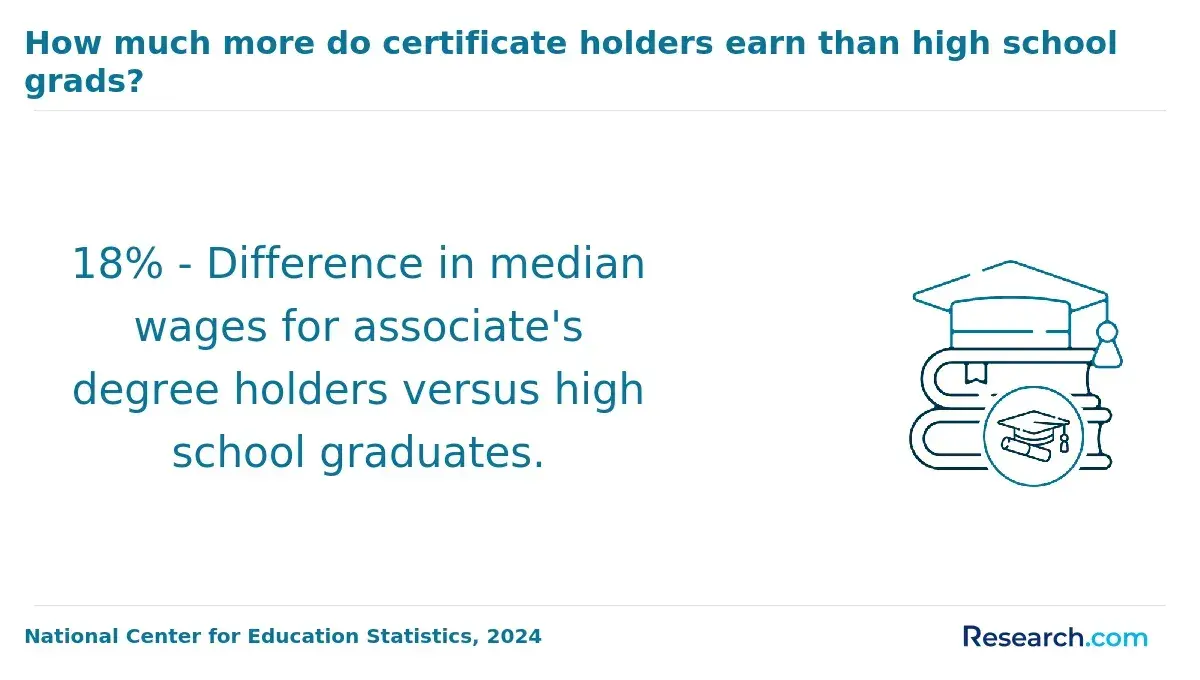
Social media marketing degree programs are increasingly embedding AI-focused training to meet evolving workforce demands. Recent data from the National Center for Education Statistics shows that over 65% of marketing programs offer AI-related coursework, reflecting a shift toward practical skills like data analytics, automation, and AI-driven content creation. Yet programs strive to balance these technical proficiencies with core marketing theory and human-centered abilities such as critical thinking and creativity.
Curricula now often integrate hands-on experience with AI platforms like chatbots and programmatic advertising, while interdisciplinary courses link marketing with computer science and ethics to address challenges around data privacy and algorithmic bias. For example, institutions partnering with industry emphasize project-based learning, where students use AI to analyze consumer behavior and tailor campaigns, which correlates with a reported 30% higher employability rate compared to peers in traditional tracks, according to findings by the American Marketing Association.
Meanwhile, programs promote lifelong learning due to rapid AI advancements, encouraging adaptability rather than static expertise. This evolution reflects a recognition that technical AI skills alone are insufficient; social media marketing professionals must also interpret AI outputs within strategic contexts and ethical frameworks.
Degree programs responding to this need provide experiential learning opportunities and nurture interdisciplinary collaboration, enabling graduates to navigate AI-enhanced marketing environments with critical insight and responsibility. Such integrated approaches prepare students not just to handle AI tools but to lead in developing innovative, ethical marketing strategies amid ongoing technological change.
Which Industries Are Changing Hiring Expectations Most for Social Media Marketing Graduates?
The speed at which AI is adopted varies widely across industries, shaping how employers revise their criteria for social media marketing graduates. In sectors where data-driven insights and automation can rapidly enhance marketing performance, companies are quick to prioritize AI fluency alongside creative skills. Conversely, industries with stricter regulatory environments or slower digital transformation cycles evolve more cautiously, adjusting expectations at a measured pace.
A recent graduate exploring career options might find, for example, that the technology sector demands deep AI competency and data interpretation skills, whereas healthcare values a nuanced understanding of ethical communication supported by AI tools. The following outlines five industries where hiring standards are shifting most noticeably due to artificial intelligence integration.
- Retail: Retail companies are heavily incorporating AI-powered customer segmentation and personalized content delivery, pushing social media marketers to master technical tools that extend beyond traditional content creation. A 2024 report from the U.S. Bureau of Labor Statistics and Deloitte reveals over 60% of retail firms now expect proficiency in AI-driven marketing solutions, emphasizing both analytical capabilities and creative problem-solving.
- Technology: The inherently innovative nature of tech firms drives rapid adoption of AI analytics platforms and automation software. According to a 2024 Gartner survey, about 70% of tech organizations have updated social media roles to require interpreting AI insights to refine campaigns, making advanced AI literacy indispensable for candidates.
- Healthcare: While historically cautious, healthcare marketing increasingly leverages AI to engage diverse and sensitive audiences on social platforms. Research from the National Institutes of Health in 2024 documents a 45% rise in hiring social media marketers with AI skills, highlighting the sector's growing emphasis on ethical engagement and targeted outreach.
- Finance: This sector is gradually integrating AI tools for risk assessment and personalized client communication across social media, raising expectations for marketers to combine technical understanding with stringent compliance awareness. The pace is moderate, reflecting finance's regulatory constraints paired with the need for technological modernization.
- Entertainment: Entertainment companies are adopting AI to optimize content timing and audience segmentation, gradually modifying hiring to value data literacy alongside storytelling creativity. Though not as accelerated as retail or tech, this integration encourages marketers to blend AI-driven insights with cultural trends effectively.
One graduate recalled weighing job offers between a tech startup and a healthcare nonprofit. The startup demanded mastery of multiple AI platforms and rapid adaptability, which felt exciting but daunting given their limited experience. The nonprofit emphasized ethical messaging and inclusive content supported by AI tools, aligning better with their passion for social impact. This contrast highlighted how sector-specific expectations require candidates to tailor their skill development thoughtfully.
How Is AI Changing Career Growth for Social Media Marketing Professionals?
The pace of AI adoption varies significantly across industries, influencing how each sector shifts hiring expectations for social media marketing graduates. Industries with intense consumer interaction and rapidly evolving digital ecosystems tend to demand quicker integration of AI skills, while more traditional sectors adopt changes more cautiously.
This variation means that the outlook for social media marketing professionals is not uniform; instead, graduates must be attuned to where AI-driven career growth in social media marketing is most pronounced. The following industries currently lead in evolving their hiring criteria in response to AI and other technologies.
- Technology and Software: Companies in this sector prioritize advanced data analytics and AI literacy to manage complex digital campaigns and personalized customer experiences. Social media marketing graduates need skills in machine learning tools and programming basics to support AI-driven marketing strategies, reflecting the sector's rapid adoption pace.
- Retail and E-Commerce: AI-driven consumer insights are transforming how retailers target customers and forecast trends. Hiring expectations focus on expertise in AI-powered audience segmentation and real-time campaign optimization, essential for improving ROI and customer engagement in fiercely competitive environments.
- Financial Services: Banks and fintech firms increasingly use AI for sentiment analysis and real-time personalization to attract tech-savvy clients. Social media marketing roles now require familiarity with regulatory compliance and AI ethics to manage data responsibly while leveraging automation.
- Healthcare and Pharmaceuticals: This sector integrates AI to tailor health communication and patient engagement via social platforms. Graduates need a blend of AI understanding and healthcare knowledge to navigate privacy challenges and deliver trustworthy messaging.
- Entertainment and Media: Rapid content production fueled by AI tools demands marketers who can blend creativity with technology-driven content optimization. Hiring now emphasizes proficiency in AI content generation and audience analytics, crucial for maintaining relevance in dynamic media landscapes.
Employers across these industries increasingly seek candidates who combine digital marketing knowledge with AI literacy as highlighted in industry data showing the impact of artificial intelligence on social media marketing jobs. Early-career professionals may find advantage by pursuing the fastest master's degree online that incorporates AI applications in marketing, accelerating their readiness for these shifting hiring expectations.
How Should Social Media Marketing Students Prepare for AI-Driven Hiring?
Preparing for AI-driven hiring in social media marketing requires more than earning a degree. It demands developing a hybrid skill set that combines technical expertise, AI fluency, and essential human-centered capabilities. Employers increasingly seek candidates who can navigate AI-powered tools while offering critical thinking and adaptability.
For example, a recent graduate proficient in AI-driven analytics who can interpret consumer insights will outperform peers relying solely on traditional marketing methods. Below are practical strategies tailored to help students excel in this evolving landscape:
- Build AI Tool Familiarity: Gaining hands-on experience with AI-driven platforms like automation software and machine learning applications enhances understanding of campaign optimization. Early exposure through internships or workshops prepares students for real-world tasks involving data-driven decisions.
- Develop Data Interpretation Skills: Employers value the ability to analyze AI-generated consumer insights and craft strategies based on these findings. Cultivating analytical skills enables students to translate complex data into actionable social media plans, aligning with trends emphasized by the U.S. Bureau of Labor Statistics.
- Enhance Critical Thinking and Adaptability: Rapid AI advancements continuously reshape marketing strategies. Strengthening these soft skills allows graduates to adjust tactics efficiently and innovate, staying competitive amid fluctuating environments.
- Create a Demonstrative Portfolio: Showcasing projects that leverage AI tools to increase engagement or target audiences distinguishes candidates. Portfolios provide tangible evidence of AI integration, reinforcing proficiency beyond theoretical knowledge.
- Collaborate Across Disciplines: Working alongside AI specialists and data scientists teaches communication and teamwork essential to hybrid roles. Social media marketing students who embrace cross-functional collaboration improve their understanding of AI's impact while broadening professional networks.
Nearly 60% of businesses integrate AI tools within their digital marketing strategies, according to the 2024 Future of Work report by the World Economic Forum. Staying current on such developments is crucial for social media marketing skills for AI era preparation. Equally important is aligning with industry hiring trends when preparing graduates for AI-driven social media jobs.
For those interested in diverse career paths that blend analytical and behavioral insights, understanding roles like the FBI profiler offers perspective on the value of data and human judgment in decision-making processes.
How Should Students Choose a Social Media Marketing Program for the AI Era?
Choosing a Social Media Marketing program today requires evaluating more than reputation or cost. With AI rapidly transforming marketing practices, students must assess how well a program equips them to utilize AI-driven tools that optimize content creation, audience targeting, and data analysis. For example, a graduate with hands-on experience in AI-powered platforms can more effectively personalize campaigns, which employers increasingly demand.
Recent data from the National Center for Education Statistics (2024) shows a significant rise in AI integration within marketing curricula, underscoring the need for future professionals to stay current. Consider these five key factors when selecting a program.
- Curriculum Integration: Programs must embed AI literacy alongside traditional marketing concepts, focusing on machine learning basics and AI applications to ensure students develop relevant technical skills.
- Practical Experience: Real-world exposure through internships or projects with AI-driven marketing tools is critical for mastering campaign optimization and data interpretation.
- Industry Partnerships: Collaborations with companies create opportunities for applied learning, insight into evolving technologies, and networking essential for job placement.
- Faculty Expertise: Instructors familiar with AI's marketing impact can provide up-to-date knowledge and mentorship that align with workforce demands.
- Soft Skills Development: Adaptability and problem-solving complement AI competencies, preparing graduates to innovate and overcome challenges in dynamic marketing environments.
References
- Blog | Acadvizen https://acadvizen.com/blog
- Will AI Take Your Marketing Job? Here's What Two AI Experts Are Seeing : Social Media Examiner https://www.socialmediaexaminer.com/will-ai-take-your-marketing-job-heres-what-two-ai-experts-are-seeing/
- 10 Skills You Need to Become a Great Social Media Manager | Digital Marketing Institute https://digitalmarketinginstitute.com/blog/what-skills-do-i-need-to-be-a-social-media-manager
- The 9 best AI tools for social media management in 2026 https://zapier.com/blog/best-ai-social-media-management/
- AI in Social Media: Trends, Tools, & Career Insights https://www.cumberland.college/blog/cumberland-college-blog-ai-in-social-media-trends-tools-careers/
- AI Tools For Social Media Marketing | GWI https://www.gwi.com/blog/ai-tools-for-social-media-marketing
- Integrating AI with social media marketing | Social Media Marketing Course https://collegeofmediaandpublishing.co.uk/ai-and-social-media-marketing/
- Trouble Brews: Fewer Entry-Level Marketing Hires https://contentmarketinginstitute.com/content-operations/missing-generation-ai
- Social Media AI https://www.salesforce.com/in/marketing/ai/social-media-guide/
- Top Skills Employers Want in Marketing Professionals https://herd.digital/blog/top-digital-marketing-skills-employers-want/
Other Things You Should Know About Social Media Marketing
Yes, many employers now prioritize candidates who demonstrate hands-on experience with AI-driven analytics, content generation, and automation tools, sometimes at the expense of deeper theoretical knowledge. This shift can disadvantage graduates from programs that are still theory-focused rather than skills-intensive. For students, balancing foundational marketing principles with practical AI tool proficiency is crucial, as employers expect both but often prioritize immediate usefulness in workflow.
Employers increasingly value specialized certifications that validate competency in AI-enhanced social media platforms and tools, but these credentials cannot replace comprehensive marketing education. Graduates should prioritize programs or certifications that integrate AI tool mastery within a broader strategic and analytical framework. This combined approach better prepares them to adapt as technologies and strategies evolve, rather than relying solely on narrow certifications.
Many employers expect new hires to manage a broader set of responsibilities by effectively leveraging AI automation, often assuming this reduces workload. However, this can lead to unrealistic multitasking demands, as graduates must both interpret AI outputs and maintain creative control. Prospective employees should assess whether companies provide adequate support and realistic work boundaries, as AI adoption can amplify pressure rather than lessen it.
Employers must balance the need for AI technical proficiency with candidates' critical thinking and relationship-building abilities. Overemphasizing AI skills risks hiring individuals who struggle with strategic decisions or client interactions, which remain essential. Prioritizing candidates who demonstrate both AI adaptability and nuanced human judgment typically yields better long-term team performance and campaign success.