2027 Positive Psychology ROI by Institution Type: Public vs Private vs Nonprofit Online Programs

Co-Founder and Chief Data Scientist
Consider a prospective Positive Psychology master's student choosing between online programs that seem equivalent but vary sharply in outcomes. Public universities often offer lower tuition but report a 15% lower median graduation rate than private nonprofits, according to a 2024 National Student Clearinghouse study.
This gap suggests hidden risks of extended enrollment and higher debt, impacting career entry timing and loan burdens. Meanwhile, nonprofit institutions may deliver stronger institutional support yet at a premium cost that not all graduates recoup immediately. This article dissects these institutional differences to clarify how tuition, debt, retention, and career readiness combine to shape the ROI of Positive Psychology online programs.
Key Things to Know About Positive Psychology ROI by Institution Type
- Public programs often offer lower tuition but higher completion time risks, affecting total cost; this tradeoff means prospective students must weigh upfront savings against potential prolonged debt exposure.
- Private institutions tend to have stronger employer networks in niche Positive Psychology sectors, enhancing post-graduation placement but typically involve greater student borrowing, influencing long-term financial outcomes.
- Nonprofit online programs frequently provide flexible pacing and robust support services, critical for working adults balancing employment but may lack the brand recognition influencing some employers' hiring biases.
- Key Things to Know About Positive Psychology ROI by Institution Type Key Things to Know About Positive Psychology ROI by Institution Type
- What Does ROI Mean for a Positive Psychology Program and How Is It Measured? Understanding Positive Psychology Program ROI
- How Do Public, Private, and Nonprofit Online Positive Psychology Programs Differ in Overall Value? Value by Institution Type
- How Do Tuition Costs Affect the ROI of a Positive Psychology Program Across Institution Types? Tuition Costs and ROI
- How Do Graduation Rates Influence Positive Psychology Program ROI? Graduation Rates Impact ROI
- What Role Do Career Outcomes Play in the ROI of a Positive Psychology Degree? Career Outcomes and ROI
- How Does Student Debt Impact the Long-Term ROI of a Positive Psychology Program? Debt vs. Long-Term ROI
- How Do Flexibility and Adult Learner Support Affect Positive Psychology Program Value? Flexibility and Program Value
- How Do Accreditation and Institutional Reputation Influence Positive Psychology ROI? Accreditation and Institutional Reputation Impact
- How Does Time-to-Degree Affect the ROI of Public, Private, and Nonprofit Positive Psychology Programs? Time-to-Degree Impact
- How Can You Choose the Best Positive Psychology Program Based on Your ROI Goals? Choosing Programs by ROI
What Does ROI Mean for a Positive Psychology Program and How Is It Measured?
Return on investment for a positive psychology program hinges on more than just tuition costs and eventual salary gains; it requires a nuanced assessment of total educational expenses, debt load, and time-to-degree completion. For example, a public institution may offer lower tuition but have a six-year graduation rate close to 62%, increasing opportunity costs and prolonged debt. In contrast, a private nonprofit with a 72% graduation rate might justify higher upfront costs by facilitating faster completion and stronger career support, both critical for working adults balancing study with ongoing employment.
The challenge lies in weighing these factors within the context of individual circumstances, including career changers whose immediate earnings impact and long-term growth potential differ significantly from recent graduates or full-time students. Calculating roi for positive psychology online degrees demands integrating employment outcomes, institutional reputation, and learner support. Many employers consider credentials from programs emphasizing curriculum rigor and comprehensive advising more favorably, which often corresponds with nonprofit offerings that provide enhanced mentoring and networking compared to some public options.
Opportunity costs, such as foregone income during study, play a decisive role: extending time to degree can erode potential financial returns even if tuition is lower. Prospective students should also be mindful of intrinsic program elements that influence long-term value beyond measurable earnings, recognizing that affordability alone does not guarantee the strongest ROI. For practical comparisons, adult learners might benefit from data-driven insights as found in national education statistics or focused resources like nursing programs with high acceptance rates, which illustrate how acceptance and support rates relate to outcomes in related fields.
How Do Public, Private, and Nonprofit Online Positive Psychology Programs Differ in Overall Value?
Choosing between public, private, and nonprofit online positive psychology programs requires balancing cost, educational quality, and career relevance, rather than focusing solely on tuition. Public programs generally offer lower tuition due to state funding and often provide broad student support and higher graduation rates, with averages around 60-65% for social sciences fields, according to the Education Advisory Board.
Private nonprofit programs tend to carry higher costs and debt burdens-about 15% greater on average-but offer advantages like smaller classes, tailored career services, and stronger employer recognition, factors that 54% of hiring managers reportedly favor when evaluating online credentials. Nonprofit options, both public and private, emphasize mission-driven education and community engagement that can enhance employability in wellness sectors, though their long-term value depends heavily on the student's financial situation and professional goals.
This tradeoff plays out differently depending on learner priorities. For cost-conscious adults doubling as working professionals, public programs might deliver more accessible routes to degree completion with manageable debt, but potentially less personalized career preparation. Private nonprofits, by contrast, appeal to those willing to invest more upfront for perceived prestige and networking potential, though this can extend repayment timelines and financial stress.
In making these decisions, factors such as institutional accreditation, graduation support, and curriculum relevance to industry demands should weigh alongside price. Understanding that a modest tuition advantage may not offset less robust career services or a lower graduation rate is crucial for estimating true return on investment.
How Do Tuition Costs Affect the ROI of a Positive Psychology Program Across Institution Types?
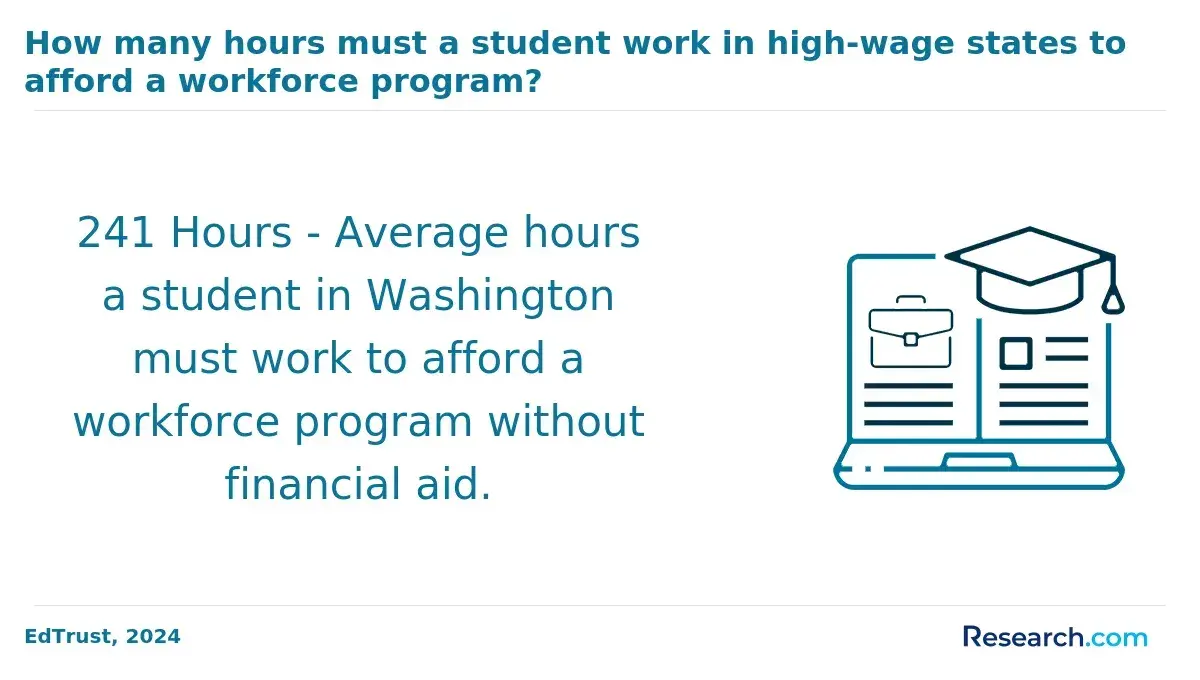
Lower tuition at public online positive psychology programs often translates to reduced upfront costs, but this advantage does not guarantee superior return on investment. Many nonprofit programs offset higher sticker prices through institutional aid, with recent data from the Postsecondary Education Data System showing that 55% of nonprofit online psychology students receive grants that cut their net expenses by about 25%.
By contrast, private programs usually involve higher tuition and debt levels-15-20% more on average than public options-yet they may offer richer academic support and streamlined curricula that can accelerate graduation and improve job placement, factors that are crucial for long-term financial outcomes. Deciding between these institution types demands weighing tuition against graduation rates, program flexibility, and career relevance. Public programs' affordability often correlates with stronger retention among in-state students but may come with fewer specialized resources.
Private schools, while costly, can justify their price through targeted services and reputation, especially for learners prioritizing rapid entry into specialized roles or career shifts. Because total debt load influences salary-to-loan balances post-graduation, a program's sticker price alone is an incomplete metric-learners must factor in how aid availability, time-to-degree, and support services interact to shape the ultimate financial and professional payoff.
For working adults and transfer students balancing external responsibilities, these tradeoffs become critical. A nonprofit online positive psychology program might offer the optimal balance by providing both financial assistance and faculty expertise, whereas public institutions might appeal to cost-sensitive students with local support networks. In all cases, understanding these nuanced dynamics-beyond initial tuition-supports smarter decisions aligned with individual career timing, financial tolerance, and long-term employment goals.
How Do Graduation Rates Influence Positive Psychology Program ROI?
Graduation rates offer valuable insight into the return on investment for positive psychology online programs, but relying solely on them can be misleading. Public institutions report a 55% completion rate, outpacing private and nonprofit counterparts, yet these figures don't fully capture the varied student experiences influencing ROI. For instance, private schools often serve more part-time or non-traditional students balancing work and family, which can extend time-to-degree and lower graduation percentages despite effective career support.
Such dynamics underscore how completion speed and persistence, not just rates, interact with factors like academic support and program flexibility to shape economic outcomes. The interplay between graduation rates and positive psychology ROI also hinges on balancing costs with expected earnings, especially for career changers and working adults. Programs that shorten time-to-degree reduce debt accumulation and lost income, improving net benefits even if prestige is modest.
Evaluating ROI requires considering how institutional accountability, workforce alignment, and debt burdens affect employability and financial stability over time. Adult learners comparing public, private, and nonprofit programs should scrutinize these dimensions alongside master of healthcare administration programs or similar fields where completion statistics influence long-term career implications.
What Role Do Career Outcomes Play in the ROI of a Positive Psychology Degree?
Career outcomes significantly shape the return on investment of online positive psychology degrees, particularly when comparing public, private, and nonprofit institutions. Public programs generally offer lower tuition rates, which can mitigate debt levels but often lack the robust career services that private schools provide. Private programs, while more expensive, frequently connect students with stronger employer networks and targeted job placement support, which may improve employment prospects in competitive sectors such as corporate wellness or healthcare.
According to a 2024 report by the National Center for Education Statistics, approximately 72% of graduates from social sciences and psychology online programs secure employment within a year, though this rate varies based on the institution's reputation and industry connections. Employer expectations add complexity to evaluating ROI, as many seek candidates with applied research skills and evidence-based intervention competencies-qualities more emphasized in programs with rigorous academic frameworks. Graduates from nonprofit programs may value mission-driven objectives alongside financial outcomes, influencing their long-term career sustainability in counseling or coaching roles, which might not align immediately with higher salary benchmarks.
Balancing tuition costs against career mobility and opportunities for advanced certifications or doctoral pathways is crucial, since positive psychology professionals often need specialized credentials to unlock more flexible or higher-paying roles. These factors interact directly with geographic job markets and individual career goals, underscoring the need to assess how a program's specific strengths translate into meaningful, practical career advantages over time.
How Does Student Debt Impact the Long-Term ROI of a Positive Psychology Program?
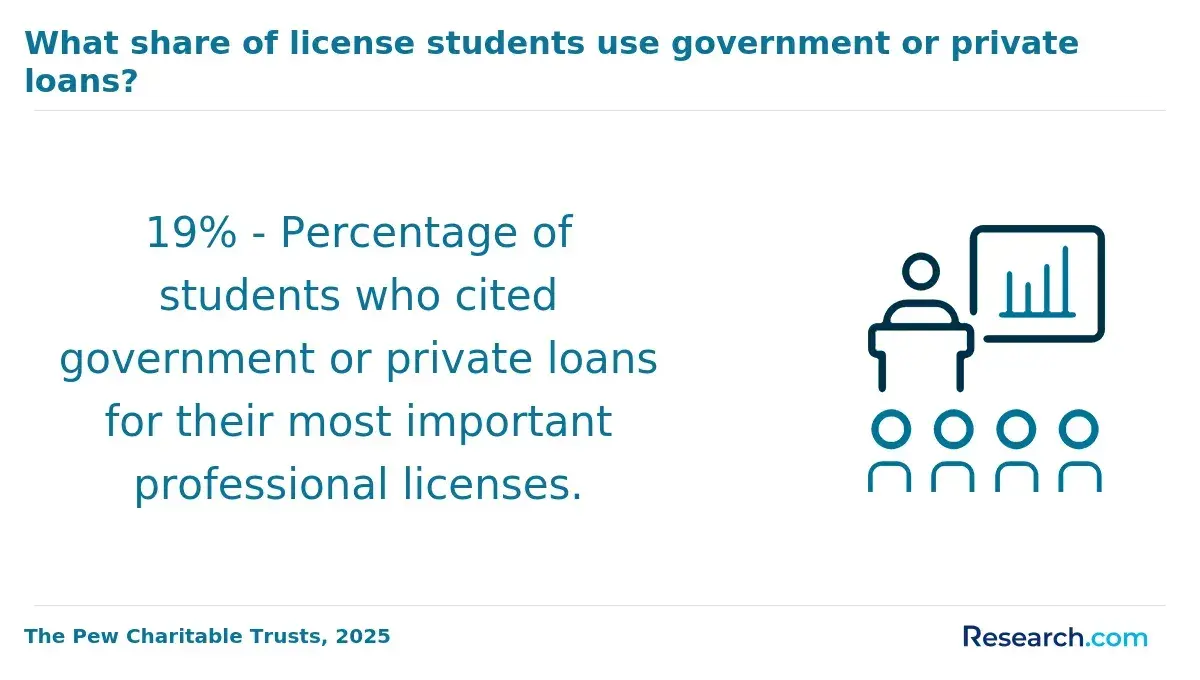
Debt burdens significantly shape the long-term financial benefits of online positive psychology degrees, with borrowing levels and repayment obligations varying across public, private, and nonprofit institutions. For example, graduates from private online programs often carry debts exceeding $35,000, which typically results in longer repayment periods and reduced cash flow for savings or career reinvestment compared to public program alumni averaging around $20,000 in debt. This increased financial strain can blunt the net gains from their degree, especially when higher earnings are offset by loan repayments.
Consequently, students must weigh the anticipated salary uplift against potential debt service to make informed choices about program affordability and ultimate ROI. Graduation rates and loan default statistics further influence return outcomes. Public online programs, with higher completion rates near 65%, reduce the risk of debt accumulation without credential benefits-an essential factor since unfinished programs leave borrowers with liabilities but no corresponding economic advantage. In contrast, private counterparts show lower graduation rates and elevated default rates around 12%, amplifying financial instability.
These factors underscore why cost-conscious adult learners and career changers should scrutinize institutional performance, funding options, and program flexibility relative to their professional goals. Understanding these dynamics is crucial for evaluating the practical value of student debt impact on positive psychology program ROI and aligning educational investment with realistic employment and career advancement prospects. For those exploring this field with attention to cost and outcomes, resources like pharmacist school online provide useful comparative insights into financing and program choices.
How Do Flexibility and Adult Learner Support Affect Positive Psychology Program Value?
Flexibility and student support critically shape the return on investment for online positive psychology programs, with scheduling options and advising services exerting outsized influence on adult learner retention and completion. Programs offering asynchronous coursework and multiple enrollment pathways allow working professionals and caregivers to better integrate studies with complex responsibilities, directly reducing time-to-degree and opportunity costs.
According to a 2024 National Center for Education Statistics report, institutions embracing flexible models report a 15% higher retention rate in adult learners, underscoring the tangible impact of these features on educational persistence and value. Public, private, and nonprofit online providers balance these factors differently, creating distinct tradeoffs for students weighing ROI against both financial burden and career outcomes. Public programs often excel in affordability and flexible pacing but may provide limited personalized advising or faculty interaction, which can hinder students needing more guidance navigating career-ready competencies and post-graduate opportunities.
In contrast, private institutions typically invest significantly in proactive academic advising and career counseling, contributing to 20% higher graduation rates found in Online Learning Consortium research, yet these benefits often coincide with higher tuition and resultant debt, complicating net long-term ROI for many learners. Meanwhile, nonprofit providers frequently prioritize transfer-friendly policies and veteran accommodations, targeting efficiency in credential completion and debt minimization, though support quality varies broadly across the sector.
How Do Accreditation and Institutional Reputation Influence Positive Psychology ROI?
Accreditation and institutional reputation critically shape the return on investment for students pursuing online positive psychology programs, influencing employer perceptions and long-term career prospects. A regionally accredited program from a well-established public institution often facilitates stronger employer recognition, smoother credit transfers, and broader graduate school pathways, all of which enhance practical ROI. For instance, an employer survey by the Council for Higher Education Accreditation found that 87% of hiring managers prioritize candidates from regionally accredited institutions, underscoring the value of recognized academic rigor in hiring decisions.
Private institutions, even if nationally accredited, sometimes struggle with inconsistent reputation, causing mixed employer responses that may limit immediate career benefits despite innovative curriculum offerings. Nonprofit online providers generally assure baseline academic quality through accreditation, but without a strong reputation or comprehensive graduate support, ROI depends heavily on ancillary factors like licensure eligibility and professional networking. Cost-sensitive students should weigh tuition differences between public and private options alongside these factors, as public schools typically offer lower rates, reducing debt burden and potentially improving net financial outcomes without sacrificing quality.
Ultimately, accreditation is necessary but insufficient alone; institutional reputation amplifies or diminishes educational value in the job market. Prospective students must consider how well the program's credentials align with licensure requirements and employer expectations, particularly in a field with growing demand across healthcare and counseling settings. Realistic evaluation of graduation rates, credit transfer policies, and post-graduate services alongside costs will determine the true practical and financial return of a positive psychology degree.
How Does Time-to-Degree Affect the ROI of Public, Private, and Nonprofit Positive Psychology Programs?
Time-to-degree significantly shapes the return on investment of public positive psychology programs by influencing both direct costs like tuition and indirect opportunity costs such as foregone wages. Public online institutions often have longer average completion times-about 4.5 years versus 3.8 years at private nonprofit schools-partly due to higher rates of part-time enrollment and slower credit accumulation.
While public programs may offer lower tuition rates, prolonged timelines combined with modest graduation rates near 55% can result in higher overall expenses and delayed entry into the workforce, reducing practical ROI for working adults and transfer students balancing complex schedules. In contrast, private and nonprofit institutions frequently provide accelerated pathways and transfer credit accommodations that can shorten time-to-degree, contributing to higher graduation rates exceeding 70% and improved long-term educational value.
The impact of accelerated degrees on private and nonprofit positive psychology ROI is evident as shorter completion periods help students minimize debt accrual and accelerate career progression. Yet flexibility remains critical; some learners prioritize pacing that supports steady progress alongside employment, highlighting a tradeoff between speed and sustainable completion. Students weighing affordability and educational quality should carefully consider how program structure, completion likelihood, and timeline affect debt burdens and employer perceptions of commitment.
For cost-conscious students evaluating these factors, awareness of options like accelerated PharmD programs offers a relevant comparison in managing time-to-degree. Ultimately, assessing how time influences the ROI in public positive psychology programs involves balancing shorter durations against practical realities of work-study-life integration, ensuring educational investments translate to timely career benefits rather than extended debt and delayed labor market entry.
How Can You Choose the Best Positive Psychology Program Based on Your ROI Goals?
Choosing the best positive psychology program for return on investment hinges on individual priorities rather than institution type alone. Public online programs generally offer lower tuition costs-often between 40-60% less than private options according to a 2024 National Center for Education Statistics report-substantially reducing debt burdens. However, private and nonprofit online programs tend to perform better on graduation rates and provide stronger learner support such as tailored academic advising, which can accelerate degree completion and improve career transitions.
These factors directly influence long-term employability and salary growth, underscoring that total cost is only one element in evaluating ROI. Financial aid availability and program flexibility add important layers to this decision. Public institutions largely depend on state-funded aid, which may be restrictive for out-of-state students, while many private and nonprofit schools offer merit-based scholarships and flexible payment options.
Working adults might favor public programs with self-paced formats, but cohort models common in private and nonprofit schools can offer peer support valuable for career changers. Accreditation, program reputation, and career services, often stronger in nonprofit programs, further complicate the ROI equation. Prospective students must consider how these factors align with their employment status, family responsibilities, and time-to-degree expectations to optimize both educational and economic outcomes.
Cost-conscious learners weighing how to evaluate return on investment for positive psychology programs will find that no single model universally maximizes value. Rather, the best choice balances affordability with practical benefits tied to career advancement. For a deeper dive into tuition and fee comparisons relevant to healthcare-related fields, see detailed research on online speech pathology degree tuition. Understanding these nuanced tradeoffs helps students approach program selection with an informed, strategic perspective tailored to their career goals and personal circumstances.
References:
- Positive Psychology & Ethical Organizations - Ethical Systems https://www.ethicalsystems.org/positive-psychology-ethical-organizations/
- Making sure you're not a bot! https://www.econstor.eu/bitstream/10419/325009/1/cesifo1_wp12018.pdf
- Examples of Positive Psychology and How to Practice It https://www.pcom.edu/academics/programs-and-degrees/positive-psychology/examples-of-positive-psychology.html
- Return on Investment For an Online Psychology Degree https://www.onlinepsychologydegrees.com/articles/return-on-investment-for-an-online-psychology-degree/
- Is College Worth It? - Public Policy Institute of California https://www.ppic.org/publication/is-college-worth-it/
- Is College Worth It? A Comprehensive Return on Investment Analysis - FREOPP https://freopp.org/whitepapers/is-college-worth-it-a-comprehensive-return-on-investment-analysis/
- ROI on Wellness Programs: How to Measure & Communicate Value https://selerix.com/blog/roi-on-wellness-programs/
- What is Positive Psychology? The All-You-Need-to-Know Guide https://www.positivepsych.edu.sg/positive-psychology-comprehensive-guide/
- 20 Top Positive Psychology Degrees & Master’s Programs https://positivepsychology.com/positive-psychology-degree/
- What it is and how to calculate ROI or Return on Investment - Esade https://www.esade.edu/beyond/en/what-is-roi-and-how-to-calculate-return-on-investment/
Other Things You Should Know About Positive Psychology
Public online programs often serve larger student populations, which can limit personalized interaction with faculty and peer networking opportunities in positive psychology. Private and nonprofit programs tend to offer smaller cohorts, resulting in closer mentorship but sometimes at a higher cost. For students prioritizing tailored feedback and relationship building-which influence employability in fields related to positive psychology-a private or nonprofit option may yield better ROI despite premium pricing, whereas public programs might offer stronger scalability but a more transactional learning environment.
Employers in applied positive psychology roles often emphasize skills and demonstrated impact over institutional prestige. However, private and nonprofit programs linked to specialized research centers or thought leaders can provide networking edges and access to current best practices. Public institutions usually offer broad theoretical foundations but may lack niche application emphasis. If immediate employability in specialized sectors is a priority, investing in private or nonprofit programs aligned with employer needs can improve ROI by enhancing practical readiness.
Curriculum design differences are significant across institution types: public programs frequently emphasize foundational theory and large-scale data analysis, while private and nonprofit programs often prioritize applied skills, coaching techniques, and community engagement. This divergence affects workload relevance-students aiming for clinical or organizational roles benefit from practitioner-oriented coursework common in private/nonprofit settings, improving prospective job market alignment and ROI. Those seeking academic or research pathways may find public programs more cost-effective for developing theoretical expertise.
Working adults must weigh flexibility against the strength of institutional networks. Public programs typically allow asynchronous schedules with minimal residency, maximizing work-study balance but may lack intensive cohort interaction. Private and nonprofit institutions might require synchronous sessions that foster stronger peer and alumni connections, which can translate into improved career prospects. For professionals valuing immediate applicability and networking, prioritizing program format that includes live interaction within a private or nonprofit framework generally leads to higher ROI despite scheduling challenges.