2027 Positive Psychology Affordability by State: Where Students Pay the Most and Least

Co-Founder and Chief Data Scientist
Choosing between two Positive Psychology programs often means confronting starkly different tuition costs that can alter a student's financial trajectory. For example, attending an out-of-state university might offer a stronger network but come with tuition rates 2.5 times higher than in-state options, a premium that may trigger substantial borrowing. A 2024 National Center for Education Statistics report shows average in-state tuition rose 3.7% nationally, exposing students to escalating costs that outpace inflation. This dynamic disproportionately impacts positive psychology students weighing public versus private institutions across states with divergent funding policies. This article examines state-by-state affordability to reveal where pursuing a Positive Psychology degree is most and least accessible financially, equipping students with data-driven insights to guide enrollment choices.
Key Things to Know About Positive Psychology Affordability by State
- In-state tuition discounts in states with strong public funding lower direct costs but often accompany limited program options, necessitating tradeoffs between affordability and specialized Positive Psychology coursework availability.
- Employers increasingly value graduates with practical Positive Psychology skills and internship experiences, favoring candidates from states where programs link to local workforce demands despite higher tuition.
- States with higher living costs and campus fees push total attendance above online alternatives, influencing student timing and access decisions amid a 2024 trend showing growing online enrollment in Positive Psychology for cost containment.
- Key Things to Know About Positive Psychology Affordability by State Key Things to Know About Positive Psychology Affordability by State
- Which States Have the Most Affordable Positive Psychology Degree Programs? Most Affordable State Programs
- Which States Have the Highest Positive Psychology Degree Costs? Highest State Tuition Costs
- How Much Does a Positive Psychology Degree Cost by State? Degree Costs by State
- Why Does Positive Psychology Affordability Vary So Much Between States? State Affordability Variations
- How Do In-State and Out-of-State Tuition Rates Affect Positive Psychology Affordability? In-State vs. Out-of-State Rates
- How Does the Cost of Living Impact Overall Positive Psychology Affordability by State? Living Costs and Affordability
- Which States Offer the Best Value for a Positive Psychology Degree? Best Value State Degrees
- What Financial Aid and Scholarship Opportunities Can Reduce Positive Psychology Costs? What Financial Aid and Scholarship Opportunities Can Reduce Positive Psychology Costs?
- Are Online Positive Psychology Degree Programs More Affordable Than On-Campus Options? Are Online Positive Psychology Degree Programs More Affordable Than On-Campus Options?
- Is a Positive Psychology Degree Worth the Cost Based on Career Outcomes and ROI? Degree ROI and Outcomes
Which States Have the Most Affordable Positive Psychology Degree Programs?
The affordability of positive psychology degree programs is heavily influenced by state-level policies on public funding and tuition-setting mechanisms, which often shape the in-state tuition costs crucial for local students. States that prioritize sustained investment in higher education tend to offer more accessible pathways through lower average tuition combined with financial aid structures that help offset expenses beyond tuition.
For example, a resident student in Wyoming benefits not only from an average in-state tuition under $5,000 but also from lower living costs, making completion more feasible without incurring substantial debt. This has practical implications for students weighing whether to enroll locally or out-of-state, as non-resident fees can sometimes double the cost, potentially eroding the long-term value of the degree.
These differences underscore how prospective students must consider regional economic contexts alongside institutional pricing. Public universities in states like Mississippi and New Mexico maintain affordability through cautious state spending and robust need-based grants, contributing to overall lower total costs of attendance. This is especially relevant for students balancing work and study or those exploring flexible formats such as hybrid or online positive psychology programs.
Additionally, the varied in-state tuition landscapes affect enrollment trends and degree completion rates, highlighting the importance of residency policies. As an illustration of cross-disciplinary cost benefits, those interested in careers that intersect with related areas may also explore more cost-effective healthcare administration online programs, which sometimes share similar pricing dynamics and regional affordability patterns.
Which States Have the Highest Positive Psychology Degree Costs?
Higher positive psychology degree costs in states like California, New York, and Massachusetts primarily reflect a combination of limited public funding, high living expenses, and a greater presence of private institutions charging premium tuition. Public universities in these states often require out-of-state students to pay well over $15,000 annually, with total costs-including housing and transportation-frequently surpassing $35,000. These expenditures force students to make strategic decisions about residency, program format, and location, weighing the potential benefits of a degree earned amid strong regional labor markets against significant financial burdens. Residency restrictions and the availability of online or hybrid learning options introduce further complexity, especially for those attempting to minimize costs without compromising program quality or employer expectations tied to credentials.
Cost disparities also reveal policy tradeoffs, as states allocating less public funding tend to shift tuition dynamics onto students, thereby influencing demand patterns and accessibility. Students evaluating programs must consider how institutional mixes-such as the ratio of private to public schools-affect overall affordability, since private universities generally command higher fees. For many, the choice involves balancing in-state tuition advantages against limited program options or accepting higher expenses in exchange for access to renowned faculty and network opportunities prevalent in more expensive regions. These factors underscore the importance of a nuanced cost-benefit analysis beyond sticker price, examining real-world affordability, financial aid availability, and the long-term return on investment tied to regional employment trends.
A graduate who navigated these complexities recalled spending months comparing tuition rates across states while factoring in residency rules and living costs. Initially drawn to a prestigious program in a higher-cost state, the student hesitated when out-of-state fees and housing inflated budget projections, prompting an exploration of in-state online alternatives. Despite financial aid, unexpected expenses like transportation and supplemental course fees compounded concerns, leading to a cautious choice favoring a more affordable in-state institution. The experience highlighted the challenge of balancing institutional reputation with practical affordability, as well as the importance of thorough research to align educational investment with realistic post-graduation goals.
How Much Does a Positive Psychology Degree Cost by State?
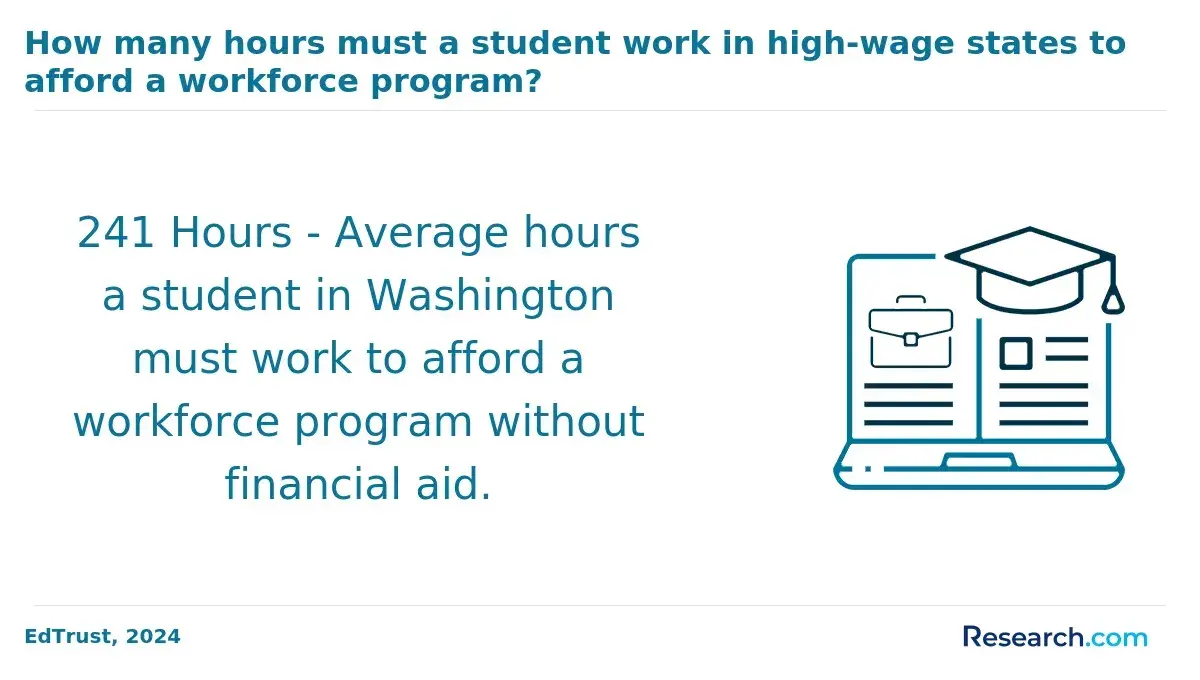
The financial commitment required for a positive psychology degree shifts markedly depending on the state due to divergent tuition structures between public and private institutions, as well as residency-based tuition policies. For example, a student attending a public university in California faces roughly $9,000 in annual in-state tuition, yet out-of-state students must contend with nearly $38,000 per year, as reported by the National Center for Education Statistics in 2024. Such disparities often compel learners to weigh the benefits of paying premium rates against relocating for in-state status or opting for online programs to mitigate out-of-state surcharges.
Moreover, beyond sticker prices, regional variations in living costs heavily influence the total expense of pursuing a positive psychology degree. Coastal states like Massachusetts and New York impose higher demands on student budgets not only through tuition but also elevated housing and daily expenses. Conversely, states in the Midwest or South typically offer both lower tuition and reduced living costs, presenting a more feasible path for students who must minimize borrowing. These factors, combined with the inconsistent availability of financial aid-where public universities in well-funded states may offer more generous scholarships than private schools-shape complex tradeoffs in enrollment decisions and long-term debt management.
Because employers in mental health and wellness sectors are increasingly focused on practical skills and verified competencies rather than institutional prestige alone, students should strategically plan their educational pathway with an eye toward balancing cost, program quality, and geographic accessibility. For budget-conscious individuals, understanding how state-level pricing policies and cost-of-living variations affect net expenses provides essential context for decisions about whether to invest in relocation, pursue hybrid learning, or prioritize schools with stronger aid packages. This nuanced approach aligns financial planning with realistic career goals in a growing but cost-sensitive field.
Why Does Positive Psychology Affordability Vary So Much Between States?
Variations in positive psychology degree cost differences by state largely stem from divergent state funding priorities and institutional compositions. For example, states like Wyoming, which allocate more public funds per student, tend to maintain lower in-state tuition rates compared to places such as Vermont, where budget constraints compel universities to raise fees. This dynamic shapes affordability and influences whether students opt for in-state enrollment, seek transfer opportunities, or explore online alternatives to manage expenses.
Cost-of-living disparities and residency policies further complicate affordability. Urbanized states with higher living expenses, such as California, often pass these costs onto students through elevated tuition, especially in private institutions with less state subsidy. Additionally, financial aid and tuition subsidy variations create a patchwork of net costs, affecting enrollment patterns and regional demand for positive psychology programs. Prospective students weighing these factors against career goals may find comparing options challenging but essential to align educational investment with labor market realities, much like trends seen in affordable RN to BSN online programs noted in recent workforce analyses.
How Do In-State and Out-of-State Tuition Rates Affect Positive Psychology Affordability?
Residency-based tuition significantly alters the financial landscape for students pursuing a positive psychology degree, where choosing an in-state program can reduce annual costs by more than half compared to out-of-state options. According to 2024 data from the National Center for Education Statistics, the average annual tuition for in-state students at public four-year institutions is about $10,560, while out-of-state students pay around $27,020. This steep disparity forces many candidates to weigh relocation or establishing residency against the long-term debt implications and whether the program's advantages justify paying a premium. Furthermore, state funding priorities and regional tuition reciprocity, such as the Western Undergraduate Exchange, create nuanced affordability layers. For example, a student in Texas might access lower in-state rates whereas enrolling out-of-state in a less-funded system could negate expected cost benefits, especially if financial aid tied to residency status is limited.
Online programs offer some mitigation by sometimes charging uniform tuition regardless of residence, which can appeal to nontraditional learners or those unwilling to relocate. However, this advantage depends on program quality and accreditation, so students must balance the cost savings with employability outcomes and employer recognition. In-state financial aid enhances access further, since many state grants exclude out-of-state enrollees, compounding sticker price differences and restricting net price parity. Thus, residency-based tuition not only shapes initial enrollment decisions but also impacts financial planning across the degree timeline and influences how students prioritize geography, institutional selectivity, and modality.
A graduate who relocated to attend a well-regarded positive psychology program described confusion over qualifying for in-state tuition, having moved just months before enrollment. Despite optimism about residency reclassification, out-of-state charges dominated their first year's budget, leading to unexpected financial strain. They often questioned whether the program's reputation and career prospects justified these costs or if staying in their home state with higher tuition but better aid options might have been wiser. This experience underscores the complexity of residency's role, highlighting that navigating policies, deadlines, and aid criteria is as crucial as comparing sticker prices when assessing affordability for positive psychology studies.
How Does the Cost of Living Impact Overall Positive Psychology Affordability by State?
Housing costs, often the largest portion of student budgets, dramatically reshape the practical affordability of earning a positive psychology degree across states. For instance, a student paying similar tuition in California versus Mississippi may face monthly housing expenses nearly twice as high due to regional differences. This disparity forces tough decisions on residency or commuting, especially where transportation expenses add another layer of financial strain. Urban areas with strong transit can mitigate commute costs, unlike rural or suburban regions where car ownership and related expenses inflate budgets, creating a complex tradeoff between program location and total living costs.
The impact of regional living expenses on positive psychology education costs extends beyond housing and transportation. Variations in food prices, healthcare premiums, and utilities contribute to uneven financial demands that can alter loan requirements and affect the timeline for degree completion. Students without comprehensive health coverage face unpredictable costs, particularly in states with elevated medical expenses, further complicating financial planning. Recognizing these nuances is essential for prospective students weighing in-state versus out-of-state options or considering online versus in-person attendance. Such an approach aligns with strategic financial planning found in accelerated MSN psychiatric NP programs, where affordability and logistics are equally critical considerations.
Those analyzing cost of living and positive psychology degree affordability by state should integrate these variables with local wage conditions and inflation trends to assess true education cost. Two students paying identical tuition may carry vastly different debt loads solely due to their choice of residence and associated living expenses. This reality underscores the need for tailored financial aid strategies and careful evaluation of program settings so that degree completion is not only financially feasible but sustainable over the long term.
Which States Offer the Best Value for a Positive Psychology Degree?
Value in pursuing a positive psychology degree varies significantly depending on how states balance in-state tuition policies, living costs, and graduation rates. For instance, Iowa and Indiana offer public university tuition typically between $8,000 and $10,000 annually, combined with higher completion rates near 60%, which reduces the likelihood of extended enrollment and additional expenses. While some states like California charge more upfront and have steeper living costs, their stronger regional employment markets may justify the investment for students targeting local healthcare or wellness sectors; however, this carries greater initial financial risk that budget-conscious students must weigh carefully.
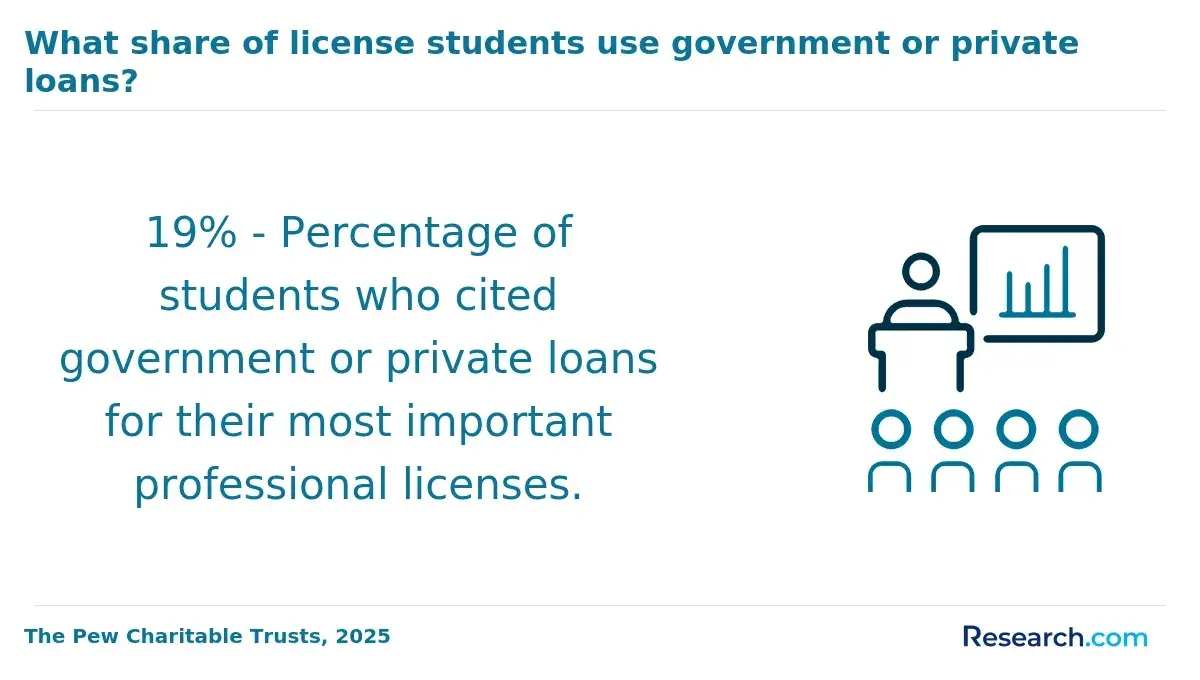
Financial aid availability and state-specific scholarship programs also play crucial roles in net affordability, with graduates in midwestern states often leaving school with 10% to 15% less student debt than the national median reported by College Scorecard in 2024. Students should consider how relocation or qualifying for in-state tuition could alter total costs, especially if campus proximity influences housing expenses. States with robust job markets aligned to positive psychology applications, such as Minnesota and Texas, offer better employment prospects but may have higher tuition or living costs, making the cheapest tuition option not always the most practical choice when long-term career trajectories and repayment burdens are factored in.
Ultimately, evaluating a positive psychology degree's value means balancing upfront cost, realistic degree completion likelihood, and post-graduate employment conditions rather than focusing on tuition alone. Careful analysis of institutional support, financial aid programs, and local economic demand for positive psychology skills allows students to make informed decisions about where to study or whether online options could reduce costs without sacrificing access to regional employment networks.
What Financial Aid and Scholarship Opportunities Can Reduce Positive Psychology Costs?
Federal financial aid remains a critical factor in reducing the cost of pursuing a Positive Psychology degree, with about 30% of undergraduates benefiting from need-based programs such as the Pell Grant, according to 2024 data from the National Center for Education Statistics. However, these funds require careful planning, as eligibility often hinges on income and academic progress, while renewal conditions can affect long-term affordability. State grants introduce further complexity; for example, California and New York offer significant awards like the Cal Grant and Excelsior Scholarship, but these are typically restricted to residents meeting stringent criteria, potentially limiting options for out-of-state students who must weigh the tradeoff between paying higher tuition or relocating.
Institutional scholarships and merit-based awards provide additional but uneven financial relief, primarily favoring students with strong academic records or specific extracurricular contributions. Eligibility differences across universities mean students must assess how these awards stack with federal and state aid to avoid gaps in funding. Employer tuition benefits present opportunities for working adults, but often come with service commitments or job retention requirements, influencing career and educational timing decisions. Reciprocity agreements like the Academic Common Market offer practical pathways to pay in-state rates across state lines, yet navigating these policies depends on matching programs and residency qualifications, underscoring the importance of aligning financial aid strategies with professional and personal circumstances.
Are Online Positive Psychology Degree Programs More Affordable Than On-Campus Options?
Online positive psychology degree affordability in the United States varies significantly due to tuition policies, state residency rules, and institutional fee structures. While online programs often reduce costs related to housing, commuting, and campus fees, these savings can be offset by technology requirements or higher tuition rates for out-of-state students. For example, a student in California might save thousands on living expenses by studying online, whereas a resident living near their campus in a low-cost state might see little financial advantage. Moreover, financial aid frequently favors on-campus residents, complicating direct comparisons and sometimes diminishing the perceived affordability of online options.
Cost comparison of online versus on-campus positive psychology programs by state reveals that affordability depends heavily on individual circumstances including enrollment status and geographic location. Online learners balancing work and study may avoid lost earnings, but face added expenses for reliable technology and software. Public institutions may also charge out-of-state online students higher rates, reducing online cost benefits. These factors highlight that affordability should be considered alongside program reputation and practical outcomes, as workforce demand often values experience and networking over format.
Students weighing their educational investment should consider detailed cost components and state-specific policies rather than assume uniform savings. Understanding how these factors interact can inform decisions about where and how to pursue a degree, including how long does it take to become a pharmacist or other health professions if relevant career paths interest them. Practical financial planning requires integrating tuition differences, living costs, aid availability, and career goals within such analyses.
Is a Positive Psychology Degree Worth the Cost Based on Career Outcomes and ROI?
Evaluating the value of a positive psychology degree requires more than comparing tuition fees across states; it demands an analysis of career outcomes and cost effectiveness of positive psychology programs in relation to local labor markets and debt burdens. For instance, students in states with low tuition costs like Wyoming face less financial strain, improving their return on investment by entering the workforce earlier and with manageable debt. Conversely, in higher-cost states such as California or New York, graduates often carry debts exceeding $35,000, which can outweigh the modest starting salaries typical for roles in behavioral health and wellness coordination, thereby complicating financial sustainability.
Beyond upfront costs, students should factor in opportunity costs, geographic mobility, and the potential need for advanced credentials to achieve better earnings and job security. While demand for positive psychology-related roles is growing-projected at about 8% employment growth-median starting salaries between $40,000 and $55,000 mean that the degree's practical value hinges strongly on controlling educational expenses and aligning career goals with market realities. Prospective students seeking detailed tuition comparisons might find resources on online speech pathology school cost helpful, as cost structures in related fields often reflect similar affordability challenges.
Ultimately, positive psychology degree return on investment by state varies considerably and requires careful assessment of how institutional quality, completion rates, regional job markets, and projected earnings synergize with individual circumstances. Ensuring that degree choices correspond to both financial constraints and realistic employment opportunities is essential for maximizing long-term value rather than relying on generalized ROI assumptions.
References:
- Scholarships For Psychology Majors (2025) https://www.psychology.org/scholarships/
- Global Education Programs https://ippanetwork.org/what-is-positive-psychology/global-education-programs/
- 2025's Most Affordable Online Master’s Degrees in Psychology https://www.onlinemastersdegrees.org/most-affordable/psychology-programs/
- Positive Psychology Degree Programs and Online Schools https://www.onlinepsychologydegrees.com/specialty/positive-psychology/
- The Cost of Living Crisis: How Financial Pressure Impacts Our Mental Health — Melbourne Wellbeing Group https://www.melbournewellbeinggroup.com.au/melbourne-psychology-blog/cost-of-living-crisis-impact-on-mental-health
- Positive psychology : understanding & applying to well-being https://www.espe-psy.com/en/post/positive-psychology-understanding-and-applying-this-approach-to-well-being
- Positive psychology - Wikipedia https://en.wikipedia.org/wiki/Positive_psychology
- Cost of living crisis and mental health - Money and Mental Health https://www.moneyandmentalhealth.org/cost-of-living-crisis-and-mental-health/
- Is College Worth It? A Comprehensive Return on Investment Analysis - FREOPP https://freopp.org/whitepapers/is-college-worth-it-a-comprehensive-return-on-investment-analysis/
- The Effects of Rising Student Costs in Higher Education - Ithaka S+R https://sr.ithaka.org/publications/the-effects-of-rising-student-costs-in-higher-education/
Other Things You Should Know About Positive Psychology
States differ not only in tuition rates but also in how their positive psychology programs structure coursework and duration. Longer programs with heavier course loads increase living expenses and opportunity costs, which can outweigh apparent tuition savings. Prospective students should analyze the total time and credit requirements to gauge true affordability rather than focusing on per-credit tuition alone, especially if balancing work or family obligations.
While lower tuition states seem attractive, program reputation strongly influences employment opportunities in positive psychology-related fields. Students in states with cheaper, less recognized programs risk weaker networks and fewer employer connections, potentially limiting career advancement. For budget-conscious learners, a middle ground approach-selecting moderately priced states with solid program reputations-often yields better long-term return on investment.
Some states mandate additional licensure or certification for roles often associated with positive psychology, adding post-degree expenses like exam fees or continuing education credits. These extra costs can significantly affect the overall affordability and should be factored into planning. Students should research future licensing demands in their state to avoid unexpected financial burdens that extend beyond tuition.
In-state public universities generally offer lower tuition but may have larger class sizes and less personalized instruction in positive psychology. Private institutions, though more expensive, frequently provide smaller classes and greater access to faculty, which can improve learning outcomes. Those prioritizing personalized mentorship and networking might find private options worth the higher price, while budget-focused students can still gain solid training at many public schools.