2027 Liberal Arts Affordability by State: Where Students Pay the Most and Least

Co-Founder and Chief Data Scientist
Facing a choice between a public liberal arts program with $12,000 annual in-state tuition and a private out-of-state alternative charging over $35,000, students confront more than sticker price. A 2024 National Center for Education Statistics report reveals a widening gap in state funding that drives these disparities, often forcing borrowers to take on significantly more debt or forsake programs with stronger career outcomes. Beyond tuition, living expenses in high-cost states frequently erase nominal savings in lower-priced institutions, complicating budget calculations.
This article analyzes tuition and cost variations by state to clarify where pursuing a liberal arts degree is financially viable or burdensome.
Key Things to Know About Liberal Arts Affordability by State
- States with low in-state tuition often pair it with limited financial aid and higher living costs, forcing prospective liberal arts students to weigh upfront savings against total affordability and debt risk.
- Out-of-state tuition disparities, averaging 2.5 times higher nationally in 2024, shape workforce mobility as employers favor graduates familiar with regional economic networks and local institutional reputations.
- The growing availability of accredited online liberal arts programs reduces geographic barriers but sometimes delays graduation timing, increasing cumulative costs despite lower per-credit expenses.
- Key Things to Know About Liberal Arts Affordability by State Key Things to Know About Liberal Arts Affordability by State
- Which States Have the Most Affordable Liberal Arts Degree Programs? Most Affordable State Programs
- Which States Have the Highest Liberal Arts Degree Costs? Highest State Tuition Costs
- How Much Does a Liberal Arts Degree Cost by State? Degree Costs by State
- Why Does Liberal Arts Affordability Vary So Much Between States? State Affordability Variations
- How Do In-State and Out-of-State Tuition Rates Affect Liberal Arts Affordability? In-State vs. Out-of-State Rates
- How Does the Cost of Living Impact Overall Liberal Arts Affordability by State? Living Costs and Affordability
- Which States Offer the Best Value for a Liberal Arts Degree? Best Value State Degrees
- What Financial Aid and Scholarship Opportunities Can Reduce Liberal Arts Costs? What Financial Aid and Scholarship Opportunities Can Reduce Liberal Arts Costs?
- Are Online Liberal Arts Degree Programs More Affordable Than On-Campus Options? Are Online Liberal Arts Degree Programs More Affordable Than On-Campus Options?
- Is a Liberal Arts Degree Worth the Cost Based on Career Outcomes and ROI? Degree ROI and Outcomes
Which States Have the Most Affordable Liberal Arts Degree Programs?
States that consistently offer the most affordable liberal arts degree programs tend to benefit from a combination of strong public funding, favorable residency policies, and lower regional living costs, which together shape a realistic cost of attendance beyond just tuition. For example, Wyoming's substantial investment in public universities, supported by its natural resource revenues, enables annual net prices significantly below the national average.
This is crucial for budget-conscious learners weighing long-term educational value, as it can reduce reliance on student loans and the financial strain of debt, an important factor when comparing in-state tuition advantages across states with varied economic landscapes.
Affordability also varies notably depending on individual student circumstances and their ability to access financial aid programs or online curriculum options, as seen in states like Florida and New Mexico. Florida's expansive grant aid targeting low- and middle-income families lowers barriers for many, while New Mexico's growing online offerings reduce ancillary expenses such as housing and commuting.
Such variations illustrate how top states with the lowest liberal arts tuition and fees accommodate diverse needs, influencing enrollment decisions and degree completion strategies. Choosing where to pursue a liberal arts degree often involves balancing these cost factors with program accessibility, underscoring why some students prioritize states offering more flexible or digitally accessible paths.
While evaluating affordability, prospective students should also consider emerging alternatives such as the fastest EdD program online, which may provide accelerated degree completion and cost savings in related fields. These options highlight the evolving educational infrastructure that can complement traditional liberal arts pathways, especially when tuition and living expenses vary extensively by state. Ultimately, recognizing how state policies intersect with economic realities offers a more nuanced framework than simplistic price comparisons, allowing students to make informed decisions aligned with their financial constraints and academic goals.
Which States Have the Highest Liberal Arts Degree Costs?
Higher liberal arts degree costs in certain states stem from a mix of tuition policies, state funding shortfalls, and local economic conditions rather than simply institutional prestige. States like Massachusetts and California exhibit steep in-state tuition averaging over $16,000 annually, amplified by high living expenses and reduced public subsidies that compel universities to pass costs onto students.
Residency restrictions further widen the gap, forcing out-of-state learners to face two- to threefold tuition hikes, which often outweigh the academic benefits of attending elite but costly programs within those regions. Students weighing options must consider these multi-layered price drivers alongside program strength and labor market returns to avoid debt loads that exceed expected post-graduation earnings, especially when local economies may not compensate adequately for such investments.
This concentration of selective, research-oriented institutions in wealthier states inflates operational costs and limits lower-cost alternatives within state borders, meaning affordability is inseparable from geographic and institutional choices. The interplay between public funding trends and regional cost-of-living pressures makes some states inherently less financially accessible, pushing budget-conscious students toward out-of-state or online options if comparable curricula are available.
Financial aid and scholarships can mitigate expenses but rarely equalize disparities tied to residency and local market conditions. As a result, evaluating the total cost of attendance—beyond nominal tuition—remains essential for informed planning and longer-term economic outcomes in liberal arts education.
One student recalled hesitating over a decision after discovering their preferred state's out-of-state tuition would triple their expected educational expenses. They thoroughly compared programs across neighboring states, factoring in potential savings from in-state tuition versus quality differentials and anticipated living costs.
Though tempted by a prestigious university's offerings, the financial reality led them to consider online courses from their home state and seek additional aid opportunities to avoid unsustainable debt. This process underscored how sharply tuition and residency policies influence practical access to liberal arts studies and the importance of proactive planning before committing to higher-cost environments.
How Much Does a Liberal Arts Degree Cost by State?
Tuition costs for liberal arts degrees vary widely by state due to a combination of institutional types, residency-based pricing, and regional economic conditions-factors that significantly impact the total financial commitment and subsequent decision-making. For instance, public in-state tuition may be as low as around $6,000 annually in states like New Mexico but can exceed $15,000 in Massachusetts, while out-of-state fees often multiply these figures, creating difficult trade-offs for students weighing the value of relocating versus paying higher tuition.
A California student pays roughly $14,000 in-state at public liberal arts colleges, contrasted by nearly $44,000 for out-of-state peers, which commonly forces families to consider borrowing strategies or prioritize institutions with robust financial aid packages to offset sticker prices.
Beyond tuition, cost-of-living disparities further complicate affordability calculations, with states such as New York elevating total expenses well above tuition alone due to higher housing and daily living costs. This creates a practical incentive for some to prefer southern or midwestern institutions where living costs are lower, even if the nominal tuition difference is smaller.
State funding mechanisms and financial aid availability also shape net costs, as states with more generous grant programs for resident students or proactive institutional aid policies effectively reduce price barriers. Conversely, constrained budgets in urbanized regions may limit aid, narrowing accessibility despite lower published tuition and affecting enrollment patterns and degree completion prospects.
Students must therefore integrate these layered cost factors-not just sticker prices-into their long-term planning, especially given the variability in public versus private institution prevalence by region, which influences borrowing needs and career entry timing. Considering online program options or cross-state agreements may mitigate some financial pressures, but such alternatives require careful evaluation of accreditation and employer recognition.
Data from the National Center for Education Statistics and the College Board's 2024 report emphasize these discrepancies, underscoring how economic and policy contexts shape realistic pathway choices for prospective liberal arts students navigating affordability and educational return on investment.
Why Does Liberal Arts Affordability Vary So Much Between States?
Differences in liberal arts college tuition between states largely stem from variations in public funding and institutional composition, which directly influence affordability for in-state students. For example, states like California and New York invest substantially more per student in public higher education, which tends to suppress resident tuition costs compared to states such as Alabama or Wyoming where funding is lower.
This affects student decisions, often encouraging those in underfunded regions to consider out-of-state or online options, balancing net cost against potential financial aid tied to residency requirements and local policy tradeoffs. Enrollment patterns also matter: states with a higher concentration of private liberal arts colleges, which receive less state subsidy, typically reflect steeper tuition, pushing budget-conscious students toward public universities despite potentially narrower program selections.
Regional cost-of-living differences further complicate the affordability landscape by compelling institutions in high-expense areas to charge more to cover operational costs, impacting total education expenses beyond tuition alone. Merit- and need-based aid policies differ significantly, shaping out-of-pocket student expenses and influencing transfer behaviors where students seek better financial support.
According to 2024 National Center for Education Statistics data, these funding and policy variances drive pronounced affordability gaps that are critical for students and families to evaluate when comparing liberal arts college tuition differences by state. Those weighing educational investments should also consider practical outcomes, with evolving employer expectations often valuing programs' ability to balance cost efficiency and quality, underscoring the growing appeal of accredited online pathways, such as the top online accounting programs that blend affordability with flexibility.
How Do In-State and Out-of-State Tuition Rates Affect Liberal Arts Affordability?
Residency-based tuition disparities impose a significant financial divide that directly shapes which liberal arts programs students can realistically consider. With average in-state tuition at public four-year institutions around $10,400 annually and out-of-state costs exceeding $27,300 according to 2024 National Center for Education Statistics data, many students must balance the appeal of prestigious or geographically distant institutions against the steep premium of nonresident fees. These differences often dictate whether a student can afford to enroll out-of-state or should pursue residency reclassification or regional reciprocity options to access lower rates. Moreover, the availability of in-state grants and scholarships typically hinges on residency, further widening the affordability gap and influencing enrollment strategies for budget-sensitive learners.
Regional cost variations compound these decisions, as states in the Midwest and South generally offer more affordable tuition, while coastal states frequently impose higher sticker prices, especially for nonresidents. Some students mitigate this disparity through agreements like the Western Undergraduate Exchange, which offer intermediate tuition reductions, but these programs vary in scope and generosity. Beyond tuition, students must consider living expenses, as saving on tuition in one state could be offset by higher housing or transportation costs. Online liberal arts programs increasingly provide pricing uniformity and lessen the impact of residency, presenting expanded options for those unable or unwilling to relocate.
One liberal arts student recounted grappling with financial uncertainty after moving to a neighboring state for college, only to discover they were classified as out-of-state despite having lived there for nearly a year. The unexpected tuition hike nearly derailed their plans, forcing a last-minute reassessment of budget priorities and prompting outreach to financial aid offices to explore hardship waivers and residency appeals. This experience emphasized the crucial role that nuanced residency rules and timely application can play in defining the true cost of liberal arts education and the broader challenge of navigating institutional policies alongside personal circumstances.
How Does the Cost of Living Impact Overall Liberal Arts Affordability by State?
Housing costs are often the decisive factor shaping the true financial burden of pursuing a liberal arts degree across states. For instance, a student enrolling in a New York institution faces rent expenses that can triple those in rural Midwestern states, significantly increasing total educational costs despite similar tuition fees.
Beyond rent, transportation choices tied to regional infrastructure profoundly impact budgets; students in transit-rich urban centers may reduce vehicle-related expenses, while those in car-dependent states must allocate considerable funds for commuting, which can delay degree completion or increase student debt exposure. These influence enrollment decisions, pushing some students toward online learning alternatives or in-state institutions where practical expenses align better with their financial capacity.
Regional living expenses influence the total cost of liberal arts education in less obvious ways as well. Healthcare premiums and utility bills fluctuate with state-specific market conditions and climate, often straining budgets for students with chronic health concerns or in colder northern states. Inflation dynamics further erode the purchasing power of grants and part-time earnings, complicating financial planning for those relying on aid or employment to offset expenses.
In this context, students evaluating where to study should weigh comprehensive cost-of-living factors alongside tuition to avoid unexpected economic hardship. Exploring resources like the Council for Community and Economic Research or investigating programs such as the best online MBA under 30k can provide additional clarity when comparing educational investments across locations.
Which States Offer the Best Value for a Liberal Arts Degree?
States that combine moderate in-state tuition with strong degree completion rates and robust post-graduation opportunities offer more practical value for liberal arts students than those simply boasting the lowest sticker prices. For example, North Carolina's public universities charge around $9,000 annually for in-state students, a figure balanced by a graduation rate exceeding 50% in liberal arts programs and access to comprehensive state financial aid. This balance means students are not only paying less upfront but are also more likely to finish their degrees in a reasonable timeframe, improving overall return on investment compared to cheaper but less supportive options.
Indiana and Minnesota illustrate the importance of considering both affordability and economic context together. Indiana's tuition sits near $10,000 annually with liberal arts completion rates slightly above the national average, while Minnesota's graduates benefit from notably low student loan default rates near 7%, signaling manageable debt and stronger employment outcomes. These factors suggest that spending marginally more in states with better economic alignment and debt management can yield better long-term financial health than chasing the lowest tuition without support for degree completion or career placement. Students must weigh residency rules, local job markets, and institutional performance rather than assuming the lowest cost delivers the best value.
In contrast, some western states with low tuition linked to lower living expenses, such as Idaho or Utah, show wider variability in graduation and employment results, which complicates their affordability calculus. For learners choosing where to enroll-whether relocating, attending in person, or studying online-assessing degree completion rates and post-graduation employment aligned with regional economies often outweighs nominal tuition savings. According to the U.S. Department of Education's College Scorecard, these nuanced tradeoffs shape more accurate and sustainable decisions than focusing solely on headline tuition costs or rankings.
What Financial Aid and Scholarship Opportunities Can Reduce Liberal Arts Costs?
Federal aid programs like the Pell Grant remain critical in reducing out-of-pocket costs for liberal arts students, with over 6 million undergraduates benefiting from these need-based funds in 2024 according to the U.S. Department of Education. However, students must navigate varying eligibility rules tied to residency, enrollment status, and family income, making early and accurate application essential.
State grants further complicate affordability comparisons; while states such as New York and California offer substantial awards to residents, many states provide limited support, which often results in significant tuition disparities that directly impact students' long-term debt decisions. Institutional scholarships and merit-based awards frequently supplement this aid but can favor applicants from more advantaged backgrounds, creating a tradeoff between merit recognition and equitable access.
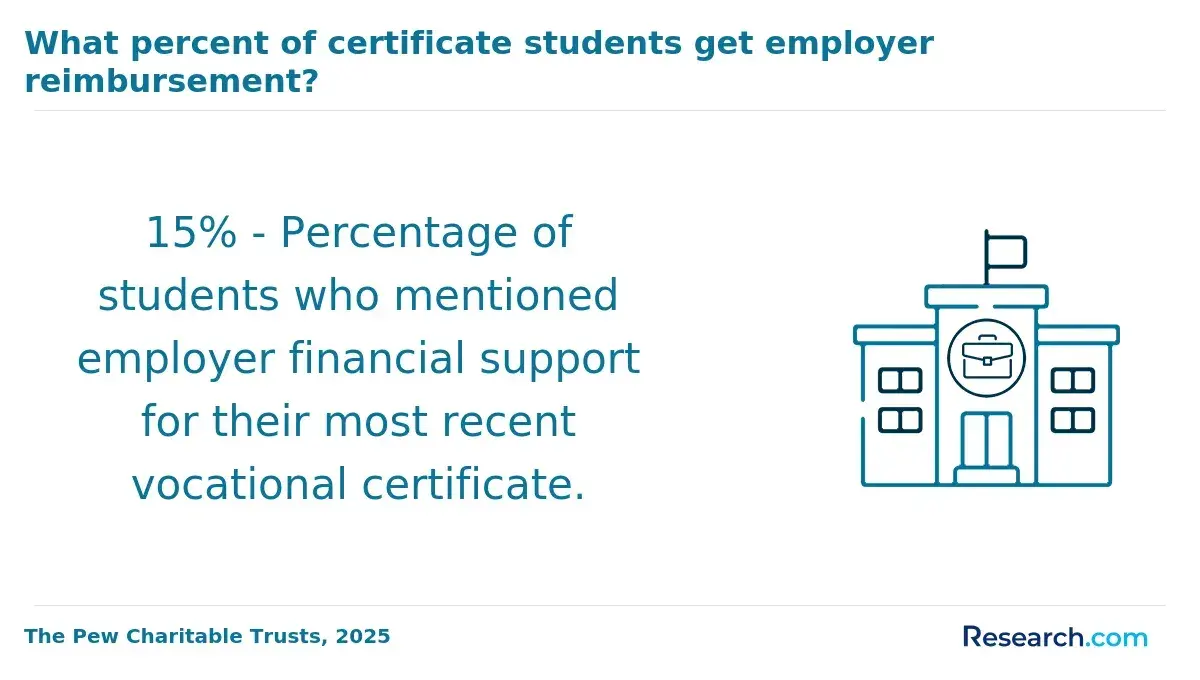
Employer-sponsored tuition assistance is an increasingly important resource for part-time adult learners pursuing liberal arts degrees, yet its availability hinges on workforce stability and employer priorities, limiting its reliability. Students balancing jobs and family responsibilities must also consider that aid renewal conditions and stacking policies—rules around combining multiple grants and scholarships—vary widely and influence total financial support received.
The National Center for Education Statistics in 2024 highlights that borrowers in liberal arts fields carry debt levels comparable to other majors but often encounter slower income growth, underscoring the necessity to maximize grant funding upfront. Ultimately, prospective students must weigh these complexities and geographic factors carefully to identify where liberal arts education can be pursued with manageable financial risk.
Are Online Liberal Arts Degree Programs More Affordable Than On-Campus Options?
An online liberal arts degree comparison reveals a nuanced financial picture that goes beyond simple tuition rate differences. While a 2024 report from the National Center for Education Statistics notes that online undergraduate tuition can be about 15% lower than on-campus rates at public institutions, this gap often shrinks once additional expenses are included. Technology fees, required short-term campus residencies, and travel for mandatory intensives can add unexpected costs, offsetting savings gained from reduced housing, meal plans, and commuting expenses.
Cost differences between online and on-campus liberal arts programs hinge significantly on state policies and financial aid availability. Some states and schools have historically limited grants and scholarships to on-campus students, although recent policy updates have expanded aid for online learners in select regions. For budget-conscious students, this variability means prospective financial support must be factored alongside tuition when assessing actual affordability. Moreover, the flexible scheduling of many online programs can reduce opportunity costs by allowing students to maintain employment or family responsibilities, indirectly mitigating the overall economic impact of earning a degree.
State-specific tuition and living costs also shape the practical affordability of online liberal arts degrees. For example, in California and New York, where in-person tuition and living expenses are high, online options often provide meaningful savings, whereas in states with lower on-campus costs or robust aid programs, the cost difference may be minimal. Given employer recognition of online credentials remains inconsistent, students should weigh immediate and long-term tradeoffs carefully, especially those exploring related fields such as finance where alternatives like online masters in finance programs demonstrate different market dynamics.
Is a Liberal Arts Degree Worth the Cost Based on Career Outcomes and ROI?
Evaluating a liberal arts degree return on investment in the United States demands attention beyond upfront tuition costs to encompass career outcomes and regional affordability variations. For example, students attending private colleges in states like Massachusetts face annual tuition exceeding $40,000, frequently leading to higher debt burdens that can linger and affect net benefits over time. In contrast, lower tuition rates in states such as Wyoming reduce initial borrowing but may coincide with fewer local job opportunities in liberal arts fields. This disparity forces prospective students to weigh immediate financial strain against geographic mobility, program quality, and alignment with long-term career goals.
Career outcomes and earning potential for liberal arts graduates by state further complicate the ROI picture. Many graduates enter sectors valuing critical thinking and adaptability, including education and public administration, where salary growth may not match technical fields but can be offset by non-financial benefits like career flexibility.
Additionally, a considerable share pursue advanced degrees, which can delay immediate returns but substantially increase earnings, especially when paired with targeted credentials such as those highlighted among the best masters in data analytics programs. Therefore, assessing ROI requires a comprehensive approach incorporating debt load, graduation completion, labor market demand, and potential for graduate study rather than focusing solely on tuition price.
References
- The Liberal Arts Difference | AEI https://www.aei.org/articles/the-liberal-arts-difference/
- Are Liberal Arts Colleges worth $200,000 more than flagship state schools? https://talk.collegeconfidential.com/t/are-liberal-arts-colleges-worth-200-000-more-than-flagship-state-schools/2092720
- Liberal Arts Advocacy https://www.ccas.net/i4a/pages/index.cfm
- Importance of Cost of Living | Goldwater Institute https://www.goldwaterinstitute.org/cost-of-living/
- Maximize Impact. Minimize Cost. https://mcla.edu/affordability.php
- Online Degree vs. Traditional | University of Arkansas Grantham https://www.uagrantham.edu/blog/pros-cons-online-degree-vs-traditional-university/
- The College Affordability Gap: Insights and Impact on Families https://encoura.org/resources/wake-up-call/the-college-affordability-gap-insights-and-impact-on-families
- The Effects of Rising Student Costs in Higher Education - Ithaka S+R https://sr.ithaka.org/publications/the-effects-of-rising-student-costs-in-higher-education/
- Most Affordable Online Colleges Of 2025 https://www.affordablecollegesonline.org/cheap-online-colleges/
Other Things You Should Know About Liberal Arts
Lower tuition costs in some states may correspond with more limited program offerings or fewer connections to local industries that value liberal arts skills. Affordability is important, but students should also weigh how well a program prepares them for the regional job market. States with stronger liberal arts networks or alumni bases typically offer better practical experiences and internships, which can lead to greater employability despite higher upfront costs.
Affordability is a key concern, but choosing the cheapest option without regard to career relevance can backfire. States where liberal arts programs emphasize interdisciplinary skills combined with experiential learning often produce graduates who adapt more readily to diverse job markets. Students focused on long-term outcomes should balance cost with the quality of career support services and employer engagement in the state.
Some states with more affordable liberal arts tuition may have programs that demand heavier workloads or compressed timelines to reduce time to degree. This can increase out-of-pocket costs indirectly through lost income or reduced ability to work while studying. Conversely, higher-cost programs in states with more flexible pacing may lead to better learning retention and less financial strain over time, suggesting that the cheapest option is not always the least costly overall.
States differ widely in how credits from community colleges or other institutions apply toward liberal arts degrees. Affordable tuition in one state may not translate if transfer policies are restrictive, forcing students to retake courses and pay more. Prospective students should prioritize states where transfer pathways are clear and cost-effective, as these can significantly reduce total expenses and time to degree completion.