2027 Liberal Arts Degree Growth by State: Where Interest Is Rising the Fastest

Co-Founder and Chief Data Scientist
States with rapid growth in liberal arts degree enrollment often reveal distinct economic and demographic dynamics influencing this trend. For instance, flexible admissions policies and the rise of online learning platforms have expanded access in regions with growing adult learner populations. According to 2024 data from the National Center for Education Statistics, nontraditional student enrollment surged notably in several Midwestern and Southern states, reflecting labor market shifts favoring adaptable skill sets. Understanding these regional variations helps prospective students assess when and where pursuing a liberal arts master's aligns with evolving workforce demands and educational accessibility, especially amid varying state regulations and institutional capacities.
Key Things to Know About the State Where Liberal Arts Degree Interest Is Rising the Fastest
- States like Texas benefit from robust online education expansions, per 2024 NCES data, enabling adult learners to enter liberal arts programs flexibly, though accelerated pacing can challenge balancing work-study commitments.
- Economic diversification in Washington creates demand for critical thinking skills typical of liberal arts, but slow credential recognition slows workforce integration for graduates with interdisciplinary backgrounds.
- New York's regulatory emphasis on higher education access expands enrollment through community colleges, reducing cost barriers yet requiring students to navigate complex credit transfer equivalencies affecting timely degree completion.
- Which States Are Seeing the Fastest Growth in Liberal Arts Degree Enrollment? States Seeing the Fastest Growth in Enrollment
- What Does Enrollment Growth in Liberal Arts Programs Actually Tell Prospective Students? Interpreting Enrollment Growth
- How Do Regional Job Market Conditions Drive Liberal Arts Degree Demand by State? Role of Regional Job Market Conditions
- Which States Have Added the Most New Liberal Arts Degree Programs in the Last Five Years? States That Have Added the Most Programs
- How Has the Rise of Online Education Changed Which States Lead in Liberal Arts Program Interest? Role of Online Education in Increased Program Interest
- What Demographic Trends Are Fueling Liberal Arts Degree Growth in Specific States? Demographic Trends Fueling Growth
- How Do State Funding Levels for Liberal Arts Services Influence Degree Program Growth? Role of State Funding Levels
- Which States Are Emerging as Unexpected Leaders in Liberal Arts Degree Interest? States Emerging as Unexpected Leaders in Growth
- How Does State Population Size Affect the Interpretation of Liberal Arts Degree Growth Data? Role of State Population Size
- What Role Do State Licensing Requirements Play in Driving or Suppressing Liberal Arts Enrollment? Role of State Licensing Requirements
Which States Are Seeing the Fastest Growth in Liberal Arts Degree Enrollment?
Enrollment growth in liberal arts degree programs is unevenly distributed, reflecting regional economic realities and institutional strategies more than a simple national trend. While many states show stable or modest increases, a small group-identified through IPEDS data-stands out for their notably accelerated expansion in liberal arts enrollment. This state-by-state liberal arts enrollment growth trends pattern often correlates with targeted state-level investments in flexible, interdisciplinary degrees, and evolving local workforce demands that value critical thinking and communication skills over narrow vocational training. For graduates and career changers, selecting a graduate program in these high-growth states can mean access to expanding peer networks and potentially greater institutional resources, but it may also signal increasing competition or shifting employer expectations that warrant careful consideration.
- New Mexico: Leading the nation in liberal arts enrollment growth, New Mexico's higher education landscape has expanded significantly to attract nontraditional students, including adult learners needing skill retooling in a diverse but uneven job market.
- Virginia: The state's investments in public universities and proximity to government and tech sectors create demand for graduates with strong analytical and communication skills, resulting in robust liberal arts enrollment increases that align with regional labor diversification.
- Oregon: With progressive education policies emphasizing interdisciplinary curricula, Oregon's institutions support growth by appealing to students seeking broader skill sets adaptable to emerging industries in the Pacific Northwest.
- North Carolina: A combination of private and public institutions catering to career changers contributes to rising liberal arts enrollment, reflecting regional efforts to balance traditional manufacturing with knowledge-based industries.
- Idaho: Idaho's demographic profile, including a younger population and new campuses expanding degree options, underpins strong liberal arts enrollment growth even as the state's economy remains rooted in farming and resource sectors.
This clustering of rapid enrollment growth primarily in the West and Southeast illustrates how local economic diversification and policy environments create demand pressures that influence educational pathways and program sustainability. Subsequent sections will examine how workforce needs, demographic shifts, institutional program designs, and licensure or certification challenges collectively shape these enrollment dynamics, equipping prospective students-particularly geographically mobile individuals and career changers-with insight into the practical implications of choosing programs amid this regional momentum. Those weighing flexible options like an AI degree online may also find parallels in how program delivery and labor markets interact across these evolving liberal arts hubs.
What Does Enrollment Growth in Liberal Arts Programs Actually Tell Prospective Students?
Enrollment growth in liberal arts programs can signal increased interest but often masks critical nuances affecting graduate outcomes and workforce alignment. For instance, a program expanding rapidly in a state with limited professional licensing oversight may not prepare students for complex labor markets as well as a smaller, more selective program in a region with robust licensure requirements.
Raw enrollment numbers offer an accessible snapshot of popularity but fall short of conveying true program value or graduate readiness. Meaningful interpretation demands attention to factors like retention rates, graduation success, job placement, and licensure exam outcomes, which collectively illuminate how well programs translate academic training into practical career advancement.
Growth motivations vary widely: some programs expand due to rigorous curricula matched to evolving labor market needs, benefiting students targeting clear career trajectories; others may inflate numbers through aggressive recruitment or lowered admissions standards, risking dilution of educational effectiveness. Prospective students must cultivate a critical lens to differentiate these dynamics and avoid overreliance on headline enrollment figures.
Enrollment growth should therefore be just one data point within a broader evaluative framework. Direct engagement with current students and alumni conversations can reveal lived experiences and employment realities often obscured by institutional marketing or surface-level data.
- Contextualizing Enrollment: Popularity alone doesn't ensure quality; pairing raw data with retention and graduation statistics paints a fuller picture.
- Graduate Outcomes: Job placement and licensure exam success remain vital indicators of a program's practical relevance and market credibility.
- Recruitment Versus Demand: Sustained growth tied to labor market alignment contrasts with increases driven primarily by admissions leniency.
- Critical Assessment: Data review combined with firsthand perspectives uncovers discrepancies between enrollment growth and program strength.
- Informed Decision-Making: Integrating quantitative metrics with qualitative insights supports more nuanced, career-aligned graduate program choices.
How Do Regional Job Market Conditions Drive Liberal Arts Degree Demand by State?
Regional economic and workforce conditions directly shape demand for liberal arts graduates, influencing program enrollment trends state by state. For those weighing graduate education choices, understanding how healthcare expansion, public sector growth, school district staffing, and employer-driven incentive programs affect local labor markets is critical. These factors impact where liberal arts skills-such as communication, critical thinking, and interdisciplinary problem-solving-translate into tangible job opportunities and shape the practical outcomes of advanced study.
- California: Expanding healthcare infrastructure and large urban school districts create growing openings for professionals skilled in cultural competency and communication. Public sector growth in social services further intensifies need for graduates with versatile liberal arts training.
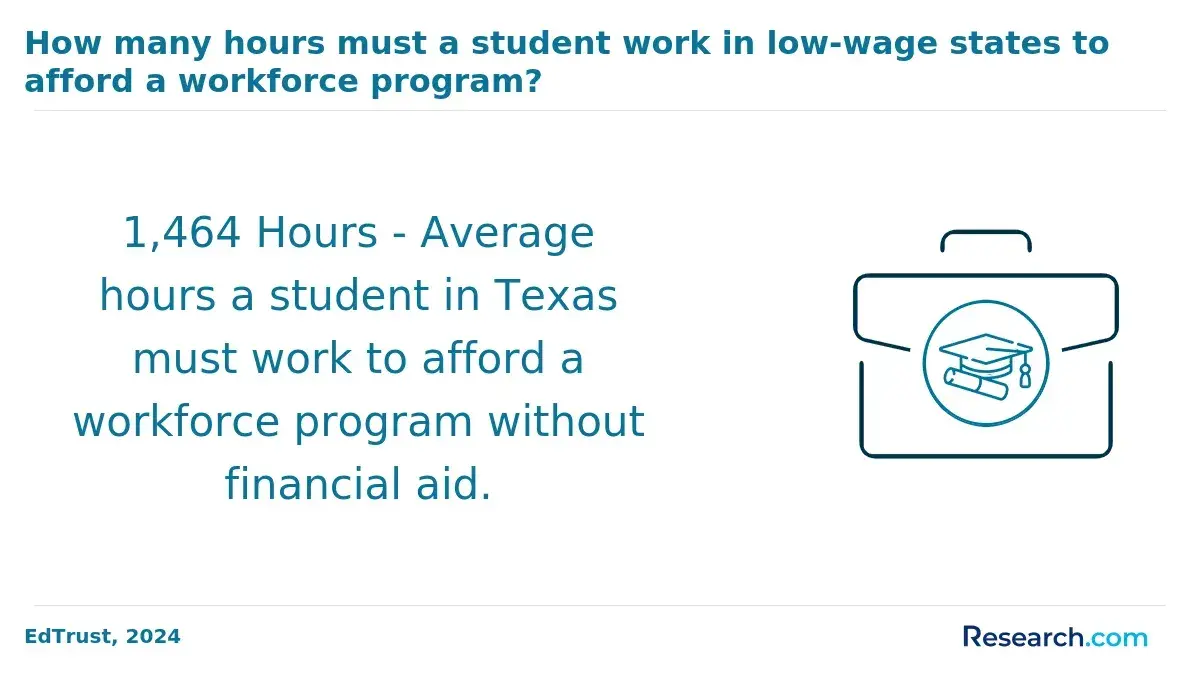
- Texas: Population surges fuel school district hires and public employment growth. State workforce programs incentivize partnerships favoring candidates with broad liberal arts backgrounds, especially in education and social services sectors.
- Florida: Healthcare job expansion, particularly elder care and public health, aligns with liberal arts graduates' abilities in patient communication and interdisciplinary analysis. Increased public school funding supports demand for qualified educators.
- New York: Dense urban centers with complex public sector and healthcare systems drive demand for liberal arts professionals, especially those in programs offering practicum experiences linked to these sectors.
- Washington: Tech-infused public roles and community health initiatives highlight the value of liberal arts skills, with employer-led education incentives encouraging specialization that meets state priorities.
Prospective students must carefully assess their target state's workforce projections, drawn from sources like the Bureau of Labor Statistics and state workforce agencies, to better gauge enrollment growth driven by economic conditions. Regions with robust job markets not only offer improved practicum placement chances but also strengthen post-graduation salary negotiation leverage. However, stronger markets may mean heightened competition, underscoring the importance of selecting outcomes-focused graduate programs tailored to these dynamics. Considering all this alongside practical constraints, those seeking a liberal arts degree might also explore pathways like a cheap online accounting degree to diversify their options amid shifting regional demands.
Which States Have Added the Most New Liberal Arts Degree Programs in the Last Five Years?
Identifying which states have added the most new liberal arts degree programs in the last five years is challenging because there is no single national database that tracks new liberal arts programs by state. However, available higher education reports suggest that states with rapidly expanding university systems and active program development initiatives have seen the greatest growth. Utah, for example, reported that its public colleges and universities launched 178 new academic programs over the past five years, reflecting a broad effort to modernize and expand degree offerings. Although many of these programs were in high-demand workforce fields, the overall expansion created opportunities for new interdisciplinary and liberal arts-related programs as institutions adjusted to changing student interests and labor market needs.
Several states have also invested in strengthening liberal arts education through new schools, majors, and interdisciplinary programs. Florida has attracted attention through the transformation and expansion efforts at New College of Florida, including plans to broaden academic offerings and increase enrollment. Connecticut has seen growth in arts-focused degree options, including the introduction of new Bachelor of Fine Arts programs and performing arts initiatives at colleges and conservatories.
Massachusetts, Oregon, and New York also appear to be important centers for liberal arts program development. These states host numerous liberal arts colleges and universities that have expanded interdisciplinary studies, arts programs, and online liberal arts offerings in response to enrollment shifts and evolving workforce demands. For example, Oregon State University College of Liberal Arts continues to broaden its academic portfolio and online accessibility, while Massachusetts remains home to a dense concentration of liberal arts institutions that regularly introduce new academic pathways.
How Has the Rise of Online Education Changed Which States Lead in Liberal Arts Program Interest?
The growth of fully online liberal arts programs has fundamentally reshaped the geography of graduate enrollment by severing the traditional link between students' physical location and program choice. Whereas prior generations often pursued degrees within feasible commuting or relocation distance, today's students frequently enroll in out-of-state online programs offered by institutions in states such as Arizona, Florida, and Pennsylvania. These states have become significant national hubs not because of local proximity but due to factors like program quality, accreditation rigor, and tuition competitiveness. This shift allows students greater access to diverse academic offerings but also forces them to navigate complex state-specific licensure and certification requirements that can affect their employability, especially in interdisciplinary or applied liberal arts fields.
- Geographic Decoupling: Students increasingly select liberal arts programs based on institutional reputation and curricular strength rather than physical accessibility, broadening competitive landscapes beyond traditional regional patterns.
- Program Reputation and Accreditation: States with well-regarded accreditation and academically rigorous online programs attract out-of-state learners aiming to maximize the recognition and practical value of their degrees in competitive job markets.
- Tuition and Cost Factors: Competitive pricing structures in certain regions increase appeal among cost-sensitive students weighing return on investment against labor market outcomes.
- Licensure and Regulatory Constraints: Despite remote access, students must verify state-specific licensing rules impacting state authorization and professional qualification, particularly for careers requiring certification.
- Workforce Implications: As states hosting prominent online liberal arts programs become de facto national education providers, they influence regional workforce development and employer expectations for candidates' competencies across state lines.
What Demographic Trends Are Fueling Liberal Arts Degree Growth in Specific States?
Regional demographic shifts are shaping where and why liberal arts degree enrollment is growing, with implications that extend directly to graduates' career stability and long-term employability. Enrollment growth is not evenly distributed but heavily tied to specific state population dynamics, local workforce demands, and health trends that affect the roles liberal arts graduates fill, particularly in education, social advocacy, and healthcare communication. Students targeting states with favorable demographic trajectories can gain an advantage by aligning their academic investments with more predictable labor market needs, reducing exposure to cyclical hiring downturns common in oversaturated or declining regions.
- Population Aging: States such as Florida and Arizona are experiencing significant expansion in older adult populations, increasing demand for liberal arts professionals skilled in healthcare communication, social work, and policy advocacy addressing aging-related social services.
- Immigration Patterns: Urban centers in California, Texas, and New York, which receive high immigrant influxes, show rising enrollment due to growing needs for multilingual communication specialists, culturally competent educators, and social advocates, reflecting the multicultural complexity employers require.
- Urbanization: Rapid metropolitan growth in areas like Colorado and Georgia drives demand for graduates who can navigate diverse urban social environments, supporting nonprofits and municipal communications during city expansions.
- K-12 Enrollment Growth: States in the South and Southwest with rising K-12 populations correlate with more liberal arts enrollment focused on education and humanities, aiming to prepare educators for growing school systems and shifting curricular demands.
- Rising Mental Health Diagnoses: Increased recognition of mental health conditions, especially in states with comprehensive reporting like Massachusetts and Oregon, fuels demand for counseling, advocacy, and interdisciplinary mental health roles rooted in liberal arts skill sets.
Prospective graduate students examining liberal arts degree enrollment growth by state demographics should carefully evaluate how these localized demographic factors influence both educational program offerings and workforce absorption capacity. These considerations highlight why some states become hotspots of sustained enrollment interest while others reflect transient, market-driven fluctuations. The nuanced interplay between population trends and institutional support informs a strategic approach to selecting programs with practical outcomes. For individuals weighing the cost-benefit tradeoffs of a graduate liberal arts pathway, reviewing labor market data alongside demographic forecasts can inform decisions that prioritize durability over short-term appeal. Additional analysis of program affordability and communication specialties can be found through resources like masters in communication programs, which align closely with many liberal arts career tracks in demand across these evolving regions.
Top-Employing Occupations for Liberal Arts Degree Holders (2023)

How Do State Funding Levels for Liberal Arts Services Influence Degree Program Growth?
States that prioritize public funding for liberal arts-related services-such as Medicaid reimbursement, block grants, mental health programs in schools, and community health centers-directly influence the expansion of liberal arts degree programs within their borders. Where these investments are substantial, institutions benefit from a stable pipeline of employment opportunities for graduates, making programs more appealing to prospective students and encouraging universities to broaden offerings. In contrast, states with limited or inconsistent funding see program stagnation as graduates often relocate to regions offering better resources and clearer career pathways, creating localized workforce shortages and slowing institutional growth.
- Investment: Robust state funding ensures graduates have viable public sector jobs supported by ongoing health and social services financing, anchoring liberal arts program viability.
- Employment Pipeline: Well-funded states generate consistent demand for skilled workers in government-backed roles, boosting program enrollment and institutional commitment to growth.
- Graduate Retention: Limited investment often triggers outmigration of graduates seeking sustainable careers, undermining program endurance and workforce replenishment locally.
- Legislative Awareness: Prospective students should scrutinize their state's legislative history related to liberal arts service funding to anticipate future job market conditions and program stability.
- Transparency in Outcomes: Directly inquiring about the proportion of graduates employed in-state after five years provides valuable insight into a program's regional career relevance.
A graduate recounted applying to multiple liberal arts programs during a rolling admissions cycle complicated by shifting state funding landscapes. She hesitated to commit early, aware that changing budget priorities could affect program resources and local job prospects. Ultimately, she chose a well-funded state program with transparent employment data, enabling her to enroll with greater confidence despite the unpredictable admissions timeline. The delay was nerve-wracking, but the decision underscored the importance of aligning program choice with funding-driven career opportunities rather than application speed alone.
Which States Are Emerging as Unexpected Leaders in Liberal Arts Degree Interest?
States not traditionally known as hubs for graduate liberal arts education are increasingly becoming unexpected leaders in enrollment growth due to a mix of strategic investments, program innovation, and evolving workforce demands. These emerging markets often provide tangible advantages like lower tuition, less competitive admissions, and targeted hiring incentives. However, students and professionals must weigh the sustainability of this growth against risks posed by temporary funding or nascent infrastructure. For example, the timing of admissions cycles in these states often aligns with local economic shifts, emphasizing the need for prospective enrollees to closely monitor how political or economic changes could impact program viability and career outcomes.
- Indiana: Historically focused on engineering and business, Indiana's significant state investments in interdisciplinary programs and education innovation grants have boosted graduate liberal arts enrollment. The state's membership in regional education compacts facilitates easier credit transfers, which, combined with a growing tech sector valuing communication and critical thinking skills, suggests this expansion is likely durable rather than a reaction to short-term pressures.
- Nebraska: Nebraska's growth stems from workforce development initiatives, community engagement, and public policy-focused scholarships, particularly targeting rural students. Nonetheless, much of this surge depends on temporary legislative appropriations, raising questions about the long-term stability of liberal arts enrollment increases there.
- South Carolina: Aligning policies with job market needs, South Carolina's investment in the creative economy and digital media disciplines has driven strong interest in graduate programs related to communication and cultural studies. Online program expansions and interstate credit reciprocity have lowered barriers, making this a promising region for liberal arts education growth.
- Idaho: With new accredited programs in ethics, environmental humanities, and social justice, Idaho addresses growing employer interest in these fields. State incentives help retain local graduates, but the smaller scale of this growth calls for cautious optimism regarding its long-term prospects.
Students considering geographic flexibility should also recognize that emerging liberal arts markets may intersect with other trending fields. For instance, those interested in combining environmental humanities with practical skills might explore opportunities tied to an environmental engineering online degree, reflecting interdisciplinary trends across education and workforce domains. These nuanced intersections underscore the value of a data-informed approach when selecting graduate liberal arts programs in states with fastest-growing liberal arts degree enrollment.
How Does State Population Size Affect the Interpretation of Liberal Arts Degree Growth Data?
Raw increases in liberal arts degree graduates often distort the true picture of market growth without considering state population size. For instance, a state producing 2,000 new graduates annually appears more significant than one adding 300, but the latter may have stronger per-capita growth due to its smaller population. This distinction is crucial for interpreting regional enrollment trends in liberal arts programs and understanding genuine labor market expansion versus demographic scale. Per-capita growth directly relates graduates to population, highlighting areas where demand genuinely outpaces supply rather than reflecting sheer volume.
Workforce saturation-measuring the ratio of licensed liberal arts professionals to residents-provides deeper insight. States with below-average ratios often indicate underserved markets where early-career opportunities are more abundant because competition is lower and employer demand remains high. For professionals considering relocation or career shifts, focusing solely on raw numbers risks overlooking these pockets of opportunity. Accurate assessment must weigh growth relative to both population and current workforce penetration.
Factors affecting this interpretation include:
- Regulatory Complexity: States with stringent certification requirements naturally constrain entry, influencing apparent growth rates.
- Economic Conditions: Funding variability and employer demand drive both enrollment and eventual graduate employment.
- Population Demographics: Younger or faster-growing states diverge in growth patterns compared to aging or shrinking populations.
- Institutional Capacity: The number of accredited liberal arts graduate programs shapes where graduates can realistically obtain licensure.
Those analyzing state population impact on liberal arts degree growth would benefit from examining underserved labor markets identified through workforce saturation metrics. Resources such as the doctorate in data analytics online provide methodologies for analyzing complex data trends that can be adapted to liberal arts degree market assessments, aiding informed decision-making in a competitive educational landscape.
What Role Do State Licensing Requirements Play in Driving or Suppressing Liberal Arts Enrollment?
State licensing requirements fundamentally shape liberal arts graduate enrollment by influencing both student choice and labor market demand. States with clear, stable, and accessible licensure processes tend to see higher enrollment as applicants anticipate smoother, less costly routes to professional certification and competitive employment. For example, a prospective graduate in a state where licensure involves frequent regulatory changes and prolonged renewal cycles may delay or forgo enrollment due to unpredictability and financial risk. In contrast, transparent frameworks in other states create a more favorable environment, attracting students who value timely entry into careers that pay median salaries ranging broadly but often exceeding $50,000 annually within licensure-reliant fields.
Licensing boards indirectly drive enrollment through employer expectations. Employers in states with robust licensure systems increasingly prefer or require licensed professionals, especially in interdisciplinary roles that blend liberal arts with education, counseling, or public service. This preference reinforces demand for graduates who have navigated these pathways, amplifying program growth. As program enrollment increases, advocacy for regulatory modernization strengthens, establishing a feedback loop that further clarifies requirements and encourages additional student interest.
Prospective students should thoroughly examine the entire licensure landscape of their target state. They must weigh exam difficulty, application complexity, credential renewal obligations, and ancillary qualifications against alternatives nationwide. Such comparative analysis helps identify manageable trajectories that align with their mobility goals and career timelines.
- Transparency: Clear and detailed licensure pathways reduce student uncertainty and improve enrollment in liberal arts programs.
- Regulatory Burden: Complex or shifting requirements discourage prospective students by extending time and cost commitments beyond degree completion.
- Employer Expectations: Strong licensure frameworks influence hiring preferences, increasing demand for licensed graduates.
- Feedback Loop: Growth in licensure-driven enrollment enables stronger advocacy for continuous regulatory improvements.
- Strategic Planning: Students should assess the completeness and manageability of licensure processes relative to other states to make informed program choices.
References:
- Liberal arts is the way to go https://www.siena.edu/news/story/liberal-arts-is-the-way-to-go/
- Liberal arts education - Wikipedia https://en.wikipedia.org/wiki/Liberal_arts_education
- Are liberal arts making a comeback? - District News https://news.smccd.edu/are-liberal-arts-making-a-comeback/
- The Benefits of a Liberal Arts Education | Coalition for College https://www.coalitionforcollegeaccess.org/mycoalition-counselor-all/the-benefits-of-a-liberal-arts-education
- Redefining the Value of Liberal Arts Institutions https://encoura.org/resources/wake-up-call/redefining-the-value-of-liberal-arts-institutions
- Measuring the Economic Value of a Liberal Education - Ithaka S+R https://sr.ithaka.org/publications/measuring-the-economic-value-of-a-liberal-education/
- Protecting the Liberal Arts and Humanities in American Higher Education https://manhattan.institute/article/protecting-the-liberal-arts-and-humanities-in-american-higher-education
- Three Ways States Can Lead on Higher Education Reform - FREOPP https://freopp.org/whitepapers/three-ways-states-can-lead-on-higher-education-reform/
- What Can You Do With a Liberal Arts Degree? | University of Phoenix https://www.phoenix.edu/articles/liberal-arts/what-can-you-do-with-a-liberal-arts-degree.html
- OPINION: Online learning makes inroads in liberal-arts education http://hechingerreport.org/opinion-when-it-comes-to-liberal-arts-education-online-learning-changes-only-the-tools/
Other Things You Should Know About Liberal Arts
Employers in states where interest in liberal arts degrees is rising often prioritize interdisciplinary skills and adaptability over narrow technical training. These employers value graduates who can navigate complex social, cultural, and ethical challenges, which are increasingly relevant in industries like public policy, education, and digital media. However, the demand can be uneven-while urban centers may offer diverse roles requiring advanced communication and critical thinking, more traditional sectors might expect additional certifications or experience beyond a liberal arts master's degree. Prospective students should weigh whether local employers emphasize broad analytical skills or expect specialized competencies that a liberal arts program must explicitly provide.
In 2027, states with lower tuition and living costs tend to attract more liberal arts students. These factors significantly influence students’ choices, as affordability becomes a crucial factor, thereby impacting overall enrollment trends in liberal arts programs across various states.
Enrollment growth signals where institutions are investing in program expansion and where student interest is supported by local economies and networks. However, a rising number of enrollees does not guarantee better job prospects or program quality. Students should combine growth data with insights into graduate employment rates, employer partnerships, and curriculum relevance to ensure the program's expansion aligns with market demand. Prioritizing states that demonstrate both enrollment growth and solid post-graduate outcomes will likely yield the best return on educational investment, especially when paired with clear institutional accountability on career support.
Rural and underserved states often expand liberal arts programs to fill local workforce gaps in education, healthcare administration, community development, and cultural sectors. These expansions aim both to retain local talent and attract students interested in addressing regional challenges. However, program resources and networking opportunities can be limited compared to urban counterparts, potentially affecting graduate employability outside the region. Students should assess whether the state's program partnerships and practicum experiences provide sufficient exposure to employers, especially if they plan to remain in or relocate from these underserved areas after graduation.