2027 Intelligence Degree Outlook Through 2030: Enrollment, Salary, and Hiring Projections

Co-Founder and Chief Data Scientist
Choosing to pursue or continue an intelligence degree involves more than tracking enrollment growth or salary averages. For instance, while recent 2024 data indicates a 7% rise in intelligence program enrollment nationwide, this surge may lead to increased graduate competition, especially in saturated urban markets. Simultaneously, demand varies widely by sector, with some regional employers prioritizing specialized technical skills over general credentials. Salary forecasts can mask disparities in industry uptake and emerging automation impacts that reshape job roles. Relying on any single indicator risks oversimplifying the complex labor dynamics professionals face in intelligence-related fields.
This article examines intelligence enrollment, salary patterns, hiring projections, industry demand, geographic opportunity, and emerging workforce changes through 2030 to support informed education and career decisions.
Key Things to Know About the Intelligence Degree Outlook Through 2030
- Enrollment in intelligence programs surged 18% since 2024, driven by geopolitical tensions, yet expanded cohort sizes risk saturating entry-level roles, prompting students to weigh accelerated specialization against broader skill acquisition.
- Employer surveys reveal a 25% increase in demand for cyber-intelligence specialists by 2030, emphasizing advanced technical proficiencies over generalist knowledge, shaping hiring toward niche skillsets with measurable operational impact.
- AI-driven automation reduces routine analytical positions but elevates demand for interpretative and strategic roles, suggesting delayed workforce entry may raise education costs but yield stronger long-term career resilience.
- Key Things to Know About the Intelligence Degree Outlook Through 2030 Key Things to Know About the Intelligence Degree Outlook Through 2030
- How is Intelligence Degree Enrollment Expected to Change Through 2030? Enrollment Trends Through 2030
- How Many Intelligence Graduates Will Enter the Workforce by 2030? Graduate Workforce Entry Projections
- What Are the Hiring Projections for Intelligence Graduates Through 2030? Hiring Projections Through 2030
- Which Intelligence Careers Will Experience the Most Job Growth? Fastest-Growing Career Paths
- What Is the Salary Outlook for Intelligence Graduates Through 2030? Salary Outlook Through 2030
- Which Industries Will Hire the Most Intelligence Graduates by 2030? Top Hiring Industries
- Where Will Demand for Intelligence Graduates Be Strongest? Strongest Geographic Demand
- Which Intelligence Specializations Will Be Most in Demand by 2030? Which Intelligence Specializations Will Be Most in Demand by 2030?
- How Will AI and Technology Affect Intelligence Careers Through 2030? How Will AI and Technology Affect Intelligence Careers Through 2030?
- Is a Intelligence Degree Worth Pursuing Based on 2030 Projections? Degree Value Through 2030
How is Intelligence Degree Enrollment Expected to Change Through 2030?
Projected growth of intelligence program enrollment by region through 2030 will increasingly reflect nuanced labor-market demands and geographic factors rather than uniform expansion. Programs situated near government hubs or federal agencies are likely to experience sharper enrollment rises due to employer preferences for graduates with direct, actionable skills tied to real-world intelligence operations. Conversely, institutions without specialized or technically intensive curricula may face stagnant or declining applicant pools as competition intensifies, particularly for programs emphasizing hands-on experiential learning. This trend implies a strategic decision point for prospective students balancing the appeal of established programs with potentially less competitive admission landscapes at smaller or more liberal arts-focused schools.
Broader demographic pressures also shape intelligence degree enrollment trends in the US through 2030, where STEM-affiliated growth indirectly supports intelligence fields by funneling technically proficient graduates into the pipeline. However, rising tuition costs and institutional capacity constraints are likely to constrain the pace of expansion despite increasing demand across security and analytics sectors. This dynamic could lead to intensified competition, larger class sizes, and a proliferation of specialized subfields designed to differentiate graduates in an evolving market. Prospective students must weigh these factors carefully, as a rapidly expanding pool of graduates may raise concerns about oversaturation in certain intelligence career segments while other niche areas remain undersupplied.
Graduates should also consider practical tradeoffs between theoretical knowledge and applied skills that affect employability beyond initial enrollment figures. For example, programs integrating online modalities similar to online DNP FNP programs in healthcare emphasize flexibility but must maintain rigor to meet employer hiring criteria. As intelligence employers increasingly seek candidates demonstrating both analytic depth and operational capability, enrollment growth will influence not only program availability but also the nature of specialization options. This interplay shapes workforce sustainability and graduate outcomes over the next decade, underscoring the need for data-informed decisions grounded in evolving demand patterns rather than enrollment growth alone.
How Many Intelligence Graduates Will Enter the Workforce by 2030?
The volume of intelligence graduates projected through 2030 does not straightforwardly translate to workforce availability or opportunity, as multiple factors narrow the effective entry pool. Although annual intelligence-related degree completions have shown a steady rise of about 3% over recent years, not all graduates immediately enter relevant roles. Many pursue advanced degrees, shift to adjacent fields, or face eligibility concerns such as obtaining security clearances, which restricts the pipeline by an estimated 10% to 20%. This dynamic means that while roughly 15,000 to 18,000 new graduates may be available annually by 2030 according to National Center for Education Statistics projections, the actual labor market influx is tempered by post-graduation decisions and clearance barriers, influencing competition and hiring conditions in nuanced ways.
Hiring demands remain closely tied to occupation growth forecasts-such as the Bureau of Labor Statistics' 7% growth estimate for intelligence analysts and cybersecurity specialists between 2022 and 2032-yet employer requirements often prioritize practical experience, specific technical certifications, and security eligibility over credentials alone. Consequently, graduates must navigate a landscape where robust academic backgrounds might not guarantee immediate placement without commensurate applied skills or clearance status. Furthermore, demographic shifts and expanding online program enrollments contribute to a gradually larger but also more varied cohort, where not every graduate targets identical roles or regional markets. Strategic alignment with industry expectations and early workforce engagement thus become critical elements determining whether projected graduate increases coincide with sustainable employment outcomes.
One recent intelligence graduate preparing to enter the workforce through a federal internship pathway shared concerns about the rising number of peers with similar qualifications vying for limited clearance-backed positions. Although optimistic about their program's rigorous skill-building and networking, they acknowledged feeling cautious due to increased competition and lengthier clearance processing times. Balancing the pursuit of specialized training with timely job applications meant prioritizing targeted certifications and leveraging program alumni connections, reflecting a careful approach shaped by awareness of projected graduate supply growth through 2030. This calculated navigation underscores how individuals factor large-scale enrollment trends into practical decisions impacting their entry into intelligence careers.
What Are the Hiring Projections for Intelligence Graduates Through 2030?
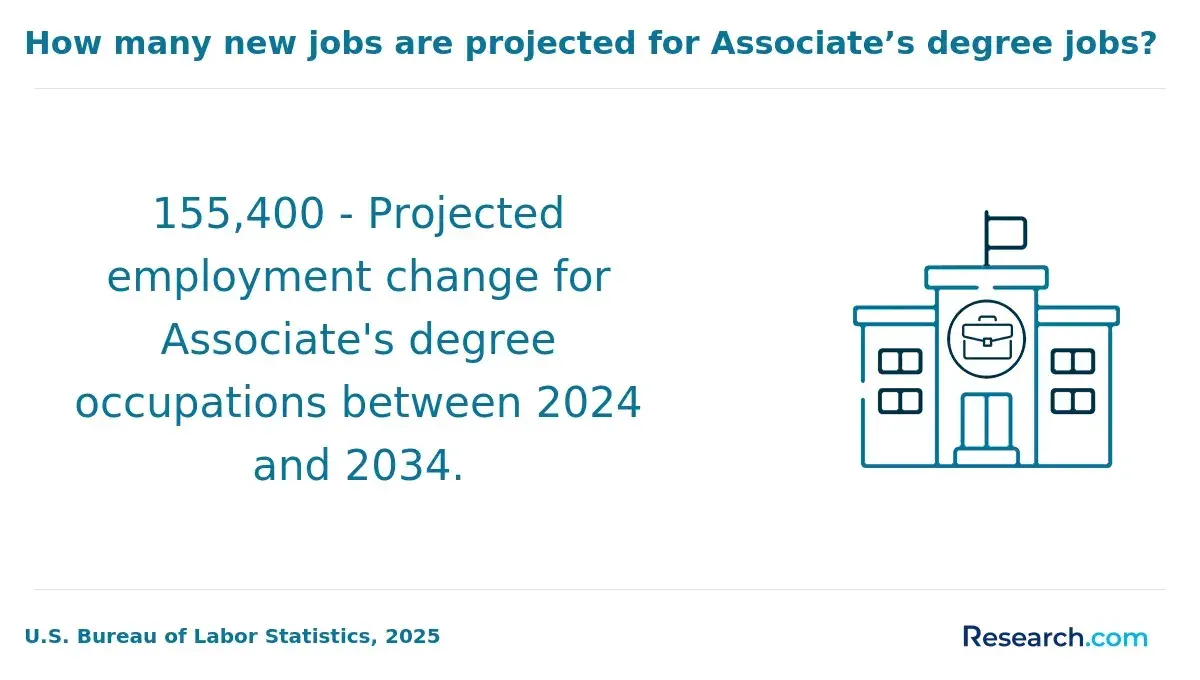
Employer demand for intelligence graduates through 2030 appears moderate but nuanced, shaped by distinct occupational segments and evolving skill expectations rather than broad growth alone. While the U.S. Bureau of Labor Statistics reports projected employment increases between 8% and 15% for roles linked to intelligence-such as information security analysts and cybersecurity specialists-this aggregate growth masks substantial variation in accessibility and competition. For instance, a recent graduate targeting cybersecurity positions in dense metropolitan hubs must weigh the high concentration of qualified candidates, security clearance prerequisites, and the strategic necessity of hands-on certifications that often differentiate candidates beyond degree credentials.
Annual openings, estimated to exceed 40,000 across intelligence and national security sectors, incorporate both new roles and replacement needs, underscoring turnover as a critical factor sustaining job availability. However, geographic dispersion remains uneven, with positions heavily clustered near government agencies and defense contractors, limiting opportunities for graduates outside these regions. Additionally, employers increasingly prioritize advanced competencies in data analytics, machine learning, and language skills, reflecting the integration of sophisticated technology platforms and interdisciplinary collaboration. Consequently, graduates without targeted practical experience or the ability to navigate clearance processes may find entry-level prospects constrained despite positive headline growth.
Those interested in more immediate workforce entry might explore alternative pathways such as LPN programs near me to build foundational healthcare experience before advancing toward leadership roles within behavioral health.
Which Intelligence Careers Will Experience the Most Job Growth?
Careers tied to cybersecurity and data analysis are poised to lead intelligence job growth through 2030, with information security analysts potentially expanding faster than traditional intelligence analyst roles. While intelligence analyst openings offer steady volume, the 15%-plus growth in cybersecurity positions reflects urgent demand driven by escalating digital threats and expanded regulatory scrutiny. Students weighing enrollment options should consider that cybersecurity roles often require more specialized technical training and certifications, which may limit opportunities for those with broader intelligence degrees. However, combining traditional analytical skills with proficiency in emerging technologies, such as artificial intelligence and machine learning, enhances employability across top growing intelligence job sectors and industries through 2030.
Forecasts emphasize that successful candidates must navigate a labor market where growth rates differ regionally and where rapid technological change demands continuous skill updating. For example, geospatial intelligence and cyber threat hunting are expanding fields requiring interdisciplinary expertise, but graduates must also develop strong communication and critical thinking skills to translate complex data into actionable insights. The practical implication for many prospective students is balancing program depth with adaptability, as some roles may offer faster growth but smaller overall job numbers. Those seeking alternatives might explore related options like fast-track LPN programs online for healthcare-adjacent career pivots, while acknowledging the distinct demands of intelligence careers focused on national security and data fusion.
What Is the Salary Outlook for Intelligence Graduates Through 2030?
Salary projections for intelligence graduates through 2030 must be viewed in tandem with economic inflation, shifts in labor demand, evolving credential requirements, and sector-specific occupational changes. Wage growth in intelligence-related roles is not uniform; it varies significantly based on geographic location, employer type, and specialization. Additionally, the increasing emphasis on security clearances and practical certifications means that educational attainment alone often does not dictate earning potential. Below is a breakdown of key factors influencing future salaries of intelligence graduates.
- Inflation-Adjusted Growth: Salary increases generally track inflation plus modest real wage gains around 3% to 5% annually for mid-career professionals, suggesting that nominal raises may mask limited purchasing power improvements in some regions or sectors.
- Sector Variability: Government positions, especially within federal intelligence agencies and defense contractors, tend to offer higher baseline salaries compared to private sector roles, but may require lengthy security clearances and specialized experience.
- Geographic Disparities: Salaries in high-cost urban centers usually exceed national averages but come with higher living expenses. Graduates in lower-cost areas may see reduced starting salaries but benefit from lower overheads.
- Specialization Premiums: Expertise in cybersecurity clearance, data analytics, foreign language proficiency, and advanced technical skills can command salaries exceeding $130,000, particularly for roles involving classified assignments or advanced threat analysis.
- Credential Importance: Ongoing certifications and sector-specific qualifications increasingly dictate advancement speed and salary tiers, making continuous professional development critical.
- Experience Timeline Impact: Starting salaries typically range from $55,000 to $70,000, with mid-career wage growth positioning many professionals between $90,000 and $120,000 after 10-15 years in the field.
- Global Security Context: Fluctuations in government budgets influenced by geopolitical tensions can affect hiring volume and compensation levels, particularly in intelligence and cybersecurity fields.
A recent intelligence graduate accepted a $58,000 entry-level analyst role in a mid-sized city after weighing offers that varied substantially by location and security clearance requirements. Although the starting salary was slightly below the national average reported by industry data in 2024, the candidate prioritized a faster security clearance process and potential for overtime compensation. This pragmatic decision reflected a balance between initial earnings and long-term career positioning, underscoring the nuanced financial trade-offs new graduates face beyond headline salary figures.
Which Industries Will Hire the Most Intelligence Graduates by 2030?
The demand for intelligence graduates through 2030 will be shaped by a combination of industry growth, evolving security challenges, and technological advances. Workforce replacement needs due to retirements and shifting regulatory environments will also influence hiring patterns. For example, as cyber threats become more sophisticated, employers will seek graduates who combine technical skills with domain-specific knowledge. Understanding where hiring volume and quality roles intersect is crucial for current degree holders and prospective students in the United States intelligence degree job growth sectors. The following industries are projected to offer the strongest opportunities over the next decade:
- Cybersecurity: Persistent growth in cyber threats ensures robust hiring for roles in threat analysis, vulnerability assessment, and digital forensics. Entry-level positions often require certifications like CISSP or CEH, while advancing roles value hands-on experience with security operations and incident response.
- Defense and National Security: Agencies continue to seek intelligence analysts skilled in counterterrorism, tactical operations, and geopolitical risk. Security clearances and the ability to interpret classified data are often prerequisites, and defense budget variances can affect job stability.
- Technology Sector: Companies focused on AI, machine learning, and big data analytics recruit intelligence graduates to enhance data processing and operational intelligence. Roles here demand strong programming, analytical modeling skills, and familiarity with emerging tech trends.
- Finance: Growing reliance on intelligence for fraud detection and risk assessment creates niche but competitive openings. Candidates blending domain expertise with intelligence analysis and regulatory knowledge have an advantage.
- Healthcare: Increasing complexity in healthcare fraud, compliance, and strategic planning drives demand for intelligence skills. Specialized understanding of medical data and privacy laws strengthens employability in this sector.
These top industries hiring intelligence graduates by 2030 highlight the importance of continuous skill development and geographic flexibility. Prospective students should realistically weigh their ability to meet clearance requirements and cross-sector knowledge expectations. For practical career planning, those interested in fast transitions might explore related fields, possibly engaging with programs like 12-month accelerated nursing programs online as alternative pathways when adaptability is key.
Where Will Demand for Intelligence Graduates Be Strongest?
Demand for intelligence graduates through 2030 will remain heavily skewed toward regions combining dense government activity with advanced private-sector hubs, rather than spreading evenly across the country. While Washington D.C. and Northern Virginia will continue to dominate due to concentration of federal agencies and defense contractors, high cost of living and intense applicant competition may favor candidates with specialized credentials or security clearances. Conversely, emerging secondary markets like Austin and Raleigh are attracting remote-focused firms and contractors, offering growing volumes of roles with potentially lower living expenses but often requiring broader technical skills to compensate for less entrenched intelligence ecosystems.
Industry focus also shapes geographic opportunity: federal roles tied to counterterrorism and cyber warfare remain central on the East Coast, whereas financial intelligence and infrastructure protection jobs cluster around metropolitan fintech and energy corridors such as the Bay Area. This split highlights a key tradeoff for graduates-high-profile but niche government positions often demand clearance and specific training, while expanding private-sector roles call for adaptability to diverse analytic and technical methods without guaranteed long-term stability. Labor market data from Lightcast underscores that metropolitan pockets with mixed government-industry presence offer the densest hiring and salary premiums, but local credential expectations and occupational specialization significantly affect actual employability.
Broader remote work adoption is starting to reshape workforce geography, easing access to some intelligence roles outside traditional strongholds, though it also fragments employer networks and can dilute mentoring and advancement pathways that cluster around central offices. Candidates navigating these regional dynamics must weigh the value of proximity to veteran intelligence professionals and established security infrastructure against the flexibility and cost advantages of new secondary markets. Ultimately, planning for an intelligence career requires discerning which industries and locales align best with one's qualifications and realistic hiring prospects; national averages mask persistent inequalities driven by sectoral concentration and evolving post-pandemic work models.
Which Intelligence Specializations Will Be Most in Demand by 2030?
Emerging intelligence specializations reflect shifting employer priorities shaped by evolving geopolitical tensions and accelerating technology adoption through 2030. Candidates must weigh prospects not only in projected hiring growth but also in skill adaptability and sector resilience. For example, a student choosing between cyber intelligence and human intelligence might consider the faster expansion and technical demands in cybersecurity against the enduring but slower-growing HUMINT roles requiring nuanced interpersonal skills and operational discretion. Data from the U.S. Bureau of Labor Statistics and Lightcast highlights that cyber-related disciplines dominate growth trajectories, though multidisciplinary fluency increasingly factors into employer evaluations.
The specializations projected to see the most robust demand include:
- Cyber Intelligence: Driven by escalating cyberattack complexity, this field commands expertise in threat detection, risk mitigation, and incident response across government and private sectors. Professionals often require advanced certifications in cybersecurity frameworks alongside strong analytical capabilities.
- Geospatial Intelligence: Technological gains in satellite imagery and spatial analytics are fueling demand for GEOINT experts who can integrate geographic data with intelligence operations in defense, environmental monitoring, and disaster response contexts.
- Human Intelligence: Core to diplomatic and national security functions, HUMINT roles maintain steady demand but depend heavily on interpersonal acumen, language proficiency, and operational experience. Growth is tempered by automation and open-source intelligence advances.
- AI-Driven Intelligence: Emerging integration of machine learning and data science enhances analytic rigor in intelligence workflows. Candidates who combine domain knowledge with AI skills are positioned for roles spanning defense, law enforcement, and private security firms.
- Open-Source Intelligence (OSINT): Growing emphasis on publicly available data analysis requires proficiency in information verification, social media monitoring, and digital forensics, offering expanding opportunities outside traditional classified environments.
- Counterintelligence: Heightened global competition drives demand for specialists capable of detecting insider threats, espionage, and safeguarding sensitive information, necessitating a blend of technical and operational expertise.
How Will AI and Technology Affect Intelligence Careers Through 2030?
Artificial intelligence and automation are set to redefine many common intelligence responsibilities by 2030, shifting the focus from routine task execution to roles centered on interpretation, judgment, and oversight. Entry-level analysts who rely heavily on manual data collection and basic analysis face significant challenges as these tasks become increasingly automated. Conversely, professionals who develop advanced technical skills-such as AI system management, cyber threat mitigation, and complex data analysis-will see growing demand, reflecting a broader industry shift toward interdisciplinary expertise. Failing to adapt to these changes can limit career prospects, especially as employers prioritize agility in adopting emerging technologies that complement traditional intelligence work.
The impact of emerging technologies on intelligence workforce demand through 2030 suggests a divergence between shrinking opportunities in non-technical roles and expanding prospects for candidates with integrated skill sets spanning computer science, behavioral analysis, and cybersecurity. Practical training that emphasizes applied AI tools alongside core intelligence methodologies has become essential for maintaining employability and securing competitive salaries. This dynamic also influences enrollment trends, with prospective students weighing the value of conventional degrees against targeted certifications that offer more direct pathways to technologically focused roles. To navigate this evolving landscape, professionals must actively pursue continuing education and certifications that bolster their credentials in AI-enabled environments and align with real-world employer expectations.
Career professionals and students assessing intelligence-related paths should consider evidenced-based outcomes associated with different educational formats, including hands-on projects and interdisciplinary coursework. Sustained relevance in the intelligence sector increasingly depends on blending domain expertise with proficiency in technology applications, mirroring trends seen in fields like bioinformatics. Insights into bioinformatics degree career options illustrate the importance of adaptable, skill-focused education in fields transformed by AI integration. Such a strategic approach can improve long-term career trajectories amid the uncertainties highlighted in the World Economic Forum's 2024 Future of Jobs and McKinsey's 2024 Labor Market Insights.
Is a Intelligence Degree Worth Pursuing Based on 2030 Projections?
Choosing to pursue an intelligence degree requires balancing steady but moderate growth projections with the nuances of labor market demand and specialization. While the U.S. Bureau of Labor Statistics data from 2024 indicates a 5% to 10% increase in relevant roles through 2030, prospective students should recognize that salary outcomes and job availability vary significantly by technical skills, employer type, and geographic location. For example, an entry-level graduate focusing on cybersecurity may find stronger hiring prospects and higher pay in urban centers with federal agencies or private security contractors, whereas a general intelligence analyst might face increased competition and slower salary growth.
Enrollment in intelligence programs shows moderate growth, reflecting persistent demand but also the need for ongoing upskilling in data analysis, critical thinking, and certifications to maintain employability. Salary ranges typically fall between $70,000 and $100,000, with advanced or niche roles edging higher; however, these earnings trail top STEM fields and fluctuate based on industry sector. When assessing the future demand for intelligence degree graduates in the US, students should weigh tuition costs, credential requirements, and entry-level job pipelines carefully against their own aptitude and career flexibility, much like those considering degrees in counseling must evaluate sector-specific demands and outcomes.
Graduates who adapt continuously and target high-demand subfields stand to justify the investment, but others may encounter limitations linked to oversupply or credential inflation. Informed decision-making involves considering these workforce realities alongside the practical implications of pursuing specialized versus broader career tracks within intelligence professions.
References
- Emerging AI Work Skills of 2030: Preparing for the Future Workforce https://inop.ai/emerging-skills-of-2030-preparing-for-the-future-workforce/
- Assessment of priority skills to 2030 https://www.gov.uk/government/publications/assessment-of-priority-skills-to-2030/assessment-of-priority-skills-to-2030
- How will Artificial Intelligence Affect Jobs 2025-2030 | Nexford University https://www.nexford.edu/insights/how-will-ai-affect-jobs
- 10 in-demand careers for the future https://www.vu.edu.au/about-vu/news-events/vu-blog/10-in-demand-careers-for-the-future
- 5 Emerging Tech Careers 2030 for International Graduates https://internationalcollege-online.uk/index.php/news/details/186
- Global Graduate Careers & Employment Intelligence Brief https://universityguidance4u.com/brief-careers.html
- AI Employment Outlook: Salary Trends and Future Projections · AI Time Journal https://aitimejournal.com/ai-employment-outlook-salary-trends-and-future-projections
- Skills That Will Be in Demand in 2030 https://talentoindia.com/blog/skills-that-will-be-in-demand-in-2030/
- NSA career fields https://www.intelligencecareers.gov/nsa/career-fields
- What will AI look like in 2030? https://epoch.ai/publications/what-will-ai-look-like-in-2030
Other Things You Should Know About Intelligence
Choosing between highly specialized intelligence tracks and broader interdisciplinary programs directly affects your career adaptability and employer appeal. Specialized programs often offer deeper skill sets suited for specific roles, but risk narrowing future job opportunities if industry demand shifts. Conversely, more flexible intelligence curricula enhance adaptability and cross-sector mobility but may require supplementary training to meet specialized employer expectations. Prospective students should prioritize programs with balanced curricula that provide core analytical skills alongside targeted specialization options, ensuring resilience in a fluctuating job market.
Intelligence programs frequently demand rapid mastery of complex analytical tools, geospatial techniques, and critical thinking skills, which can lead to significant workload pressure. This intensive pace, combined with evolving technological content, may overwhelm students unprepared for continuous skills updating. It is crucial to assess a program's support resources and faculty expertise, as these affect not only learning effectiveness but also long-term job readiness. Prospective candidates should prioritize programs that balance rigor with structured mentorship and practical, hands-on experience to optimize skill retention and performance.
While academic credentials in intelligence are necessary, many employers now prioritize graduates with verified practical experience, such as internships, simulations, or direct engagement with intelligence agencies. Programs lacking strong experiential learning components risk placing graduates at a disadvantage despite solid theoretical knowledge. For hiring competitiveness, students should target enrollment in programs with embedded real-world training, accredited partnerships, or government agency collaborations that offer tangible experience, increasing immediate employability and reducing early-career skill gaps.
Programs located near government hubs often provide clearer pipelines to public-sector intelligence roles with stable, if sometimes slower-growing, salaries and benefits, but may limit private-sector exposure. Emerging private-sector fields, like cybersecurity firms or data analytics providers, are growing faster but demand more diverse, technology-driven skills and may involve less job security. Students must weigh geographic location and sector growth dynamics alongside their flexibility and career ambitions. For those prioritizing stability and clear pathways, government-focused programs are preferable; for adaptability and rapid advancement, private-sector-aligned degrees offer greater upside.