2027 Intelligence Degree Popularity by Gender, Region, and Degree Level

Co-Founder and Chief Data Scientist
A prospective student examining Intelligence degree programs in 2024 encounters stark contrasts: some states report a 15% annual increase in enrollment, while others see flat or declining interest. This uneven growth complicates assessments of program quality and regional workforce alignment. Gender disparities further complicate the picture, with women representing just 38% of Intelligence undergraduates nationally, raising questions about inclusivity and peer diversity.
Degree-level variations reveal shifting trends toward graduate certifications, signaling changing employer expectations for advanced skills. These patterns shape perceptions of access, networking opportunities, and career pathways, making it crucial for students to navigate the complex landscape carefully.
This article examines Intelligence degree popularity by gender, region, and degree level to help readers make informed educational and career decisions grounded in evolving enrollment realities and workforce demands.
Key Things to Know About Intelligence Degree Popularity by Gender, Region, and Degree Level
- Male enrollment in intelligence degrees remains about 65% nationally in 2024, reflecting persistent gender disparities that limit diversity and may constrain lateral skill infusion valued by employers.
- Regions with federal agency hubs show 20% higher intelligence degree pursuit, indicating workforce clustering that enhances on-the-job training but creates geographic employment dependencies.
- Graduate intelligence programs enroll 30% fewer students than undergrad levels, highlighting cost-access tradeoffs that compel prospective students to weigh advanced credential benefits versus delayed workforce entry.
- Key Things to Know About Intelligence Degree Popularity by Gender, Region, and Degree Level Key Things to Know About Intelligence Degree Popularity by Gender, Region, and Degree Level
- How Does Job Market Demand Influence Intelligence Degree Popularity? Market Demand and Degree Popularity
- How Does Online Intelligence Degree Enrollment Compare to Traditional Campus Programs? Online vs. Campus Enrollment
- What Degree Level Is Most Common Among Intelligence Students? Most Common Degree Levels
- How Do Enrollment Trends Differ Between Associate, Bachelor's, Master's, and Doctoral Intelligence Degrees? Enrollment Trends by Degree Level
- How Popular Is the Intelligence Degree Compared to Other College Majors? Degree Popularity vs. Other Majors
- Why Is the Intelligence Degree More Popular in Certain States and Regions? Regional Popularity Drivers
- What Demographic Groups Are Driving Growth in Intelligence Degree Programs? Growth by Demographic Groups
- What Is the Future Outlook for Intelligence Degree Enrollment by Gender, Region, and Degree Level? What Is the Future Outlook for Intelligence Degree Enrollment by Gender, Region, and Degree Level?
- How Have Intelligence Degree Enrollment Trends Changed Over the Past Decade? How Have Intelligence Degree Enrollment Trends Changed Over the Past Decade?
- Where Is the Intelligence Degree Most Popular Across the United States? Geographic Popularity Analysis
How Does Job Market Demand Influence Intelligence Degree Popularity?
Employer demand for intelligence professionals varies notably by region and degree level, shaping enrollment patterns in distinct ways. For example, metropolitan areas with dense federal agency presence or defense contractors see stronger growth in master's and bachelor's intelligence degrees, driven by localized labor demand for cybersecurity and data analytics expertise.
However, the labor market's interdisciplinary expectations-spanning foreign language skills, critical reasoning, and legal knowledge-encourage some students to pursue combined credentials or advanced certifications rather than traditional degree paths. This complexity means enrollment trends, such as the 7% increase reported by the National Center for Education Statistics, do not always mirror job availability, especially where program accessibility or security clearance barriers exist.
Gender disparities also reflect underlying workforce dynamics despite increasing efforts to diversify the intelligence field. Female participation in intelligence degree programs remains comparatively lower even as demand grows, influenced by cultural factors and recruitment channels that favor male-dominated networks, particularly in regions with established defense industry clusters.
This variation intersects with geographic trends, where students in areas lacking diverse government or private sector employers may hesitate to pursue intelligence degrees despite broader national labor signals. Thus, intelligence degree job market trends in North America illustrate that labor demand influences program popularity unevenly, calling for prospective students to weigh regional economic conditions and gender-specific participation challenges alongside their educational investment.
Given these nuanced conditions, students should consider how employer expectations, regional workforce shortages, and the value of experience versus formal credentials align with their career aspirations. Practical pathways might involve balancing traditional degree routes with emerging occupations or specialized certifications that better meet security clearance and technical requirements.
Those evaluating degree programs should also look beyond headline job growth figures to understand how intelligence degree enrollment responds to localized industry concentration and licensing demands, as well as the distinct challenges faced by underrepresented groups. For those exploring interdisciplinary options, resources like DNP programs offer a perspective on managing complex credentialing landscapes within burgeoning labor markets.
How Does Online Intelligence Degree Enrollment Compare to Traditional Campus Programs?
Online intelligence degree enrollment now accounts for about 42% of total degrees awarded in this field, a substantial increase over the past decade documented by the National Center for Education Statistics in 2024. This shift reflects a student population that is notably older and more geographically dispersed than those in traditional campus programs, with online formats attracting many adult learners, including veterans and career changers balancing work and family. In contrast, campus-based programs still primarily enroll recent high school graduates who benefit from in-person resources and peer engagement, which can influence program completion rates and overall academic experience.
The geographic diversification seen in online intelligence education expands access to rural and underserved regions where proximity to specialized programs is limited, though it also introduces challenges related to uneven student preparedness and less direct academic support. Gender representation tends to be more balanced online, potentially due to the flexible scheduling and absence of campus social constraints, yet the lower graduation rates—about 15% less over six years compared to campus students—highlight the persistence of barriers in remote learning environments. Employers generally accept accredited online degrees, but the networking and reputational advantages of on-campus programs remain influential within many intelligence sector hiring practices.
One student's experience illustrates these dynamics: facing limited local options and a full-time job, they initially doubted whether an online intelligence degree would match the rigor or recognition of a nearby campus program, especially concerned about the lack of face-to-face interaction. However, the program's flexible schedule and the ability to study without relocating ultimately outweighed these doubts. This student found that while peer connection was different than on campus, focused efforts to engage remotely compensated enough to maintain motivation and progress toward their career goals.
What Degree Level Is Most Common Among Intelligence Students?
Bachelor's degrees dominate intelligence education enrollment due to their alignment with frontline job requirements and broad institutional availability. According to data from the National Center for Education Statistics and IPEDS in 2024, around 55% to 60% of intelligence students are enrolled at the bachelor's level, reflecting employer preferences for this credential as a baseline for entry-level analyst and operational roles. This level balances specialized knowledge with foundational skills, making it a practical choice for those aiming at standard intelligence and security positions without immediate specialization or research focus.
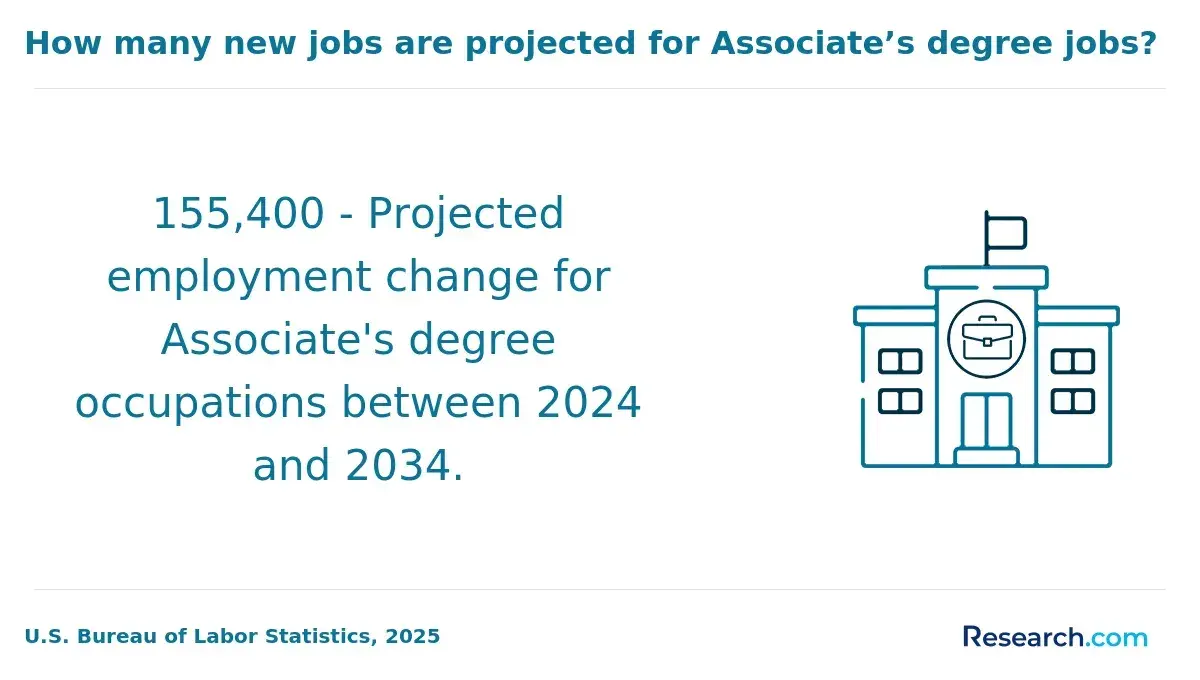
Associate degrees tend to serve as gateways to support roles or career starters with limited scope, often found in community colleges, whereas master's and doctoral programs attract students targeting advanced research, leadership, or niche specializations such as cyber-intelligence. While graduate degrees comprise roughly 40% of enrollment combined, their adoption is more regionally concentrated and linked to professional advancement within federal agencies or defense sectors.
The rise of online master's programs and accelerated pathways from bachelor's to graduate studies caters to mid-career professionals seeking to expand expertise without extended academic commitments, though the relatively small doctoral population underscores the field's prioritization of applied skills over academic research for most careers.
These enrollment patterns highlight practical considerations for intelligence students: those seeking immediate employability and broad options typically gravitate toward bachelor's programs, while specialized or leadership ambitions encourage graduate study despite higher time and cost investments. Gender and regional variations further shape these trends, with graduate enrollment showing modestly increased female representation and clustering near metropolitan centers with federal agency networks.
Such dynamics emphasize the need for prospective students to weigh institutional offerings, regional workforce demand, and career focus when selecting degree levels in intelligence education.
How Do Enrollment Trends Differ Between Associate, Bachelor's, Master's, and Doctoral Intelligence Degrees?
Enrollment patterns in intelligence degrees demonstrate distinct choices linked to career focus and regional workforce demands, reflected clearly in intelligence degree enrollment by degree level. Many students opt for associate degrees to quickly access technical roles; these programs show steady 4% annual growth and appeal to a more diverse, gender-balanced population often seeking rapid entry into operational intelligence positions.
In contrast, bachelor's programs—dominating enrollment—draw larger cohorts, particularly in the South and Northeast, where regional differences in intelligence degree completion rates reveal a male majority connected to strong military and federal employment hubs. This pathway remains crucial for analyst and operational roles that balance applied skills with critical thinking.
Master's programs witness the fastest expansion, around 8% yearly increases, fueled by demand for specialized expertise in cyber intelligence and strategic analysis, and attracting a comparatively higher share of female students. This growth signifies employer preferences for advanced credentials and aligns with longer-term career investments. Doctoral enrollment, composing a small fraction of total recipients, grows slowly at about 2% annually, as candidates typically juggle part-time study with established careers, focusing on research and policy development.
For those weighing options, recognizing these varied enrollment trends aids strategic program selection, clarifying how degree level impacts specialization depth, workforce readiness, and career trajectory. For prospective students considering faster routes with practical skills, programs like fasttrack medical approaches illustrate similar strategic tradeoffs in allied fields.
How Popular Is the Intelligence Degree Compared to Other College Majors?
The relative rarity of intelligence degrees signals its specialized appeal rather than mainstream academic demand. According to 2024 data from the National Center for Education Statistics, fewer than 10,000 undergraduates nationwide pursue intelligence-related majors—less than 1% of total enrollment—contrasted with broader fields like psychology or computer science that enroll tens of thousands.
This limited scale influences program availability, peer diversity, and specialization breadth, often requiring prospective students to balance niche expertise against fewer institutional resources and smaller professional networks. Graduate-level interest is notably stronger, with roughly 15-20% of master's candidates in public policy or national security focusing on intelligence, underlining a trend toward advanced specialization rather than general undergraduate uptake.
Enrollment patterns consistently reflect demographic and regional factors, with men forming about 60-70% of the student body and programs thriving in areas near federal hubs such as Virginia and Maryland. These concentrations signal workforce alignment but also regional employment dependencies that may restrict broader access or may require geographic mobility for graduates.
While steady growth in intelligence program participation outpaces some humanities majors, it trails behind the expansive and rapidly rising STEM fields. Awareness of this contextual niche is crucial for students weighing the distinct career pathways and market constraints intelligence degrees entail, especially where program popularity directly impacts peer collaboration opportunities and long-term career visibility.
A graduate recalled initially encountering skepticism when considering intelligence as a major, noting, "In my academic advising sessions, people often compared it directly to more popular majors like political science or cybersecurity, pointing out how small the classes were and how few peers shared the focus."
The limited enrollment at her university meant fewer cohort events and specialized courses, prompting her to actively seek external internships to compensate for a narrower campus network. This perspective made her weigh the practical challenges of entering a niche field against the appeal of its focused applicability, reflecting a deliberation many students face when choosing less common degree paths.
Why Is the Intelligence Degree More Popular in Certain States and Regions?
Regional demand for intelligence specialists in northeastern states reflects the concentration of federal agencies and defense contractors in areas like Virginia, Maryland, and Washington. These hubs not only drive employer demand but also influence program availability and networking opportunities critical for student positioning in competitive workforce markets.
Such localized industry clusters heighten perceptions of degree value through direct pipelines to internships and entry-level roles, a factor often absent in regions with sparser intelligence-related businesses. Consequently, students in these areas tend to select programs aligned closely with employer requirements, reinforcing regional enrollment disparities and career trajectories.
In contrast, intelligence degree programs in the southern United States benefit from a combination of younger demographics and targeted public policies supporting cybersecurity and defense education. However, the relative scarcity of large metropolitan intelligence employers in some southern regions can limit immediate employment prospects, pushing students either to seek programs with robust online offerings or to consider relocation.
This dynamic of regional opportunity versus educational access shapes student decisions significantly, as does the availability of established university programs and hybrid learning models. For students balancing local commitments, exploring options including online biology degrees and similar STEM pathways may provide alternate routes into security-related fields, though these require careful evaluation of alignment with intelligence sector demands.
Practical workforce implications mean that intelligence degree popularity is not merely a function of student interest but is deeply connected to regional economic ecosystems and educational infrastructures. Areas with intensive private and public sector intelligence operations offer environments where graduates can leverage geographic proximity for employment, professional development, and long-term career growth.
Meanwhile, decision-making for students and workforce planners must weigh these regional nuances, recognizing that degree value and networking potential vary substantially, influencing both immediate and extended career outcomes.
What Demographic Groups Are Driving Growth in Intelligence Degree Programs?
The shift toward greater female participation in intelligence degree programs reflects a broader workforce realignment demanding diverse analytical skills and perspectives. Women now approach nearly half of enrollments, signaling more inclusive recruitment and cultural shifts that challenge previous gender imbalances in STEM-related fields. This evolving demographic composition influences classroom dynamics and peer interactions, requiring programs to enhance support structures and mentorship tailored to a more balanced gender mix.
Adult learners, who make up a substantial portion of students in intelligence degrees, often prioritize flexible delivery formats such as online or part-time studies to accommodate professional obligations and career transitions. This trend highlights a practical tradeoff between accessibility and depth of immersion in traditional settings, with programs adapting curricula to serve varied schedules without compromising analytical rigor. Meanwhile, geographic concentration in technology hubs like Virginia and California underscores how proximity to federal agencies and private sector opportunities drives demand, leaving rural areas lagging and raising concerns about equitable access for potential students outside urban centers.
First-generation college students and racial minorities contribute meaningfully to enrollment growth, but persistent disparities indicate ongoing challenges in outreach and support. Despite gains among Hispanic and Asian students aligning with broader STEM patterns, slower increases for African American candidates suggest systemic barriers remain. These enrollment dynamics compel program developers and policymakers to consider targeted financial aid and inclusive resource allocation, as diverse entry points into intelligence education increasingly define both workforce readiness and long-term sector representation.
What Is the Future Outlook for Intelligence Degree Enrollment by Gender, Region, and Degree Level?
Intelligence degree enrollment is poised to continue its uneven expansion, shaped strongly by shifting gender representation, regional workforce demands, and degree-level specialization. Women's participation, now about 42% of enrollees according to recent National Center for Education Statistics data, reflects targeted efforts to balance gender gaps in STEM-related intelligence fields, particularly in sectors like cybersecurity and behavioral science where female engagement is rising. This demographic shift not only diversifies the talent pool but may also influence program structures and employer expectations around soft skills and interdisciplinary approaches.
Regionally, growth will mirror economic and demographic patterns, with states such as Virginia, Texas, and California-centers of tech and defense industries-experiencing pronounced enrollment increases. Conversely, areas with stagnant or declining populations risk program contraction, challenging students who may face fewer local educational opportunities and less aligned workforce demand. Internationally, the Asia-Pacific's investment surge in AI and cyber capabilities is expanding capacity rapidly, adding competitive pressure on U.S. programs and shaping future global intelligence labor markets.
At the degree level, graduate programs stand out for robust growth, with a reported 15% increase in master's enrollments over two years as employers prefer advanced analytical skills and specialized training. Undergraduate intelligence programs grow more modestly, constrained by competition from other STEM and social science pathways and evolving preferences for online and hybrid formats that affect student engagement and completion rates. These dynamics underscore critical tradeoffs for prospective students balancing accessibility, credential depth, and alignment with evolving employer needs within intelligence professions.
How Have Intelligence Degree Enrollment Trends Changed Over the Past Decade?
Long-term enrollment shifts in intelligence degree programs reflect their emerging role amid evolving workforce demands, especially in cybersecurity and data analysis. Between 2014 and 2024, undergraduate and master's participation expanded significantly, driven in part by an increase in online program accessibility that enables working adults and nontraditional students to enter the field. However, enrollment growth is unevenly distributed across regions: the Northeast and West Coast-areas with dense intelligence agencies and government presence-see sustained strength, whereas the South and Midwest lag due to fewer institutional offerings and lower local engagement. These geographic patterns influence not only where students can pursue quality programs but also where employers concentrate hiring, shaping decision-making about education and career location.
Considering changes in intelligence degree popularity by gender and region highlights a gradual narrowing of the gender gap, with female enrollment rising from roughly 30% to 43% over a decade. While this represents progress, male students still constitute the majority, reflecting persistent cultural and recruitment barriers. Such demographic evolution affects market perceptions of program relevance and inclusivity, underscoring the importance of targeted outreach and support to enhance equitable participation. Additionally, the growing demand for experiential learning alongside advanced degrees means undergraduates face increasing pressure to pursue graduate studies or certifications to remain competitive.
Prospective students should weigh these factors carefully, acknowledging that the practical value of an intelligence degree often hinges on program rigor, alignment with career goals, and regional employment dynamics, rather than enrollment numbers alone. For those comparing program options, resources like the NASP school psychology programs provide useful examples of how accreditation and curriculum quality contribute to employability outcomes.
Where Is the Intelligence Degree Most Popular Across the United States?
Intelligence degree popularity tends to cluster regionally due to the alignment of local workforce demand, federal agency presence, and educational infrastructure rather than being evenly distributed across the United States. States such as Virginia and Maryland lead in program enrollment because their proximity to major federal agencies like the CIA and NSA offers abundant practical experience and employment opportunities, reinforcing the appeal and perceived value of intelligence degree programs.
This creates a more competitive and network-rich environment for students that is difficult to replicate in areas without similar institutional or industry integration, influencing both program quality and graduate outcomes. Prospective students evaluating where to pursue an intelligence degree must weigh the tradeoff between access to these concentrated opportunities and the limitations posed by relocating or attending programs in less saturated markets.
Meanwhile, rising intelligence degree enrollment in Southwest states reflects growing cybersecurity and defense sector demand, fueled by expanding defense contractors and tech firms. Such trends suggest that regional economic shifts and emerging metropolitan hubs influence educational interest and workforce needs, diversifying program popularity beyond traditional federal corridors.
However, Midwestern and Western states generally report more modest intelligence degree participation, which can limit access to specialized internships or experiential learning vital for employability. Understanding these geographic patterns in intelligence degree enrollment and institutional offerings is critical for students and professionals making strategic decisions about training pathways and long-term career positioning in this complex labor market.
In examining intelligence degree enrollment by US region, students should also consider transferable skills applicable to allied fields, including healthcare and cybersecurity. For those balancing occupational shifts, exploring pathways such as answers to common questions like "What medical degree can I get online?" may broaden career options while leveraging analytical competencies developed in intelligence programs.
References
- Is a computer science degree still relevant? ASU enrollment trends suggest a shift - The Arizona State Press https://www.statepress.com/article/2026/03/asu-cs-enrollment-declines
- #7 in America: The Citadel Intelligence and Security Studies bachelor's degree - The Citadel Today https://today.citadel.edu/7-in-america-the-citadel-intelligence-and-security-studies-bachelors-degree/
- Security & Intelligence Studies Bachelor’s Degree | King University https://www.king.edu/programs/social-sciences/security-intelligence-studies/
- Which A-Level subjects have the best (and worst) gender balance? - FFT Education Datalab https://ffteducationdatalab.org.uk/2021/09/which-a-level-subjects-have-the-best-and-worst-gender-balance/
- Major changes: Gender shifts in undergraduate studies over time https://aibm.org/research/major-changes-gender-shifts-in-undergraduate-studies-over-time/
- Educational Attainment Statistics [2025]: Levels by Demographic https://educationdata.org/education-attainment-statistics
- Are College Students Still Smarter Than Average IQ? - From experience to meaning... % https://theeconomyofmeaning.com/2025/02/25/how-slim-are-students-really-an-old-myth-debunked/
- Intelligence Concentration https://www.columbiasouthern.edu/online-degree/view-all-programs/bachelors/bs-strategic-leadership/intelligence/
- Intelligence Community career fields https://www.intelligencecareers.gov/career-fields
- Computer Science Enrollment Drops 15%: AI Fears and Market Shifts Drive the Decline https://hakia.com/news/computer-science-enrollment-decline-2026/
Other Things You Should Know About Intelligence
Gender disparities in intelligence degree programs often affect classroom dynamics and networking chances. In regions or programs where male enrollment significantly outweighs female participation, women may face limited peer support and fewer mentorship opportunities, which can hinder professional growth. Prospective female students should consider programs actively promoting gender diversity and inclusive networking to enhance their learning experience and career prospects.
Intelligence degree popularity varied regionally often reflects local employer demand and specialized program offerings. For instance, programs in regions with strong government or defense sectors may offer more applied coursework and internship opportunities but might also be more competitive due to higher demand. Students must balance the benefits of location-based specialization against factors like cost of living and overall program accessibility to align education with long-term career goals.
Lower degree levels, like associate or bachelor's programs, frequently emphasize foundational knowledge and technical skills, while master's and doctoral levels prioritize strategic analysis, research, and leadership. This means students seeking hands-on experience and direct employer readiness might prefer undergraduate routes, whereas those aiming for policy influence or academic roles benefit more from graduate-level study. Selecting the degree level should depend on one's targeted career path and willingness to invest in time-intensive, research-focused training.
While geographic specialization can provide tailored skills linked to regional industries, prioritizing gender-balanced programs often leads to richer peer interaction and improved inclusivity, which are critical for personal and professional development in intelligence fields. Students, especially those from underrepresented genders, should weigh the supportive culture and diversity initiatives as heavily as program location to maximize collaboration and mentoring opportunities.