2027 Intelligence Degree Oversupply or Undersupply? Student Volume vs Employer Demand

Co-Founder and Chief Data Scientist
A recent 2024 National Center for Education Statistics report reveals that Intelligence programs produced over 12,000 graduates nationally, while the Bureau of Labor Statistics projects only a 3% growth in Intelligence-related positions through 2030. This gap signals a potential oversupply, especially in regions where employers prioritize advanced analytical skills and security clearances that many new graduates lack. Current holders of an Intelligence degree face growing competition and potential underemployment if their credentials or practical experience do not match employer demands. Educators and students must also weigh regional hiring trends carefully to avoid saturated markets and stalled career growth.
This article compares Intelligence student volume with employer demand, job growth, industry needs, regional conditions, and skill gaps to help readers judge whether the field offers sustainable opportunities or rising competition.
Key Things to Know About Intelligence Graduate Supply and Employer Demand
- Intelligence graduate completions rose 12% nationally from 2022 to 2024, intensifying early-career competition and compelling students to develop niche technical skills to differentiate themselves effectively.
- Employer surveys reveal a preference for intelligence professionals with cyber specialization, indicating that oversupply in generalist tracks contrasts with acute undersupply in emerging threat analysis roles.
- Regional workforce projections show disproportionate Intelligence job growth clustered in metropolitan hubs, creating access barriers for graduates in rural areas and influencing relocation and cost considerations.
- Key Things to Know About Intelligence Graduate Supply and Employer Demand Key Things to Know About Intelligence Graduate Supply and Employer Demand
- Is There an Oversupply or Undersupply of Intelligence Graduates? Graduate Oversupply or Shortage
- How is Intelligence Degree Enrollment Changing? Degree Enrollment Trends
- How Many Intelligence Graduates Enter the Workforce Each Year? Annual Graduate Workforce Entry
- Does Job Growth Support the Rising Supply of Intelligence Graduates? Job Growth Versus Supply
- How Competitive is the Entry-Level Market for Intelligence Graduates? Entry-Level Market Competition
- Which Industries Have the Greatest Demand for Intelligence Graduates? Top Hiring Industries
- Where are Intelligence Graduates Most in Demand? Top Geographic Demand
- Which Intelligence Specializations and Degree Levels Face the Strongest Demand? Which Intelligence Specializations and Degree Levels Face the Strongest Demand?
- Are Employer Skill Gaps Affecting Demand for Intelligence Graduates? Are Employer Skill Gaps Affecting Demand for Intelligence Graduates?
- What is the Future Supply-and-Demand Outlook for Intelligence Graduates? Future Supply-Demand Outlook
Is There an Oversupply or Undersupply of Intelligence Graduates?
The supply of intelligence graduates does not neatly correspond to employer demand, creating a mixed labor market landscape rather than a uniform oversupply or undersupply. While overall graduate numbers have increased, driven partly by strong interest in cybersecurity and data intelligence, this growth often outpaces entry-level job openings in many commercial sectors, resulting in intense competition for those roles.
Conversely, government agencies, defense contractors, and specialized niches experience persistent talent shortages, revealing critical gaps that general labor market metrics may obscure. This imbalance suggests that degree holders must carefully evaluate where their skills align with sector-specific needs rather than assuming broad employability across all intelligence-related fields.
Regional intelligence graduate job market imbalance further complicates hiring dynamics, with dense clusters like the Washington, D.C. metro area exhibiting acute demand for advanced expertise despite producing a large number of graduates locally. In contrast, graduates in less concentrated states may confront localized oversupply, intensifying the challenge of finding relevant positions without geographic flexibility. Additionally, employers increasingly expect hybrid technical and intelligence competencies, shifting preference toward interdisciplinary education and advanced degrees, resulting in credential and skill mismatches for many bachelor's holders.
Prospective students and current degree holders should weigh these factors carefully, recognizing that quantity alone does not guarantee alignment with workforce needs or ease of placement into targeted roles, even when enrollment expansions enable more accessible pathways similar to trends seen in fields like online nursing programs.
How is Intelligence Degree Enrollment Changing?
Enrollment trends in intelligence degree programs reflect a complex rebalancing rather than straightforward growth or shrinkage, influencing graduate competition with practical consequences. Graduate programs, especially master's degrees delivered online, are expanding rapidly, responding to employer demand for specialized skills in cybersecurity, data analysis, and strategic intelligence. This shift toward flexible, remote learning options suits working professionals seeking to upgrade credentials without career interruptions but may intensify competition among new graduates, particularly as undergraduates face declining interest due to overlapping social science and criminal justice offerings. Notably, the U.S. Department of Education reports a 12% rise in fully online intelligence master's enrollment from 2022 to 2024, underscoring growing acceptance of digital formats in intelligence education.
This redistribution affects regional labor markets unevenly since national enrollment increases do not guarantee uniform local demand or job availability. Certificates and associate degrees remain steady but lack the workforce pull that bachelor's and master's levels command, emphasizing the latter's alignment with employer expectations for analytical and technical roles. Moreover, while diversity in intelligence programs is improving, employment sectors have yet to reflect proportional gains, illuminating a pipeline challenge that could affect workforce readiness. Prospective students should recognize that degree completion alone may not secure placement without supplementary experience and skills, making careful alignment with market needs critical to avoid costly oversupply in saturated specializations.
A current intelligence master's student observed that cohort sizes have noticeably grown over the past two years, particularly in online classes designed for mid-career professionals. While this expansion initially reassured them about strong demand, they also noted conversations among classmates about heightened competition for internships and entry-level roles after graduation. The increased diversity in the student body brought fresh perspectives to discussions but also raised questions about whether the expanded supply of graduates would translate into proportional job opportunities. This student's experience illustrates the nuanced reality behind enrollment growth-simultaneously a sign of expanding interest and cautionary for job market saturation risks.
How Many Intelligence Graduates Enter the Workforce Each Year?
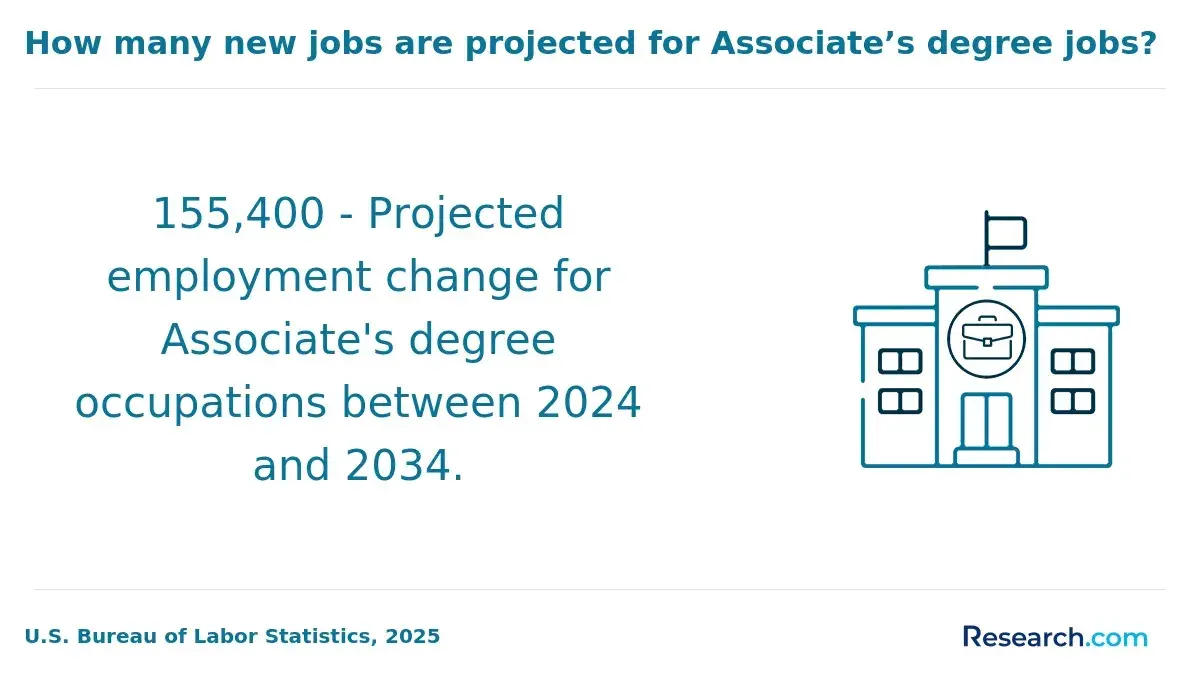
Annual counts of intelligence graduates alone provide an incomplete picture of workforce supply versus employer demand due to varied factors influencing their transition into the field. Data from sources like the National Center for Education Statistics and IPEDS capture completions across diverse intelligence-related programs, including concentrations in security studies or strategic intelligence, but these figures do not account for graduates who delay entry, pursue alternative pathways, or fail to meet clearance and skill requirements. For example, while some large programs might produce up to 500 graduates annually, fewer than half move directly into intelligence sector roles within a year, reflecting hiring cycles, geographic clustering of jobs, and employer preferences for candidates with practical experience or interim credentials.
Labor market demand for intelligence professionals is shaped by both new job openings and replacement needs, often concentrated in metropolitan or government hub regions, making competition uneven and timing critical. Employers frequently require clearances and relevant operational experience that many fresh graduates lack, resulting in a substantial portion initially taking positions outside direct intelligence roles, such as cybersecurity or policy analysis.
This mismatch between graduate output and immediate hiring capacity suggests that volume metrics should be interpreted cautiously; equating high graduation rates with oversupply risks overlooking the complex onboarding processes, regional factors, and evolving skill expectations that ultimately determine employment outcomes in the intelligence workforce.
Does Job Growth Support the Rising Supply of Intelligence Graduates?
Projected job growth in intelligence-related fields is positive but generally insufficient to absorb the rising supply of graduates, especially at the entry-level. Despite growth rates between 5% and 15% for roles such as analysts and cybersecurity specialists, many openings are driven more by replacement demand-estimated to account for 40-60% of vacancies-than by new positions. This dynamic creates a bottleneck where recent graduates without technical certifications, language skills, or security clearances face stiff competition, particularly in government and defense sectors concentrated in metropolitan regions. Prospective intelligence professionals who overlook these nuances may find themselves underemployed or forced to relocate to meet employer expectations.
A key challenge lies in geographic and specialization mismatches; rapid expansion in graduate volume does not directly translate into proportional job availability across all regions or fields. Some slower-growing intelligence areas still present stable opportunities due to workforce turnover and localized shortages, highlighting the importance of considering subdiscipline-specific demand patterns. For students and degree holders balancing these factors, carefully aligning skills and location preferences is critical to navigating employer demand for entry-level intelligence professionals.
Informed decision-making might also include exploring complementary qualifications or programs-for example, considering MHA online programs in health-related analytics, which reflect increasing demand across healthcare systems and may offer diversification options when competition in traditional intelligence roles intensifies.
How Competitive is the Entry-Level Market for Intelligence Graduates?
Entry-level jobs for intelligence graduates are challenging to secure, primarily due to a mismatch between graduate output and targeted hiring needs. While steady openings exist, competition is amplified by a surplus of candidates lacking specialized experience. Employers generally seek candidates who demonstrate not just technical skills but also relevant internships, security clearances, or certifications, elevating the barrier to entry. Particularly in regional hubs or federal roles, the applicant pool thins but demands intensify. This makes a generalist background less competitive compared to graduates with focused training and practical exposure.
Key factors shaping competition include:
- Applicant Volume: The number of candidates per job ranges widely, often between 10 and 25, increasing pressure in fields with broad entry. Graduates should assess local and sector-specific applicant density before committing.
- Experience Requirements: Roles requiring internships, clearances, or specialized skills attract fewer applicants but favor those with prior hands-on exposure, reducing vacancy durations.
- Industry and Sector Demand: Intelligence positions in federal agencies or cybersecurity remain competitive yet more selective, while general intelligence job availability varies regionally and by employer type.
- Geographic Concentration: Job opportunities cluster in certain metropolitan areas, intensifying competition locally and offering fewer remote or decentralized openings.
- Specialization Impact: Graduates with niche expertise in counterterrorism or cybersecurity tend to face less crowded applicant pools but need deeper technical preparation.
- Soft Skills and Tools Familiarity: Many employers expect clear communication and teamwork skills paired with proficiency in intelligence platforms, disadvantaging candidates from programs lacking practical tool training.
- Underemployment Trends: Approximately 30% of graduates initially work outside intelligence, reflecting skill mismatches or tight market conditions that require strategic job targeting.
One recent graduate found that despite holding a cybersecurity-focused intelligence degree, she repeatedly faced rejection citing lack of clearance and direct internship experience. Most interviews were in her metropolitan area, which compounded applicant volume effects. Pivoting to roles in regional government offices with lower application rates, she eventually secured a position, illustrating that strategic geographic and specialization choices can mitigate fierce competition despite an oversupplied entry-level pool.
Which Industries Have the Greatest Demand for Intelligence Graduates?
Demand for intelligence graduates is unevenly concentrated in specific sectors where the application of analytical rigor, strategic decision-making, and data interpretation directly impact organizational priorities. This concentration reflects the complex interplay of national security imperatives, evolving cyber threats, and the intricate nature of law enforcement and threat deterrence. For students and degree holders assessing the intelligence graduate job demand by industry, the reality is that some sectors offer higher job volume but also fierce competition, while others may require specialized skills or security clearances that limit the candidate pool but enhance advancement prospects.
Comparing these dimensions reveals practical choices: for instance, a graduate might find more entry-level roles in cybersecurity but face rapidly evolving technical demands, while defense agencies focus on clearance-eligible personnel with advanced analytic capabilities. The following industries exhibit the strongest employer demand for intelligence degree holders:
- National Defense: Persistent geopolitical tensions sustain hiring for roles requiring expertise in threat analysis, signal intelligence, and counterintelligence. Entry-level positions often demand security clearances and technical proficiency, while advanced roles favor interdisciplinary skills combining technical and human intelligence.
- Cybersecurity Industry: Elevated cyberattack risks drive private and public sector investment in intelligence graduates skilled in vulnerability assessment and cyber threat anticipation, blending intelligence analysis with computer science and data analytics capabilities.
- Law Enforcement and Homeland Security: These agencies prioritize candidates with experience in criminal analysis and counterterrorism, valuing practical intelligence that supports field operations. Internships and real-world experience significantly impact hiring chances.
- International Business and Financial Services: Demand here is emerging but selective, as employers favor intelligence graduates with certifications and expertise in fraud detection, risk management, and geopolitical market analysis, raising entry hurdles despite competitive compensation.
- Government Contracting and Consulting: Contract roles supporting federal and state intelligence initiatives require adaptable analysts familiar with evolving policy directives, often offering project-based work but less stability compared to direct agency employment.
While these sectors define the top industries hiring intelligence degree holders, applicants must balance their skill development, clearance eligibility, and willingness to enter competitive markets. Sector-specific demands suggest that graduates closely monitor labor-market trends to align their qualifications with employer needs. Those exploring pathways within this landscape should also consider the benefits of augmenting intelligence degrees with technical, legal, or financial certifications. For additional insights on optimizing degree choice toward market alignment, resources like the best online kinesiology degree listings showcase the importance of specialized programs tailored for career-specific outcomes.
Where are Intelligence Graduates Most in Demand?
National demand statistics for intelligence graduates often mask substantial regional disparities driven by employer concentration and local industry ecosystems. For instance, Washington, D.C., and its metro area dominate demand due to federal agencies and affiliated contractors, resulting in a tight labor market where job openings significantly outnumber graduates. Yet, this environment comes with intense competition and a high cost of living, meaning graduates must weigh whether the premium on local opportunities justifies potential financial or personal tradeoffs. Conversely, areas like parts of the Midwest may produce many graduates but lack corresponding employer density, forcing those candidates to consider relocation or alternative careers if they want to avoid oversaturated local markets.
Employment prospects for intelligence graduates are closely tied to proximity to government centers, defense contractors, and cybersecurity hubs, with regions such as Northern Virginia showing particularly strong growth as traditional intelligence skills blend with IT and data analytics demands. However, not all jobs within these regions are equally accessible; specialization alignment and security clearance requirements frequently shape who can realistically compete. Moreover, remote work remains only partially viable in this space, as many roles entail classified information or require physical presence, limiting geographic flexibility for graduates who cannot relocate to key hiring markets.
Data from labor market analyses in 2024 emphasizes that intelligence degree holders should focus on nuanced regional and sectoral factors rather than headline job counts. While some metros showcase robust openings, they often coincide with stiff applicant pools and cost constraints. In contrast, emerging markets with fewer openings may offer less competition but also reduced long-term growth. Strategic educational pathways combining core intelligence competencies with cybersecurity or data skills, paired with geographic mobility, remain critical for navigating uneven employer demand and maximizing realistic employment opportunities.
Which Intelligence Specializations and Degree Levels Face the Strongest Demand?
Demand within intelligence specializations and degree levels is unevenly distributed, often concentrated where specific technical expertise and credential levels intersect with current employer priorities. Recent 2024 data from the U.S. Bureau of Labor Statistics and LinkedIn Workforce Insights illustrates how cyber intelligence roles continue to outpace others in hiring volume, driven by escalating cybersecurity threats across industries.
Meanwhile, roles rooted in traditional human intelligence are less prevalent outside government and defense sectors, requiring candidates to often hold advanced degrees paired with security clearances and relevant operational experience. For example, a master's graduate specializing in cyber threat analysis generally faces broader opportunities compared to a bachelor's degree holder focused on standard human intelligence functions, due to differing employer demand, prerequisite credentials, and competitive dynamics. Demand also favors hybrid skillsets that blend intelligence analysis with data science or AI proficiency, reflecting shifting operational needs.
The following points detail the intelligence specialization and degree-level combinations with the strongest observed demand:
- Cyber Intelligence and Threat Analysis: A rapidly expanding area reflecting urgent needs in digital forensics, network defense, and proactive threat monitoring. Employers prioritize candidates with technical certifications and advanced degrees for both public and private sector roles.
- Master's Degree Analytical Roles: Graduate programs provide the strategic and leadership skills sought in analytical positions, particularly where integrated intelligence and technology expertise is critical.
- Human Intelligence in Government: Steady demand is concentrated mainly in government agencies, requiring security clearances and operational experience beyond academic credentials alone.
- Hybrid Intelligence-Data Science Skills: Increasing employer interest in professionals combining traditional intelligence methods with data analytics or artificial intelligence to enhance decision-making.
- Bachelor's Degree Limitations: Bachelor's holders face a competitive market; success often depends on supplementary certifications or hands-on experience to meet employer requirements.
Are Employer Skill Gaps Affecting Demand for Intelligence Graduates?
Labor market data highlight that the perceived shortage in intelligence graduates often masks a more precise shortage of candidates with employer-valued competencies rather than degree holders alone. Employers frequently encounter difficulty filling roles that demand applied experience in cyber threat analysis, data analytics, and advanced geospatial tools, where theoretical knowledge is insufficient. In hiring scenarios, candidates who lack certifications, practical projects, or familiarity with current digital tools face exclusion despite a steady graduate volume, distorting perceptions of oversupply in the workforce. Such mismatches impact regional skill shortages in intelligence workforce sectors differently, with some areas experiencing acute talent deficits while others show stagnant hiring due to skill misalignment.
Companies increasingly prioritize hybrid skill sets blending technical proficiency and communication ability, which graduates often fail to demonstrate at the level required for immediate deployment. Soft skill deficits, especially in collaboration and briefing, can further hinder employment, elongating job searches and heightening competition among applicants with similar academic backgrounds. From a strategic perspective, prospective students and current degree holders should focus on internships, targeted skill development, and specialization areas closely tied to employer demand to improve alignment and reduce underemployment risks. Awareness of these nuanced hiring criteria is as essential as understanding degree requirements to avoid missteps in program selection and to navigate varying opportunities across industries and regions affected by employer skill gaps impacting intelligence graduate demand.
Practical insights from related fields, such as those detailed in the functional medicine nurse salary reports, demonstrate how niche expertise combined with applied credentials influences hiring outcomes. Similarly, intelligence graduates should evaluate their education and experience portfolios pragmatically against evolving job market demands rather than rely solely on academic qualifications. Incorporating these factors into career planning provides a realistic gauge of job availability and competitiveness, ultimately aiding in more informed decisions within this complex labor market dynamic.
What is the Future Supply-and-Demand Outlook for Intelligence Graduates?
Focused job searches deliver better outcomes than broad, high-volume applications because they allow graduates to align their qualifications with precise employer expectations. For example, an intelligence graduate who targets entry-level titles such as cybersecurity analyst or intelligence research specialist in metropolitan hubs will likely encounter stronger demand than applying indiscriminately across varied roles or locations. Tailoring resumes to mimic employer language and presenting tangible projects or experience in emerging technical skills-like artificial intelligence or data analytics-improves interview chances by demonstrating relevant job readiness. Conversely, scattershot applications often lead to slower callbacks and intensify competition without improving conversion rates, particularly in oversupplied regions with limited openings.
To navigate the future intelligence graduate job market forecasts effectively, candidates must prioritize industries and geographic areas where demand outpaces local supply, such as government agencies and specialized private firms in urban centers. Understanding these regional demand trends for intelligence degree holders helps graduates allocate effort toward positions with well-matched qualifications, avoiding saturated or low-growth sectors. Timing applications to coincide with government hiring cycles, leveraging labor market insights, and clearly evidencing hybrid skill sets significantly enhance a graduate's positioning amid fluctuating budgets and contract-based roles.
Educators and students evaluating related pathways may also consider how interdisciplinary training intersects with workforce needs. For instance, students curious about health-related fields might explore what medical degrees can I get online to access increasing demand across healthcare systems-a practical contrast highlighting how well-aligned credentials influence employability. This realist approach to supply and demand dynamics ensures graduates optimize their strategies rather than relying on generic advice that overlooks labor market nuances.
References
- Research | Graduate America https://ga.edu/research
- How Conversation Intelligence Solves the Enrollment Cliff https://hellomongoose.com/blog/how-conversation-intelligence-solves-the-enrollment-cliff/
- Cybersecurity Job Demand: Current Trends and Future Outlook https://destcert.com/resources/cybersecurity-job-demand/
- Fall Enrollment Increased for the First Time in Five Years - Gray Decision Intelligence https://www.graydi.us/blog/graydata/fall-enrollment-increased-for-the-first-time-in-five-years
- The Talent Paradox: Navigating the Oversupply of Highly Educated Workers - ATC Events & Media https://atcevent.com/2024/10/04/the-talent-paradox-navigating-the-oversupply-of-highly-educated-workers/
- In-Demand Specializations In The Job Market - Middle East https://middleeastcommerce.net/blog/most-in-demand-specializations-in-the-job-market
- Skills of the Future – What Skills Will Matter in the Job Market? | Antal.pl https://antal.pl/en/insights/article/skills-of-the-future-what-skills-will-matter-in-the-job-market
- Polish Graduate tracking system - articles https://ela.nauka.gov.pl/en/labor-market/graduates_in_security
- AI Skills for Life and Work: Labour market and skills projections https://www.gov.uk/government/publications/ai-skills-for-life-and-work-labour-market-and-skills-projections/ai-skills-for-life-and-work-labour-market-and-skills-projections
- NSA career fields https://www.intelligencecareers.gov/nsa/career-fields
Other Things You Should Know About Intelligence
Students face a significant tradeoff between specialized programs focusing deeply on technical skills like cyber intelligence or linguistic analysis, and broader curricula that cover strategic and analytical frameworks. Employers often prioritize candidates who can demonstrate practical, job-ready skills aligned with their immediate operational needs. Therefore, a narrowly tailored program might offer better short-term job placement, while broader studies might enhance career flexibility but risk producing graduates with less immediately applicable skills. Prospective students should assess the balance of theory and practice in the programs and prioritize hands-on learning opportunities involving real-world intelligence tools or simulations.
Internships and applied experiences significantly affect employability and long-term career trajectory for intelligence graduates. Programs with limited or competitive experiential components may leave graduates underprepared for the realities of intelligence work, increasing the risk of early career underperformance or longer job searches. Students should prioritize programs with clear pathways to internships in government agencies, private sector intelligence firms, or related organizations, as these experiences often serve as crucial bridges to employment in this specialized field.
Intelligence degree programs can vary widely in workload due to complex subject matter, including heavy research, critical analysis, and technology integration. High-intensity programs may lead to burnout or attrition, especially if students lack prior familiarity with quantitative or technical skills. However, rigorous programs tend to produce graduates who meet employer expectations for analytical rigor and adaptability. Students with less technical background should evaluate support resources carefully and consider starting with foundational courses or part-time schedules to manage workload without compromising readiness.
While some intelligence subfields experience saturation, areas such as cyber intelligence and data analytics continue to show sustained employer interest and moderate supply growth. Students should weigh long-term labor market trends and emerging threats that drive demand for these specialties when selecting a focus. Prioritizing skills linked to measurable outcomes, such as cybersecurity certifications alongside degree coursework, can improve job prospects. Graduates focusing on oversubscribed subfields may face tougher competition and should develop supplementary skills or consider interdisciplinary roles to enhance resilience.