2027 Humanities Degree Outlook Through 2030: Enrollment, Salary, and Hiring Projections

Co-Founder and Chief Data Scientist
Choosing whether to pursue or continue a humanities degree requires balancing enrollment trends, salary trajectories, and employer demand. While humanities enrollment grew by nearly 3% in 2023, this increase masks uneven competition among graduates in saturated markets. Simultaneously, hiring projections forecast moderate job growth, but rising automation and credential inflation narrow opportunities in some regions and industries. Salary data reveal persistent gaps compared to STEM fields, emphasizing the importance of specialization and geographic factors. Relying solely on any single forecast risks underestimating these complexities. This article examines humanities enrollment, salary patterns, hiring projections, industry demand, geographic opportunity, and emerging workforce changes through 2030 to support smarter education and career decisions.
Key Things to Know About the Humanities Degree Outlook Through 2030
- Humanities enrollment is projected to decline by 10% through 2030, reflecting shifting student priorities and rising costs, which may limit access and alter the pool of future graduates entering the workforce.
- Employer surveys in 2024 show growing demand for humanities graduates with digital literacy skills, indicating a premium on interdisciplinary training that combines critical thinking with technical competencies.
- Salary growth for humanities majors is expected to lag behind STEM fields, highlighting a tradeoff where graduates must balance passion with financial expectations and possibly pursue additional credentials for competitive roles.
- Key Things to Know About the Humanities Degree Outlook Through 2030 Key Things to Know About the Humanities Degree Outlook Through 2030
- How is Humanities Degree Enrollment Expected to Change Through 2030? Enrollment Trends Through 2030
- How Many Humanities Graduates Will Enter the Workforce by 2030? Graduate Workforce Entry Projections
- What Are the Hiring Projections for Humanities Graduates Through 2030? Hiring Projections Through 2030
- Which Humanities Careers Will Experience the Most Job Growth? Fastest-Growing Career Paths
- What Is the Salary Outlook for Humanities Graduates Through 2030? Salary Outlook Through 2030
- Which Industries Will Hire the Most Humanities Graduates by 2030? Top Hiring Industries
- Where Will Demand for Humanities Graduates Be Strongest? Strongest Geographic Demand
- Which Humanities Specializations Will Be Most in Demand by 2030? Which Humanities Specializations Will Be Most in Demand by 2030?
- How Will AI and Technology Affect Humanities Careers Through 2030? How Will AI and Technology Affect Humanities Careers Through 2030?
- Is a Humanities Degree Worth Pursuing Based on 2030 Projections? Degree Value Through 2030
How is Humanities Degree Enrollment Expected to Change Through 2030?
The anticipated decline in humanities degree enrollment through 2030 reflects shifting priorities among students who increasingly favor programs with clearer connections to labor market demands, such as STEM or health professions. This trend is compounded by rising tuition costs and demographic changes, including a shrinking college-aged population that directly affects humanities undergraduate enrollment by region, leading to varied regional impacts on program viability and class sizes. Institutions may respond by consolidating offerings or specializing in subfields that integrate technology and digital skills, balancing reductions in general enrollment with targeted growth areas that align better with employer expectations.
How Many Humanities Graduates Will Enter the Workforce by 2030?
Graduate volume alone does not determine workforce opportunity in humanities fields, as many factors modulate the actual number of entrants into relevant roles. While approximately 120,000 humanities degrees are expected to be awarded annually in the U.S. through 2030 according to the National Center for Education Statistics, this pool is filtered by those pursuing advanced study, entering unrelated sectors, or delaying labor market entry. Employers increasingly emphasize interdisciplinary skills and digital literacy, creating a practical divide between degree completion and meaningful employment. Consequently, an estimated 1.1 to 1.3 million humanities graduates may cumulatively join the workforce by 2030, navigating competition not just among peers but also against shifting employer priorities favoring technical competencies and measurable outcomes.
Regional and institutional disparities further influence employability, as graduates from prestigious programs or those combining humanities study with technical qualifications tend to access more favorable opportunities. Conversely, the broader cohort from less selective institutions often faces stiffer competition, especially as labor markets prioritize job-specific credentials and experiential learning. The complexity of this dynamic means workforce absorption rates do not scale linearly with enrollment trends, necessitating strategic career planning aligned with practical skills acquisition. Graduate outcomes frequently hinge on the ability to translate humanities competencies into roles across education, communication, public relations, or information management sectors where critical thinking remains valued but complementary experience is crucial.
One humanities graduate completing their degree amid rising competition reflected on the challenge of entering a saturated job market. Despite strong academic performance, they found that the growing volume of peers pursuing similar roles intensified recruitment competition, leading them to pursue internships and digital certification programs to stand out. This graduate recognized the importance of blending traditional humanities strengths with evolving employer demands, noting that careful navigation of skill gaps and timing would be critical to securing meaningful employment before the 2030 horizon.
What Are the Hiring Projections for Humanities Graduates Through 2030?
Employer demand for humanities graduates through 2030 is forecasted to be moderate but uneven, with growth tempered by sector-specific challenges and shifting skill requirements. While the U.S. Bureau of Labor Statistics projects roughly 5% to 8% employment growth in occupations linked to humanities degrees, this lags behind broader occupational averages, reflecting slower expansion in traditional career paths such as education and cultural organizations. Job openings-estimated at 60,000 to 70,000 annually-are partly fueled by replacement needs rather than pure growth, meaning competition for entry-level roles remains significant, especially in regions with limited funding for arts and nonprofit sectors.
Graduates primarily drawn to project-oriented fields like publishing, communications, and arts administration must navigate cyclical hiring influenced by economic shifts, which can disrupt steady employment trajectories. Employers increasingly value interdisciplinary abilities, urging humanities students to supplement their coursework with digital literacy, data analysis, or technical skills to improve marketability. For instance, a recent graduate with a background in English might see markedly better prospects by adding proficiency in data visualization tools, aligning with trends highlighted in the World Economic Forum's 2024 Future of Jobs Report. Geographic location also plays a critical role; urban centers with active cultural industries offer more diverse opportunities than rural areas, where humanities roles can be scarce and reliant on grant-based funding.
These dynamics underscore a crucial tradeoff for prospective and current humanities students: passion-driven fields often come with economic unpredictability and competition that necessitate strategic skill development and, in many cases, advanced certifications or graduate studies, particularly for teaching positions. While some STEM fields offer more straightforward pathways to stable employment, humanities graduates who proactively embrace hybrid skill sets and understand regional labor market nuances can better position themselves for sustainable careers. This contextual awareness is vital for making informed decisions about degree investment and professional preparation in a sector affected by both cyclical economic factors and evolving employer expectations.
Which Humanities Careers Will Experience the Most Job Growth?
Market research analysts and marketing specialists represent one of the fastest-growing segments for humanities graduates, with employment projected to increase by about 22% through 2032 according to the U.S. Bureau of Labor Statistics. This category benefits from businesses' expanding reliance on data-driven consumer insights, though humanities students aiming for this path should anticipate the need for supplemental skills in data analytics or statistics to remain competitive. In contrast, roles like postsecondary educators in humanities fields are growing at a more modest 12%, reflecting steady but competitive academic demand where prospects heavily depend on advanced degrees, research output, and institutional priorities rather than automation or outsourcing trends.
For students weighing options, the difference in scale and entry prerequisites between these growth areas is critical. While market research offers broader hiring potential and often requires applied technical proficiencies, academia remains constrained by limited tenure-track openings and reliance on scholarship. Meanwhile, content creators such as writers and editors see moderate growth driven by digital media expansion, yet success here generally involves combining cultural literacy with evolving technology platforms. Prospective learners should recognize that humanities careers with highest job growth in the US tend to favor roles blending traditional critical thinking with cross-disciplinary or technical capabilities, underscoring the practical value of strategic skill augmentation during study.
Careers heavily reliant on narrowly specialized humanities skills or vulnerable to digitization, including certain translation or archival positions, face flat or declining demand. Those pursuing stable employment pathways may consider transferable competencies and broader market applicability rather than focusing exclusively on narrowly defined humanities content. For those interested in intersectional domains, programs like health information management degree online highlight growing demand across healthcare systems, presenting an alternative route with clear workforce implications.
What Is the Salary Outlook for Humanities Graduates Through 2030?
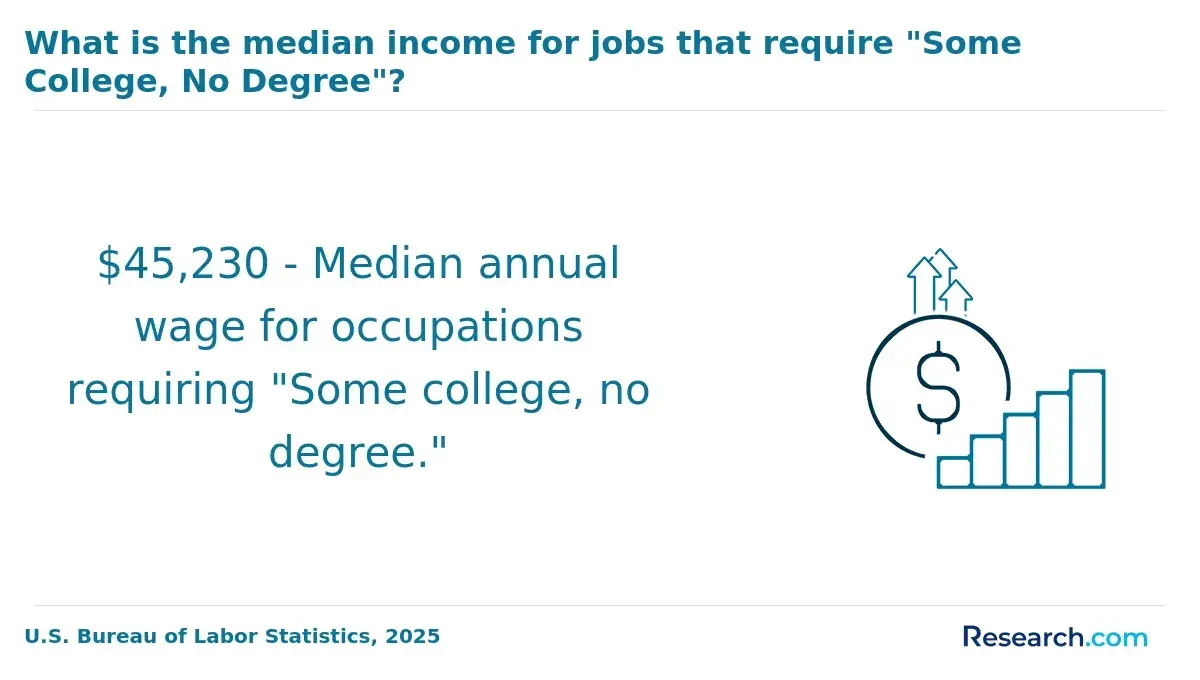
Salary expectations for humanities graduates through 2030 must be viewed in the context of inflation, shifting labor market demands, evolving credential standards, and changes within occupations themselves. While median entry salaries hover between $40,000 and $50,000, the real value of these earnings may be affected by cost-of-living increases and sector-specific growth patterns. Employers increasingly prioritize hybrid skill sets, blending humanities expertise with technical or business capacities, which can significantly alter earning trajectories. The following points highlight the primary factors shaping compensation trends for humanities degree holders moving forward.
- Discipline Variation:Salaries diverge notably by specialization; those in communications and public relations typically see steadier wage growth than graduates focusing solely on traditional liberal arts. Targeted skills in digital content or strategic communication can boost earning potential.
- Geographic Influence:Urban centers with diverse economies tend to offer higher starting pay than rural regions, though higher living costs often offset nominal salary gains. Graduates willing to relocate may access better-paying roles.
- Supplementary Skills:Adding proficiencies like project management, coding basics, or foreign languages often correlates with mid-career salaries reaching $70,000 to $85,000. Employers reward interdisciplinary competence increasingly.
- Sector Employment:Non-profits, education, and arts administration offer stability but usually moderate pay scales. Government and corporate roles requiring cultural literacy may deliver higher compensation.
- Labor Market Demand:Growth rates for humanities-related jobs remain modest, so competition is sharper and wage increases tend to be incremental rather than rapid.
- Credential Expectations:Continuing education, certifications, or graduate degrees can differentiate candidates and support upward salary mobility, especially in specialized fields.
- Experience Accumulation:Tenure and demonstrated impact in roles that require critical thinking and communication foster more consistent salary advancement than initial degree prestige alone.
A recent humanities graduate encountered a typical entry-level offer below metropolitan averages. Weighing salary against cost of living, they negotiated modestly but accepted a position that included professional development funding, aiming for a mid-range salary within five years through expanded expertise. This pragmatic decision reflected both awareness of regional disparities and a strategic focus on skill-building rather than immediate compensation maximization.
Which Industries Will Hire the Most Humanities Graduates by 2030?
Hiring trends for humanities graduates through 2030 will be shaped less by sheer industry size and more by intricate factors such as workforce replacement, digital transformation, regulatory shifts, and evolving public and private sector service demands. Sectors demanding strong critical thinking, communication, cultural literacy, and analytical capabilities will lead recruitment. However, graduates should weigh industry-specific tradeoffs - for example, slower growth paired with stable demand versus emerging fields with salary variability and competitive entry. The following industries are projected to generate the most substantial hiring volumes for humanities degree holders, reflecting diverse opportunities and challenges.
- Postsecondary Education: Steady demand persists in teaching and administrative roles due to ongoing liberal arts enrollment, though tenure-track positions are highly competitive with relatively modest salaries. Advanced degrees remain crucial for both faculty and educational leadership careers.
- Public Administration: Government and nonprofit agencies seek graduates skilled in policy analysis, community engagement, and public relations. Job security can fluctuate with budget cycles, but writing and critical reasoning skillsets are prized.
- Media and Communications: Digital content creation, publishing, and marketing increasingly require humanities graduates who excel in narrative construction and multicultural communication. Entry-level pay may be lower, yet specialization can lead to higher compensation.
- Nonprofit and Cultural Institutions: Museums, heritage sites, and social advocacy organizations value historical, linguistic, and social science expertise. Although salaries tend to lag, these roles offer meaningful community impact.
- Corporate Diversity and Inclusion: Growing emphasis on equitable workplace culture opens roles for graduates versed in cultural studies and ethics. Experience in interdisciplinary research and stakeholder engagement is advantageous.
- Online Education and Training: The expansion of remote learning platforms increases demand for content developers and instructional designers with humanities backgrounds. Familiarity with digital learning tools strengthens candidacy.
For those navigating humanities graduate hiring trends by industry 2030, understanding these nuanced sector profiles will better inform educational and career decisions. Aligning academic focus with market needs is essential, especially when considering the top industries employing humanities degree holders in the US. Additionally, some graduates may bolster their employability by pursuing credentials such as the cheapest online MBA healthcare management, which can complement humanities skills for leadership roles in health-related nonprofits and administration.
Share of All Bachelor's Degrees by Field in U.S. 2015 vs 2024

Where Will Demand for Humanities Graduates Be Strongest?
Demand for humanities graduates through 2030 will center on sectors where critical thinking, communication, and cultural literacy are essential, but this demand is unevenly distributed by region and industry concentration. Metropolitan areas such as Washington D.C. and Boston offer relatively robust opportunities due to dense knowledge economies and public institutions that prioritize policy, education, and archival expertise. However, higher salaries in these hubs often coincide with elevated living costs, requiring candidates to weigh financial feasibility against job availability and diversity. In contrast, smaller or less culturally concentrated regions may see fewer openings but also face less applicant saturation, which can influence strategic decisions around relocation or specialization.
The growth of digital content roles signals an expanding niche for humanities graduates skilled in storytelling, media analysis, and user experience research, though these positions increasingly demand fluency in technology and data-driven tools. Employers in publishing, museums, and nonprofits continue to value humanities backgrounds, yet practical success often hinges on interdisciplinary skills like digital literacy or foreign languages. Although humanities majors typically experience slower salary growth compared to STEM fields, their role in shaping culturally aware and ethically grounded projects remains vital, particularly in interdisciplinary teams where nuanced communication complements technical expertise.
Prospective students should recognize that hiring projections reflect not only volume but also local credential expectations and occupational specialization, which vary substantially by employer and sector. Government and nonprofit roles emphasize policy-relevant communication, while educational institutions prioritize advanced degrees and pedagogical experience, influencing entry requirements. This complexity means leveraging a humanities degree effectively necessitates an adaptive skill set tailored to specific market demands, rather than relying solely on broad national trends or generic employment forecasts.
Which Humanities Specializations Will Be Most in Demand by 2030?
Employment projections underscore that specializations blending traditional humanities scholarship with technical skills and interdisciplinary knowledge will have the clearest advantage through 2030. For students weighing options, understanding which fields align with employer demand and offer versatile career pathways is crucial. For instance, a student choosing between classical studies and digital humanities must consider not only passion but also projected growth rates, necessary skill acquisition, and adaptability in evolving job markets. Data from the U.S. Bureau of Labor Statistics highlights these differentiated trends, with some areas clearly outpacing others in hiring and salary growth. Below are key humanities specializations poised for stronger demand.
- Digital Humanities:This area integrates computational analysis, digital content management, and data visualization with cultural scholarship. Employers across cultural institutions, publishing, and tech sectors seek skills in coding, database management, and digital communication, making this hybrid specialization increasingly valuable.
- Translation and Interpretation:Globalization sustains robust demand for professionals fluent in multiple languages. Growth is notable in legal, healthcare, and corporate environments requiring complex cross-cultural communication and certification in specialized industry terminology.
- Cultural and Ethnic Studies:Rising institutional focus on diversity, equity, and inclusion fuels hiring in education, government, and nonprofits. Competency in critical discourse and community engagement enhances employability despite typically modest wage growth compared to STEM fields.
- Multilingual Communication:Beyond translation, roles emphasizing strategic communication across cultures are expanding. Skills in negotiation and cross-sector collaboration support positions in international business and public service.
- Philosophy and Classical Studies:These fields tend to funnel graduates into competitive academic or research roles with limited openings. Candidates should weigh long-term prospects carefully given slower salary growth and constrained hiring.
How Will AI and Technology Affect Humanities Careers Through 2030?
Artificial intelligence and automation are more likely to augment rather than fully automate core humanities responsibilities through 2030, reshaping workflows and skills without entirely replacing human judgment and creativity. Routine tasks such as document transcription and basic translation face significant automation risks, but strategic roles that require ethical oversight, cultural interpretation, and critical thinking will remain in demand. For example, digital archivists must now combine traditional scholarship with digital literacy to manage AI-assisted research tools, reflecting a shift in employer hiring criteria and role specialization emphasizing hybrid technical and humanities competencies. Failing to integrate emerging tech skills can limit career growth in a market where interdisciplinary capacity increasingly influences salary trajectories and promotion opportunities.
The impact of automation on salary growth for humanities graduates varies depending on adaptability to evolving job demands, which include leveraging AI for data curation and content creation without losing contextual analysis. Job candidates who pursue applied training in digital humanities, data analysis, or AI ethics are better positioned to meet employer expectations for continuous upskilling and ethical scrutiny of AI-generated content. This trend emphasizes demand for roles balancing technical proficiency and nuanced communication, particularly in educational programming or cultural resource management. Students and professionals should carefully evaluate relevant coursework, certifications, and practical projects that demonstrate these hybrid skills, recognizing that classical humanities knowledge alone may face increasingly stiff competition from digitally fluent peers. Those navigating these changes might explore broader career pathways similar to those outlined in careers with a bioinformatics degree where interdisciplinary expertise drives employability and outcomes.
Is a Humanities Degree Worth Pursuing Based on 2030 Projections?
Employment growth for humanities-related roles is projected to increase modestly by around 4% through 2030, lagging behind many technical and business fields. This slower expansion, coupled with declining enrollments reported by the National Association of Colleges and Employers, signals intensified competition for available positions and highlights the importance of strategic skill development. Salary prospects for humanities graduates typically range from $40,000 to $55,000, substantially lower than many STEM careers, requiring students to weigh tuition costs and completion time against financial outcomes when considering the degree's long-term value.
Prospective students should recognize that a humanities degree's return hinges significantly on supplemental competencies such as digital literacy or advanced graduate training, which can differentiate candidates in education, public service, and communication sectors. Geographic demand variability and employer expectations for soft skills mean graduates may face underemployment without credential enhancement or specialized experience. For those evaluating alternatives, exploring online doctoral programs in counseling or related fields may offer more robust career flexibility and alignment with workforce needs. Understanding this nuanced humanities degree career outlook United States 2030 provides a realistic framework for managing expectations while navigating shifting hiring and salary landscapes.
The salary and job prospects for humanities graduates through 2030 depend heavily on sector, skill set, and degree level, underscoring the necessity of informed decision-making. Students balancing passion with market realities should consider how projected oversupply and entry requirements affect employability, using comprehensive labor data and reputable education research to inform their pathways.
References
- How some universities are trying to revive the humanities https://hechingerreport.org/saving-the-field-and-the-world-how-humanities-programs-are-trying-to-rebound/
- Fall Back Careers for Humanities Majors - Gray Decision Intelligence https://www.graydi.us/blog/graydata/fall-back-careers-for-humanities-majors
- Art and Humanities Degree Careers and Salary in Europe - StudyinEurope.eu https://www.studyineurope.eu/hi/art-humanities/art-humanities-degree-careers-salary-europe/
- Career Success - Study the Humanities https://www.studythehumanities.org/career_success
- Saving Humanities: When Will Humanities Degrees Go Extinct? https://www.savemyexams.com/learning-hub/insights/when-will-humanities-degrees-go-extinct/
- Humanities Graduates: Your Future Career Path Starts Here! https://matchtocollege.com/blog/Best-Emerging-Careers-for-Humanities-students
- Workforce | American Academy of Arts and Sciences https://www.amacad.org/humanities-indicators/workforce
- Humanities and Jobs Data: What's the Real Story? - The Scholarly Kitchen https://scholarlykitchen.sspnet.org/2023/12/14/humanities-and-jobs-data-whats-the-real-story/
- How will Artificial Intelligence Affect Jobs 2025-2030 | Nexford University https://www.nexford.edu/insights/how-will-ai-affect-jobs
- The Impact of AI on Job Roles, Workforce, and Employment: What You Need to Know | Innopharma Education https://www.innopharmaeducation.com/blog/the-impact-of-ai-on-job-roles-workforce-and-employment-what-you-need-to-know
Other Things You Should Know About Humanities
Humanities degrees emphasize critical thinking, communication, and cultural analysis, skills valued across many fields but rarely tied to a single career track. This versatility can be an asset but often requires graduates to pursue additional certifications, internships, or targeted experience to compete in specialized job markets. Students should assess whether they are prepared to bridge this gap through supplementary training or networking, as relying solely on a humanities credential could limit immediate employability in technical or niche roles.
Humanities programs vary significantly in curriculum focus, course rigor, and experiential opportunities, which markedly influences career readiness. Programs integrating applied projects, writing-intensive courses, or cross-disciplinary studies tend to produce graduates with clearer professional advantages. Prospective students should prioritize programs with explicit career support and practical components rather than solely evaluating reputation or general prestige, as these factors more directly affect hiring and salary trajectories.
Integrating technological literacy into a humanities education is increasingly essential but poses a challenge in balancing depth with breadth. Humanities students who supplement their studies with digital tools, coding basics, or data analysis gain competitive flexibility while maintaining their interpretive strengths. However, this requires intentional effort beyond degree requirements, meaning students must prioritize elective choices and seek externships that build hybrid skills to meet employer expectations over the next decade.
Advanced degrees can enhance employment options, particularly for academic, research, and some specialized cultural fields, but they also demand significant time and financial investment. For many humanities graduates, a master's or PhD yields stronger outcomes when paired with targeted career planning and market-aware specialization. Those without specific professional goals tied to academia or research should carefully evaluate whether additional degrees offer measurable benefits compared to gaining work experience or practical certifications aligned with employer needs.