2027 Humanities Degree Enrollment Trends by Age Group: Traditional Students vs Adult Learners

Co-Founder and Chief Data Scientist
Humanities degree programs reveal a distinct divergence in enrollment patterns between traditional-age students and adult learners, shaped primarily by practical workforce and credentialing demands. Traditional students often enter amidst rising credential inflation, yet face limited direct pathways to employment given the sector's competitive hiring and low salary projections; for instance, Bureau of Labor Statistics projects only 2% growth in related occupations through 2030.
Conversely, adult learners frequently pursue Humanities degrees to facilitate mid-career transitions into education, cultural institutions, or policy roles requiring updated skills or certifications. This age distribution suggests evolving professional expectations and reflects structural constraints influencing program accessibility and workforce replenishment.
Key Things to Know About Humanities Degree Enrollment Trends by Age Group
- Adult learners make up 27% of humanities degree enrollments as of 2024, reflecting increased interest, but often face steeper opportunity costs balancing education with established careers, affecting program completion rates.
- Employers increasingly value humanities graduates' critical thinking and communication but tend to prefer younger candidates for entry-level roles, creating a workforce timing mismatch for older enrollees.
- Traditional college-age students benefit from lower tuition rates and more financial aid options, whereas adult learners encounter higher net costs, influencing accessibility and long-term return on investment decisions.
- Key Things to Know About Humanities Degree Enrollment Trends by Age Group Key Things to Know About Humanities Degree Enrollment Trends by Age Group
- Which Age Groups Represent the Largest Share of Humanities Students? Students by Age Group
- Why Do Traditional Students Choose Humanities Degree Programs? Traditional Students
- Why Do Adult Learners Return to School for a Humanities Degree? Adult Learners
- How Do Academic Goals Vary Between Younger and Older Humanities Students? Academic Goals by Age Group
- How Do Financial Concerns Differ Between Traditional Students and Adult Learners? Financial Concerns by Age Group
- What Challenges Do Adult Learners and Traditional Students Face While Earning a Humanities Degree? Student Challenges by Age Group
- How Does Age Affect Humanities Degree Student Retention? Age and Student Retention
- Which Humanities Specializations Are Most Popular Among Adult Learners? Top Specializations for Adult Learners
- How Does Age Affect Job Opportunities for Humanities Graduates? Impact of Age in Job Opportunities
- What Do Current Humanities Enrollment Trends Reveal About Future Demand? What Do Current Humanities Enrollment Trends Reveal About Future Demand?
Which Age Groups Represent the Largest Share of Humanities Students?
Humanities programs draw learners from multiple life stages, though enrollment largely clusters within specific age groups shaped by career timing, financial capacity, and educational pathways. This age distribution reflects broader systemic factors in workforce entry and educational accessibility rather than mere academic preference.
Understanding these enrollment dynamics requires looking beyond age to consider how life circumstances and labor market demands influence who participates in humanities studies.
- Ages 18-24: This group dominates traditional student enrollment in humanities programs, as most enter college directly after high school. Their participation aligns with the conventional four-year undergraduate path favored by many institutions, supported by financial aid packages and cultural expectations that prioritize early postsecondary enrollment.
- Ages 25-34: Representing the largest subset of adult learners, this group increasingly pursues humanities degrees part-time or through flexible formats. Their enrollment often coincides with career reevaluation or upskilling needs, though balancing work and family limits their ability to engage in full-time study, affecting program completion rates.
- Ages 35-44: Enrollments in this range are smaller but growing, usually reflecting deliberate career transitions or the pursuit of credentials with direct workplace applicability. Humanities offerings tailored to professional skill enhancement tend to attract these students, although limited program flexibility and financial pressures remain significant barriers.
- Ages 45 and older: This segment contributes the smallest share due to multiple constraints including fewer program accommodations and greater economic obligations. The tradeoff between continuing work and study often restricts sustained participation, despite some interest in humanities education as a means to develop critical thinking applicable to managerial roles.
These enrollment patterns illustrate how employer expectations and economic realities frame humanities participation across age profiles. Traditional enrollment is driven by institutional structures primed for younger students, while adult learner trends reveal a demand for adaptable, career-relevant credentials.
Programs that align closely with workforce needs and provide flexible learning pathways, such as certain easiest master degree options, tend to see increased adult learner engagement. Recognizing these dynamics is critical for prospective humanities students assessing how their life stage and career objectives intersect with available educational opportunities.
Why Do Traditional Students Choose Humanities Degree Programs?
Traditional students often select humanities degree programs driven by a blend of academic curiosity and the strategic value these degrees offer in signaling critical thinking and communication skills to future employers. Their motivations frequently encompass early career exploration within fields that reward analytical abilities and cultural literacy rather than immediate vocational training.
A 2024 report by the National Center for Education Statistics reveals that nearly 28% of first-time bachelor's degree seekers aged 18-24 choose humanities and related social sciences majors, highlighting their appeal not just for subject interest but also for broad skill development applicable across professions. This population tends to value a liberal arts framework that supports flexible career pathways and intellectual engagement during foundational career decision-making stages.
Underlying these general motivations are institutional and systemic influences shaping traditional students' enrollment patterns. University recruitment strategies and guidance counseling often emphasize humanities as viable options for students uncertain about direct career application but seeking versatile academic credentials. Exposure to humanities subjects in secondary education or introductory college courses can normalize these programs as a stable, though less technical, educational path.
Despite concerns regarding job market volatility, many traditional students perceive humanities degrees as offering durable intellectual skills, influenced by informal networks and peer preferences, while balancing these perceptions against more immediately pragmatic alternatives like online cyber security degrees that appeal to career-focused adult learners.
Why Do Adult Learners Return to School for a Humanities Degree?
Adult learners returning to pursue a humanities degree frequently do so driven by labor market considerations such as shifting careers, wage improvement, or entering sectors valuing critical thinking and communication. Unlike traditional students motivated primarily by academic interest, these learners often seek to reposition themselves amid evolving industry demands and hybrid job roles.
The National Center for Education Statistics reported in 2024 that roughly 38% of adult humanities students enrolled with the explicit intention of updating transferable skills essential for workforce adaptability. This pragmatic orientation reflects the need to complement existing experience with credentials that signal readiness for new or advancing professional environments.
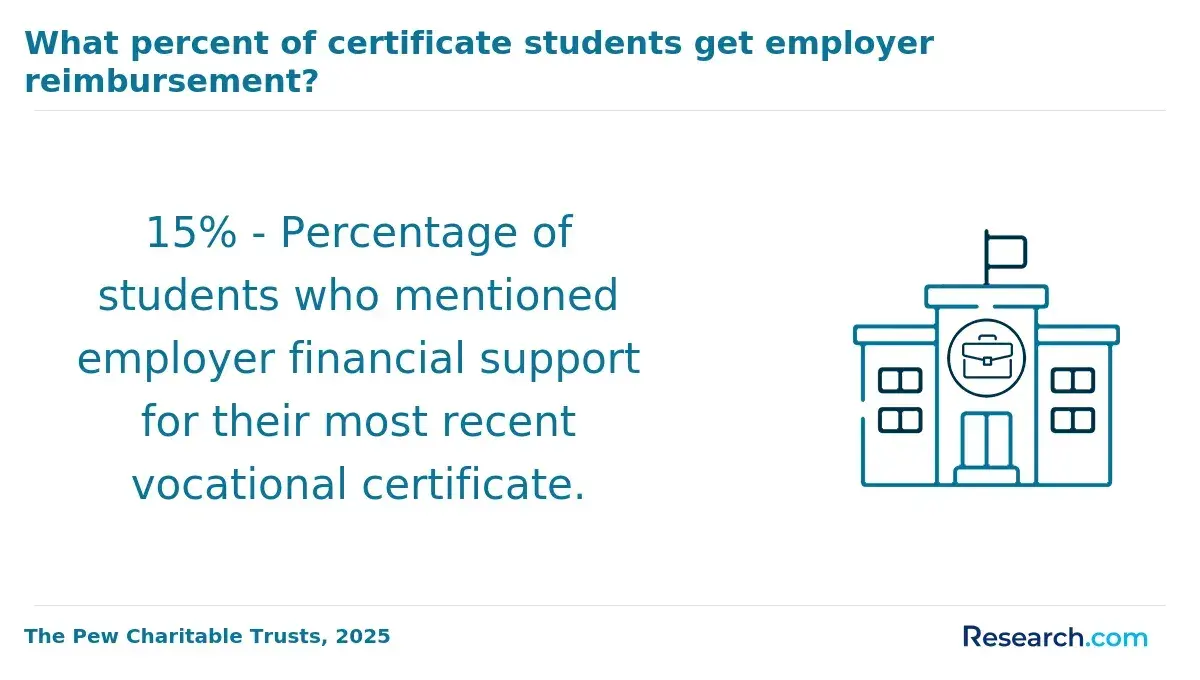
Additional factors influencing this decision include broader employer support for continuing education through tuition assistance programs and the proliferation of flexible delivery formats like online and hybrid courses, which accommodate adult learners balancing work and personal commitments. As industries emphasize credential inflation and the integration of digital competencies, adult learners return to humanities programs to bridge gaps in both theoretical and applied knowledge.
Their educational choices often respond to concrete labor market shifts, such as organizational restructuring or credential requirements for full-time employment, rather than purely intellectual goals.
The increasing presence of adult learners shapes program structures by encouraging institutions to expand online offerings and tailor curricula toward skills that merge humanities insights with practical applications. This demographic change influences classroom dynamics, fostering diverse peer interactions that reflect varied professional backgrounds and life experiences.
Understanding these patterns clarifies how adult participation in humanities education informs institutional adaptation and highlights the complex balance between lifelong learning ambitions and labor market realities.
How Do Academic Goals Vary Between Younger and Older Humanities Students?
Younger humanities students generally engage in their studies with an emphasis on broad intellectual exploration and foundational skills development. Their academic priorities often center on cultivating critical thinking, analytical reasoning, and communication capabilities that serve as a versatile base for various entry-level roles or further education, such as graduate programs.
This cohort frequently seeks interdisciplinary coursework and immersive campus experiences to refine their academic identity and professional aspirations over time.
According to the National Center for Education Statistics in 2024, traditional students are less likely than adult learners to directly associate their studies with immediate career outcomes, reflecting a longer-term perspective on employability and skill acquisition.
In contrast, adult humanities students approach education with a focus on targeted credentials and skills aimed at enhancing current employment or facilitating career transitions. Their study plans tend to be pragmatic, balancing academic commitments with existing professional and financial responsibilities. Approximately 62% of adult humanities students prioritize job-related advancement and skill enhancement, underscoring a distinct alignment between academic programs and labor market needs.
This group often values flexible course delivery and applied learning models that leverage prior work experience, aiming to optimize their educational investment for near-term workplace impact rather than exploratory learning.
An adult learner returning to humanities coursework shared that the timing of enrollment was crucial in navigating rolling admissions. Concerned about jeopardizing current job stability, they waited several weeks before submitting an application, carefully weighing the preparation required against the risk of missing deadlines.
The uncertainty of acceptance timing introduced hesitation, but ultimately, the decision to proceed was driven by the need to align academic pursuits with imminent career goals and personal circumstances rather than purely academic interests.
How Do Financial Concerns Differ Between Traditional Students and Adult Learners?
Traditional students pursuing humanities degrees primarily depend on parental support, federal financial aid, and student loans to finance their education. Approximately 65% of these students benefit from grants or subsidized loans, according to a 2024 National Center for Education Statistics report, which helps reduce upfront tuition burdens. Their financial concerns often revolve around accumulating debt and managing long-term repayment, especially given that humanities fields tend to offer lower starting salaries than STEM disciplines.
This distinct cost challenge shapes the financial differences between traditional students and adult learners, influencing how younger students balance immediate educational expenses with the implications of future income.
Adult learners, conversely, confront a different set of financial tradeoffs as they juggle tuition with employment demands and family responsibilities. With limited access to need-based federal aid, many rely on employer tuition assistance, personal savings, or private loans. A recent Lumina Foundation study noted that nearly 40% of adult humanities students worry about debt, reflecting their constrained ability to work while studying and fewer grant opportunities.
Their decision-making incorporates opportunity costs linked to potential lost wages and the urgency for quicker returns on investment, which contrasts with traditional students' longer financial timelines.
These divergent financial pressures directly influence enrollment patterns and program accessibility, with adult learners often favoring flexible scheduling and shorter programs-even those carrying cost premiums-to minimize income disruption. This preference partly explains the growing appeal of online formats such as online clinical mental health counseling programs, which offer more adaptable pathways. Considerations of debt tolerance, immediate financial obligations, and employer expectations therefore critically shape how each group evaluates the practical value and long-term ROI of humanities education.
What Challenges Do Adult Learners and Traditional Students Face While Earning a Humanities Degree?
Traditional students pursuing a humanities degree often grapple with the transition into higher education's structured environment, where foundational academic skills, such as critical writing and research methods, must be rapidly developed. Time management also emerges as a significant barrier since many are balancing coursework with part-time jobs or extracurricular commitments, all while navigating the formative challenge of clarifying career goals related to a humanities degree.
According to the Humanities Workforce Institute 2024 survey, 42% of these students express uncertainty about career prospects, which can undermine motivation and persistence. Limited financial resources add pressure, especially as rising tuition and living costs strain family support and scholarship availability, contributing to dropout risks.
Adult learners, by contrast, face a different constellation of challenges shaped by their life stage and competing priorities. Nearly 35% report that juggling work, family obligations, and study commitments fragments their academic focus, extending time-to-degree and increasing stress. Returning after extended absences introduces gaps in current academic practices and digital research skills, often requiring adults to reacquire foundational competencies in environments adapted primarily to younger learners.
Financial stress also weighs heavily, with 47% citing it as a major obstacle despite mixed funding sources like employer support, savings, and federal aid. These factors complicate balancing professional responsibilities with the often rigid timelines embedded in humanities curricula.
Institutions aiming to improve retention and completion must tailor advising, flexible scheduling, and support services to these divergent needs. While traditional students benefit from structured skill-building and career clarity initiatives, adult learners require adaptable formats and targeted academic refreshers that respect their time constraints and external pressures.
Bridging this gap is critical for fostering equitable educational outcomes and ensuring humanities degrees remain accessible and practically valuable across varied student populations.
How Does Age Affect Humanities Degree Student Retention?
Younger humanities students often face retention challenges rooted in adjusting to the demands of college-level work and sustaining motivation through their initial academic years. Many encounter difficulty balancing the transition from high school to higher education, where social integration and academic preparedness weigh heavily on continued enrollment.
With fewer external obligations, their persistence hinges more directly on institutional support and early engagement strategies, as data from the National Center for Education Statistics in 2024 shows approximate first-year retention around 65% for this group. Yet academic uncertainties and social fit remain critical obstacles that institutions must address to maintain momentum in this demographic.
In contrast, adult humanities learners approach retention with a clearer vocational focus but face competing pressures from work, family, and financial responsibilities that complicate consistent enrollment. Their retention rate near 50% after the first year, according to the 2024 Lumina Foundation, reflects these external constraints rather than academic disengagement.
Those who overcome scheduling and resource accessibility challenges often demonstrate greater long-term persistence, driven by pragmatic goal setting and the explicit link between education and career trajectories. Effective support for this group often requires flexible program delivery and targeted services that acknowledge their complex life circumstances.
One humanities graduate recalled the difficulty of timing admissions decisions amid a rolling application process that stretched over several months. Balancing a part-time job with study obligations, they hesitated to commit before fully understanding financial aid options, fearing an early decision might limit flexibility.
The uncertainty created prolonged stress, yet once enrolled, the clarity of purpose and adult responsibilities helped sustain steady academic progress despite ongoing external pressures. This experience underscored how older students' retention often hinges on navigating administrative timing and life logistics as much as academic readiness.
Which Humanities Specializations Are Most Popular Among Adult Learners?
Adult learners pursuing humanities degree specializations popular with adult learners typically prioritize fields that provide clear pathways for career mobility, practical skill enhancement, and alignment with existing professional experience. Unlike traditional students focused on exploratory learning, returning adult students often seek disciplines that directly support workforce transition or salary growth.
Their specialization choices reflect a calculated approach to upskilling, reskilling, and leveraging prior career skills for tangible employment outcomes.
- Communication Studies: This specialization is attractive because it directly improves workplace communication, media literacy, and public relations skills-all critical in remote and hybrid work environments. Many adult learners view this field as essential to advancing in roles that demand interpersonal agility and digital proficiency.
- History: Often selected by those aiming for careers in education, museum curation, or public policy, history appeals to individuals leveraging prior experience in related sectors and seeking roles with cultural or social impact.
- English and Literature: Popular among adults with backgrounds in education, content creation, or publishing, this specialization supports both career advancement and lateral moves in creative industries, benefiting from strong writing and analytical skills.
- Philosophy and Ethics: This field attracts professionals interested in law, counseling, or leadership positions where critical thinking and ethical reasoning are prized, facilitating transitions into highly specialized or managerial roles.
- Languages and Cultural Studies: Adult learners seeking international business opportunities, translation careers, or work in global non-profits often gravitate here, capitalizing on prior regional or linguistic expertise to enhance employability.
A 2024 report from the National Center for Education Statistics shows that approximately 42% of humanities adult learners enroll in communication-related majors, underscoring the labor market value placed on communication skills among working adults. This contrasts with traditional students, who more commonly pursue literature and history.
These enrollment patterns reflect adult learners' dual focus on immediate career benefits and long-term skill relevance, as many employers increasingly seek candidates who demonstrate critical thinking, cultural competence, and adaptability. While some nuanced humanities fields may lack direct vocational pathways, they offer intellectual enrichment that adult learners weigh against practical outcomes.
For those considering academic pathways, comparing programs that emphasize both affordability and career support can be important; resources such as the cheapest online physics degree listings provide useful cost benchmarks across disciplines.
How Does Age Affect Job Opportunities for Humanities Graduates?
Younger humanities graduates-typically traditional students aged 18 to 24-often benefit from structured entry-level access through established internship pipelines and campus recruitment programs. Their position early in the career lifecycle aligns with employer expectations for flexible, trainable hires and open networks for initial professional connections. According to a 2024 report by the National Center for Education Statistics, approximately 65% of these graduates obtained employment within six months of graduation, reflecting how early career placement programs and focused hiring initiatives can accelerate workforce entry.
This dynamic strongly shapes humanities graduate job prospects by age, as traditional students generally gain easier access to entry-level roles tailored for recent graduates.
Older humanities graduates, including adult learners navigating mid-career transitions, face distinctly different hiring realities shaped by prior work experience, transferable skills, and employer perceptions about adaptability and cost. While their maturity and broader professional background can enhance suitability for specialized or interpersonal roles, documented age bias in hiring processes remains a significant obstacle, with workers over 40 often experiencing longer job searches.
The U.S. Bureau of Labor Statistics notes a 20% increase in search duration for these individuals, underscoring how age intersects with labor market expectations. Evaluating the impact of age on humanities career opportunities also involves recognizing that some employers prefer recent graduates for their current technical proficiencies, although adult learners may offset this through specialized competencies.
Prospective students should assess how workforce segmentation affects practical outcomes, including considering flexible options such as pursuing an online degree in spanish to enhance marketability within evolving job landscapes.
What Do Current Humanities Enrollment Trends Reveal About Future Demand?
Shifting enrollment patterns in humanities programs reveal significant changes in student interests and perceptions of career value. Traditional college-age students, aged 18-24, have decreased their humanities enrollment by about 7%, reflecting a prioritization of STEM and business disciplines with clearer immediate job prospects. In contrast, adults aged 25 and older show a 12% increase, driven largely by a pursuit of skills that enhance critical thinking, communication, and cultural literacy, often linked to career transitions or lifelong learning goals.
These contrasting trends underscore how program accessibility and specialization are evolving to meet diverse learner needs, emphasizing flexible, part-time, and online formats tailored to non-traditional students.
These enrollment shifts also signal broader labor market realignments. Employers increasingly prize humanities-based competencies when paired with technical expertise, reflecting demand for interdisciplinary skill sets in complex, rapidly changing industries. The growth in adult enrollment corresponds with workforce shortages in roles requiring advanced analytical and ethical reasoning, especially where technology cannot fully replace human judgment.
This dynamic suggests future program expansions will need to emphasize integration with STEM fields and professional experience to remain relevant, driven by both technological change and industry specialization demands highlighted in recent analyses by national education and labor agencies.
References
- Traditional Vs. Non-Traditional Students in Higher Education https://moderncampus.com/blog/traditional-vs-non-traditional-students-in-higher-education.html
- How Higher Education Institutions Can Address the Needs of Adult Learners https://www.higheredtoday.org/2022/04/18/how-higher-education-institutions-can-address-the-needs-of-adult-learners/
- Racial/Ethnic Distribution of Bachelor's Degrees in the Humanities https://www.amacad.org/humanities-indicators/higher-education/racialethnic-distribution-bachelors-degrees-humanities
- How some universities are trying to revive the humanities https://hechingerreport.org/saving-the-field-and-the-world-how-humanities-programs-are-trying-to-rebound/
- REACHing for more: How Higher Education Can Better Serve Adult Learners by Addressing Time Poverty - Education Strategy Group https://edstrategy.org/reaching-for-more-how-higher-education-can-better-serve-adult-learners-by-addressing-time-poverty/
- Humanities and Jobs Data: What's the Real Story? - The Scholarly Kitchen https://scholarlykitchen.sspnet.org/2023/12/14/humanities-and-jobs-data-whats-the-real-story/
- Going Back to School as an Adult: a Step-by-Step Guide https://insights.ehl.edu/going-back-to-school-as-an-adult
- 11 Reasons to Consider Returning to College as an Adult https://www.georgefox.edu/bruin-blog/posts/2021/02/adp-11-reasons/index.html
- The decline of the humanities https://andrewnorton.id.au/2023/07/04/the-decline-of-the-humanities/
- Protecting the Liberal Arts and Humanities in American Higher Education https://manhattan.institute/article/protecting-the-liberal-arts-and-humanities-in-american-higher-education
Other Things You Should Know About Humanities
Adult learners often prioritize flexible scheduling options due to work and family commitments, but many humanities programs structured for traditional students may not offer sufficient evening, weekend, or online classes. This can lead to prolonged degree completion times or increased stress. When selecting a program, adult learners should prioritize institutions with robust hybrid or fully online offerings tailored to adults, as this significantly impacts the feasibility of sustained enrollment and academic success.
Traditional students typically experience a cohort environment with mostly same-aged peers, fostering immersive and synchronous collaboration, whereas adult learners often encounter more diverse and asynchronous class settings. This difference can affect engagement and networking opportunities, with adult learners potentially feeling isolated if peer interaction is limited. Prospective students should consider how each environment aligns with their learning preferences and the importance of peer networks in their academic and professional development.
In 2027, humanities degree enrollment shows a noticeable divergence between traditional students and adult learners. Traditional students still dominate undergraduate programs, but adult learner enrollment in part-time and online humanities programs is rising, reflecting their need for flexible schedules and career advancement opportunities alongside personal educational interests.
Yes, traditional students often rely heavily on institutional career services to transition directly into the workforce, making strong support crucial for successful job placements. Adult learners, while potentially having existing career networks, might require more tailored guidance on career shifts or advancement. Thus, prioritizing programs offering age-specific career counseling and mentorship can make a material difference in outcomes, with traditional students benefiting from broad career fairs and adult learners from specialized re-skilling resources.