2027 Remote Work Report for Humanities Graduates: Flexible Roles, Pay, and Hiring Trends

Co-Founder and Chief Data Scientist
Humanities graduates often face uncertainty when searching for remote roles that fit their skill sets. Many find job descriptions vague, with expectations that blend research, communication, and creativity in evolving ways. Wages vary widely, and understanding market pay can prevent undervaluing one's expertise.
Recent data shows that 42% of remote positions in the US now seek candidates with interdisciplinary critical thinking and digital literacy, which aligns with many Humanities competencies but demands adaptability. This shift affects hiring trends and role availability. This article examines flexible job types, realistic pay ranges, and recruitment patterns to guide Humanities graduates in making informed decisions about remote career paths.
Key Points About Working Remotely for Humanities Graduates
- Remote roles for Humanities graduates emphasize writing, editing, research, and digital communication, demanding critical thinking and cultural analysis skills that differentiate candidates in a competitive field.
- The average remote salary ranges from $40,000 to $60,000 annually, influenced by job function, experience level, and type of employer, guiding realistic income expectations post-graduation.
- New graduates must develop a robust online portfolio and gain freelance or internship experience, as remote hiring in Humanities is selective and prioritizes adaptability to evolving digital tools.
- Key Points About Working Remotely for Humanities Graduates Key Points About Working Remotely for Humanities Graduates
- Are there remote work opportunities in the Humanities industry? Remote Opportunities
- Which Humanities niches offer remote roles? Which Humanities niches offer remote roles?
- What entry-level Humanities roles allow remote work? Entry-Level Roles
- What is the average salary of Humanities graduates who are working remotely? Average Salary
- Do remote Humanities jobs pay the same as on-site roles? Pay Comparison
- What benefits do remote Humanities employees receive? What benefits do remote Humanities employees receive?
- Where can Humanities graduates look for remote jobs? Where to Find Jobs
- What do Humanities employers look for in candidates? What do Humanities employers look for in candidates?
- How can Humanities graduates prepare for remote roles? Preparing for Remote Roles
- How can Humanities graduates if remote roles are a good fit for them? How can Humanities graduates if remote roles are a good fit for them?
Are there remote work opportunities in the Humanities industry?
Remote and hybrid work models in the Humanities sector remain cautiously emerging, with about 30% of entry-level roles fully remote and 45% hybrid, signaling moderate demand for off-site talent. This offers emerging flexibility, yet real-world scenarios like cultural research projects often still require archival access or in-person collaboration, limiting full remote work.
Regional compliance standards and organizational workflows shape flexible arrangements significantly. For instance, some institutions enforce strict data security protocols mandating on-site work, while others leverage digital asset management and asynchronous tools such as Slack and Trello to support distributed teams.
A 2024 industry report shows 40% of organizations broadly require on-site presence, but Humanities departments tolerate remote setups somewhat more due to research and content creation tasks. However, such flexibility may reduce mentorship and hands-on training opportunities, which are critical for early-career development and professional networking in the Humanities fields.
Graduates must balance remote work benefits against potential limitations on professional growth and skill acquisition. Understanding these tradeoffs helps in evaluating suitability of flexible roles versus traditional on-site career paths within Humanities professions.
Which Humanities niches offer remote roles?
Humanities niches offering remote roles align with disciplines emphasizing intellectual output and digital communication over physical presence. For example, a graduate working remotely on digital archiving for a museum remotely manages collections without on-site presence. Not all fields accommodate this; areas requiring in-person interventions or real-time interaction cannot readily shift to remote work. The following list outlines key remote-friendly Humanities niches where flexible schedules and asynchronous workflows thrive.
- Digital Humanities: This field combines traditional Humanities study with technology such as data analysis and digital archiving. It fits remote work as projects mainly involve managing and creating digital resources, allowing asynchronous contributions across institutions digitizing their collections.
- Content Strategy and Copywriting: Focused on crafting digital marketing and editorial content, this niche uses strong writing and critical thinking skills. A 42% increase in remote hiring reflects growing demand for globalized content accessible from anywhere.
- Translation and Localization Services: Bilingual Humanities graduates adapt texts and media for diverse audiences. Remote roles expand with globalization, showing 18% growth due to the ability to work independently across time zones.
- Education Technology: Designing curricula and online humanities courses blends pedagogical skill with digital tools. The hybrid schedules suit institutions shifting towards virtual learning, supporting flexible remote roles.
- Cultural Resource Management: Tasks like grant writing and project coordination for museums or nonprofits require self-directed work. This niche suits those capable of navigating cultural regulations without onsite supervision.
- Digital Publishing and E-learning Content Development: Creating interactive humanities materials benefits from remote workflows. An 11% annual rise in postings indicates growing remote demand driven by educational platforms.
In sum, remote Humanities job opportunities in flexible roles focus on areas with scalable digital processes and intellectual labor, from digital content strategy to online instruction in accelerated psychology programs. These niches offer promising remote career paths for Humanities graduates but demand strong digital literacy and self-management to adapt successfully.
What entry-level Humanities roles allow remote work?
Entry-level remote roles for Humanities graduates require a blend of critical thinking and digital proficiency, with many positions emphasizing independent productivity and flexible schedules. These roles vary in function but share a reliance on remote-friendly tools and processes. The following outlines common roles that align well with flexible remote career options for Humanities degree holders.
- Content Writer: Requires solid writing abilities and familiarity with tools like Microsoft Word or Google Docs. Writers create blog posts or web copy that adhere to brand voice standards. This role suits remote work due to the solitary and deadline-driven nature of content creation.
- Social Media Coordinator: Entry-level candidates handle posting schedules, engagement metrics, and analytics using platforms such as Hootsuite. Managing content calendars remotely fits well with the structured yet independent demands of this job.
- Digital Archivist: Specialists organize and maintain digital collections using software like Omeka. The role involves metadata accuracy and accessibility tasks that can be effectively completed off-site with the right digital tools.
- Research Assistant: Typical responsibilities include literature reviews and data collection using Google Workspace and Zotero. Remote collaboration is integral, and Humanities graduates benefit by applying analytical skills in a flexible environment.
- Copy Editor: Requires attention to detail and experience with style guides alongside editing software such as Grammarly. Remote editing projects suit professionals comfortable managing manuscripts independently.
- Community Manager: Involves overseeing user interactions and fostering engagement through CRM tools. This position demands responsiveness and organization, both feasible in remote settings.
A recent job board analysis shows remote postings for Humanities entry-level roles grew by 18.7%, with content writing alone accounting for 34.2% of listings. This data highlights the increasing demand for flexible remote career options for Humanities degree holders who can balance creative and research tasks while mastering evolving software skills. Graduates should consider these dynamics when evaluating their fit for entry-level remote jobs for Humanities graduates.
For those exploring further educational pathways, comparisons of affordable accounting programs online reveal additional flexible options that might complement or pivot from traditional Humanities roles.
What is the average salary of Humanities graduates who are working remotely?
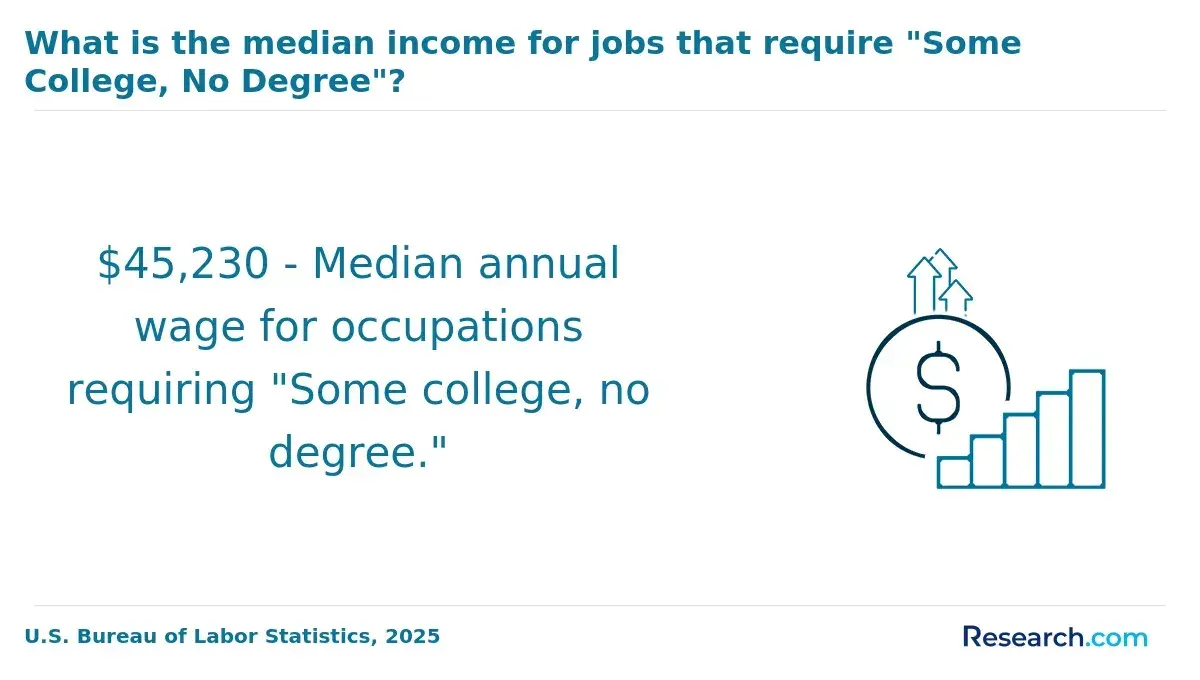
The average remote salary for Humanities graduates at entry-level positions typically ranges from $40,000 to $55,000, with a median closer to $47,000. These roles often include content creation, research assistance, and educational support. Entry-level talent in this broad field generally faces moderate compensation, reflecting the flexible nature of remote work but lower pay compared to more technical fields.
Remote job pay rates for Humanities degree holders vary significantly when additional skills or certifications are required. For example, those with digital literacy or project management credentials command higher wages. A workforce analysis found 25% of remote Humanities graduates earn below $38,000, while about 10% exceed $60,000, showing that specialized expertise influences pay substantially within the field.
Compared to other industries, entry-level salaries in STEM or business disciplines commonly start above $60,000. This pay gap illustrates the tradeoff Humanities graduates face between securing flexible remote roles and accepting lower starting salaries. Long-term income growth may depend heavily on strategic upskilling or focusing on niche areas.
Graduates considering remote Humanities work should explore certificate programs that enhance employability and salary potential. This practical step can broaden career options beyond conventional roles and improve negotiating leverage for better pay in remote job markets.
Do remote Humanities jobs pay the same as on-site roles?
Remote Humanities roles typically pay 8% to 12% less than on-site positions at entry level. This pay gap reflects a compensation structure where flexibility comes at a cost, affecting total earnings. Remote workers often face reduced base salaries despite saving on commuting expenses.
Many employers adjust salaries based on geographic location rather than offering uniform national pay. These localized pay bands mean a Humanities graduate in a lower-cost region may earn less remotely than a peer working onsite in a metropolitan area. Such policies impact long-term earning potential and financial planning.
For example, a Humanities graduate in a rural area taking a remote position for a major urban employer might see a considerable pay cut because the employer aligns pay with local living costs. This tradeoff requires evaluating personal priorities around flexibility and income.
A workforce analysis found that 65% of companies still apply location-based salary adjustments for remote roles, heavily influencing Humanities employment given its prevalence outside tech fields. This suggests a need for strategic career decisions balancing remote benefits against reduced pay.
What benefits do remote Humanities employees receive?
Remote Humanities employees receive benefit packages that reflect both traditional workplace expectations and the unique demands of decentralized roles. While core offerings like paid time off and health insurance remain standard, the increasing inclusion of remote-specific perks signals employers' recognition of physical work environment needs and mental well-being. For example, a Humanities professional managing archival research from a home setup benefits greatly from a monthly home office stipend, helping offset unexpected internet costs without cutting into personal funds.
A 2024 survey found that 63% of remote Humanities workers experience higher job satisfaction when flexible scheduling and wellness benefits are included, highlighting the critical impact of customization in employee support. Below are key benefits shaping remote Humanities work experiences.
- Home Office Stipends: Employers typically provide around $150 monthly allowances to cover equipment and internet expenses, reducing out-of-pocket costs and enabling a functional workspace essential for research and writing tasks.
- Health Insurance and Wellness Programs: Comprehensive medical plans coupled with mental health resources address well-being needs, which are vital given the isolation and stress associated with remote intellectual work.
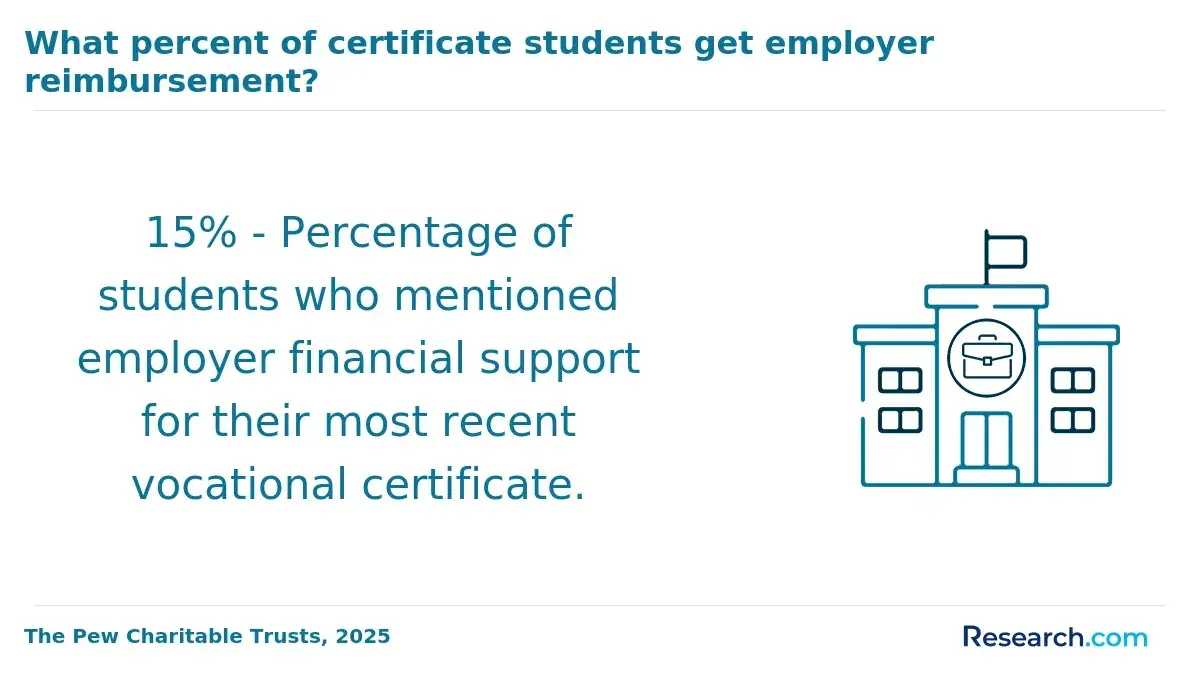
- Professional Development Support: Access to online learning platforms and certification reimbursements helps Humanities workers stay current with evolving methodologies, enhancing long-term employability in a shifting job market.
- Paid Time Off: Standard leave policies safeguard work-life balance, but practical use often requires self-discipline since remote work blurs boundaries between personal and professional time.
One Humanities remote researcher shared, "When I started, I hesitated to ask about the home office stipend, unsure if my small employer would offer it. Receiving $150 a month eased my budget for better internet, improving my ability to access digital archives without interruptions." They also noted that flexible scheduling and mental health benefits helped manage burnout during intensive project periods, making those perks feel like critical investments rather than optional extras.
Where can Humanities graduates look for remote jobs?
Humanities graduates will gain the most from combining broad digital job boards with specialized platforms and professional networks to find remote work. For instance, a recent graduate searching for a remote content editor role might initially sift through many listings on general sites but benefit more by joining a niche community where contract and less-publicized positions circulate. This layered approach responds to a 46.7% success rate reported for hires sourced via professional network referrals compared to 38.5% from ATS-integrated job boards, highlighting the importance of active engagement alongside passive searching. Below are key resources that serve different but complementary roles in locating flexible, remote opportunities.
Consider these channels for effective job discovery and application:
- Indeed and LinkedIn: These generalist platforms host a wide range of remote entry-level Humanities roles and enable strategic filtering to narrow down the flood of options. Their robust employer networks and applicant tracking systems help streamline applications but require careful keyword and role definition to avoid generic or unsuitable listings.
- FlexJobs: Specializing exclusively in vetted remote and flexible jobs, this platform attracts employers seeking adaptable communication and analytical skills common in Humanities graduates. It reduces the time spent weeding out low-quality postings, making the application process more targeted and productive.
- ProBlogger and We Work Remotely: These niche sites focus on content writing, editing, and digital communications, sectors where Humanities skills are directly relevant. Their curated listings provide clearer matches and exposure to employers specifically looking for specialized remote talent.
- Professional Associations' Online Forums and Slack Channels: Groups like the American Historical Association and Modern Language Association offer exclusive job-sharing communities. These networks often circulate contract or less-advertised roles unavailable on public boards, increasing the chance of finding well-suited remote work through trusted referrals.
What do Humanities employers look for in candidates?
Employers hiring Humanities graduates for remote roles demand a precise mixture of advanced technical fluency and transferable skills that prove digital readiness and critical thinking. For example, a cultural organization recruiting a remote content curator values candidates who can seamlessly manage digital workflows while independently solving unforeseen challenges. Specific qualifications remote Humanities employers look for demonstrate adaptability and competence with both current tools and strategic communication. The following list details key skills sought by Humanities employers.
- Digital Collaboration Expertise: Proficiency with platforms like Slack and Microsoft Teams is essential. These tools facilitate continuous remote engagement and teamwork, and screenings often test familiarity with their features to ensure smooth daily communication.
- Content Management Systems Proficiency: Candidates are expected to navigate CMS such as WordPress or Drupal effectively. This expertise is crucial for roles involving digital publishing or marketing, where managing and curating online content reliably impacts organizational outreach.
- Data Literacy Certification: Demonstrable skill in tools like advanced Excel or basic SQL querying indicates the candidate's ability to present both qualitative and quantitative insights. Employers use certifications or practical tests to validate this competency, increasing trust in remote data handling.
- Portfolio of Digital-Centric Writing and Research: Hiring teams emphasize writing samples tailored for digital consumption along with multimedia project showcases. These portfolios reveal research rigor and adaptability to technology-driven communication, essential for producing impactful remote work.
- Scenario-Based Adaptability Assessment: Employers use problem-solving simulations to evaluate candidates' independent decision-making. This reflects long-term remote work demands, where supervision is limited and employees must manage complex situations autonomously.
A 2024 workforce analysis found that 68.3% of remote-first employers expect Humanities candidates to present specialized digital skill certifications or verifiable project-based experience before extending offers. This statistic underscores the increasing necessity for Humanities graduates to pursue easy certifications to get online alongside their academic credentials to meet expanding remote job qualifications. Strategic upskilling is critical to advancing in flexible roles that depend on demonstrating relevant, certified proficiencies amid growing competition.
How can Humanities graduates prepare for remote roles?
Humanities graduates must deliberately close the gap between their traditional academic skills and the demands of flexible remote work to remain competitive. Unlike standard office roles, remote positions require proficiency in digital collaboration and independent project management. For instance, a graduate managing content for a virtual museum exhibit must navigate multiple online tools while coordinating with a dispersed team. To navigate these complexities, several key strategies stand out.
Below are crucial preparatory actions that Humanities graduates can adopt to enhance their candidacy for remote roles.
- Build Digital Literacy Foundations: Familiarity with platforms like Slack, Zoom, and project management tools such as Trello or Asana is essential. Graduates should invest time in mastering these tools and develop foundational skills in data visualization or basic coding relevant to digital content management, enabling smoother remote collaborations.
- Pursue Targeted Certifications: Earning credentials in digital marketing, UX writing, or data analysis helps demonstrate applied skills that complement academic knowledge. Participating in bootcamp-style programs offers practical training that employers seek for remote roles, particularly in content-driven or data-focused projects.
- Create a Portfolio of Remote Projects: Developing a portfolio with independent work like blog management or contributions to open-source digital humanities projects provides tangible proof of remote work capability. Research shows graduates with portfolios highlighting digital competencies boost their employment chances by about 33%, reflecting employer preference for demonstrated adaptability.
- Ensure Reliable Technology Setup: Securing dependable hardware and stable internet is critical for uninterrupted remote performance. Familiarity with troubleshooting common technical issues independently aligns with employer expectations for self-sufficiency in virtual work environments.
- Engage in Remote-Readiness Training: Focusing on remote communication, time management, and self-motivation skills addresses the soft skill gap in flexible employment. Studies link such training to a 27% increase in hireability for remote work, emphasizing that technical skills alone are insufficient for success.
Preparing Humanities graduates for flexible remote work involves integrating these specific competency areas. For those exploring degrees aligned with remote career paths, programs such as ALA MLIS programs offer curriculum blending traditional liberal arts knowledge with sector-relevant digital skills, further supporting remote job application tips essential to modern employability.
How can Humanities graduates if remote roles are a good fit for them?
Humanities graduates must assess their aptitude for remote roles by weighing their work style preferences and practical realities. For example, a graduate who thrived in collaborative classroom discussions but struggled with self-imposed deadlines might find remote work isolating and challenging. Evaluating specific personal and professional factors is essential to avoid frustration and turnover. Below are key criteria Humanities graduates should systematically consider before pursuing remote roles.
- Communication Skills: Remote Humanities positions demand clear, often asynchronous written communication. Evaluate your ability to convey complex ideas without frequent in-person clarification, as breakdowns here can delay feedback and reduce project quality.
- Self-Motivation and Discipline: Off-site work requires structured personal time management. Assess whether you can maintain productivity without direct oversight or daily peer interaction, which many Humanities tasks like research and content creation depend on.
- Work Environment Suitability: Confirm access to quiet, reliable workspaces and technology to support focused remote work. Inadequate setups diminish output and increase stress, especially for detailed analytical or writing assignments typical in Humanities roles.
- Adaptability to Limited Social Cues: Humanities professionals often rely on subtle collaboration signals. Consider your comfort with fewer dynamic, face-to-face interactions, which can affect team cohesion and your sense of inclusion.
- Understanding Employer Expectations: Clarify availability requirements and response time standards. Flexible schedules benefit some, yet blurred boundaries between work and personal life often cause imbalance, highlighting the need for clear communication at the outset.
- Emotional Resilience and Engagement: The higher turnover in remote Humanities roles reflects difficulties managing isolation and limited mentorship. Evaluate your willingness to proactively build virtual networks and seek professional support.
- Long-Term Career Impacts: Reflect on how remote roles may slow network growth and reduce leadership opportunities, which could affect future advancement compared to in-person career paths.
A 2024 study found 38% of remote Humanities workers report challenges balancing work-life boundaries, a higher figure than related remote fields, underscoring the unique demands of the discipline in distributed settings. This statistic highlights the importance of realistic self-appraisal and preparation before committing to a remote Humanities role.
One Humanities graduate shared how remote work suited their self-directed research focus but initially caused loneliness. "I hesitated because I valued peer interaction," they recalled, "but I set strict hours, created virtual coffee chats, and invested in a dedicated home office." This approach helped them align personal habits with remote expectations. Their experience shows that careful reflection, combined with strategic adjustments, can make remote Humanities roles viable and satisfying over time.
References
- Humanities and Jobs Data: What's the Real Story? - The Scholarly Kitchen https://scholarlykitchen.sspnet.org/2023/12/14/humanities-and-jobs-data-whats-the-real-story/
- College Humanities: How to Appreciate and Analyze ... https://fastercapital.com/content/College-Humanities--How-to-Appreciate-and-Analyze-College-Humanities-Subjects.html
- Admissions https://fhs.cuni.cz/fhseng-314.html
- Attrition in Humanities Doctorate Programs https://www.amacad.org/humanities-indicators/higher-education/attrition-humanities-doctorate-programs
- Why Study Humanities? Unveiling Career Opportunities and Beyond https://www.durhamisc.com/blog/why-study-humanities
- Some Thoughts on Online Learning and the Humanities. https://thetattooedprof.com/2016/08/06/some-thoughts-on-online-learning-and-the-humanities/
- The Effects of Humanities to the Students https://www.dlsii.com/blog/theeffectsofhumanitiestothestudents/
- New Data on Completion Rates | HESA https://higheredstrategy.com/new-data-on-completion-rates/
- Humanities at UofT | Admission Requirements (2026) https://uniscope.ca/university-of-toronto/humanities
- Average Cost of Online College [2025]: Yearly Tuition + Fees https://educationdata.org/average-cost-of-online-college
Other Things You Should Know About Humanities
Maintaining a structured daily routine is critical because many remote Humanities roles lack direct supervision and rely heavily on individual time management. Without a clear schedule, productivity can suffer, leading to missed deadlines and increased stress. Graduates should prioritize building consistent work habits and setting boundaries between work and personal time to meet employer expectations and sustain long-term engagement.
Choosing between contract and full-time remote roles depends on career priorities and financial stability. Contract roles often offer flexibility and varied projects but provide less job security and fewer benefits, which may hinder long-term career growth. Full-time positions usually come with more stability and clearer advancement paths, so graduates aiming for steady income and professional development should prioritize them, while those valuing flexibility might consider starting with contracts.
Employers expect remote Humanities workers to be proactive, clear, and responsive in written and verbal communication, since collaboration lacks face-to-face context. Graduates should be prepared to use multiple communication tools effectively and document their work thoroughly. Failure to meet these expectations can lead to misunderstandings, reduced trust, and potentially limit opportunities for promotions or extended contracts.
Remote Humanities positions can blur work-life boundaries, often resulting in increased workloads or irregular hours to accommodate different time zones or project demands. Graduates must weigh whether they can manage this unpredictability without burnout, especially if roles require rapid response times or multitasking across projects. Prioritizing roles with clearly defined deliverables and predictable schedules helps mitigate these risks and supports sustainable career development.