2027 Engineering Management Degree Completion Rates by Format: Online, Hybrid, and Campus Programs Compared

Co-Founder and Chief Data Scientist
Deciding how to complete an engineering management degree often involves balancing professional duties, personal commitments, and learning preferences. A prospective student might weigh the flexibility of online programs against the structured environment of campus settings or consider hybrid formats that blend both. Each format presents unique challenges and advantages that can impact time to completion, engagement with coursework, and ultimately, graduation success.
Understanding completion rates across online, hybrid, and campus programs helps reveal underlying factors affecting student persistence and achievement. These factors include access to resources, interaction quality, and support networks that differ by format. This article compares completion outcomes across these delivery methods and explores how students can select the format best aligned with their educational goals and long-term career prospects.
Key Things to Know About Engineering Management Degree Completion Rates by Format
- Engineering management online programs show approximately 12% lower completion rates than campus-based ones, largely due to reduced peer interaction, impacting persistence especially for mid-career students balancing work demands.
- Hybrid formats often yield higher completion rates than purely online options by blending direct faculty engagement with flexible scheduling, which supports deeper concept mastery critical in engineering leadership contexts.
- A 2024 study found that campus students benefit from structured cohort progression, facilitating professional networking and accountability, which correlates with stronger persistence and better integration of practical management skills.
- Key Things to Know About Engineering Management Degree Completion Rates by Format Key Things to Know About Engineering Management Degree Completion Rates by Format
- How Do Completion Rates Compare Across Online, Hybrid, and Campus Engineering Management Programs? Completion Rate Comparison
- What Factors Have the Greatest Impact on Engineering Management Degree Completion? Degree Completion Factors
- Which Engineering Management Degree Format Is Hardest to Complete? Completion Difficulty
- How Does Each Engineering Management Learning Format Affect Student Success? How Does Each Engineering Management Learning Format Affect Student Success?
- How Does Enrollment Status Affect Engineering Management Completion Rates? How Does Enrollment Status Affect Engineering Management Completion Rates?
- Can Transfer Credits Improve Engineering Management Degree Completion? Transfer Credits
- What Student Support Services Improve Engineering Management Completion Rates? Student Support Services
- How Do Engineering Management Completion Rates Affect Career Outcomes? Impact on Career Outcomes
- How Should Students Choose the Best Engineering Management Learning Format? Choosing the Best Format
- What Are the Long-Term Pros and Cons of Each Engineering Management Learning Format? Learning Format Pros & Cons
How Do Completion Rates Compare Across Online, Hybrid, and Campus Engineering Management Programs?
Completion rates in engineering management degree programs by program format reveal more about the student populations and their circumstances than about program quality alone. Students selecting fully online, hybrid, or campus-based formats often differ significantly in their available time, work-life balance, and motivation levels. For example, a working professional pursuing a part-time online engineering management program may face challenges that campus students without full-time jobs rarely encounter, which directly affects their likelihood of finishing.
Variations in graduation success in online hybrid and campus engineering management degrees often stem from balancing personal responsibilities and access to institutional support. Campus programs generally enable higher completion rates due to structured schedules, direct faculty interaction, and peer networking. Hybrid formats provide moderate flexibility while maintaining some in-person accountability, whereas fully online students frequently juggle irregular hours and limited immediate support, impacting persistence despite the format's convenience. Ultimately, individual discipline and resource utilization play critical roles alongside format differences.
Prospective students should weigh completion rate data in conjunction with their own capacity for self-management and external obligations to choose a format that aligns with their goals. Someone with sporadic work hours may prefer hybrid or campus options to leverage face-to-face mentorship, while a highly self-directed learner might succeed entirely online. Those seeking cost-effective or flexible paths might explore cheap PhD programs online as examples of accessible alternatives, recognizing that completion hinges on fit as much as format.
What Factors Have the Greatest Impact on Engineering Management Degree Completion?
Completion of an engineering management degree hinges on a complex interplay of personal skills, academic support, and program design rather than on motivation alone. Students balancing professional and personal demands must navigate institutional resources, learning environments, and financial pressures to sustain progress. Understanding these diverse factors can help candidates realistically assess their own chances of graduating. The following points highlight key influences on degree completion.
- Academic Preparedness and Foundational Skills: Students with strong quantitative, analytical, and time management skills are far more likely to complete their programs. The National Center for Education Statistics identifies academic preparedness as one of the strongest predictors of success, especially in STEM-related graduate work. Those lacking certain skills can improve outcomes by seeking pre-program coursework or tutoring before enrolling.
- Access to Advising and Mentoring: Comprehensive academic advising and mentoring significantly increase persistence by providing personalized guidance through coursework and career alignment. Students juggling work and study benefit most from proactive support that anticipates obstacles and offers tailored strategies. Building relationships with faculty or peers early in the program strengthens social integration and accountability.
- Program Flexibility and Scheduling: Degree completion rates improve notably when programs accommodate working professionals through asynchronous courses, flexible deadlines, or hybrid formats. Mid-career students balancing jobs and families rely on these options to continue uninterrupted. When rigid schedules conflict with external responsibilities, attrition rises sharply, making flexibility a decisive factor.
- Student Engagement and Interaction: Particularly in online settings, structured opportunities for real-time communication and peer collaboration help sustain motivation and reduce feelings of isolation. Data shows that programs employing interactive technologies and frequent synchronous sessions can increase online completion rates by up to 15%. Students struggling with self-directed learning fare better when engaged regularly.
- Financial Support and Payment Options: Financial stress can derail progress; tuition deferrals, employer tuition assistance, or manageable payment plans support persistence. Students with stable financing structures report higher completion rates, as they can focus on coursework instead of economic concerns. Early financial planning and employer partnerships are strategies that improve outcomes.
- Alignment of Degree Outcomes with Career Goals: When students clearly see how the program advances their professional objectives, they maintain stronger commitment through challenges. This relevance reinforces motivation and prioritization of studies. Candidates should evaluate how specific course content and credentials match their intended career paths to ensure this alignment.
- Balancing Professional Responsibilities with Study Demands: Sustaining coursework alongside full-time employment requires effective time management and employer support. For example, an engineering manager pursuing the degree part-time may negotiate workload adjustments or educational leave to maintain steady progress. Without such arrangements, the competing pressures of job and school often delay or terminate degree pursuits.
Prospective students should consider how these overlapping factors interact within online, hybrid, or campus formats when assessing their readiness and chances to complete an engineering management degree. Programs like CACREP accredited programs illustrate how accredited structures often integrate robust support mechanisms that help mitigate common completion barriers.
Which Engineering Management Degree Format Is Hardest to Complete?
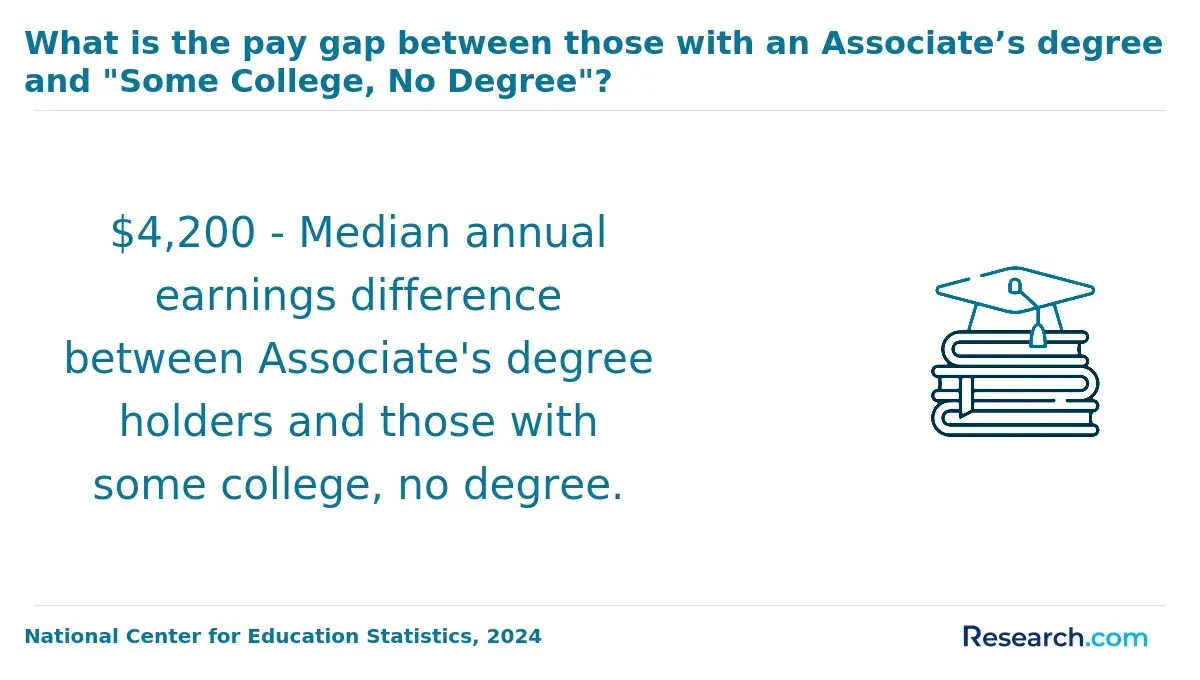
Completion rates for engineering management degrees reveal tangible challenges linked to program format. Data from the National Center for Education Statistics in 2024 shows campus-based programs have completion rates near 70-75%, benefiting from direct faculty access, peer support, and structured learning environments that foster accountability in technical coursework. Fully online formats lag behind, with rates closer to 50-60%, reflecting obstacles like self-directed pacing, limited interaction, and juggling work or family responsibilities. Hybrid programs fall between these extremes, averaging 60-70%, blending flexibility with face-to-face engagement but also requiring students to navigate the complexities of shifting between modalities.
The differences highlight how personal discipline and support systems influence persistence. For example, a student managing a full-time job may struggle with a fully online setup's isolation, while another needing geographic flexibility might find campus attendance impractical despite higher completion odds. Hybrid formats offer compromise but demand strong organizational skills to coordinate in-person and remote components effectively. The nuanced tradeoffs underline that no format is universally hardest; instead, a student's circumstances largely determine the relative difficulty of completing an engineering management degree in each modality.
One recent engineering management graduate shared how choosing a hybrid option initially seemed ideal given work commitments and family needs. However, they found switching between online lectures and on-campus sessions more taxing than anticipated, especially balancing deadlines across both formats. This challenge tested their time management and made progress uneven at times. In hindsight, while fully campus-based might have offered steadier routines, the hybrid route ultimately provided the necessary flexibility to keep moving forward without sacrificing essential personal responsibilities.
How Does Each Engineering Management Learning Format Affect Student Success?
Student success in engineering management programs hinges less on the delivery format itself and more on how well that format matches an individual's learning preferences, time constraints, and personal obligations. Different formats present varied opportunities and obstacles that can either help or hinder degree completion depending on these factors. For instance, a working professional with a demanding schedule may find online or hybrid formats more manageable, while someone who thrives on direct interaction might benefit from campus-based learning. Below are key factors illustrating how each format impacts student outcomes.
- Engagement and Peer Interaction: Campus programs typically facilitate higher completion rates due to face-to-face engagement, immediate feedback, and stronger peer networks, which provide motivation and accountability crucial for persistence. Students who need active collaborative environments tend to fare better in this setting.
- Flexibility and Time Management: Online formats offer unmatched flexibility, appealing to adults balancing work and family, but demand strong self-discipline. Those lacking structured routines may struggle without in-person reminders or scheduled class times.
- Academic Support Accessibility: Access to real-time academic advising and support is often more readily available on campus or in hybrid settings, enhancing student retention. Online students benefit most when institutions invest in proactive virtual support services to compensate for limited instant interactions.
- Varied Learning Styles Suitability: Hybrid models accommodate diverse learner needs by blending live instruction with remote study, helping students who require some direct contact but also need schedule adaptability. Such students often see improved motivation and course completion rates.
- Technology Reliance and Digital Literacy: Success in online programs depends heavily on students' comfort with digital platforms and reliable internet access. Technical challenges or unfamiliarity can impede progress, highlighting the importance of institutional support and student preparedness.
- Structured Environment Impact: Traditional campus formats provide a clearly defined routine and physical learning environment that supports focus and reduces distractions, beneficial for students who prefer scheduled, immersive academic engagement.
- Completion Rate Trends: According to the 2024 report from the National Center for Education Statistics, campus-based engineering management students show higher persistence and graduation rates compared to fully online peers, though well-designed hybrid programs increasingly narrow this gap by balancing flexibility and engagement.
How Does Enrollment Status Affect Engineering Management Completion Rates?
Enrollment status is one of the most critical factors influencing degree completion in engineering management programs, yet its impact varies widely depending on individual circumstances rather than simply the number of courses taken. Full-time students often benefit from sustained academic engagement, but part-time enrollment can be a practical necessity for many balancing work and family. Recognizing this complexity helps prospective students make informed choices tailored to their unique situations. Below are key ways enrollment status shapes completion rates.
- Academic immersion and focus: Full-time students typically dedicate more continuous hours to their studies, fostering deeper engagement with course material and peer networks. This immersion enhances motivation and reduces attrition, making completion more likely, especially on campus programs.
- Scheduling flexibility vs. time fragmentation: Part-time enrollment offers flexibility to juggle employment and personal responsibilities but often leads to fragmented study periods. This intermittent engagement can slow progress or create momentum loss, particularly challenging in online engineering management degree completion rates by enrollment status.
- Access to institutional resources: Campus and hybrid full-time students benefit from immediate academic support, structured routines, and social integration, which raise their completion chances. Part-time students must proactively seek resources, which can be less accessible outside standard hours.
- Work and family balance pressures: Part-time students frequently balance significant external obligations, extending time to completion or increasing dropout risk. Understanding this helps students realistically weigh how much time they can sustainably devote before choosing part-time status.
- Program format influences outcomes: Hybrid programs show narrower gaps between full-time and part-time completion rates due to their blend of in-person and online components. However, online programs often see an 8-12% higher completion rate for full-time enrollees, reflecting challenges of competing priorities in flexible formats.
- Long-term career planning: Part-time enrollment may prolong degree completion but accommodates ongoing professional development and employment responsibilities. Students seeking rapid credentialing might prioritize full-time status, while others pursuing career advancement over time will find part-time viable and aligned with workforce realities.
- Statistical evidence of disparity: Recent nationwide education research shows campus full-time students complete engineering management degrees approximately 10-15% more frequently than part-time peers, underscoring enrollment status as a substantial predictor of graduation likelihood.
Ultimately, the impact of full-time vs part-time enrollment on engineering management graduation rates depends on balancing academic intensity with life demands. For those needing flexible pacing, well-supported online programs can reduce gaps, while full-time study offers clear advantages when feasible. For students seeking certificate jobs that pay well alongside their degree, selecting an enrollment status that aligns with both career and life goals is essential.
Can Transfer Credits Improve Engineering Management Degree Completion?
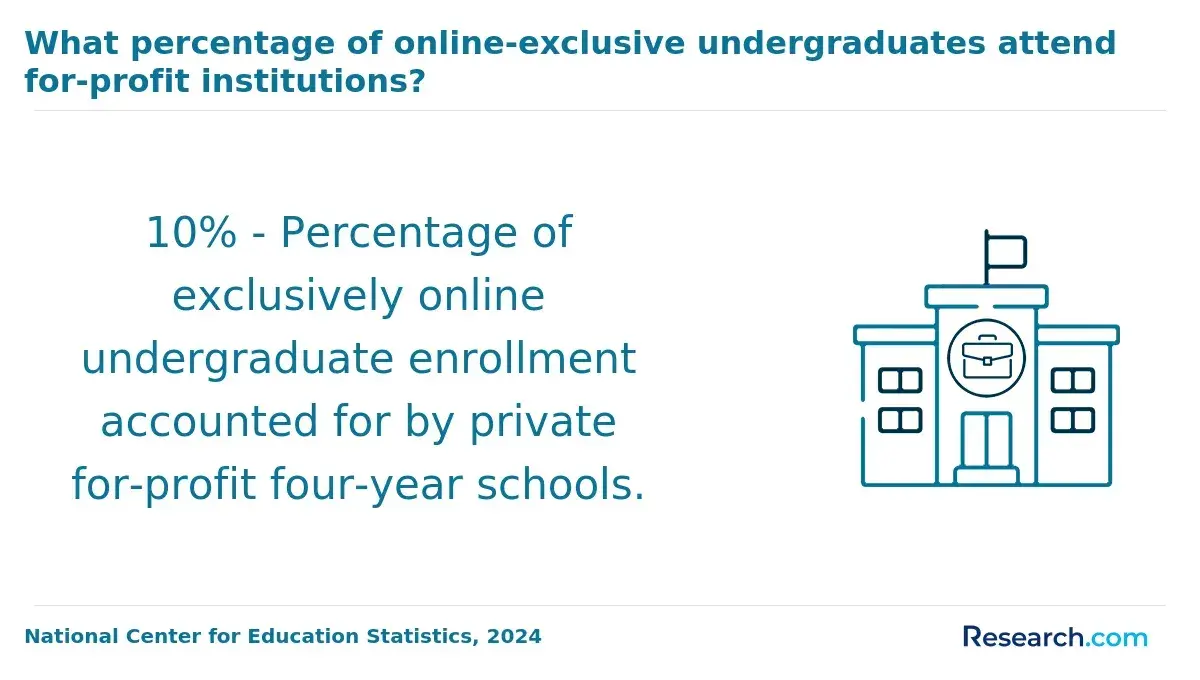
Transfer credits can meaningfully impact the likelihood and speed of completing an engineering management degree by allowing students to bypass redundant coursework and focus on advanced topics directly relevant to their goals. According to a 2024 report from the National Student Clearinghouse Research Center, students who successfully transfer credits graduate at rates up to 15% higher than those without previous credits, particularly in technical and professional disciplines like engineering management.
The benefit of transfer credits lies largely in reducing the number of lower-division or prerequisite courses a student must complete, thereby shortening their path to degree completion. For example, a working professional who already completed relevant technical courses at a community college or through employer-sponsored training may enter an online or hybrid program with a significant chunk of credits accepted. This reduces time spent on foundational classes and enables immediate focus on managerial subjects critical for career advancement.
However, the actual advantage depends heavily on how well the transferred credits align with the target program's curriculum and institutional policies. Some universities maintain strict articulation agreements permitting transfer of only very specific credits, while others allow broader acceptance but require careful equivalency validation. As such, not all previously earned credits may apply toward engineering management degree requirements, limiting the impact on completion time.
Students who hold military education, professional certifications, or prior college coursework typically experience different outcomes based on these factors. For instance, a military veteran with extensive technical training may unlock more transfer credits in flexible online formats compared to more rigid campus programs. Yet, in cases where the transferred credits do not match mandatory coursework, students may face delays despite initial expectations of acceleration.
Prospective students can assess whether transferring credits could shorten their engineering management studies by securing a formal credit evaluation and comparing remaining required credits with the pacing options offered. This process helps clarify whether transfer credits will reduce time-to-degree or simply change the course sequence. Ultimately, while transfer credits can improve completion rates and timelines for many learners, they represent only one aspect of success alongside factors like program support, student motivation, and personal circumstances.
What Student Support Services Improve Engineering Management Completion Rates?
Completion rates in engineering management programs vary significantly across online, hybrid, and campus delivery formats, primarily influenced by the availability and quality of student support services. These services need to match the distinct needs posed by different learning environments to effectively bolster student persistence and eventual graduation. Below are key support services linked to improved completion outcomes in current data and educational research.
- Specialized academic advising: Advisors with deep knowledge of engineering management curricula and industry demands enhance degree completion by up to 15%, particularly for online students who face scheduling conflicts and isolation. Their guidance helps students navigate course selection and professional trajectories efficiently.
- Structured peer mentoring groups: Cohort-based peer support fosters accountability and connection, aiding hybrid students who juggle virtual and in-person engagement. Studies indicate a 20% increase in completion rates among students involved in these networks.
- Career services integrated with curricula: Embedding internship placements and employer networking into programs increases retention by aligning academic efforts with tangible job opportunities, especially for campus learners with ready access to industry partners and online learners accessing virtual fairs.
- Flexible technology and scheduling support: Online students benefit most from services that accommodate diverse time zones and provide robust tech assistance, reducing barriers caused by remote learning challenges and helping maintain consistent progress.
- Seamless hybrid resource coordination: Hybrid students require well-synchronized virtual and face-to-face service access to avoid gaps that can disrupt their educational experience and delay degree completion.
- Proactive student engagement strategies: Early and continuous outreach-including alerts for academic risks and personalized check-ins-can mitigate dropouts across all formats by addressing issues before they become insurmountable.
- Access to experiential learning opportunities: Hands-on projects and real-world problem-solving embedded within programs increase student motivation and practical skills, which are crucial for persistence and career readiness.
One online engineering management graduate recalled hesitating after encountering unexpected work pressures that threatened to derail her studies. Regular check-ins from her advisor, who understood the unique demands of remote learners, coupled with virtual career workshops and an active peer study group, provided her with a sense of connectedness and practical support. These resources helped her adjust her schedule and sustain momentum until graduation, illustrating how tailored support can make the difference in completion for students balancing complex responsibilities outside the classroom.
How Do Engineering Management Completion Rates Affect Career Outcomes?
Completion rates for engineering management degrees directly shape career trajectories, influencing not just if students finish but also how effectively they capitalize on their credentials. Research from 2024 shows that completing a bachelor's degree boosts the likelihood of employment, wage growth, and access to advancement opportunities. Understanding how program format impacts persistence is essential since career outcomes linked to engineering management program completion depend heavily on graduation itself. Here are key ways degree completion affects career success:
- Access to higher-paying roles and improved job stability enables graduates to secure positions with better compensation and benefits: Completing the degree signals critical knowledge and commitment to employers, which is especially valuable in competitive engineering management job markets. Students who persist despite challenges are more likely to leverage this advantage.
- Stronger professional networks build through campus and hybrid formats contribute to quicker promotion paths and practical opportunities: Degree completers often gain connections that facilitate mentorship and industry recognition, enhancing career growth beyond what credentials alone can offer. Networking can be pivotal for those who engage fully in program communities.
- Eligibility for graduate-level education enhances long-term career flexibility and leadership potential: Bachelor's completion often unlocks access to specialized master's or doctoral programs, enabling further specialization or transition into research and executive roles. This is particularly relevant for students planning to deepen expertise after initial work experience.
- Demonstrated persistence through structured and hybrid delivery modes correlates with stronger time management and self-discipline: These soft skills, developed during degree completion, translate into workplace effectiveness and leadership readiness, traits valued regardless of sector conditions.
- Credential recognition varies across delivery formats but is increasingly accepted when degrees come from accredited institutions emphasizing relevant, practical coursework: For instance, online graduates with project-based learning components can achieve outcomes comparable to traditional formats. Prospective students may explore options like the mechanical engineering degree as a model for how format and accreditation interact to support career goals.
How Should Students Choose the Best Engineering Management Learning Format?
Choosing the best engineering management programs online or through hybrid and campus formats requires careful evaluation of individual circumstances and realistic capabilities. Studies from 2024 show that degree completion rates differ significantly depending on the learning format, affected by work commitments, student engagement, and access to support services. Mid-career professionals often favor flexible online or hybrid options, whereas younger learners or those without full-time jobs frequently benefit from immersive campus settings. Consider these critical factors when selecting a program format:
- Self-discipline and time management: Online programs demand strong self-motivation and ability to structure study time independently. Students lacking these skills face higher attrition rates, while campus environments enforce more rigid schedules that help some learners stay on track.
- Need for flexibility versus structure: Hybrid formats blend remote and in-person sessions, offering flexibility with periodic accountability. This suits learners balancing work and studies who still benefit from face-to-face interaction, unlike fully online or fully on-campus students.
- Access to academic resources and advising: Campus and hybrid students typically have better access to advising, tutoring, and career services. Government reports link such support directly to higher persistence and graduation rates.
- Learning style and social engagement: Campus programs offer immersive environments conducive to collaborative learning, beneficial for those thriving in social settings. Online formats often isolate learners, which can hinder engagement for some.
- Work and personal commitments: Professionals with demanding jobs or family responsibilities often need the flexibility of online or hybrid formats. Understanding these commitments realistically helps avoid overextension and dropouts.
- Long-term career goals and networking: Campus environments may provide stronger networking opportunities and immediate faculty access, useful for career growth. Online learners should seek programs that facilitate virtual networking to compensate.
- Cost considerations and financial aid options: While not always a deciding factor, understanding tuition and fees is important. Prospective students can explore detailed estimates such as the criminal justice degree online cost frameworks as reference points for budgeting educational expenses.
What Are the Long-Term Pros and Cons of Each Engineering Management Learning Format?
Choosing between online, hybrid, and campus formats for an engineering management degree involves weighing distinct long-term benefits and challenges tied to completion rates, networking, and skill acquisition. For example, a working professional balancing family commitments might prioritize flexibility over face-to-face interaction, influencing their choice. Here are several key considerations to assess when comparing these learning pathways:
- Completion Rates and Retention: Campus programs typically show higher completion rates due to immersive environments and direct faculty engagement, benefiting learners who thrive in structured settings. Hybrid formats improve completion over fully online by combining community support with flexible study. Online learners may face lower rates related to self-discipline needs.
- Networking and Professional Connections: Campus programs enable spontaneous networking through on-site access to peers and faculty, crucial for career growth in traditional industries. Hybrid students gain some in-person benefits, while online students may need to actively seek virtual networking opportunities.
- Flexibility and Accessibility: Online formats offer unparalleled schedule flexibility and geographic accessibility, ideal for professionals with work or family duties. Hybrid programs balance this flexibility with periodic campus sessions, though travel may pose challenges. Campus requires relocation and fixed schedules.
- Experiential Learning Opportunities: Campus and hybrid students often benefit from hands-on projects and real-world simulations that employers value, enhancing immediate employability. Online students might need supplemental work experience to bridge practical skill gaps.
- Skill Development and Adaptability: Hybrid graduates commonly report a blend of collaboration and autonomy skills, preparing them for diverse workplaces. Campus learners build strong interpersonal skills through immersive interaction, whereas online learners develop self-motivation and digital communication strengths.
- Employer Perception and Credibility: Accredited online degrees are increasingly recognized, especially when paired with relevant experience. Campus credentials maintain strong reputations, though perception gaps may persist in conservative industries. Hybrid degrees often provide balanced credibility with demonstrated engagement.
References:
- Professional services https://www.strath.ac.uk/courses/postgraduatetaught/engineeringmanagementforprocessexcellence/
- Best Online Master’s Programs in Engineering Management https://www.onlinemastersdegrees.org/best-programs/engineering/engineering-management/
- Online MSc in Engineering Management | University of Hull Online https://online.hull.ac.uk/courses/msc-engineering-management
- Master of Engineering Engineering Management https://catalogue.uottawa.ca/en/graduate/master-engineering-engineering-management/
- [PDF] APPENDIX A: Undergraduate Engineering Student Success Survey https://account.seejournal.org/index.php/vt-j-see/article/download/133/126
- American Society for Engineering Management https://asem.org/blog/13350721
- What you give up when moving into engineering management https://stackoverflow.blog/2022/02/23/what-you-give-up-when-moving-into-engineering-management/
- Engineering Management Degree Objectives and Outcomes https://www.cbu.edu/academics/schools/gadomski-school-of-engineering/bsem-in-engineering-management/em-objectives-outcomes/
- Pros and Cons of Becoming an Engineering Manager https://www.solopointsolutions.com/2023/04/18/pros-and-cons-engineer-to-manager-tradeoffs/
- How a Part-Time Master’s in Engineering Management Can Boost Your Career https://engineeringmanagement.org/part-time-mem-programs/
Other Things You Should Know About Engineering Management
Online and hybrid formats often offer flexible pacing that can accommodate full-time professionals, but this benefit comes with increased demands on personal discipline. For working engineers, the ability to adjust course intensity around job responsibilities can improve completion odds if they are self-motivated and organized. However, without the fixed structure of campus programs, those lacking strong time management skills may face delays or dropouts, making online and hybrid options more suited to self-starters with clear career progression goals.
Less face-to-face engagement in online programs can dampen motivation for students who thrive in collaborative or applied learning environments typical of engineering management. This often translates to lower completion rates among individuals who benefit from peer networks and immediate feedback in physical settings. If you rely heavily on direct mentorship or group interaction to stay accountable, hybrid or campus programs may better support your persistence and timely graduation.
Employer acceptance of engineering management degrees has grown for online formats, especially from accredited institutions, but some sectors still prioritize campus-based credentials due to perceived rigor and networking opportunities. Completing an on-campus program may open doors in traditional engineering firms or leadership roles valuing in-person collaboration experience. For those targeting more flexible or tech-driven industries, an online degree often holds equivalent weight when paired with relevant work experience.
While format influences completion, curriculum relevance to your career goals is often a better predictor of sustained commitment and ultimate success. Students risk lower completion rates if they choose a program solely by format preference but face misaligned learning outcomes or outdated content. Prioritize programs-regardless of format-that incorporate practical project management tools, emerging technologies, and leadership training closely tied to your intended engineering sector for more meaningful engagement and completion.