2027 How Employers Are Changing Hiring Criteria for Engineering Management Graduates in the AI Era

Co-Founder and Chief Data Scientist
A recent engineering management graduate entering the workforce may quickly realize that holding a degree no longer guarantees standout status in an AI-driven job market. With 74% of U.S. businesses having adopted some form of artificial intelligence according to the 2024 National Federation of Independent Business report, employers increasingly prioritize candidates who combine technical knowledge with AI literacy and adaptive skills. Many organizations seek professionals who can integrate AI into project management and decision-making rather than rely solely on traditional engineering expertise.
As artificial intelligence reshapes organizational needs, hiring criteria for engineering management graduates are evolving to emphasize transferable skills, interdisciplinary understanding, and strategic thinking. This article examines how these shifts impact employer expectations and highlights strategies students can employ to develop competitive advantages in the AI era. The discussion focuses on balancing technical competence with the agility needed to thrive alongside advancing AI technologies.
Key Things to Know About the Changing Hiring Criteria for Engineering Management Graduates in the AI Era
- Employers increasingly assess AI fluency alongside traditional management expertise, as 68% of companies expect engineering management graduates to lead AI integration, emphasizing adaptive technical leadership over static knowledge.
- AI literacy now integrates with transferable skills like strategic problem-solving and ethical AI governance, reshaping hiring criteria toward candidates who balance technical proficiency with decision-making under uncertainty.
- Graduates demonstrating hands-on AI tool experience paired with soft skills in cross-functional collaboration show markedly higher employability, reflecting market preference for versatile leaders who can operationalize AI innovations effectively.
- Key Things to Know About the Changing Hiring Criteria for Engineering Management Graduates in the AI Era Key Things to Know About the Changing Hiring Criteria for Engineering Management Graduates in the AI Era
- How Is AI Changing What Employers Look for in Engineering Management Graduates? How Is AI Changing What Employers Look for in Engineering Management Graduates?
- Which AI Skills Are Employers Expecting Engineering Management Graduates to Have? AI Skills
- Which Human Skills Are Employers Looking for in Engineering Management Graduates? Human Skills
- How Are AI Tools Changing Daily Work in Engineering Management Careers? AI Workplace Tools
- How Are Employers Evaluating Engineering Management Candidates Beyond Academic Credentials? Hiring Criteria
- How Are Engineering Management Degree Programs Adapting to AI? AI Curriculum
- Which Industries Are Changing Hiring Expectations Most for Engineering Management Graduates? AI and Industry Expectations
- How Is AI Changing Career Growth for Engineering Management Professionals? AI and Career Growth
- How Should Engineering Management Students Prepare for AI-Driven Hiring? Career Preparation
- How Should Students Choose a Engineering Management Program for the AI Era? How Should Students Choose a Engineering Management Program for the AI Era?
How Is AI Changing What Employers Look for in Engineering Management Graduates?
Employers in 2024 are prioritizing engineering management graduates who can seamlessly integrate AI technologies into traditional workflows rather than just perform routine technical tasks. This shift arises from widespread AI adoption, with over 70% of organizations accelerating AI integration since 2022, according to the World Economic Forum. For instance, an engineering manager overseeing a product development team now needs to interpret AI-driven data insights and steer AI-enhanced decision-making processes alongside their human teams.
This blend of technical acuity and strategic oversight reflects a broader demand for professionals who can harness AI's capabilities while maintaining effective leadership. AI skills employers demand for engineering management graduates increasingly emphasize data literacy, continuous learning, and ethical awareness. Nearly 65% of relevant job postings now require proficiency in AI frameworks and data analytics, demonstrating the importance of adapting to evolving tools and methodologies identified by the Bureau of Labor Statistics.
However, these technical qualifications are balanced by soft skills like change management and communication, essential for managing human-AI collaboration and mitigating biases in AI application. This changing hiring criteria for engineering management in the AI era underscores how adaptability and a mindset geared toward lifelong learning are critical to staying competitive in the workforce.
While AI reshapes technical expectations, human judgment remains indispensable, particularly in contextualizing AI outputs and leading multidisciplinary teams. Developing expertise in AI technologies alongside core management skills is essential for emerging engineers. Prospective students can benefit from exploring targeted educational resources such as BCBA certification programs online, which cultivate analytical frameworks relevant to these demands.
Which AI Skills Are Employers Expecting Engineering Management Graduates to Have?
AI is reshaping what employers expect from engineering management graduates, requiring a shift from purely theoretical understanding to hands-on competence with AI technologies. Businesses increasingly seek professionals who can seamlessly integrate AI into workflows, enhancing project execution and strategic decision-making. This practical AI fluency goes hand in hand with traditional management expertise, reflecting the complex demands of modern engineering leadership.
As hiring trends evolve, graduates must demonstrate skills that bridge AI innovation and organizational needs. The following AI skills stand out as essential in this changing landscape.
- AI Programming Proficiency: Employers expect graduates to code fluently in languages like Python and utilize frameworks such as TensorFlow or PyTorch. This skill enables engineering managers to collaborate effectively with data scientists and oversee AI model deployment. Students should gain project-based experience in these tools to understand both development challenges and integration points within engineering operations.
- Data Analytics and Interpretation: Managing and interpreting large datasets is critical for deriving actionable insights that influence product and process decisions. Engineering managers are expected not only to understand analytics results but also to guide their teams in using data-driven strategies. Strengthening statistical knowledge and engaging in data visualization projects can prepare students to meet this requirement.
- AI Integration in Workflow Optimization: Practical ability to incorporate AI solutions into existing systems is highly valued, as it directly impacts efficiency and innovation. For instance, an engineering manager might deploy machine learning to predict maintenance needs, reducing downtime in manufacturing. Developing skills in systems analysis and cross-disciplinary collaboration equips graduates to implement such AI-driven improvements.
- Natural Language Processing (NLP) Familiarity: Competence in NLP enables management professionals to leverage AI for automating communication workflows and improving user interaction in fields like customer service or technical support. Graduates should explore NLP applications and tools to better understand how AI can enhance organizational communication and interfaces.
- Leadership in AI-Driven Projects: Beyond technical skills, employers prioritize the ability to lead AI initiatives, balancing technical depth with organizational vision. This includes managing diverse teams, aligning AI objectives with business goals, and adapting to rapidly evolving technologies. Developing skills in agile project management and fostering interdisciplinary collaboration are key steps for graduates to assume this role successfully.
According to the U.S. Bureau of Labor Statistics 2024 Occupational Outlook Handbook, wage growth in engineering management roles connected to AI expertise has notably exceeded inflation, reflecting employer recognition of these specialized skills. Graduates focusing solely on coding without broader project oversight may find fewer opportunities, underscoring the importance of a hybrid skillset. Prospective engineers can explore affordable online master's programs to build these competencies systematically and remain competitive in this evolving market.
Which Human Skills Are Employers Looking for in Engineering Management Graduates?
As AI continues to automate routine engineering tasks, the emphasis on distinctly human competencies in engineering management roles has intensified. The ability to complement AI tools with nuanced judgment and social intelligence increasingly defines leadership effectiveness in this field. AI can process data at scale, but it lacks the intuition and adaptability necessary for strategic decision-making amid shifting project landscapes.
Consequently, human skills that bridge technical insight with interpersonal dynamics are gaining traction as key differentiators in hiring processes. Below are five human-centered skills that are becoming essential for engineering management graduates navigating an AI-driven workplace.
- Critical Thinking and Problem Solving: Employers value managers who can interpret AI-generated data to make context-aware decisions. These skills enable professionals to identify subtle issues AI may overlook and creatively address unexpected challenges. Developing this skill involves engaging with complex case studies and simulations that require exercising judgment beyond algorithmic outputs.
- Collaborative Leadership: AI integration often results in diverse, interdisciplinary teams. Engineering managers must foster effective communication and mediate conflicts to translate technical inputs into cohesive strategies. Practicing team-based projects that emphasize role negotiation and active listening can strengthen this leadership quality.
- Emotional Intelligence: Understanding and managing emotions within teams enhance trust and motivation, which AI cannot replicate. This skill helps navigate workplace dynamics, especially during transitions to AI-augmented workflows. Building emotional intelligence involves reflective exercises, mentorship, and scenarios emphasizing empathy and conflict resolution.
- Adaptability and Flexibility: The rapid evolution of AI tools means project scopes and resource needs often change unpredictably. Managers who adjust strategies fluidly maintain project effectiveness and stakeholder trust. To cultivate adaptability, students should engage in projects with ambiguous parameters and learn iterative planning techniques.
- Ethical Judgment and Risk Awareness: With AI's potential biases and unintended effects, responsible adoption requires vigilant ethical oversight. Engineering managers must balance innovation with compliance and transparency goals. Ethics training and participation in policy discussions prepare graduates to anticipate and manage AI-related risks.
A recent engineering management graduate described a pivotal moment early in her first role when her team's AI model flagged an unexpected system vulnerability. While the technology recommended a technical fix, she hesitated, sensing broader risks affecting user privacy and compliance.
By initiating a cross-functional meeting with legal and data ethics officers, she ensured a more comprehensive solution emerged. This experience underscored how her cultivated emotional intelligence and ethical awareness helped her navigate uncertainty, demonstrating that human skills are indispensable in tailoring AI's potential to real-world complexities.
How Are AI Tools Changing Daily Work in Engineering Management Careers?
Artificial intelligence tools are increasingly embedded in engineering management workflows, automating repetitive functions like scheduling, risk evaluation, and tracking project progress. According to a 2024 report from the National Association of Colleges and Employers, over 70% of organizations have adopted AI-driven software within their project management systems. This automation frees engineering managers from routine administrative burdens, redirecting their time toward strategic leadership and team development tasks that require nuanced human judgment.
AI's impact extends beyond automation to advanced analytics, which enhance the ability to forecast project risks and optimize resource use with greater precision. For example, an engineering manager overseeing a multi-site infrastructure project might rely on AI-powered collaboration platforms to coordinate remote teams more effectively, ensuring timely communication despite geographic dispersion. Such tools augment human decision-making rather than replace it, demanding that professionals develop skills in interpreting AI-generated insights and applying ethical considerations to AI recommendations.
New expectations in engineering management jobs now include AI literacy alongside traditional technical expertise, as highlighted by the U.S. Bureau of Labor Statistics in 2024. Employers prioritize candidates who can manage hybrid human-AI workflows, blending data fluency with interpersonal leadership. Studies from the World Economic Forum also link AI adoption to efficiency gains, cutting project turnaround times by as much as 25%. This evolution means early-career professionals must cultivate adaptability, critical thinking, and collaborative skills to navigate the increasingly technology-augmented landscape of engineering management.
How Are Employers Evaluating Engineering Management Candidates Beyond Academic Credentials?
Employers assessing engineering management candidates are placing growing emphasis on practical experience and demonstrated abilities that extend beyond academic credentials. A recent 2024 report by the National Association of Colleges and Employers highlights that over 70% of employers now prioritize hands-on experience with AI-driven project management tools and data analytics platforms rather than relying solely on academic performance. This means candidates who showcase internships, portfolios with AI projects, or certifications in relevant technologies like TensorFlow and cloud computing stand out.
For example, a candidate who has led a cross-functional team using AI insights to optimize project timelines may be favored over one with purely theoretical knowledge, as this practical evidence aligns more closely with real workplace challenges. Key skills employers seek in engineering management graduates now include adaptability, complex problem-solving, effective communication, and teamwork-all amplified by AI literacy.
The World Economic Forum's 2024 Future of Jobs Report underscores how emotional intelligence and strategic interpretation of AI-generated data are becoming equally important as technical prowess. This represents a shift toward more holistic evaluation methods, where cultural fit and ethical understanding of AI applications are also critical. Candidates demonstrating continuous learning, like those with certifications or participation in open-source AI initiatives, better meet these evolving expectations, signaling readiness for an AI-enabled job market.
Such nuanced hiring practices reflect the need for engineering management graduates to integrate soft skills with technical know-how and ethical awareness. Showing the ability to navigate AI-driven environments while contributing responsibly to innovation can significantly improve employment prospects. For those looking to build relevant experience, structured programs providing real-world exposure are valuable, such as internships or apprenticeships.
Prospective candidates might also explore opportunities through an accelerated paralegal program model, which exemplifies how targeted, practical education pathways support faster skill acquisition and workforce readiness.
How Are Engineering Management Degree Programs Adapting to AI?
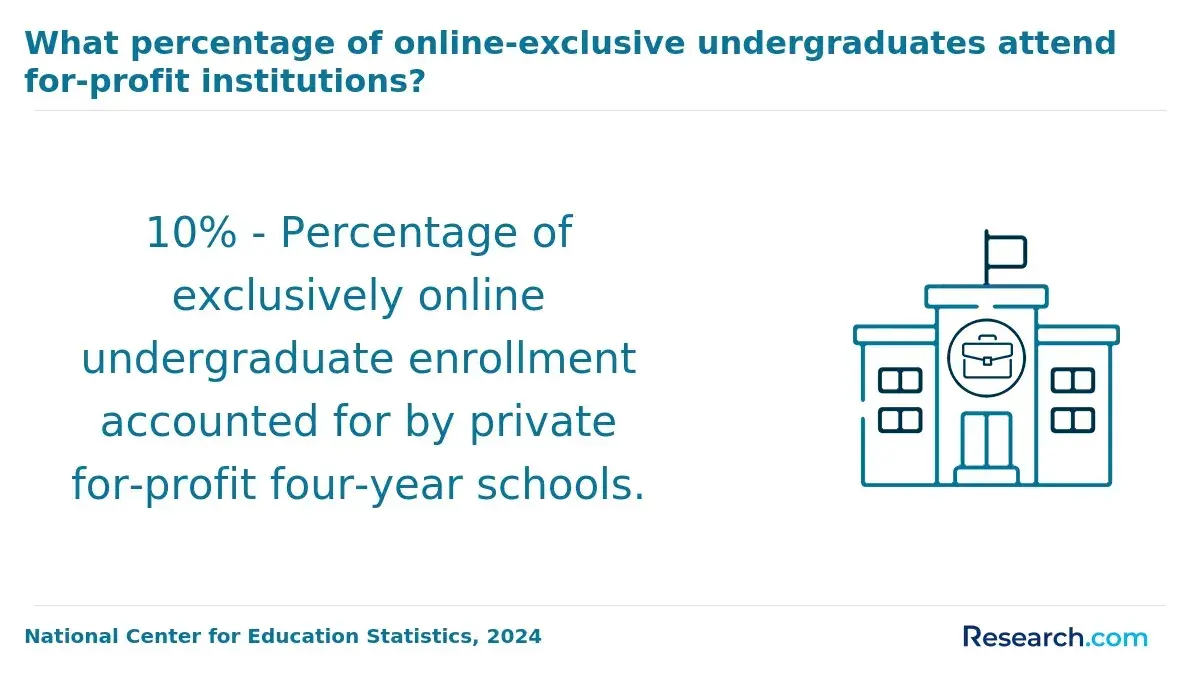
Engineering management degree programs are undergoing substantial redesigns to integrate artificial intelligence concepts within their curricula, reflecting the shift in industry expectations. According to a 2024 National Center for Education Statistics report, over 65% of these programs have updated coursework to embed AI-related content, prioritizing not just technical proficiency but the leadership capabilities necessary to guide AI-driven teams.
For instance, graduates increasingly need to navigate complex dynamics like overseeing automated production systems or managing software lifecycles enhanced by machine learning, requiring a combination of traditional engineering fundamentals and new data science knowledge. Institutions are balancing the incorporation of AI topics with maintaining core engineering management teachings through interdisciplinary coursework, ethical AI considerations, and practical, experiential learning opportunities such as internships and real-world case studies.
A 2024 survey by the American Society for Engineering Education found that 72% of graduates specializing in AI-related engineering management roles secured employment within six months, indicating strong market demand for these adapted skill sets. Yet, integrating AI also presents challenges, including the need for continuous curriculum revisions and faculty development to keep pace with evolving technologies, underscoring the importance of lifelong learning as a critical factor for students planning long-term careers in this dynamic environment.
Which Industries Are Changing Hiring Expectations Most for Engineering Management Graduates?
Industries vary widely in how quickly they integrate artificial intelligence, which leads to divergent expectations for engineering management graduates. Some sectors have accelerated AI adoption because their business models and operational processes benefit directly from automation, data analytics, and AI-driven strategies. Others progress more cautiously due to regulatory complexity, legacy systems, or workforce composition, creating distinct hiring priorities.
For students and recent graduates comparing career paths, understanding these differences is crucial to tailoring skills and positioning themselves effectively. One may find, for example, that a role in healthcare demands more knowledge of AI compliance and ethics, while technology firms emphasize direct AI project leadership. Below are five industries undergoing the most rapid shifts in hiring criteria due to AI and related technologies.
- Technology Sector: AI implementation and machine learning management are redefining leadership roles here. Engineering management graduates must navigate complex technical teams, oversee data-driven project delivery, and remain agile amid fast innovation cycles. A 2024 World Economic Forum report notes technology leads in AI workforce transformation, expecting graduates to bring not just managerial acumen but also strong technical fluency.
- Manufacturing Industry: The rise of Industry 4.0 compels managers to integrate AI-enabled automation, predictive maintenance, and digital twin technologies into production processes. Employers favor candidates adept at blending traditional operational knowledge with AI deployment skills to optimize smart factory environments and enhance supply chain responsiveness.
- Healthcare Field: AI's increasing role in diagnostics, patient monitoring, and personalized medicine introduces regulatory and ethical complexities. Hiring now prioritizes managers who can lead interdisciplinary teams navigating AI compliance, data privacy, and innovation, combining leadership with a nuanced understanding of healthcare-specific AI applications.
- Finance Sector: With AI critical to fraud detection, algorithmic trading, and risk modeling, financial institutions seek engineering management graduates who balance strategic oversight with AI literacy. The sector's 2024 hiring data reflects a premium on hybrid skills enabling digital transformation while safeguarding regulatory adherence.
- Energy and Automotive: Sustainability goals and autonomous system development are reshaping these industries. Employers value candidates capable of guiding AI integration that advances environmental objectives and autonomy, requiring a blend of technical savvy, strategic foresight, and sector-specific knowledge to manage cutting-edge projects.
An engineering management graduate shared how weighing career options highlighted these sector differences. While exploring roles, she noticed that a technology company emphasized hands-on AI project coordination, expecting immediate fluency in machine learning tools. Meanwhile, a healthcare firm focused more on her ability to steer AI adoption through compliance hurdles and coordinate diverse expert teams.
Facing the choice, she felt the tension between leveraging her technical skills and developing broader management proficiencies that reconcile AI innovation with ethical and regulatory demands. This nuanced understanding ultimately eased her decision to pursue healthcare, where she saw a growing need for managers who can bridge technology and policy.
How Is AI Changing Career Growth for Engineering Management Professionals?
The pace at which artificial intelligence (AI) is adopted varies significantly across industries, resulting in divergent hiring expectations for engineering management graduates. Industries with complex, data-intensive operations or those facing fierce innovation pressures tend to integrate AI more rapidly, compelling employers to seek candidates with hybrid technical and leadership skills.
On the other hand, sectors with slower digital transformation timelines maintain more traditional criteria. Understanding these nuances helps prospective students and early-career professionals prioritize skill development to remain competitive. Below are some of the industries changing their hiring expectations most notably in response to AI and related technological advancements.
- Technology and Software: This industry leads in AI adoption, requiring engineering management graduates to demonstrate strong competencies in machine learning integration, automation frameworks, and agile project leadership. Employers increasingly value candidates who can balance rapid development cycles with strategic AI-driven decision-making.
- Manufacturing and Industrial: AI-powered predictive analytics and robotics are transforming manufacturing processes. Graduates must understand AI's role in optimizing supply chains and resource allocation, along with proficiency in change management to implement these innovations smoothly.
- Healthcare and Biotechnology: With AI enabling personalized medicine and complex data analysis, engineering managers in this sector need to navigate regulatory constraints while leading teams that merge clinical expertise with AI capabilities. Ethical deployment of AI is also critical here.
- Finance and Insurance: The finance sector uses AI for risk modeling, fraud detection, and automated advisory services. Hiring expectations emphasize data science literacy combined with leadership skills that can manage hybrid human-AI teams under strict compliance regimes.
- Energy and Utilities: Engineering management roles in this industry demand skills in AI-driven asset management and sustainable energy optimization. Professionals must integrate AI solutions that align with regulatory standards and societal expectations for responsible innovation.
Recent data from the World Economic Forum highlights that over 60% of engineering roles now require AI proficiency, illustrating the core impact of AI on engineering management careers. Early-career professionals should leverage continuous learning opportunities, including AI-focused certifications and specialized curricula, to enhance strategic thinking and project execution.
For those balancing education with other commitments, choosing the best online college for military students can provide flexible pathways to gain these competitive skills in engineering management focused on AI integration.
How Should Engineering Management Students Prepare for AI-Driven Hiring?
Preparing for AI-driven hiring requires more than just earning an engineering management degree; it demands a fusion of technical expertise, AI fluency, and essential human skills. As AI increasingly automates routine tasks, employers seek candidates who can interpret AI outputs, lead cross-functional teams, and maintain ethical oversight.
According to the World Economic Forum's 2024 report, over 60% of firms now prioritize AI integration and data analytics abilities alongside leadership qualities. The following strategies can help engineering management students develop a competitive edge for this evolving job market.
- Expand AI Technical Skills: Gaining proficiency in AI-driven tools and automation processes is critical. Students should engage with courses and projects that emphasize machine learning and data analytics to manage AI-enabled workflows effectively.
- Develop Leadership Agility: Employers now value the ability to lead diverse teams through rapid change. Strengthening emotional intelligence and practicing adaptive problem-solving equips students to navigate complexities introduced by AI adoption.
- Pursue Hands-On Experience: Practical internships or projects involving AI applications provide real-world insights and distinguish candidates. This exposure helps students translate theoretical knowledge into impactful engineering management decisions.
- Master AI Ethics and Compliance: With rising regulatory scrutiny, understanding ethical AI use and data privacy is vital. Students should integrate these topics into their curricula to anticipate legal challenges and uphold industry standards.
- Enhance Cross-Functional Collaboration: The future workplace requires seamless teamwork across disciplines. Building skills to communicate effectively with AI specialists, engineers, and business leaders enhances project success and innovation.
Students pursuing an online master's degree in human resource management can also gain valuable insights into managing AI-driven workforce transformations relevant to engineering management roles. A recent National Science Foundation study underscores this blend of technical and interpersonal skills as crucial for Preparing Engineering Management graduates for AI hiring, emphasizing that technical know-how alone will no longer suffice.
How Should Students Choose a Engineering Management Program for the AI Era?
Choosing an engineering management program today requires assessing more than reputation or tuition-students must verify how effectively a curriculum equips them for emerging AI-driven workplace challenges. Traditional program strengths like project management remain valuable, but the rapid integration of AI demands a new blend of technical savvy and leadership skills.
For instance, a graduate managing a production team deploying AI-powered automation must balance ethical considerations with operational efficiency. Evaluating programs through this lens reveals which provide lasting career advantage. Key factors include:
- AI Curriculum Integration: Programs should embed AI ethics, machine learning basics, and data analytics alongside core engineering management topics to meet evolving employer expectations based on the 2024 National Center for Education Statistics report.
- Leadership and Soft Skills: Graduates need training in ethical decision-making and cross-functional communication, as highlighted by the 2024 AACSB survey, to lead diverse teams effectively in AI contexts.
- Applied Learning Opportunities: Access to AI labs, simulations, or industry partnerships sharpens practical skills critical for managing AI-driven projects in real environments.
- Curriculum Flexibility: Modular or certificate options help students adapt swiftly as AI technologies and workplace demands evolve.
- Alignment With Industry Standards: Programs must continuously update content to mirror the latest AI advancements and employer priorities, ensuring graduate competitiveness over time.
References
- AI/ML Engineering Hiring Guide for Product Teams | Hyperion360 https://hyperion360.com/industries/ai-ml/
- The AI Skills Employers Are Looking for in 2026 https://www.calmu.edu/the-ai-skills-employers-are-looking-for-in-2026
- Impact of Artificial Intelligence in Engineering: An Engineer's Friend or Foe? | Carbon60 https://www.carbon60global.com/blog/impact-of-artificial-intelligence-in-engineering-an-engineer-s-friend-or-foe
- Which AI skills do employers want in 2025? https://shecancode.io/which-ai-skills-do-employers-want-in-2025/
- AI Engineer Hiring Guide https://anthropos.work/hire-ai-engineer/
- AI Skills in Demand for Career Growth - MIA Digital University https://miauniversity.com/ai-skills-in-demand-for-career-growth/
- The Impact of AI on Engineering Jobs - Intuit Blog https://www.intuit.com/blog/innovative-thinking/ai-impact-engineering-jobs/
- How to Become anAI Engineering Manager https://zenvanriel.com/job/how-to-become-ai-engineering-manager/
- The Future of Engineering Management: How AI Is Changing the Game | Toptal® https://www.toptal.com/external-blogs/adeva/ai-impact-engineering-management
- AI impact on engineering roles and hiring practices https://onthespotdev.com/post/ai-impact-on-developers-and-hiring
Other Things You Should Know About Engineering Management
While AI-related technical skills are increasingly valued, most employers still prioritize proven leadership and strategic decision-making capabilities. Candidates lacking in real-world team management or project delivery experience risk being overlooked despite strong AI competencies. Graduates should therefore focus on integrating AI knowledge with tangible leadership outcomes rather than substituting managerial experience with purely technical skills.
Employers often expect early-career hires to not only manage teams but also to stay current on AI tool adoption and process automation. This dual demand can increase workload complexity significantly, creating a tradeoff between managing personnel and mastering technical oversight. Graduates should be prepared for continuous learning and adapting to technology shifts, but must also advocate for workload balance to avoid burnout.
Broad managerial skills remain the foundation, but selective AI certifications tied directly to project management and decision-making tools can enhance a candidate's appeal. Over-investing in narrow AI expertise without strengthening negotiation, resource planning, and organizational leadership may limit career advancement. Prioritize certifications that complement your management toolkit rather than those that replace core leadership competencies.
AI-based screening tools can unintentionally reinforce existing biases by favoring candidates with conventional profiles or backgrounds, potentially narrowing diversity in hiring pools. Engineering management graduates should be aware that relying solely on automated systems might exclude diverse experiences that don't fit traditional algorithms. Advocating for hybrid evaluation methods combining AI tools with human judgment is critical to maintaining diverse talent pipelines.