2027 Crime Analysis Degree Enrollment Trends by Age Group: Traditional Students vs Adult Learners

Co-Founder and Chief Data Scientist
The demand for crime analysis professionals has surged alongside an 18% projected workforce growth through 2030, reflecting the field's expanding role in evidence-based policing and intelligence operations. Enrollment patterns in crime analysis degree programs reveal distinct motivations between traditional-age students and adult learners. Younger enrollees often pursue these programs to meet emergent credentialing requirements, positioning themselves for entry-level analyst roles amid employer preference for technical proficiency. In contrast, adult learners frequently seek career transitions or upskill in response to economic shifts or agency promotions. This age distribution underscores evolving educational access and signals a maturing profession adapting to diverse pathways and labor market pressures.
Key Things to Know About Crime Analysis Degree Enrollment Trends by Age Group
- Traditional students aged 18-24 dominate enrollment, but the delayed labor market entry caused by education prioritization can hinder early career accumulation in crime analysis roles.
- Adult learners enrolling after age 30 often face tradeoffs between work commitments and study intensity, impacting the depth of skill acquisition despite benefiting from relevant field experience.
- Employers increasingly value practical experience alongside academic credentials, meaning younger students might need internships, while older enrollees leverage workforce history for competitive advantage.
- Key Things to Know About Crime Analysis Degree Enrollment Trends by Age Group Key Things to Know About Crime Analysis Degree Enrollment Trends by Age Group
- Which Age Groups Represent the Largest Share of Crime Analysis Students? Students by Age Group
- Why Do Traditional Students Choose Crime Analysis Degree Programs? Traditional Students
- Why Do Adult Learners Return to School for a Crime Analysis Degree? Adult Learners
- How Do Academic Goals Vary Between Younger and Older Crime Analysis Students? Academic Goals by Age Group
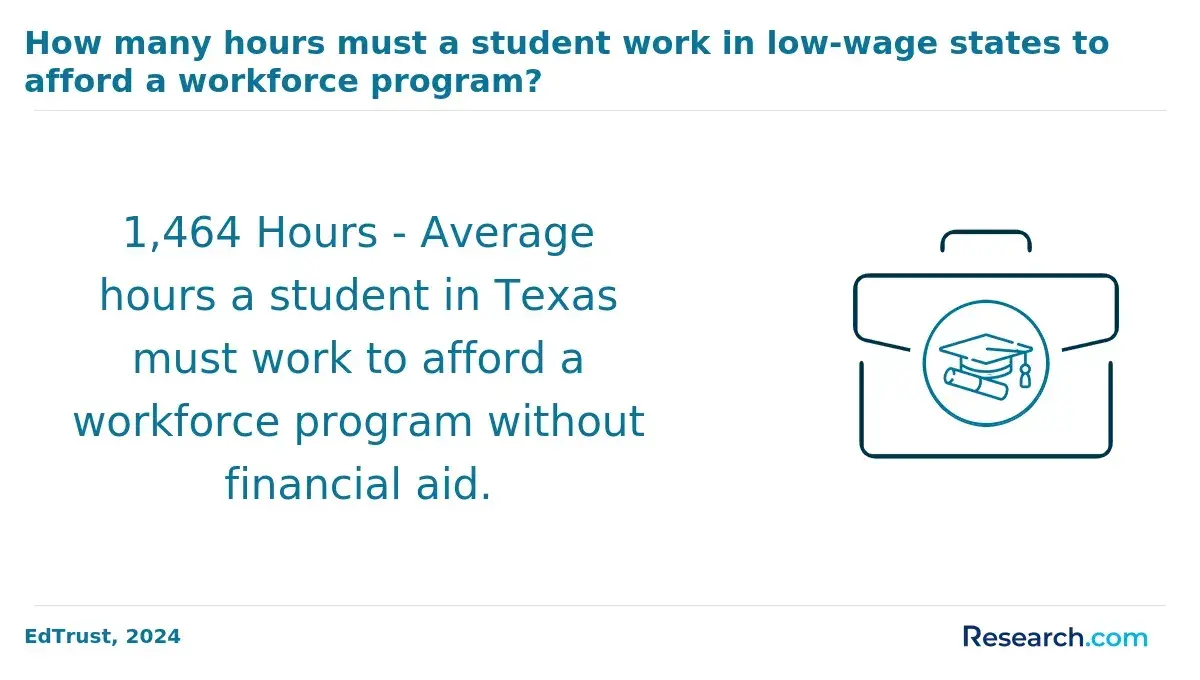
- How Do Financial Concerns Differ Between Traditional Students and Adult Learners? Financial Concerns by Age Group
- What Challenges Do Adult Learners and Traditional Students Face While Earning a Crime Analysis Degree? Student Challenges by Age Group
- How Does Age Affect Crime Analysis Degree Student Retention? Age and Student Retention
- Which Crime Analysis Specializations Are Most Popular Among Adult Learners? Top Specializations for Adult Learners
- How Does Age Affect Job Opportunities for Crime Analysis Graduates? Impact of Age in Job Opportunities
- What Do Current Crime Analysis Enrollment Trends Reveal About Future Demand? Future Demand
Which Age Groups Represent the Largest Share of Crime Analysis Students?
Crime analysis programs attract a diverse range of students spanning multiple life stages, yet enrollment tends to concentrate within certain age groups shaped by career timing, financial capacity, and access to educational options. This age distribution reveals workforce engagement patterns and higher education structures more than mere academic inclination. Understanding these dynamics illuminates how program participation aligns with broader labor market trends and shifting learner needs.
- Ages 18-24: Representing the largest share, these traditional college-age students often enter crime analysis degree programs soon after secondary education, driven by early professional goals or interest in public safety fields. Their enrollment typically aligns with more extensive campus resources and a longer horizon to develop foundational skills, though they may face employment uncertainty due to limited work experience.
- Ages 25-34: This cohort includes many adult learners balancing work and family commitments who often pursue crime analysis degrees to pivot careers or enhance qualifications. Their enrollment reflects a pragmatic approach, favoring flexible formats such as online or part-time options that accommodate their responsibilities while responding to evolving workforce demands.
- Ages 35-44: Adult learners in this group often integrate crime analysis education with targeted professional development, leveraging substantial work experience. Their focused enrollment growth signals a demand for credentials supporting career advancement within law enforcement and intelligence sectors amid changing job expectations.
- Ages 45 and older: While representing a smaller proportion, this segment increasingly pursues crime analysis study to facilitate second-career transitions or maintain relevance in dynamic fields. Their decisions balance immediate financial considerations against long-term benefits, underscoring the importance of accessible, adaptable program structures.
These enrollment patterns also mirror broader adult education trends highlighted by the National Center for Education Statistics, which documents growing participation among non-traditional students. Such demographics stress the import of programs tailored to varied learner profiles, including those seen in PharmD online programs and related fields.
Overall, the prominence of particular age groups within crime analysis degree programs illustrates how workforce entry stages, vocational shifts, and education system flexibility converge to shape who enrolls and when. Prospective students should weigh these factors carefully, recognizing how their age and life circumstances influence the suitability and impact of their educational pathway.
Why Do Traditional Students Choose Crime Analysis Degree Programs?
Traditional students frequently select crime analysis degree programs driven by a blend of academic curiosity and strategic early career planning. These students often recognize the degree's signaling value in public sector employment, where clear competency frameworks closely align with law enforcement certification standards. Their decisions are shaped by the intent to engage with data-driven methodologies and analytical problem-solving early on, which positions them competitively in a labor market increasingly reliant on technology and structured, STEM-adjacent skill sets. According to 2024 data from the National Center for Education Statistics, 42% of new enrollees in criminal justice fields prioritize programs that offer direct pathways to public sector roles, underscoring a pragmatic commitment to education-to-career alignment typical among traditional cohorts focused on timely workforce entry.
Beyond intrinsic interest, traditional students' enrollment in crime analysis programs is significantly influenced by structured recruitment efforts, targeted academic advising, and exposure to relevant coursework through secondary education or early college curricula. Many universities design their degree pathways to facilitate streamlined transitions from exploratory studies to specialized internship placements, leveraging local law enforcement partnerships to convey job market stability and tangible career outcomes. Guidance counselors and institutional outreach frequently emphasize the societal impact and relative job security of crime analysis roles, a message that resonates with students evaluating their education investment amid fluctuating economic conditions. For those balancing commitments or seeking flexible pacing options, online college classes at your own pace enhance accessibility, further broadening program appeal for traditional students navigating diverse academic and personal priorities.

Why Do Adult Learners Return to School for a Crime Analysis Degree?
Adult learners often pursue a crime analysis degree to strategically shift their career trajectory, whether to secure advancement within law enforcement or transition from adjacent fields like security or social services. This pathway reflects a calculated response to credential inflation and the increasingly technical demands of the profession, where analytical expertise and proficiency with data-driven tools become prerequisites for specialized roles. According to a 2024 report from the Bureau of Labor Statistics, employment in criminal analysis is expected to grow by 12% over the next decade, underscoring the sector's expanding opportunities and motivating adults to invest time and resources into upskilling for better wage prospects and job stability.
Critical to this trend are evolving employer expectations and program accessibility. Many public safety agencies now emphasize a blend of formal qualifications and practical experience, pressuring workers to acquire updated skills in crime-mapping software and statistical techniques. The rise of online and hybrid degree formats provides essential flexibility, allowing working adults to balance training with existing job and family commitments. Additionally, employer-sponsored tuition assistance and workforce development initiatives increasingly reduce financial barriers, further encouraging adult enrollment as a pragmatic approach to maintaining relevance amid shifting organizational priorities and technological complexity.
How Do Academic Goals Vary Between Younger and Older Crime Analysis Students?
Traditional-age crime analysis students, generally those between 18 and 24, often approach their education with exploratory objectives focused on building a broad knowledge base and acquiring foundational skills critical to entry-level law enforcement or investigative roles. Their academic plans tend to emphasize completing degree requirements efficiently, seeking internships, and mastering theoretical frameworks that prepare them for immediate workforce entry or further graduate study. This cohort typically lacks extensive prior work experience, which shapes their preference for structured, full-time programs designed around quick credential acquisition. A 2024 report from the National Center for Education Statistics indicates that a significant proportion of these younger students prioritize gaining practical experience to secure initial employment within criminal justice agencies.
In contrast, older crime analysis students usually bring professional experience that informs more targeted academic goals centered on specialized skill development, credentialing, and flexible learning schedules that accommodate existing work and family commitments. Their studies often aim to facilitate promotion, lateral career transitions, or mastery of emerging analytical technologies critical for supervisory or specialist roles. This focus on applied outcomes aligns with data from the Bureau of Justice Statistics showing that 68% of adult learners pursue their degrees primarily to enhance career prospects rather than immediate entry-level employment. The adult learner's balancing act between education, work, and personal obligations leads to a preference for part-time, evening, or online formats that support incremental progress aligned with long-term professional planning.
One adult learner recounted the challenge of applying for crime analysis programs during rolling admissions while working full-time in a related but non-analytical role. They hesitated initially, unsure if taking time off to study was feasible, but strategic advice to submit early bolstered their confidence. Delays in decision-making introduced stress, but once enrolled in an online evening program, they appreciated the adaptability that allowed steady credentialing without sacrificing income or family time, a tradeoff they had debated extensively before committing.
How Do Financial Concerns Differ Between Traditional Students and Adult Learners?
Traditional students pursuing a crime analysis degree primarily depend on family support, scholarships, or federal student loans to finance their education, which frames their financial concerns through the lens of tuition affordability and manageable long-term debt. According to the National Center for Education Statistics, around 68% of these students rely partly on financial aid, easing immediate costs but often creating debt burdens that require careful consideration of repayment timelines and career earnings potential. This financial model suits students aged 18 to 24 who generally have fewer financial obligations outside education, though they must weigh how student loans might impact post-graduation economic mobility. Such financial challenges for traditional crime analysis students influence their preference for programs with accessible upfront aid or accelerated pathways that limit cumulative debt.
Adult learners face a distinctly different financial calculus when funding a crime analysis degree, balancing ongoing employment, family duties, and reduced leisure for studies. They often self-finance or resort to private loans that carry less favorable terms, compounded by opportunity costs like lost wages from cutting work hours or foregoing promotions. The 2024 Lumina Foundation highlights that about 55% of adult learners return to school without traditional financial aid, intensifying out-of-pocket expenses and complex budgeting needs. Many adult learners assess employer tuition assistance and flexibility options carefully, considering how they can maintain income streams while managing the extensive financial obligations that come with household responsibilities, shaping a markedly different education funding dynamic.
These financial disparities shape distinct enrollment patterns and program choices between traditional students and adult learners. While younger students might opt for full-time, on-campus programs supported by campus resources, adult learners often prefer part-time or online formats to sustain employment, despite potentially longer times to completion. This pragmatic approach factors into long-term return on investment calculations, where balancing immediate financial strain against potential career advancement or requalification plays a central role. For those comparing costs or delivery models, exploring alternatives such as online radiology tech programs can offer insight into how flexible educational pathways expand access while navigating real-world financial constraints.
What Challenges Do Adult Learners and Traditional Students Face While Earning a Crime Analysis Degree?
Traditional students pursuing a crime analysis degree often face challenges centered on adapting to the academic environment and managing newly autonomous learning demands. Many are transitioning from structured high school settings to programs that emphasize independent research, technical proficiency, and theoretical frameworks. Time management becomes a critical hurdle, especially balancing class schedules with social obligations, with a 2024 National Center for Education Statistics report finding that nearly 40% of traditional undergraduates identify this balance as a primary source of stress. Additionally, these students typically encounter difficulties bridging academic theory and employer expectations for applied skills, creating pressure to quickly develop practical problem-solving abilities alongside foundational knowledge.
Adult learners navigating crime analysis studies confront a distinctly complex set of obstacles shaped by simultaneous personal and professional responsibilities. Over half of adult students in this field report time constraints as their most significant barrier, as documented by a 2024 Council for Adult and Experiential Learning study, underscoring the need to juggle full-time employment, family care, and academic work. Returning to formal education after a hiatus often requires refreshing technical skills, particularly in data analysis and digital tools essential to the discipline, which can prolong their path to completion. Financial pressures also weigh differently on this group; rather than relying on loans, many adults utilize savings or employer tuition support but may be hesitant to incur additional debt due to existing financial obligations.
How Does Age Affect Crime Analysis Degree Student Retention?
Traditional crime analysis students, typically aged 18 to 24, often grapple with retention challenges tied to adapting to academic rigor and sustaining motivation during their initial college years. Many face adjustment hurdles as they transition from structured high school environments to more self-directed college settings, where early engagement and time management become critical. This group generally benefits from campus-based resources, peer networks, and defined academic timelines that support persistence, contributing to retention rates near 80% within the first year, according to the National Center for Education Statistics (2024). However, the variability in initial commitment and exploration of career options can temporarily disrupt their continuous enrollment.
By contrast, adult learners pursuing crime analysis degrees usually demonstrate stronger clarity in their academic purpose, often driven by specific career objectives or advancement needs, which enhances their commitment. Nonetheless, their retention is frequently hindered by competing demands like employment, family responsibilities, and financial limitations, causing more pauses or withdrawals despite motivation. Data from the National Center for Education Statistics (2024) reflect retention closer to 68% for this group, underscoring the influence of external pressures rather than ability. Educational programs that offer flexible scheduling, online options, and recognition of prior work experience can mitigate these barriers and support persistence among adult students balancing complex life circumstances.
A recent graduate recalling their enrollment journey noted that during the rolling admissions period, uncertainty about job stability delayed their application despite keen interest. They hesitated to commit knowing that work demands might interfere with coursework, ultimately submitting materials just before the deadline after securing more predictable hours. They described that this timing created both anxiety and relief, as it underscored the precarious balance between readiness and opportunity central to adult learner retention in crime analysis programs.
Which Crime Analysis Specializations Are Most Popular Among Adult Learners?
Adult learners in crime analysis programs often select specializations that directly enhance employability and align with their existing professional experience or transition goals. These students typically prioritize fields offering tangible skills and market relevance, facilitating salary growth or upward mobility within law enforcement or related sectors. The focus is usually on skillsets that can either upgrade current roles or enable shifts into high-demand areas, reflecting an education-to-employment mindset more pronounced than among traditional students.
A 2024 Bureau of Justice Statistics report found that adult learners enrolling in digital forensics tracks outnumber traditional students by 20%, underscoring this specialization's appeal for those aiming to capitalize on expanding cybercrime investigations.
- Digital forensics: Widely favored by those with some law enforcement background seeking to specialize in cybercrime evidence collection and investigation. This field offers up-to-date technical skills that respond to evolving threats, providing a clear pathway to roles with increased responsibility and pay.
- Intelligence analysis: Attracts learners with prior experience in criminal justice or public administration who want to deepen their capability in interpreting crime data for strategic decision-making. The specialization often enables professionals to move into supervisory or policy advisory positions.
- Geographic information systems (GIS) in crime mapping: Appeals to those interested in applying spatial analysis to optimize resource deployment and community policing. The technical nature of GIS resonates with adult learners aiming to complement operational roles with data-driven insights.
- Cybersecurity fundamentals: Increasingly pursued by adult learners transitioning from IT or security backgrounds to crime analysis sectors, this specialization supports bridging the gap between traditional cyber defense and law enforcement investigative functions.
- Forensic psychology: Chosen by professionals intending to integrate psychological profiling or behavioral analysis into crime-solving workflows, often enhancing multidisciplinary approaches in investigative teams.
Adult learners' enrollment patterns in crime analysis specialization trends for adult learners reflect a deliberate selection of programs with immediate practical value and alignment with employer expectations. The preference for specializations that marry technical expertise with actionable intelligence supports career reinvention while maintaining a foundation in familiar professional domains. Compared to traditional students, adult learners often seek specializations that can accommodate their work schedules and expedite workforce re-entry or advancement.
Individuals evaluating different criminal justice educational pathways might also consider programs with delivery formats compatible with working professionals, similar to those found in fastest RN to BSN offerings, which emphasize accelerated, flexible learning designed for adult students balancing career and education.
How Does Age Affect Job Opportunities for Crime Analysis Graduates?
Younger crime analysis graduates, typically traditional students aged 18 to 24, often encounter job opportunities concentrated in entry-level roles that value flexibility and immediate availability. These candidates tend to benefit from structured internship programs and campus recruitment pipelines designed to funnel fresh graduates into the workforce efficiently. However, their generally limited professional networks and practical experience can constrain early career positioning, especially in a field where employer preferences weigh heavily on demonstrated critical thinking and justice system familiarity. This dynamic shapes the career prospects for crime analysis graduates by age and underscores the importance of early exposure to applied work environments in navigating job market trends for crime analysis professionals.
In contrast, adult learners age 25 and older frequently leverage diverse prior work and life experience to meet employer expectations for mature candidates with transferable skills. These graduates often pursue the degree as a career transition, aiming to supplement existing capabilities with analytical expertise relevant to crime analysis roles. While some employers may show age-related biases, favoring younger candidates for perceived longer-term tenure, a 2024 U.S. Bureau of Labor Statistics report finds adult graduates in analytical fields have a 15% higher likelihood of securing employment aligned with their degree within the first year. This suggests that practical adaptability and problem-solving skills significantly influence hiring decisions. For those evaluating educational pathways, integrating continuous professional development remains essential regardless of age, as demonstrated by the value of flexible options such as an online forensic psychology masters program that complements workforce demands and evolving sector standards.
What Do Current Crime Analysis Enrollment Trends Reveal About Future Demand?
Recent shifts in enrollment in crime analysis degree programs reveal changing perceptions of career value and educational accessibility within this field. Traditional students, typically aged 18 to 24, often enroll soon after high school, reflecting steady interest in crime analysis as a foundational career path. Meanwhile, increased participation from adult learners balancing professional roles indicates a growing emphasis on upskilling and specialization. The rise of flexible and online program options also demonstrates adaptation to diverse student needs, suggesting that educational institutions are responding to evolving demand rather than just expanding volume.
These enrollment patterns correspond with broader labor market signals, including a projected 14% growth in crime analysis-related occupations over the next decade, as reported by the Bureau of Labor Statistics in 2024. Employer demand for expertise in public safety, cybersecurity, and intelligence analysis incentivizes program growth and curricular specialization. Technological advancements and persistent workforce shortages further accentuate the need for adaptive education models that cultivate both entry-level proficiency and advanced analytical skills. This dynamic interplay between enrollment behavior and labor market evolution offers critical foresight into how crime analysis education will continue to shape and respond to workforce imperatives.
References:
- Adult Postsecondary Learners: Reviewing the Data and Evidence https://www.jff.org/idea/adult-learners/
- Are Younger Generations Committing Less Crime? - Public Policy Institute of California https://www.ppic.org/publication/are-younger-generations-committing-less-crime/
- For Adult Learners, College Means More Than Just Jobs and Wages https://www.higheredtoday.org/2024/11/22/college-means-more-adult-learners/
- Our analysis reports https://www.interpol.int/en/How-we-work/Criminal-intelligence-analysis/Our-analysis-reports
- Adult students present unique challenges for two-year colleges https://www.ruffalonl.com/adult-students-present-unique-challenges-two-year-colleges/
- The education and social care background of young people who interact with the criminal justice system: May 2022 https://www.ons.gov.uk/peoplepopulationandcommunity/educationandchildcare/articles/theeducationandsocialcarebackgroundofyoungpeoplewhointeractwiththecriminaljusticesystem/may2022
- Guide To Criminal Justice Degrees And Majors https://www.criminaljusticedegreeschools.com/degrees/
- 6. Violent offending rates tend to peak in late adolescence or early adulthood | Youth Endowment Fund https://youthendowmentfund.org.uk/reports/key-facts-about-violence/6-violent-offending-rates-tend-to-peak-in-late-adolescence-or-early-adulthood/
- Crime Analysis Degree: Top Schools, Skills You'll Gain, and Career Paths | CJSC https://criminaljusticeschoolscentral.com/degrees/crime-analysis-degree-schools/
- Crime Trends Research - Council on Criminal Justice https://counciloncj.org/category/crime-trends/
Other Things You Should Know About Crime Analysis
Employer expectations often vary by candidate profile, with traditional students frequently competing for entry-level positions where brand-name institutions or well-known programs carry weight. Adult learners may benefit more from program content relevance and practical experience opportunities, as employers value direct application of skills and work history alongside formal education in this group. Therefore, adult learners should prioritize programs with strong ties to law enforcement agencies or applied learning components over purely prestigious institutions, while traditional students might gain from programs with established reputations and alumni networks.
Online programs provide adult learners critical flexibility to integrate studies with busy schedules, but they can reduce direct interaction with faculty and peers, potentially limiting networking and mentorship opportunities that benefit traditional students. Traditional students often gain career momentum from campus resources and live collaboration, which can be diminished in online settings. Adult learners should focus on programs that pair online coursework with real-world practicums or virtual community engagement to mitigate isolation, whereas traditional students might prioritize in-person programs that foster peer connections and immediate access to institutional support.
Traditional students have more time to capitalize on career progression after graduation, making a longer and possibly more expensive degree journey justifiable for higher lifetime earnings. Adult learners generally seek quicker returns and practical skills that translate immediately into promotions or role changes, emphasizing programs with accelerated tracks or certifications that enhance current employment status. Adult learners should often prioritize program efficiency and direct applicability to existing job environments, while traditional students can weigh long-term educational prestige and comprehensive training more heavily in decision-making.