2027 Care Coordination Tuition Inflation Report: How Fast Are Program Costs Rising?

Co-Founder and Chief Data Scientist
The tuition landscape for care coordination programs reflects distinct pressures unlike those in many other academic fields. Growing demands for specialized clinical skills and compliance with evolving licensing standards require intensive training and faculty expertise. Increased investment in technology infrastructure and simulation labs to replicate real-world healthcare settings drives operational costs upward. According to a 2024 report from the National Center for Education Statistics, enrollment in health-related allied programs grew 12% in the past year, intensifying resource needs. Notably, many care coordination students are working adults seeking mid-career transitions, influencing program design and delivery expenses. This report examines such structural factors shaping tuition trends and their implications for the discipline's evolving workforce and educational accessibility.
Key Things to Know About Care Coordination Tuition Inflation
- Tuition for care coordination programs rose an average of 6.8% annually from 2021 to 2024, outpacing general college inflation, forcing students to weigh earlier enrollment against escalating costs.
- Employers increasingly expect candidates to hold specialized credentials; higher tuition often reflects expanded curriculum depth, but this can create barriers for non-traditional students or those balancing work and education.
- Rising program expenses intensify the tradeoff between investing in advanced training and incurring debt, especially as wage growth in related fields lags behind educational cost increases.
- How Much Has Care Coordination Tuition Increased Over the Past Decade? How Much Has Care Coordination Tuition Increased Over the Past Decade?
- How Does Care Coordination Tuition Inflation Compare to Overall Inflation? How Does Care Coordination Tuition Inflation Compare to Overall Inflation?
- Which Types of Schools Have Experienced the Fastest Care Coordination Tuition Growth? Tuition Growth by School Type
- What Factors Are Driving Rising Costs in Care Coordination Degree Programs? Tuition Cost Drivers
- How Does Care Coordination Tuition Growth Vary by State and Region? Tuition Growth by State
- Are Online Care Coordination Programs Becoming More Affordable Than Campus-Based Programs? Online Program Affordability
- How Have Financial Aid and Scholarships Changed as Care Coordination Tuition Has Increased? Impact on Financial Aid and Scholarships
- How Does Rising Care Coordination Tuition Affect Student Debt After Graduation? Impact on Student Debt
- Do Higher-Cost Care Coordination Programs Deliver Better Career Outcomes or Earnings? Impact on Career Outcomes
- What Do Current Tuition Trends Suggest About the Future Cost of a Care Coordination Degree? What Do Current Tuition Trends Suggest About the Future Cost of a Care Coordination Degree?
How Much Has Care Coordination Tuition Increased Over the Past Decade?
Annual tuition for care coordination programs has increased significantly over the last decade, with data from 2024 sources like the National Center for Education Statistics showing rises between 35% and 45% since 2014. Public two-year programs, for instance, have seen median tuition and fees climb from approximately $3,200 to nearly $4,700. Private institutions often report even steeper cost escalations, sometimes exceeding a 50% increase, reflecting a trend notably sharper than general inflation. These regional care coordination program cost trends underline a financial challenge emerging distinctly within this education sector compared to broader higher education pricing patterns.
The primary contributors to these tuition hikes include reduced state funding, increased investments in technology and faculty, and rising demand for skilled healthcare professionals. Institutions face pressure to enhance program quality and comply with evolving accreditation standards, which often means higher operational costs passed to students. Enrollment shifts and the need to integrate practical experience opportunities, widely emphasized by employers alongside formal education credentials, further complicate cost structures. Students weighing a care coordination degree thus encounter a landscape where educational expenses grow faster than many other academic fields, necessitating careful consideration of affordability against emerging workforce demands.
These tuition increases carry significant implications for prospective students, who may face mounting debt burdens without guaranteed proportional gains in starting salaries or benefits in care coordination roles. The cost-benefit balance becomes especially critical as some employers place greater value on certifications and hands-on experience rather than degree credentials alone. For those evaluating options among healthcare administration majors or related pathways, understanding these tuition dynamics helps inform not only program selection but also long-term financial and career planning.
How Does Care Coordination Tuition Inflation Compare to Overall Inflation?
Tuition inflation in care coordination programs has outpaced general consumer price inflation, reflecting a distinct trend within the higher education sector. Data from the U.S. Bureau of Labor Statistics indicates that the Consumer Price Index (CPI) has risen at around 3.4% annually in recent years, whereas tuition rates for specialized health programs-including care coordination-have grown at rates closer to 5% to 7% per year. This divergence highlights how education costs, particularly in health-related fields requiring specialized training, are increasing faster than most household expenses, emphasizing regional higher education tuition growth compared to overall inflation.
The structural drivers behind this gap are multifaceted. Declining public subsidies and state funding for higher education have shifted financial burdens onto tuition fees, while administrative and operational expenses continue to climb. Investments in advanced technology, clinical placements, and enhanced student services aimed at meeting employer expectations for interdisciplinary, hands-on competencies contribute further to rising costs. These factors combine to create an education pricing environment where institutional funding models rely increasingly on tuition revenue, pushing care coordination tuition inflation beyond broader economic inflation trends.
For students, these affordability pressures translate into greater borrowing and financial planning challenges, influencing decisions on program selection and perceived value. The divergence between care coordination tuition inflation trends versus general inflation rates demands careful assessment of return on investment, especially given the specialized skills these programs deliver in an increasingly competitive job market. Prospective learners must weigh rising costs against long-term employability outcomes, balancing educational aspirations with the practical realities of economic sustainability and debt management, as illustrated by the documented cost of RN to BSN programs.
Which Types of Schools Have Experienced the Fastest Care Coordination Tuition Growth?
Tuition growth rates for care coordination programs differ markedly based on institutional type, funding mechanisms, and program delivery approaches. These variations reflect deeper financial models, enrollment dynamics, and operational priorities that shape how schools price their offerings. Thoroughly understanding these structural factors enables prospective students and analysts to better assess cost trajectories and program value across diverse educational settings.
- Private Nonprofit Universities: Often facing fewer state subsidies, private nonprofits have relied heavily on tuition revenue to sustain program expansion and specialized faculty recruitment. This revenue dependence, combined with investments in high-demand program features, drives tuition growth rates higher than average, with recent data showing around 6.2% annual increases in care coordination programs.
- Public Universities: Typically supported by state funding, these institutions experience more moderate tuition inflation, around 3.5% annually, reflecting constrained budgets and legislative oversight. However, growing enrollment demand and reduced state appropriations in some regions have pressured public universities to hike tuition gradually, though not as steeply as private counterparts.
- For-Profit Institutions: Characterized by market-responsive pricing and aggressive program marketing, for-profits often adjust tuition to maximize short-term enrollment and revenues. Nonetheless, regulatory scrutiny and competition have capped excessive tuition growth, resulting in variable but generally moderate price increases in care coordination education.
- Research-Intensive Universities: With extensive resource requirements for faculty, technology, and clinical partnerships, these universities sometimes apply premium pricing to professional programs like care coordination. Their tuition growth reflects both program specialization costs and a strategic choice to maintain institutional prestige, contributing to moderately high but selective tuition increases.
- Regional Colleges and Community Colleges: Focused on affordability and local workforce needs, these institutions usually keep tuition increases minimal. They often offer certificate and associate-level care coordination programs that prioritize accessibility over extensive resource investment, which restrains tuition growth despite increasing demand.
- Online Universities: Expanding rapidly due to flexible delivery modes, online providers leverage scalable platforms to control costs. This scalability tends to moderate tuition growth rates, although recent investments in interactive technologies and student support services may incrementally raise prices over time.
What Factors Are Driving Rising Costs in Care Coordination Degree Programs?
Rising costs in care coordination degree programs reflect a complex interplay of institutional funding shifts and economic pressures rather than a single straightforward cause. Public institutions face shrinking state appropriations, increasingly relying on tuition revenue to fill budget gaps, which directly impacts program pricing.
Simultaneously, market-driven demand for faculty with specialized clinical expertise exerts upward pressure on salaries, as these professionals command premiums tied to their critical healthcare experience. In addition, expanding administrative functions-ranging from enhanced student advising to compliance oversight-add layers of cost that are difficult to streamline without reducing service quality. These structural dynamics collectively elevate the baseline expenses institutions must cover to sustain and improve their care coordination offerings.
Further driving tuition growth are substantial investments in digital infrastructure, including simulation labs and electronic health record training platforms, which have become essential for relevant hands-on education. Institutions must balance acquiring and maintaining costly technology against financial constraints, a challenge intensified by inflationary increases in operational spending such as facility maintenance and utilities. According to recent higher education sector analyses, administrative expenses alone have risen by more than 10% within a few years, reflecting a broader trend toward resource intensification in student support services. This evolving cost structure reveals how care coordination programs must navigate funding volatility, labor market realities, and regulatory demands while attempting to maintain accessible tuition levels for a workforce-critical discipline.
A recent graduate recalled the uncertainty experienced during the rolling admissions period for their care coordination program. The candidate hesitated to submit an early application due to concerns about fluctuating tuition projections and program start dates, weighing the risk of locking in a higher cost against potential delays in entry. This timing dilemma underscored the disconnect between administrative timelines and student financial planning, as they eventually expedited their application when incremental cost increases became clearer. Their experience highlights how cost volatility and institutional scheduling intricacies directly influence applicant decisions in real time, beyond abstract tuition figures.
How Does Care Coordination Tuition Growth Vary by State and Region?
Tuition growth for care coordination programs varies significantly across states and regions, shaped by a complex interplay of funding mechanisms, institutional types, and regional economic conditions. Public universities with different structures of state appropriations often see divergent tuition trajectories, with states allocating stable or increasing education budgets suppressing elevated increases, while others compensate for funding shortfalls through tuition hikes. These differences reflect broader economic pressures in the healthcare sector, alongside local workforce demands that influence how institutions price their programs. National data from the National Center for Education Statistics and IPEDS show that tuition growth is notably faster in some regions due to these intersecting financial and labor market factors, illustrating the uneven nature of care coordination tuition growth by state.
Several key drivers explain variation in tuition increases. States with declining state appropriations to public universities often require institutions to bridge budget gaps by raising tuition, especially where cost-of-living is higher. Regions with concentrations of research universities or private institutions tend to experience sharper tuition growth, as these programs invest heavily in faculty expertise, technology, and clinical partnerships vital for maintaining quality and alignment with employer expectations. Additionally, local labor market demands for advanced certifications and practical training raise program costs in high-demand healthcare hubs, compounding tuition pressures. States with more moderate tuition growth often benefit from workforce initiatives emphasizing affordable training and competency-based models suited to working students, though this sometimes limits hands-on clinical opportunities.
These regional differences carry implications beyond price alone. Students facing rapid tuition growth in some states must weigh higher debt burdens against local earning potential, which may not align if graduates relocate to lower-cost areas. Affordability disparities driven by varied state education funding and institutional behaviors influence who can access quality care coordination training, affecting workforce diversity and regional healthcare capacity. Prospective students should consider how these dynamics affect program selection and long-term return on investment, including exploring flexible options like online alternatives or related fields such as ultrasound tech where tuition growth and market demand differ.
Are Online Care Coordination Programs Becoming More Affordable Than Campus-Based Programs?
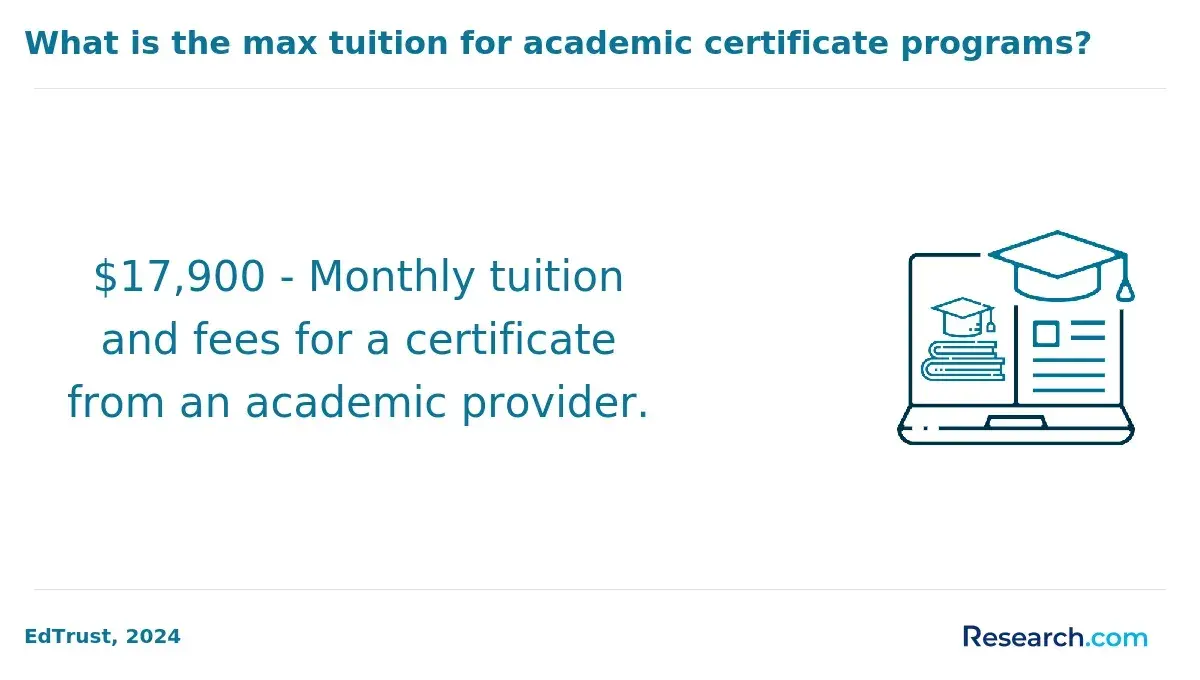
Online care coordination programs are often marketed as more affordable alternatives to traditional campus-based education, generally reflecting a lower advertised tuition, typically 15%-20% less as reported by 2024 Lumina Foundation data. However, this headline figure masks deeper complexities in institutional pricing strategies and cost structures. Unlike campus programs that embed facilities fees and on-site student services into their cost models, online offerings may present a leaner sticker price by shifting expenses toward digital delivery investments and technology infrastructure. Consequently, the apparent tuition savings for online students do not always translate into proportional reductions in total cost of attendance when extended timelines, required technological upgrades, and supplemental fees are considered.
The affordability gap between online and campus-based care coordination programs largely stems from divergent economic models governing physical resources and digital platforms. Campus programs incur substantial maintenance, administrative, and in-person instructional costs but often leverage economies of scale through steady enrollment and bundled services. Online program providers, by contrast, face ongoing expenses tied to advanced learning management systems, specialized faculty training in virtual pedagogy, and dedicated remote student support structures. These investments can necessitate pricing that, while lower per credit hour, may include hidden overheads such as mandatory software purchases or longer program durations due to asynchronous scheduling. The National Center for Education Statistics highlights that these structural differences create variability in actual affordability, with institutional strategies and scalability considerations more influential than format alone.
An online care coordination graduate recounted navigating admissions amid rolling deadlines where the timing of acceptance letters impacted financial planning and course registration. Stressing over the wait, the student balanced the lure of lower advertised online tuition against uncertainty about out-of-pocket expenses like required technology upgrades. This uncertainty prolonged decision-making, underscoring how less transparent cost factors characteristic of online programs affected the overall affordability. Ultimately, the graduate appreciated the flexibility but acknowledged that initial savings were tempered by additional expenditures and administrative delays, illustrating the nuanced financial calculus prospective online learners must perform beyond headline tuition figures.
How Have Financial Aid and Scholarships Changed as Care Coordination Tuition Has Increased?
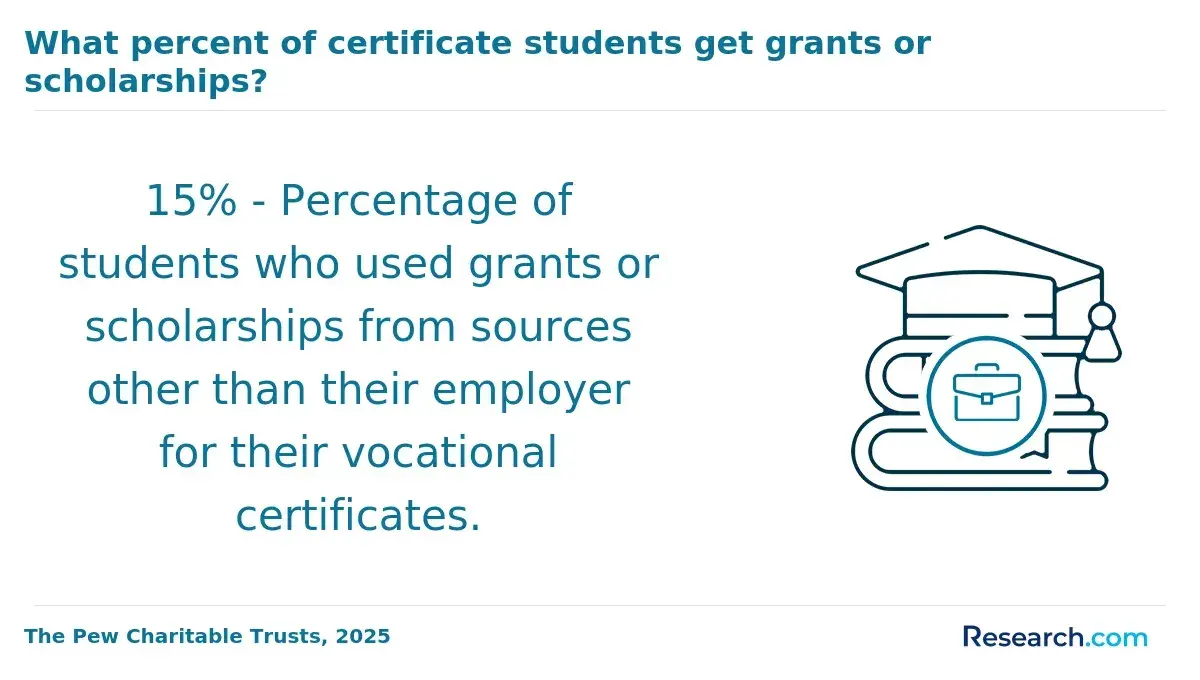
Financial aid and scholarship offerings for care coordination programs have adjusted in varied ways as tuition costs have risen, but these shifts often fall short of offsetting the increasing expense. Institutions have broadened merit-based awards, particularly targeting specialized or accelerated tracks to attract competitive applicants, yet these tend to require sustained academic excellence or strict eligibility conditions, which may exclude many non-traditional students. Meanwhile, need-based aid has increased only modestly, constrained by federal budget limitations and institutional funding priorities, resulting in a financing landscape where grants and scholarships struggle to keep up with inflation in program costs.
Key drivers of these developments include heightened competition among care coordination programs striving to enroll motivated students, alongside changes in government aid frameworks that have not significantly expanded available funds for lower-income learners. Colleges often deploy tuition discounting tactics, favoring merit scholarships as a strategic tool to boost selectivity and program reputation, rather than substantially alleviating net price for the broad student population. According to recent data from the National Postsecondary Student Aid Study and Education Research Institute reports from 2024, these factors contribute to a growing reliance on loan financing as grant funds fail to fully bridge the widening tuition gap.
The interplay of rising tuition and only incremental aid growth has notable implications for accessibility and student debt. Although some programs and employers have introduced tuition assistance benefits, these are often limited to currently employed healthcare workers and may leave significant costs uncovered. The slow pace of need-based aid expansion combined with targeted merit awards results in relatively stable net price levels only for a subset of high-achieving candidates, while many learners face increased borrowings. This dynamic shapes student decision-making by intensifying tradeoffs among affordability, debt accumulation, and the practical return on investment of care coordination education pathways.
How Does Rising Care Coordination Tuition Affect Student Debt After Graduation?
Rising tuition costs for care coordination programs have directly contributed to increasing student borrowing levels, compelling many learners to rely more heavily on loans to finance their education. As tuition escalates, students face a greater need to cover upfront expenses and living costs, pushing loan amounts higher at enrollment. This trend is especially pronounced in longer, specialized care coordination tracks where total program costs accumulate substantially, thus elevating the initial debt burden students carry into repayment phases. These higher borrowing levels result in larger loan balances immediately after graduation, intensifying monthly repayment obligations and extending the timeline required to achieve full loan payoff, which adversely impacts long-term financial stability.
The widening gap between tuition and available financial aid exacerbates this dynamic, as grants and scholarships have not kept pace with program cost increases, thereby shifting more financial responsibility onto students. Pricing disparities between public and private institutions mean students may face vastly different debt levels depending on their program choice, while interest continues to accrue during enrollment periods, inflating loan principal even before repayment begins. Post-graduation income variations across different care coordination roles further complicate repayment, as some graduates encounter underemployment or lower-than-expected starting salaries, limiting their ability to service debt efficiently. This interplay highlights significant financial stress points tied to the long-term financial effects of care coordination program costs on graduates.
These compounded financial pressures influence decisions about program enrollment and career trajectories, often leading students to prioritize affordability or quicker workforce entry over specialization or credentials with higher earning potential. Rising debt burdens can also elevate default risks and increase reliance on income-driven repayment plans or loan forgiveness programs, underscoring systemic challenges within student financing frameworks. For those exploring pathways such as ADN to NP, carefully weighing these trade-offs remains critical to managing debt and maximizing the return on investment in care coordination education.
Do Higher-Cost Care Coordination Programs Deliver Better Career Outcomes or Earnings?
Higher-cost care coordination degree programs do not consistently correlate with superior career outcomes or earnings, indicating that tuition price alone is not a reliable predictor of success. Analyses from government workforce data and independent higher education research in 2024 reveal that while some expensive programs offer advanced training and deeper employer connections, these advantages do not always translate into significantly higher starting salaries or better long-term earnings. For example, a Department of Labor study found median entry-level salaries varied by less than 7% between top-tier and mid-range programs, underscoring the complex relationship between program cost and labor market results.
Several factors besides cost play more decisive roles in determining career success for graduates of care coordination programs. Institutional reputation, access to hands-on clinical internships, specialization depth, and strong employer partnerships all shape employability and earning potential. Geographic location and regional healthcare demand also influence wages and job availability more than initial tuition expenditure. Furthermore, many employers prioritize practical skills and verified certifications over the prestige or expense of the educational institution. These findings caution prospective students to carefully evaluate how specific program resources and alumni networks align with their career goals rather than assuming higher tuition guarantees superior outcomes in care coordination program earnings by institution type.
Students assessing program options should weigh these nuances to optimize their return on investment in education. Evaluating accreditation, curriculum rigor, and clinical internship opportunities is more actionable than focusing solely on price. Research on the easiest NP program pathways illustrates the importance of balancing affordability with practical training requirements. Ultimately, prospective learners must consider long-term career prospects, regional salary trends, and employment demand to make informed decisions that maximize both educational value and workforce readiness.
What Do Current Tuition Trends Suggest About the Future Cost of a Care Coordination Degree?
Current tuition trends indicate that the cost of obtaining a care coordination degree is increasing at a rate above general higher education inflation. Over the past three years, tuition and fees for health-related programs, including care coordination tracks, have risen about 4.5% annually, compared to a broader inflation rate near 3.5%. This persistent gap signals that care coordination programs are likely to become more expensive relative to average college costs, reflecting a structural shift rather than short-term volatility. Such historical growth rates provide a critical baseline for understanding how institutional pricing may evolve under sustained inflation and market pressures.
Several interrelated factors contribute to this upward trajectory. Funding constraints at public and private institutions limit their ability to absorb rising operational costs, pushing tuition upward. Meanwhile, demand for specialized skills in healthcare exerts pressure on programs to invest in updated curricula, technology-enhanced instruction, and smaller practicum cohorts-each carrying additional expense. The growth of online and hybrid education models also plays a role, often increasing per-student delivery costs despite offering flexibility valued by adult learners balancing multiple commitments. These dynamics collectively shape an environment where increased tuition is not only a reflection of broader economic conditions but also of evolving programmatic quality and demand.
For prospective students, rising tuition implies a growing financial commitment, which may impact decisions around borrowing, enrollment timing, and program selection. Adults often face higher out-of-pocket costs signaled by these trends, especially when choosing flexible delivery modes. Understanding these nuanced cost drivers can help students navigate affordability challenges and realistically assess return on investment, including exploring employer support and grants aimed at care coordination workforce development. The tuition data thus functions as a nuanced indicator, projecting steady cost growth shaped by both institutional factors and market demand.
References:
- AI in Care Coordination: How Small Clinics Can Compete with Health Systems https://www.medicalofficeforce.com/ai-in-care-coordination-how-small-clinics-can-compete-with-health-systems/
- 10 care coordination challenges draining your healthcare organization’s ROI and operational efficiency - blueBriX https://bluebrix.health/blogs/care-coordination-challenges-impacting-roi-efficiency
- The cost of college increased by more than 25% in the last 10 years—here's why https://www.cnbc.com/2019/12/13/cost-of-college-increased-by-more-than-25percent-in-the-last-10-years.html
- Why College Is Too Expensive — And How Competition Can Fix It - FREOPP https://freopp.org/whitepapers/why-college-is-too-expensive-and-how-competition-can-fix-it/
- Cancelling Student Debt Would Add to Inflation | Committee for a Responsible Federal Budget https://www.crfb.org/blogs/cancelling-student-debt-would-add-inflation
- Chronic-Care Coordination and Accountable Care Organizations | AARP Policy Book https://policybook.aarp.org/policy-book/health/section-e-infrastructure-health-information-technology-quality-and-spending-introduction/health-care-service-delivery-reform-1
- Care Coordination https://www.cms.gov/priorities/innovation/key-concepts/care-coordination
- How to Achieve Career Growth as a Health Care Coordinator https://sunriseservicesinc.com/health-care-coordinator-career-growth/
- Future Trends in Care Coordination Solutions | Care Coordinations https://carecoordinations.com/blog/future-trends-in-care-coordination-solutions
- College Tuition Inflation [2025]: Rate Increase Statistics https://educationdata.org/college-tuition-inflation-rate
Other Things You Should Know About Care Coordination
Longer programs with heavier workloads often have higher tuition, but the increased time and effort do not always translate to better career advantages in care coordination. Students should prioritize programs that balance manageable coursework with meaningful practical experience, as overly extended programs can delay workforce entry and increase debt without proportional income growth. Assessing whether the curriculum aligns closely with employer demands can help justify paying more for extended studies.
Lower-cost programs may help limit immediate financial strain but sometimes have fewer resources, less robust clinical placements, or limited employer recognition. In a field like care coordination where practical skills and employer networks matter greatly, opting for a cheaper program risks weaker preparation or challenging job placement. Prioritizing programs with demonstrated ties to local healthcare employers can provide better long-term ROI even if tuition is higher.
As tuition rises, many students must increase part-time work hours, which can reduce time available for coursework, clinical practice, and networking-key factors in care coordination success. This tradeoff risks undermining skill development and academic performance. Students should critically evaluate whether their financial needs might compromise educational outcomes, potentially looking to programs with flexible scheduling designed to support working learners.
Since employers increasingly seek candidates with practical experience and up-to-date knowledge of healthcare systems, students should direct tuition investments toward programs emphasizing applied learning and contemporary skills. Investing in programs perceived by employers as rigorous and relevant can enhance job readiness and salary prospects. When tuition inflation pressures budgets, prioritizing quality and employer alignment over cost alone can lead to better employment outcomes.