2027 Care Coordination Salary Trends Report: Are Wages Keeping Up With Tuition and Inflation?

Co-Founder and Chief Data Scientist
Considering enrollment in a care coordination program often begins with weighing future salary prospects against rising tuition fees. A prospective student or recent graduate might question if the financial return from a care coordination degree justifies the growing expense of higher education compounded by inflation. Annual tuition hikes and shifting economic conditions create uncertainty around the actual value of the credential. This makes it critical to analyze how graduate wages align with both education costs and broader economic pressures.
Salary growth, tuition increases, and inflation do not follow parallel trajectories, which complicates straightforward comparisons. Evaluating long-term earning potential requires more than examining starting salaries; it demands understanding how these factors interact over time. This article delves into salary trends, tuition costs, inflation, and their collective impact on the return on investment and affordability of a care coordination degree. It explores key influences shaping the financial value of this educational path.
Key Things to Know About Care Coordination Salary Trends
- Graduate wages in care coordination have risen by just 2.5% annually since 2021, trailing average tuition inflation of 4.2%, signaling diminishing net earnings growth for new graduates.
- Long-term salary gains strongly correlate with acquiring specialized certifications post-degree, emphasizing that initial wages underestimate earning potential without continuous credentialing.
- Rising healthcare system complexity inflates demand for care coordination, but persistent wage stagnation relative to inflation underscores structural constraints on the field's compensation growth.
- Key Things to Know About Care Coordination Salary Trends Key Things to Know About Care Coordination Salary Trends
- What Is the Current Salary Outlook for Care Coordination Graduates? Salary Outlook
- Are Care Coordination Salaries Keeping Up With Inflation? Inflation Impact
- How Do Tuition Costs Compare With Care Coordination Salary Growth? Tuition vs Salary
- Does a Care Coordination Degree Deliver a Positive Return on Investment? Degree ROI
- Which Industries Offer the Highest Salaries for Care Coordination Graduates? Which Industries Offer the Highest Salaries for Care Coordination Graduates?
- Which States and Cities Offer the Highest Pay for Care Coordination Professionals? Which States and Cities Offer the Highest Pay for Care Coordination Professionals?
- How Do Care Coordination Salaries Grow Throughout a Career? Career Growth
- How Do Care Coordination Salaries Compare With Similar Degrees? Salary Comparison
- How Is Employer Demand Affecting Care Coordination Salary Trends? Employer Demand
- How Can Students Maximize Their Lifetime Earnings With a Care Coordination Degree? Maximizing Earnings
What Is the Current Salary Outlook for Care Coordination Graduates?
Care coordination graduate salary trends show a steady but restrained increase, reflecting broader economic pressures rather than rapid wage growth. Median pay for related roles such as medical and health services managers hovers around $104,280 annually, according to 2024 data from the U.S. Bureau of Labor Statistics. Entry-level care coordinators often earn between $45,000 and $58,000, with more experienced professionals in larger healthcare systems or urban settings reaching salaries above $75,000. However, these figures mask the variability caused by location, employer type, and individual qualifications, which can significantly influence earning potential.
Consider two graduates with the same degree: one chooses a position at a small rural clinic earning closer to the typical entry-level salary, while the other pursues opportunities at a major hospital system with additional certifications. Over time, the latter benefits from higher wages and greater job stability, a trajectory highlighted by findings from the Healthcare Financial Management Association emphasizing the value of advanced credentials. Prospective students should view the current wages for care coordination professionals as a starting point, balancing short-term salary realities against long-term growth prospects shaped by job demand and professional development. Those evaluating the return on investment may also explore accelerated medical assistant programs as a complementary pathway to enhance early earnings and hands-on clinical experience.
While inflation and rising tuition costs-estimated to have increased 4.5% annually over recent years-narrow immediate financial gains, wage growth generally aligns with these trends but does not substantially outpace them. This creates a nuanced economic landscape where salary progression depends largely on individual career choices and ongoing education.
Solid job demand coupled with increasing employer preferences for certification suggest potential for income increases, but graduates of online pharmacy school programs should critically assess regional wage disparities and institutional factors when estimating their earning trajectory in care coordination.
Are Care Coordination Salaries Keeping Up With Inflation?
Nominal wage increases for care coordination roles have averaged about 4.1% over the last year, according to 2024 data from the U.S. Bureau of Labor Statistics, yet this growth falls short of inflation measured by the Consumer Price Index, which rose roughly 5.0%. This gap means that despite apparent salary hikes, the actual purchasing power of care coordinators may have slightly eroded. For example, a recent graduate entering a care coordination position with a starting salary just keeping pace with nominal increases might find everyday expenses-such as housing, transportation, and healthcare-becoming relatively more expensive, effectively shrinking their real income compared to the previous year.
The broader challenge is not just wage growth lagging inflation but how these compensation trends align with the rising costs of education itself. For students weighing how much does medical coding pay relative to care coordination, careful consideration of tuition inflation versus wage prospects is vital, as certificate and degree programs often see annual cost increases between 3% and 6%.
This situation complicates decisions for prospective and current students evaluating long-term financial returns. Industry analyses further show that care coordination salary trends versus inflation are influenced by modest budget increases in healthcare organizations and the dual nature of care coordination work, which is sometimes classified as an administrative rather than clinical role, limiting stronger wage growth despite expanded responsibilities. Pursuing RN to BSN no clinicals options may offer another pathway for professionals weighing educational costs against potential career advancement.
While nominal salaries are rising, the steady climb of inflation and education costs means real earnings growth for care coordination professionals remains uncertain, reinforcing the need for a realistic appraisal of long-term earning potential. Awareness of these dynamics can help students and career changers make more informed choices about educational investment and highlight the importance of advocacy for compensation that more closely tracks living costs. In this environment, understanding nuanced tradeoffs between salary trends and inflation becomes essential for managing expectations and planning a sustainable career path.
How Do Tuition Costs Compare With Care Coordination Salary Growth?
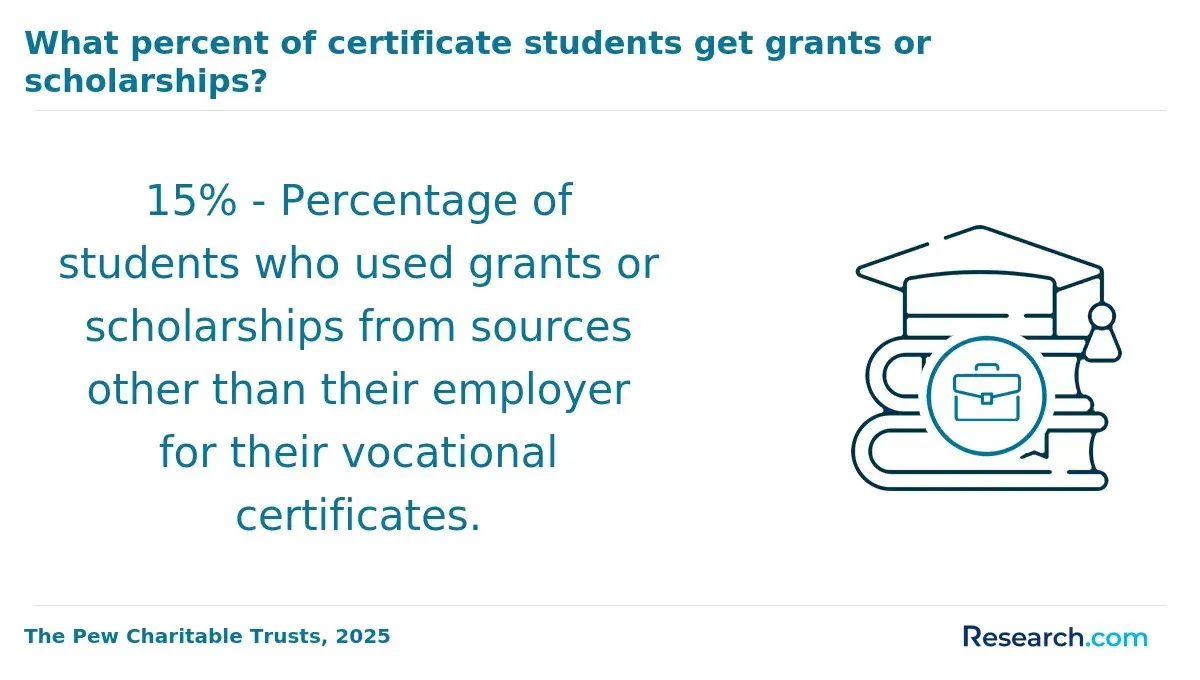
Examining tuition costs alongside salary growth presents a clearer picture of the true financial return on a care coordination degree than evaluating either factor on its own. Data from the National Center for Education Statistics and the U.S. Bureau of Labor Statistics in 2024 indicate that tuition for health-related associate and bachelor's degrees has increased by about 4.5% annually over the past decade, while early-career salaries for care coordinators have grown only 2.5% per year on average. This gap means that the cost of obtaining a degree is rising faster than the wages that graduates can expect upon entering the field. For instance, a student facing $40,000 in cumulative tuition at a public university may find that an entry-level salary near $50,000 leaves little financial breathing room, especially when factoring in living expenses and student loan interest.
Differences in individual circumstances, such as access to tuition reimbursement or regional salary variations, influence how these trends impact financial outcomes. Mid-career wages improve modestly to around $65,000 nationally but still often fall short of fully offsetting the initial education costs when adjusted for inflation. The balance between upfront investment and income trajectory is critical: a student with financial support or employer incentives might navigate this gap more comfortably than someone funding their education independently. Ultimately, understanding the interplay between rising tuition and wage growth allows prospective students to make more informed decisions about the long-term economic viability of a care coordination degree.
One recent graduate shared how weighing these financial realities influenced their path: "I hesitated before enrolling because tuition had gone up significantly since my sister graduated a few years earlier. Even though I found a public university program with lower fees, I still had to take out loans and budget tightly. Starting salaries felt underwhelming compared to those costs, but my employer's tuition reimbursement softened the blow. Without that support, I might have chosen a different healthcare career with quicker payoffs."
Does a Care Coordination Degree Deliver a Positive Return on Investment?
Evaluating the return on investment (ROI) of a care coordination degree involves weighing the increasing costs of education against the career earnings and growth opportunities it enables over time. ROI in higher education is not just about the starting salary immediately after graduation but rather the balance between tuition expenses, ongoing inflation, and the potential for salary growth throughout one's career. For example, a graduate who pays rising tuition rates-averaging 4% annual increases in recent years-may initially experience salary gains that lag behind these costs. However, as care coordination roles expand with healthcare's growing focus on integrated patient management, mid- to long-term income prospects tend to improve, supporting positive ROI in many cases.
Data from reputable sources like the Bureau of Labor Statistics and Georgetown University highlight that while entry-level pay increases modestly, lifetime earnings for specialized health management graduates often surpass those with more general qualifications. This is crucial because, in a typical scenario, it may take between 7 and 10 years for wage growth in care coordination to offset the inflation-driven rise in tuition expenses. Geographic factors also matter significantly; graduates working in regions with robust healthcare infrastructure development are more likely to achieve steady wage improvements and job security, further enhancing ROI. Therefore, the decision to pursue a care coordination degree must consider not only upfront costs but the evolving labor market demand and the individual's long-term positioning within it.
Which Industries Offer the Highest Salaries for Care Coordination Graduates?
Salary potential for care coordination graduates varies widely across industries, reflecting differences in organizational complexity, patient population needs, and funding structures. Data from the U.S. Bureau of Labor Statistics and the National Center for Healthcare Workforce Analysis highlight that the most lucrative positions typically exist where care coordination demands specialized skills or navigates complex healthcare systems. For instance, a care coordinator working in a large urban hospital might manage intricate discharge plans for patients with multiple chronic conditions, requiring advanced clinical knowledge and effective interdisciplinary communication. These real-world challenges often drive higher compensation. Below are key industries offering the highest salaries for care coordination professionals:
- Hospital Systems: Large hospitals and outpatient care centers lead in compensation due to high patient acuity and resource intensity. Care coordinators here often oversee multidisciplinary teams, ensuring seamless transitions across care settings, which commands annual salaries between $70,000 and $90,000.
- Health Insurance: Managed care and health insurance companies pay competitively to optimize patient outcomes while controlling costs. Care coordinators in these roles analyze utilization data and coordinate benefits, with median salaries exceeding $80,000 and seasoned professionals earning over $100,000.
- Government Health Agencies: Federal and state agencies employ care coordinators focused on policy implementation and public health program management. Positions offer stable salaries from $65,000 to $85,000 and long-term job security linked to government wage trends.
- Non-Profit Healthcare Organizations: These organizations provide steady employment supporting community health initiatives. Salaries may be modest compared to hospitals but include comprehensive benefits and opportunities for impactful work in underserved populations.
- Ambulatory Care Services: Outpatient clinics and ambulatory surgery centers require care coordinators to streamline patient flow and follow-up care. Competitive salaries and overtime options reflect the operational demands in these settings.
- Private Practices: Smaller practices often offer lower wages, typically between $50,000 and $65,000, constrained by limited budgets but representing growth potential for early-career coordinators honing practical skills.
The highest-paying states for care coordination jobs generally align with regions hosting large hospital systems and corporate health insurers, emphasizing geographic factors in compensation. Prospective students should weigh these industry dynamics alongside personal career goals. Those considering further specialization might explore post masters FNP certification options, enhancing credentials for advanced clinical coordination roles with greater salary prospects.
Which States and Cities Offer the Highest Pay for Care Coordination Professionals?
Geographic location plays a crucial role in determining the earning potential for care coordination professionals, with wide variations across states and metropolitan areas. Salary differences reflect not just local demand but also cost of living, healthcare infrastructure, and economic conditions. For prospective students and recent graduates, understanding these tradeoffs is essential when deciding where to live and work, especially given rising tuition and housing costs. Analyzing salary data through this real-world lens can help balance immediate income against long-term financial well-being. Below are key states and cities where care coordination wages tend to be the most competitive in 2024.
- California: Salary levels in California often top national averages, driven by a dense healthcare ecosystem and high demand for care coordinators managing complex populations. However, the state's steep housing prices and elevated living costs require careful budgeting to ensure that higher wages translate into real financial gain.
- Massachusetts: Home to some of the nation's leading academic medical centers, Massachusetts offers lucrative roles in care coordination. High salaries here correspond with a costly urban environment, making cost of living a pivotal factor in assessing the net benefit of employment in this market.
- New York: New York state offers robust compensation, especially in New York City and surrounding metro areas, fueled by a vast healthcare industry and diverse patient needs. Candidates must weigh significant tuition inflation and housing expenses when relocating for these opportunities.
- San Francisco-Oakland-Hayward: This metropolitan area boasts median annual pay between $80,000 and $95,000 amidst some of the nation's most expensive real estate markets. Strong employer demand exists, but living costs can absorb much of the salary premium, challenging newcomers to balance lifestyle and finances.
- Boston-Cambridge-Newton: Similar to San Francisco, this metro region offers substantial compensation due to its concentration of research hospitals and healthcare organizations. Students and graduates should evaluate whether the salary offsets the steep tuition and housing inflation frequently witnessed here.
- Ohio: While offering comparatively modest salaries-often ranging from $55,000 to $65,000-Ohio benefits from significantly lower living and education costs. This dynamic can make the state appealing to those prioritizing manageable debt and sustainable expenses over top-tier wages.
- Dallas-Fort Worth: Growing healthcare markets in Texas' Dallas-Fort Worth area have pushed compensation slightly upward, blending reasonable pay with a generally affordable cost of living. This balance may yield better long-term financial outcomes for care coordination professionals starting their careers.
How Do Care Coordination Salaries Grow Throughout a Career?
Initial salaries for those starting in care coordination generally align with typical health technologist and technician roles, falling between $45,000 and $55,000 annually according to 2024 data from the U.S. Bureau of Labor Statistics. As professionals gain around five to seven years of experience and pursue certifications like the Certified Case Manager (CCM), salary increases around 20% to 30% become common, reflecting movement into supervisory or specialized care coordination roles. This mid-career boost can push earnings into the $60,000 to $75,000 range, especially when combined with employer-supported education and skill development. However, actual income trajectories vary widely depending on choices in specialization, geographical location, and employer type, emphasizing that advancement is less tied to tenure alone than to proactive professional development and strategic positioning within healthcare organizations.
Later career stages, often after ten to fifteen years, can see salaries rise above $80,000, particularly for those who assume leadership positions such as care coordination managers or directors, as reported in the 2024 Healthcare Salary Benchmark Report by the Advisory Board. Additional academic credentials like master's degrees in healthcare administration or nursing further differentiate top earners. Long-term wage growth is closely linked to pursuing advanced training, leadership roles, and the ability to navigate sector challenges, though rising education costs and inflation have dampened the real value of these gains. Two graduates with identical degrees may diverge significantly; one who invests in specialty certifications and managerial skills could reach six figures, while another who remains in frontline roles or neglects further education might see slower income growth despite similar experience length.
A care coordination graduate recounted the tension between advancing skill sets and financial pressures early in their career. Despite hesitation about the cost, they pursued a Certified Case Manager credential within the first five years, which opened opportunities to manage chronic disease programs. This decision eventually led to a leadership role and a 35% salary increase over a few years. They reflected that without this investment in specialized certification and targeted experience, their salary might have plateaued, underscoring how calculated professional development choices profoundly shape earnings trajectories in care coordination careers.
How Do Care Coordination Salaries Compare With Similar Degrees?
Care coordination salaries often fall short of comparable healthcare-related degrees when analyzed through recent labor data, prompting graduates to carefully assess long-term earning prospects amid tuition inflation and economic pressures. While entry into care coordination roles can be more accessible, pay scales tend to reflect differences in required credentials, scope of responsibility, and industry demand. For example, a mid-career care coordinator earning near the median might face challenges keeping pace with the rising cost of living without additional qualifications or specialized experience. Below are key distinctions highlighting how care coordination salary comparison by degree reveals both opportunities and constraints in relation to related fields.
- Healthcare Administration: Median salaries for health services managers stand around $104,000, substantially higher than care coordinators' typical $55,000 to $70,000 range. This gap largely reflects greater managerial responsibilities, advanced education requirements, and strategic oversight roles within complex healthcare organizations.
- Nursing: Registered nurses earn median wages near $77,000, which surpass many care coordination salaries due to clinical licensure and direct patient care duties. Nurses' earning potential is also buoyed by specialized certifications and unionization in some regions, making nursing a more resilient wage path.
- Social Work: Social workers average about $60,000 annually, placing them near the upper end of care coordination earnings. This relative proximity illustrates overlapping interpersonal skills but divergent credentialing and funding models influencing compensation.
Students weighing the earnings of care coordination versus related fields should also consider evolving healthcare trends favoring integrated care teams, which may elevate future wages. Additionally, those exploring broader career options might find value in resources about what to do with a bioinformatics degree that highlight emerging intersections of healthcare and data science.
How Is Employer Demand Affecting Care Coordination Salary Trends?
Employer demand plays a critical role in shaping salary trends for care coordination professionals by affecting competition among healthcare organizations for qualified candidates. For example, in regions experiencing rapid aging populations and rising chronic disease prevalence, facilities often increase hiring activity and offer more competitive compensation packages to attract skilled workers. However, even with strong demand, wage growth can be tempered by organizational budget constraints and broader economic conditions, meaning that salaries may not always keep pace with rising tuition or inflation. According to the U.S. Bureau of Labor Statistics data from 2024, care coordination roles have seen a modest average salary increase of about 3.5% annually, reflecting the tension between demand and financial realities.
The balance of employer demand impact on care coordination salaries depends heavily on factors such as experience level, specialization, and regional labor market variations. Expanded chronic disease management initiatives and healthcare reforms emphasizing value-based care continue to drive demand, but this does not always translate directly into proportionate pay increases. In some cases, employers may prioritize enhanced benefits or flexible work models over direct salary hikes. Prospective students should weigh these dynamics carefully, especially when considering the cost of education. For those exploring pathways into the field, options like aBSN programs with high acceptance rates may offer more accessible entry points amid these evolving salary trends influenced by job market conditions.
How Can Students Maximize Their Lifetime Earnings With a Care Coordination Degree?
Maximizing lifetime earnings with a care coordination degree requires strategic choices beyond simply completing the credential. Data from the U.S. Bureau of Labor Statistics and leading industry research in 2024 show that specialization, advanced credentials, and employer type significantly impact salary trajectories. For example, a graduate who initially works in a small community clinic but pursues additional certifications and moves into hospital leadership roles within five years can substantially increase their income compared to peers who do not diversify skills or credentials. The following targeted strategies reflect the practical steps students should consider to build stronger earning potential over their careers.
- Specialize Early: Focus on high-demand niches like chronic disease management or behavioral health integration to differentiate yourself in the job market and access better-paying roles tied to specialized expertise.
- Obtain Certifications: Pursuing credentials such as Certified Case Manager (CCM) or Certified Professional in Healthcare Quality (CPHQ) signals professional competence and typically results in salary premiums and better job opportunities.
- Advance Education: Earning a master's degree in Healthcare Administration or Public Health opens doors to leadership and management positions with much higher compensation than entry-level roles.
- Target Employers Strategically: Prioritize hospitals, government healthcare agencies, and large insurance companies known for offering more competitive salaries than smaller organizations.
- Adapt Skillsets: Develop abilities in health informatics and data analytics to align with ongoing digital transformation in healthcare, boosting both employability and wage growth.
- Leverage Geographic Markets: Consider relocating to metropolitan or high-demand regions where salaries for care coordination roles are notably higher due to cost of living and healthcare industry concentration.
- Build Networks: Engage in professional associations and stay abreast of policy changes to unlock advancement opportunities and enhance long-term earnings potential through informed career moves.
References
- 46 healthcare careers that pay well: Entry level to highest paying https://www.iah.edu.au/blog/highest-paying-healthcare-careers-that-pay-well-salaries
- Unpredictable Costs: How Will Healthcare Price Inflation Impact Workers’ Comp? - Healthesystems https://healthesystems.com/rxi-articles/unpredictable-costs-how-will-healthcare-price-inflation-impact-workers-comp/
- Patient Care Coordination Salaries in United States ($91.8K – $131.8K/yr) | NurseBloom https://nursebloom.com/salaries/skills/patient-care-coordination/united-states
- Has pay kept up with inflation? - The Hamilton Project https://www.hamiltonproject.org/data/has-pay-kept-up-with-inflation/
- VMeDx – Medical Virtual Assistants | HIPAA-Trained 24/7 Support https://vmedx.com/patient-care-coordinator-salary/
- Has pay kept up with inflation? | Brookings https://www.brookings.edu/articles/has-pay-kept-up-with-inflation/
- Care Management Effectiveness and ROI Analysis https://umbrex.com/resources/industry-analyses/how-to-analyze-a-health-payor/care-management-effectiveness-and-roi-analysis/
- How Much Do Nurse Care Coordinators Make? | NursingEducation https://nursingeducation.org/careers/nurse-care-coordinator/salary/
- Patient Care Coordinator: Career Overview, Salary Range, and FAQ https://credenzahealth.com/career-advice/what-is-a-patient-care-coordinator
- Why Inflation & Salary Increases Are Different https://wcbc.ca/inflation-vs-salaries/
Other Things You Should Know About Care Coordination
Longer care coordination programs often provide deeper clinical exposure and stronger practical skills but delay entry into the workforce, which can limit early earnings. Students must balance the benefit of enhanced training against lost income during extended study periods, especially as tuition rises. Prioritizing programs that offer accelerated tracks with robust hands-on components may help mitigate income disruption without sacrificing job readiness.
Workload intensification in care coordination, driven by rising patient complexity and administrative tasks, exerts pressure on wages that often do not reflect these expanded responsibilities. Employers may resist raising pay proportionally due to budget constraints, resulting in stagnant salaries despite heavier workloads. Recognizing this dynamic is crucial: individuals should weigh potential burnout and job sustainability against marginal salary improvements when considering career longevity.
Many employers increasingly expect advanced certifications beyond initial degrees, which can lead to higher wages but also additional tuition expenses and time commitments. This creates a tradeoff between short-term income and long-term earning potential. Students should assess whether investing in certification aligns with their career goals and financial capacity, focusing on certifications known to yield measurable salary boosts rather than generalized qualifications.
Given that nominal salary increases often fail to keep up with inflation, comprehensive benefits such as healthcare, retirement plans, and paid leave significantly enhance total compensation value. Graduates must consider total remuneration packages rather than base salary alone, prioritizing employers offering stability and benefits that offset inflation's erosion of income. This strategic focus can improve overall financial security even if base pay appears modest.