2027 Architecture Degree Outlook Through 2030: Enrollment, Salary, and Hiring Projections

Co-Founder and Chief Data Scientist
Choosing whether to pursue or continue an architecture degree requires weighing more than headline figures like a 3% employment growth projected by 2030. While enrollment in accredited architecture programs rose slightly in 2023, increased graduate output risks saturating markets in major urban centers. Simultaneously, salary gains remain uneven, often tied to regional demand and specialization within sectors such as sustainable design or urban planning.
Employers are raising credential expectations and valuing technological proficiency, further complicating job prospects. This article evaluates architecture enrollment trends, salary patterns, hiring forecasts, industry demand, geographic opportunity, and workforce changes through 2030 to support informed education and career decisions.
Key Things to Know About the Architecture Degree Outlook Through 2030
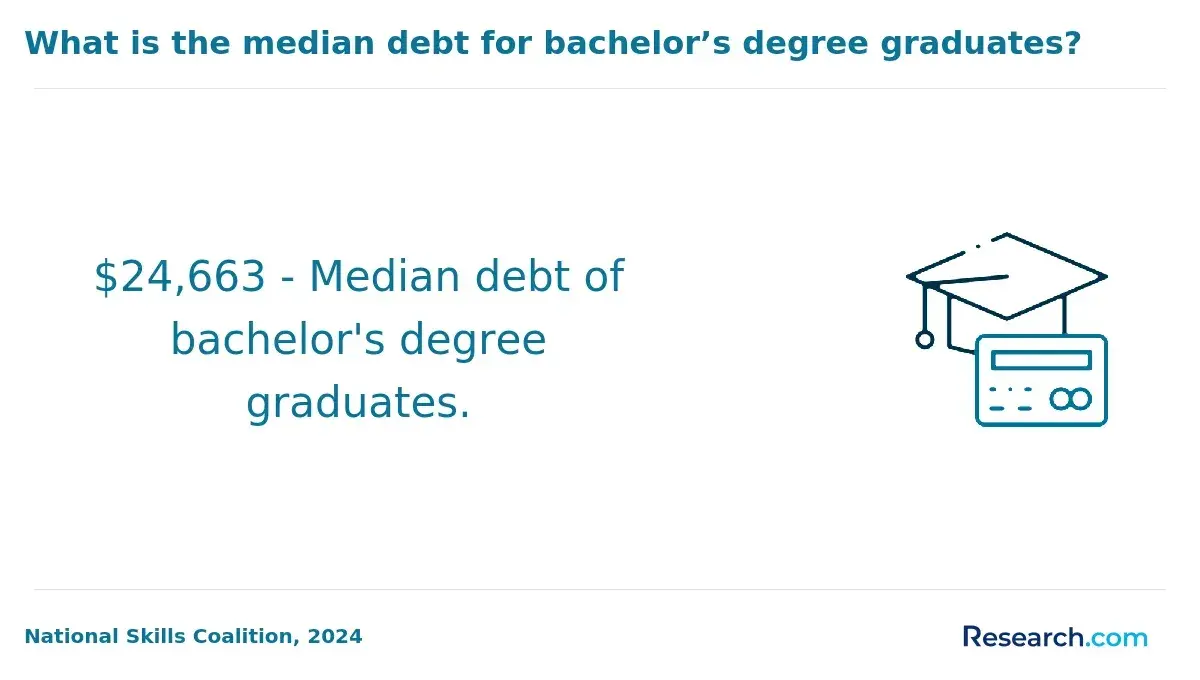
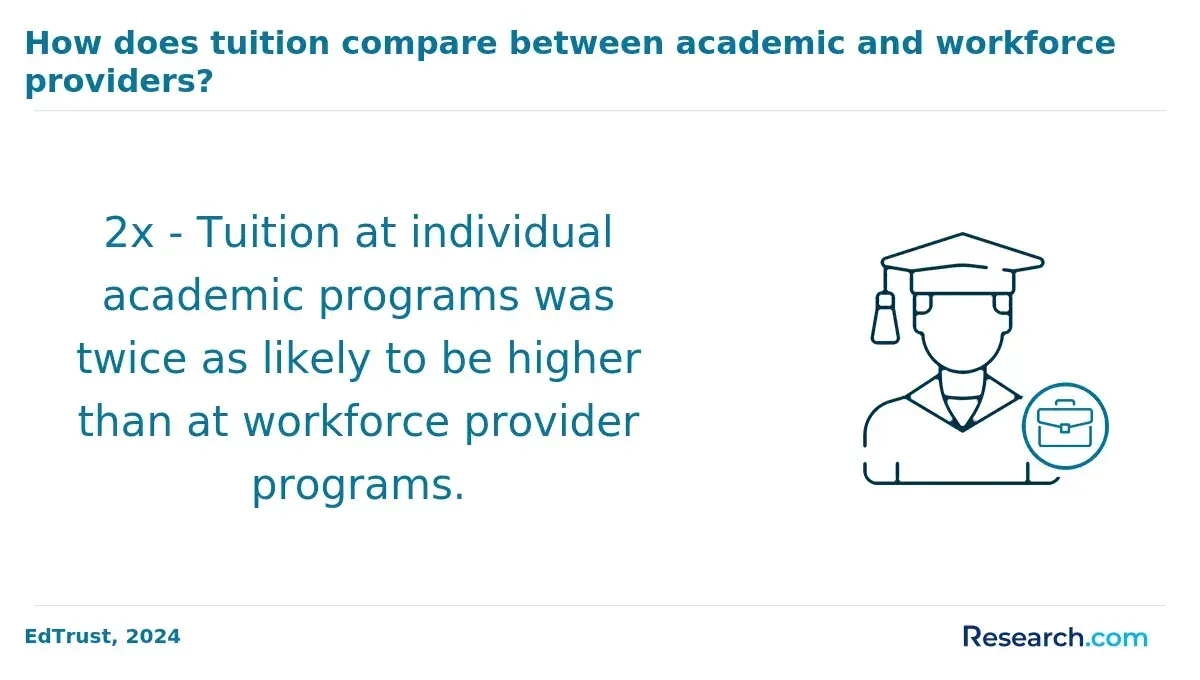
- Architecture enrollment growth slowed by rising tuition and program length, requiring students to weigh increased debt against uncertain salary gains in a competitive job market.
- Employer surveys reveal demand concentrates on candidates proficient in sustainable design and AI-assisted modeling, reshaping hiring priorities and narrowing specialist opportunities.
- Regional hiring disparities persist, with metropolitan areas showing steady increases while rural markets contract, underscoring the necessity for geographic flexibility to optimize long-term employment prospects.
- Key Things to Know About the Architecture Degree Outlook Through 2030 Key Things to Know
- How is Architecture Degree Enrollment Expected to Change Through 2030? Enrollment Trends Through 2030
- How Many Architecture Graduates Will Enter the Workforce by 2030? Graduate Workforce Entry Projections
- What Are the Hiring Projections for Architecture Graduates Through 2030? Hiring Projections Through 2030
- Which Architecture Careers Will Experience the Most Job Growth? Fastest-Growing Career Paths
- What Is the Salary Outlook for Architecture Graduates Through 2030? Salary Outlook Through 2030
- Which Industries Will Hire the Most Architecture Graduates by 2030? Top Hiring Industries
- Where Will Demand for Architecture Graduates Be Strongest? Strongest Geographic Demand
- Which Architecture Specializations Will Be Most in Demand by 2030? Specializations
- How Will AI and Technology Affect Architecture Careers Through 2030? AI and Technology Impact
- Is a Architecture Degree Worth Pursuing Based on 2030 Projections? Degree Value Through 2030
How is Architecture Degree Enrollment Expected to Change Through 2030?
Architecture degree enrollment trends in the United States through 2030 are poised to reflect modest growth shaped by evolving demographic and economic factors rather than rapid expansion. This growth trajectory is influenced by the extended duration and cost of Architecture programs, which remain a significant barrier compared to shorter alternatives favored by some prospective students.
Increased interest in interdisciplinary and sustainable design fields competes with traditional Architecture paths, while many institutions face capacity constraints that limit class size and specialization options. These enrollment dynamics carry practical consequences, such as tighter admission competition in established urban programs and the risk of regional workforce imbalances as supply struggles to align with localized demand.
The projected growth of architecture program enrollment nationwide, estimated at around 1% to 2% annually by leading educational analysis, suggests a relatively stable but cautious expansion rather than a surge. This tempered pace reflects how shifting employer expectations emphasize digital proficiency and cross-disciplinary experience, prompting some students to seek non-traditional routes or related certifications that can accelerate entry into the workforce.
Such decisions affect graduate supply and the sector's ability to absorb newcomers without oversaturation. Additionally, the increasing availability of flexible delivery models, including online learning options, is likely to reshape enrollment patterns; prospective students might benefit from exploring alternatives like a 1 year DNP program online to compare timelines and costs when planning their educational investments.
How Many Architecture Graduates Will Enter the Workforce by 2030?
Graduate numbers alone do not guarantee proportional workforce absorption, as the transition from degree completion to professional employment is influenced by factors such as licensure delays, additional certifications, and shifts in industry demand. While annual architecture degree completions in the U.S. are projected to rise moderately, reaching about 7,500 by the late 2020s according to National Center for Education Statistics estimates, the effective labor market entry will be offset by graduates pursuing extended internships or shifting into adjacent fields.
Geographic disparities and employer preferences for skills in digital modeling and sustainability practices further complicate how many graduates can secure relevant roles, emphasizing that workforce readiness requires more than just degree attainment. Between 2024 and 2030, an estimated 60,000 to 65,000 architecture graduates are expected to enter the pipeline nationwide, but not all will enter the workforce immediately or in typical architecture positions. Many will delay entry due to professional licensure procedures, while others may follow nontraditional career paths or remain in school for advanced degrees.
From an employer's point of view, hiring growth is modest-around 3% annually through 2030-making adaptability and practical experience critical for new architects aiming to navigate a competitive and regionally variable job market. The interplay between rising graduate volume and constrained growth in architecture-specific roles demands prospective and current students weigh the timing and focus of their educational investments carefully to align with employer expectations.
What Are the Hiring Projections for Architecture Graduates Through 2030?
Demand for architecture graduates through 2030 is projected to experience moderate growth, reflective of broader structural shifts rather than robust expansion. Employment growth is estimated at about 3 percent according to the U.S. Bureau of Labor Statistics, which is slower than the average across all professions. While construction activity in growing metropolitan areas supports some new roles, technological advancements-such as Building Information Modeling and automation-are reshaping the nature and volume of traditional positions.
Graduates focusing on sustainable design or tech integration in urban centers may find more favorable prospects than those relying on outdated manual drafting methods or seeking opportunities in regions with limited infrastructure development. Lightcast projects roughly 4,000 to 5,000 annual architecture-related openings in the U.S., a figure encompassing both newly created roles and replacements due to retirements. However, this supply is relatively tight compared to the number of architecture graduates entering the labor market, intensifying competition especially for entry-level jobs that increasingly demand hands-on internships and proficiency with digital tools.
For a recent graduate in a saturated market, for instance, securing a position often hinges on demonstrated practical experience and adaptability rather than degree credentials alone. This dynamic highlights the gap between job growth and accessible employment, emphasizing the need for strategic skill development to align with evolving employer expectations and regional demand fluctuations.
Which Architecture Careers Will Experience the Most Job Growth?
Job growth projections through 2030 indicate that architecture-related careers tied to sustainability, technology, and urban development will see the most meaningful expansion, though overall architect employment grows modestly at about 3%. Roles such as sustainable design architects and urban planners with architectural expertise reflect increasing market demand driven by stricter environmental regulations and the need for infrastructure renewal in growing metropolitan areas.
For a student choosing between general architectural design and specialization, the latter offers stronger employment prospects but often requires additional training or cross-disciplinary skills, presenting a tradeoff in both time investment and career focus.
Technology-driven occupations-including BIM managers and digital design specialists-are projected to grow at rates nearing 12%, a reflection of the architecture sector's pivot toward digital automation and precision tools. However, smaller volume of total jobs in these niches means that competition remains intense, especially given the steady enrollment rates in architecture programs overall.
This dynamic underscores the importance of aligning education with the skills that employers increasingly seek, including environmental compliance and advanced software proficiency. Regional variation also plays a role, with highest demand architecture specialties by region shaped by local urbanization trends and sustainability initiatives.
While entry-level architecture roles may face steady competition, those who emphasize specialized knowledge tend to secure better salary and hiring outcomes. Prospective students and professionals assessing their educational choices can benefit from exploring online colleges with free applications offering focused curricula that integrate these emerging industry priorities. This approach helps mitigate the risk of longer-term underemployment common in broadly trained graduates and prepares candidates for nuanced roles in a shifting architectural job market.
What Is the Salary Outlook for Architecture Graduates Through 2030?
Salary projections for architecture graduates through 2030 must be viewed in the context of wage inflation, shifting labor demand, credentialing expectations, and the evolving nature of the profession itself. Median wages hover near $85,000 as of 2024, but this figure masks substantial variation depending on location, specialization, and career stage. Moderate growth expectations suggest that salary increases will parallel general occupational trends rather than outpace them, emphasizing the importance of strategic upskilling and geographic mobility. Those weighing architecture career choices should focus on nuanced factors driving compensation rather than assume uniform advancement. Key influences include:
- Credential Impact: Holding a license or advanced certifications often translates to measurably higher salaries. Licensed architects typically have stronger negotiating power and can access roles tied to public projects and complex developments.
- Specialization Premium: Expertise in sustainable design, urban planning, or digital modeling elevates compensation potential, especially as firms prioritize green building and technological fluency to meet regulatory and market expectations.
- Geographic Variability: Urban centers and select metropolitan regions provide higher starting wages and faster growth, driven by demand and cost of living, contrasting with slower salary progression in rural or smaller markets.
- Firm Size and Sector: Larger firms with commercial project portfolios generally offer superior pay compared to small practices or residential-focused roles, influencing long-term earning trajectories.
- Experience and Role Complexity: Mid-career professionals managing large-scale projects tend to break into $90,000-$110,000 salary ranges. However, this often requires competing within saturated markets and continuous professional development.
- Technological Adaptation: Proficiency in BIM software, parametric design, and emerging digital tools is increasingly essential. Architects able to integrate technology effectively position themselves for premium roles.
Which Industries Will Hire the Most Architecture Graduates by 2030?
Hiring projections for architecture graduates through 2030 reflect sector-specific growth driven by evolving urban demands, technological innovation, regulatory influences, and workforce replacement needs. Rather than uniform expansion, hiring will concentrate where sustainable practices, computational design, and multidisciplinary collaboration become essential.
This approach favors graduates who can integrate green building principles with emerging digital tools. Below are the top hiring sectors for architecture graduates in North America, highlighting where meaningful opportunities will arise.
- Construction Industry: As the largest employer, construction firms engaged in public and private projects-such as schools, hospitals, and offices-will continue steady hiring. Expertise in energy-efficient design and sustainability is increasingly vital. Entry-level roles often involve project coordination and design assistance, progressing toward site management or specialized green design positions.
- Real Estate Development: Growth in mixed-use developments and renovations drives demand for architects skilled in balancing design innovation with regulatory compliance and economic constraints. Graduates with experience in interdisciplinary teams and practical project management will find more accessible advancement paths.
- Urban Planning and Development: Urban planning firms responding to population shifts and smart city initiatives require architects versed in sustainable infrastructure and community-focused planning. Roles range from design technician to planning analyst, favoring knowledge of zoning laws and environmental impact assessment.
- Technology-Driven Design Firms: Firms specializing in Building Information Modeling (BIM), virtual reality, and computational design tools represent a growing niche. Architecture graduates with digital proficiency and computational skills hold a competitive advantage in these innovation-focused environments, though job volume remains smaller.
- Education and Healthcare Facilities: Expansion and remodeling of schools and healthcare centers, prompted by demographic trends, create steady demand. Positions often emphasize adaptive reuse and compliance with health and safety standards, benefitting graduates familiar with regulatory codes and functional design.
- Government and Nonprofit Sectors: These sectors offer more limited but stable roles, concentrating on preservation, public infrastructure, and community projects. Architects able to navigate bureaucratic processes and grant-funded initiatives have better hiring prospects here.
For architecture graduates aiming for the broadest hiring opportunities, developing skills in sustainability and technology integration will be critical. Aligning educational pathways with these sectoral needs enhances employability amid evolving labor market realities. Those exploring flexible educational formats might consider related programs like online DNP programs without clinicals to compare interdisciplinary career options and adjust to shifting workforce demands.
Where Will Demand for Architecture Graduates Be Strongest?
Demand for architecture graduates will largely concentrate in metropolitan areas where urban redevelopment and tech-driven infrastructure investments intersect, rather than spreading evenly across all regions. Cities like Austin and Seattle exemplify this trend, combining strong tech sector expansion with environmental planning initiatives that create specialized roles in sustainable design and adaptive reuse. However, these hubs often come with elevated cost-of-living pressures and intensified applicant competition, which can offset some benefits of higher job volumes and necessitate consideration of local licensure requirements and software proficiencies.
Industries committed to green building technologies and modular construction are outpacing traditional construction services in hiring growth, reflecting an occupational shift emphasizing digital tools such as Building Information Modeling and virtual reality simulations. Graduates lacking skills in these areas may face limited advancement opportunities despite overall demand. Conversely, regions reliant on manufacturing or experiencing population decline offer fewer openings, pushing potential candidates to weigh relocation or cross-disciplinary training that combines architecture with environmental engineering or computer science to remain competitive.
Public sector roles in affordable housing and community development provide alternative career pathways but typically deliver lower salaries and slower growth than private firms, influencing career trajectory decisions. According to Lightcast 2024, professionals who maintain adaptability through ongoing certification and software updates better navigate fluctuating market needs. Ultimately, where one practices architecture will affect not only immediate employment prospects but also long-term earning potential and specialization possibilities-making strategic geographic and skill investments essential for meaningful career outcomes through 2030.
Which Architecture Specializations Will Be Most in Demand by 2030?
Employer demand in architecture through 2030 will increasingly favor niche expertise over generalist roles, driven by technological innovation, sustainability mandates, and shifting urban demographics. Students evaluating specializations should weigh not only projected growth but also the distinct skill sets and credentials required to compete effectively.
For instance, a student weighing green architecture against urban design might consider the differing regulatory knowledge, software proficiency, and regional demand variability inherent to each path. Understanding which areas yield both steady hiring and adaptable career trajectories is essential, especially as labor market projections reflect uneven growth influenced by legislation, investment patterns, and sector-specific drivers.
Below are key specializations identified by recent U.S. Bureau of Labor Statistics and Lightcast data as having differentiated demand outlooks.
- Sustainable Green Architecture: Demand here is propelled by tightening environmental regulations and client interest in energy-efficient building standards. Graduates mastering LEED certification processes and sustainable materials design serve both commercial and residential markets, aligning with global decarbonization trends.
- Technological Expertise in BIM and Parametric Design: Firms increasingly require architects skilled in advanced Building Information Modeling software and parametric modeling to enhance design precision and project efficiency. This specialization benefits from crossover skills in digital fabrication and automation technology.
- Urban Design and Community Planning: Focus on integrating infrastructure with social equity and environmental resilience keeps demand stable but regionally varied. Professionals here must be adept in multidisciplinary coordination and policy navigation tied to evolving urban growth patterns.
- Healthcare Facility Design: Growth is linked to demographic shifts and rising healthcare infrastructure investment. Architects in this niche often need nuanced regulatory knowledge for complex facility requirements, blending technical competence with stakeholder collaboration.
- Adaptive Reuse and Historic Preservation: This specialization shows moderate growth, appealing to those interested in lifecycle extension of existing buildings. Success depends on both cultural heritage understanding and innovative retrofit techniques to meet modern codes.
How Will AI and Technology Affect Architecture Careers Through 2030?
Artificial intelligence and automation are set to largely augment rather than fully automate architecture responsibilities through 2030, reshaping how professionals approach design and project management. Routine drafting and initial modeling tasks will increasingly be streamlined by AI tools, shifting early-career roles toward mastering complex software like AI-assisted design platforms and Building Information Modeling (BIM) integrated with machine learning. Professionals who fail to adapt by updating skills in computational methods and data-driven environmental planning risk stagnating in repetitive roles, while those embracing these technologies may access roles emphasizing creativity, strategic insight, and interdisciplinary collaboration.
These technology-driven changes have significant implications for the architecture career impact of AI and automation in the United States, particularly in hiring expectations. Employers will prioritize candidates who demonstrate hybrid capabilities combining traditional architectural knowledge with strong digital literacy, including familiarity with predictive analytics and sustainability-focused data analysis. Educational paths and professional development must therefore stress continual learning and applied projects that integrate these emerging skills, rather than relying solely on foundational degrees. Prospective students and current practitioners evaluating options should critically consider coursework, certifications, and hands-on experience aligned with these evolving market demands rather than generic credentials.
The shift in industry dynamics calls for an informed, pragmatic assessment of program outcomes and labor trends to navigate long-term prospects effectively. Those entering architecture fields must weigh tradeoffs between established manual expertise and new tech-intensive competencies, recognizing how these factors influence salary trajectories and hiring potential. For a data-informed perspective on relevant education programs balancing these requirements, potential candidates might consult resources like the best schools for BCBA, which provide comparative insights into evolving degree and certification landscapes.
Is a Architecture Degree Worth Pursuing Based on 2030 Projections?
The architecture degree job market forecast 2030 indicates modest employment growth of about 3%, which is slower than average and suggests a relatively stable but competitive environment. Graduates must weigh the substantial investment of time and tuition against this constrained growth, especially since the path to licensure is lengthy and impacts early career earning potential. Entry-level salaries often start between $50,000 and $60,000 and only increase significantly after gaining experience and credentials. This scenario underscores the need for strategic planning, including developing strong digital competencies and completing internships to improve marketability amid a supply of graduates that may outpace hiring demand in some regions.
Enrollment trends show a plateau or slight decline in architecture programs, reflecting these career complexities and deterring some prospective students. The value of an architecture degree in future careers varies widely by specialization, geographic location, and adaptability to sector shifts, such as commercial versus residential design. For students balancing cost and time, comparing fields with faster licensure or clearer entry paths, such as certain nursing tracks, may be prudent. Resources like accelerated nursing programs near me illustrate alternative pathways with more predictable employment growth and credential timelines.
Ultimately, those pursuing an architecture degree must prepare for a competitive labor market demanding both technical skills and professional persistence. Leveraging portfolios that highlight digital design proficiency can provide an edge, but geographic and sectoral employment disparities require careful ongoing assessment of career prospects. Candidates should consider long-term flexibility and evolving industry needs before committing to this demanding but potentially rewarding professional route.
References:
- Innovation 2030: The Future is Now https://www.architecture2030.org/innovation-2030-the-future-is-now/
- We must ensure the next generation believes architecture is a profession worth investing in https://www.architectsjournal.co.uk/news/opinion/we-must-ensure-the-next-generation-believes-architecture-is-a-profession-worth-investing-in
- Five priorities for today's architecture graduates – and their employers https://architectureau.com/articles/five-priorities-for-todays-architecture-graduates-and-their-employers/
- Top 10 jobs for architecture majors and who's hiring https://joinhandshake.com/blog/students/architecture-degree-jobs/
- Architecture Degree Careers and Salary in Europe - StudyinEurope.eu https://www.studyineurope.eu/architecture/architecture-degree-careers-salary-europe/
- Architecture’s Awkward Embrace of Artificial Intelligence https://commonedge.org/architectures-awkward-embrace-of-artificial-intelligence/
- Architecture Jobs Outlook: Here's What To Expect In Coming Years - Subcontractors USA https://subcusa.com/architecture-jobs-outlook-heres-what-to-expect-in-coming-years/
- How Do I See The Future of Work with AI as an Architect https://blog.nemetschek.com/en/topics-and-insights/ai-architect
- Artificial Intelligence: the unreliable outlier driving the future of architecture https://www.riba.org/work/insights-and-resources/future-business-of-architecture/artificial-intelligence-the-unreliable-outlier-driving-the-future-of-architecture/
- Architecture Specialization: A Guide to Every Major Career Path https://piaxis.ai/architecture-specialization/
Other Things You Should Know About Architecture
Choosing between prestigious architecture programs and more accessible, lower-cost options is not straightforward. Highly ranked programs often provide stronger industry connections and exposure to advanced design technologies, which can enhance employability, but they might also have heavier workloads and more competitive environments. More affordable or part-time programs may offer flexibility and less debt but could lack robust career services or access to top firms. Prospective students should prioritize programs that balance quality instruction with practical support for licensing and job placement, rather than relying solely on rankings.
The workload in architecture education is notoriously intensive, often involving long studio hours, complex projects, and technical skill development. This time demand can delay entry into the workforce, especially when coupled with mandatory internships and licensing requirements. Students willing to commit to this rigor may gain critical competencies that employers value, but those needing a quicker or more balanced path might face burnout or extended education timelines. Understanding this tradeoff upfront helps students manage expectations and plan career entry more realistically.
Employers increasingly expect architecture graduates to combine design talent with project management, software proficiency, and collaborative communication skills. Graduates with experience in BIM (Building Information Modeling), sustainable design, and interdisciplinary teamwork are more competitive. Students should seek programs or internships that emphasize these complementary abilities alongside creative development. Prioritizing these skills reflects real-world practice and can differentiate candidates in a market where design ability alone no longer guarantees job offers.
The architecture field sees a steady output of graduates, sometimes exceeding immediate demand, which exerts downward pressure on entry-level salaries and contributes to job competition. Early-career architects often accept lower-paying positions or contract-based roles to gain experience, delaying financial stability. Awareness of this saturation suggests that new entrants should consider geographic mobility, supplementary certifications, or niche specializations to improve early job prospects rather than expecting rapid salary growth out of school.