2027 Architecture ROI by Institution Type: Public vs Private vs Nonprofit Online Programs

Co-Founder and Chief Data Scientist
Imagine a prospective architecture student weighing three online programs that look nearly identical but differ sharply in tuition costs, average student debt, graduation rates, and post-graduate career support. A 2024 study by the National Center for Education Statistics shows private nonprofit institutions have a 15% higher average completion rate but also come with 30% higher average debt than public counterparts. This gap highlights a critical tradeoff: higher graduation odds may lead to larger debt burdens that delay financial stability. Such nuances matter deeply when choosing between public, private, and nonprofit online architecture programs.
This article breaks down institution types to help readers assess architecture program ROI through affordability, outcomes, and career value.
Key Things to Know About Architecture ROI by Institution Type
- Public institutions typically have lower total costs but often longer completion times, which can delay career advancement and affect net ROI despite affordability, highlighting a tradeoff between upfront price and time-to-degree efficiency.
- Private online architecture programs may carry higher tuition but often benefit from stronger industry networks and employer recognition, influencing early career placement and long-term job mobility in competitive urban markets.
- Nonprofit online programs tend to emphasize learner support and flexible pacing, reducing debt exposure for working adults, yet varying accreditation standards can impact licensure eligibility and real-world credential value.
- Key Things to Know About Architecture ROI by Institution Type Key Things to Know About Architecture ROI by Institution Type
- What Does ROI Mean for a Architecture Program and How Is It Measured? Understanding Architecture Program ROI
- How Do Public, Private, and Nonprofit Online Architecture Programs Differ in Overall Value? Value by Institution Type
- How Do Tuition Costs Affect the ROI of a Architecture Program Across Institution Types? Tuition Costs and ROI
- How Do Graduation Rates Influence Architecture Program ROI? Graduation Rates Impact ROI
- What Role Do Career Outcomes Play in the ROI of a Architecture Degree? Career Outcomes and ROI
- How Does Student Debt Impact the Long-Term ROI of a Architecture Program? Debt vs. Long-Term ROI
- How Do Flexibility and Adult Learner Support Affect Architecture Program Value? Flexibility and Program Value
- How Do Accreditation and Institutional Reputation Influence Architecture ROI? How Do Accreditation and Institutional Reputation Influence Architecture ROI?
- How Does Time-to-Degree Affect the ROI of Public, Private, and Nonprofit Architecture Programs? How Does Time-to-Degree Affect the ROI of Public, Private, and Nonprofit Architecture Programs?
- How Can You Choose the Best Architecture Program Based on Your ROI Goals? Choosing Programs by ROI
What Does ROI Mean for a Architecture Program and How Is It Measured?
Evaluating ROI for an architecture program demands more than tallying tuition costs against starting salaries; it requires a closer look at total educational expenses, including fees, materials, and the financial impact of prolonged time-to-degree. For instance, a student choosing a lower tuition public online program may save upfront but face longer completion times or lower graduation rates, which can inflate overall costs and delay entry into the workforce. Conversely, private institutions often carry higher sticker prices and student debt burdens, as noted by the Institute for College Access & Success, sometimes complicating the financial benefits of higher initial salaries. These tradeoffs are critical when comparing the architecture program return on investment calculation across institution types.
Student goals and circumstances strongly sway how ROI should be measured, especially when factoring in opportunity costs such as lost earnings during study periods. Programs that emphasize flexibility and learner support often yield better time-to-degree outcomes and reduce debt pressure, which many nonprofit online architecture programs prioritize. Institutional reputation and alumni networks also shape career trajectories by influencing licensure readiness and employer perceptions-factors that go beyond mere financial metrics. Prospective students balancing work, family, and education must weigh these dimensions carefully, as a lower-cost option doesn't always produce the strongest long-term value. For career changers or working professionals, understanding how specific programs address these variables, including detailed program designs like EdD programs, enriches decision-making grounded in real-world tradeoffs rather than simplified ROI formulas.
How Do Public, Private, and Nonprofit Online Architecture Programs Differ in Overall Value?
Differences in public, private, and nonprofit online architecture programs extend beyond tuition into crucial factors like graduation rates, student debt, and institutional support, all shaping overall value. Public programs often provide financial advantages through state subsidies that reduce in-state tuition and tend to produce higher graduation rates-around 62% according to a 2024 National Center for Education Statistics report-which can lower total costs and hasten workforce entry.
Private nonprofit programs generally charge more and result in approximately 15% higher student debt, but they compensate with smaller classes and personalized mentoring that may better prepare learners for professional networking and portfolio development. Nonprofit institutions often aim for a middle ground, combining affordability closer to public schools with enhanced career services targeted at working adults, yet their inconsistent student outcomes make thorough program comparisons essential before committing.
Accreditation by the National Architectural Accrediting Board is common across all types, but employer preferences favor graduates with practical experience and strong portfolios over the prestige of the institution alone, underscoring the importance of flexible, career-focused curricula. For prospective students balancing finances against long-term career benefits, public programs may appeal for debt minimization, while those who prioritize individualized attention and networking might accept higher costs at private or nonprofit schools despite potential debt burdens. Graduates must weigh these tradeoffs carefully since their choices affect not only immediate affordability but also employability and career trajectories in a competitive field.
A prospective student evaluating online architecture degrees wrestled with paying substantially more for a private nonprofit program promising close mentorship versus a more affordable public option with higher graduation rates but larger classes and less specialized support. Concerned about accumulating debt while valuing robust career services, this student ultimately chose a nonprofit institution that offered tailored advising and flexible pacing, confident it balanced manageable costs with practical outcomes-highlighting the nuanced decision-making process influenced by financial constraints and professional goals. This scenario illustrates how real-world factors like tuition aid availability and program structure can outweigh institutional reputation in maximizing return on investment.
How Do Tuition Costs Affect the ROI of a Architecture Program Across Institution Types?
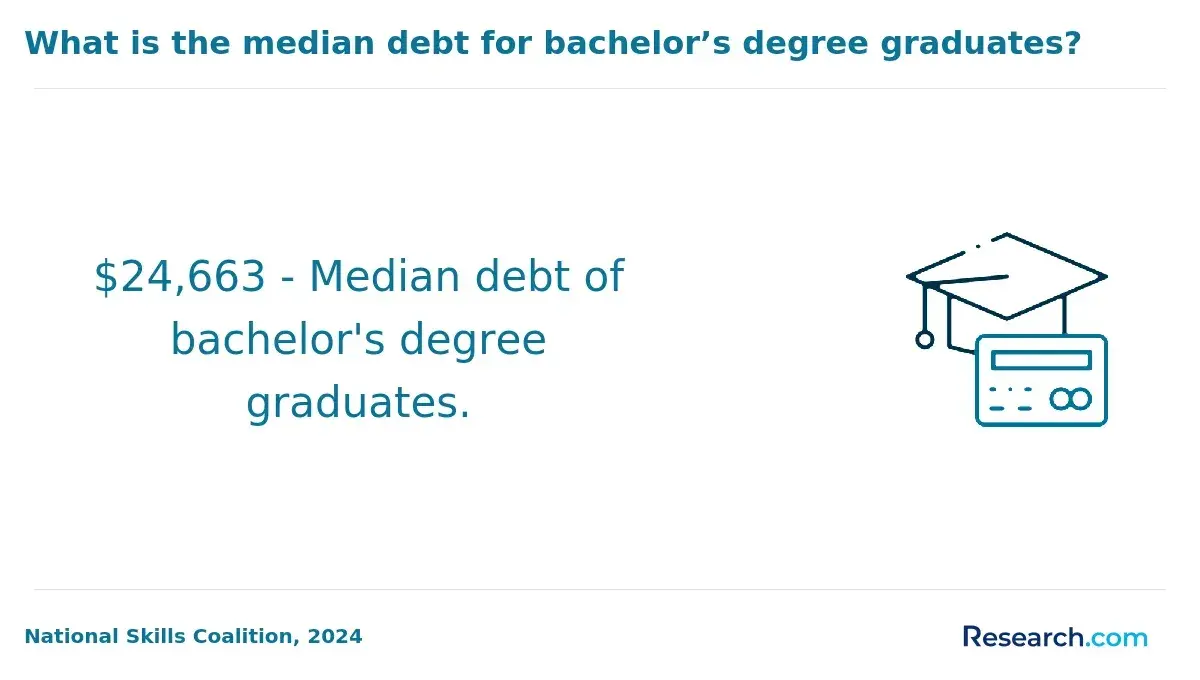
Tuition cost differences among public, private, and nonprofit online architecture programs significantly shape the return on investment but must be evaluated alongside debt burden, completion rates, and career outcomes. Public institutions generally offer lower tuition due to state support and in-state rates, which can reduce upfront financial strain, yet this advantage does not guarantee superior ROI. For example, private program graduates, despite carrying 20-30% higher debt on average, often realize a 10-15% boost in early career earnings, reflecting stronger employer networks or specialized curricula that can justify the added expense over time.
Completion rates and program quality further complicate cost-to-value calculations; public programs may enroll more students but tend to have lower graduation rates, inflating the effective cost per graduate and potentially diminishing ROI. Meanwhile, nonprofit schools frequently position themselves between public affordability and private program resources, offering balanced options for those weighing flexibility and professional support. Ultimately, adult learners must assess whether higher tuition aligns with their career acceleration goals or if lower-cost pathways sufficiently meet their needs, considering that institutional reputation, student services, and program length also affect time to degree and long-term earnings potential.
How Do Graduation Rates Influence Architecture Program ROI?
Graduation outcomes directly influence the return on investment (ROI) for architecture programs by shaping both the total cost and the time required to enter the professional workforce. Public online programs, according to the National Center for Education Statistics in 2024, display average 6-year graduation rates near 55%, outperforming many private for-profit institutions where rates frequently fall below 40%.
For students balancing work and family, especially in nonprofit and part-time online settings, longer time-to-degree periods are common and can complicate direct comparisons, often increasing living expenses and debt before completion. These dynamics highlight the importance of considering institutional support services and flexibility, which nonprofit programs often emphasize to enhance persistence and reduce dropout-associated losses.
While graduation rates serve as a useful proxy for institutional effectiveness, relying on them alone can obscure other critical factors impacting ROI in architecture program graduation rates and financial outcomes. Differences in student demographics, enrollment intensity, and institutional mission create significant variation in completion statistics, particularly when public institutions enroll higher shares of transfer or delayed-entry learners.
Moreover, employers prioritize demonstrable skills and practical portfolios alongside degree completion, underscoring that a diploma's value extends beyond graduation alone. Cost-conscious adult learners should weigh these considerations carefully, especially when assessing programs such as online business schools, which often share similar flexibility and affordability challenges.
What Role Do Career Outcomes Play in the ROI of a Architecture Degree?
Career outcomes critically shape the return on investment (ROI) for online architecture degrees across public, private, and nonprofit sectors, often tipping the balance beyond mere cost comparisons. With public programs reporting an 82% employment rate within a year post-graduation compared to lower rates at private (78%) and nonprofit (75%) institutions according to the National Center for Education Statistics (2024), these figures highlight the nuanced advantages public programs may offer in job placement and licensure support.
However, private institutions frequently provide targeted networking and portfolio-building opportunities that can yield niche market access, while nonprofit offerings tend to prioritize affordability and flexibility, which may benefit working adults but sometimes limit immediate professional fit due to slower curriculum updates. The intersection of tuition expenses, debt load, and actual employment outcomes requires prospective students to weigh how well a program's real-world recognition and industry alignment translate into sustainable job mobility and credential validation.
Choosing between these program types often means balancing immediate financial constraints with longer-term professional leverage. Public institutions' regional ties can ease pathways to licensure and entry-level positions but might lack the specialized networks that private schools foster. Conversely, nonprofit programs may appeal for their cost efficiency and scheduling, yet graduates could face challenges securing roles that demand cutting-edge technical skills or brand recognition. This interplay affects not just time-to-degree and initial placement but influences the degree's durable value in a competitive, evolving market that increasingly values measurable job readiness and practical experience alongside academic credentials.
One graduate of an online nonprofit architecture program shared that while upfront affordability was a key factor, uncertainty lingered about the degree's market value and access to robust employer networks. After completing the program, the student found the credential respected within local firms but noted a slower pace in securing advanced roles than peers from private programs. Over time, internal promotions reflected practical skill growth rather than initial school prestige, illustrating how career outcomes are more often tied to sustained professional development and employer recognition than to the institution alone.
How Does Student Debt Impact the Long-Term ROI of a Architecture Program?
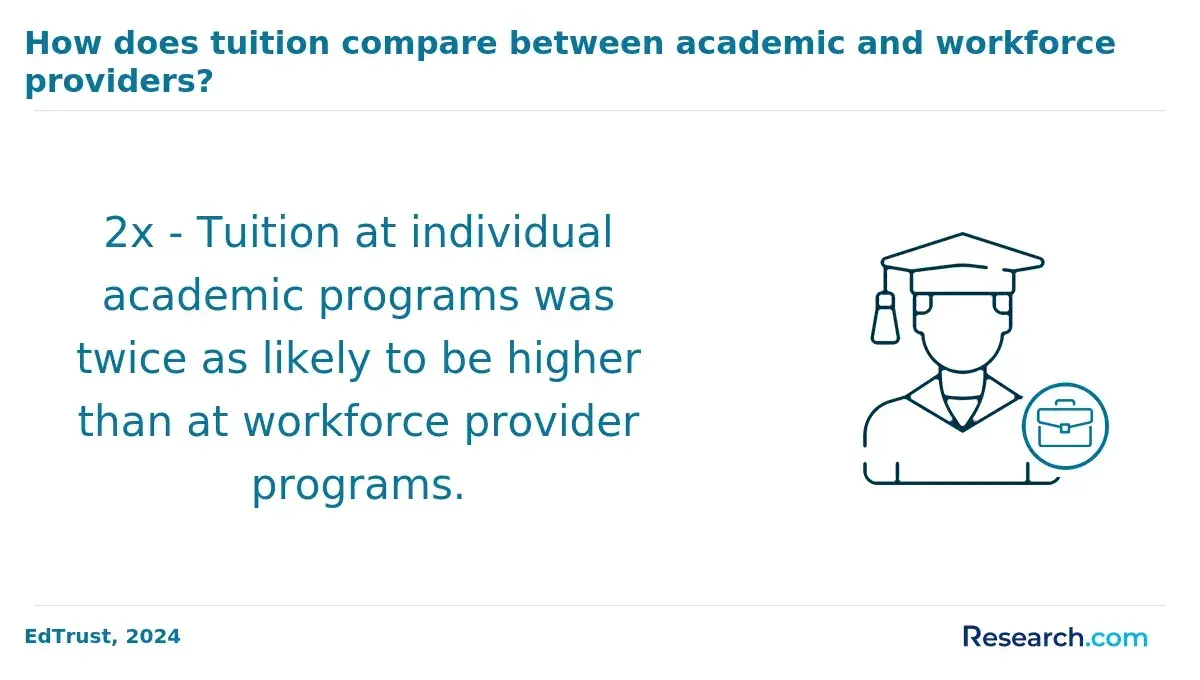
Debt levels heavily influence the long-term ROI of an architecture program, with differing impacts across public, private, and nonprofit online institutions. Graduates burdened by high debt-often exceeding $40,000 at private nonprofits-face greater repayment demands that can erode financial flexibility and delay key life goals like buying a home. In contrast, public institutions typically carry lower average debt under $25,000, which aligns with their higher completion rates and lower default risks around 8%. For example, a working professional enrolling in a costly private program may find the elevated debt stress outweighs potential salary gains, especially if program completion is not timely or career advancement opportunities are limited.
Balancing borrowing with graduation likelihood and practical workforce outcomes is essential for evaluating the real value of an architecture education. Debt-to-completion ratios matter because debt taken on without obtaining credentials can sharply degrade return on investment. Nonprofit online programs present varied profiles, where some achieve better completion rates with moderate debt, while others do not, complicating decisions for adult learners and career changers weighing financial risk alongside educational quality.
Considering projected earnings against debt burdens and repayment feasibility reveals nuanced tradeoffs that affect long-term financial and professional trajectories within architecture fields sensitive to licensure timing and salary ceilings. Those exploring flexible formats may also benefit from transparent aid packages.
Prospective students assessing the student debt impact on architecture program ROI should integrate borrowing levels, graduation success, and repayment outcomes without assuming higher costs guarantee better returns or that low debt alone signifies program excellence. Comparing programs alongside similar professional pathways, such as online master degree programs, can broaden perspectives on affordability and time-to-value. Ultimately, informed decisions require weighing tangible debt consequences against specific program attributes and realistic career paths to optimize long-term financial outcomes of architecture graduate debt.
How Do Flexibility and Adult Learner Support Affect Architecture Program Value?
Flexible scheduling and tailored student support are pivotal in shaping the return on investment for online architecture programs, particularly for working adults balancing multiple responsibilities. Programs offering asynchronous classes and part-time enrollment enable students to moderate their pace without sacrificing income or personal obligations, effectively reducing opportunity costs.
However, this flexibility often accompanies tradeoffs; public institutions may provide more affordable tuition but typically lack the specialized advising, transfer credit facilitation, and military accommodations that nonprofit programs invest in to boost adult learner persistence and graduation rates. A 2024 National Center for Education Statistics report found that 68% of adult students in online settings prioritize such flexibility, underscoring its direct correlation with retention and timely degree completion.
Beyond scheduling, adult learner support services-ranging from accessible faculty interaction to focused career counseling-play a crucial role in long-term employability and program value. Private and nonprofit providers tend to offer more robust resources, including industry-specific certification guidance and transfer-friendly policies, which can enhance post-graduation outcomes but often at a higher cost.
Public programs might limit these supportive elements, creating a longer path to credentialing or less effective job placement, which can increase overall debt burden and diminish ROI. Prospective students must weigh how these service differences impact not only educational quality but also time-to-degree and future earnings potential when selecting between institution types.
How Do Accreditation and Institutional Reputation Influence Architecture ROI?
The practical value of an architecture program hinges significantly on its accreditation and institutional reputation, which directly impact licensure eligibility and graduate employability. Enrollment in a program lacking National Architectural Accrediting Board (NAAB) accreditation, for instance, often restricts graduates from obtaining licensure in many U.S. jurisdictions, limiting their ability to practice professionally regardless of skill proficiency. Employers frequently use institutional reputation as a proxy for candidate readiness, favoring graduates from established public universities with recognized credentials, though some private and nonprofit institutions with targeted support may offset higher tuition costs through stronger student outcomes.
Choosing between public, private, and nonprofit online programs requires balancing tuition expenses against potential debt and credit transfer flexibility. Public institutions often provide broader transfer agreements and lower costs, which can enhance net ROI even if initial salary offers are modest.
Conversely, private and nonprofit schools may command higher tuition, leading to increased debt burdens that may outweigh gains from slightly elevated starting salaries or specialized training. According to a 2024 survey by the American Council on Education, 68% of employers rate accreditation and reputation as "very important" in credential evaluation, reflecting a growing insistence on recognized credentials coupled with measurable competencies from nontraditional or online programs.
How Does Time-to-Degree Affect the ROI of Public, Private, and Nonprofit Architecture Programs?
The length of time to complete an architecture degree directly affects both financial and career outcomes, particularly when comparing public, private, and nonprofit online institutions. Programs that extend beyond the typical four to five years often increase tuition exposure and student debt, a significant concern in private institutions where costs per credit are higher. For example, part-time students at public universities may stretch their studies to balance work and family obligations, benefiting from transfer credits and flexible pacing but potentially delaying entry into full-time architectural roles and salary progression. This tradeoff between affordability and delayed career advancement is a critical factor in evaluating the time-to-degree impact on architecture program ROI.
Nonprofit online programs frequently advertise accelerated completion paths to reduce time-to-degree, appealing to adult learners and career changers seeking quicker workforce reentry. However, these accelerated models must be weighed against the risk of diminished practical experience, essential for licensure and employer expectations where thorough portfolio development and internships remain pivotal.
Graduation rates also vary significantly across institution types, and lower completion rates can inflate costs without credential attainment, undermining financial returns. Prospective students considering the time-to-degree impact on architecture program ROI should also explore alternatives in related fields, such as a physics online degree, which might offer different timelines and cost structures while maintaining STEM relevance.
Balancing program length with career readiness and financial considerations requires attention to institutional flexibility, availability of transfer credits, and realistic completion prospects. Public programs' accommodation of working students contrasts with private and nonprofit models prioritizing accelerated timelines, each presenting unique implications for debt burden and earning potential. Understanding these nuanced differences aids in making informed decisions that reflect individual work-study balance, career goals, and long-term return on investment in architecture education.
How Can You Choose the Best Architecture Program Based on Your ROI Goals?
The best ROI in architecture programs cannot be determined by institution type alone; instead, it hinges on how well program features align with individual priorities such as cost sensitivity, time-to-degree, and career goals. Public architecture programs typically offer lower tuition and reduced debt burdens due to state subsidies and broader financial aid access, which can be crucial for cost-conscious adult learners or working professionals balancing family obligations. However, these benefits often come with longer completion times, especially for part-time students, potentially delaying full workforce entry and increasing indirect costs.
Private programs, while generally more expensive, frequently provide faster pathways to graduation, higher completion rates, and stronger alumni networks, which can translate into advantageous job placement and salary prospects. Accreditation by the National Architectural Accrediting Board (NAAB) remains essential across all program types to meet professional standards, but nonprofit online schools introduce varied options featuring flexible pacing and targeted learner support, useful for career changers or those needing to balance employment. When weighing ROI, students should consider not only tuition and debt but also the practical impact of program reputation, graduation rates, and career services on long-term employability.
Choosing among public, private, and nonprofit online architecture programs is a nuanced decision, heavily influenced by one's employment status, time available for study, and desired career trajectory. Evaluating specific financial aid opportunities and institutional support is crucial, as graduates from accredited programs with robust career services are twice as likely to secure licensure within five years according to a 2024 report by the American Institute of Architects. For those interested in related pathways with strong workforce demand, exploring high paying jobs in forensics may reveal valuable career alternatives. Overall, the best online architecture programs for maximizing return on investment blend affordability, quality, and realistic timelines tailored to the student's unique situation.
References
- What's an architecture degree worth? | 30X40 Design Workshop https://thirtybyforty.com/whats-an-architecture-degree-worth
- FAQs | Answers for the Most Common Questions https://www.studyarchitecture.com/what-to-know/faqs/
- The State of Debt and the Price of Architecture | Features | Archinect https://archinect.com/features/article/112509888/the-state-of-debt-and-the-price-of-architecture
- Is College Worth It? A Comprehensive Return on Investment Analysis - FREOPP https://freopp.org/whitepapers/is-college-worth-it-a-comprehensive-return-on-investment-analysis/
- RIBA-Validated Schools (UK) | RIBA Validation https://www.riba.org/learn/become-an-architect/validated-schools-uk/
- ROI of Higher Education - Signal49 Research https://www.signal49.ca/focus-areas/roi-of-higher-education/
- The Long-Term Effects of Student Loans | ACE Blog https://ace.edu/blog/the-long-term-effects-of-student-loans/
- View of Evaluating University Degree Programs Regarding the Effective Use of Public and Private Funding https://www.econjournals.com/index.php/irmm/article/view/3307/pdf
- Are For-Profit Developments Consistent With the Values of a Public University? https://commonedge.org/are-for-profit-developments-and-donor-driven-projects-consistent-with-the-values-of-a-public-university/
- College is still worth it, even with student debt, but we can do better | Brookings https://www.brookings.edu/articles/college-is-still-worth-it-even-with-student-debt-but-we-can-do-better/
Other Things You Should Know About Architecture
Employers often weigh program delivery models alongside institution type when assessing candidates. Public programs may be perceived as more standardized due to state oversight, but private and nonprofit online programs that emphasize hands-on design projects or collaborations with firms can signal stronger practical readiness. The lack of in-person studios in many online formats can be a drawback unless the curriculum clearly integrates virtual simulations or local internships. Candidates should prioritize programs that demonstrate relevant practice and project-based learning over purely theoretical coursework irrespective of public, private, or nonprofit status.
Workload and curriculum rigor can vary significantly despite similar credit requirements. Private institutions often offer accelerated or more specialized tracks, which can shorten time to credential but may demand heavier work intensity. Public programs might spread coursework over longer periods, which suits those balancing work but can delay earning potential. Nonprofits sometimes focus on interdisciplinary or sustainable design approaches that align with emerging markets but may require additional electives, increasing time and cost. Choosing a program with a manageable yet robust workload aligned to your career timeline is crucial to optimizing ROI.
Networking is essential in architecture, where job opportunities often emerge through connections and mentorship. Private online programs affiliated with prominent firms or alumni networks may provide more targeted industry access, enhancing post-graduate opportunities. Public programs might offer broader but less specialized networks, relying on regional industry ties. Nonprofits could emphasize community-oriented design networks that align with social impact careers but limit mainstream commercial exposure. Prospective students should evaluate not just the size but relevance and activity of networks relative to their intended career paths to maximize ROI.
Long-term ROI depends heavily on ongoing credentialing and skill updates in architecture. Private and nonprofit online institutions often design programs that integrate continuing education modules, certificates in sustainability or digital design, and partnerships with software providers, directly benefiting alumni. Public institutions may offer fewer integrated continuing education options but might provide low-cost extensions or state-supported certifications. Adults balancing careers should prioritize programs that embed practical upskilling opportunities into the alumni experience, as this sustains employability and salary growth post-graduation.