2027 Architecture Affordability by State: Where Students Pay the Most and Least

Co-Founder and Chief Data Scientist
Choosing between an in-state Architecture program charging $12,000 annually and an out-of-state option that demands over $30,000 is more than a budget question-it can reshape a student's debt burden and career flexibility. A 2024 study revealed that 37% of Architecture students delay program completion due to financial strain, highlighting how tuition disparities affect not just access but timely graduation. Living costs often tip the scales too, sometimes negating lower tuition advantages. These economic realities complicate decisions with long-term career and financial outcomes at stake.
This article examines Architecture affordability by state, spotlighting where students pay the most and least to aid informed program selection.
Key Things to Know About Architecture Affordability by State
- States with low in-state tuition often have higher living costs and limited scholarships, making net affordability complex; students must balance sticker price with total expenses to avoid unexpected debt burdens.
- Employers in high-cost states may favor graduates from local programs despite higher tuition, reflecting regional workforce networks that influence job placement and long-term career stability.
- Growing availability of accredited online Architecture programs reduces timing and relocation barriers, but variances in state funding and financial aid access mean some students still face significant out-of-pocket costs.
- Key Things to Know About Architecture Affordability by State Key Things to Know About Architecture Affordability by State
- Which States Have the Most Affordable Architecture Degree Programs? Most Affordable State Programs
- Which States Have the Highest Architecture Degree Costs? Highest State Tuition Costs
- How Much Does a Architecture Degree Cost by State? Degree Costs by State
- Why Does Architecture Affordability Vary So Much Between States? State Affordability Variations
- How Do In-State and Out-of-State Tuition Rates Affect Architecture Affordability? In-State vs. Out-of-State Rates
- How Does the Cost of Living Impact Overall Architecture Affordability by State? Living Costs and Affordability
- Which States Offer the Best Value for a Architecture Degree? Best Value State Degrees
- What Financial Aid and Scholarship Opportunities Can Reduce Architecture Costs? What Financial Aid and Scholarship Opportunities Can Reduce Architecture Costs?
- Are Online Architecture Degree Programs More Affordable Than On-Campus Options? Are Online Architecture Degree Programs More Affordable Than On-Campus Options?
- Is a Architecture Degree Worth the Cost Based on Career Outcomes and ROI? Degree ROI and Outcomes
Which States Have the Most Affordable Architecture Degree Programs?
States with the most affordable architecture degree programs typically leverage a mix of robust public funding, in-state tuition advantages, and controlled regional costs to lower financial barriers. Wyoming's use of mineral tax revenue to subsidize higher education stands as a clear example where public investment directly translates into reduced tuition and generous aid, cutting reliance on student loans. Such structural funding differences mean students from low-cost states face a very different economic landscape than those attending schools in high-tuition regions, where debt burdens and extended degree timelines can threaten timely completion and post-graduate stability. The decision to enroll across state lines therefore involves weighing not only sticker price but also long-term cost implications tied to residency policies and institutional pricing strategies.
New Mexico and North Dakota illustrate how localized factors such as state grants targeting STEM fields and institutional competition among land-grant universities contribute to affordability while shaping program offerings. For budget-conscious learners, especially residents, these policies reduce out-of-pocket expenses, influencing enrollment choices that align with personal and family financial circumstances. However, the less diverse architecture education market in some low-cost states may limit access to specialized curriculum or professional networking opportunities, posing a tradeoff between short-term affordability and long-term career capital accumulation. Additionally, rising availability of flexible formats, including hybrid and online courses, intersects with regional living costs to create nuanced pathways for students balancing cost with program quality and schedule demands, making comparison across top states for low-cost architecture education increasingly relevant in financial planning.
Cost differences among states not only affect initial enrollment decisions but also have deeper practical consequences for degree completion and career entry timing. Students leveraging lower tuition states often experience a reduced debt load, facilitating quicker transitions into architectural practice or graduate studies without the financial strain seen in higher-cost settings. For those juggling nontraditional timelines or seeking fast online degrees, these affordability dynamics are critical to sustaining both educational progress and long-term professional viability. Understanding these nuanced cost drivers enables students and families to make informed choices that reflect both immediate affordability and strategic positioning within the architecture field's competitive employment environment.
Which States Have the Highest Architecture Degree Costs?
States with the highest costs for architecture degrees typically reflect broader economic patterns, including high living expenses and limited public funding for specialized programs. Tuition in states like California and New York often exceeds $14,000 annually for in-state students at public institutions, with nonresidents paying more than double. These figures do not account for urban living costs, which can push total annual expenses beyond $40,000. Such financial pressures arise partly because architecture programs demand costly resources like advanced technology and studio space, expenses that institutions must recoup through tuition, especially when state support is insufficient.
Another key driver is the prevalence of private schools and residency rules that restrict access to discounted tuition for nonresidents, disproportionately affecting students who must relocate or lack in-state qualifications. For example, a student moving to New York from another state may face full private tuition rates alongside steep housing costs, making affordable options scarce. These factors require prospective students to weigh whether higher costs in these states translate into better career-networking opportunities or access to prominent firms, versus more affordable programs in lower-cost states. Decisions around studying remotely or applying for targeted financial aid can further influence the economic feasibility of pursuing architecture in expensive regions.
One recent graduate recounted their dilemma navigating such disparities when comparing programs between a high-cost state and their in-state option. Initially attracted to a prestigious out-of-state school, they hesitated after estimating the total costs, including living expenses and limited financial aid offers. They spent weeks reviewing smaller public universities closer to home that offered in-state tuition advantages, questioning whether investing extra to study in the costlier location genuinely improved job prospects. Ultimately, the student chose a local program with lower expenses and a flexible schedule, balancing education quality with financial sustainability despite lingering concerns about missed opportunities in major architectural markets.
How Much Does a Architecture Degree Cost by State?
Tuition costs for architecture degrees fluctuate widely by state, shaped by institutional type, residency status, and regional economic factors that directly influence educational accessibility and post-graduate financial burdens. For instance, annual in-state tuition at public universities can be under $10,000 in states like New Mexico, whereas in California it can exceed $30,000, with total costs including living expenses often surpassing $50,000. This disparity compels students to balance the tradeoff between attending higher-cost programs in states with robust architecture markets and lower-cost institutions where local demand and resources are more limited.
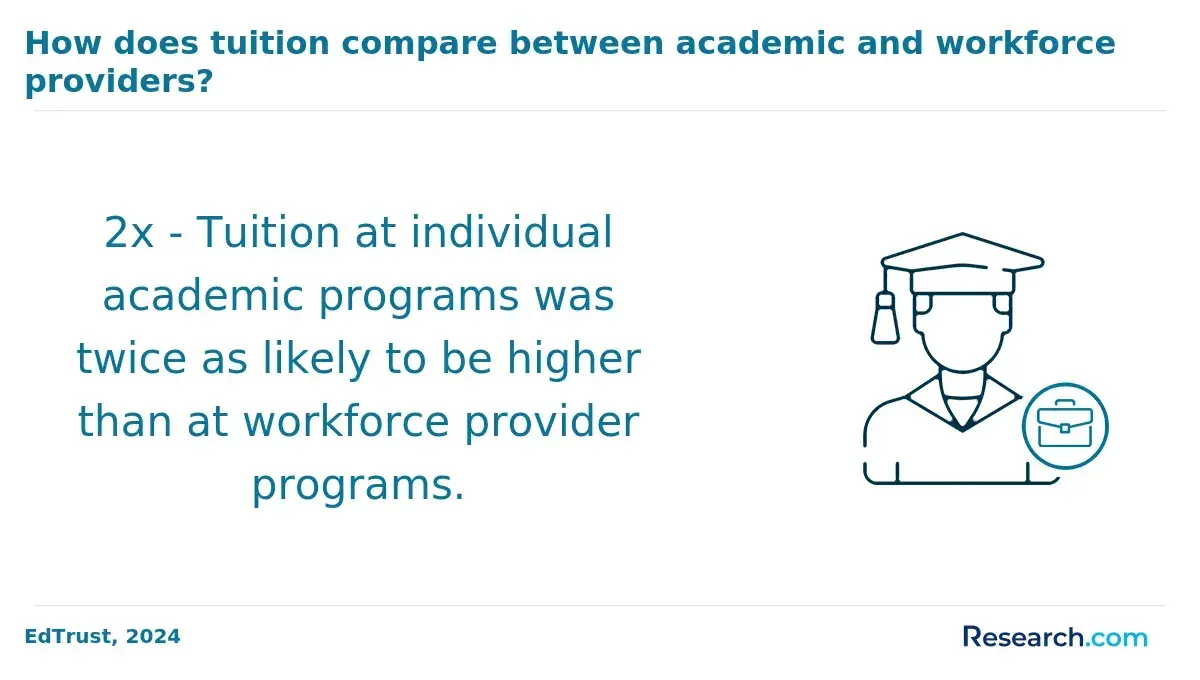
Private colleges consistently charge tuition rates that are about double those of public in-state programs, with out-of-state fees similarly inflating costs, creating substantial barriers for those unwilling or unable to relocate closer to home. State public funding policies also play a critical role, as reduced financial support forces institutions to raise tuition, magnifying cost differences between states. For students weighing where to pursue an architecture degree, these factors impact borrowing needs, the potential for online or hybrid program options, and long-term career planning given that some states' higher costs correlate with stronger job markets but also higher living expenses.
Given the National Center for Education Statistics data from 2024, understanding these state-specific variations aids students in making strategic decisions beyond surface affordability by considering out-of-state premiums, financial aid availability, and the economic realities of practicing architecture locally. This nuanced perspective helps budget-conscious learners navigate between minimizing debt and optimizing regional employment prospects, especially when in-state public institutions provide markedly different financial and programmatic offerings than more expensive private or out-of-state alternatives.
Why Does Architecture Affordability Vary So Much Between States?
State funding levels heavily influence architecture degree cost differences by state, with higher public appropriations typically easing in-state tuition burdens. For example, states like California and New York invest significantly in public higher education, resulting in more affordable tuition for residents despite elevated living expenses. In contrast, states in the South and Midwest often offset reduced public funding by hiking tuition, which compounds affordability challenges for local students and affects enrollment decisions. These regional disparities push many budget-conscious students to weigh the trade-offs between in-state affordability and out-of-state relocation costs or transfer options.
The prevalence of private versus public architecture programs also shapes cost patterns, as states with more private institutions generally exhibit higher average tuition due to limited state subsidies. Massachusetts exemplifies this dynamic, where prestigious private schools and high living costs drive some of the nation's steepest tuition rates. Additionally, the availability of state-funded grants and scholarships, highlighted by 2024 data from the National Center for Education Statistics, can substantially reduce net expenses for low- and middle-income students, influencing long-term planning and access. Growing demand for architecture programs in urban regions further strains institutional budgets, prompting tuition increases to sustain faculty quality and facilities aligned with employer expectations focused on practical skills and technology integration.
These factors collectively affect student strategy, from considering online options to navigating residency status or targeting specific states for affordability. Students aiming to optimize investment often examine broader cost elements like housing and transportation as well. For those balancing cost against outcomes, exploring the relationship between tuition and program access-such as through initiatives like online executive MBA cost analyses-can provide valuable context for financial decisions within architecture education.
How Do In-State and Out-of-State Tuition Rates Affect Architecture Affordability?
Residency-based tuition policies decisively shape the financial landscape for students pursuing an architecture degree, influencing not only total costs but also strategic decisions about where and how to study. Public universities can charge out-of-state students more than double the in-state tuition, with recent data from the National Center for Education Statistics showing average public four-year in-state tuition at around $11,900 compared to $26,200 for non-residents. This stark disparity frequently compels students to weigh the value of living expenses and potential relocation costs against the savings from in-state rates. For example, students living in states with limited residency reclassification opportunities or without regional reciprocity agreements often face a dilemma: either absorb significantly higher tuition or accept potentially less desirable programs in-state, affecting long-term career outcomes.
Regional reciprocity programs like the Western Undergraduate Exchange occasionally ease this burden, but their applicability to architecture remains restricted, limiting financial relief for students crossing state lines. Meanwhile, private and online architecture programs present alternative tuition models without residency distinctions, though their higher baseline costs and variable financial aid availability complicate straightforward affordability comparisons. This interplay means students must factor in financial aid options, institutional reputation, and licensure relevance alongside tuition price. In practice, those unable to secure in-state rates or competitive aid packages face ongoing tradeoffs between program quality, geographic mobility, and accumulated debt levels, which ultimately influence their professional trajectories and ability to sustain early career transitions.
One architecture graduate recounted how relocating just before enrollment resulted in out-of-state tuition costs that nearly doubled her planned budget. Despite attempting to establish residency, the university's stringent requirements left her classified as a non-resident for her entire degree. She described the challenging balance of managing unexpected expenses while questioning whether the program's prestige justified the extra cost. This experience highlights how residency policies and timing nuances can unexpectedly influence affordability, underscoring the importance of early, informed financial planning tailored to each student's unique circumstances.
How Does the Cost of Living Impact Overall Architecture Affordability by State?
Living expenses decisively shape where pursuing an architecture degree is financially viable, often overshadowing tuition differences themselves. In high-cost states like California and New York, students face housing rents exceeding $1,600 monthly in metropolitan areas, which can more than double the real cost of education compared to states with lower living expenses. For example, a student in Oklahoma may pay half as much for rent, freeing up resources to manage additional costs such as healthcare and food. These cost-of-living variations affect decisions about enrollment, commuting, and whether to pursue part-time or fully online options, as students balance program quality against practical affordability.
Transportation and regional service costs further complicate total expenses, with urban centers offering robust public transit but requiring premium housing, while rural states entail longer commutes and related costs. Utilities fluctuate with climate extremes, influencing monthly budgets, while local wage conditions and job availability post-graduation pose tradeoffs between living in expensive hubs with more design work versus affordable areas with fewer opportunities. Students must incorporate these regional living expenses and total architecture education costs in the US into long-term plans to control debt exposure and maintain geographic flexibility. For some, blending on-campus learning with MFT programs online can offer adaptable pathways fitting budget constraints and personal circumstances.
Which States Offer the Best Value for a Architecture Degree?
Determining the best value for an architecture degree requires weighing tuition with completion rates, living costs, and employment prospects rather than simply opting for the lowest sticker price. For example, Texas public universities, with in-state tuition near $11,500 according to 2024 College Scorecard data, offer accessible entry points, but students must also consider how quickly they graduate and launch careers to maximize ROI. Conversely, a state like Ohio, despite somewhat higher tuition, boasts stronger graduate employment rates above 75% within six months, which can significantly offset upfront expenses through earlier professional earnings.
State residency rules and financial aid availability further complicate comparisons. Students living in states with moderate living costs and tuition-such as North Carolina-benefit from reduced overall debt burdens, often averaging near $25,000 for architecture graduates, compared to over $40,000 in expensive states like California. Yet, pursuing the cheapest option without accounting for program completion or job market demand risks extended education timelines or underemployment. Therefore, evaluating whether in-state tuition policies align with one's residency status, combined with realistic housing and cost-of-living estimates, is essential before committing to a program.
Ultimately, the most financially advantageous architecture degree balances a state's educational quality, completion metrics, and regional workforce demand. High-cost states might offer prestigious programs and vibrant markets but usually come with heavier debt and living expenses that dampen net financial gain. Budget-conscious students should prioritize institutions and states where tuition affordability aligns with practical support, timely graduation, and strong local employment outcomes to ensure their investment in architectural training yields sustainable long-term returns.
What Financial Aid and Scholarship Opportunities Can Reduce Architecture Costs?
Federal grants such as the Pell Grant remain foundational for lowering architecture education costs, especially for students from low- to moderate-income backgrounds. Approximately 30% of architecture undergraduates receive Pell Grants, often covering a significant share of tuition in more affordable states. However, in higher-cost states or those with less robust state aid, these federal funds rarely cover the full expense, requiring students to combine multiple aid sources or accept greater debt burdens. Geographic disparities also impact access to state grants and tuition reciprocity programs, which can reduce costs by 25% or more for residents of participating states, but these programs demand careful consideration of residency requirements and renewal criteria to maintain eligibility over the multi-year duration of the degree.
Institutional scholarships, both merit- and need-based, can substantially offset tuition, yet nearly half of recipients at architecture programs reported an average 40% reduction in tuition costs according to the National Architecture Accrediting Board. These awards tend to be more prevalent at private institutions, where sticker prices are higher, and may rely on maintaining certain academic or portfolio standards, adding complexity to long-term financial planning. Employer-sponsored tuition support and cooperative education offerings present valuable, though unevenly accessible, alternatives that can reduce loan dependency; however, such benefits often hinge on local labor market strength and employer size. Understanding how aid stacking rules, renewal conditions, and program-specific eligibility interact is critical for prospective students weighing schools across states to achieve a genuinely affordable path to an architecture degree.
Are Online Architecture Degree Programs More Affordable Than On-Campus Options?
The comparative affordability of online architecture degree programs versus traditional on-campus options depends heavily on a variety of nuanced factors rather than a straightforward cost advantage. While online programs often reduce expenses related to housing, meal plans, and commuting, these savings can be offset by technology fees, the need for specialized software, and sometimes higher tuition rates for out-of-state remote learners. State residency policies and institutional financial aid limitations frequently mean that net prices for online students do not always reflect the advertised sticker price, which complicates straightforward comparisons. For instance, a working professional in a high-cost urban area might find an online program financially viable by balancing employment income and reduced living expenses, unlike a recent high school graduate who may benefit more from on-campus institutional aid and in-person networking opportunities.
Decisions about online versus on-campus enrollment must account for the total cost of attendance-tuition, living costs, technology, and opportunity costs. Students considering cost differences between online and on-campus architecture programs should carefully examine state and institutional policies affecting financial aid eligibility, as these can materially impact affordability. Many states and universities restrict certain scholarships or aid packages to on-campus students, placing online learners at a relative disadvantage despite potential savings on commuting. Furthermore, the flexibility of online programs often favors part-time learners or those juggling professional responsibilities, which influences the long-term financial calculus of degree completion and career entry. For those evaluating broader educational pathways, exploring options like online math degree programs may provide insight into how different fields structure online affordability and aid.
Is a Architecture Degree Worth the Cost Based on Career Outcomes and ROI?
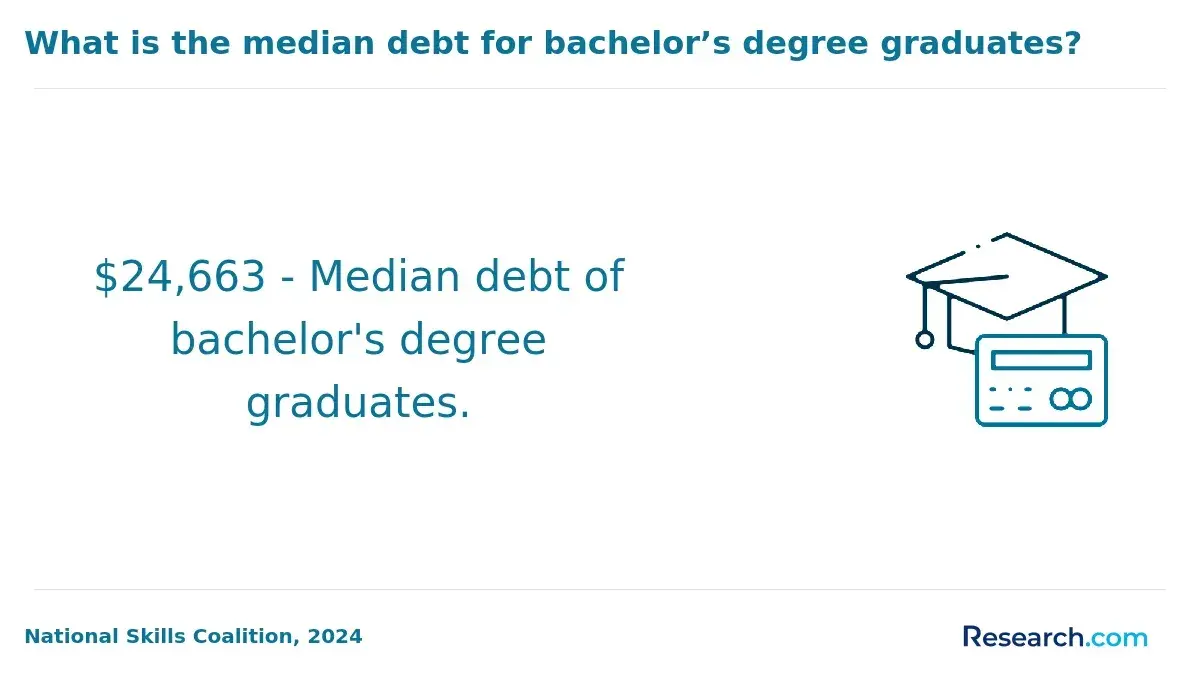
The decision to pursue an architecture degree requires navigating a complex balance between tuition costs, program duration, and professional outcomes. Nationally, average student debt for architecture graduates often exceeds $30,000, a heavy burden when entry-level salaries frequently fall below the $83,000 median wage, limiting rapid financial return. A state-by-state analysis of architecture degree ROI and job market reveals that affordability varies significantly depending on public institution tuition rates, available in-state scholarships, and local demand for architects, which directly impacts graduates' employment opportunities and salary growth.
Architecture programs typically require longer completion timelines, often around five years for bachelor's degrees, which increases total educational expenditure and opportunity costs. Students must evaluate program quality and licensure pathways alongside financial considerations, as certifications heavily influence earning potential and career mobility. Geographic mobility also plays a critical role since metropolitan areas generally offer higher wages but come with elevated living costs, affecting long-term ROI. For budget-conscious students, comparing affordable options and aligning educational choices with realistic career goals is crucial, especially given the mixed employment growth projected in the architecture field.
Resources like marketing graduate programs offer insight into optimizing tuition investment in related disciplines, further underscoring the need for informed decision-making.
References
- Importance of Cost of Living | Goldwater Institute https://www.goldwaterinstitute.org/cost-of-living/
- How Housing Affordability Conditions Vary Across States and Metro Areas https://eyeonhousing.org/2026/02/how-housing-affordability-conditions-vary-across-states-and-metro-areas/
- Top 10 Value Online Architecture Degree Programs 2026 https://www.collegevaluesonline.com/rankings/architecture-degree-online-top-values/
- Making apartments more affordable starts with understanding the costs of building them | Brookings https://www.brookings.edu/articles/making-apartments-more-affordable-starts-with-understanding-the-costs-of-building-them/
- Architecture scholarships https://www.aia.org/resource-center/architecture-scholarships
- Building Challenges: Housing Affordability — Center for the Study of the Built Environment https://www.csbe.org/connecting-with-the-built-world-1
- 97 Best Architecture courses In the USA 2026 https://www.hotcoursesabroad.com/study/training-degrees/us-usa/architecture-courses/loc/211/cgory/c1-3/sin/ct/programs.html
- Californians: Here's why your housing costs are so high https://calmatters.org/explainers/california-housing-costs-explainer/
- Advice on funding your architectural studies https://www.riba.org/learn/become-an-architect/funding-your-studies/
- How Much Does It Cost to Become an Architect? A Comprehensive Guide to Expenses and ROI https://illustrarch.com/career/31233-how-much-does-it-cost-to-become-an-architect.html
Other Things You Should Know About Architecture
The differences in state licensing requirements can substantially affect not only the length but also the cost of pursuing an architecture degree. States with more stringent or additional criteria may require supplemental coursework or extended internships, increasing time and financial investment. Students should prioritize states whose program requirements align more directly with their target licensure location to avoid duplicative expenses and delays in workforce entry.
Yes, this is crucial. States with higher architecture tuition might simultaneously offer stronger employment networks and better post-graduation placements, which can offset costs in the long term. Conversely, more affordable states may have fewer local opportunities or demand different skill sets. Budget-conscious students should weigh tuition savings against potential income prospects, especially considering regional design trends and firm preferences.
While part-time or extended programs can ease upfront tuition payments and allow work-study balance, they often prolong overall time to licensure, increasing total costs indirectly. This delay may limit early career momentum and wage growth in architecture, where practical experience is heavily valued. Students must carefully evaluate whether the flexibility gained justifies the potential setback in career progression, particularly in states with high living expenses.
Networking and internship opportunities in a student's state can be decisive for employability post-graduation, arguably more than tuition affordability alone. Even a low-cost program risks limited practical exposure if local firms are scarce or internships are competitive. Prospective students should prioritize states balancing reasonable affordability with robust architecture markets to ensure access to meaningful hands-on experiences and regional employer recognition.