2027 Architecture Salary Trends Report: Are Wages Keeping Up With Tuition and Inflation?

Co-Founder and Chief Data Scientist
Considering a degree in architecture often begins with a practical question: does the financial return justify the rising costs of higher education? A prospective architecture student or recent graduate faces an increasingly complex landscape where tuition fees climb steadily while inflation erodes purchasing power. Evaluating whether architecture salaries keep pace with these economic pressures requires more than comparing base incomes; it demands a nuanced look at long-term earning potential against escalating education expenses.
Salary growth, education costs, and inflation rarely move in sync, creating gaps that can affect graduates' financial stability years after graduation. This misalignment highlights the importance of analyzing return on investment rather than focusing solely on initial salary figures. This article explores architecture salary trends, tuition costs, inflation, affordability, and the broader factors influencing the long-term financial value of an architecture degree.
Key Things to Know About Architecture Salary Trends
- Graduate architecture salaries have risen less than 5% since 2020 while average tuition increased over 15%, indicating narrowing wage growth relative to education cost pressures.
- Inflation-adjusted entry-level salaries lag behind inflation rates, reducing real purchasing power for new graduates and forcing many to seek supplemental income or delayed loan repayment.
- Long-term earnings depend heavily on licensure and specialization; data from 2024 show licensed architects earn 30% more, underscoring strategic credentialing's critical role in career advancement.
- Key Things to Know About Architecture Salary Trends Key Things to Know About Architecture Salary Trends
- What Is the Current Salary Outlook for Architecture Graduates? Salary Outlook
- Are Architecture Salaries Keeping Up With Inflation? Inflation Impact
- How Do Tuition Costs Compare With Architecture Salary Growth? Tuition vs Salary
- Does a Architecture Degree Deliver a Positive Return on Investment? Degree ROI
- Which Industries Offer the Highest Salaries for Architecture Graduates? Which Industries Offer the Highest Salaries for Architecture Graduates?
- Which States and Cities Offer the Highest Pay for Architecture Professionals? Which States and Cities Offer the Highest Pay for Architecture Professionals?
- How Do Architecture Salaries Grow Throughout a Career? Career Growth
- How Do Architecture Salaries Compare With Similar Degrees? Salary Comparison
- How Is Employer Demand Affecting Architecture Salary Trends? Employer Demand
- How Can Students Maximize Their Lifetime Earnings With a Architecture Degree? Maximizing Earnings
What Is the Current Salary Outlook for Architecture Graduates?
Current salary outlooks for architecture graduates reveal a landscape influenced by multiple factors beyond entry-level pay. The U.S. Bureau of Labor Statistics reports a median annual wage near $88,000 for architects in 2024, with starting salaries typically ranging from $55,000 to $60,000. However, this baseline can shift significantly based on geographic location, firm size, and specialization. For instance, a graduate employed at a large urban firm in New York may earn more than a counterpart in a smaller, rural practice but face much higher living costs. These variables illustrate why two individuals with the same degree and graduation year may experience very different financial outcomes early in their careers, reflecting broader architecture graduate salary trends shaped by market competition and economic conditions.
Analyzing current earnings for architecture graduates requires considering the long-term trajectory rather than focusing solely on initial salaries. While many start with modest compensation-sometimes in unpaid internships-architects with a decade of experience or those who earn licensure often surpass six-figure incomes, as reported by industry surveys and the American Institute of Architects. Additionally, projected job demand and evolving roles within design and construction sectors could affect future earnings. Graduates must weigh these factors against rising costs of education and inflation, currently outpacing wage increases. Those exploring alternatives might also look into quickest online degrees in related fields that offer faster return on investment while still connecting to their interests in design and building industries.
Are Architecture Salaries Keeping Up With Inflation?
Nominal wage increases for architects often give the impression of financial progress, but when adjusting for inflation, the actual earning power can decline. Data from the U.S. Bureau of Labor Statistics shows that while the median annual wage for architects rose by roughly 3.5% recently, inflation as measured by the Consumer Price Index rose by 4.7%. This discrepancy means that, in real terms, architects have less purchasing power than the previous year, undermining the financial benefits of earning an Architecture degree. For example, a recent graduate entering the field with rising student debt may find that even a salary increase fails to keep up with the growing cost of living, complicating efforts to save or invest early in their career.
Several factors influence whether architecture salary growth keeps pace with inflation rates, including the economic health of the construction industry, demand for specialized sustainable design skills, and the budget constraints faced by firms. Despite steady demand for architectural services, salary stagnation remains common in many mid-career positions, which contrasts with generally rising tuition and related education costs. Prospective architects should consider alternative or complementary career paths-such as pursuing a construction management degree-which may offer more competitive compensation relative to inflation and reduce the financial risks associated with prolonged education costs.
How Do Tuition Costs Compare With Architecture Salary Growth?
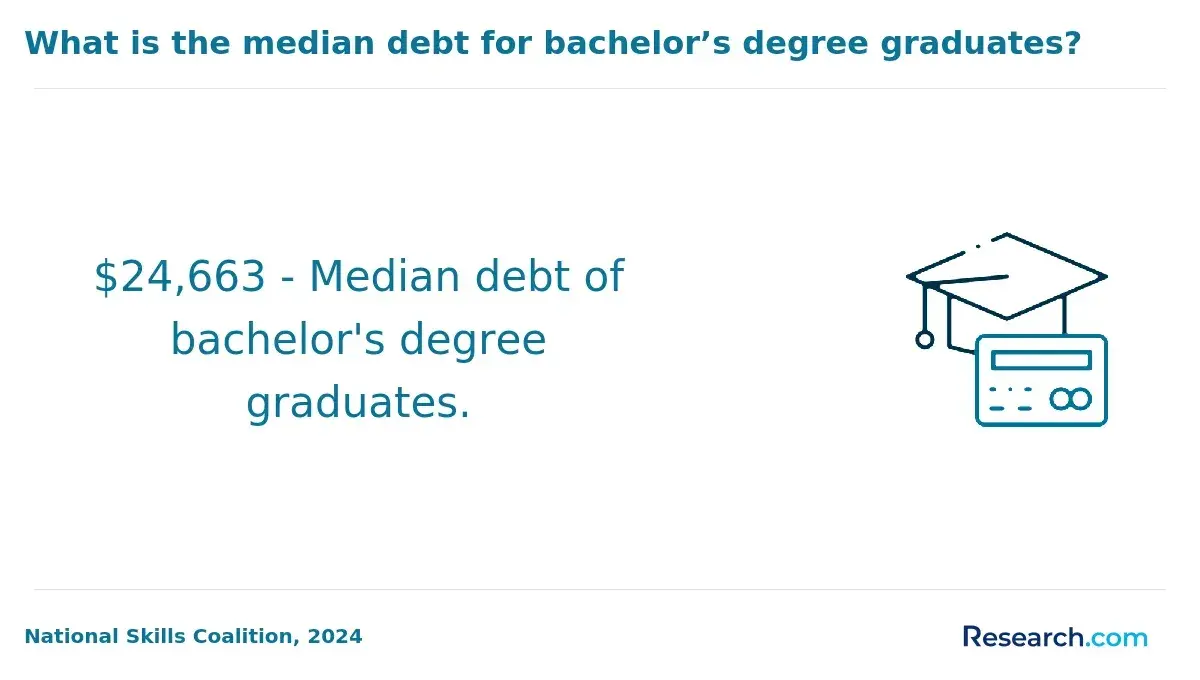
Examining tuition costs alongside salary growth offers a clearer view of the financial trade-offs involved in pursuing an architecture degree. Data from the National Center for Education Statistics and the Bureau of Labor Statistics in 2024 show tuition at public architecture programs has surged nearly 45% in the last decade, with private institutions surpassing 60%. Meanwhile, early-career salaries for architecture graduates typically range from $55,000 to $65,000 annually, increasing to about $75,000 to $90,000 at mid-career. When rising tuition significantly outpaces salary growth, graduates often face sizable debt burdens relative to their earnings, making the return on investment less favorable than headline salary numbers alone might suggest.
Consider two students entering architecture programs today: one attends an in-state public university while the other enrolls at a private school with considerably higher tuition. Although both may expect similar early-career salaries, the difference in debt load will affect their financial stability and ability to invest or save post-graduation. Factors such as the length of study-often extended due to accreditation requirements-and cost of living inflation further complicate comparisons, since they influence both accumulated expenses and real wage value over time. Therefore, evaluating tuition and salary growth in tandem, rather than isolation, allows prospective students to better assess their personal financial implications and career planning strategies.
One recent graduate recalls the uncertainty that accompanied choosing between a prestigious private architecture school and an affordable public option. Despite the allure of the private institution's network and resources, the student ultimately chose the public university to minimize debt, especially after weighing the modest early-career salary increases against tuition inflation. "I worried about starting my career with too much debt," the graduate explained, noting that balancing part-time work with studies helped ease financial pressure. This decision reflected a practical assessment of how tuition costs matched realistic salary prospects rather than relying solely on the reputation or promises of higher earnings.
Does a Architecture Degree Deliver a Positive Return on Investment?
Return on investment (ROI) in higher education involves weighing the total cost of a degree against the financial returns over a graduate's career, not just initial salaries. For those pursuing an architecture degree, this balance is complex due to high tuition costs and relatively slow starting wages. Recent data from the National Center for Education Statistics and the U.S. Bureau of Labor Statistics shows the median annual salary for licensed architects in 2024 is about $85,000, but entry-level salaries can hover near $55,000. Considering these figures alongside inflation and the increasing student debt burden, many graduates face several years before their earnings surpass educational expenses.
For example, a student investing around six years of study and associated costs may initially earn less than expected, delaying financial stability. However, advancement into senior positions or specialization in fields like sustainable design can push salaries above $120,000, significantly improving ROI. Geographic factors also matter: architects in high-demand metropolitan areas often see better compensation and faster career growth. Achieving licensure and diversifying skills remain critical for shortening the payback period on tuition investment and stabilizing income increases over time.
Ultimately, a positive ROI for an architecture degree depends heavily on individual career paths and broader economic conditions. While the financial payoff may be modest or slow to realize for many, those who persist and develop specialized expertise gain long-term benefits that can justify the upfront costs. Prospective students should weigh these variables carefully, understanding that while architecture offers meaningful career and creative rewards, the monetary return varies significantly based on experience, location, and skill diversification.
Which Industries Offer the Highest Salaries for Architecture Graduates?
Identifying the highest paying industries for architecture graduates requires looking beyond entry-level salaries to evaluate sectors that reward specialized skills and complex project experience. Federal data from the U.S. Bureau of Labor Statistics and insights from the National Architectural Accrediting Board highlight sectors with above-average compensation reflecting demand for advanced expertise or cross-disciplinary abilities. Graduates aiming for lucrative roles should weigh how industry-specific factors, such as project scale, technical integration, and client profiles, influence salary potential. Here are some key industries that typically offer the strongest earning opportunities for those with architecture degrees:
- Federal Government: Architects working within federal agencies benefit from higher base salaries coupled with robust benefits. These roles often involve large-scale public infrastructure and require navigating stringent regulatory environments, rewarding candidates with skills in project management and public-sector compliance.
- Specialized Design Services: Firms focused on industrial design, landscape architecture, or interior architecture pay premiums due to the niche expertise required. Architecture graduates with multidisciplinary design knowledge or certifications in these specialties command higher salaries tied to premium market segments.
- Commercial Real Estate Development: Large real estate and commercial development companies offer competitive wages often supplemented by substantial bonuses based on project profitability. Graduates experienced in urban design, mixed-use developments, or high-rise buildings typically find their skills in demand here.
- Technology and Software Firms: Companies developing Building Information Modeling (BIM) tools and other digital design technologies increasingly seek architects with combined architectural and software skills. This sector rewards innovation and cross-disciplinary knowledge, reflecting broader industry shifts toward tech-driven construction solutions.
- Large Multidisciplinary Architecture Firms: Bigger firms working on landmark projects offer higher salaries due to project complexity and client prestige. Architecture graduates here often gain exposure to international standards and advanced materials, positioning them well for upward career mobility.
- Healthcare and Institutional Design: Designing specialized facilities like hospitals or educational buildings requires detailed regulatory knowledge and technical precision, leading to elevated pay scales. Graduates adept in sustainable design and compliance tend to secure these well-compensated roles.
- Industrial Architecture: Involving the design of manufacturing plants and logistics centers, this sector offers premium wages reflecting the integration of engineering concepts with architecture. Graduates who combine architectural training with industrial workflows and safety standards are valued highly.
According to 2024 data from the U.S. Bureau of Labor Statistics, architecture-related roles in these top sectors often surpass median earnings for architects by 15-30%, illustrating the tangible benefits of strategic industry selection. However, graduates should balance starting salary considerations with long-term growth and job stability, particularly when evaluating opportunities in smaller firms or non-profit sectors, which generally offer less compensation. For those analyzing cost versus return on investment, comparing industries alongside programs like the cheapest ABA-approved paralegal programs can help clarify broader educational financing decisions. Understanding top architecture salary trends by industry in the US equips graduates to make choices informed by both current market realities and projected sector trajectories.
Which States and Cities Offer the Highest Pay for Architecture Professionals?
Geographic location remains a crucial factor for architecture professionals deciding where to build their careers, as salary potential varies widely across states and metropolitan areas. While some regions offer top-tier pay driven by robust demand and specialized markets, these wages often correspond with notably high living and educational expenses. For students and recent graduates evaluating the return on investment of an architecture degree, it's essential to balance these earning opportunities against cost-of-living pressures. The following list highlights key states and urban centers where architecture salaries rank highest in 2024, along with the essential tradeoffs they present.
- California: Leading the nation with average architecture salaries above $90,000, California's urban hubs like San Francisco and Los Angeles benefit from large-scale development and tech sector growth. However, the state's steep housing prices and elevated tuition fees can significantly reduce the net financial gain, especially for those entering the market with student debt.
- New York City: Offering salaries close to California's $88,000 average, New York's dense construction environment sustains high demand for architects. The city's premium living costs, including housing and education, create a challenging tradeoff for new graduates seeking financial stability early in their careers.
- Massachusetts (Boston): Boston provides compelling job opportunities in sustainable and specialized architectural design with salaries slightly below California and New York averages. The robust academic and innovation ecosystem attracts talent but necessitates careful consideration of the region's moderate-to-high living expenses.
- Washington, D.C.: With mid-$80,000 salary levels, D.C.'s government contracts and institutional projects offer stable architectural employment. Its relatively balanced cost-to-wage ratio compared to coastal tech hubs can be attractive, though housing prices remain above national averages.
- Seattle, Washington: This city's architecture salaries also hover around the mid-$80,000 range, supported by a strong construction sector allied with tech growth. Seattle's living costs, while high, are somewhat offset by growing suburban options that help ease housing expenses.
- Texas: With average salaries between $70,000 and $75,000, Texas cities provide a more favorable cost-to-income ratio. Lower housing costs and accessible education expenses make it a practical location for graduates focusing on long-term financial health rather than top earnings.
- Colorado: Colorado's architecture wages align with Texas's at $70,000 to $75,000, reflecting a growing market driven by urban expansion and sustainability initiatives. Moderately priced housing and education offer an appealing environment for early-career architects concerned with balancing salary and living costs.
How Do Architecture Salaries Grow Throughout a Career?
Salary growth in architecture careers tends to be gradual but varies considerably depending on experience, location, and professional development. Entry-level architects generally start between $55,000 and $65,000 annually, with earnings rising to roughly $70,000-$85,000 within the first five years as they achieve licensure and accumulate practical experience. By mid-career, typically after a decade or more, architects can expect salaries ranging from $90,000 to $110,000, reflecting not only time served but also specialized skills and leadership roles. Senior architects and principals with over 20 years in the field frequently surpass $120,000, sometimes reaching $150,000 or more, especially when working in major metropolitan areas or prestigious firms, though wage growth often struggles to keep pace with rising living costs and tuition debt.
Consider two architecture graduates starting with a similar salary: one focuses on obtaining additional certifications and takes on project management responsibilities early on, while the other remains in more technical roles without credentialing or leadership duties. Over time, the first individual is likely to achieve higher earnings due to expanded competencies and increased responsibilities, while the second's salary growth may plateau closer to mid-career averages. Data from the National Council of Architectural Registration Boards in 2024 supports that continuous skill development, diversification into related sectors like sustainable design or construction management, and leadership opportunities are critical drivers for meaningful salary increases over a long career. This nuanced progression highlights that while a degree opens doors, deliberate career choices heavily influence financial outcomes.
One recent graduate recalled feeling uncertain during their first years, torn between pursuing licensure or accepting a comfortable technical role to avoid added stress. After deciding to prioritize licensure and enroll in leadership training despite the workload, they experienced notable salary improvements after five years, validating the challenging but rewarding path. This personal journey underscores how deliberate commitment to professional growth rather than fixed credentials alone often shapes the trajectory of architecture salaries over time.
How Do Architecture Salaries Compare With Similar Degrees?
Comparing architecture salary comparison with related degrees reveals important nuances that students and career changers must consider beyond face-value numbers. While architecture graduates often start with salaries near $55,000 annually, this figure alone does not capture the mid- to long-term earning trajectory or practical challenges faced. Especially amid rising tuition and inflation, understanding how architecture earnings measure against similar fields can inform crucial investment decisions in education. Below is a concise comparison of architecture earnings versus similar fields to illustrate these dynamics.
- Engineering Degrees: Engineering graduates typically report median starting salaries closer to $70,000, reflecting the demand for STEM skills and hands-on technical expertise. These roles often offer clearer pathways to rapid salary growth due to specialized certifications and a steady need in industries like manufacturing and technology. The higher initial pay partly compensates for tuition that can be comparable or higher depending on specialization, such as mechanical engineering online degree programs.
- Computer Science: Computer science graduates command median starting salaries exceeding $80,000, driven by the fast-paced tech sector and software demand. Although often less focused on creative expression than architecture, these careers benefit from remote work flexibility and steady market expansion, which supports stronger salary growth over time.
- Design Disciplines: Design-related fields, including interior design, often begin with salaries around $45,000. These positions emphasize creative skills but may lack the technical licensing advantages that boost architect salaries over the long term. The tradeoff involves lower starting pay but potentially more varied entry-level opportunities.
- Architecture Licensure and Growth: While architecture starts in the middle range, salary growth largely depends on licensure and specialized experience. Achieving professional registration can narrow the pay gap with engineering fields over time, though this path requires significant commitment and often extends years beyond graduation.
This comparison situates architecture salaries realistically within a broader education and career landscape, highlighting the balance between creativity, technical proficiency, and financial outcomes that prospective students must weigh thoughtfully when considering options such as PhD online programs.
How Is Employer Demand Affecting Architecture Salary Trends?
Employer demand significantly influences architecture salary trends by shaping the competition for skilled candidates, hiring activity, and compensation strategies. For example, architects seeking positions in urban redevelopment hubs often face intense employer competition, which drives firms to offer higher starting wages and enhanced benefits to attract talent amid labor shortages. Data from the U.S. Bureau of Labor Statistics projects only a 3% employment growth for architects over the next decade, reflecting slower expansion than many STEM fields. This dynamic underscores that while demand varies regionally, it remains a key factor in salary fluctuations within the architecture job market demand trends, rewarding professionals who align with specific employer needs.
Key drivers such as sustainable design and technology integration increasingly shape employer demand, creating wage premiums for architects possessing specialized skills. These niche qualifications can accelerate wage growth, but salaries also depend on experience, economic conditions, and organizational budget constraints. Despite strong demand in sectors with acute labor shortages, overall architecture salaries have struggled to consistently outpace rising tuition costs and inflation, raising concerns about return on investment for recent graduates and career changers. When evaluating long-term earnings, it is vital to consider local demand variations and the value of supplementing an architecture degree with skills from related fields such as a GIS degree.
How Can Students Maximize Their Lifetime Earnings With a Architecture Degree?
Maximizing lifetime earnings with an architecture degree requires more than just completing course requirements. Data from the U.S. Bureau of Labor Statistics and the National Architectural Accrediting Board in 2024 show that licensure, specialization, and experience consistently influence income gains over time. For example, a graduate who pursues registration as a licensed architect while building expertise in sustainable design can access higher-paying leadership roles in expanding sectors. Below are targeted strategies students can follow to enhance their long-term earning potential.
- Obtain Licensure: Achieving registration as a licensed architect remains the strongest predictor of higher salaries, as it unlocks independent practice and senior project roles. Students should plan for the AXP and ARE exam requirements early in their careers for smooth progression.
- Pursue Advanced Credentials: Earning master's degrees or certifications in urban planning, construction management, or green technologies broadens career options and aligns with industry demands for sustainability expertise, a sector demonstrating notable wage growth.
- Specialize in High-Demand Sectors: Focusing on commercial real estate development or government infrastructure projects positions graduates within metropolitan markets where demand and pay scales are stronger and sustained.
- Build Practical Experience: Accumulating diverse internships and paid positions during studies enhances skills and networking opportunities essential for early career salary negotiation and advancement.
- Engage in Professional Networks: Joining organizations like the American Institute of Architects facilitates access to exclusive projects, mentorship, and senior roles that often come with premium compensation packages.
- Stay Current with Technology: Mastery of digital design tools and BIM platforms increases employability and enables entry into emerging roles commanding higher wages as firms adopt advanced workflows.
References
- Is College Worth it? | Return on Investment Analysis of College Degree https://educationdata.org/college-degree-roi
- Architecture & Interior Design Salaries - 2026 | Bespoke Careers https://www.bespokecareers.com/salary-guide/
- Ranked: The Top Paying States for Architects https://inside.lighting/news/25-06/ranked-top-paying-states-architects-salary-usa
- Top High-Paying Career Options for Architecture Graduates - Aditya College of Art, Architecture and Design https://www.acaad.edu.in/top-high-paying-career-options-for-architecture-graduates-2/
- The price of college is rising faster than wages for people with degrees | USAFacts https://usafacts.org/articles/is-college-worth-it-the-price-of-college-is-rising-faster-than-wages-for-people-with-degrees/
- 2026 Architect vs. Architectural Engineer Salary Guide - Monograph https://monograph.com/blog/architect-vs-architectural-engineer-salary-2026
- Architecture Salary Guide - H Δ U S https://hauscareers.com/salary-guides/architecture-salary-guide/
- 10 Highest Paying Countries for Architects – Top Companies & Average Salaries https://www.instarem.com/blog/highest-paying-countries-for-architects/
- Architect Salary in AU (July, 2026) – SEEK https://au.seek.com/career-advice/role/architect/salary
- Architecture Jobs Outlook: Here's What To Expect In Coming Years - Subcontractors USA https://subcusa.com/architecture-jobs-outlook-heres-what-to-expect-in-coming-years/
Other Things You Should Know About Architecture
Accredited programs often command higher tuition but provide essential credentials for licensure and employer recognition in architecture. Prioritizing accreditation can limit costly detours in licensing and enhance job prospects, outweighing the initial financial burden. However, students must weigh this against personal financial capacity and access to scholarships, as non-accredited programs might offer lower tuition but greater risk of credentialing delays or restricted employment options.
Many architecture graduates face unpaid internships to gain crucial experience, which delays income and exacerbates financial strain amid rising tuition debt. While unpaid internships may boost portfolio strength and network access, they reduce early-career earning potential and can prolong financial instability. Graduates should pragmatically assess whether paid roles with less prestigious firms might provide steadier income and incremental experience, facilitating a faster financial recovery and reducing long-term debt pressures.
Specializing in high-demand niches like sustainable design or digital modeling can command salary premiums, potentially offsetting higher tuition costs for specialized coursework or certifications. However, specialization narrows the job market, increasing exposure to sector volatility. Students should prioritize specializations aligning with durable industry trends and employer demand while maintaining sufficient versatility to adapt if niche markets soften.
Top-tier schools often offer superior networking, internships, and brand recognition, which can translate into higher starting salaries but come with substantial tuition and cost-of-living burdens. In contrast, regional programs may offer lower costs and reduce debt but sometimes deliver fewer direct industry connections. Students must balance upfront costs against potential salary boosts and career opportunities, favoring top-tier institutions primarily when those advantages align closely with their career goals and financial capacity.