2027 Accounting Salary Trends Report: Are Wages Keeping Up With Tuition and Inflation?

Co-Founder and Chief Data Scientist
A prospective accounting student weighs the decision to enroll amid rising tuition fees and uncertain economic conditions. They consider whether the financial return on an accounting degree will offset the upfront costs, factoring in inflation that affects both household budgets and educational expenses. Tuition hikes outpace general inflation at times, complicating the assessment of a degree's true value. This scenario reflects growing concerns about the interplay between salary growth, education costs, and inflation.
Comparing graduate salaries with tuition and inflation reveals whether wages keep pace with the increasing cost of living and education. Salary growth often lags behind education costs or inflation, reducing purchasing power even as nominal wages rise. This gap highlights the necessity of evaluating long-term earning potential instead of surface-level salary figures alone. The article examines salary trends, tuition costs, inflation, return on investment, affordability, and factors shaping the enduring financial value of an accounting degree.
Key Things to Know About Accounting Salary Trends
- Graduate salaries in accounting have risen roughly 4% annually since 2022, yet outpaced tuition hikes averaging 6%, indicating net entry-level cost pressures despite wage growth.
- Inflation-adjusted earnings for new accountants remain below peak levels from 2019, emphasizing that nominal salary gains may not fully mitigate the eroding purchasing power experienced post-graduation.
- Specialization in forensic or tax accounting correlates with 15-20% higher median wages over time, highlighting the impact of niche expertise on maximizing long-term income potential.
- Key Things to Know About Accounting Salary Trends Key Things to Know About Accounting Salary Trends
- What Is the Current Salary Outlook for Accounting Graduates? Salary Outlook
- Are Accounting Salaries Keeping Up With Inflation? Inflation Impact
- How Do Tuition Costs Compare With Accounting Salary Growth? Tuition vs Salary
- Does a Accounting Degree Deliver a Positive Return on Investment? Degree ROI
- Which Industries Offer the Highest Salaries for Accounting Graduates? Which Industries Offer the Highest Salaries for Accounting Graduates?
- Which States and Cities Offer the Highest Pay for Accounting Professionals? Which States and Cities Offer the Highest Pay for Accounting Professionals?
- How Do Accounting Salaries Grow Throughout a Career? Career Growth
- How Do Accounting Salaries Compare With Similar Degrees? Salary Comparison
- How Is Employer Demand Affecting Accounting Salary Trends? Employer Demand
- How Can Students Maximize Their Lifetime Earnings With a Accounting Degree? Maximizing Earnings
What Is the Current Salary Outlook for Accounting Graduates?
Accounting graduate salary trends 2024 indicate modest wage growth but reveal important disparities shaped by certification, industry, and location. According to recent U.S. Bureau of Labor Statistics data, the median annual income for accountants and auditors is about $79,000, with entry-level salaries typically ranging from $55,000 to $65,000. However, these figures do not fully offset inflation's impact, meaning that real earnings growth can be stagnant or even negative for new graduates. For example, a graduate with a CPA certification entering financial services may earn significantly more upfront than a peer without credentials working in a smaller local government office, underscoring how strategic career decisions influence initial compensation.
While average starting salaries for accounting graduates reflect these variations, it is critical to view early pay as part of a larger trajectory. Job demand remains strong in sectors like technology and government, which tend to offer clearer paths for salary increases and benefits over time. Graduates who invest in obtaining advanced credentials and develop experience in these high-demand areas can expect their earnings to rise above the median levels. Considering rising tuition costs and inflation, those exploring options such as an online master degree should weigh the potential salary growth against educational expenses to ensure a positive return on investment.
Are Accounting Salaries Keeping Up With Inflation?
Nominal wage increases in accounting have not fully matched inflation, meaning that even as salaries rise, the actual buying power of those earnings can decline. Recent data from the U.S. Bureau of Labor Statistics show that average wages for accountants and auditors grew by about 4.2%, while inflation measured by the Consumer Price Index hovered near 5.0%. This creates a scenario where, despite a higher paycheck, accountants may find themselves with less disposable income after adjusting for rising prices. For example, a recent graduate accepting a starting salary increase of 4% may still face higher living costs that outpace these gains, effectively reducing their financial comfort compared to previous years.
The impact of accounting salary growth compared to inflation rates is further complicated by rising educational expenses, which for many students have increased faster than wages. Tuition hikes averaging over 6% annually also weigh on prospective and current students, narrowing the financial returns of an accounting degree. Students should be aware of this dynamic and consider options like available scholarships for accounting majors to mitigate upfront costs. Mid-career accountants, while typically benefiting from stronger wage growth, also encounter pressures such as automation and budget constraints that can slow salary gains, making it essential to evaluate long-term earning potential against inflation trends thoughtfully.
How Do Tuition Costs Compare With Accounting Salary Growth?
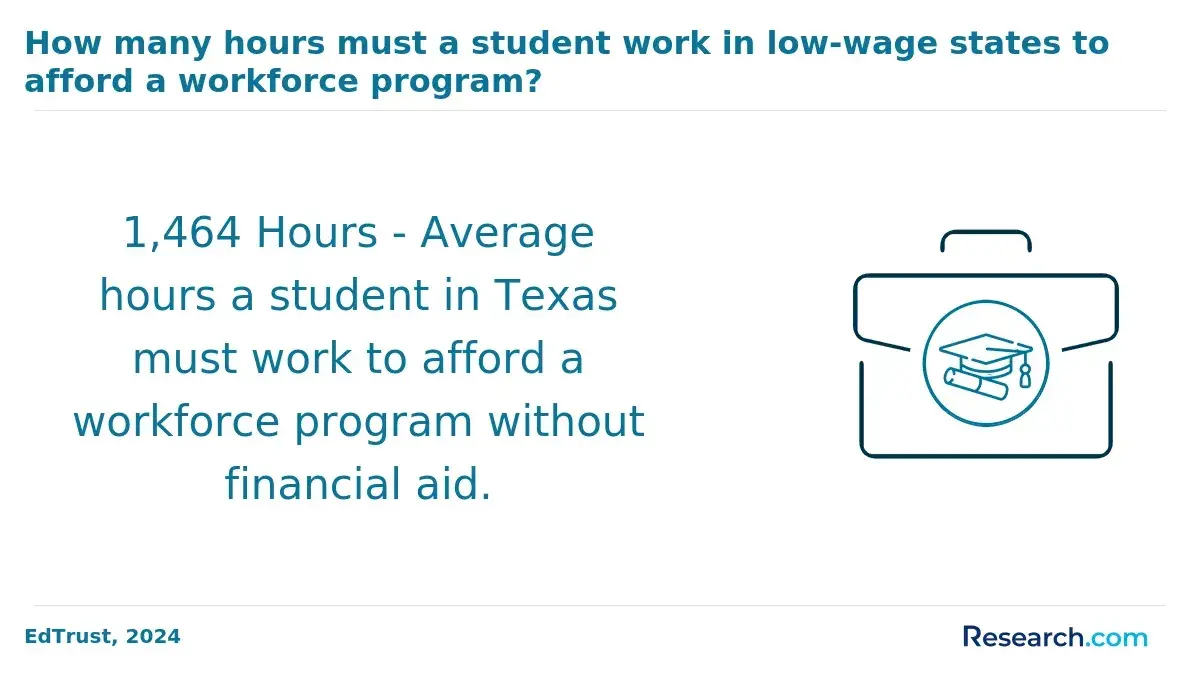
Evaluating the value of an accounting degree requires more than observing tuition or salary figures separately; the interplay between escalating educational expenses and income progression offers a clearer lens on financial feasibility. Data from the National Center for Education Statistics and College Board in 2024 show average annual tuition at public four-year colleges rising near 3.5%, while early-career accounting salaries start between $55,000 and $60,000 according to the Bureau of Labor Statistics. Despite steady wage increases to roughly $75,000-$85,000 after a decade, salary growth often lags behind the compounded tuition inflation, extending the timeline before students can meaningfully offset their educational debt. This discrepancy means students must assess not only immediate earnings but also how the burden of rising costs shapes their financial trajectory over time.
For example, a student attending a public university in a high-cost state might face yearly tuition around $30,000, climbing annually, while entry-level accounting jobs in that region may offer salaries at the lower end of the national range. This imbalance demands careful budgeting and possibly additional financial support to avoid long-term hardship, contrasting with a peer from a lower-cost area attending a private or top-tier institution whose starting salary may increase more rapidly due to better placement, mitigating tuition inflation effects. Factors influencing this dynamic include geographic disparities, institutional prestige, specific accounting certifications, and sector demand, all of which contribute to variable outcomes. Understanding these nuances helps prioritize strategic choices about where to study and which credentials to pursue for an optimal balance between investment and return.
Reflecting on these realities, a recent graduate recounted hesitation before enrolling due to mounting tuition fees exceeding initial salary expectations in their local market. They juggled part-time work and scholarships, feeling the pressure as expenses surpassed wage increases during early employment years. Over time, obtaining a CPA credential and switching to a metropolitan firm improved their income trajectory, alleviating earlier concerns. This experience underscores how tuition-salary comparisons shape individual financial decisions, emphasizing adaptive strategies rather than one-size-fits-all conclusions about the accounting degree's worth.
Does a Accounting Degree Deliver a Positive Return on Investment?
Return on investment for a degree hinges on weighing the full cost of education against long-term career benefits, not solely on entry-level salaries. For accounting graduates in 2024, this means considering tuition debt alongside steady wage progression, credentialing opportunities like CPA certification, and industry demand. According to data from the National Center for Education Statistics and the U.S. Bureau of Labor Statistics, accountants earn a median annual wage near $75,000, a figure notably above the average for bachelor's degree holders, reflecting both the field's stability and earning potential over time.
Consider a typical scenario: a student incurs average public university tuition debt, which has risen faster than inflation in recent years, increasing upfront financial strain. Despite this, the pathway to professional certifications and consistent salary increases can offset those initial costs within several years post-graduation. However, ROI isn't uniform; those finding jobs in lower-paying roles or regions may see a longer timeframe before recouping their investment, while others leveraging industry demand and advancement climb more quickly. Georgetown University's Center on Education and the Workforce highlights accounting as one of the disciplines with high employment stability and salary growth relative to education expenses, though individual outcomes depend heavily on economic conditions and career choices.
Key determinants of whether an accounting degree pays off include tuition costs, geographical job market, access to professional development, and personal financial circumstances. Rising tuition challenges affordability, but the sector's ongoing demand and professional pathways often justify the investment for many. Prospective students must balance these variables with their career goals, recognizing that while median wage data paints a positive picture, return on investment ultimately varies by individual situations and evolving market trends.
Which Industries Offer the Highest Salaries for Accounting Graduates?
Determining which industries offer the highest salaries for accounting graduates requires analyzing both market demand and the complexity of financial responsibilities within various sectors. Certain fields consistently reward accounting professionals with elevated compensation, reflecting the specialized expertise and strategic value they provide. For graduates balancing rising tuition costs and inflation, selecting industries known for strong pay can materially affect long-term financial outcomes. Below is a summary of the highest paying industries for accounting graduates, illustrating real-world contexts where these careers thrive.
- Finance and Insurance: This sector leads in accounting salaries due to stringent regulatory environments and the need for advanced skills like auditing, tax strategy, and risk management. Roles often include financial analysts, auditors, and compliance officers. Accounting professionals here typically earn median wages 15-25% higher than other industries, supported by the critical nature of their work in capital markets and risk assessment.
- Management of Companies: Strategic financial planning and corporate budgeting are central functions within this industry. Accounting graduates usually fill positions involving high-level decision support and compliance reporting for large enterprises. The direct impact on company profitability justifies comparatively higher salaries, with financial controllers and internal auditors particularly well-compensated.
- Professional Services: This category encompasses consulting firms, specialized accounting practices, and legal services. Accountants often manage multiple clients, requiring versatility in tax, audit, and advisory services. The complexity and billable hour models in these firms tend to boost earnings, rewarding adaptability and sector-specific certifications like CPA or CMA.
- Technology Sector: Emerging tech companies necessitate sophisticated financial oversight, especially in areas like revenue recognition and intellectual property valuation. Accounting roles here often blend finance and analytics, offering growth potential and lucrative pay as firms scale rapidly. Expertise in financial software and data analytics is increasingly vital.
- Energy and Utilities: Firms in this sector handle intricate cost structures and regulatory compliance, demanding detailed financial management. Accounting professionals often engage in budgeting, forecasting, and environmental cost accounting. Salaries are higher due to industry-specific challenges and the importance of capital investment decisions.
- Government and Education: These sectors generally offer lower starting salaries but are valued for job stability and benefits. Positions tend to focus on budgeting, fund accounting, and regulatory compliance, making them attractive for those prioritizing long-term security over immediate payoff.
A notable scenario involves a recent accounting graduate choosing between a finance firm offering a 20% salary premium versus an educational institution with lower pay but better work-life balance and pension benefits. This decision reflects the broader tradeoff across industries: higher immediate earnings weighed against stability and non-monetary perks.
Understanding accounting salary by industry in the United States is essential for making informed career choices. Prospective students considering project management degrees alongside accounting can also enhance their competitiveness in high-paying sectors. By targeting fields that align with their skills and financial goals, graduates can maximize the return on their educational investment and position themselves for sustained career growth.
Which States and Cities Offer the Highest Pay for Accounting Professionals?
The earning potential for accounting professionals varies significantly across the United States, influenced heavily by local industry demand and living expenses. While some states offer robust salaries due to concentrated financial sectors and specialized roles, these high wages are often offset by steep costs of living, particularly in major urban hubs. Conversely, regions with lower salaries might still enable better financial stability when expenses are factored in. Choosing where to start or grow a career in accounting requires weighing salary figures against regional economic realities. Below are key locations recognized for their comparatively high pay and the tradeoffs each presents.
- California: California tops the list with mean annual wages exceeding $95,000, driven by dense financial and tech industries in cities like San Francisco and Los Angeles. However, this premium salary must be balanced against one of the highest living costs in the nation, which can erode take-home income, especially for recent graduates managing tuition debt.
- New York City: As a major financial capital, NYC offers salaries often surpassing $100,000 for accountants, particularly in consulting and niche finance roles. The city's vibrant economic ecosystem provides ample advancement opportunities, but sky-high housing and daily expenses present a substantial tradeoff to consider.
- Boston, Massachusetts: Boston benefits from a strong mix of financial services and academic institutions demanding sophisticated accounting expertise. Salaries here are elevated, yet the coastal location means living costs remain above the national average, influencing disposable income and savings potential.
- Washington, D.C. Metro Area: The presence of government agencies and federal contractors drives notable demand for accounting professionals with skills in compliance and auditing. Salaries are competitive and often come with the benefit of greater job stability, but housing prices and commuting expenses can reduce net gains.
- Seattle, Washington: Seattle's growing tech sector and corporate headquarters fuel demand for advanced accounting roles. Salaries tend to be strong, yet the rising cost of living is a crucial factor for newcomers to assess against the anticipated income.
- Chicago, Illinois: Offering annual wages typically between $75,000 and $85,000, Chicago balances competitive pay with a more moderate cost of living compared to coastal metros. This combination may provide better real purchasing power and less financial strain for graduates carrying education loans.
- Minneapolis, Minnesota: Minneapolis presents a similar scenario to Chicago, with solid wages matched by relatively affordable housing and expenses. The region's diversified economy supports steady accounting employment, making it attractive for those prioritizing sustainable financial footing after school.
How Do Accounting Salaries Grow Throughout a Career?
Accounting salaries generally increase steadily with experience, yet the rate of growth depends heavily on career choices and credentialing. According to the U.S. Bureau of Labor Statistics' 2024 data, entry-level accountants start around $50,000 to $60,000 annually, while mid-career professionals typically see increases to $70,000-$90,000. This progression often coincides with expanded roles such as senior accountant or financial analyst, but certification and specialization can sharply influence income growth. For example, certified public accountants with five to ten years of experience can earn 20-30% more than their non-certified peers, highlighting how professional development accelerates compensation beyond time served.
At senior levels, those in leadership or specialized positions, including accounting managers, controllers, and CFOs, may earn upwards of $120,000, sometimes reaching $150,000 or more in high-demand regions or industries. However, rising education costs and inflation temper these gains, meaning salary increases may not translate to significant purchasing power improvements. Two accountants with equivalent degrees might experience diverging salary paths: one who pursues CPA licensure and industry specialization could climb faster and earn substantially more than a colleague who remains in generalist roles without additional credentials. Long-term salary growth in accounting hinges not only on tenure but fundamentally on certifications, job function complexity, and geographic and industry context.
One accounting graduate recalled feeling uncertain after finishing college but decided to pursue CPA certification despite the additional time and expense. Early on, this choice meant slower financial progress compared to peers who took higher-paying staff accountant roles immediately. Yet, after several years, the certification opened doors to senior roles with significant pay raises and more job security, making the initial sacrifice worthwhile. This nuanced experience reflects how intentional professional development decisions shape actual earning trajectories beyond simple years of experience.
How Do Accounting Salaries Compare With Similar Degrees?
Accounting salaries generally provide a stable and competitive pathway compared to degrees in finance, business administration, and economics. The median starting salary for accounting graduates is around $58,000, which, while slightly lower than finance graduates' $61,000, remains solid when viewed alongside related fields. Realistically, a graduate weighing the cost of tuition against expected earning potential must understand not only entry-level salaries but also mid-career growth and certification benefits. Below is a comparison that highlights how accounting wages measure up against other common degrees in the business and financial sectors.
- Finance Degree: Finance graduates tend to start with higher median salaries, averaging about $61,000 due to demand in investment banking, corporate finance, and trading roles. These positions often offer higher pay but come with longer hours and increased stress, which may not suit everyone's work-life preferences.
- Business Administration: Business administration graduates typically see starting salaries near $55,000. While offering broad applicability in management and operations, the degree's earnings growth is generally slower, making accounting's structured career ladder and certification options more attractive for salary growth and stability.
- Economics Degree: Economics graduates start near $60,000 and have careers that can span public policy, research, and consultancy. Mid-career salaries in economics often align closely with accounting but may require advanced degrees or specialized analytical skills to outpace accounting's CPA credential advantages.
- Accounting Careers: Accounting professionals enjoy steady salary increases, with mid-career median wages ranging from $80,000 to $85,000, boosted by certifications such as CPA. The demand for accountants remains consistent across industries and regulatory environments, often providing reliable income and less volatility than some finance roles.
For students considering the financial return on investment in their education, it's worth comparing these salaries with tuition costs and inflation pressures. Additionally, exploring fields like data science, which offers competitive salaries and growing demand, could be worthwhile. Resources such as the data scientist degree rankings help highlight emerging alternatives worth considering alongside traditional business fields.
How Is Employer Demand Affecting Accounting Salary Trends?
Employer demand significantly impacts accounting salary trends by intensifying competition among organizations for qualified candidates. When demand rises, companies often increase hiring activity and adjust compensation strategies to attract skilled professionals, especially in specialized fields like forensic accounting and compliance. For example, a mid-sized firm facing new regulatory challenges might offer above-average starting salaries to secure talent with specific expertise, illustrating how employer demand shapes wages beyond entry-level roles.
However, sustained salary growth depends on multiple factors, including experience levels, regional economic conditions, and organizational budgets. The U.S. Bureau of Labor Statistics reports that accounting and auditing occupations are projected to grow steadily, sustaining demand that supports moderate wage increases. Prospective students should recognize that while employers' need for accounting professionals drives positive salary trends, the influence of strong employer demand can vary across roles and locations, reinforcing the importance of strategic specialization and geographic choice. Those evaluating the long-term value of an accounting degree must weigh salary trends against tuition and inflation, a balance that can be informed by looking at data such as those provided by credentialing bodies and industry surveys.
Understanding these dynamics helps clarify the real-world tradeoffs in pursuing an accounting career, especially amid rising educational costs. For example, considering an online marketing degree or other alternative pathways may also influence financial outcomes and career trajectory. Overall, analyzing employer demand impact on accounting salaries within this economic context offers a more nuanced view for students and career changers assessing their professional and financial prospects.
How Can Students Maximize Their Lifetime Earnings With a Accounting Degree?
Maximizing lifetime earnings with an accounting degree requires deliberate choices beyond simply completing coursework. Key factors include specialization, industry focus, and geographic location, each backed by 2024 data from the U.S. Bureau of Labor Statistics and leading industry sources. For example, a recent graduate choosing to pursue a CPA certification while targeting finance roles in urban centers can expect markedly higher earnings over time compared to peers who do not. Below are focused strategies that meaningfully impact long-term compensation and career trajectory.
- Professional Certification: Earning credentials like CPA, CMA, or CIA substantially increases marketability and salary potential. Certifications demonstrate expertise and commitment, often leading to advanced roles that boost income.
- Industry Selection: Targeting high-demand sectors such as finance, healthcare, or technology offers greater pay due to complexity and regulatory needs. Aligning coursework and internships with these industries enhances hiring prospects.
- Geographic Considerations: Urban areas and high-cost regions typically offer higher wages, but candidates must weigh living expenses to ensure real income gains.
- Leadership Advancement: Pursuing management roles significantly elevates compensation, as 2024 reports show steep earnings increases for accounting professionals in leadership positions.
- Continuous Education: Staying current with evolving regulations and technologies like data analytics yields a 15-20% income increase over time, according to NASBA.
- Networking and Firm Selection: Choosing firms with transparent promotion pathways and actively building professional networks can accelerate career progression and salary growth.
References
- Finance vs Accounting Degree: Which Major To Choose? | Becker https://www.becker.com/blog/cpa/finance-vs-accounting-degree-which-major-to-choose
- Big 4 Accounting Firms Salary Guide for Roles & Progression https://www.casebasix.com/pages/big-4-accounting-firms-salary
- Accounting Degree: Associate or Bachelor’s | Monroe University https://www.monroeu.edu/news/accounting-degree-associate-or-bachelors
- Accountancy Salary Guide 2026 | Ashdown Group https://www.ashdowngroup.com/salary-guide/accountancy
- Top High-Paying Accounting Jobs | FC Training Institute https://www.fctraining.org/what-are-the-highest-paying-accounting-jobs.php
- Accounting Career Path: From Entry-Level to CFO (2026 Roadmap) https://careery.pro/blog/accountant-careers/accounting-career-path
- The Benefits of Earning an Accounting Degree https://www.straighterline.com/blog/the-benefits-of-earning-an-accounting-degree
- Understanding Finance and Accounting Salaries: A Comprehensive Guide for Job Seekers % https://www.boutiquerecruiting.com/blog/understanding-finance-and-accounting-salaries-a-comprehensive-guide-for-job-seekers/
- Are wages keeping up with inflation? | USAFacts https://usafacts.org/answers/are-wages-keeping-up-with-inflation/country/united-states/
- What Type of Accountant Gets Paid the Most? Top Accounting Specialties in 2025 https://www.accountingfly.com/highest-paying-accounting-specialties-2025/
Other Things You Should Know About Accounting
Graduate programs like a master's in accounting often come with significant tuition increases, yet entry-level wages for many accounting roles have seen only modest growth. This creates a timing mismatch where the investment may not immediately pay off, pressuring new graduates who face loan repayments without commensurate early earnings. Prioritizing schools with integrated work placements or CPA exam support can enhance employability and accelerate salary growth, helping to offset upfront graduate costs more effectively.
Specialized credentials such as the CPA can open doors to higher wages but require substantial time and financial investment, which may delay income gains during preparation. Conversely, gaining broad accounting experience earlier may lead to steady salary growth through diversified skills. For many, the decision hinges on whether immediate income stability or long-term premium pay potential aligns better with their personal financial situation and career goals.
Accounting positions differ widely in workload, from predictable audit seasons to fluctuating tax deadlines, impacting work-life balance and perceived compensation fairness. Higher pay in demanding roles may not fully compensate for burnout or reduced personal time, leading some candidates to accept lower wages in steadier jobs. When evaluating salaries, prospective accountants should factor in stress and hours worked, as raw salary figures alone may not reflect true job value.
Rising tuition costs increase the financial risk of extended schooling, especially if wage growth for accounting graduates remains flat in the short term. For students without specialized aspirations, entering the workforce earlier to gain practical experience can be more financially prudent and may provide employer-sponsored education options. Prioritizing real-world experience first, then pursuing advanced credentials as salary rises, tends to yield better net lifetime earnings in many cases.