2027 Accounting Affordability by State: Where Students Pay the Most and Least

Co-Founder and Chief Data Scientist
Choosing between an in-state public university charging $10,000 annually and a neighboring state's private program listing $25,000 tuition may seem straightforward, until hidden costs and living expenses shift the calculus. A 2024 study from the National Center for Education Statistics reveals that out-of-state students borrow 35% more on average, reflecting higher cost burdens tied to residency and housing. This trend underscores how state policies on tuition pricing and financial aid dramatically impact the true affordability of an accounting degree, influencing decisions beyond sticker price.
This article examines state-by-state accounting affordability, helping readers pinpoint where pursuing this credential is financially prudent or prohibitive.
Key Things to Know About Accounting Affordability by State
- States with lower tuition often have higher living costs, increasing total attendance expenses; this tradeoff means cheaper sticker prices don't guarantee overall affordability for accounting students managing tight budgets.
- Employers in states with strong public university funding tend to value in-state graduates more due to relevant local regulation exposure, affecting long-term employment prospects beyond initial tuition savings.
- Rising out-of-state tuition combined with stagnant financial aid limits cross-state enrollment, making timing of program entry crucial for prospective accounting students seeking access to affordable, quality education.
- Key Things to Know About Accounting Affordability by State Key Things to Know About Accounting Affordability by State
- Which States Have the Most Affordable Accounting Degree Programs? Most Affordable State Programs
- Which States Have the Highest Accounting Degree Costs? Highest State Tuition Costs
- How Much Does a Accounting Degree Cost by State? Degree Costs by State
- Why Does Accounting Affordability Vary So Much Between States? State Affordability Variations
- How Do In-State and Out-of-State Tuition Rates Affect Accounting Affordability? In-State vs. Out-of-State Rates
- How Does the Cost of Living Impact Overall Accounting Affordability by State? Living Costs and Affordability
- Which States Offer the Best Value for a Accounting Degree? Best Value State Degrees
- What Financial Aid and Scholarship Opportunities Can Reduce Accounting Costs? What Financial Aid and Scholarship Opportunities Can Reduce Accounting Costs?
- Are Online Accounting Degree Programs More Affordable Than On-Campus Options? Are Online Accounting Degree Programs More Affordable Than On-Campus Options?
- Is a Accounting Degree Worth the Cost Based on Career Outcomes and ROI? Degree ROI and Outcomes
Which States Have the Most Affordable Accounting Degree Programs?
States that consistently offer the most affordable accounting degree programs do so largely because of strategic investment in public higher education combined with effective cost containment policies. For instance, Wyoming's commitment to maintaining low in-state tuition through robust state funding reduces dependence on tuition revenue, making its colleges accessible without financial strain.
Such policies directly influence student decision-making when balancing the tradeoff between lower sticker prices and factors like regional living costs or program quality. A student from Idaho considering an out-of-state option might find that while the nominal tuition is lower locally, pursuing in-state enrollment in Idaho or neighboring states often yields a more sustainable budget and better financial aid opportunities.
These affordability patterns also reflect differences in state-level educational infrastructure and resident tuition advantages, which impact enrollment choices and degree completion timelines. States with extensive community college networks, for example, facilitate lower overall costs through affordable transfer pathways into four-year accounting programs, appealing to budget-conscious learners and families.
The growing availability of flexible online options further shifts calculations, allowing students to reduce relocation and commuting expenses-seen in places like New Mexico, where online pathways contribute to the broader trend of affordable accounting degrees in top states. When assessing the long-term value of such programs, students should weigh these cost dynamics against practical employability outcomes and regional job markets to ensure their educational investment aligns with career expectations and financial realities.
For students comparing accounting programs across states, nuances in residency policies and state funding priorities mean affordability varies considerably based on individual circumstances as well as program format. The National Center for Education Statistics (NCES) 2024 data shows states like Wyoming, New Mexico, and Idaho consistently report resident tuition fees well below the national average, sometimes under $6,000 annually at public institutions.
However, lower tuition does not always translate into straightforward savings when factoring in cost-of-living differentials and financial aid availability. Budget-conscious students may find that their enrollment decisions, degree pacing, and ultimate return on investment depend on this complex interplay, emphasizing the importance of researching state-specific policies and options such as an accelerated bachelor's degree online to tailor educational pathways efficiently.
Which States Have the Highest Accounting Degree Costs?
States with the highest accounting degree costs often reflect complex regional economic dynamics, including limited state funding for public universities and high local living expenses. For example, in states like California and Massachusetts, the combination of elevated in-state tuition-often exceeding $15,000 annually-and substantial housing costs in major cities significantly raises the overall price of attendance. Public institutions in these regions face budget pressures that drive tuition upward, while private colleges with strong accounting programs further push market rates higher.
Students must weigh these financial demands against potential returns, as metropolitan areas with higher costs also tend to offer stronger employment prospects and employer demand for accountants, complicating the value calculation of pursuing an accounting degree in these states.
Residency requirements create another layer of cost differentiation, with out-of-state students frequently encountering tuition rates two to three times higher than residents, influencing enrollment decisions and encouraging some to seek online alternatives or institutions in states with more affordable public education systems. The concentration of prestigious universities and faculty salaries contributes to tuition inflation, particularly in states with robust local economies.
This means prospective students must critically assess not only sticker price but how geographic factors shape both educational access and post-graduation opportunities, including financial aid availability and practical expenses beyond tuition, such as transportation and housing in urban centers. These tradeoffs heavily influence whether the higher upfront investment in a costly state offers sufficient long-term benefit.
One recent accounting graduate recalled the challenge of choosing between attending a high-cost public university out of state or a more affordable in-state program with less recognized prestige. Residency restrictions meant the out-of-state tuition was prohibitive, despite stronger employer connections in that area. She spent weeks researching financial aid packages, local living costs, and job placement rates to make an informed decision.
Ultimately, she opted for online coursework combined with in-state enrollment, balancing cost constraints while preserving career prospects, though she remained wary if the savings justified potentially narrower networking opportunities versus a higher-priced metropolitan program.
How Much Does a Accounting Degree Cost by State?
Costs for earning an accounting degree vary widely between states, largely driven by disparities in public funding, tuition policies, and regional economic factors. According to the National Center for Education Statistics and the College Board's 2024 data, annual in-state tuition at public four-year universities ranges from about $7,000 in states like Wyoming to over $15,000 in northeastern states such as Vermont.
Private institutions, by contrast, present significantly higher sticker prices, often exceeding $30,000, with less geographic variation but increased baseline expense. These differences mean students must weigh not only sticker costs but also state residency rules that can double tuition rates for out-of-state enrollees, affecting decisions about whether to relocate, stay local, or pursue online alternatives.
Financial aid policies and cost of living amplify these tuition disparities. States that allocate more funding to higher education generally offer lower net costs for residents, while tuition-dependent states see higher sticker prices. For example, though California's public universities maintain competitive tuition relative to other large states, higher fees and local living costs shift total attendance expenses upward.
Conversely, states like Missouri and Tennessee combine moderate tuition with more affordable housing and transportation, making them attractive options for budget-conscious accounting students. Considering these layers is crucial: a low tuition figure in isolation may not translate into overall savings if living expenses inflate the total cost considerably, influencing borrowing needs and long-term financial planning for degree completion.
Why Does Accounting Affordability Vary So Much Between States?
Variations in state funding for public higher education create stark differences in accounting degree cost across the U.S., shaping tuition stability and student financial burden. For instance, California and New York's higher per-student allocations help suppress in-state tuition, making accounting education comparatively accessible, while states with stagnant or declining budgets often see tuition rising as institutions compensate.
This dynamic forces many students to reconsider enrolling locally versus exploring out-of-state or online options, especially where residency benefits and merit-based aid are limited. According to 2024 data from the National Center for Education Statistics, these funding disparities continue to drive uneven state-by-state variations in accounting education affordability.
Cost of living further complicates affordability calculations, with northeastern states like Massachusetts facing higher overall expenses that can offset tuition savings, contrasting with more affordable regions in the Midwest or South. Institutional makeup also plays a crucial role, as private and research universities prevalent in some states impose higher fees to cover expansive services, unlike states where community colleges and smaller regional schools dominate the landscape and offer lower tuition alternatives.
Given these structural differences, budgeting for an accounting degree involves weighing program availability, financial aid options, and living costs together, often prompting transfer decisions or leveraging in-state discounts. Students exploring flexible pathways might also consider programs such as lMFT school online options that balance quality with cost across regions.
How Do In-State and Out-of-State Tuition Rates Affect Accounting Affordability?
The disparity between in-state and out-of-state tuition rates significantly influences the total cost of earning an accounting degree, often shaping students' decisions on where to enroll. Public universities generally offer much lower tuition to residents, with 2024 data from the National Center for Education Statistics showing average in-state tuition around $10,500 annually compared to approximately $22,000 for out-of-state students. This gap creates a substantial financial barrier for non-resident students, particularly in states without reciprocity agreements or affordable residency reclassification pathways. As a result, prospective accounting students must weigh the immediate savings against long-term career benefits of relocating or attending higher-priced private institutions, which, while costly, may offer superior financial aid or stronger regional network access.
Residency policies deepen geographic inequality in accounting education affordability. Some regions mitigate this through programs like the Western Undergraduate Exchange, which lower out-of-state fees for participating states, but such options remain limited. Online accounting programs may standardize tuition regardless of residency, yet employers and local job markets often favor candidates educated within their region, complicating decisions that factor tuition against employability.
Moreover, qualifying for in-state tuition can require lengthy residency waiting periods, impacting financial planning and timing for students who relocate. These complexities underscore that tuition rates are not isolated costs but part of broader strategic considerations affecting both educational access and post-graduation opportunities.
One recent graduate recalled choosing a university in a neighboring state, initially assuming they would reclassify as in-state after a year's residence. When the university did not grant in-state status, the unexpected tuition surge forced urgent budget adjustments. "I hesitated after seeing the bill jump so much, wondering if staying closer to home, where I qualified for in-state rates, would've been smarter," they explained.
This experience highlighted how ambiguous residency rules and unplanned expenses can disrupt financial strategies, emphasizing the need for clearer guidance when evaluating tuition differentials in accounting program selection.
How Does the Cost of Living Impact Overall Accounting Affordability by State?
Variations in housing, transportation, healthcare, and food costs create significant disparities in the true cost of pursuing an accounting degree across states, often overshadowing differences in tuition alone. For example, students in California or New York face monthly rents two to three times higher than peers in Mississippi or West Virginia, which can drastically alter total expenses and debt burdens even when tuition is similar. Such cost-of-living discrepancies force students to weigh immediate financial pressures against long-term benefits, like stronger local job markets or higher post-graduation salaries, influencing decisions about whether to enroll in-state, commute, or explore online programs.
Regional living expenses and accounting affordability go beyond tuition sticker prices, affecting financial aid needs and enrollment patterns. In rural states with limited public transit, transportation costs may require car ownership, adding another layer to student budgets. Additionally, healthcare premiums and utility expenses vary enough across states to impact out-of-pocket spending. Students in higher-cost areas might delay degree completion or consider alternatives related to time and location, including hybrid or online study paths, which some may compare to options like a hospitality management degree online, chosen for different economic tradeoffs.
Planning for an accounting degree requires recognizing these complex tradeoffs, where affordability is linked not only to tuition but also to comprehensive living costs and labor market context. States with favorable living expenses may offer lower financial barriers but present challenges in employment opportunities or lower earning potential after graduation. Consequently, informed decisions must integrate cost-of-living data with career prospects to avoid both unexpected financial strain during study and limited professional outcomes afterward.
Which States Offer the Best Value for a Accounting Degree?
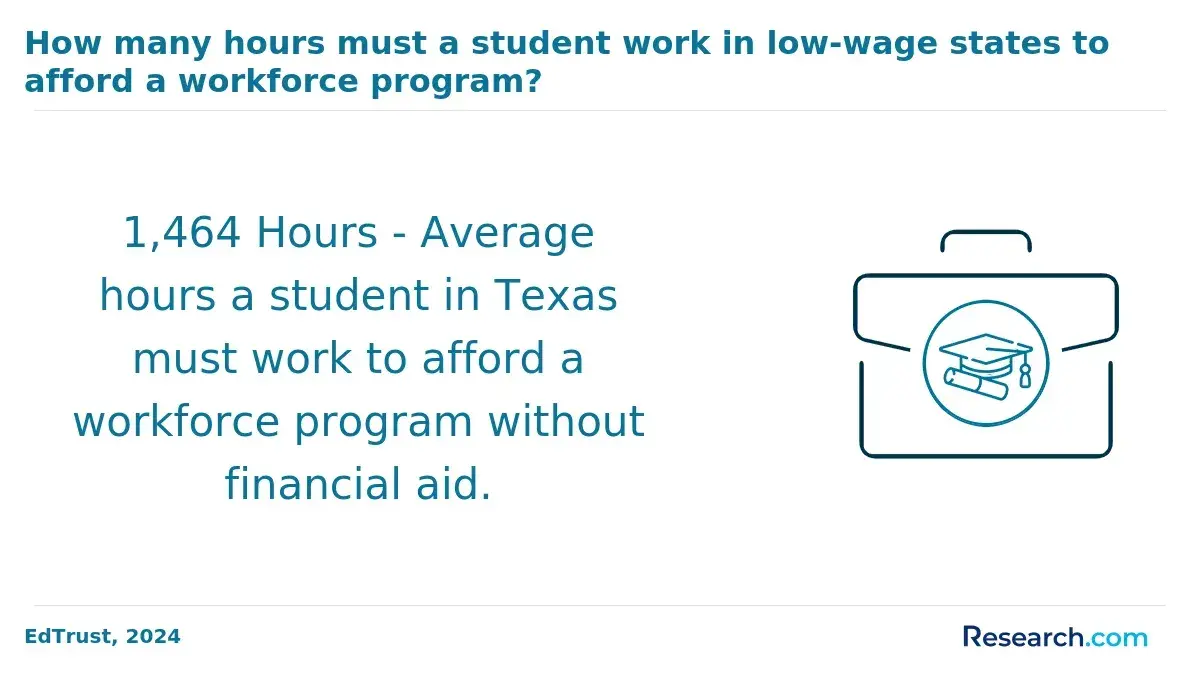
Evaluating the best state for an accounting degree requires looking beyond sticker tuition prices to how in-state policies, financial aid access, and regional economies interact to affect total educational costs and future job opportunities. For students who qualify for residency-based tuition, states like Texas offer a compelling mix of moderate living expenses, lower degree completion barriers, and diverse local job markets, making these programs financially viable over the full course timeline. Conversely, choosing a cheaper out-of-state program without consideration of completion rates or subsequent earnings potential may increase overall costs, especially when factoring in relocation and living expenses, underscoring that low tuition alone is not synonymous with strong value.
Financial aid and degree completion rates also heavily influence cost-effectiveness; for example, Florida's accounting graduates typically carry lower average debt loads-around $25,000 versus a national average above $30,000-due in part to state grants and internship-integrated curricula that enhance employability and reduce time to degree. North Carolina's alignment with regional finance hubs supports graduates in moving swiftly into financially rewarding positions, especially important given the varying quality and support structures different institutions offer even within the same state. Students weighing online versus traditional attendance should similarly assess how state residency status impacts access to public tuition rates and aid, as well as how local labor demands may affect networking and career entry.
Ultimately, affordability varies significantly depending on a student's residency status, program completion likelihood, and regional economic conditions, making a comprehensive evaluation essential. Opting for the absolute cheapest tuition without regard for finishing rates or local market demand can lead to greater long-term costs and underemployment, while strategically selecting states with balanced tuition policies, financial aid structures, and strong employment networks can yield a more reliable return on investment for accounting degrees. Data from 2024 sources such as the College Scorecard highlight these nuanced tradeoffs critical to making an informed decision that minimizes debt and maximizes career prospects.
What Financial Aid and Scholarship Opportunities Can Reduce Accounting Costs?
Federal aid programs like the Pell Grant play a pivotal role in offsetting tuition costs for accounting students, but their impact varies significantly depending on family income, state residency, and timing of applications. For example, a student from California may benefit from both the Pell Grant and the Cal Grant, creating a layered support system that sharply reduces net price, whereas a comparable student in a state with limited grant offerings faces fewer opportunities to stack aid. However, eligibility criteria such as income thresholds, full-time enrollment mandates, and academic progress requirements can complicate planning and may force students to weigh course loads against financial aid retention carefully.
Beyond federal and state grants, merit-based scholarships and institutional aid vary widely in availability and stipulations, often favoring students with strong academic records or leadership credentials. These awards can substantially lower costs but are frequently tied to strict GPA maintenance or credit-hour benchmarks, which can limit flexibility for working or part-time students.
Meanwhile, employer-sponsored tuition assistance—reported to cover relevant expenses for roughly 40% of working accounting professionals according to a 2024 survey by the National Association of State Boards of Accountancy—offers a practical route for those already employed, yet it typically demands alignment with specific career goals and may require repayment if employment ends prematurely.
Strategic consideration of these diverse aid sources and their conditions is essential when comparing affordability across states and programs, as state residency rules, renewal conditions, and aid stacking policies can produce vastly different long-term financial outcomes.
Are Online Accounting Degree Programs More Affordable Than On-Campus Options?
Affordability comparisons between online accounting degree programs and on-campus options depend heavily on individual circumstances and state policies rather than a straightforward tuition difference. While online programs often advertise 15-30% lower tuition rates according to a 2024 National Center for Education Statistics report, the actual cost advantage may be offset by factors such as technology fees, required hardware upgrades, and reliable internet expenses.
Additionally, students enrolling in traditional programs might benefit from in-state tuition discounts and state-specific financial aid that are often unavailable or limited for remote learners, complicating cost comparisons for those navigating online accounting degree affordability compared to on-campus programs.
The cost tradeoffs are further influenced by non-tuition expenses such as housing, transportation, and campus fees, typically minimized or eliminated for fully online students. For example, a commuter or out-of-state student could save thousands annually by avoiding lodging and meal plans, improving online programs' financial appeal. Yet, this advantage can narrow when traditional programs offer competitive aid packages or scholarships mostly allocated to on-campus students.
Students should also consider opportunity costs: online formats often provide flexible scheduling that enables continued employment, which may offset tuition burdens, while campus programs may limit this flexibility. These nuances are critical, especially when evaluating cost differences between online and in-state accounting degrees where residency rules and aid eligibility vary widely by state and institution.
Beyond direct costs, employer perspectives prioritize program accreditation, reputation, and graduate outcomes over delivery modality, meaning that graduates from online or in-person programs generally face similar employment prospects. Prospective learners looking to balance cost and career goals might find it useful to explore related pathways such as an online human services degree that could complement or diversify career options while managing educational expenses.
Ultimately, decisions should weigh tuition, ancillary costs, aid availability, and personal work obligations to determine the most financially accessible pathway within their state and career context.
Is a Accounting Degree Worth the Cost Based on Career Outcomes and ROI?
Choosing to pursue an accounting degree requires careful consideration of how state-level tuition differences and institutional completion rates affect overall financial outcomes. For example, although graduates in high-cost states like California and New York often command higher starting salaries, the increased tuition and living expenses can diminish the real return on investment.
In contrast, studying in states such as Texas or Florida, where tuition tends to be more affordable and job markets for accounting professionals remain robust, may lead to better net financial outcomes. Students must weigh opportunity costs and debt burdens beyond tuition alone, especially since accounting grads carry an average debt load below the national average, which influences long-term financial stability.
Employment demand for accounting roles remains steady, supported by regulatory compliance and complex financial environments, projecting a 6% growth through 2032. However, the overall value of the degree also hinges on program quality and individual career goals, including whether graduates pursue certifications like CPA licenses to boost employability.
The varied graduation rates among public and for-profit institutions also affect the practical return on investment, making it critical for prospective students to scrutinize institutional outcomes rather than relying solely on salary expectations or tuition costs. This is particularly relevant for budget-conscious learners comparing their options and geographic mobility.
For those balancing finance with career training, exploring options such as online cyber security courses alongside accounting studies may diversify skill sets and increase marketability. Overall, evaluating career outcomes for accounting graduates by state offers a nuanced perspective that transcends basic cost-benefit analysis and enables informed decision-making based on real-world contexts and workforce implications.
References
- College Affordability Still Out of Reach for Students with Lowest Incomes, Students of Color https://www.ihep.org/college-affordability-still-out-of-reach-for-students-with-lowest-incomes-students-of-color/
- “Affordability” is just high nominal prices https://www.slowboring.com/p/affordability-is-just-high-nominal
- How the Post-Pandemic Price Surge Reshaped Affordability in America https://www.commonsenseinstituteus.org/oregon/research/jobs-and-our-economy/the-inflation-hangover-how-the-post-pandemic-price-surge-reshaped-affordability-in-america
- Maximizing Your Aid Eligibility - Finaid https://finaid.org/financial-aid-applications/maximize/
- States of Affordability: A series on where and why US households struggle to make ends meet | Brookings https://www.brookings.edu/articles/states-of-affordability-a-series-on-where-and-why-us-households-struggle-to-make-ends-meet/
- MS in Accounting in USA: Top Colleges, Fees & Scope | Amber https://amberstudent.com/blog/post/ms-in-accounting-in-usa
- Financial Aid Is for Everyone: Top 5 Resources for All Students in 2025 https://curisfinancial.org/financial-aid-resources-for-students/
- Comparing self-study, online and in-person classes https://ohiocpa.com/for-the-public/news/2024/06/04/accounting-success-strategies-comparing-self-study-online-and-in-person-classes
- New Rankings Reinforce Connecticut’s Decades-Long Affordability Problem https://www.yankeeinstitute.org/2026/03/02/if-cost-of-living-is-the-top-concern-why-are-lawmakers-raising-costs/
- All Forms of Financial Aid for College | Ascent Funding https://www.ascentfunding.com/blog/types-of-financial-aid/
Other Things You Should Know About Accounting
States with lower tuition rates often achieve this through higher public subsidies, but this can result in larger class sizes and more limited faculty resources. For accounting students, this means potentially less personalized instruction and fewer opportunities for mentorship or hands-on learning, which are critical in mastering complex accounting principles and software tools. When affordability comes at the cost of program quality, students should carefully weigh potential savings against the risk of weaker preparation for CPA exams or employer expectations.
Investing in a state with higher tuition can be worthwhile if the local accounting programs maintain robust ties with businesses and accounting firms, providing clearer pathways to internships and employment. States with renowned accounting hubs may justify higher costs through better networking, career placement, and experiential learning opportunities, which directly influence early-career outcomes. Students focused on immediate employment prospects should assess the potential ROI of paying more upfront for programs with stronger industry alignment.
Choosing a state with mid-range tuition but low accounting wage growth or limited local demand can diminish the financial effectiveness of the degree. Affordability in tuition alone does not guarantee strong career returns if local employers pay below market rate or have fewer openings for accountants. Students should analyze both tuition and regional labor market conditions, prioritizing states where even moderately priced education pairs with sustainable salary prospects.
States vary in CPA exam prerequisites, credit hour requirements, and work experience mandates, which affect the total time and money needed to become licensed. For students pursuing cost-effective paths, states with less onerous CPA licensing rules could reduce overall expenses despite variations in tuition. Understanding these regulatory differences helps students prioritize programs that align with efficient licensure while maintaining educational rigor valued by employers.