2027 Accounting ROI by Institution Type: Public vs Private vs Nonprofit Online Programs

Co-Founder and Chief Data Scientist
Choosing between public, private, and nonprofit online programs for accounting can define a student's financial future more sharply than expected. Two programs may look identical in curriculum but differ markedly in tuition, graduation rates, and long-term debt burdens. A 2024 study by the National Student Clearinghouse noted public institutions boast a 10%-15% higher completion rate in accounting-related fields than some private counterparts, directly influencing career readiness and earning potential. This gap signals critical tradeoffs in institutional support and eventual return on investment. This article analyzes these differences to help prospective students evaluate which online accounting pathway aligns best with their economic and professional goals.
Key Things to Know About Accounting ROI by Institution Type
- Public online accounting programs typically offer lower total costs but may have variable graduation rates, meaning learners face a tradeoff between affordability and timely degree completion that impacts overall ROI timing.
- Private institutions often boast stronger employer recognition and accreditation networks, enhancing career advancement opportunities but potentially increasing long-term student debt exposure relevant for workforce entry decisions.
- Nonprofit online accounting options frequently provide robust learner support and flexible pacing, critical for working adults balancing time constraints, though higher tuition can affect net return relative to upfront investment.
- Key Things to Know About Accounting ROI by Institution Type Key Things to Know About Accounting ROI by Institution Type
- What Does ROI Mean for a Accounting Program and How Is It Measured? Understanding Accounting Program ROI
- How Do Public, Private, and Nonprofit Online Accounting Programs Differ in Overall Value? Value by Institution Type
- How Do Tuition Costs Affect the ROI of a Accounting Program Across Institution Types? Tuition Costs and ROI
- How Do Graduation Rates Influence Accounting Program ROI? Graduation Rates Impact ROI
- What Role Do Career Outcomes Play in the ROI of a Accounting Degree? Career Outcomes and ROI
- How Does Student Debt Impact the Long-Term ROI of a Accounting Program? Debt vs. Long-Term ROI
- How Do Flexibility and Adult Learner Support Affect Accounting Program Value? Flexibility and Program Value
- How Do Accreditation and Institutional Reputation Influence Accounting ROI? How Do Accreditation and Institutional Reputation Influence Accounting ROI?
- How Does Time-to-Degree Affect the ROI of Public, Private, and Nonprofit Accounting Programs? How Does Time-to-Degree Affect the ROI of Public, Private, and Nonprofit Accounting Programs?
- How Can You Choose the Best Accounting Program Based on Your ROI Goals? Choosing Programs by ROI
What Does ROI Mean for a Accounting Program and How Is It Measured?
Return on investment in an accounting program is best understood through the lens of total educational outlay weighed against measurable career outcomes rather than mere tuition comparison. For example, while public online programs typically present lower upfront tuition costs and subsequently reduced student debt, their six-year graduation rates-reported at 48% by the National Center for Education Statistics-can extend time-to-degree and increase opportunity costs, especially for working adults balancing study with employment. In contrast, nonprofit programs, with a median graduation rate of 55%, may cost more but often provide stronger learner support and enhanced career services, which can improve completion likelihood and long-term salary gains, making the initial financial premium potentially worthwhile depending on individual circumstances and career timing.
Prospective students conducting an accounting program return on investment calculation must weigh factors such as institutional reputation and accreditation, which significantly influence employer hiring preferences and salary trajectories in the years following graduation. Opportunity costs also weigh heavily; programs that accommodate part-time progression can preserve income streams for employed students, increasing the practical ROI despite longer completion horizons. Career-focused decision-making benefits from analyzing evolving salary patterns within the accounting field, recognizing that immediate post-graduation earnings understate true return when salary growth typically accelerates three to five years into the profession. Balancing these elements reveals why opting for a low-cost option does not invariably yield the strongest long-term value, and why assessing a program's comprehensive support and career outcomes is crucial. This nuanced approach enables students with different goals-whether swift completion, reduced debt load, or maximum salary potential-to navigate tradeoffs more effectively, especially as they consider options including a reputable easy online masters degree in accounting or related fields.
How Do Public, Private, and Nonprofit Online Accounting Programs Differ in Overall Value?
Deciding among public, private, and nonprofit online accounting programs involves balancing tuition costs, institutional resources, and post-graduation outcomes rather than simply choosing the cheapest or most prestigious option. Public programs typically offer lower tuition and greater credit transfer flexibility, which can reduce debt but often serve larger and more diverse student populations with variable graduation rates between 40% and 60%. In contrast, private programs tend to invest more heavily in career support and networking, contributing to graduates earning roughly 15% higher starting salaries according to a 2024 AACSB survey, yet this often comes with substantially higher price tags that increase financial risk for students less able to absorb debt.
Nonprofit online accounting programs occupy a middle ground, prioritizing ethical competencies and niche specializations such as nonprofit financial management, which may appeal to students targeting specific sectors but offer less certainty around broad employer recognition. Student engagement and completion rates generally skew higher in private and nonprofit settings, improving return on investment by minimizing time-to-degree and associated opportunity costs. Employer demand consistently emphasizes practical skills like CPA readiness and adaptability, making support services and internship opportunities critical differentiators beyond institutional prestige.
One graduate recalled weighing a public university's affordability and extensive course options against a private program's enhanced career counseling and a nonprofit school's specialized curriculum. Despite initial hesitation about taking on greater debt for perceived prestige, the graduate ultimately chose the nonprofit option after discovering it provided a targeted curriculum aligned with career goals and acceptable tuition, striking a balance between cost, completion prospects, and sector relevance. This decision underscored the importance of evaluating total educational value through a personal lens rather than relying solely on broad reputational assumptions or sticker price.
How Do Tuition Costs Affect the ROI of a Accounting Program Across Institution Types?
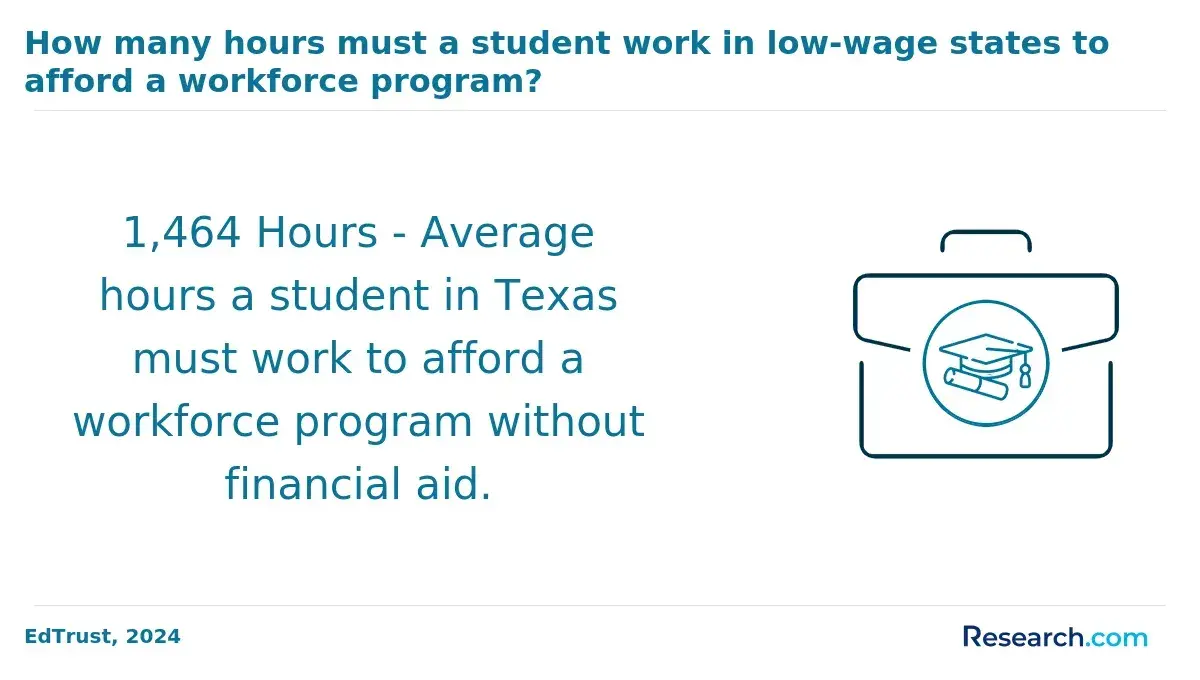
Tuition cost differences among public, private, and nonprofit online accounting programs shape return on investment in complex ways that extend beyond sticker price. Public institutions generally offer lower upfront costs, often between $10,000 and $15,000 for in-state students, due in part to government subsidies. However, private programs, despite higher tuition exceeding $30,000 on average, can sometimes reduce their net price through scholarships and grants. Yet, graduates from private programs tend to carry significantly more debt-up to 40% higher median borrowing-which can dampen long-term financial returns, especially if salary gains do not sufficiently compensate for that burden.
Beyond cost, completion rates and program design impact value. Flexible scheduling and higher completion rates around 65-70% at many public online accounting programs support more timely degree attainment, which is crucial to controlling total expenses and accelerating workforce entry. Nonprofit programs might offer specialized courses or networking advantages, but their price premiums require careful weighing against measurable outcomes. Employers increasingly prioritize verifiable skills and certifications, meaning a higher-cost degree does not guarantee better employment or salary increases. For cost-conscious learners, prioritizing programs that balance affordability with strong support and realistic graduation timelines often yields superior ROI compared to simply selecting the lowest or highest tuition.
Decision-making should incorporate how institutional factors, financial aid, debt exposure, and student support influence both immediate costs and career prospects over time. A career changer targeting niche accounting roles may justify a pricier nonprofit program if it enhances practical expertise and connections, whereas a working professional focused on minimizing debt might find a public online option more aligned with their goals. According to the Federal Reserve's 2024 data, the median debt discrepancy between private and public online accounting graduates underscores the significance of these tradeoffs when projecting the true value of an accounting education.
How Do Graduation Rates Influence Accounting Program ROI?
Graduation rates directly influence the return on investment (ROI) of accounting programs by reflecting how effectively institutions support students toward degree completion, which impacts time-to-degree and debt levels. For example, private nonprofit online programs with graduation rates near 60% typically provide more robust academic support and flexible scheduling, helping students finish sooner and reduce financial strain. In contrast, public institutions with rates around 45% often serve more part-time, working adults whose longer pathways may lower traditional graduation metrics but benefit from lower tuition, presenting a tradeoff between affordability and completion speed. These dynamics are crucial for cost-conscious adult learners evaluating accounting degree return on investment across online program types.
Although graduation rates offer a snapshot of institutional effectiveness, they are an incomplete ROI indicator without considering factors like program flexibility, student persistence, and career services. Adults balancing work and study may prioritize programs with strong learner support even if completion times vary, while others might focus on upfront cost savings despite extended timelines. Recognizing these nuances helps prospective students weigh program value beyond raw metrics. Those interested in related disciplines might also explore specialized fields such as CACREP online counseling programs, which similarly balance affordability with support services and outcomes.
What Role Do Career Outcomes Play in the ROI of a Accounting Degree?
Career outcomes critically shape the return on investment of accounting degrees by determining how effectively graduates translate education into sustainable employment and advancement. For example, a 2024 workforce report shows public online programs achieve a 78% employment rate within six months, outperforming private and nonprofit institutions, which reflects stronger employer networks and practical experience opportunities tied to state partnerships. These real-world connections influence job placement quality more than tuition cost alone, as programs with recognized industry certifications and alignment with professional accounting standards tend to enhance alumni marketability and long-term career mobility. However, factors like geographic job availability and student career goals complicate ROI, requiring prospective students to weigh immediate employment prospects against flexible scheduling or skill development tailored to career changers or working professionals.
Beyond initial placement, employer perception of an accounting graduate's practical skillset influences internal promotion rates and job retention, shaping long-term value beyond entry-level salaries. Public programs often facilitate internships and certification pathways, increasing graduates' practical competencies that hiring managers seek amid evolving regulatory demands. Yet, the decision to enroll involves tradeoffs tied to program costs, debt load, and time-to-degree, especially for adult learners balancing work and family, emphasizing the importance of measurable outcomes rather than nominal degree completion. Recognizing these nuanced dynamics helps students prioritize programs that deliver tangible employer recognition and realistic career trajectories rather than assuming uniform post-graduation success across institution types.
A graduate recalled cautiously weighing the ROI of an online accounting program while uncertain if the credential would yield significant career benefits. Initially skeptical about translating the degree into advancement, the graduate was surprised by opportunities to assume greater financial responsibilities within their company, citing employer respect for the curricular ties to professional accounting standards as a key factor. This experience underscored the challenge of evaluating ROI solely through salary or placement statistics, highlighting instead how practical skill validation and internal role expansion can represent meaningful returns over time.
How Does Student Debt Impact the Long-Term ROI of a Accounting Program?
The long-term financial ROI of online accounting degrees hinges on balancing debt levels against the quality and outcomes of programs, with distinct implications depending on whether the institution is public, private, or nonprofit. For example, students at private online programs often face debt burdens exceeding $40,000, which can extend repayment periods and increase financial strain without guaranteed proportional salary growth. Conversely, public institutions generally offer lower tuition and better state aid, improving debt-to-completion ratios and easing repayment, which makes them a more cost-effective pathway for many working professionals and adult learners focused on managing their financial commitments while acquiring relevant skills.
Loan repayment patterns underscore how debt directly impacts long-term ROI, especially when compared across institutional types. Graduates from public online accounting programs typically show steadier repayment and lower default rates, reflecting more predictable salary trajectories and less disruptive financial obligations. Nonetheless, when borrowing is strategic, taking on moderate debt to access higher-quality instruction, specialized certifications, or valuable networking can enhance employability and career options. Adult learners evaluating debt must weigh total costs-including opportunity costs like lost wages-against realistic salary expectations and program benefits, such as flexibility and alignment with job market demands, which vary widely across different schools and program formats. For those interested in credentialing pathways, resources like the best bookkeeping certification can complement degree choices while helping manage financial exposure.
How Do Flexibility and Adult Learner Support Affect Accounting Program Value?
Programs that offer flexible scheduling and robust adult learner support directly affect persistence and time-to-degree, which ultimately shape the return on investment for online accounting students. Asynchronous coursework and part-time options reduce opportunity costs for working adults managing jobs and families, raising completion rates by allowing students to navigate education on their own terms. A 2024 report from the National Center for Education Statistics highlights that students with these accommodations persist at rates 20% higher than those in rigid formats, underscoring how flexibility can accelerate progress and lower total educational costs by minimizing interruptions and delays.
Support services such as personalized academic advising, accessible faculty, career counseling, and military accommodations also play a critical role in student retention and employability outcomes. While public institutions often provide broader access and affordability with state-funded resources, nonprofits tend to excel in targeted services for veterans and adult learners, boosting graduate employment prospects by roughly 15%, according to the Lumina Foundation's recent findings. Private programs may offer stronger networking and faculty engagement, but their higher tuition impacts net ROI, especially for budget-sensitive students weighing the value of intensive support versus cost. Prospective students must balance these tradeoffs-limited funding in nonprofits and general advising in public colleges may mean fewer tailored interventions, while private options typically demand a premium without guaranteed returns in career readiness.
How Do Accreditation and Institutional Reputation Influence Accounting ROI?
Regional and programmatic accreditation significantly shape the practical return on investment for accounting degrees by ensuring alignment with core industry standards and state licensure requirements. For example, graduates from regionally accredited programs, such as those accredited by the Association to Advance Collegiate Schools of Business (AACSB), experience notably higher employment rates-in fact, a 2024 National Center for Education Statistics report shows a 15% greater likelihood of securing employment within six months compared to those from nationally accredited or unaccredited schools. This difference reflects employer preferences that prioritize not only recognized credentials but also the rigorous curriculum and student support often tied to such accreditation. For students balancing cost and career goals, this tradeoff can justify investing in accredited programs that improve CPA eligibility and graduate school acceptance.
Institutional reputation adds another layer but operates unevenly across the accounting job market. Well-known public and nonprofit universities may enhance initial salary offers and networking potential, yet many employers increasingly emphasize verified skills, practical experience, and CPA qualification over brand familiarity alone. This reality can diminish the ROI advantage of more expensive private institutions where reputation inflates tuition without commensurate outcome improvements. Prospective students should thus weigh how institutional prestige interacts with tuition costs, potential debt burden, and available student services supporting degree completion-key factors influencing long-term earnings and career advancement. ROI optimization depends on navigating these complexities rather than relying solely on accreditation seals or name recognition.
How Does Time-to-Degree Affect the ROI of Public, Private, and Nonprofit Accounting Programs?
The timeline for degree completion crucially shapes the return on investment for public, private, and nonprofit online accounting programs by influencing tuition costs, opportunity costs, and subsequent career earnings. For example, a working adult enrolling part-time in a public program may benefit from lower tuition but face longer completion times, delaying full workforce entry and increasing indirect costs. Transfer credit policies and degree-completion rates also factor heavily; public institutions often facilitate credit transfers that can shorten time-to-degree, improving ROI despite slower graduation rates. Conversely, private programs typically offer accelerated tracks that reduce time-to-degree, but higher tuition may erode some savings from earlier labor market re-entry.
Nonprofit institutions generally balance cost, time, and flexibility, appealing to learners prioritizing a steady income alongside education, though the tradeoff often includes moderate completion times. These differences mean adult learners must consider how accelerated online accounting degrees impact ROI across institution types, weighing faster degree paths against financial burden and educational depth. Programs rushed to minimize time may compromise practical exposure, which can be critical in hiring decisions and skill mastery.
For students balancing family and employment, flexible pacing and transfer credit acceptance often outweigh speed, affecting long-term financial outcomes. Cost-conscious individuals and career changers should evaluate these factors in relation to their timelines and goals, particularly when exploring options like an online math bachelor's degree, which may share similar time-versus-cost dynamics. Understanding the real-world implications of program length alongside tuition and completion statistics informs smarter decisions that align education with workforce realities.
How Can You Choose the Best Accounting Program Based on Your ROI Goals?
The best return on investment from online accounting programs hinges less on whether an institution is public, private, or nonprofit, and more on how the costs, support systems, and career outcomes align with a student's specific priorities. Public institutions typically offer lower tuition rates and reduced student debt, with recent data from the National Center for Education Statistics showing graduates from public online programs carrying about 20% less debt than their private counterparts. However, private programs may deliver stronger employer connections, higher graduation rates, and enhanced learner support, which can translate into improved job placement and salary growth-key considerations when comparing ROI of public private and nonprofit accounting degrees.
Students balancing employment or family obligations should weigh program flexibility heavily, as many public and nonprofit offerings provide asynchronous or part-time options, allowing for timely degree completion without halting income. At the same time, private programs often compensate with more personalized advising and robust networking opportunities. Financial aid availability, institutional accreditation, time-to-degree, and career services further shape the practical benefit of the investment. For those weighing options, exploring resources for related fields like the best online masters in public administration may offer useful comparative insights into program quality and outcome metrics.
References
- What it is and how to calculate ROI or Return on Investment - Esade https://www.esade.edu/beyond/en/what-is-roi-and-how-to-calculate-return-on-investment/
- The Economics of Accreditation: Costs, Benefits, ROI - Course Accreditation https://course-accreditation.com/blog/the-economics-of-accreditation-costs-benefits-roi/
- 10 Expert Secrets to Choosing the Right Accounting Software https://figsflow.com/10-expert-tips-to-choose-the-right-accounting-software/
- GRIN - Adult Learning. Influencing Factors https://www.grin.com/document/322054
- Is College Worth it? | Return on Investment Analysis of College Degree https://educationdata.org/college-degree-roi
- What to Consider When Choosing a Accounting Program https://www.patrion.net/en/blog/what-to-consider-when-choosing-a-accounting-program
- Accounting treatment and policy developments affecting student loans - Office for Budget Responsibility https://obr.uk/box/accounting-treatment-and-policy-developments-affecting-student-loans/
- How To Calculate The ROI Of Your College Degree | Bankrate https://www.bankrate.com/loans/student-loans/roi-college-degree/
- Government and Nonprofit Accounting: Key Differences and Best Practices - NGO Finance Hub https://ngofinancehub.com/government-and-nonprofit-accounting/
- Maximizing ROI with the Right Project Management Software https://es.celoxis.com/article/maximizing-roi-right-project-management-software
Other Things You Should Know About Accounting
The structure and delivery of accounting coursework can vary significantly across institution types, influencing how effectively students can absorb complex financial concepts and apply them. Public institutions often emphasize standardized curricula with larger class sizes, which may limit personalized interaction but offer consistent foundational knowledge. Private and nonprofit programs might provide smaller cohorts and more hands-on case studies or networking opportunities, which can enhance skill application and employer connections. For busy professionals, private and nonprofit programs may yield higher ROI if they deliver a more tailored learning experience aligned with industry practices.
While all three institution types can grant credible accounting degrees, employer preferences sometimes favor private or nonprofit programs with specialized accreditation or stronger alumni networks, which can facilitate recruitment and job placement. Public programs generally carry broad recognition but may be seen as less exclusive or innovative by some firms, potentially influencing the types of positions graduates initially access. For candidates targeting competitive accounting roles, prioritizing programs with demonstrable employer engagement and practical training can offer a clearer ROI despite higher costs.
Public accounting programs frequently have a more rigid curriculum with a higher credit load concentrated in fewer semesters, leading to an intense but shorter study period that could fast-track entry into the workforce. Private and nonprofit programs often offer more flexible pacing, which supports working adults balancing jobs but may extend completion time and delay earnings. The tradeoff involves balancing immediate workforce entry against manageable workload and reduced burnout; selecting the right pace affects long-term ROI by impacting both time-to-employment and sustained career stamina.
Financial aid can substantially reduce net costs, amplifying ROI, particularly at private and nonprofit schools where tuition tends to be higher. However, specializing in high-demand accounting subfields like forensic accounting or taxation often correlates with better employment outcomes and salary premiums regardless of institution type. For adult learners and career changers, prioritizing programs that pair meaningful specialization with accessible aid maximizes ROI by increasing both earning potential and affordability, rather than focusing solely on sticker price or institution prestige.