
2027 Which Taxation Degree Careers Have the Highest Barriers to Entry?

Co-Founder and Chief Data Scientist
Why do some taxation careers demand far more qualifications and experience than others? Aspiring taxation professionals often face confusion when choosing paths with vastly different entry hurdles. For example, while tax preparers may require minimal certification, becoming a tax attorney or IRS appeals officer involves extensive education and licensure. Studies show that only about 15% of taxation graduates pursue advanced certifications or law degrees necessary for these roles.
Understanding the factors behind these disparities helps prospective students plan accordingly. This article explores which taxation degree careers have the highest barriers to entry and what makes these paths more demanding to pursue.
Key Things to Know About Taxation Careers With the Highest Barriers to Entry
- Careers with the highest barriers require advanced degrees, often a master's or CPA certification, making education a significant time and financial investment.
- Highly competitive hiring standards favor candidates with specialized skills and internships, with acceptance rates in tax advisory roles below 15% at top firms.
- Strict credentialing mandates extensive experience, typically 3 to 5 years, alongside passing rigorous exams like the CPA or Enrolled Agent for entry.
Which Taxation Careers Are Hardest to Get Into?
Certain taxation careers are known for their high selectivity and scarce availability, creating significant barriers for aspiring professionals. Some specialized roles in taxation experience acceptance rates as low as 5% to 10%, highlighting the intensity of competition and limited opportunities. These factors often mean candidates must navigate some of the highest entry barriers for taxation professionals in the US.
The following list outlines some of the most challenging taxation careers to enter due to these competitive pressures and limited openings.
- Government Tax Counsel: These roles are limited in number and highly sought after because they involve providing critical advice on complex tax laws. The impact of these positions on public policy adds an additional layer of selectivity, contributing to their exclusivity.
- Tax Litigation Specialist: Securing a position representing taxpayers or government agencies in disputes comes with fierce competition. The combination of few litigation roles and a candidate pool experienced in tax controversy leads to a highly selective environment.
- Transfer Pricing Expert: Specializing in multinational taxation issues, this niche has very few openings. Demand for experts who can navigate cross-border tax challenges is high, but positions remain limited and competitive.
- Tax Policy Advisor: Offering counsel to legislative bodies or officials, these roles are scarce and carry significant strategic importance. The broad influence taxation policy advisors hold makes entry into this career path especially challenging.
- International Tax Consultant: Those working with complex global tax arrangements face a limited number of positions, resulting in intense competition. The need to address intricate international regulations further narrows the field.
For individuals considering advanced educational routes to overcome some of these barriers, pursuing an EdD online might be a strategic option to broaden expertise and improve competitiveness in select taxation careers with the most stringent certification requirements.
What Academic Requirements Make Taxation Careers Harder to Enter?
Academic requirements significantly influence access to taxation careers, especially when these roles demand extensive education or specialized study. Nearly 60% of advanced taxation roles require candidates to hold at least a master's degree or its equivalent, reflecting the high bar set by many employers in this field. These educational prerequisites can limit entry by requiring sustained academic commitment and financial investment.
The following outlines key academic factors that increase the difficulty of entering taxation careers:
- Advanced Degrees: Many specialized taxation careers demand more than a bachelor's degree. Typically, obtaining a master's in taxation, accounting, or law adds two or more years of study, lengthening the educational journey and increasing costs.
- Specialized Coursework: Coursework in areas like corporate taxation, international tax policy, or federal tax regulations requires focused academic effort. Not all institutions offer these classes, compelling students to find programs with the right specialization.
- Extended Study Timelines: Some taxation roles call for completion of lengthy academic programs involving thesis work, comprehensive exams, or dual degrees. These requirements prolong study time and may deter those unable to commit extra years.
- Prerequisite Knowledge: Foundational courses in economics, finance, or law are often required before pursuing specialized taxation studies, increasing total credits and semesters needed for qualification.
- Research and Writing Requirements: Advanced taxation degrees frequently expect extensive research projects or scholarly papers. This level of academic rigor can be challenging for students without strong backgrounds in research methodologies.
What Certifications Are Required for Taxation Careers?
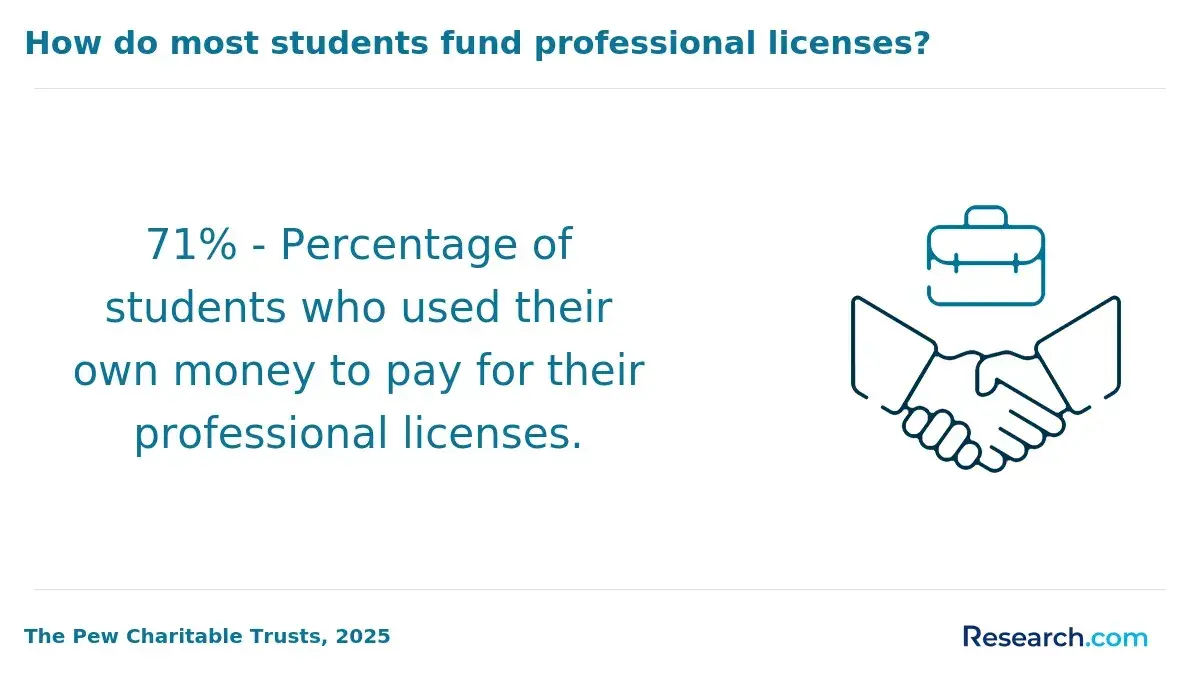
Certifications are often essential for careers in taxation, acting as formal prerequisites or mandatory qualifications for specialized professional practice. These credentials ensure practitioners meet legal and industry standards, shaping who can perform specific tax-related duties. Over 60% of employers in taxation fields consider certification a critical factor when hiring candidates.
The following credentials commonly serve as key requirements in taxation careers:
- Certified Public Accountant (CPA): This license encompasses broad tax and accounting expertise and is often mandated for tax professionals engaged in audits, tax preparation, and comprehensive tax planning. Achieving the CPA title requires passing a challenging exam and adhering to professional ethics.
- Enrolled Agent (EA): Authorized by the IRS, the EA credential grants unlimited rights to represent taxpayers before federal tax authorities. Obtaining it involves a rigorous exam emphasizing federal tax laws and procedures.
- Chartered Tax Professional (CTP): This certification highlights advanced mastery of tax regulations and applications, frequently requested for roles needing in-depth regulatory knowledge and specialized tax advisory skills.
- Certified Tax Specialist (CTS): Focused on tax compliance and regulatory details, the CTS credential signals expertise vital for navigating intricate tax code requirements and ensuring adherence to law.
Reflecting on the certification journey, a taxation degree graduate shared that the path can be daunting but rewarding. He described the CPA exam as "intensely demanding," requiring months of focused study and often feeling overwhelming. Preparing for the EA test, he said, "felt like entering a completely different arena," especially due to the exam's focus on IRS-specific procedures, which demanded a unique skill set. His experience underscored how these certifications act as significant gatekeepers, filtering candidates but also validating their readiness for the profession.
Experience requirements significantly shape the competitiveness of taxation careers in the United States. Employers frequently apply experience thresholds to narrow applicant pools, especially for high-level taxation roles where applied knowledge is crucial. Such filters help ensure candidates progressing in hiring possess adequate practical exposure.
Below are typical general categories of experience demanded in competitive taxation job markets:
- Entry Level: Positions tend to require little to no prior work experience, focusing instead on fundamental knowledge and basic practical skills within taxation frameworks.
- Early Career: Roles usually call for one to three years of relevant experience, emphasizing growing competence in tax regulations and compliance functions.
- Mid Level: Commonly needing three to five years of experience, these jobs expect greater autonomy in managing complex tax issues and strategic planning.
- Senior Level: Positions often demand over five years of extensive experience, including leadership and advisory duties on complex taxation structures while ensuring regulatory compliance.
Higher experience thresholds create substantial barriers to entry in taxation, intensifying competition as fewer professionals meet these depth-of-knowledge standards. Those seeking specialized or executive careers in taxation may also consider advanced credentials such as an online executive MBA to bolster their qualifications and experience.
High-barrier taxation careers demand a sophisticated blend of advanced and niche skills that act as strict gatekeepers for entry. More than 70% of employers in specialized taxation fields seek candidates who demonstrate deep knowledge of complex regulations and strong analytical abilities, highlighting how these competencies narrow the talent pool.
Several key skills often define the challenges faced by candidates pursuing these selective roles:
- Analytical Thinking: The capacity to critically analyze intricate tax laws and financial details is vital. This skill helps professionals uncover tax effects and craft compliant yet efficient strategies, setting a high standard for competency.
- Technical Mastery: Proficiency with tax-specific software, data analytics tools, and modeling systems is frequently mandatory. Without these capabilities, accurately managing detailed data becomes an obstacle, increasing entry difficulty.
- Attention to Detail: Precision in calculations and strict adherence to legal requirements are crucial. Even minor mistakes can lead to significant repercussions, making carefulness an essential skill filter.
- Problem-Solving: These roles often require devising innovative solutions to complex or unprecedented tax challenges. This ability raises the complexity and exclusivity of such positions.
Reflecting on this, a professional with a taxation degree shared her experience navigating these skill demands. She recalled feeling initially overwhelmed by the constant need to update her knowledge and fine-tune her technical skills, something she described as a "steep but necessary learning curve." She emphasized how developing strong attention to detail became second nature after encountering a near-miss with a critical reporting error early in her career. The professional believes that embracing problem-solving challenges gradually built her confidence and distinguished her in competitive roles, illustrating the personal and professional growth embedded in these demanding paths.
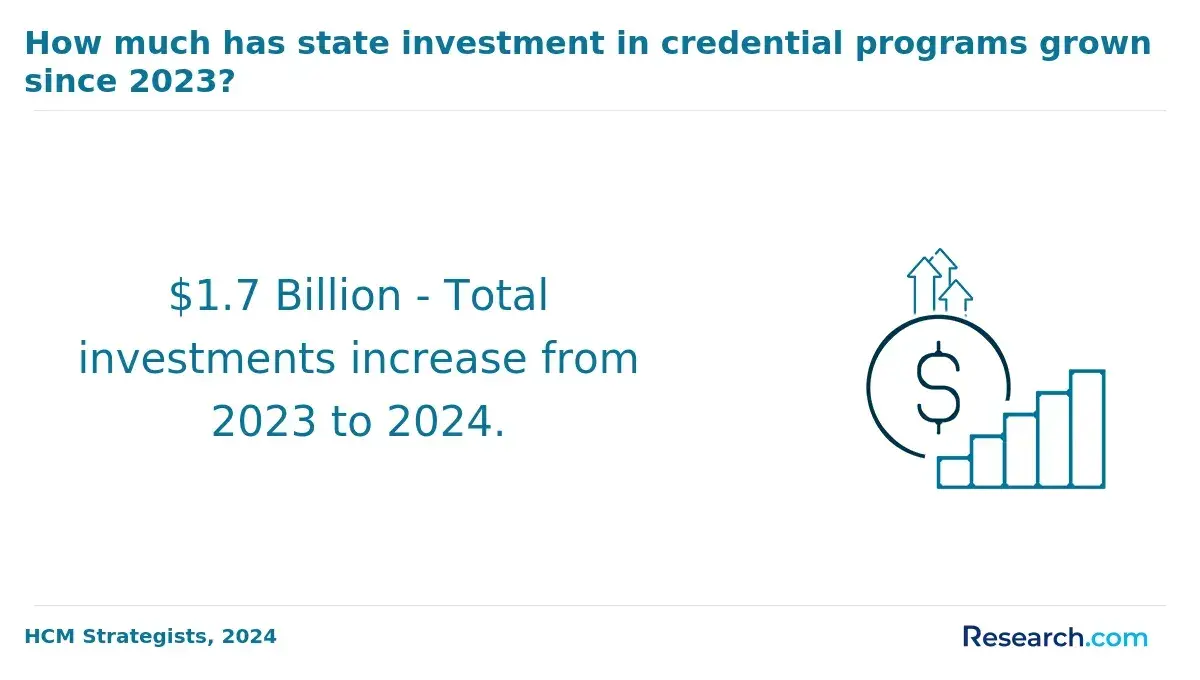
Entry barriers within taxation careers fluctuate widely according to the industry's demands and regulatory environment. Certain sectors enforce more stringent controls and expectations, resulting in higher thresholds for professionals seeking to enter those fields. These differences reflect the unique challenges and responsibilities inherent to each industry.
Several industries stand out for their particularly rigorous entry requirements in taxation careers:
- Government and Public Sector: Professionals here must operate under strict regulatory oversight and adhere to rigorous ethical standards due to the handling of public funds. The complexity of compliance and clearance procedures elevates the difficulty of entry.
- Financial Services and Banking: This field requires navigating complex regulatory frameworks, including anti-money laundering and financial compliance rules. Taxation roles demand thorough due diligence and an in-depth grasp of evolving financial laws.
- Multinational Corporations: Tax specialists in this sector encounter intricate international tax frameworks, cross-border compliance requirements, and transfer pricing regulations. The scale and complexity of global operations raise the bar for entry significantly.
- Legal and Consulting Firms: These firms focus on sophisticated tax planning and dispute resolution, requiring professionals to manage complex tax codes and maintain high standards of accountability. This complexity restricts ease of entry.
- Energy and Natural Resources: Tax roles in this industry deal with specialized regulatory environments and resource-specific tax laws. The strategic importance and niche regulations create added challenges for entrants.
Geographic location significantly influences the entry requirements for careers in taxation, as regional regulatory frameworks and workforce standards often differ widely. These variations impact accessibility to tax-related roles due to differing local policies and economic conditions. For instance, around 40% of U.S. states impose additional state-specific testing or continuing education beyond federal qualifications, increasing barriers to entry in those areas.
Several regional factors contribute to the varying rigor of entry requirements in taxation careers:
- Licensing Variations: Some states require mandatory exams and coursework beyond federal certifications, which ensures professionals meet localized standards but also raises barriers.
- Regulatory Oversight: Regions differ in the strictness of compliance monitoring, where more intense regulation demands higher diligence from entrants.
- Economic Complexity: States with larger or more intricate economies often need specialized taxation expertise, thus increasing qualification thresholds.
- Urban vs. Rural Structures: Urban centers tend to have more demanding professional standards due to complex cases, while rural areas may have fewer requirements but limited professional training resources.
- State Tax Laws: Variations in local tax legislation require candidates to obtain state-specific knowledge and certifications, adding further requirements.
These geographic and regulatory factors shape how accessible taxation careers are depending on where candidates plan to practice, emphasizing the importance of regional context in pursuing these professions.
Competitiveness in the hiring process for taxation careers is driven by several key factors, including the high volume of applicants, the limited number of available positions, and the rigorous selectivity of employers. Taxation career hiring competitiveness is illustrated by applicant-to-job ratios that can reach as high as 10-to-1 for certain tax analyst roles, underscoring the challenge faced by many candidates. Employers often implement strict screening criteria to identify the most qualified individuals, which intensifies the competition further. This demanding environment means that securing one of these jobs requires navigating a highly competitive and selective hiring landscape.
This intensity of competition is reflected in the wide variability of hiring dynamics across taxation roles. Some positions are relatively accessible, while others function as significant barriers to entry due to extended selection processes and thorough applicant filtering. The difficulty of getting a job in taxation often depends on the specific role and employer selectivity, with highly competitive jobs requiring candidates to stand out among large pools of applicants. For those considering advanced education, an affordable master's degrees online can offer valuable preparation to meet these challenges and improve candidacy in this competitive market.
Certain organizations in taxation fields are known for their highly selective hiring due to limited job openings, elevated standards, and strong reputations. For instance, some top taxation firms with toughest hiring standards receive over 5,000 applications yearly but hire fewer than 100 candidates. This intense competition creates significant barriers for entry-level and advanced taxation careers alike.
Below are some of the companies with highest entry barriers in taxation careers:
- Large Multinational Institutions: These firms offer global exposure and are highly prestigious, attracting vast numbers of highly qualified applicants. Their large applicant pools contribute to intense competition and narrow hiring windows.
- Selective Consulting Firms: Known for reputation-driven hiring, these organizations conduct rigorous candidate evaluations. They prioritize proven performance, making it difficult for most applicants to enter.
- Specialized Government Agencies: Agencies focused on tax regulation and enforcement maintain limited hiring cycles and seek candidates with specialized expertise. This combination results in fewer opportunities and higher standards.
- Elite Private Advisory Firms: Serving high-net-worth clients requires exceptional technical skill and professionalism. These firms emphasize exclusivity, raising barriers for prospective employees.
- Fortune 500 Corporate Tax Departments: The blend of prestige and limited vacancies in these major corporations makes their tax departments extremely competitive employer environments.
Prospective taxation students aiming to navigate the competitive landscape may also explore related educational paths; for example, many consider a UI UX masters degree online to complement their skillsets and improve marketability. Understanding these dynamics helps candidates prepare strategically for careers that require the most rigorous qualifications and experience.
Careers in taxation that require more rigorous qualifications and specialized knowledge generally tend to offer higher salaries, reflecting broad market trends. Research shows that professionals in taxation careers with highest salary potential can earn up to 30% more than those in less demanding roles. This pay difference often corresponds to the complexity and exclusivity of certain taxation fields, which reward expertise and advanced skills. However, this is a general pattern rather than an absolute rule.
The impact of difficult taxation jobs on earnings varies across different career paths, meaning higher barriers to entry do not always guarantee top compensation. Some niche areas may demand extensive training but feature limited job openings or slower salary growth. Conversely, other roles with fewer entry hurdles might offer competitive pay due to strong demand or organizational priorities. Prospective students should weigh these factors alongside options like pursuing a fastest masters degree online to navigate career opportunities effectively.
What Graduates Say About Taxation Careers With the Highest Barriers to Entry
- Cade: "Choosing a taxation degree was intimidating given the complexity and the high standards expected in the field. However, I found that embracing those challenges head-on helped me grow both intellectually and professionally. Preparing thoroughly for certifications and gaining real-world experience were essential steps that boosted my confidence and career prospects."
- Mohamed: "Reflecting on my journey, the barriers to entry in taxation careers pushed me to develop strong analytical and problem-solving skills early on. I took extra courses and internships seriously to enhance my practical knowledge, which made a significant difference later. This degree hasn't just shaped my expertise but also taught me resilience and adaptability in a competitive profession."
- Axel: "Pursuing a taxation degree required dedication, especially because the career demands precise knowledge and ethical responsibility. I strategically networked within the industry and prioritized continuous learning to rise above the initial hurdles. The impact of this degree is clear in my ability to navigate complex regulations and provide valuable insights as a professional."
Other Things You Should Know About Taxation Degrees
Certain taxation careers, such as tax attorneys and IRS special agents, require strict adherence to legal licensing and regulatory standards. For example, becoming a tax attorney mandates passing a state bar exam, while IRS agents must pass federal background checks and security clearances. These legal requirements act as significant hurdles beyond academic credentials.
Continuing education plays a crucial role in maintaining eligibility for advanced taxation careers. Professionals often need to complete annual or biennial coursework to retain certifications or licenses, which ensures they stay current with evolving tax laws and regulations. This ongoing commitment adds complexity to entry and retention in these career paths.
Yes, many high-barrier taxation careers require practical training such as internships, clerkships, or supervised work experience. For instance, tax attorneys frequently undertake legal clerkships, while certified public accountants must complete specific hours of practical engagement before earning full certification. These hands-on requirements extend the time needed to enter these professions.
Tax attorneys and many senior tax accountant roles require a CPA license or admission to the state bar before independent practice. CPAs usually need 150 semester hours, an AICPA Uniform CPA Exam pass, and 1 to 2 years of supervised experience, depending on the state board.
- Tax Recruitment: From In-House to Practice (and Back) https://www.taylorcurcio.com/post/tax-recruitment-from-in-house-to-practice-and-back
- Tax Jobs That Pay Great Career Dividends - North Carolina Association of Certified Public Accountants https://www.ncacpa.org/blog/tax-jobs-that-pay-great-career-dividends/
- Taxation Jobs | jobs | Choose from 1,425 live vacancies https://www.taxation-jobs.co.uk/
- Who Pays? State-by-State Data https://itep.org/whopays-map-7th-edition/
- What field of tax has the highest salary for an S1... | Fishbowl https://www.fishbowlapp.com/post/what-field-of-tax-has-the-highest-salary-for-an-s1-in-an-hcol-ive-heard-its-ma-but-curious-to-hear-around-i-have-about-2-5-years-jpo2-5
- 17 Tax-Free Countries in 2026: Full List of Countries with No Income Tax for Life and Business https://immigrantinvest.com/blog/tax-free-countries/
- Biggest Challenges That You Face as a Tax Professional https://ultimatetax.com/blog/biggest-challenges-that-you-face-as-a-tax-professional/
- Best states for taxes | Fidelity https://www.fidelity.com/learning-center/personal-finance/best-states-for-taxes
- Taxation and its negative impact on business investment activities - Institut économique Molinari https://www.institutmolinari.org/2015/11/23/taxation-and-its-negative-impact-on-business-investment-activities/
- Hardest Roles to Fill for Accounting & Finance (5 Ways to Fill) https://hireez.com/blog/accounting-finance-hardest-roles-to-fill-and-how/


