2027 Taxation Degree Careers That Do Not Require Graduate School

Co-Founder and Chief Data Scientist
A recent taxation graduate weighing immediate career options often finds some roles accessible right after earning a bachelor's degree, while others demand graduate school or specialized certifications. Approximately 40% of taxation-related positions prefer candidates with graduate degrees or professional licenses for advancement. Entry-level opportunities frequently emphasize practical skills, such as tax preparation and compliance, over advanced degrees. This article examines career paths in taxation that professionals can pursue without graduate education, highlighting options that provide strong long-term potential and employability in a competitive job market.
Key Things to Know About the Taxation Careers That Do Not Require Graduate School
- Bachelor's degrees in taxation often enable direct workforce entry, with 65% of graduates securing roles without further education according to labor market surveys.
- Employers prioritize practical skills and internships over graduate credentials, shaping access to entry-level taxation positions in firms and government agencies.
- Certifications and hands-on experience frequently outweigh advanced degrees, making certain taxation career paths immediately accessible while supporting meaningful long-term growth.
What Career Paths Can You Pursue with a Taxation Degree Without Graduate School?
Many taxation degree holders find themselves able to enter a wide range of career paths immediately after earning a bachelor's degree, though opportunities vary with role type and industry demand. Approximately 60% of taxation and accounting graduates secure relevant employment within six months of graduation without pursuing graduate school. Hiring trends show that numerous entry-level taxation jobs for graduates remain accessible at the bachelor's level, reflecting the broad applicability of the knowledge gained.
Here are several common career options accessible without graduate school:
- Tax Accountant: This career is widely open to bachelor's degree holders due to consistent demand for tax preparation and compliance services across businesses and individuals. The role emphasizes thorough understanding of tax regulations, which is a key focus during undergraduate taxation studies.
- Tax Analyst: Entry-level tax analysts interpret tax codes and analyze financial documents to determine tax liabilities or opportunities for savings. Employers value the practical skills taught in bachelor's programs, making this a frequent starting point for taxation graduates.
- Payroll Administrator: Managing employee compensation and tax withholdings requires solid knowledge of tax regulations, often making this position suitable for those with a bachelor's degree. Payroll roles are widely available to graduates without additional schooling.
- Tax Examiner and Collector: Government agencies employ graduates to review tax returns and ensure proper payments. The detailed tax knowledge gained at the undergraduate level equips new professionals for these critical roles.
- Financial Auditor: Auditors specializing in tax compliance often begin their careers with a bachelor's degree in taxation. This accessibility is driven by the essential demand for firms to follow tax laws accurately from the outset.
What Are the Highest-Paying Jobs for Taxation Degree Graduates Without a Graduate Degree?
Some of the highest-paying careers for graduates with a bachelor's degree in taxation do not require graduate school, especially in roles where employers emphasize technical expertise and practical experience. According to the U.S. Bureau of Labor Statistics, the median annual wage for accountants and auditors was about $80,000 in 2023, reflecting strong earning potential for those with a taxation degree. Many positions leverage specialized tax knowledge that directly influences financial outcomes and business strategy.
Several rewarding roles exemplify this trend:
- Tax Examiner or Collector: These professionals ensure tax returns comply with current laws and regulations. Their demand for accuracy, combined with the complexity of tax codes, often leads to competitive government and agency salaries.
- Corporate Tax Specialist: Employed within companies to manage tax liabilities, these specialists optimize tax strategies that impact the organization's bottom line, justifying higher compensation due to their influence on financial health.
- Internal Revenue Agent: Working for the IRS or similar agencies, these agents perform audits and investigate discrepancies. Their critical role in safeguarding public revenue typically offers attractive salary packages.
- Financial Analyst with Tax Focus: Analysts in this niche provide guidance on investment and tax implications, supporting key business decisions. Their expertise in taxation enhances their value and earning potential.
- Tax Consultant or Advisor: Offering personalized tax planning services to individuals or small businesses, consultants who demonstrate strong knowledge and results can command substantial fees without graduate-level credentials.
These positions generally provide higher pay due to a combination of specialized expertise, direct impact on financial performance, and consistent demand for skilled tax professionals in various sectors.
What Skills Do You Gain from a Taxation Degree That Employers Value?
A taxation degree cultivates versatile skills that employers highly value, especially for roles that do not mandate graduate credentials. Research from the National Association of Colleges and Employers (2023) reveals that 83% of employers prioritize transferable skills such as critical thinking and problem-solving when recruiting bachelor's degree holders. These competencies form the backbone of workforce readiness for many entry-level positions.
The following key skills are commonly developed through taxation studies and boost employability:
- Analytical Thinking: A taxation program improves the ability to interpret complex tax regulations and evaluate financial details. This skill set enables graduates to identify risks and support accurate reporting, making them dependable team members in compliance roles.
- Attention to Detail: Accuracy is crucial when handling tax documents and filings. Students learn to meticulously review information to reduce errors, a trait that employers seek for positions like tax coordinators and compliance auditors.
- Effective Communication: Explaining tax concepts and financial data clearly to non-experts is emphasized. Graduates gain confidence in articulating technical information, fostering smoother collaboration with clients and colleagues.
- Time Management: Managing deadlines during busy tax periods hones the ability to prioritize and organize tasks efficiently. This preparedness is essential for handling pressure and multitasking in fast-paced work environments.
One taxation degree graduate shared how their detail-oriented training was crucial when they first handled tax filings at a small firm. They noted, "Being thorough saved me from costly mistakes early on, and learning to communicate complex tax rules simply really helped build trust with clients."
About 60% of taxation graduates secure jobs within six months after earning their bachelor's degree, even without previous professional experience. Employers recognize the needs of new graduates and frequently create entry-level positions tailored specifically to recent bachelor's holders. This approach makes it easier for those pursuing a taxation career to find opportunities without attending graduate school.
Here are some common entry-level taxation jobs for recent graduates:
- Tax Assistant: This position offers hands-on exposure by supporting tax teams with documentation, filing, and compliance activities. Employers typically provide thorough training, making it ideal for bachelor's degree holders starting their careers.
- Junior Tax Analyst: Graduates in this role assist with analyzing tax data and preparing reports under supervision. It offers practical learning aligned with employer expectations for taxation bachelor's graduates stepping into the workforce.
- Accounts Payable/Receivable Clerk: These roles involve managing invoices and financial records, intersecting closely with taxation functions. Their broad responsibilities make them accessible for early-career taxation graduates who demonstrate organizational skills.
- Payroll Assistant: Handling employee compensation and tax withholdings introduces graduates to essential tax regulations. The structured processes involved attract employers to hire fresh candidates and provide on-the-job training.
Starting a taxation career without graduate school is feasible by targeting early-career taxation positions accepting bachelor's candidates. For those looking to combine advanced education with affordability, consider exploring options like an affordable online masters in clinical psychology, which may complement your skill set in the long run.
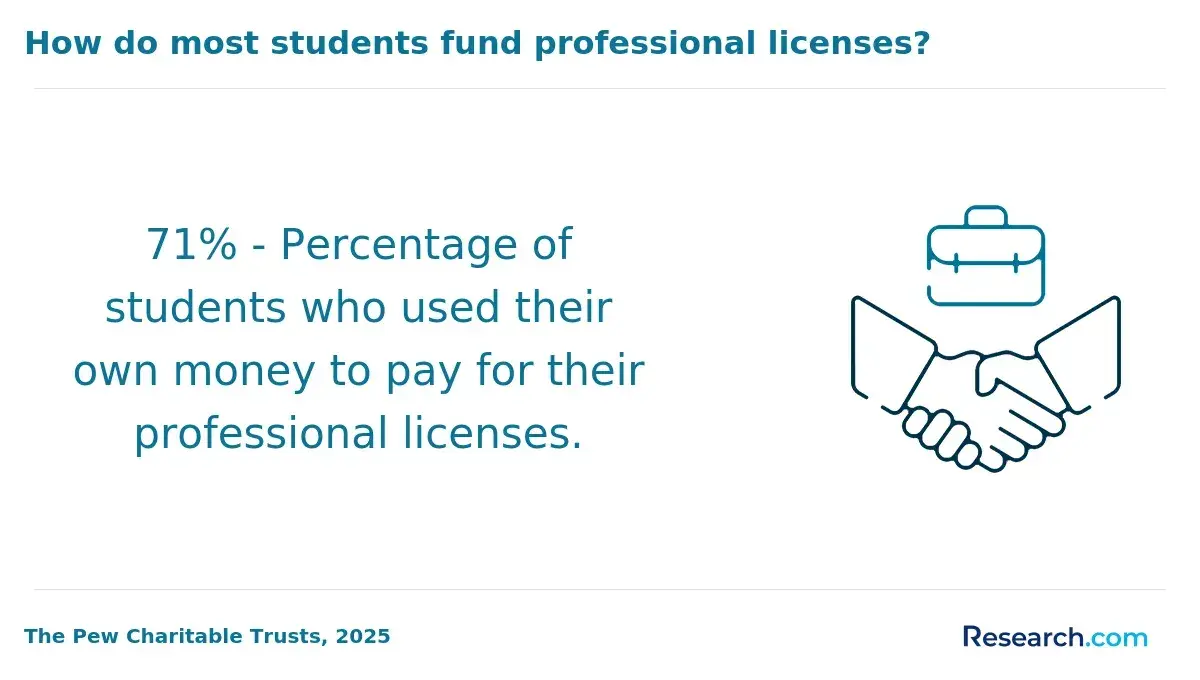
Certifications and short courses offer taxation graduates practical ways to improve their employability without needing graduate education. These focused credentials build relevant skills that make candidates more attractive to employers, supporting career progression and readiness. Research shows that 74% of employers favor candidates with industry certifications or short-term training for taxation roles.
The following credentials and courses can significantly enhance career prospects in taxation fields:
- Enrolled Agent (EA): This federally authorized certification allows practitioners to represent taxpayers before the IRS, showcasing in-depth knowledge of tax laws and procedures. Holding an EA credential increases credibility and opens opportunities in tax preparation and consulting without requiring advanced degrees.
- Certified Tax Preparer (CTP): Focusing on practical tax return preparation and compliance, the CTP validates a candidate's ability to accurately handle tax filings, making it ideal for roles in tax firms and accounting offices.
- Tax Software Training: Short courses on tools like Intuit TurboTax or QuickBooks provide hands-on experience with widely used tax and accounting software, helping graduates stand out by demonstrating technical proficiency.
- Specialized Tax Certificates: Credentials in areas such as state and local tax (SALT) or international taxation allow candidates to develop niche expertise, qualifying them for specialized advisory positions in taxation without graduate study.
- Fundamentals of Taxation Certificate: Offered by professional organizations, this certificate introduces foundational tax concepts and current regulations that bolster professional confidence and preparedness.
A professional with a Taxation degree shared that pursuing a certificate in state and local tax required balancing work commitments with study, yet the detailed, focused coursework helped them quickly acquire practical knowledge not covered in their degree. They described the experience as challenging but rewarding, noting that the credential was instrumental in gaining specialized roles that otherwise might have required longer, more costly education paths.
Industries vary in the opportunities they offer taxation graduates without requiring graduate degrees. Many sectors demonstrate strong demand for bachelor's-level professionals due to ongoing hiring needs and structured entry-level roles. Approximately 60% of taxation graduates enter fields that do not mandate advanced education, highlighting accessible career paths.
Several industries are particularly open to hiring taxation graduates with bachelor's degrees, as outlined below.
- Accounting Firms: These firms frequently recruit bachelor's-level graduates to fill roles in tax preparation and compliance. Their large teams handle extensive volumes of basic tax processing, making them a key employer for entry-level talent.
- Corporate Finance: Mid and large companies maintain in-house tax units that manage compliance and planning. These departments often seek versatile bachelor's-degree holders to support various tax-related financial duties.
- Government Agencies: Federal, state, and local tax departments require numerous entry-level employees to assist with audits, returns processing, and enforcement. These agencies provide well-defined hiring paths for bachelor's graduates.
- Financial Services: Banks and investment firms employ taxation graduates to navigate the tax aspects of financial products. The sector's transaction volume generates steady openings suited for bachelor's-level staff.
Non-traditional career structures have expanded opportunities for taxation graduates by reducing dependence on formal office-based roles and graduate credentials. Digital platforms and independent work models enable broader access to taxation careers, allowing graduates to engage with clients and projects flexibly and remotely. Notably, remote job postings in the U.S. increased by 159% between 2005 and 2017, reflecting the growing prominence of such work arrangements.
Several freelance, remote, and non-traditional career pathways demonstrate how geographical and institutional barriers can be minimized in taxation fields:
- Distributed Work Systems: Taxation firms with decentralized teams let graduates collaborate remotely on tasks like tax preparation, compliance, or audit support through cloud-based software, facilitating workforce entry without relocation.
- Digital-First Labor Markets: Online freelancing platforms list tax-related projects such as document review or data entry, enabling flexible schedules and access to diverse clients beyond local limitations.
- Project-Based Independent Consulting: Graduates may provide specialized consulting services in areas like small business or cryptocurrency taxation on a contract basis, negotiating engagements remotely and maintaining entrepreneurial autonomy.
- Virtual Tax Preparation Services: Remote tax preparation roles, often tied to software companies or online firms, support commissioned or salaried work from home, allowing new professionals to gain varied experience without in-person client contact.
Graduates with a taxation degree often begin building careers without graduate school by entering the workforce directly after earning their bachelor's degree. Early career momentum is typically shaped by access to entry-level roles such as tax preparers and junior accountants, which provide valuable exposure to varied workplace environments. Approximately 65% of taxation graduates secure relevant employment within six months of graduation, highlighting the accessibility of taxation degree jobs without graduate school. This initial experience helps individuals gain practical skills that support steady professional development over time.
Long-term career paths with a taxation bachelor's degree generally involve advancing through increased responsibilities and broader roles within organizations rather than returning to formal education. Many professionals grow by deepening their expertise in tax compliance, reporting, and advisory functions while adapting to changing regulations and business needs. This experiential progression varies across sectors but remains a common route to career growth. For those considering further education later, exploring affordable online masters programs offers flexible options without interrupting their established career trajectory.
Skipping graduate school is a common pathway in taxation careers, especially for those eager to enter the workforce quickly. This choice can expedite early employment but may influence long-term opportunities depending on the roles and sectors pursued. Statistics show that taxation professionals with only a bachelor's degree can start their careers sooner, although those with graduate degrees tend to earn approximately 15-25% more over time.
When considering the advantages and disadvantages of entering U.S. taxation careers without graduate school, the following points provide insight.
- Early Workforce Entry: Skipping graduate school allows individuals to gain practical experience earlier, which many employers value. Entering the job market swiftly can build experience and professional networks that support career growth in various taxation roles.
- Lower Opportunity Costs: Avoiding the time and financial investment of graduate studies reduces debt burden and lost income. This can be especially important given the substantial expenses and commitment involved in advanced degrees.
- Long-Term Progression Limits: Some highly selective organizations and large institutional employers prefer candidates with graduate degrees, which can restrict access to specialized or leadership roles without further education.
- Career Flexibility: Starting with a bachelor's degree offers the flexibility to explore diverse taxation fields before potentially pursuing graduate education. This pathway supports individualized career decisions based on experience and evolving goals.
For some students, blending formal education with practical credentials like certifications can be a strategic alternative to graduate school. When seeking specialized knowledge without a long-term commitment, consider programs such as a LMFT online program that offer focused professional training alongside work experience.
Graduates with a bachelor's degree in taxation typically find steady demand in the workforce, reflecting diverse employment trends for bachelor's level taxation graduates. Entry-level salaries often range between $50,000 and $65,000, with opportunities to surpass $80,000 as experience grows. Many who enter roles in local government agencies or smaller firms benefit from accessible entry points, though growth may plateau sooner. Staying ahead of changing tax laws and maintaining current skills enhances job stability within this evolving field.
Job market demand for taxation degree holders varies widely depending on sector and role complexity. Some graduates pursue positions in corporate tax strategy or forensic accounting, which pay more due to specialized requirements and competitive entry. Others find rewarding careers in niche areas with fewer barriers but competitive salaries driven by industry needs. For those interested in further advancement, exploring pathways such as an accelerated masters in psychology or other fields can complement their taxation expertise and open additional career possibilities.
What Graduates Say About Taxation Careers Even Without Pursuing Graduate School
- Cade: "Graduating with a taxation degree gave me the confidence to dive straight into the workforce without feeling the pressure to attend graduate school. I found that the practical knowledge I gained about tax laws and regulations allowed me to hit the ground running, which employers really appreciated. It was rewarding to see how the skills I learned translated directly into tangible job success early on."
- Mohamed: "Reflecting on my decision to enter the workforce right after earning my taxation degree, I realize how valuable that choice was. Many of my peers were still studying, but I was already gaining hands-on experience and building a professional network. The degree's emphasis on real-world tax applications prepared me well for complex tasks that came my way, and I feel it gave me a solid foundation that no graduate program could have replaced for my career goals."
- Axel: "Starting my career immediately after completing my taxation degree was definitely the right move for me. The coursework was rigorous, but it focused heavily on the kind of knowledge that employers seek in entry-level tax roles. I've appreciated the straightforward path from student to professional, and handling client tax matters early on has helped me build practical expertise I know will benefit me throughout my career."
Other Things You Should Know About Taxation Degrees
Taxation professionals can benefit from continuing education such as certificate programs, workshops, and online courses focused on the latest tax laws, accounting software, and regulatory updates. These options help maintain relevant knowledge and skills necessary to advance in the field without requiring graduate degrees.
Networking is critical in taxation careers, especially for those without graduate school credentials. Engaging with professional organizations, attending industry events, and connecting with mentors can open doors to job opportunities and provide guidance on career advancement.
The IRS Annual Filing Season Program Record of Completion is the main federal credential for non-CPA tax preparers. It requires 18 hours of annual continuing education, including 10 hours of federal tax law, 2 hours of ethics, and 6 hours of filing-season topics.
- What’s the Job Market Look Like for 2025 Graduates? https://www.barrettandcompany.com/blog/whats-the-job-market-look-like-for-2025-graduates
- 15 Highest Paying Accounting Jobs in 2025 https://potomac.edu/highest-paying-accounting-jobs/
- 5 Best Certificate Course In Taxation 2026 [Updated] https://pwskills.com/blog/certificate-course-in-taxation-finance/
- 10 Essential Tax Skills For Any Corporate Tax Professional https://gtmtax.com/insight/top-10-skills-every-corporate-tax-professional-needs/
- 5 accounting certifications without a degree | Becker https://www.becker.com/blog/career/5-accounting-certifications-you-can-earn-without-a-degree
- What Does the Job Market Look Like for 2025 Graduates? https://www.presperfinancial.com/blog/what-does-the-job-market-look-like-for-2025-graduates
- 8 Tax Careers: Professional Specializations https://tsengcollege.csun.edu/blog/tax-careers
- Careers in Tax | Chartered Institute of Taxation https://www.tax.org.uk/careers-in-tax
- How to be a part-time or seasonal tax preparer - Intuit Blog https://www.intuit.com/blog/life-at-intuit/how-to-become-a-part-time-or-seasonal-tax-preparer/
- How to Become an Accountant Without a Degree | Pitman Training https://www.pitman-training.com/advice-hub/pitman-blog/become-an-accountant-without-a-degree/