
2027 Which Family Nurse Practitioner Degree Careers Offer the Best Return Without Graduate School?

Co-Founder and Chief Data Scientist
Rising education costs challenge many recent nursing graduates seeking stable, well-paid careers without accumulating significant debt. The median annual wage for family nurse practitioners exceeded $120,000 in recent years, but reaching that level often requires advanced degrees. For those aiming to maximize their return on investment while avoiding graduate school, exploring alternative career paths within the family nurse practitioner field can be crucial.
This article examines which family nurse practitioner degree careers provide the best financial rewards without graduate education and offers guidance on making informed decisions to balance salary potential with educational commitments effectively.
Key Benefits of Family Nurse Practitioner Degree Careers That Offer the Best Return Without Graduate School
- While the Family Nurse Practitioner (FNP) title requires a graduate degree (MSN or DNP), professionals with a bachelor's degree in this specialty can secure high-return roles as Family Health Registered Nurses, with 2026 workforce data showing that top-earning BSN holders in primary care settings can reach salaries of up to $107,960 annually.
- Nurse Case Managers and Patient Navigators within family practice networks coordinate long-term care plans and chronic disease management, providing a high-return administrative path with average salaries ranging from $85,000 to $104,000 without requiring a master's degree.
- Clinical Research Nurses specializing in family medicine or longitudinal health studies leverage their clinical expertise to manage pharmaceutical trials and community health data, often commanding competitive compensation between $80,000 and $106,000 while maintaining a structured, non-clinical schedule.
Which family nurse practitioner careers offer the best return without graduate school?
Evaluating return on investment (ROI) is crucial for individuals exploring family nurse practitioner career options without graduate degree requirements. According to the U.S. Bureau of Labor Statistics, many nursing roles that require only a bachelor's degree offer median annual wages notably above the national average.
The following list highlights some of the best family nurse practitioner jobs with high return on investment, balancing salary potential, career longevity, and advancement opportunities.
- Registered Nurse (RN): As a foundational role, registered nurses enjoy steady demand and diverse employment settings, making this an appealing path for sustained income and career growth. Advancement into leadership or specialized clinical roles is often accessible without graduate education, supporting a strong ROI.
- Case Manager: This position involves coordinating patient care and navigating complex healthcare systems, offering job stability and moderate salary growth. Experience gained here often leads to administrative or supervisory roles, enhancing long-term professional prospects.
- Clinical Nurse Leader: Focused on improving care quality and patient outcomes, clinical nurse leaders can occupy influential roles within healthcare teams while leveraging clinical experience alone. This role typically provides enhanced responsibility and career development without needing graduate study.
- Health Services Manager (Entry-Level): Management roles in healthcare sometimes begin with a bachelor's degree, where clinical knowledge pairs with administrative duties. These entry points into leadership offer promising ROI through increased responsibility and potential salary advancements.
For those seeking to expand their credentials without traditional clinical training, exploring online RN to BSN programs without clinical requirements can be a practical option that enhances career flexibility and value within these roles.
What are the highest-paying family nurse practitioner jobs without a master's degree?
Evaluating earning potential without pursuing graduate education is crucial for many aspiring family nurse practitioners seeking strong career returns. Registered nurses with specialized skills can earn upwards of $80,000 annually without a master's degree, highlighting solid income opportunities at the bachelor's level.
The following roles represent some of the highest-paying family nurse practitioner jobs available without advanced degrees.
- Charge Nurse: This role involves overseeing nursing staff and managing patient care on a unit. Charge nurses typically earn between $70,000 and $85,000 per year due to their leadership responsibilities and clinical expertise, making it a top-paying option accessible with a bachelor's degree.
- Clinical Nurse Specialist Assistant: Assisting clinical nurse specialists allows experienced nurses to support patient care plans and quality initiatives. Salaries usually range from $75,000 to $90,000 annually, reflecting the advanced responsibilities without requiring a graduate degree.
- Travel Nurse: Travel nurses take on short-term assignments across healthcare settings, often securing premium wages. Their earnings average $80,000 to $95,000 per year depending on location and demand, offering one of the most lucrative family nurse practitioner positions without graduate schooling.
- Health Policy Analyst (Nursing Focus): Nurses with a bachelor's degree can analyze healthcare systems and nursing practices in policy roles. These positions typically pay between $65,000 and $85,000 annually, leveraging clinical knowledge without the need for further education.
These options present viable paths for family nurse practitioners to maximize salary potential while holding only a bachelor's degree, making them practical considerations for career planning.
Which industries offer high salaries without graduate school?
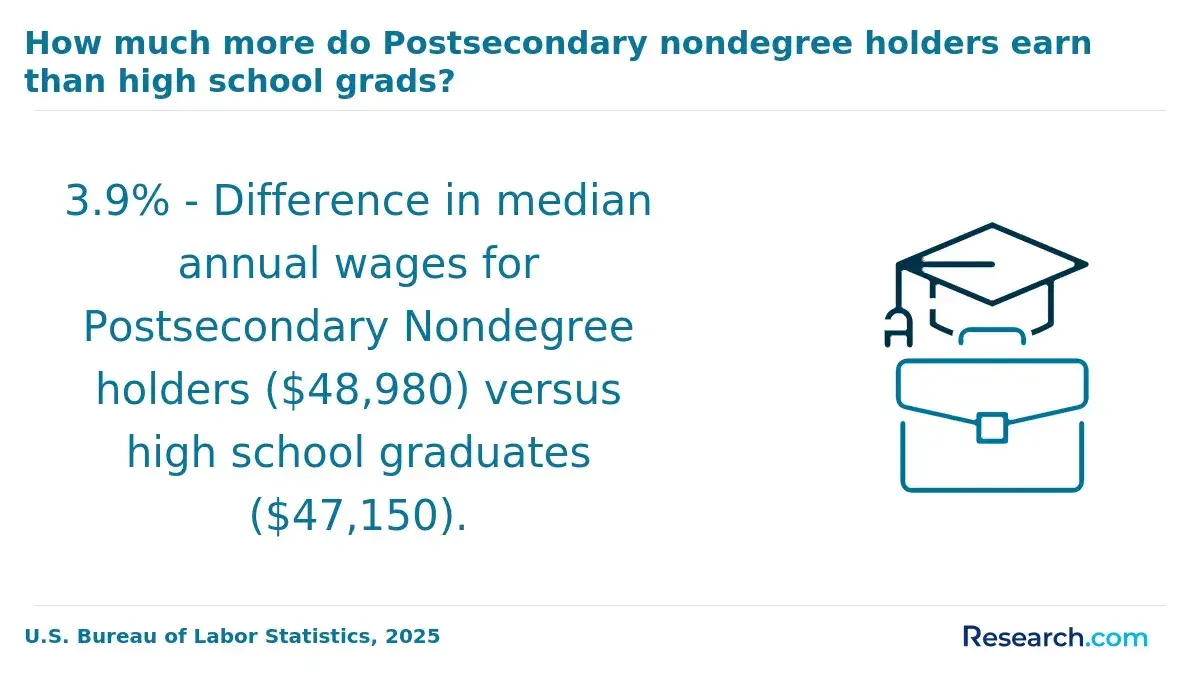
Choosing the right industry significantly affects salary potential for family nurse practitioner bachelor's degree holders without graduate education. According to the U.S. Bureau of Labor Statistics, wage disparities between healthcare industries can surpass 30%, emphasizing the financial impact of sector selection.
Several industries stand out for providing strong compensation, making them attractive paths for those seeking solid returns on their educational investment.
- Home Healthcare Services: This field involves delivering skilled nursing care directly in patients' homes, often for elderly or chronically ill individuals. The personalized service and growing reliance on home care contribute to competitive wages, with median salaries typically ranging from $60,000 to $75,000 per year.
- Outpatient Care Centers: These centers offer medical treatment without overnight stays, requiring family nurse practitioners to efficiently manage various patient needs. The emphasis on rapid, efficient care translates into salaries between $65,000 and $80,000 annually.
- Ambulatory Healthcare Services: Including urgent care and specialized clinics, this sector benefits from high patient flow and immediate care demands. Practitioners often enjoy pay above $70,000 yearly as compensation for delivering timely, quality services.
- Pharmaceutical Manufacturing and Services: While less traditional, this industry employs family nurse practitioners in roles such as clinical trial oversight and medical communication. Its specialized, regulatory-driven environment often offers salaries exceeding $80,000 without requiring advanced clinical degrees.
When discussing which industries offer high salaries without graduate school, a family nurse practitioner degree graduate shared that navigating job offers was initially overwhelming due to varying pay scales and expectations. "It was challenging to assess what mattered most beyond salary, like work-life balance and professional growth," he explained.
He found that industries with less conventional roles often provided surprising income potential, though it required careful consideration of each sector's demands. Overall, he emphasized the importance of researching industry trends and speaking to professionals to gain clarity before committing to any particular path.
Selecting entry-level family nurse practitioner positions with strong upward mobility is crucial for building a rewarding career. According to the U.S. Bureau of Labor Statistics, nurse practitioner roles are expected to grow by 40% between 2021 and 2031, offering robust opportunities for early-career professionals.
Below are several roles that provide excellent pathways for long-term advancement.
- Primary Care Registered Nurse: Gaining experience in outpatient clinics helps develop essential skills in managing chronic illnesses and direct patient care. This foundational role strengthens clinical knowledge and prepares nurses for advanced family nurse practitioner responsibilities.
- Community Health Nurse: Working in diverse public health settings broadens expertise in preventive care and health education. This position also opens doors to administrative and policy roles, supporting career growth beyond clinical practice.
- Nurse Coordinator: Managing patient care plans and collaborating with multidisciplinary teams hones leadership and organizational skills crucial for advanced practice. It serves as a stepping stone toward higher-level clinical and management roles.
- Occupational Health Nurse: Experience in workplace wellness and injury prevention offers a specialized career track within corporate or industrial healthcare. This role enhances understanding of occupational environments, which can lead to niche family nurse practitioner positions.
For those aiming to pursue the best career paths for Family Nurse Practitioner graduates without graduate school, selecting roles focused on skill growth and leadership development is key. Exploring online nurse practitioner programs can further support this progression.
Enhancing specific skills significantly impacts earning potential, with studies showing that candidates who develop transferable skills can earn up to 20% more than those who do not. This makes skill-building essential for family nurse practitioner degree holders seeking higher salaries without further academic credentials.
Below are several critical skills that contribute to improved compensation in this field.
- Clinical Decision-Making: Mastery of assessing patient conditions quickly and accurately minimizes errors and boosts patient outcomes. This expertise increases a practitioner's value since it directly supports safer, more effective healthcare delivery.
- Effective Communication: Clear and compassionate dialogue with patients enhances understanding and adherence to treatment plans. Skilled communicators often influence patient satisfaction metrics, which can be tied to financial rewards in many healthcare settings.
- Technological Competence: Proficiency with electronic health records (EHR) and modern medical devices increases operational efficiency. Those who excel at integrating technology help reduce paperwork and mistakes, often leading to higher pay.
- Leadership and Collaboration: Coordinating multidisciplinary teams and demonstrating leadership fosters smoother care processes. Employers value these abilities as they contribute to cost-effective operations and better patient experiences.
- Preventive Care Expertise: Educating patients on lifestyle changes and disease prevention cuts long-term costs and aligns with value-based care approaches. This skill is increasingly sought after and can result in enhanced salary opportunities.
A professional with a family nurse practitioner degree shared that initially, gaining confidence in clinical decision-making was challenging, especially when quick judgments could impact patient health. Through persistent practice and seeking mentorship, she became adept at assessing complex situations efficiently.
She also emphasized that developing communication skills was transformative, noting, "Building trust through clear conversations changed how patients followed care plans." Embracing technology was another hurdle; however, once mastered, it significantly reduced administrative stress.
She reflected on teamwork, saying collaboration taught her to navigate diverse opinions for optimal patient care. Altogether, these experiences shaped her understanding that salary growth stemmed beyond credentials, relying heavily on cultivating practical, high-impact skills.
Certifications offer a practical alternative for family nurse practitioner professionals aiming to boost their career without a master's degree. These credentials not only enhance professional credibility but also contribute to higher earning potential, with data showing certified nurses often earn about 10% more than their non-certified peers.
Below are several key certifications that can significantly expand career options and increase marketability.
- Certified Clinical Nurse Specialist (CCNS): This certification highlights advanced clinical and leadership skills within specialized practice areas like family care. It validates expertise in managing complex patient cases and often opens doors to roles in clinical consultation, education, or healthcare management.
- Certified Case Manager (CCM): Focused on coordinating patient care efficiently, the CCM credential prepares nurses to develop and oversee comprehensive care plans. This skill is valuable for those managing chronic diseases or working within interdisciplinary teams, enhancing eligibility for clinical and administrative positions.
- Pharmacology Certification: Certifications such as Board Certified Pharmacotherapy Specialist (BCPS) signify proficiency in medication management, a critical area for family nurse practitioners. Holding this credential enables nurses to provide expert guidance on complex pharmacological treatments, increasing their role in collaborative healthcare settings.
- Healthcare Quality Certification: Programs like the Certified Professional in Healthcare Quality (CPHQ) emphasize skills in improving patient safety and care delivery standards. This certification is particularly relevant for practitioners focused on enhancing quality measures in family health environments.
- Wound Care Certification: Specialized credentials such as Certified Wound Care Nurse (CWCN) focus on advanced wound management techniques. This expertise is highly sought after in both community clinics and hospitals, offering family nurse practitioners a niche specialization that can elevate their career potential.
Professional experience often plays a crucial role in advancing family nurse practitioner careers, with many employers valuing demonstrated skills, practical knowledge, and proven on-the-job performance over formal credentials. In clinical settings, hands-on expertise and reliability can open doors to leadership roles such as charge nurse or nurse manager without requiring a graduate degree.
Employers tend to prioritize nurses who show strong clinical abilities and effective team coordination, especially in smaller clinics or community health centers. This emphasis on practical experience reflects the importance of delivering quality patient care and managing complex care situations.
However, relying exclusively on experience has clear limitations. Positions requiring certification as a family nurse practitioner, clinical nurse specialist, or nurse anesthetist generally demand graduate education due to credentialing standards from licensing boards. Without an advanced degree, nurses may face slower career progression, restricted salary growth, and limited opportunities in roles involving diagnosis and treatment planning.
Experience tends to be most valuable within healthcare environments that have flexible hiring practices or limited resources, where demonstrated competence can sometimes substitute for formal education. Still, obtaining a graduate degree remains a key factor for accessing the highest-paying and most specialized family nurse practitioner positions over time.
Many family nurse practitioners weigh the benefits of pursuing graduate education against the career prospects available with only a bachelor's degree. Data from the U.S. Bureau of Labor Statistics highlights a notable salary gap favoring nurse practitioners with graduate degrees compared to those who hold only a bachelor's.
Considering these differences can clarify important trade-offs in career development. The following points outline key downsides of not pursuing graduate education for family nurse practitioners.
- Slower Career Advancement: Without a graduate degree, nurse practitioners may experience barriers to obtaining leadership roles or specialty positions that typically require advanced credentials.
- Limited Specialized Training: Graduate programs expose students to advanced clinical experiences and certifications crucial for managing complex health conditions, opportunities often unavailable to bachelor's-only practitioners.
- Competitive Job Market: Many employers prioritize candidates with master's degrees or higher, especially in primary care and high-demand healthcare environments, putting those without graduate degrees at a disadvantage.
- Lower Salary Potential: The impact of no graduate degree on family nurse practitioner salary is significant, as advanced degrees often unlock higher earning potential through expanded practice privileges.
- Restricted Practice Authority: In several states, full clinical autonomy-including diagnosing and prescribing independently-is typically reserved for those holding advanced degrees, limiting scope of practice for bachelor's-level nurses.
For those reconsidering educational pathways in nursing, alternatives like the LPN fast track program offer routes into nursing careers but may also come with career limitations without graduate school for family nurse practitioners that merit careful consideration.
Return on investment (ROI) in education reflects the balance between the costs of earning a degree-time, tuition, and other expenses-and the career benefits such as salary growth and job stability. Research shows registered nurses with targeted bachelor-level credentials can boost median earnings by 15-30% compared to less specialized roles, underscoring the importance of strategic decisions.
For those interested in maximizing financial return on family nurse practitioner degree, implementing focused strategies is essential.
- Target High-Demand Settings: Prioritize working in outpatient clinics or community health centers where salaries tend to be competitive, and career advancement opportunities are quicker. These healthcare environments often value specialized skills, enhancing both job security and earning potential.
- Utilize Employer Benefits: Seek employers offering tuition reimbursement or professional development funds. This reduces your out-of-pocket investment while supporting continuous growth, which directly impacts your long-term ROI.
- Network Early and Strategically: Joining professional associations early in your career can open doors to mentorship and job openings, accelerating salary growth and opportunities for leadership roles. Effective networking also builds a reputation that can lead to higher-paying positions.
- Specialize Within Practice: Focus on in-demand areas such as chronic disease management or geriatric care. Specializing increases marketability and allows you to command higher wages without the need for graduate school.
- Explore Related Fields: For professionals considering additional credentials, exploring options like an online PharmD program may complement existing skills, expanding career advancement possibilities while maximizing ROI.
By making informed academic and employment choices aligned with market demands, those pursuing family nurse practitioner career advancement without graduate school can significantly enhance earning potential and job satisfaction over time.
Deciding to pursue graduate school for family nurse practitioner careers depends heavily on one's professional goals, industry standards, and the return on investment. Advanced degrees often lead to about 20% higher median salaries, reflecting greater responsibilities and expanded practice authority.
Many roles requiring leadership, clinical specialization, or policy involvement favor candidates with graduate education. Evaluating personal ambitions alongside financial and time commitments helps clarify when further schooling makes sense.
Graduate school becomes particularly valuable when seeking entry into specialized clinical positions beyond general family nurse practitioner duties or aiming for leadership and management roles within healthcare. It is also essential for careers regulated by credential requirements and those focused on research, academia, or healthcare policy development. For prospective students weighing their options, understanding these scenarios highlights where family nurse practitioner graduate school benefits outweigh the investment.
Those curious about alternative paths may explore what is the easiest RN to BSN online program for foundational options that can lead to solid career advancement without immediate graduate education.
What Graduates Say About Family Nurse Practitioner Degree Careers That Offer the Best Return Without Graduate School
- Orlando: "Choosing not to pursue a graduate Family Nurse Practitioner degree was a tough decision, but it ultimately allowed me to focus on gaining hands-on experience and certifications that directly enhanced my practice. I prioritized specialized training and networking, which opened doors I hadn't anticipated. This approach proved that elevating my career doesn't always require a traditional advanced degree."
- Zion: "Reflecting on my career path, I realized the value of maximizing my Family Nurse Practitioner degree through continuous education and skill development outside of graduate school. By attending workshops and earning additional certifications, I expanded my capabilities and increased my confidence in clinical settings. This balanced approach gave me both practical knowledge and professional growth without the financial strain of grad school."
- Wyatt: "My career as a Family Nurse Practitioner blossomed by leveraging my degree along with targeted professional experiences rather than pursuing a graduate degree. I learned that practical expertise and building strong patient relationships often outweigh formal education when it comes to delivering exceptional care. This realization empowered me to thrive as a clinician who is both knowledgeable and approachable."
Other Things You Should Know About Family Nurse Practitioner Degrees
In 2027, clinical experience is crucial for family nurse practitioners without a graduate degree to demonstrate proficiency and competence in patient care. It provides hands-on skills necessary for the role and can enhance employment opportunities, often compensating for the lack of a formal graduate education.
Yes, licensing requirements vary by state but generally require at least a bachelor's degree and passing a national certification exam. Without a graduate degree, family nurse practitioners may face limitations on prescribing authority or scope of practice depending on local regulations. It is essential to review state-specific nurse practice acts to understand these restrictions fully.
Most employers and state boards require national certification from the American Nurses Credentialing Center (ANCC) or the American Association of Nurse Practitioners Certification Board (AANPCB) after graduation. The exact test depends on the program and state rules, but both exams are recognized routes to FNP licensure.
Geographic location significantly affects job availability, salary, and career growth for family nurse practitioners without graduate degrees. Rural and underserved areas often have higher demand and offer better compensation for practitioners with a bachelor's education. Urban centers may require higher credentials but also provide more diverse job options and opportunities for continuing education.
- Earn More as NP: Top Strategies for Boosting Your Salary in 2025 https://www.nphire.com/blog/10-ways-nurse-practitioners-can-finally-earn-what-they-deserve
- Robot Challenge Screen https://opportunityhealthcare.com/blog/demand-more-your-np-salary-growth-plan-2026
- 5 reasons to consider a career as a family nurse practitioner https://graduateguide.com/5-reasons-to-consider-a-career-as-a-family-nurse-practitioner/
- 12 Highest-Paid Nurse Practitioner Specialties - Nurse Practitioner Degrees https://npdegrees.org/resources/highest-paid-nurse-practitioner-specialties/
- 10 Highest-Paying Nurse Practitioner Specialties: Complete Salary Guide https://www.directshifts.com/clinician-resources/10-highest-paying-nurse-practitioner-specialties-complete-salary-guide
- Top 15 Side Hustles for Nurse Practitioners https://fullscript.com/blog/best-nurse-practitioner-side-hustles
- Top Non Clinical Jobs for Nurse Practitioners You Need to Know About https://www.nphub.com/blog/non-clinical-jobs-nurse-practitioners
- Nurse Practitioner Residencies: Weighing the Pros and Cons | ThriveAP https://provider.thriveap.com/blog/nurse-practitioner-residencies-weighing-pros-and-cons
- Family Nurse Practitioner (FNP) Success Tips • Rocky Mountain University https://rm.edu/news/fnp-success-tips/
- 5 Benefits of a Family Nurse Practitioner Career - Rivier Academics https://www.rivier.edu/academics/blog-posts/5-benefits-of-a-family-nurse-practitioner-career/


