
2027 Family Nurse Practitioner Degree vs Bootcamp vs Certificate: Which Path Leads to Better Career Outcomes?

Co-Founder and Chief Data Scientist
Choosing between a family nurse practitioner degree, bootcamp, or certificate poses a significant challenge for many aspiring healthcare professionals seeking the best career outcomes. Employers often prioritize credentials differently-degree holders generally command higher salaries and boast a 20% greater job placement rate compared to bootcamp or certificate graduates.
Yet, bootcamps may offer faster entry into the workforce with lower upfront costs, while certificates often lack networking opportunities and long-term growth potential. This article explores these pathways-examining salary data, employer preferences, ROI, networking access, and suitability for diverse learners-to guide readers toward the optimal route for sustained professional success.
Key Things to Know About Which Path Leads to Better Career Outcomes: Family Nurse Practitioner Degree, Bootcamp, or Certificate
- Family nurse practitioner degree holders earn 20-30% higher salaries on average-employers strongly prefer these credentials for clinical roles, reflecting better job placement rates and higher return on investment.
- Bootcamps offer accelerated training but generally lack employer recognition in healthcare settings, limiting salary growth and long-term career advancement opportunities.
- Certificates provide supplemental skills and networking benefits-ideal for working professionals-but rarely replace degree requirements, often resulting in modest salary increases and niche pathway fits.
How Does Family Nurse Practitioner Degree Compare to Bootcamps and Certificates in Total Program Cost and Time to Completion?
Prospective family nurse practitioner students face a fundamental choice-investing multiple years and significant funds in a traditional degree or opting for faster, more affordable routes through bootcamps or professional certificates. Each path offers distinct trade-offs in cost, time, educational depth, and career outcomes, and neither automatically suits every learner.
A traditional family nurse practitioner degree involves completing an associate's or bachelor's degree in nursing followed by graduate study specializing in family nurse practitioner roles. These programs require four to six years full-time, with tuition fees ranging from $40,000 to $80,000 for undergraduate study plus an additional $30,000 to $60,000 for graduate degrees, according to the National Center for Education Statistics (NCES) and Integrated Postsecondary Education Data System (IPEDS). They emphasize extensive clinical rotations, in-person labs, and comprehensive academic preparation, catering to those seeking in-depth clinical training and long-term career growth.
Bootcamps offer intensive, immersive training lasting approximately 8 to 26 weeks focused on practical skills and rapid workforce entry. Cost typically ranges from $5,000 to $20,000, based on data from SwitchUp and Course Report, with formats often requiring full-time commitment during the brief period. This path suits learners prioritizing skill acquisition and quicker completion timelines over clinical depth.
Professional certificates-available through platforms like Coursera, industry associations, or continuing education providers-typically span a few weeks to several months and target specific competencies or skill updates. Costs vary widely, often from a few hundred to several thousand dollars, and certificates usually do not include clinical components. These offer the shortest time to complete family nurse practitioner certificate programs, ideal for working professionals seeking incremental knowledge upgrades.
- Duration: Degree programs take 4-6 years full time including graduate study; bootcamps last 8-26 weeks; certificates range from weeks to months, often self-paced.
- Cost: Degrees frequently exceed $70,000 in total tuition; bootcamps cost $5,000-$20,000; certificates are the least expensive.
- Program Structure: Degrees involve broad academic preparation and clinical hours; bootcamps focus on immersive skill development; certificates prioritize specific knowledge without clinical training.
Costs and duration are key considerations, but they alone do not guarantee career success. Employer credential preferences, salary outcomes, job placement rates, networking opportunities, and long-term career growth must also guide decisions. Additionally, learners exploring degree completion may consider RN to BSN online pathways to enhance credentials effectively, as detailed by research conducted at RN to BSN online.
What Career Outcomes Can Family Nurse Practitioner Degree Graduates Expect Compared to Bootcamp and Certificate Completers?
Career outcomes for family nurse practitioner degree graduates differ significantly from those of bootcamp and certificate completers, based on data from the Bureau of Labor Statistics (BLS), the NACE Early Career Salary Survey, and Course Report's bootcamp outcome reports. While degree holders generally enjoy a stronger position in the job market, shifts toward skills-based hiring mean gaps between pathways vary depending on employer preferences and context. This is particularly relevant for recent high school graduates and working professionals weighing options like an online DNP program alongside other certification paths.
- Employment Rate Within Six Months: Degree graduates typically report employment rates near or above 85% within six months-aligned with BLS data showing steady demand for advanced-practice nurses. Bootcamp and certificate completers have improving placement numbers-often between 70% and 80%-especially in markets prioritizing skills and experience over formal education.
- Median Starting Salary: Family nurse practitioner degree holders tend to start higher, with median salaries ranging from $90,000 to $110,000 annually. Certificate and bootcamp graduates usually see lower starting wages-roughly $60,000 to $75,000-aligned with entry-level roles requiring less autonomy.
- First Job Titles: Degree completers commonly secure positions as family nurse practitioners or similar advanced clinical roles. Bootcamp and certificate holders often enter healthcare with titles like medical assistant, care coordinator, or licensed practical nurse-roles offering valuable experience but typically less initial clinical responsibility.
- Outcome Gaps and Market Trends: Gaps remain large in traditional clinical settings but narrow in emerging healthcare sectors emphasizing demonstrable skills and adaptability. Nursing shortages lead some employers to value competency more than credentials, benefiting bootcamp and certificate holders.
- Data Reliability and Critical Evaluation: Bootcamp outcome data is often self-reported, potentially introducing survivorship bias or selective disclosure. Prospective students should seek independently audited outcomes or third-party verification through bodies like CIRR to assess salary and placement claims critically.
- Factors Beyond Credentials: Career outcomes reflect more than credentials alone. Portfolio quality, networking, geographic location, and target industry heavily influence hiring and advancement, underscoring the importance of a comprehensive approach to career preparation for family nurse practitioner certificate holders.
Which Family Nurse Practitioner Pathway - Degree, Bootcamp, or Certificate - Offers the Highest Starting Salary for Graduates?
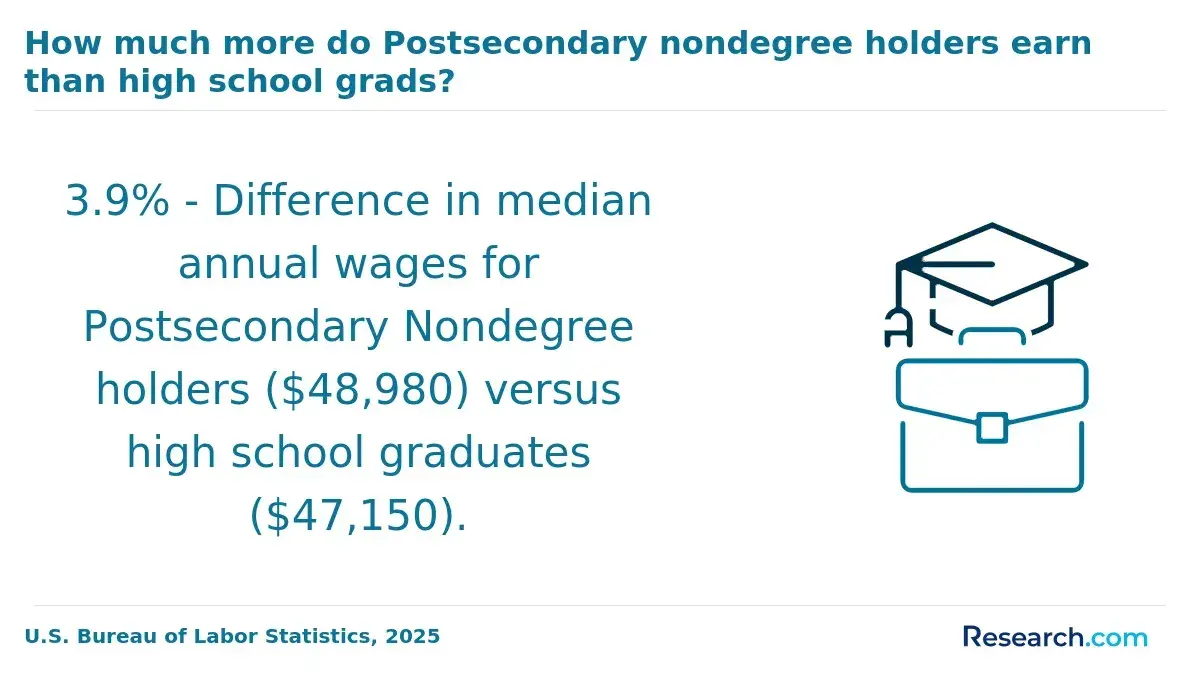
Entry-level salaries for family nurse practitioner roles show clear differences based on educational pathways. Graduates holding master's or doctoral degrees commonly earn median starting salaries between $85,000 and $95,000 annually, according to data from BLS, LinkedIn Salary Insights, Glassdoor, and NACE. In comparison, those completing bootcamp or certificate programs-who often qualify for roles with narrower clinical responsibilities-see starting pay closer to $60,000 to $75,000. These figures reflect broader employer expectations and licensure requirements.
- Credential Impact: Degree holders are generally required for full family nurse practitioner licensure and thus access broader job opportunities with higher pay, especially in hospitals and large healthcare organizations.
- Employer Type and Industry: Large healthcare enterprises prioritize degrees for both hiring and salary, while smaller clinics or urgent care centers often accept certificates or bootcamp training but offer comparatively lower compensation.
- Geographic Market: Urban centers with high living costs-such as New York or San Francisco-raise baseline salaries for all credentials, but the wage premium for degree holders remains more pronounced there due to tighter credentialing standards and market competition.
- Job Title Specificity: Positions explicitly labeled "Family Nurse Practitioner" predominantly require degrees and correspond with higher salaries; alternatively, bootcamp or certificate completers frequently enter related but lower-paying roles such as nurse educators or clinical assistants.
Salary trajectories further differentiate educational pathways. While entry pay gaps exist, degree holders tend to advance more rapidly into leadership, specialized clinical, or managerial roles requiring advanced credentials-resulting in significantly higher mid-career earnings. It's essential to note these salary benchmarks represent medians, with earnings affected by personal factors like prior experience, specialty area, geographic flexibility, and program reputation. A detailed return on investment analysis can help clarify cost-adjusted outcomes by pathway.
A professional who completed a family nurse practitioner degree shared his experience navigating the demanding workload and rigorous clinical requirements. "Balancing coursework with clinical hours was challenging," he recalled, "but the comprehensive training opened doors that bootcamps alone couldn't." His confidence grew as he interviewed with major healthcare employers, noting that having an advanced degree provided credibility and access to higher-paying roles. He observed colleagues from bootcamp programs often faced more limited job options and slower advancement, underscoring how educational credentials influence both starting salary and long-term career growth.
Employers assessing family nurse practitioner credential evaluation by employers consistently favor formal degree programs-master's or doctoral-especially in traditional medical settings. Data from LinkedIn Talent Insights and SHRM surveys reveal that large hospitals, government health agencies, and highly regulated healthcare providers commonly require a formal degree as a baseline qualification. This preference aligns with state licensing rules, accreditation mandates, and the comprehensive clinical training that degree programs provide.
Degree Preference: In regulated healthcare sectors and government entities, a master's or doctoral degree remains the dominant credential preferred over bootcamps or certificates, signaling strong clinical preparedness and compliance.
Bootcamp and Certificate Impact: Smaller clinics, innovative startups, and consulting firms show some openness to applicants with bootcamps or certificates combined with relevant experience. Still, regulatory limitations on scope of practice mean these credentials have limited influence overall.
Skills-Based Hiring: Though certain tech companies and federal agencies promote skills or portfolio-based recruitment, hiring trends in family nurse practitioner roles show minimal change-patient safety and licensing compliance keep degree credentials paramount.
- Regulated Healthcare Settings: Degrees are often mandatory and carry the greatest weight.
- Innovative Startups & Consulting: Certificates and bootcamps offer some flexibility but less demand.
- Government Health Agencies: Formal degrees continue to dominate despite skills-based hiring talk.
Overall, while bootcamps and certificates expedite skill acquisition and entry, degree programs yield stronger outcomes in salary, job placement, and long-term career advancement. Those evaluating their pathway should consider the sector where they intend to work and may explore supplemental courses, such as online medical billing and coding, to enhance employability within the family nurse practitioner labor market.
Admission to accredited family nurse practitioner degree programs is often competitive, demanding a solid academic record-typically a GPA of 3.0 or higher-and prerequisite courses in subjects such as anatomy, physiology, microbiology, and statistics. Many also require GRE scores or equivalent standardized tests, along with letters of recommendation that speak to both academic and clinical aptitude. Application deadlines follow strict academic schedules to control enrollment and uphold program reputation, providing a quality assurance signal that many employers value highly when hiring.
In contrast, most family nurse practitioner bootcamps and certificate programs operate with open enrollment, requiring only an active nursing license or basic healthcare experience. These programs usually do not enforce GPA minimums, standardized testing, or recommendation letters, and they offer flexible, rolling admissions. While these lower entry barriers increase accessibility-especially for career changers, working adults, and those facing financial or personal constraints-the responsibility to demonstrate quality shifts to program outcomes, faculty qualifications, curriculum rigor, and accreditation status rather than selective admissions.
GPA Minimums: Degree programs require a 3.0+ GPA, while bootcamps disregard academic GPA.
Prerequisite Coursework: Degree routes mandate science and nursing fundamentals; bootcamps mostly require nursing licensure.
Standardized Tests: GRE or similar exams are common in degree admissions but rare for bootcamps.
Letters of Recommendation: Multiple recommendations are standard for degrees; bootcamps seldom ask.
Application Timelines: Degree programs follow fixed deadlines; bootcamps accept applications continuously.
One professional who pursued a family nurse practitioner degree shared that navigating the layered admission process was initially daunting. She described gathering transcripts, securing thoughtful recommendations, and preparing for standardized tests as stressful yet rewarding. The structured timeline forced her to plan carefully, but the selective nature of the program ultimately boosted her confidence and gave her a sense of accomplishment that resonated with employers. Reflecting on her journey, she noted how the admissions rigor helped her build discipline early in the program-a foundation she credits for her later clinical success.
The curriculum and learning focus differ markedly across degree programs, bootcamps, and certificate offerings for family nurse practitioner training-impacting practical skills development, theoretical grounding, and career versatility.
- Degree Programs: These provide an extensive education combining general education, core nursing subjects, electives, and research elements. Typically spanning two to four years, students study anatomy, pharmacology, clinical diagnostics, and advanced pathophysiology along with ethics and healthcare policy. A thesis or capstone project encourages critical thinking and research abilities, fostering transferable knowledge and clinical practice hours. While longer in duration-which may delay entry into the workforce-degree programs build a solid foundation for long-term adaptability and advanced career options.
- Bootcamps: Structured as accelerated, intensive courses lasting weeks to a few months, bootcamps center on hands-on, project-based learning. They emphasize acquiring immediately applicable skills such as patient assessment and care planning but omit broader theoretical and research components. Graduates typically gain job-ready competencies quickly, suited for immediate clinical demands, yet may lack the depth needed for complex clinical reasoning or academic progression.
- Certificate Programs: These vary from entry-level certificates offered by online platforms and professional bodies to advanced certifications requiring prior clinical experience. Entry-level certificates target specific skill areas or knowledge updates, while advanced certificates highlight specialization in fields like pediatric care or chronic disease management. Certificates serve primarily to complement existing qualifications, enhancing credentials or expertise rather than providing a full educational program. Their labor market value depends on employer recognition and the holder's prior experience.
Ultimately, degree programs emphasize comprehensive, theory-informed clinical competence and research skills; bootcamps prioritize rapid, practical skill acquisition; and certificates function as focused enhancements customizing capabilities for certain professional contexts.
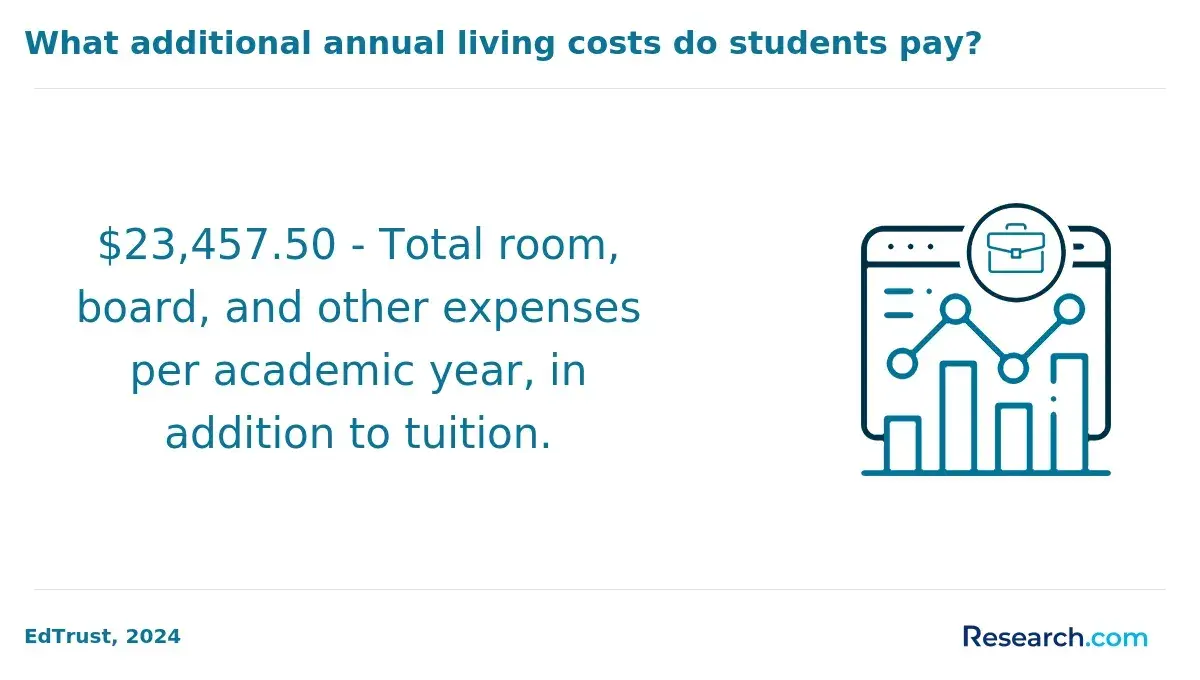
Calculating the return on investment (ROI) for family nurse practitioner degree programs, bootcamps, and certificate paths requires accounting for total program costs-including tuition, fees, materials, and the opportunity cost of foregone income during enrollment. Opportunity cost reflects the income a learner sacrifices by studying instead of working-a two- or four-year degree often means missing full-time wages for an extended period, significantly affecting ROI.
Using NCES cost data, NACE salary benchmarks, and bootcamp outcome reports, ROI can be estimated over five- and ten-year horizons post-completion for different learner profiles:
- Recent Graduate: With little to no prior income lost, degree programs carry higher tuition but lower opportunity costs. Over ten years, this leads to stronger ROI thanks to greater cumulative salary premiums despite longer study time. Bootcamps provide faster initial returns but typically yield less long-term financial benefit.
- Mid-Career Transitioner: Leaving a $50,000/year job means substantial opportunity cost for degree programs. Bootcamps and certificates minimize income loss through shorter durations and lower upfront expenses, enabling quicker positive ROI-often within five years.
- Part-Time Learner: Working while studying reduces opportunity cost, improving degree program ROI; however, bootcamps maintain an edge in credentialing speed and early income gains.
ROI differences highlight that total cost and salary gains vary widely by individual circumstance rather than credential type alone. Degree programs generally align with employers' credential requirements and offer deeper knowledge and career specializations unavailable through shorter routes-factors that may outweigh a slower financial payback. This broader perspective supports informed decisions for prospective family nurse practitioner students, balancing timely financial returns with long-term professional goals.
Job placement data for family nurse practitioner pathways vary widely depending on reporting methods and definitions, making careful evaluation crucial for prospective students comparing career outcomes of fnp bootcamps versus degree programs. Degree programs typically provide placement figures drawn from independently audited sources such as the Integrated Postsecondary Education Data System (IPEDS) graduate outcomes surveys or verified institutional career services reports, delivering standardized, comparable data. Some certificate programs offer CIRR-audited statistics, offering a degree of third-party validation. In contrast, many bootcamps report self-collected data on their websites, which may lack independent verification and sometimes inflate results by counting any employment in related health sectors as placement.
- Data Sources: Degree programs rely on audited surveys and formal career service reports, while bootcamp data often comes from self-reporting. CIRR-audited certificate programs offer transparency between these extremes.
- Definition of Placement: Degree programs generally track employment directly related to the nurse practitioner role, providing clearer insight into alignment with the graduate's training. Bootcamps and certificates may count broader health-related or administrative positions as successful placement, which can paint an inflated picture of immediate career outcomes. Prospective students should inquire specifically how placement is defined and request breakdowns by job role.
- Career Services Impact: Programs with comprehensive career support-including employer partnerships, resume coaching, mock interviews, and active alumni networks-tend to yield higher placement rates. Such support exists predominantly in degree programs but can also be a feature of well-run bootcamps and certificate pathways.
- Benchmarking Placement Rates: Industry norms for degree programs typically range from 80% to 95% placement in direct nurse practitioner employment within six to twelve months of graduation. Candidates should seek detailed data regarding time-to-placement, salary ranges, and types of roles secured rather than relying solely on aggregated headline numbers.
Choosing the right pathway includes considering how programs report outcomes and what career outcomes of fnp bootcamps versus degree programs really look like. For those exploring higher education options, including part-time or alternative routes, evaluating such factors is essential. In related fields, options like a masters degree in nutrition also demonstrate how program transparency and placement data affect long-term career success and return on investment.
Networking benefits in family nurse practitioner degree programs often provide the most comprehensive professional connectivity available across education pathways. Degree programs typically feature robust infrastructures-dedicated alumni associations, regular career fairs, faculty mentorship, and connections with institutional healthcare partners. These elements combine to enhance job placement rates and career advancement. Moreover, prestigious or geographically broad institutions can offer networks that support national or international referrals and leadership opportunities, amplifying the long-term value of alumni access impact on family nurse practitioner career advancement.
- Degree Programs: These emphasize established networks with extensive employer partnerships and professional organizations, fostering broad access to mentors and senior roles.
- Bootcamps: Smaller and newer, bootcamps rely heavily on cohort models that create tight-knit peer communities. Some well-established bootcamps develop strong alumni referral systems and employer connections-especially in specialized or technology-adjacent Family Nurse Practitioner fields-providing focused yet meaningful hiring benefits.
- Certificate Programs: Networks here tend to be more limited, usually linked to specific credential providers or professional associations. While learners gain some access to mentors and niche hiring managers, these communities often lack the scale and depth needed for significant career growth beyond initial credentialing.
Recognizing professional network development as a durable, compounding asset, aspiring practitioners should weigh the long-term advantages of each pathway's networking scope and alumni access carefully. For detailed comparative insights into diverse nursing programs, including online pathways, consult Capella RN to BSN vs Chamberlain RN to BSN.
Geographic location significantly influences outcomes for family nurse practitioner pathways-degree, bootcamp, or certificate-due to varying employer density and credential recognition. Major metropolitan areas like New York, San Francisco, and Chicago feature robust healthcare ecosystems and tech-oriented employers who often prioritize degree holders because of their comprehensive education and clinical experience. In these urban centers, degree programs generally yield higher salary potential and stronger career advancement.
- Bootcamp Concentration: Many bootcamp programs operate out of cities dense with healthcare employers, boosting local job placement rates through established employer partnerships and regional credential awareness.
- Relocation Impact: Graduates relocating away from their bootcamp's local network tend to see reduced job placement opportunities, as familiarity with bootcamp credentials drops and networking weakens.
- Smaller Markets: In rural or mid-sized labor markets, fewer employers may recognize bootcamp or certificate credentials, often favoring degree holders. Still, less applicant competition here can moderate this effect.
- Remote Work Effects: The rise of remote healthcare roles has lessened geographic disparities by letting candidates of all credential types compete nationally for positions with metropolitan-level salaries. However, this broad competition also intensifies rivalry for such roles.
Data from the Bureau of Labor Statistics highlights that metropolitan family nurse practitioner salaries commonly exceed national averages by 20-30%, underscoring the value of credentials in these regions. Prospective students should carefully assess local market factors-including employer density, credential preferences, and remote work opportunities-when choosing the pathway that best aligns with their career goals and location.
Large enterprises and government agencies often apply strict degree requirements-typically a master's or doctoral degree in family nurse practitioner studies-as a primary screening tool. These organizations prioritize formal credentials due to regulatory mandates and established credentialing norms.
- Degree Dominance: Despite many employers removing degree mandates around 2020, hires at sizable organizations still predominantly carry traditional degrees. Non-degree credentials remain less common among newly employed family nurse practitioners in this sector.
- Skills-Based Hiring: Startups, healthcare agencies, and smaller districts increasingly emphasize verifiable clinical abilities, practical outcomes, and technical assessments over formal degrees. These employers value portfolios and real-world experience-sometimes regardless of whether credentials stem from accredited programs, certificates, or bootcamps.
- Credential Perception: Bootcamps and certifications are seen as helpful supplements to skill development but rarely replace comprehensive degrees alone. They typically need to be paired with hands-on clinical experience to gain serious consideration.
- Post-2020 Trends: Public removal of hard degree requirements by many large employers has not yet reshaped the mix of credentials in hiring practices fully. Degree holders continue to dominate, while alternative pathways gain traction mainly in emerging healthcare settings.
- Research Strategies: Candidates should engage directly with hiring managers and examine the LinkedIn profiles of recently hired professionals to gauge actual credential expectations. This approach offers clearer insights than relying solely on posted job requirements or employer claims.
What Graduates Say About Which Path Leads to Better Career Outcomes: Family Nurse Practitioner Degree, Bootcamp, or Certificate
- Orlando: "Choosing the family nurse practitioner degree was a game changer for me-while bootcamps offer fast-tracked skills, the degree opens doors with hospitals that prefer formal credentials and higher salary brackets. The return on investment felt more tangible after I leveraged extensive networking opportunities through alumni events that are rarely available to bootcamp or certificate grads. If you're aiming for long-term career growth in diverse clinical settings, the degree pathway truly stands out."
- Zion: "Reflecting on my journey, the certificate path was ideal as a working professional balancing family obligations-it provided targeted skills without a huge time commitment. However, the job placement rates I encountered were generally lower and salaries plateaued sooner compared to degree holders. For those needing a quicker pathway to practice with moderate ambitions, certificates fit well, but the degree remains better suited for expansive career opportunities and advancement."
- Wyatt: "From a professional standpoint, the bootcamp was intense and skill-focused, perfect for accelerating my clinical competencies. Still, many employers emphasize accredited degrees when considering leadership roles-so credentials do matter beyond initial job placement. For learners who thrive in immersive environments and want to quickly boost their salary potential, bootcamps provide great return on investment-though long-term growth often benefits from degree-level education."
Other Things You Should Know About Family Nurse Practitioner Degrees
Family nurse practitioner degree holders often experience stronger long-term career growth due to the comprehensive clinical training and academic foundation provided by degree programs. Employers typically prefer degree holders for advanced roles and leadership positions in healthcare, which can lead to higher salary prospects over time. Bootcamps and certificates may offer quicker entry into the workforce but generally lack the depth required for substantial advancement or specialization.
A Family Nurse Practitioner (FNP) degree offers a solid foundation with comprehensive clinical training and theoretical knowledge, leading to more stable long-term career growth. In contrast, bootcamps or certificates might offer quicker paths but often lack the depth and credential recognition that a full degree provides over time.
During economic downturns or tight labor markets, family nurse practitioner degree holders generally have an advantage due to the higher credential recognition among employers and broader career options. Bootcamps and certificates may lead to more limited job opportunities, as some employers prioritize comprehensive clinical education, making degree holders more resilient to market fluctuations.
No. State APRN licensure requires graduation from a CCNE- or ACEN-accredited graduate nursing program, usually an MSN or DNP, plus national FNP certification from the AANPCB or ANCC. Short bootcamps and certificates do not meet licensure requirements.
- Understanding Nurse Practitioner Credentialing and Licensing https://www.nphire.com/blog/understanding-nurse-practitioners-credentials-and-licensing
- 10 Ways to Make Your FNP Resume Stand Out https://onlinenursing.twu.edu/blog/10-ways-make-your-fnp-resume-stand-out
- Things Hiring Managers Look For in Nurse Resume | AMN Healthcare https://www.amnhealthcare.com/blog/nursing/travel/things-hiring-managers-look-for-in-resume/
- Top Careers with a Family Nurse Practitioner Degree https://www.mobap.edu/news/exploring-career-paths-with-a-family-nurse-practitioner-degree/
- FNP vs. NP – What’s the Difference? https://nursinglicensemap.com/advanced-practice-nursing/nurse-practitioner/family-nurse-practitioner/fnp-vs-np/
- Nurse Practitioner (NP) Career & Salary Guide https://teach.com/online-ed/healthcare-degrees/online-family-nurse-practitioner-programs/careers-and-salary/
- Top 7 Things Hiring Managers Look for in FNPs | Bradley University Online https://onlinedegrees.bradley.edu/nursing/master-science-nursing/msn-fnp/what-do-hiring-managers-look-for-in-fnps
- The Best FNP Programs by Region for 2025 https://www.graduatenursingedu.org/top-picks-for-best-msn-fnp-programs-by-region-for-2019-20/
- Home https://www.husson.edu/online/blog/2025/10/benefits-of-alumni-networks
- Choosing the right FNP degree—and then succeeding in school https://www.myamericannurse.com/choosing-the-right-fnp-degree-and-then-succeeding-in-school/


