2026 Which Energy Engineering Specializations Have the Best Job Outlook?

Co-Founder and Chief Data Scientist
Choosing an energy engineering specialization without clear insight into job market dynamics can lead to missed opportunities-especially when job volume, advancement potential, compensation growth, and geographic demand vary widely across fields. Graduates equipped with credentials like professional licensure or certifications in renewable energy report starting salaries roughly 20% higher than peers without such credentials.
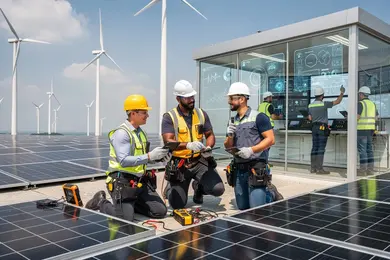
Industries such as solar and wind power show robust hiring and competitive compensation trajectories, while roles in fossil fuel sectors face geographic and regulatory constraints. This article evaluates which energy engineering specializations offer the strongest job outlook-examining where demand accelerates, salary growth potential, and key competencies to secure a competitive advantage.
Key Things to Know About the Energy Engineering Specializations With the Best Job Outlook
- Specializations emphasizing advancement potential-like renewable systems integration-offer faster career growth, with 15% higher promotion rates compared to traditional energy sectors.
- Geographic accessibility greatly favors graduates skilled in smart grid technology, where urban and rural deployment expands opportunities nationwide.
- Credentials such as Professional Engineer (PE) licenses and expertise in energy modeling software provide a measurable hiring advantage amidst competitive compensation trajectories.
Which energy engineering specializations are currently showing the strongest employment growth in the United States?
The United States labor market is currently experiencing strong employment growth in specific energy engineering specializations that align with evolving economic priorities and technological innovation. According to the latest data from the Bureau of Labor Statistics (BLS) Occupational Outlook Handbook, some fields within energy engineering are growing at rates well above the national average.
This momentum is fueled by clean energy policies, infrastructure upgrades, and rising demand for energy efficiency-factors influencing the most promising career paths.
- Renewable Energy Engineering: Leading the expansion, this field benefits from government initiatives to cut carbon emissions and promote sustainable resources. Engineers specializing in wind, solar, and bioenergy technologies design and optimize renewable power systems. Growing investment in green energy has created a strong landscape for compensation increases and career advancement.
- Energy Systems Engineering: Experts in smart grid technologies and decentralized energy networks are seeing accelerating job opportunities. Enhancing system reliability and integrating diverse energy sources place these engineers at the heart of modern infrastructure transformations.
- Energy Efficiency Engineering: This specialization experiences robust demand driven by regulatory mandates and cost-saving incentives to improve conservation across industrial, commercial, and residential environments.
- Battery and Energy Storage Engineering: Growth in electric vehicles and renewables is boosting demand for specialists advancing lithium-ion and next-gen battery technologies-critical for addressing energy intermittency and reliability challenges.
- Petroleum and Natural Gas Engineering: While expanding more moderately, this field maintains steady opportunities focused on enhanced recovery and environmental compliance amid ongoing energy needs.
These trends illuminate a transition toward clean, efficient energy production-offering targeted job expansion across US regions and a nuanced picture of opportunity quality, including salary growth and geographic mobility. Students and professionals aiming for competitive positioning should consider the credentials and competencies vital for success in these areas.
Exploring tailored educational pathways and networking strategies, including various online degrees, can provide valuable footholds in these promising specializations.
What does the Bureau of Labor Statistics project for energy engineering specialization employment over the next decade?
The Bureau of Labor Statistics (BLS) projects varied employment growth across energy engineering specializations over the next decade-reflecting significant shifts in technology, policy, and market demands. These projections provide an essential benchmark against the national average growth rate for all occupations, which is estimated at about 5% from 2022 to 2032.
Understanding these trends helps highlight where job opportunities in energy engineering are expanding most rapidly.
- Renewable Energy Engineering: Expected to see robust growth far outpacing the national average, this specialization benefits from increasing renewable energy mandates, declining costs in solar and wind technologies, and government incentives that promote clean energy adoption. Workforce turnover with retiring engineers also contributes to a steady influx of new job openings.
- Energy Efficiency and Sustainability Specialists: These roles are projected to grow above average due to rising corporate commitments to sustainability and expanding service sectors focused on energy conservation. Legislative efforts to reduce carbon footprints further increase demand for expertise in this field.
- Petroleum and Fossil Fuel Engineers: Job growth in this area is slower or even declining as global trends favor greener alternatives and stricter emission regulations limit fossil fuel development. Yet, stable opportunities persist in regions rich in fossil resources.
- Power Systems Engineers: Growth here aligns closely with the national average but is bolstered by investments in smart grid technologies and infrastructure upgrades aimed at efficiency and reliability improvements.
It's important to recognize that BLS figures represent national averages. Local labor markets with distinct energy policies or prominent industries may see markedly different growth patterns.
For students or professionals considering a strategic pivot within energy engineering, credentials and competencies aligned with renewable and sustainability sectors yield measurable hiring advantages-especially when combined with networking and early career moves targeted to high-demand specializations. Exploring further educational options, including the cheapest eMBA programs, can strengthen leadership and strategic skills applicable in this evolving field.
The Bureau of Labor Statistics energy engineering job growth projections provide a prioritized outlook for those evaluating the employment outlook for energy engineering specializations in the United States.
How do emerging technologies and industry disruptions shape job demand across energy engineering specializations?
Emerging technologies and industry disruptions shape job demand across energy engineering specializations through:
Clean Energy Transition: The growing emphasis on renewable energy is driving demand for specialists skilled in integrating sustainable solutions. Roles like solar systems designer, wind turbine engineer, and energy storage analyst have surged as the energy sector aligns with net-zero targets. Graduates equipped with expertise in sustainable energy systems are prized for advancing grid efficiency and renewable integration. The World Economic Forum underscores that employment in these roles is expanding rapidly due to heightened government and private-sector investment.
Artificial Intelligence Integration: AI's rising role in optimizing energy distribution reshapes demand toward specialists in energy informatics and smart grid technology. Positions such as AI energy analyst and predictive maintenance engineer are emerging as key opportunities. A background blending energy engineering with data science and machine learning offers a competitive advantage, given findings from the McKinsey Global Institute that AI can enhance energy sector efficiency by up to 20%.
Digital Transformation in Energy Operations: The digitization of energy infrastructure-through IoT, sensors, and real-time monitoring-creates new niches for engineers versed in embedded systems and cybersecurity. Emerging careers include energy data integration specialist and digital twin engineer. Professionals combining core energy knowledge with digital fluency are well positioned for career advancement and stronger salary prospects as the sector modernizes.
Emerging disruptions create fertile ground for career growth-particularly for those cultivating complementary digital expertise. Continuous skill development and targeted certification bolster hiring potential and flexibility across diverse locations.
When asked about his experience navigating these shifts, a professional who graduated in energy engineering reflected, "Adapting to rapidly changing technology was daunting at first-especially balancing new AI and digital skills alongside core energy principles.
The process required persistence and a willingness to continuously learn beyond formal coursework. However, building a network in both traditional energy and tech circles proved invaluable. That blend opened doors I hadn't initially anticipated and gave me confidence to pursue emerging roles that combine these fields."
Which energy engineering specializations offer the most in-demand entry-level positions for new graduates?
Many energy engineering specializations offer the most in-demand entry-level positions for new graduates.
Renewable Energy Engineer: This role centers on developing and improving technologies like solar panels, wind turbines, and bioenergy systems. It requires expertise in renewable energy and is prevalent within renewable power generation and environmental consulting sectors. Starting as a renewable energy engineer often leads to advanced positions in project management or research and development at green energy companies.
- Energy Systems Analyst: These professionals examine energy usage data, create models to optimize efficiency, and suggest operational improvements. Specializations typically include energy management and systems engineering, with jobs found in utilities, manufacturing, and government agencies focused on energy policy. It offers a strong foundation for careers in energy economics and strategic planning.
- Power Plant Engineer: Focused on the operational aspects, maintenance, and efficiency of both traditional and alternative power plants, this job demands skills in power generation and mechanical systems. Utility companies and energy producers frequently hire for this title. It often serves as a stepping stone to senior operations management or engineering consultancy roles.
- Energy Storage Engineer: Specialists in battery and grid storage technologies are increasingly sought after in renewable-heavy and smart grid sectors. Entry-level engineers in this role work on designing and implementing efficient energy storage solutions. Career progression tends to move toward research scientist or senior systems engineer positions.
- Energy Efficiency Consultant: This job involves auditing buildings, manufacturing, or transportation systems to identify energy-saving opportunities. It requires skills in energy auditing and sustainable design, with employers including consulting firms, construction companies, and government. Career advancement frequently leads to senior consultancy or sustainability director roles.
To tap into the entry-level energy engineering jobs with highest demand, graduates should target these specific titles rather than generic ones-this sharpens search results and application impact. Emphasizing certifications like LEED or PMP and proficiency with industry-specific software can also bolster hiring potential. Additionally, professionals considering a strategic pivot benefit from selecting the best energy engineering specializations for new graduate careers aligned with growth sectors.
For those seeking related career paths in cybersecurity, examining cyber security degrees offers insight into competitive credentialing and job market strategies.
What salary trajectory can graduates expect from the top five highest-growth energy engineering specializations?
Salary progression in the fastest-growing energy engineering specializations reflects varying starting points and growth rates tied to experience, expertise, and credentialing. Data from the Bureau of Labor Statistics and wage platforms indicate that compensation generally climbs substantially over a 10-to-15-year period, rewarding those who deepen their technical skills and secure advanced certifications.
- Renewable Energy Engineering: Competitive entry salaries reflect strong industry expansion.
- Starting: $65,000-$75,000 annually
- Mid-Career: $85,000-$100,000 annually
- Senior-Level: $110,000-$140,000 annually
- Energy Storage Systems Engineering: A niche growing rapidly, particularly for professionals with battery technology and integration expertise.
- Starting: $60,000-$70,000 annually
- Mid-Career: $90,000-$110,000 annually
- Senior-Level: $120,000-$150,000 annually
- Smart Grid Technology Engineering: Regions investing heavily in grid upgrades drive strong salary hikes in this area.
- Starting: $62,000-$72,000 annually
- Mid-Career: $88,000-$105,000 annually
- Senior-Level: $115,000-$135,000 annually
- Energy Efficiency Consulting: Entry pay is typically lower, but substantial gains arise from managing projects and client portfolios.
- Starting: $55,000-$65,000 annually
- Mid-Career: $80,000-$95,000 annually
- Senior-Level: $100,000-$130,000 annually
- Fossil Fuel Systems Engineering: Offers the highest starting salaries, though salary growth is steadier rather than exponential.
- Starting: $70,000-$80,000 annually
- Mid-Career: $95,000-$115,000 annually
- Senior-Level: $115,000-$140,000 annually
Salaries vary substantially by location and sector-private, government, or consultancy-with cost-of-living and demand influencing take-home pay. Earning advanced certifications such as Professional Engineer licensure accelerates salary growth, especially in technologically innovative fields like smart grids and energy storage. Conversely, fossil fuel specializations provide strong initial remuneration but a more gradual increase over time. For exact figures adjusted to your region, refer to the geographic salary analysis section.
When I asked a professional who established her career after graduating from an energy engineering program about her experience navigating salary prospects, she reflected on the challenges of early career uncertainty balanced against long-term opportunity.
"At first, it felt daunting to choose the right concentration, especially with so many emerging fields," she shared. "Gaining specialized certifications was crucial-it opened doors I hadn't anticipated and gave me leverage for better roles." Her journey underscored how patience and strategic skill-building lead to rewarding financial progress, emphasizing that early salary isn't the whole story but part of a broader career narrative shaped by continual learning and adaptability.
How does geographic location influence job outlook and earning potential across energy engineering specializations?
West Coast metros and Texas dominate job creation in renewable energy systems and storage technologies, offering wages above the national median-reflecting strong labor demand. Manufacturing-centric Midwest regions experience steadier but slower employment gains with comparatively modest pay.
Areas dense with energy companies-such as Houston's oil and gas sector or Denver's clean tech startups-provide abundant openings and higher salaries. This clustering supports deep specialization in fields like petroleum engineering and grid modernization, where geographic closeness to employers remains important.
Cities anchored by major research universities focused on energy innovation-including Boston and Berkeley-maintain vibrant markets for emerging disciplines such as nuclear energy and advanced materials. These academic hubs foster innovation, attracting talent and investment that drive career growth.
States with robust renewable energy policies-California, New York, and Massachusetts-spur demand in solar and wind engineering, with incentives elevating wage levels as market competition intensifies. Aligning career plans with these shifting regulatory landscapes is critical.
Remote and hybrid work now benefit many consulting and software-driven roles; however, specializations requiring onsite presence-like field engineering and grid management-still depend on proximity to critical infrastructure and employer clusters.
Students and professionals should:
- Assess Regional Strengths: Target regions leading their specialization's growth and earning potential.
- Balance Lifestyle & Opportunity: Weigh personal preferences alongside available roles to optimize career and quality of life.
- Leverage Local Networks: Connect with industry hubs, universities, and professional groups to enhance hiring prospects.
Which industries are hiring candidates with energy engineering specializations at the highest rates right now?
Many industries are hiring candidates with energy engineering specializations at the highest rates right now.
Renewable Energy: Rapid growth in renewable energy-driven by global carbon reduction goals and falling costs for solar and wind technology-has created strong demand for engineers skilled in solar photovoltaic systems, wind turbine design, and energy storage solutions. Entry-level project engineering and system analysis positions offer paths toward senior design engineer and project management roles. Salaries here generally exceed the median for energy engineering, supported by federal incentives and private sector innovation.
Oil and Gas: Despite market volatility and increasing environmental regulations, the oil and gas sector continues to supply substantial openings for energy engineers focused on drilling technology, reservoir simulation, and process optimization. Career progression often moves from junior reservoir or drilling engineers to senior technical experts or field supervisors. This industry tends to offer compensation above the energy engineering median, reflecting its complex technical and operational demands, though long-term stability is challenged by the shift toward sustainable energy.
Energy Utilities: Utilities managing electric, gas, and water services steadily seek engineers to support grid modernization and enhance energy efficiency. Specialists in smart grid technologies, distributed energy resources, and regulatory compliance are particularly valued. Roles typically advance from design or operations engineering to system planning and utility management. Compensation aligns closely with energy engineering averages, with stable demand and wide geographic availability promoting career security.
Energy Consulting and Research: Firms and institutions focusing on policy analysis, energy modeling, and sustainability assessments offer roles requiring cross-disciplinary expertise. Advancement spans from analyst to senior consultant or research director positions. Earnings can vary but often include performance incentives, appealing to those prioritizing intellectual challenge and project diversity.
Manufacturing and Technology: Growing markets for energy-efficient products and energy management software present opportunities for engineers in product design, testing, and systems integration. Career paths extend from product engineer to lead engineer or R&D manager, with salaries often exceeding average energy engineering wages due to competitive innovation demands.
Developing experience across these sectors helps energy engineering professionals buffer against sector-specific downturns while expanding expertise and increasing earning potential. Evaluating both market trends and personal interests is essential, as sustained career advancement aligns closely with genuine engagement in one's specialization.
What advanced certifications or graduate credentials strengthen job prospects in energy engineering specializations?
Many advanced certifications or graduate credentials strengthen job prospects in energy engineering specializations.
Professional Engineer (PE) License: This license offers broad recognition across energy engineering specializations, often required for senior design and consulting roles. Achieving PE licensure reflects adherence to strict technical and ethical standards, which significantly boosts job prospects and salary potential. Candidates must invest time in obtaining a bachelor's degree, accumulate relevant work experience-typically four years-and pass the Fundamentals of Engineering (FE) and PE exams. Since licensing requirements vary by state, verifying local regulations is critical for those aiming to maximize graduate credentials enhancing job prospects in energy engineering specializations.
Certified Energy Manager (CEM): Provided by the Association of Energy Engineers, the CEM is highly regarded in energy management, renewable energy, and sustainability sectors. It highlights expertise in energy auditing, efficiency, and cost-saving technologies. Professionals with this credential often see accelerated salary growth and expanded opportunities in both public and private sectors. The moderate cost and study commitment make it well-suited for engineers focused on leading energy cost reduction initiatives, an example of advanced certifications for energy engineering career advancement.
Graduate Degrees (MS, PhD): Advanced degrees in specialized areas-such as renewable energy systems, power electronics, or energy policy-open doors to leadership, research, and development roles. A master's degree can significantly boost starting salaries and promotion chances, while doctoral programs are essential for academic or advanced R&D careers. Prospective students should carefully assess the 1-5 years of study required against potential long-term career gains, as well as consider options like earning a communication master degree to complement technical expertise.
Specialized Certifications: Credentials such as the Project Management Professional (PMP) or the North American Board of Certified Energy Practitioners (NABCEP) specifically target niche sectors within energy engineering. These certifications often yield significant premiums in industries like solar and wind energy but may have limited value outside their specialization. Aligning these certifications with one's chosen concentration and regional demand is vital for maximizing their return on investment.
Return on Investment Considerations: Evaluating credential choices involves balancing upfront costs and time against job placement rates, salary increases, and leadership potential. Networking through professional associations and internships amplifies the value of advanced certifications for energy engineering career advancement. Candidates should consult current industry data and employer expectations, prioritizing those credentials that offer clear, evidence-based advantages in compensation and career mobility.
How do remote and hybrid work trends affect the job outlook for energy engineering specialization graduates?
Remote and hybrid work trends significantly affect the job outlook for energy engineering specialization graduates in the US, reshaping employer expectations and enhancing candidate opportunities. Specializations with the highest share of remote-eligible roles include renewable energy systems design and energy data analytics-fields benefiting from extensive workflow digitization which allows engineers to analyze data, model systems, and collaborate virtually with minimal on-site presence.
This dynamic is a key factor in the impact of remote work on energy engineering job outlook in the US.
Talent Scarcity: Employers respond to competitive talent shortages by offering flexible work to widen geographically diverse candidate pools. Recent surveys from Buffer and Owl Labs report over 40% of energy data analytics roles and about 35% of renewable energy engineering positions support hybrid or fully remote arrangements. These models also increase productivity by addressing varied work styles.
Financial Advantage: Professionals working remotely in energy engineering often command salaries benchmarked to high-cost urban markets while residing in lower-cost regions-stretching disposable income effectively. For example, a renewable energy engineer at a San Francisco firm earning $90,000 may have local purchasing power equivalent to $110,000 or more.
Identification: Job seekers should track listings with keywords like "remote-friendly," "telecommute," or "hybrid" and explore specialized platforms that cater to sector flexibility. This strategy complements the broader hybrid work trends and career prospects for energy engineering specializations.
Application Positioning: Highlighting mastery of digital collaboration tools and demonstrated self-management skills-such as cloud-based simulation software experience or virtual project coordination-enhances candidate appeal for distributed teams.
Graduates can leverage these insights alongside credentials and networking strategies to access high-demand roles. Those considering broader educational growth might explore relevant options among accelerated masters psychology programs that complement interdisciplinary skills valuable in energy sectors.
What role does specialization depth play in long-term career growth for energy engineering professionals?
Focusing on a specific area within energy engineering-rather than remaining a generalist-can significantly boost earning potential, job marketability, and career advancement in rapidly growing sectors. Data from the Bureau of Labor Statistics and industry groups highlight several specializations that offer above-average growth and salary advantages.
- Renewable Energy Systems: Concentrating on solar, wind, and other clean technologies, this field benefits from strong global climate commitments and supportive regulations driving demand and competitive wages.
- Energy Storage Engineering: With increased need for advanced batteries and grid-level storage, specialists in this niche command higher salaries and growing job opportunities.
- Energy Efficiency and Sustainability: Professionals who optimize energy use in buildings and industries are seeing expanding roles due to green building standards and environmental policies.
- Smart Grid and Power Systems: Focused on modernizing power networks through digital and intelligent systems, this area experiences growth fueled by utility upgrades and technological innovation.
Students and early-career professionals should target specialization through graduate studies, certifications, or roles that deepen domain expertise. While specialization can limit cross-functional flexibility, it often results in better promotion prospects and higher pay. Aligning market trends with personal passion ensures sustained career satisfaction and success.
How do public sector and private sector career paths compare in growth potential for energy engineering specializations?
Here's how public sector and private sector career paths compare in growth potential for energy engineering specializations:
Growth Trajectories: Private sector industries like technology, healthcare, and finance tend to exhibit faster and more dynamic growth for energy engineering roles, influenced heavily by innovation cycles and varying investment trends. In contrast, public sector employment-found in government agencies, nonprofits, and educational institutions-usually expands at a steadier, more predictable pace, shaped by policy decisions and budget allocations.
- Compensation Structures: Salaries in the private sector typically start higher and offer greater potential through bonuses, stock options, and profit-sharing plans. Public sector pay might begin lower but often compensates with enhanced benefits and retirement packages that provide long-term security.
- Advancement Timelines: Career progression in private companies frequently rewards measurable project contributions and can accelerate rapidly for high performers. Meanwhile, public sector promotions follow more formalized processes tied to tenure and civil service rules, generally resulting in steadier but slower advancement.
- Job Security and Benefits: Stability is a hallmark of public sector positions, with comprehensive healthcare and pension plans appealing to those prioritizing predictability. The private sector can be more vulnerable during economic downturns but often offers flexible work arrangements and opportunities for diverse experience acquisition.
- Emerging Hybrid Roles:
- Government workforce reforms and increased public-private partnerships-especially in clean energy and infrastructure upgrades-are fostering new roles that combine the mission-focused nature of public service with the agility of private industry.
- These crossover pathways expand career options for energy engineering specializations beyond traditional sector boundaries.
- Personal Priorities: Choosing between public and private sectors depends on whether one values mission impact, earning potential, career stability, or workplace flexibility most. Aligning career choices with these priorities ensures stronger professional fulfillment and growth.
Graduates and professionals should analyze these factors carefully-balancing growth prospects, compensation trends, and organizational cultures-to select the specialization and sector that best match their long-term career strategies.
What Graduates Say About the Energy Engineering Specializations With the Best Job Outlook
- Danny: "Graduating with a specialization in energy engineering opened my eyes to the impressive job volume in renewable energy sectors-there's a consistent demand for skilled professionals across many regions. What struck me most was the compensation trajectory-starting salaries might be modest but scale quickly with experience and expertise. Also, the credentials gained through this specialization have given me a tangible edge in interviews, setting me apart in a highly competitive market."
- Jamir: "Looking back on my journey, I appreciate how energy engineering offers not just quality of opportunity but meaningful career advancement potential. Roles in sustainable energy systems and grid modernization aren't just plentiful-they offer pathways into leadership within a few years. Additionally, the geographic accessibility of these roles made it easier for me to find a position in my hometown, which was a huge plus for work-life balance."
- Ethan: "From my professional perspective, the specialization in energy engineering truly stands out because of the combination of high-quality job openings and upward mobility. The industry trends suggest a strong compensation trajectory-companies are eager to invest in talent due to growing energy demands. Moreover, the particular credentials and competencies I developed provided measurable advantages, especially when competing for roles in top firms focused on sustainable innovation."
Other Things You Should Know About Energy Engineering Degrees
Hiring managers emphasize strong problem-solving abilities and adaptability due to the rapidly evolving nature of energy technologies. Communication skills are crucial for collaborating across disciplines and explaining complex concepts clearly. Additionally, proficiency with data analysis tools and an understanding of emerging software platforms significantly boost a candidate's appeal in high-growth energy engineering sectors.
Internships provide hands-on exposure to real-world challenges and specialized technologies, enabling students to build practical skills aligned with industry needs. Early career experiences-such as co-ops or research projects-help students create professional networks and demonstrate their capability to apply theoretical knowledge effectively. These opportunities often lead to job offers in fast-growing energy engineering fields, giving students a valuable competitive edge.
In 2026, hiring managers prioritize problem-solving abilities, adaptability, and strong communication skills in energy engineering candidates. Additionally, proficiency in data analysis and a commitment to sustainability are highly valued as the industry continues to focus on innovative and eco-friendly solutions.
Entrepreneurship is growing as energy engineers develop innovative solutions in renewable resources and efficiency technologies. Freelancing allows specialists to offer consulting services on sustainability projects, smart grid integration, or energy audits. These trends create alternative career pathways-beyond traditional employment-providing flexibility and increased demand for expertise in niche areas of energy engineering specialization.
References
- Transforming Construction with Renewable Energy - WRS https://www.worldwide-rs.com/blog/top-5-high-demand-positions-in-the-usa-construction-and-energy-industry/
- The dilemma of specialisation vs versatility: striking a balance in engineering careers https://engineering-jobs.theiet.org/article/the-dilemma-of-specialisation-vs-versatility-striking-a-balance-in-engineering-careers
- Career Paths in Renewable Energy: Opportunities and Specializations | EuroClimateJobs https://www.euroclimatejobs.com/article/838/career-paths-in-renewable-energy-opportunities-and-specializations
- Engineering Jobs Expected to Grow in All Sectors in 2025 - Tech Insights https://eepower.com/tech-insights/engineering-jobs-expected-to-grow-in-all-sectors-in-2025/
- Why Become a Renewable Energy Engineer? | McKissock Learning https://www.mckissock.com/blog/professional-engineering/why-become-a-renewable-energy-engineer/
- Energy Engineer - Salary, Qualifications & Demand https://www.rssinc.com/blog/energy-engineering-staffing/
- Public vs private sector: Engineering jobs https://www.trsstaffing.com/blogs/2024-5/the-benefits-of-working-in-the-public-sector-as-an-engineer
- Top Energy Certifications - EnergyDegrees.org https://www.energydegrees.org/resources/energy-certifications/
- 5 Emerging Energy Technology Trends Shaping 2025 - The Renewable Energy Institute https://www.renewableinstitute.org/5-emerging-energy-technology-trends-shaping-2025/
- Renewable Energy Jobs in 2026: Global Market Growth, Skills Gap & Career Pathways (With Data + Forecasts) https://www.greenfueljournal.com/post/renewable-energy-jobs-in-2026-global-market-growth-skills-gap-career-pathways