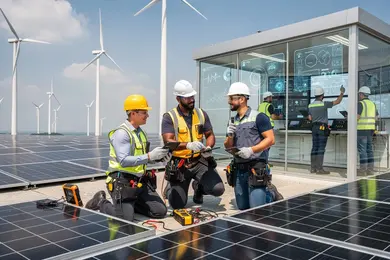
2026 Best Value Online Energy Engineering Degree Programs: Affordable Accredited Options with the Strongest ROI

Co-Founder and Chief Data Scientist
Rising tuition costs and evolving employer expectations challenge budget-conscious learners seeking online energy engineering degrees balancing affordability, accreditation, and flexibility. Many working professionals and adult students face uncertainty about total program costs, including hidden fees, and how transfer credit policies affect graduation timelines.
With 84% of energy engineering graduates securing positions within six months at a median salary above $85,000 annually, evaluating programs solely on sticker price overlooks critical factors like accreditation quality, student support, and ROI through career advancement.
Understanding these elements early in the decision process helps ensure financial stability and long-term growth. This article explores affordable, accredited online energy engineering degrees offering the strongest return on investment, guiding readers to make informed, strategic choices tailored to their needs.
Key Things to Know About the Best Value Online Energy Engineering Degree Programs
- The best-value online energy engineering programs combine competitive tuition, financial aid options, transfer credit pathways, and flexible schedules to minimize total education expenses and enhance accessibility.
- Accreditation, graduation rates, student support, pacing options, and career outcomes are critical factors to compare for evaluating a program's true educational and economic value.
- Review hidden fees, residency requirements, credit transfer policies, potential salaries, and employer recognition, essential for aligning the degree with long-term career growth and financial stability.
What Are the Best Value Online Energy Engineering Degree Programs?
Students increasingly seek value-focused online energy engineering degree programs that balance affordability, accreditation, flexibility, and strong career outcomes.
Rising concerns about student debt and employer demand for skilled degree holders are directing more working professionals and adult learners to affordable accredited online energy engineering degrees with highest ROI.
Reliable data shows that such programs can significantly reduce costs while maintaining academic quality and long-term earning potential.
The following categories highlight the best value options for budget-conscious students:
- Public Regional Universities: Offering some of the lowest in-state tuition rates, these institutions have regional accreditation and robust online platforms designed for full-time workers. Transfer credit policies facilitate seamless progression, supporting efficient graduation timelines and steady mid-career salaries.
- Competency-Based Programs: These programs cater to self-motivated learners who can expedite their degree by demonstrating mastery, reducing both time and tuition expenses. Accredited by reputable bodies, they focus on workforce-aligned skills that increase return on investment in energy sector careers.
- Transfer-Friendly State University Systems: Many state systems collaborate to recognize community college credits, making their online energy engineering pathways more affordable. This approach combines transfer accessibility with regional accreditation to ease financial burdens and shorten degree completion times.
- Programs with Strong Tuition-to-Earnings Outcomes: Based on labor market data, these programs align tuition costs with graduates' median salaries, reflecting the value of quality education and effective career services essential for maximizing ROI.
Students interested in accelerated timelines may also consider options like quickest online degrees that pay well, which often overlap with competency-based and transfer-friendly models.
This blend of affordability, academic rigor, and flexibility defines the best value online energy engineering programs for working professionals and career-focused adult learners.
How Do You Choose an Affordable Accredited Online Energy Engineering Degree?
Choosing an affordable accredited online energy engineering degree requires balancing cost, academic quality, flexibility, and long-term return on investment (ROI).
With average online tuition costs varying widely-often between $15,000 and $30,000 annually, making an informed choice is crucial. Moreover, students face growing concerns about student debt and employer perceptions, underscoring the need for recognized accreditation and solid outcomes.
Key factors to evaluate include:
- Accreditation Quality: Seek programs accredited by agencies recognized by the U.S. Department of Education-regional accreditation remains the gold standard. This ensures academic rigor, facilitates credit transfers, and supports eligibility for professional certifications.
- Tuition Affordability: Public universities typically offer lower in-state tuition, while nonprofit schools may charge more but provide enhanced services and wider transfer-credit acceptance. Comparing tuition rates alongside institutional reputation helps identify the best value online energy engineering degrees with strong ROI.
- Online Program Flexibility: Fully online and competency-based programs accommodate working professionals by offering asynchronous classes and accelerated options. Such flexibility allows students to balance education with career and family responsibilities without prolonging degree completion.
- Transfer Credit Policies: Generous and transparent transfer-credit acceptance reduces time and expenses for students with prior credits or relevant experience. This factor is critical for adult learners seeking efficient pathways to degree completion.
- Student Support Services: Robust advising, technical help, and career counseling enhance persistence and graduation rates-key predictors of success and return on investment in energy engineering education.
Budget-conscious learners can also explore online business degree programs accredited at research.com for comparative insights into affordable, accredited online degree options.
Which Online Energy Engineering Degree Programs Offer the Highest ROI?
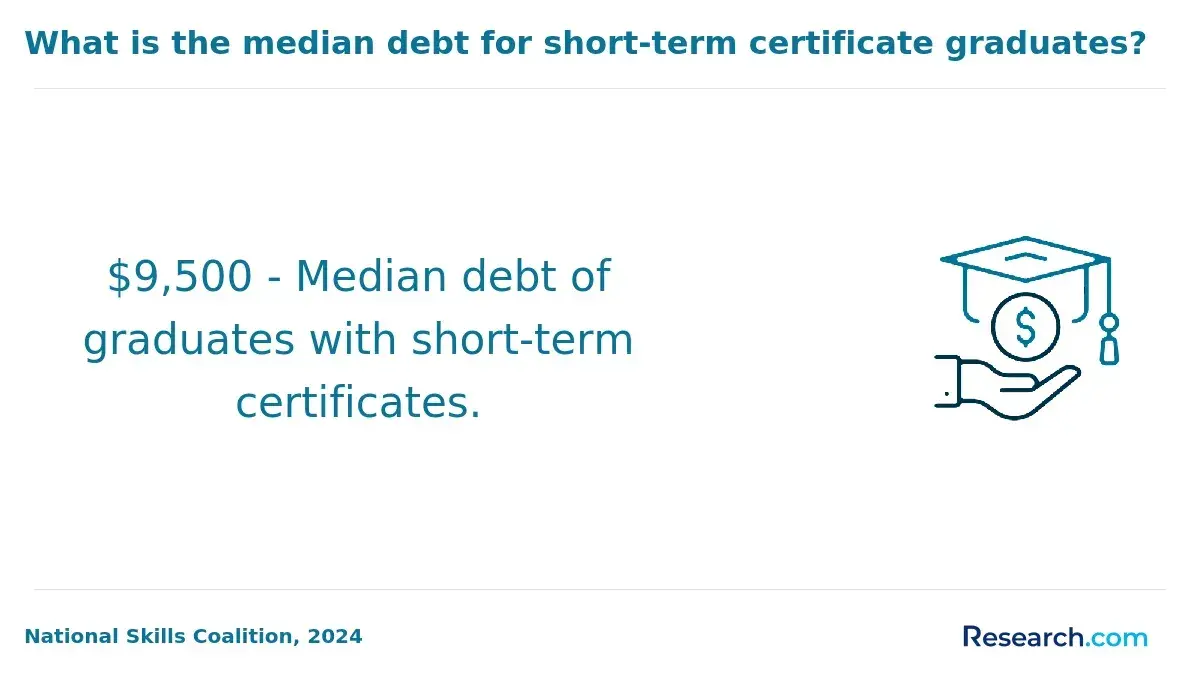
Return on investment (ROI) has become a critical measure for students selecting online energy engineering degree programs, especially as average student debt surpasses $30,000 and employers increasingly seek graduates with practical skills aligned to evolving energy sectors.
Evaluating affordability alongside post-degree earning potential helps learners identify programs that maximize career growth for minimal financial strain.
Key factors influencing ROI include:
- Graduation Rates: Programs with graduation success rates above 70% often indicate well-structured support systems and adaptable online formats that reduce time to degree, limiting tuition costs and early career debt burdens.
- Workforce Relevance: Curricula targeting modern energy trends like renewable technologies and smart grids boost employability. Schools known for employer partnerships and strong placement statistics ensure graduates possess in-demand skills that command competitive salaries.
- Transparent Tuition: Affordable programs, especially at public universities, offer clear, upfront pricing models with options for transfer credits that shorten degree timelines, enhancing value by lowering total expenses without sacrificing accreditation or quality.
- Flexible Learning Models: Online programs designed for working adults promote balance between professional obligations and study, improving completion rates and enabling students to maintain income while advancing education.
A professional who earned an online energy engineering degree shared how critical these factors were in his experience. "Balancing work and studies felt overwhelming at first," he recalled, "but choosing a program with flexible pacing and transparent costs allowed me to manage finances without hidden fees."
He also emphasized how the curriculum's focus on current industry demands made the transition to a higher-paying role smooth. "It wasn't just about getting a diploma; it was about investing in a program that respected my time and career goals."
What Is the Average Cost of an Online Energy Engineering Degree Program?
Grasping the total cost of an online energy engineering degree is crucial for students weighing different online programs, especially since tuition rates vary widely across public and private institutions.
For example, public universities often charge $5,000 to $15,000 for in-state bachelor's tuition but may double those costs for out-of-state learners, highlighting the impact of residency.
The following points outline key cost considerations for budget-conscious students and working professionals exploring affordable accredited online energy engineering programs with strong ROI:
- Tuition Pricing Models: Many schools use per-credit-hour charges ranging widely by institution and residency status, but others offer flat-rate tuition per semester, typically between $4,000 and $8,000, favoring accelerated students who take heavier course loads to finish sooner.
- Transfer Credit Savings: Institutions that accept prior college or community college credits reduce total costs significantly by shortening degree duration. Students with relevant coursework or associate degrees benefit from this, slashing tuition spent on repeated credits.
- Residency Fees: State residency status is a major affordability factor. In-state learners pay substantially less at public universities, so verifying residency qualifications is essential for lowering expenses.
- Competency-Based Programs: Pricing here often involves flat fees per term, but students advance by demonstrating mastery instead of seat time-ideal for self-motivated adult learners seeking to accelerate graduation and reduce tuition.
- Technology and Delivery Costs: Many online programs add technology or administrative fees each semester, typically several hundred dollars, which contribute to overall expenses beyond base tuition.
Choosing options that balance affordability with accreditation quality and graduation efficiency is vital. For those seeking comprehensive insights into advanced leadership degrees featuring affordability and strong career outcomes, exploring a doctorate in leadership can offer valuable perspective on structuring cost-effective education pathways.
Are Affordable Online Energy Engineering Degrees Respected by Employers?
Employer respect for affordable online energy engineering degree programs depends greatly on institutional credibility and program quality. Recent surveys reveal that 70% of hiring managers value regional accreditation and clear graduate outcomes more than the cost or mode of delivery.
Recognizing key factors employers prioritize sheds light on how budget-conscious students can select programs that hold weight in the job market:
- Regional Accreditation: Degrees from regionally accredited institutions are widely accepted by employers, especially when accreditation comes from agencies approved by the U.S. Department of Education, ensuring academic rigor and legitimacy.
- Program Transparency: Publishing detailed information on graduation rates, job placement statistics, and alumni success helps programs build trust with employers seeking measurable results.
- Employer Collaborations: Schools that engage directly with industry partners tailor curricula to workforce needs, improving the relevance and readiness of graduates entering the energy sector.
- Nonprofit Versus For-Profit: Nonprofit institutions often command more favorable perceptions due to their stable funding and mission-driven approach, whereas for-profit models may raise employer concerns about educational quality.
- Transfer Credit Policies: Flexible policies allowing credit transfers demonstrate a program's adaptability and can make degree pathways more practical for working adults-an appealing trait for employers valuing continuous learning.
When I spoke with a professional who built his career after earning an affordable online energy engineering degree, he recounted initial skepticism from employers about the online format. However, his persistence in highlighting the program's regional accreditation and sharing clear outcomes from his school gradually shifted opinions.
"It wasn't easy at first-some questioned my education," he said, "but once they saw my skills and the program's credibility, doors opened." His journey underscores that employer respect often hinges on demonstrable quality rather than sticker price or delivery method alone.
What Accreditation Should You Look for in an Online Energy Engineering Program?
Accreditation plays a critical role in assessing online energy engineering degree programs, over 70% of employers prefer graduates from accredited institutions due to verified academic standards. Additionally, accredited schools often ensure smoother transfer credit processes, enhancing flexibility for working adults.
Below are key accreditation and quality markers to prioritize:
- Regional Accreditation: This institutional accreditation signals that a university meets strict academic and administrative benchmarks recognized nationwide. Choosing regionally accredited programs improves acceptance by employers and graduate schools, supporting long-term academic and career goals.
- Programmatic Accreditation: For engineering-focused degrees, accreditation from agencies like ABET confirms that the curriculum and faculty maintain industry-specific rigor. Programs with this recognition typically better prepare students for professional certification and licensure.
- Nonprofit Status: Degrees offered by nonprofit institutions tend to prioritize educational quality and student support services over profit motives, often resulting in more affordable tuition and transparent operational practices.
- Federal Aid Eligibility: Accreditation recognized by the U.S. Department of Education is essential to access federal financial aid options. This endorsement also reflects adherence to comprehensive quality and accountability standards.
- Transfer Credit Recognition: Accredited programs commonly have policies that facilitate applying prior coursework toward degree completion-key for reducing costs and accelerating progress for working students.
Which Online Energy Engineering Programs Are Best for Working Adults?
Working adults increasingly seek online energy engineering degree programs that combine scheduling flexibility, accelerated completion options, and strong long-term educational value.
With online education enrollment among adult learners rising by over 25% in recent years, these programs cater specifically to busy professionals balancing work and family.
The following features highlight the best program structures for career-focused adult students:
- Asynchronous Learning: Programs using asynchronous formats let students access lectures and complete assignments on their own time-ideal for those managing work shifts or family commitments. This flexibility reduces time-zone challenges and supports deeper engagement by allowing repeated material review.
- Competency-Based Pathways: Competency-based education prioritizes mastering skills over seat time, enabling learners to move faster through subjects they already understand. This approach is especially valuable for adults with prior experience, promoting self-paced progress and shortened degree timelines.
- Transfer-Friendly Institutions: Schools with generous credit transfer policies help working adults avoid redundant courses, saving both time and tuition expenses. These policies increase affordability while respecting previous academic achievements.
- Employer Alignment: Programs developed alongside industry leaders ensure coursework stays relevant to evolving workforce needs. This alignment enhances graduates' return on investment by connecting education directly to career advancement opportunities.
- Flexible Scheduling: Offering multiple start dates, part-time options, and accelerated terms allows students to choose pacing that suits their professional and personal demands without sacrificing quality or support.
Prioritizing these elements allows adult learners to access affordable, accredited online energy engineering degree programs that deliver both educational rigor and practical flexibility—key factors in successful career advancement.
What Financial Aid Options Are Available for Online Energy Engineering Students?
Cost concerns drive many students to seek the best financial aid options for online energy engineering students, federal data shows nearly 60% of undergraduates rely on some form of aid, highlighting its role in college affordability.
With rising tuition costs and student debt anxiety, leveraging multiple funding avenues becomes critical for budget-conscious learners evaluating affordable scholarships and grants for online energy engineering degrees.
Below are key financial aid paths and tuition reduction strategies designed to maximize long-term value and ROI:
- Federal Grants and Loans: Pell Grants and Direct Subsidized Loans form the foundation of financial aid eligibility for students enrolled at Title IV-accredited online programs. These options provide non-repayable aid or low-interest loan access, substantially lowering net tuition for qualifying learners.
- Employer Tuition Assistance: Working professionals often benefit from employer-sponsored tuition reimbursement programs that defray degree costs, especially when pursuing accredited online energy engineering degrees aligned with career goals. This aid can significantly reduce out-of-pocket expenses for full-time employees.
- Transfer Credit Savings: Recognizing prior coursework or technical training from community colleges or other institutions helps shorten degree duration, reducing tuition charges and allowing accelerated graduation from online programs.
- Institutional Scholarships: Many universities offer merit- and need-based scholarships targeted at online STEM students, rewarding strong academic performance or professional experience. These affordable scholarships and grants for online energy engineering degrees help bridge funding gaps.
- Military and Veteran Benefits: Active service members and veterans can leverage educational benefits such as the GI Bill or Tuition Assistance, which often cover significant portions of online degree tuition, easing financial burden for those who served.
Consider finding cost-effective options beyond energy engineering as well-similar approaches to aid and affordability apply to real estate degrees online, where transferable credits and employer sponsorships improve long-term ROI.
What Careers Can You Pursue With an Online Energy Engineering Degree?
Increasingly, students pursue affordable accredited online energy engineering degree programs to access flexible career pathways and competitive salaries—fields that show steady workforce growth.
According to industry reports, employment for energy engineers is projected to grow faster than average over the next decade, reflecting rising demand for sustainable energy solutions.
Below are key career paths that demonstrate the strong long-term ROI of these programs:
- Entry-Level Engineering: Graduates often secure roles as energy systems analysts, project coordinators, or design engineers. These positions provide foundational experience in energy production, efficiency, and sustainability—critical skills for building a lasting career in energy engineering.
- Industry-Specific Roles: Many focus on renewable energy, oil and gas, utilities, or power generation. Professionals in these sectors help develop, optimize, and maintain solar, wind, nuclear, or grid systems that meet evolving market and environmental demands.
- Management and Leadership: With professional experience, graduates move into managerial positions overseeing teams or directing projects aligned with corporate and regulatory goals. These roles leverage both technical knowledge and leadership skills.
- Remote and Hybrid Opportunities: The increase in digital tools allows many energy engineers to perform monitoring, analysis, and design tasks remotely. This flexibility suits working professionals seeking a sustainable work-life balance without compromising career advancement.
- Graduate School Preparation: Online energy engineering degrees also serve as a stepping stone for advanced study in energy policy, engineering management, or environmental science—further enhancing career specialization and earning potential.
Those considering how much does a masters in counseling cost alongside STEM fields or exploring the best value online energy engineering degree programs should weigh labor-market demand and degree affordability carefully.
Programs with strong accreditation, internship options, and certifications strengthen job readiness, which is vital for career-focused adult learners aiming for long-term success.
What Is the Salary Potential for Graduates of Online Energy Engineering Programs?
Salary prospects play a crucial role for those choosing online energy engineering programs, especially for budget-aware students and career changers aiming for sustainable income growth.
With median starting salaries often between $60,000 and $75,000, the demand for energy engineers continues to rise alongside expanding renewable energy sectors.
These factors make understanding key salary drivers essential when assessing program value:
- Industry Specialization: Careers in solar design, wind systems, or energy efficiency consulting generally offer higher wages, commonly in the $80,000 to $110,000 range, due to escalating need for specialized expertise in green technology and regulatory compliance.
- Geographic Location: Salaries can vary greatly depending on region, with metropolitan areas and states prioritizing energy innovation typically providing more competitive pay scales for graduates.
- Experience and Advancement: Accumulated professional experience and leadership roles in project or department management can push earnings beyond $100,000, especially when paired with relevant certifications.
- Institutional Reputation: Graduates from accredited and well-regarded online programs tend to have better negotiating power and access to higher salaries because of employer recognition and stronger job placement rates.
- Workforce Alignment: Programs focusing on skills directly applicable in the energy sector-backed by clear graduate outcome data-improve employment stability and maximize return on investment over time.
What Graduates Say About Best Value Online Energy Engineering Degree Programs
- Danny: "As a budget-conscious student, I found that the best value online energy engineering degree programs balance affordability with accreditation to ensure quality education. Investing in a program with strong ROI gave me confidence that my efforts would lead to meaningful job opportunities. I recommend focusing on schools that support career services and internships to maximize future earnings."
- Jamir: "Working professionals like me need energy engineering degrees that fit into busy schedules without breaking the bank. I appreciated programs offering flexible online courses combined with low tuition that still maintain industry-recognized accreditation. Pursuing fields such as renewable energy project management after graduation proved to be a smart career move with excellent returns."
- Ethan: "As a career-focused adult learner, I researched many online energy engineering degree programs before choosing one with the highest ROI and solid accreditation. It was crucial to me that the degree opened doors to roles in power systems design and energy consulting, which offer competitive salaries. The investment felt worthwhile because it directly connected to my long-term professional goals."
Other Things You Should Know About Energy Engineering Degrees
In 2026, online energy engineering programs maintain technical training quality through state-of-the-art virtual labs, interactive simulations, and partnerships with industry leaders for applied learning opportunities. These programs often involve experienced faculty and live sessions to provide real-time feedback and enhance technical skills.
While many programs are fully online, some energy engineering degrees include limited in-person requirements such as lab work, internships, or capstone projects to provide hands-on experience. These sessions are often scheduled locally or designed as short, intensive residencies, ensuring students can fulfill practical training without disrupting their overall program progress.
Quality online energy engineering programs use advanced simulation software, virtual labs, and industry-standard tools to replicate technical training remotely. Faculty with professional experience often supervise projects and provide personalized feedback, ensuring that students develop technical skills comparable to those gained in traditional on-campus settings.
Yes, many programs facilitate networking through online discussion boards, group projects, and virtual events featuring industry professionals. Some schools also provide access to alumni networks and career services that connect students with energy engineering employers, helping build professional relationships despite the remote learning format.
References
- Careers in Energy Engineering - What Are Your Professional Options? | Electrum https://electrum.pl/en/careers-in-energy-engineering-what-are-your-professional-options/
- Renewable Energy Engineering Online Degree Programs - Educating Engineers https://educatingengineers.com/online-engineering-schools/renewable-energy-engineering-degrees/
- Engineering Graduate Studies https://www.utoledo.edu/engineering/graduate-studies/energyengineering.html
- Accredited Renewable Energy Training Courses | The Renewable Energy Institute https://www.renewableinstitute.org/training-courses/
- Career Profile: Energy Engineering https://www.nextengineers.org/en/career-profile/energy-engineering
- Is Energy Engineering a Good Career Choice? | NEWENGINEER https://newengineer.com/advice/is-energy-engineering-a-good-career-choice-1298239
- Energy Engineering degrees https://www.whatuni.com/degree-courses/search
- Clean Energy Careers Guide - By Career Pathway | Clean Energy Council https://cleanenergycouncil.org.au/working-in-clean-energy/careers-guide/clean-energy-careers-by-career-pathway