2026 Entry-Level Jobs With an Energy Engineering Degree

Co-Founder and Chief Data Scientist
What jobs are available with an Energy Engineering degree for those eager to start their careers? This question is crucial as the energy sector evolves rapidly, demanding fresh talent in roles like renewable energy analyst, energy systems engineer, and sustainability consultant. Recent data shows that employment in energy-related fields is expected to grow by nearly 10% over the next decade, highlighting strong potential for entry-level positions.
Graduates often find opportunities across utilities, manufacturing, and government agencies, where foundational skills in energy efficiency and system design are highly valued. This article explores the variety of entry-level jobs accessible to Energy Engineering graduates and outlines what to expect in these beginner roles.
Key Benefits of Entry-Level Jobs With an Energy Engineering Degree
- Entry-level jobs provide essential practical experience and technical skills in energy engineering, with 68% of graduates reporting improved job readiness within the first year of employment.
- These roles offer structured pathways for career advancement, fostering professional growth and specialization opportunities in emerging energy sectors.
- Early career positions enable graduates to build valuable professional networks and enhance their resumes, critical for securing competitive roles in the evolving energy industry.
What Entry-Level Jobs Can You Get With an Energy Engineering Degree?
Employment in engineering occupations is expected to grow by 4% through 2033, highlighting steady opportunities for new graduates in technical fields. Entry-level careers for energy engineering graduates are especially promising, offering foundational roles that develop essential skills.
The following positions exemplify common starting points in the industry.
- Energy Analyst: Energy analysts gather and analyze data related to energy consumption and resource use to identify opportunities for efficiency improvements. This role cultivates critical analytical and system evaluation skills that support future advancement in energy management and consulting careers.
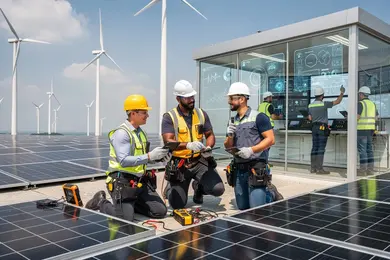
- Renewable Energy Technician: Responsible for installing and maintaining renewable energy infrastructure like solar panels and wind turbines, this hands-on job builds technical expertise and troubleshooting abilities critical for diverse energy-focused roles.
- Project Engineer: Assisting with the planning, execution, and supervision of energy projects, project engineers gain experience in project management and interdisciplinary collaboration, preparing them for leadership roles in complex engineering environments.
- Energy Systems Designer: Collaborating on the development of sustainable and efficient energy system designs, this position enhances creativity and technical design skills, essential for innovation in energy engineering fields.
Those exploring energy engineering entry-level jobs in the US may also consider supplementing experience with specialized online certification programs to boost their qualifications and career prospects.
Which Industries Hire the Most Energy Engineering Graduates?
Graduates holding an energy engineering degree find diverse opportunities across multiple industries, reflecting the flexibility of their skill sets in energy efficiency, sustainability, and system optimization. About 30% of graduates in this field enter manufacturing and energy production sectors, emphasizing where demand is strong.
The following industries represent key employers actively seeking energy engineering graduates.
- Renewable Energy Industry: This sector focuses on clean energy sources such as solar, wind, and geothermal power. Energy engineering graduates contribute to designing, optimizing, and maintaining renewable systems in roles like project engineers and energy system analysts, driven by increasing demand for sustainable solutions.
- Oil and Gas Industry: Despite shifts toward green energy, this traditional sector still hires energy engineers for process improvement, operations analysis, and energy efficiency roles. Experts help optimize fuel extraction while reducing environmental impact.
- Manufacturing and Industrial Facilities: Energy engineers play critical roles in energy auditing, implementing savings technologies, and ensuring regulatory compliance within factories and production plants. These positions are vital for reducing costs and environmental footprints.
- Government and Public Sector: This sector employs energy engineers to develop policies, support infrastructure projects, and manage regulatory frameworks related to energy conservation and environmental protection. Typical jobs include energy policy analysts and program coordinators.
- Consulting Industry: Consultants assist multiple clients in energy feasibility studies, procurement optimization, and transitioning to renewable sources. This field suits graduates with strong analytical and communication skills who want diversified experience.
A graduate with an energy engineering degree shared that navigating the job market felt both challenging and eye-opening. He described the process of researching various industries to find the best fit as intricate, noting that "each sector values different aspects of the degree, so tailoring applications was key."
He was particularly drawn to consulting because it allowed him to apply his skills broadly and interact with diverse clients, though balancing multiple projects at once sometimes felt overwhelming. This firsthand experience highlights the dynamic career paths open to energy engineering graduates and the importance of adaptability when choosing an industry.
Which Entry-Level Energy Engineering Jobs Pay the Highest Salaries?
Salaries for entry-level energy engineering positions vary widely depending on the role's technical demands and responsibilities. Some jobs offer significantly higher starting pay due to their specialized nature and economic importance within the energy sector.
Below are several top-paying entry-level positions for recent graduates in energy engineering.
- Petroleum Engineer: This role focuses on designing extraction techniques for oil and gas reserves underground. New petroleum engineers can expect to earn approximately $75,000 to $90,000 annually, reflecting the advanced technical expertise needed and the high value of fossil fuel resources.
- Renewable Energy Engineer: Professionals in this position develop and deploy sustainable energy technologies such as solar, wind, and bioenergy systems. Starting salaries typically range from $65,000 to $85,000, bolstered by growing demand for clean energy innovation.
- Energy Systems Analyst: These analysts assess and optimize energy use in industrial, commercial, or utility settings. Entry-level pay generally falls between $60,000 and $80,000, thanks to the role's focus on efficiency improvements and cost reduction.
- Power Plant Engineer: Tasked with designing, operating, and maintaining power generation facilities, these engineers earn around $65,000 to $85,000 starting out. Their critical role in maintaining reliable energy supply contributes to competitive compensation.
- Energy Consultant: Consultants advise businesses on energy efficiency and regulatory compliance and usually start with salaries near $60,000 to $75,000. Growing corporate emphasis on sustainability underpins the demand and pay for this role.
Compensation varies by location, industry trends, and expertise, but positions connected to resource extraction, renewable energy, and operational reliability often offer some of the highest starting salaries in entry-level energy engineering careers.
What Skills Do Employers Look for in Entry-Level Energy Engineering Graduates?
When evaluating entry-level energy engineering graduates, employers often look beyond academic achievements to identify candidates with well-rounded abilities. According to a recent survey, 82% of employers emphasize problem-solving and communication skills as key factors when hiring new graduates.
The following are the essential skills these employers expect in early-career energy engineers.
- Technical Proficiency: Graduates should demonstrate practical knowledge of energy systems, renewable technologies, and relevant simulation software. This skill set enables them to engage effectively in designing, analyzing, and optimizing energy projects.
- Analytical Thinking: The ability to evaluate complex datasets and system performance supports informed decision-making and innovation. Entry-level engineers apply this skill to identify opportunities for improving energy efficiency.
- Communication Skills: Strong written and verbal communication is crucial for collaborating within multidisciplinary teams and explaining technical concepts to diverse audiences. This fosters teamwork and ensures clear project documentation.
- Adaptability: Given the fast-paced evolution of the energy sector, graduates who quickly master new tools and technologies contribute more effectively to their organizations' success.
- Project Management Basics: Understanding task organization, prioritization, and deadline adherence signals a candidate's readiness to take on professional responsibilities and supports smooth project execution.
Students exploring essential certifications for energy engineering graduates can gain further insights by reviewing relevant professional credentials. For those interested in related fields, online MFT programs provide additional educational avenues worth considering.
Do Employers Hire Energy Engineering Graduates With No Internships?
Employers often favor energy engineering graduates who have completed internships because these experiences demonstrate practical skills and workplace readiness. Surveys show that about 60% of engineering employers prefer candidates with internship backgrounds, as hands-on learning helps applicants understand industry tools and environments.
Internships also enable students to build professional networks, which can be crucial for entry-level hiring. Despite this, the absence of internship experience does not automatically disqualify candidates, and hiring decisions take multiple factors into account.
Graduates without internships can still secure positions by highlighting strong academic performance, relevant projects, and transferable skills such as problem-solving and teamwork. Participation in senior design projects, research efforts, or industry-related competitions helps illustrate commitment and applied knowledge, offering alternative proof of job readiness.
Employer preferences vary based on company size, specific job requirements, and sector, meaning some prioritize potential and theoretical expertise over direct experience. Understanding these nuances allows candidates to position themselves effectively in a competitive job market.
What Certifications Help Entry-Level Energy Engineering Graduates Get Hired?
Certifications can notably strengthen an energy engineering degree by verifying practical skills that employers seek, often giving candidates an edge in competitive job markets. Research indicates that 65% of employers favor applicants with relevant professional certifications, especially for technical roles.
Below are several certifications that enhance early career prospects for energy engineering graduates.
- Certified Energy Manager (CEM): This certification confirms specialized knowledge in energy efficiency and sustainability, equipping graduates to identify cost-saving measures in facility operations. Employers appreciate CEM holders for their capacity to implement energy reduction plans, which is vital in today's environmentally conscious industries.
- Fundamental Engineering (FE) Exam: Serving as the initial step toward licensure as a Professional Engineer, passing the FE exam showcases a candidate's understanding of core engineering principles. It reassures employers about technical proficiency across diverse energy engineering tasks.
- Leadership in Energy and Environmental Design (LEED) Green Associate: LEED certification validates familiarity with sustainable building practices and green design strategies. Holding this credential supports entry-level roles focused on renewable energy projects and environmentally friendly infrastructure development.
- Project Management Professional (PMP) - Entry Level: Early-stage project management credentials highlight an engineer's potential to contribute to managing energy initiatives and leading teams, a valued trait for employers looking for well-rounded candidates.
- Energy Risk Professional (ERP): This credential indicates expertise in assessing and managing risks within energy markets and operations. It enables new engineers to demonstrate awareness of the complex economic and regulatory issues impacting the energy sector.
A professional with an energy engineering degree shared that obtaining certifications felt like a critical investment despite the initial time and effort involved. She recalled navigating application processes and study materials amid job searching, often juggling both with some frustration but also a steady resolve. "Each certification was a step toward proving my readiness," she reflected.
Ultimately, she found that employers responded favorably to her certifications, which opened doors to interviews and roles she might not have accessed otherwise. This experience underscored for her how targeted credentials can transform early career opportunities by building employer confidence beyond academic achievements.
How Can Students Prepare for Entry-Level Energy Engineering Jobs While in College?
Early preparation significantly boosts employability for energy engineering graduates, as employers increasingly seek candidates with practical skills alongside academic credentials. Research shows that 87% of employers prioritize candidates who have hands-on experience and applicable skills.
Below are effective strategies students can use to build career readiness before graduation.
- Gain Practical Experience: Engage in academic projects, laboratory work, or energy-focused research to deepen your understanding of energy systems. This hands-on involvement highlights your ability to apply theoretical knowledge to real-world challenges.
- Develop Technical Skills: Learn industry-standard software tools such as MATLAB and AutoCAD. Mastery of these applications enhances your technical proficiency, making you a more competitive candidate.
- Enhance Soft Skills: Building communication, teamwork, and problem-solving skills through group projects or presentations prepares you for professional work environments and collaboration.
- Use Campus Resources: Take advantage of career services for resume workshops, mock interviews, and networking events. Joining energy-related clubs also connects you with professionals and peers, expanding your industry insight.
- Stay Informed: Attend seminars and webinars on emerging technologies and energy regulations to remain current in the field. Demonstrating this commitment can impress potential employers and keep your knowledge relevant.
How Competitive Is the Entry-Level Job Market for Energy Engineering Graduates?
The entry-level job market for energy engineering graduates in the United States shows moderate competitiveness with steady demand from employers. About 70% of recent energy engineering graduates secure employment within six months, reflecting a reasonably favorable hiring outlook. Despite this, nearly one-third of graduates face hurdles in quickly landing their first role, indicating a competitive environment for new professionals.
Competition in the entry-level energy engineering job market in the United States is driven mainly by the growing number of graduates entering the field each year. As more students pursue energy engineering, the applicant pool expands, increasing pressure on the limited available roles. Employers typically seek candidates with strong technical skills, problem-solving abilities, and relevant energy technology experience, raising the bar for entry positions.
Demand also varies by sector and location, with renewable energy roles attracting greater interest, highlighting the importance of targeted applications. Students interested in expanding their qualifications may also consider programs such as the best 2-year construction management degree online to diversify their career options.
What Remote Entry-Level Jobs Can You Get With an Energy Engineering Degree?
The rise of remote work has reshaped early-career opportunities for graduates with an Energy Engineering degree. A 2024 FlexJobs report shows remote roles for entry-level professionals increased by over 60% in the past three years, reflecting wider acceptance of virtual collaboration in technical sectors. This shift creates more accessible remote entry-level positions that graduates can target effectively.
Several remote-friendly entry-level roles align well with Energy Engineering degrees, offering foundational experience in areas like renewable energy analysis and systems consulting. These positions enable graduates to develop key skills while working remotely.
- Energy Analyst: Remote energy analysts evaluate consumption data and conduct efficiency assessments supporting sustainability efforts. This role develops strong analytical and technical skills essential for tackling renewable energy challenges in remote renewable energy analyst jobs.
- Technical Support Engineer: These engineers assist with troubleshooting energy systems and software remotely, building problem-solving capabilities and practical system knowledge in entry-level energy systems consulting remote roles.
- Renewable Energy Project Coordinator: Coordinators manage project schedules, communications, and documentation from remote locations, gaining experience in project management and stakeholder interaction in renewable energy efforts.
- Energy Software Developer (Junior): Graduates skilled in programming contribute to developing and testing energy management tools, combining coding with energy systems analysis.
- Research Assistant (Remote): Remote research assistants support data gathering and analysis for energy studies, helping build expertise in academic or industry research environments.
For students exploring further education alongside such roles, accelerated MBA programs can complement technical skills with business acumen, expanding future career options.
How Quickly Can Energy Engineering Graduates Get Promoted?
Promotion speed for energy engineering graduates typically depends on factors such as individual performance, experience, and the organizational structure of their employer. On average, early career advancement occurs within two to four years, with studies showing that about 60% of entry-level energy engineering professionals receive a promotion by their third year.
This timeline, however, can fluctuate based on role complexity and personal initiative. Those who actively develop their skills and adapt quickly to emerging technologies tend to progress more rapidly.
Several key elements influence how fast an energy engineering graduate moves up the ranks. Continuous growth in technical abilities and effective problem-solving often leads to quicker promotions. Workplace performance, including teamwork, communication, and project management, also plays a significant role in advancement opportunities.
Because promotion timelines differ among companies and positions, graduates should expect variability depending on industry standards and employer expectations. Exploring options like online graduate schools with low GPA requirements can provide flexibility for professionals aiming to enhance their qualifications while progressing in their careers.
What Graduates Say About Entry-Level Jobs With an Energy Engineering Degree
- Danny: "Starting my career as an energy engineering graduate, I found that applying for entry-level roles with flexible options, like remote or hybrid setups-really broadened my opportunities. I focused on companies that emphasized renewable energy projects, which aligned with my passion and growth goals. This initial role has been pivotal in honing my technical skills and steering my career toward sustainable innovations."
- Jamir: "Reflecting on the early job search after graduation, I prioritized positions that offered mentorship and hands-on experience in the energy engineering field, even if they required being on-site. Considering long-term impact, I chose roles that balanced challenging projects with a collaborative work culture, which has greatly accelerated my professional development. Entry-level roles, I learned, are the foundation for building industry credibility and networks."
- Ethan: "In my transition from student to professional, I approached entry-level energy engineering roles with a strategic mindset, carefully weighing job location, company mission, and growth potential. I realized that even at this early stage, the role's contribution to energy efficiency and innovation is critical for future advancements. This awareness has motivated me to seek positions that offer both responsibility and a clear pathway to leadership."
Other Things You Should Know About Energy Engineering Degrees
In 2026, typical entry-level jobs for energy engineering graduates include positions such as Junior Energy Analyst, Renewable Energy Technician, Energy Efficiency Engineer, and Assistant Project Engineer. These roles often involve working on sustainable energy solutions, optimizing energy systems, and supporting larger engineering projects.
Ongoing training is critical for entry-level energy engineers due to the fast-evolving nature of energy technologies and regulations. Continuous learning helps them stay current with advances in renewable energy systems, energy efficiency practices, and safety protocols. Many employers encourage or require participation in workshops, certifications, or graduate courses to enhance job performance and career progression.
Teamwork and communication are essential skills in energy engineering roles, where collaboration with multidisciplinary teams is common. Entry-level engineers must convey complex technical information clearly to stakeholders such as project managers, clients, and regulatory bodies. Effective communication supports problem-solving and ensures alignment on project goals and deadlines.
Many entry-level positions in energy engineering are location-dependent because they often require onsite work at power plants, industrial facilities, or construction sites. However, some roles in analysis, design, and consultancy may offer a degree of flexibility or remote work. Geographic factors such as local energy resources and market demand influence job availability.
References
- Breaking Into Engineering: First Job Tips | Intuitive https://careers.intuitive.com/en/employee-stories/career-growth-advice/breaking-into-engineering-tips-for-landing-your-first-job/
- Top Certifications for Energy Transition Jobs - ABLEMKR https://ablemkr.com/energy-transition-certifications-jobs/
- Green Careers in Focus: Becoming an Energy Engineer https://www.morrisby.com/blog/green-career-focus-of-the-month-energy-engineer
- How to prepare for a career in renewable energy? – Clean Energy 4 Africa https://cleanenergy4africa.org/how-to-prepare-for-a-career-in-renewable-energy/
- The Skills That Will Define the Future of Engineering in the Energy Sector | NES Fircroft https://www.nesfircroft.com/resources/blog/the-skills-that-will-define-the-future-of-engineering-in-the-energy-sector/
- 10 High-Demand Job Opportunities for Renewable Energy Engineering Graduates https://www.prasetiyamulya.ac.id/en/10-high-demand-job-opportunities-for-renewable-energy-engineering-graduates/
- Early Careers at Siemens Energy https://www.siemens-energy.com/global/en/home/careers/early-career-programs.html
- Highest Paying Energy Engineer Jobs in the UK https://www.matchtech.com/resources/blog/highest-paying-energy-engineer-jobs/
- Remote Renewable Energy Engineer Jobs https://www.virtualvocations.com/q-remote-renewable-energy-engineer-jobs.html
- Entry-Level Renewable Energy Jobs https://mackinnonandpartners.com/entry-level-renewable-energy-jobs/