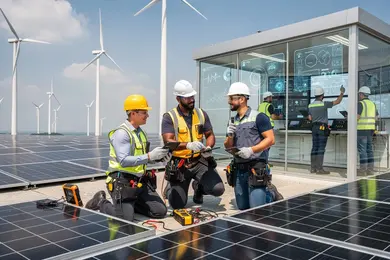
2026 Energy Engineering Degree Completion Programs for Working Adults

Co-Founder and Chief Data Scientist
Working adults seeking to complete an energy engineering degree often struggle with rigid program structures that clash with their professional and personal demands-compounding the challenge of balancing work, family, and education. Approximately 65% of graduates from accredited energy engineering completion programs report salary increases within the first year post-degree, underscoring the credential's value. High-quality programs stand apart through robust accreditation, generous credit transfer policies-including military and prior learning credits-flexible scheduling, and transparent cost frameworks.
This article explores these critical factors, guiding readers to assess program quality, optimize prior learning credits, and navigate financial aid options-empowering informed decisions for career advancement in energy engineering.
Key Things to Know About Energy Engineering Degree Completion Programs for Working Adults
- Maximize credit for prior learning by securing ACE evaluations for military or professional training-this can reduce required coursework by up to 30%, accelerating degree completion for working adults.
- Identify programs with employer and licensure recognition to ensure degrees meet industry standards and support certifications-over 60% of energy engineering grads report better job placement with accredited pathways.
- Access financial aid options tailored for working adults such as employer tuition reimbursement and federal aid-60% of adult learners rely on some form of financial assistance to manage costs effectively.
What Are Energy Engineering Degree Completion Programs, and Who Are They Designed For?
Energy engineering degree completion programs for working adults offer a targeted pathway to finish a bachelor's degree more efficiently than traditional four-year tracks. Designed to serve adults with some college but no degree, these programs accelerate progress by focusing on upper-level coursework while recognizing prior college credits-often earned through earlier studies, military training, or professional experience. This model suits military veterans with ACE-credited training, working professionals seeking credential-gated promotions, and career changers entering the energy engineering field who need formal qualifications.
Key features include:
- Accelerated Structure: Programs compress coursework into shorter terms for timely graduation without compromising academic rigor.
- Credit-for-Prior-Learning Policies: Maximizing transfer credits and military training evaluations helps reduce redundant classes and tuition costs.
- Flexible Scheduling: Evening, weekend, and online classes are tailored to accommodate full-time employment and family commitments, fitting the lifestyle of adult learners pursuing accelerated energy engineering programs for professionals.
- Accreditation and Recognition: High-quality programs meet regional standards and align with licensure requirements and employer expectations to support career advancement.
Research from the National Student Clearinghouse, the American Association of State Colleges and Universities (AASCU), and the Lumina Foundation underscores the rising legitimacy and demand for these programs. They highlight the critical role of credit transfer maximization, program quality, and career outcome alignment in student success. For adults balancing work and education, understanding financial aid options and comparing program quality are essential.
Those interested in related advanced credentials might also explore fully online SLP master's programs via fully online SLP master's programs as part of continuing education pathways.
How Do Energy Engineering Degree Completion Programs Differ From Traditional On-Campus Degree Programs?
Energy engineering degree completion programs offer working adults a flexible alternative to traditional on-campus degrees, designed specifically to accommodate those balancing career and family commitments. Key differences appear in:
- Scheduling Formats: completion options typically provide evening, weekend, online, or hybrid classes, unlike the fixed daytime weekday schedules of traditional programs. This flexibility allows students to maintain employment with minimal disruption.
- Pacing Options: completion programs often support accelerated cohorts or self-paced enrollment, letting students progress more rapidly or slowly according to their personal needs. In contrast, campus-based education operates on fixed semester timelines, limiting such flexibility.
- Residency Requirements: many completion programs reduce or eliminate on-campus attendance through asynchronous coursework, enabling 24/7 study access. Traditional programs usually mandate full-time, on-campus presence, restricting accessibility for adults juggling multiple responsibilities.
- Structural Accommodations: completion programs also feature rolling or multiple start dates, streamlined advising services, and highly flexible credit transfer policies-including military training and prior learning assessments recognized by ACE. Traditional programs maintain fixed start dates, less credit transfer acceptance, and slower degree progress.
- Enrollment Trends: data from the National Center for Education Statistics and IPEDS highlight a steady rise in degree completion enrollment among working adults over the past decade, reflecting increasing demand for flexible education. While the awarded Bachelor of Science or Bachelor of Arts degree in Energy Engineering is generally identical across both paths, completion programs create a fundamentally different learning experience focused on supporting adult learners.
Prospective students should prioritize programs that maximize credit for prior learning, hold employer and licensure recognition, and offer financial aid options suited for those returning to education later in life or changing careers. For example, working adults exploring energy engineering degree completion programs for working adults vs traditional on-campus programs will benefit from reviewing quality criteria and financial support.
One can explore pathways such as online counseling programs for additional flexible credit transfer and adult learner resources, which often parallel those found in energy engineering completion coursework.
What Prior Credits and Experiences Count Toward a Energy Engineering Degree Completion Program?
The prior credits and experiences that count toward obtaining an energy engineering degree include:
- Transfer Credits: Completion programs for energy engineering generally recognize college-level credits from regionally accredited institutions-though acceptance levels depend on institutional policies and the originating school's accreditation. Candidates should secure official transcripts to support evaluation.
- Military Training Credits: Credits endorsed by the American Council on Education (ACE) are increasingly accepted, offering significant advantages for veterans and service members. Programs that refuse these recommended credits may restrict credit portability unfairly.
- Professional Certifications: Relevant industry certifications sometimes qualify for academic credit, based on the program's criteria and how well the certification aligns with curricular objectives.
- Prior Learning Assessment (PLA): Many schools award credit through workplace learning portfolios or documented experiential learning, helping students translate career experience into academic progress.
- Credit-by-Examination: Tests like CLEP and DSST provide alternatives to classroom learning by allowing students to earn credits in applicable subjects through standardized exams.
Policies on credit transfer vary widely-both by program and by the original institution's accreditation status-so early steps include requesting a pre-enrollment credit evaluation to clarify applicable credits. Transparency in transfer rules helps avoid surprises and ensures you maximize previously earned credit.
Research from the Council for Adult and Experiential Learning (CAEL) demonstrates that recognizing prior learning can significantly reduce time to degree-saving adult learners months or even years while lowering costs. Institutions that ignore ACE recommendations or arbitrarily cap credit transfers without academic justification may disadvantage students. The American Association of Collegiate Registrars and Admissions Officers (AACRAO) guidelines provide a respected standard for fair credit transfer practices.
One professional who completed an energy engineering degree described his experience navigating credit acceptance as challenging but rewarding. "I wasn't sure if my military training and work certifications would count," he said. "But after submitting detailed transcripts and portfolios, the program evaluated everything thoroughly. The PLA process was intense-I had to document and prove my workplace learning-but it ended up shaving almost a year off my graduation timeline." He emphasized the importance of early communication with admissions, noting that "understanding transfer policies upfront saved me headaches later and helped me plan my finances better." His perseverance helped turn prior experience into tangible academic progress-making degree completion feasible despite a full-time job and family commitments.
What Is the Minimum GPA Requirement for Energy Engineering Degree Completion Programs?
Admission into energy engineering degree completion programs usually hinges on meeting minimum GPA standards-commonly ranging from 2.0 to 2.5 on a 4.0 scale-reflecting prior academic achievement. These minimum GPA requirements serve as a baseline but vary significantly depending on institutional policies and program focus.
- Minimum GPA Threshold: Most accredited programs expect a cumulative GPA of at least 2.0, though more competitive programs may prefer a 2.5 cutoff to ensure readiness for advanced coursework.
- Conditional Acceptance: Applicants whose GPAs fall slightly below these benchmarks might still gain admission under conditions that include academic support services such as tutoring or remedial classes.
- Open Admission Alternatives: Some programs targeting working adults waive strict GPA requirements, instead valuing documented professional experience-especially military training or ACE-accredited credits-to determine eligibility.
- Holistic Admissions: GPA is rarely the sole criterion; admissions committees also weigh years of relevant work experience, recommendation letters, and personal statements, consistent with policies at Higher Learning Commission (HLC) accredited institutions.
- Academic Forgiveness Policies: Returning students with low GPAs from previous enrollment may benefit from policies that allow resetting their cumulative GPA following a gap in study, enabling a fresh evaluation of current capabilities.
- Pre-Admission Evaluation: Prospective students should request formal academic reviews before applying to understand realistic eligibility and avoid expending effort on programs mismatched to their academic standing or professional background.
Adults evaluating their options should explore how these GPA requirements integrate with other factors affecting energy engineering degree completion GPA criteria for working adults. Those seeking guidance on educational pathways might find helpful insights by investigating what is the easiest associate degree to get as a related reference point for balancing academic and experiential qualifications.
How Are Energy Engineering Degree Completion Programs Structured Around Full-Time Work Schedules?
Energy engineering degree completion programs often cater to adults working full-time-typically 40+ hours per week-by offering flexible scheduling such as evening cohorts, weekend intensives, fully asynchronous online courses, or hybrid formats that blend live and self-paced learning. These structures are designed to help students juggle work, family, and education without sacrificing steady progress. Most recommend enrolling in 6 to 9 credits each term, balancing course load with professional demands.
Many programs utilize a cohort model where students follow the same course sequence as a fixed group. This approach encourages accountability and peer support while providing predictable scheduling-essential for working adults planning months ahead around both personal and career commitments. Research from the National Student Clearinghouse Research Center shows these cohort-based programs yield higher persistence and graduation rates compared to traditional formats, demonstrating their effectiveness for non-traditional learners.
When evaluating programs, consider these key areas:
- Course Cancellation Policies: Frequency of cancellations and available alternatives.
- Make-Up Provisions: Options to recover missed coursework due to job conflicts.
- Student Success Support: Availability of dedicated advisors to help manage scheduling challenges and keep progress on track.
Reflecting on her experience after completing an energy engineering degree while working full-time, a professional shared how balancing intense work hours with coursework was initially overwhelming. She appreciated the cohort format, explaining how progressing alongside peers created a sense of camaraderie and motivation that made challenging periods more manageable. The program's flexible scheduling allowed her to adapt study times around urgent work deadlines, while a dedicated advisor provided timely guidance whenever conflicts arose. She noted that this supportive structure not only enabled completion but also boosted her confidence to pursue advanced roles in her field.
Is Online or Hybrid Delivery Available for Energy Engineering Degree Completion Programs?
According to the National Center for Education Statistics Integrated Postsecondary Education Data System, about 65% of adult learners in degree completion programs choose fully online formats, with 25% enrolling in hybrid models mixing digital and in-person components. These delivery methods offer diverse options suitable for working adults balancing career and personal commitments.
- Synchronous Live Sessions: Scheduled video conferences provide real-time interaction with instructors and peers-beneficial for those seeking engagement while maintaining location flexibility.
- Asynchronous Recorded Lectures: Pre-recorded materials allow learners to study on their own schedules, though this format requires self-discipline and motivation.
- Hybrid Models: Combining online coursework with periodic in-person intensives, hybrid programs support hands-on experience crucial in Energy Engineering fields while offering flexibility.
The COVID-19 pandemic significantly accelerated the expansion of high-quality online education, including robust virtual labs and real-time simulations across STEM disciplines like Energy Engineering. When assessing program quality, prospective students should consider:
- Faculty Credentials: Availability of qualified instructors comparable to on-campus faculty.
- Student-to-Faculty Ratios: Low ratios often mean better access to mentorship and personalized support.
- Virtual Academic Support: Access to tutoring, library resources, and technical help enhances online learning success.
- Accreditation: Online offerings should hold the same institutional and programmatic accreditation as campus-based options to ensure recognized credibility.
Selecting the best format depends on personal learning preferences and professional needs. Key questions to ask enrollment advisors include:
- How are practical lab components managed within the online or hybrid model?
- What flexibility exists for scheduling live or in-person sessions?
- How does the program support career services and licensure preparation?
- What policies optimize credit transfer for prior coursework or military training?
How Long Does It Take to Complete a Energy Engineering Degree Completion Program?
Completion timelines for an energy engineering degree vary widely based on prior credits, enrollment intensity, and program structure. Students entering with about 60 prior credits-a common baseline for degree-completion pathways-generally finish within two to three years attending part-time. Those with approximately 90 credits often complete in one to two years, but this depends heavily on course availability and scheduling flexibility. Candidates with substantial prior learning evaluated through portfolio assessments or military training credits may shorten the time further-sometimes finishing in under a year, though this is less typical.
Several factors strongly impact time-to-degree:
- Credit Award: Transfer and prior learning credits recognized by the institution directly reduce remaining coursework, accelerating completion.
- Enrollment Status: Part-time students typically take longer as they manage work and family commitments, while full-time or accelerated enrollment speeds progress but demands more time.
- Program Constraints: Mandatory internships, capstone projects, or field experiences often have fixed durations that cannot be compressed, imposing minimum time requirements regardless of academic advancement.
- Institutional Policies: Published minimum completion times may reflect ideal conditions applying only to select students, not the broader adult learner population.
Financially, faster completion lowers total tuition costs and opportunity costs from lost earnings. Graduating sooner also enables earlier access to higher salary brackets-critical for mid-career professionals aiming for credential-gated promotions. Prospective students should always request written average time-to-degree data from programs for their specific credit profiles instead of relying on marketing claims. This documentation-plus understanding credit transfer policies, accreditation, and flexible scheduling options-is vital for making informed decisions that align with one's career goals, financial situation, and life demands.
What Accreditation Should a Energy Engineering Degree Completion Program Hold?
Regional Accreditation: This is the most widely accepted form of institutional accreditation for energy engineering degree completion programs designed for working adults. Regional accreditors-such as the Higher Learning Commission (HLC), the Middle States Commission on Higher Education, and SACSCOC-evaluate overall institutional quality. Employers, graduate schools, and federal financial aid programs typically recognize degrees only from regionally accredited institutions, making this the standard that best supports career advancement and further education.
National Accreditation: Often awarded by bodies like the Distance Education Accrediting Commission (DEAC), national accreditation typically applies to vocational or career-focused schools. Although these programs may have some value, national accreditation is considered lower status and can limit credit transferability and acceptance by employers or graduate programs in energy engineering.
Programmatic Accreditation: Specific accreditations significantly impact licensure eligibility and employment outcomes. For energy engineering, ABET accreditation confirms that programs meet rigorous industry standards. Degree components focused on business management may hold ACBSP or AACSB accreditation, enhancing credibility for leadership roles. While less common in energy engineering, other fields like social work use programmatic accreditation to validate specialized education quality.
Risks of Unrecognized Accreditation: Some completion programs rely on unrecognized or solely national accreditation. Credentials from these programs risk non-transferable credits, poor employer recognition, and limited access to federal aid, posing financial and reputational hazards. It is critical to avoid such programs to protect your career investment.
Verification and Due Diligence: Prospective students should independently verify accreditation status using the U.S. Department of Education's Database of Accredited Postsecondary Institutions and Programs (DAPIP). Avoid relying solely on institution marketing. Learning about what jobs can you get with a project management degree may help clarify career possibilities after completion of accredited energy engineering programs for working adults.
How Much Do Energy Engineering Degree Completion Programs Cost, and What Financial Aid Is Available?
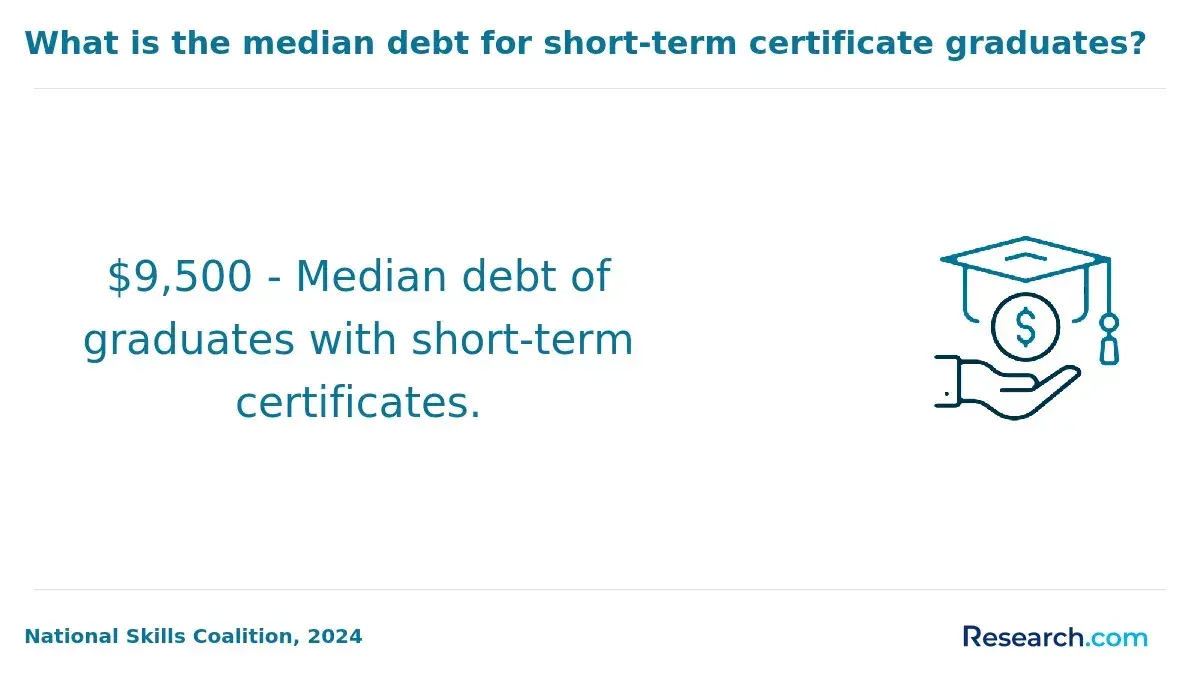
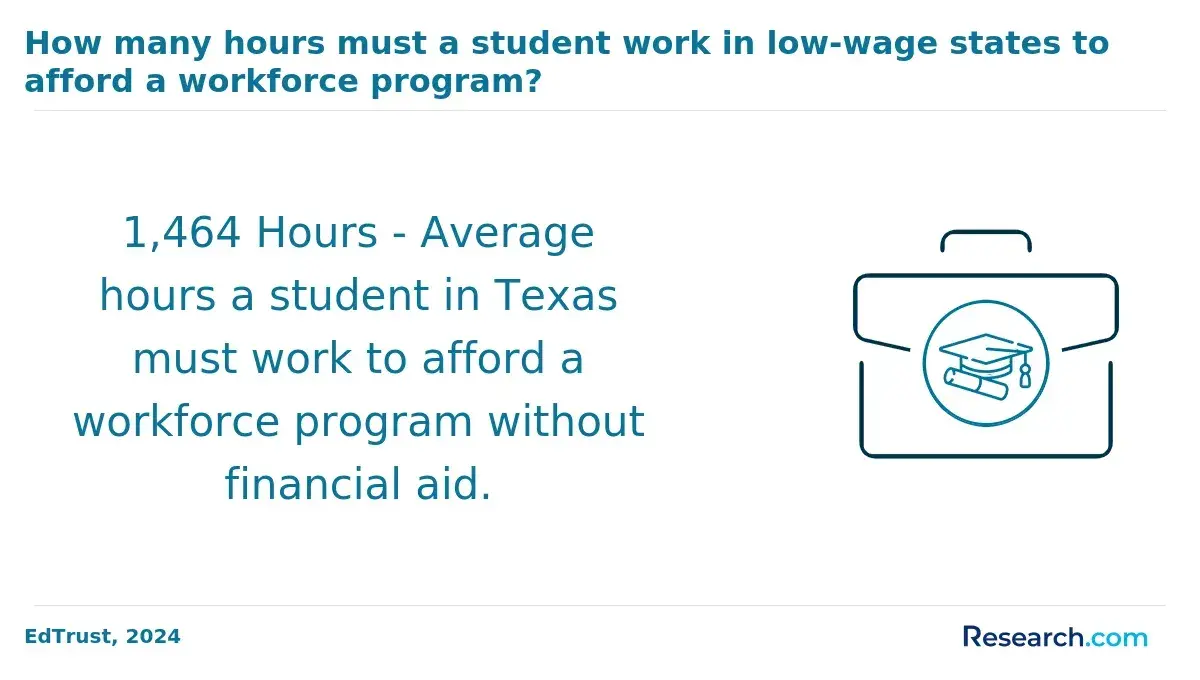
Costs for energy engineering degree completion programs vary widely by institution type. Public regional universities typically charge between $300 and $500 per credit hour for in-state students, while private nonprofit schools range from $600 to $900 per credit hour. For-profit institutions often exceed $1,000 per credit. Beyond tuition, working adults should budget for mandatory fees, technology access charges, course materials, and possible residencies or intensives-extra expenses that may add $500 to $1,500 annually. These factors shape the total cost of attendance and make careful budgeting essential for prospective students.
Financial aid options for working adults in energy engineering programs include Pell Grants, which are available even for part-time enrollment-critical since many adults balance study with full-time work. Employer tuition reimbursement is another key resource, often covering partial or full tuition, so confirming employer policies beforehand is vital. Military-affiliated students benefit from GI Bill and MyCAA funds, which frequently cover tuition and related expenses. Many institutions also offer scholarships targeted at non-traditional students and adult completers, taking prior academic achievement and professional experience into account.
Filing the FAFSA independently is common for adult learners, making early submission important to maximize aid eligibility. Tax benefits further reduce net costs for those paying out-of-pocket. The Lifetime Learning Credit offers a tax credit on tuition expenses, while IRS Section 127 allows up to $5,250 of tax-free employer-provided educational assistance annually. Consulting a tax professional can help tailor these advantages to individual income and filing status.
The best way to compare real expenses across energy engineering degree completion programs involves factoring in credit transfer savings, eligibility for employer reimbursement, and net tuition after aid. Since many working adults bring substantial prior credits and employment benefits, the sticker price rarely reflects the true cost of degree completion. For those exploring related options, consider also masters in therapy programs that offer flexible formats compatible with busy adult schedules.
- Tuition Variation: Public, private nonprofit, and for-profit rates vary significantly; expect $300-$1,000+ per credit hour plus fees and materials.
- Financial Aid: Pell Grants, employer tuition reimbursement, GI Bill, MyCAA benefits, and adult-focused scholarships enhance affordability.
- FAFSA Filing: Independent filing is typical for adults-completing early opens doors to more aid.
- Tax Benefits: Lifetime Learning Credit and IRS Section 127 help lower out-of-pocket expenses.
- Cost Comparison: Calculate total costs factoring credit transfer credits, aid eligibility, and employer reimbursement-the sticker price rarely reflects true cost for working adults.
What Career Outcomes Can Working Adults Expect After Completing a Energy Engineering Degree?
Data from the College Scorecard and Bureau of Labor Statistics confirms that adults completing a bachelor's degree in Energy Engineering see a sizable earnings boost-typically 15% to 30%-compared to those with some college but no degree. Alumni surveys reinforce these findings, highlighting key career benefits of degree completion.
- Promotion Eligibility: A completed bachelor's degree unlocks access to higher-level roles such as senior engineer or project manager that often demand this credential.
- Credential-Gated Positions: Certain specialized jobs, including licensed professional engineer (PE) status and energy systems analyst roles, require proof of degree completion.
- Salary Premium: Graduates enjoy higher median wages, reflecting a meaningful return on investment documented by Georgetown University research.
- Experienced Candidate Advantage: Working adults combining professional experience with a degree often enter the job market positioned for senior roles rather than starting at entry-level.
- Graduate Study Access: Degree completion also enables entry into advanced academic programs critical for leadership or research-focused careers.
Prospective students should thoroughly verify that their chosen bachelor's completion program-particularly for working adults-meets the accreditation standards and specific criteria demanded by prospective employers, licensing boards, and graduate schools. Maximizing credit for prior learning and military training, exploring flexible scheduling formats, and assessing financial aid options are essential steps. Evaluating programs against objective quality measures ensures alignment with career ambitions, budget, and life responsibilities, improving the likelihood of degree completion leading to meaningful advancement.
How Do Employers View a Energy Engineering Degree Completed Through a Completion Program?
Surveys from respected organizations like the Society for Human Resource Management (SHRM) and the National Association of Colleges and Employers (NACE) reveal that employers prioritize institutional accreditation and program recognition over how a bachelor's degree was earned-whether through a traditional path or a degree completion program. For working adults earning a degree in Energy Engineering, this means the diploma from an accredited school typically does not indicate the completion program status, allowing candidates to present their degree simply as a bachelor's in Energy Engineering on resumes and job applications.
When discussing credentials during interviews, framing the degree as part of an accelerated or adult-focused program can underscore qualities like dedication and efficiency without raising doubts. However, some employers may examine the degree pathway more closely-especially federal agencies that follow Office of Personnel Management (OPM) qualification standards or professions requiring licensure regulated by state boards.
Individuals in regulated fields should confirm degree acceptability with licensing authorities or HR representatives before enrolling to ensure alignment with professional requirements. In contrast, private-sector employers often give greater weight to relevant experience, demonstrated skills, and solid references rather than the specific enrollment format.
- Accreditation: Completion programs awarded by accredited institutions confer diplomas equivalent to traditional programs.
- Transparency: Diplomas rarely disclose whether the degree came from a completion program, simplifying presentation.
- Interview Strategy: Highlighting the accelerated or adult learner focus conveys commitment without concern.
- Employer Scrutiny: Federal and licensed professions may require stricter validation of degree pathways.
- Verification: Candidates should check with licensing boards or HR before committing to a program.
- Private Sector Focus: Experience, competencies, and references usually outweigh degree format.
- Credential Value: Completion degrees are valid enhancers, not inferior substitutes, especially in technical fields like Energy Engineering.
What Graduates Say About Energy Engineering Degree Completion Programs for Working Adults
- Danny: "Completing the energy engineering degree while working full-time was surprisingly manageable thanks to the flexible scheduling formats-it allowed me to balance work, family, and study without feeling overwhelmed. I also appreciated the thorough accreditation standards, which gave me confidence that my degree would hold weight in the industry. Finally, the program's credit transfer policies made it easier to apply my previous coursework, accelerating my path to graduation."
- Jeremy: "Reflecting on my time in the energy engineering completion program, I can say that understanding cost considerations upfront really helped me plan financially without surprises. The structural features of the curriculum-designed specifically for working adults-ensured relevant, real-world learning instead of generic academic theory. Plus, the career outcomes were clearly laid out, which motivated me to stay focused knowing the degree would directly impact my professional growth."
- Ethan: "From a professional standpoint, what stood out most about my energy engineering program was its dedication to accreditation standards, which sets it apart from generic alternatives and reassures employers about the credential's credibility. The flexible scheduling formats meant I could attend classes around my unpredictable work shifts-a crucial factor for me. Additionally, the program's transparent credit transfer policies meant I saved both time and money, making this a smart investment in my future."
Other Things You Should Know About Energy Engineering Degrees
Energy engineering degree completion programs designed for working adults typically provide a range of support services to facilitate student success. These often include academic advising tailored to prior learning and professional experience, tutoring services, and online resources that accommodate flexible schedules. Career counseling is also common, helping students connect with industry opportunities and internships relevant to energy sectors.
Yes, many energy engineering degree completion programs are structured to allow earned credits to transfer into graduate programs. This is especially true when the undergraduate program is accredited by recognized bodies and aligned with graduate curriculum standards. Students should verify transfer policies with both the completion program and prospective graduate schools to ensure their coursework supports advanced study.
Networking is a crucial component of energy engineering degree completion programs for working adults. These programs often incorporate industry connections through faculty, guest lectures, or partnership projects, enabling students to build professional relationships. Strong networks can open doors to job placements, mentorship, and insights into current energy technology trends.
Networking is critical in energy engineering degree completion programs for working adults in 2026, as it helps students form valuable industry connections, exchange ideas, and access job opportunities. Many programs offer networking events and platforms, allowing participants to interact with alumni, industry professionals, and peers to enhance their career prospects.
References
- Careers in Energy Engineering - What Are Your Professional Options? | Electrum https://electrum.pl/en/careers-in-energy-engineering-what-are-your-professional-options/
- Energy Engineering https://apply.unipd.it/courses/course/50-energy-engineering
- key - Tłumaczenie po polsku - Słownik angielsko-polski Diki https://www.diki.pl/slownik-angielskiego
- Energy Engineering https://www.bircham.edu/energy-engineering.html
- Kobieta https://key.com.pl/collections/kobieta
- Engineering Graduate Studies https://www.utoledo.edu/engineering/graduate-studies/energyengineering.html
- Sustainable & Renewable Energy Engineering Accreditation https://old.sharjah.ac.ae/en/academics/Colleges/eng/dept/sre/Pages/Acc.aspx
- How long does it take to get an Engineering Degree? - The Study Abroad Portal https://thestudyabroadportal.com/studyabroadblog/how-long-does-it-take-to-get-an-engineering-degree/
- Accreditation https://pet.mtu.ie/sustainable-energy-engineering/accreditation
- Balancing Work and Study While Pursuing an Engineering Degree | American SPCC https://americanspcc.org/balancing-work-and-study-while-pursuing-an-engineering-degree/