2026 Industries Hiring Graduates With an Energy Engineering Degree

Co-Founder and Chief Data Scientist
Where can graduates with an energy engineering degree find meaningful career opportunities? This question drives many recent graduates seeking to apply their skills in a competitive job market.
Studies show that employment in energy-related sectors is projected to grow by 6% through 2030, reflecting expanding demand for sustainable solutions and technological innovation. Energy engineering degree holders typically work in industries such as renewable energy, utilities, manufacturing, and environmental consulting.
Understanding which industries actively hire these graduates is crucial for aligning career goals. This article explores industries hiring energy engineering graduates and offers insight into diverse job opportunities available to them.
Key Benefits of Industries Hiring Graduates With a Energy Engineering Degree
- Diverse industries offer broader career opportunities and employment flexibility for energy engineering graduates, enabling adaptation to various sectors like renewables, utilities, and manufacturing.
- Strong industry demand for energy engineering skills supports long-term career growth and stability amid the global energy transition and increasing sustainability goals.
- Cross-industry work allows graduates to develop transferable skills and expand their professional experience, enhancing versatility in evolving job markets.
What Industries Have the Highest Demand for Energy Engineering Majors?
Employer demand for energy engineering majors varies widely across industries that emphasize energy production, efficiency, and sustainability.
The U.S. Bureau of Labor Statistics reports that employment in energy-focused sectors is expected to grow by more than 10% in the coming decade, highlighting strong hiring trends.
Several key industries actively recruit online engineering degree graduates due to their technical expertise and ability to optimize energy systems.
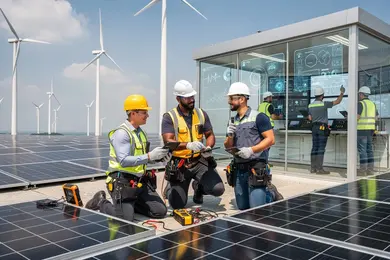
- Renewable Energy: This sector is a major employer of energy engineering graduates, focusing on the development and optimization of solar, wind, hydroelectric, and geothermal power systems. Companies seek specialists who can improve energy capture and reduce carbon emissions while advancing innovative technologies.
- Oil and Natural Gas: Energy engineering knowledge is essential for enhancing energy extraction, processing, and system efficiency in this industry. Professionals contribute to minimizing environmental impact and ensuring operations meet stringent regulatory requirements.
- Utilities: Electricity generation and distribution firms hire energy engineers to manage and modernize grid infrastructure. Their expertise supports integrating renewable sources, improving energy storage, and balancing loads to maintain system reliability.
- Manufacturing: Industrial energy systems benefit from engineering graduates who help optimize efficiency and cut emissions in production facilities. Their role is critical for reducing operational costs while supporting sustainability goals.
- Construction and Building Services: Energy engineering professionals in this field focus on sustainable building designs, HVAC system efficiency, and energy audits. Their work ensures compliance with energy codes and helps achieve green certifications, reflecting growing demand in sustainable construction practices.
Which Industries Have the Strongest Job Outlook for Energy Engineering Graduates?
Job outlook for energy engineering graduates is often gauged by analyzing industry growth trends, workforce demand, and projected hiring needs.
According to the U.S. Bureau of Labor Statistics, employment in engineering roles related to energy is expected to grow about 6% from 2022 to 2032, reflecting steady opportunities fueled by technological advancements and sustainability priorities.
Several industries currently demonstrate strong demand for skilled energy engineers.
- Renewable Energy: Rapid expansion in solar, wind, and other clean power sources drives demand for energy engineers to design and maintain efficient systems. Government policies targeting carbon reduction and increased renewable energy targets are key growth factors.
- Oil and Gas: Despite challenges, the sector remains vital due to advances in resource extraction technology and environmental mitigation like carbon capture. Global energy demand supports sustained employment opportunities.
- Power Generation and Utilities: Efforts to modernize aging infrastructure alongside integrating smart grid technology create ongoing demand for engineers who can enhance reliability and optimize energy distribution.
- Building and Construction: The focus on energy-efficient designs, sustainable materials, and compliance with stricter regulations expands opportunities for energy engineers in this sector.
- Transportation: With the shift toward electric vehicles and alternative fuels, energy engineers play a critical role in developing infrastructure and technologies that support these evolving transportation systems.
What Entry-Level Jobs Are Available for Energy Engineering Graduates?
Entry-level positions provide crucial opportunities for energy engineering graduates to apply academic knowledge while gaining practical skills in real-world settings.
Approximately 65% of recent graduates find relevant employment within six months, primarily in roles that develop technical and operational expertise.
Typical early-career jobs span several areas supporting energy efficiency, renewable technologies, and project execution.
- Energy Analyst: This role involves gathering and interpreting data on energy usage and efficiency. Beginners help identify trends and contribute to initiatives aimed at reducing energy waste, fostering a strong foundation in data-driven sustainability practices.
- Junior Renewable Energy Engineer: Graduates assist with the planning, installation, and upkeep of renewable power systems like solar arrays or wind turbines. This hands-on experience allows them to work closely with cutting-edge clean energy solutions and engineering design.
- Energy Systems Technician: Focused on monitoring energy production and distribution equipment, technicians troubleshoot issues to ensure safe, reliable operation. This role builds competence in system maintenance and diagnostics essential for energy infrastructure.
- Project Coordinator: Early-career coordinators support the organization and communication involved in energy projects. Managing schedules and liaising between teams helps develop management skills and a deeper understanding of project workflow.
- Energy Consultant Assistant: In this position, graduates aid senior consultants by researching energy consumption patterns and proposing improvement strategies. Exposure to technical and policy aspects broadens insight into the sector's diverse challenges.
Reflecting on entry-level opportunities, a recent energy engineering graduate shared that navigating the initial job market involved balancing optimism with realistic expectations. "The early roles were not always glamorous," he explained, "but they demanded attention to detail and a willingness to learn on the fly."
He recalled times when troubleshooting unexpected system faults required long hours and collaboration with experienced staff, emphasizing that these hands-on experiences were invaluable. "Those first jobs laid the groundwork for confidence," he added, underscoring how early challenges contributed significantly to his professional growth and understanding of the energy field.
What Industries Are Easiest to Enter After Graduation?
Industries that are easier to enter after graduation typically have high entry-level hiring rates, accept a broad range of relevant degrees, and require minimal specialized experience.
For instance, about 60% of STEM graduates find entry-level roles within six months, highlighting strong demand for technical skills across sectors.
Several fields stand out for their openness to recent energy engineering graduates.
- Renewable Energy: This rapidly expanding sector actively recruits new graduates who bring fresh knowledge of solar, wind, and other sustainable technologies. Employers often prioritize current academic expertise over extensive work experience, making it an accessible industry for newcomers.
- Utilities: Companies managing electric, gas, and water systems frequently seek energy engineers for tasks like system optimization and infrastructure support. These roles often value foundational engineering skills and provide structured onboarding, easing entry for recent graduates.
- Manufacturing: Industrial manufacturers require energy engineers to improve efficiency and sustainability practices. Their need for professionals who can combine technical expertise with operational goals creates more opportunities for early-career candidates.
- Environmental Consulting: Firms in this area look for graduates to assist with energy assessments, compliance, and sustainability projects. Emphasizing analytical ability and adaptability, they typically welcome candidates willing to learn on the job.
What Industries Offer the Best Starting Salaries for Energy Engineering Graduates?
Starting salaries for energy engineering graduates vary significantly across industries, influenced by the demand for specialized skills, funding availability, and workforce gaps. Entry-level salaries generally range from $65,000 up to $90,000, with some sectors exceeding this range.
The following highlights industries offering the best-paying entry-level energy engineering jobs in the United States.
- Oil and Gas: This industry consistently offers top starting salaries, typically between $75,000 and $95,000. High technical demands and the capital-intensive nature of fossil fuel extraction and processing drive these competitive wages.
- Renewable Energy: Growing investment in solar, wind, and battery technologies results in entry-level pay between $70,000 and $90,000. The focus on innovation and rapid sector expansion supports attractive compensation for new energy engineers.
- Energy Consulting and Engineering Services: Firms working on sustainability, energy efficiency, and grid modernization typically pay $65,000 to $85,000, valuing the specialized expertise energy engineering graduates bring to these projects.
- Utilities and Power Generation: Traditional utilities integrating low-carbon technologies offer salaries usually ranging from $65,000 to $80,000. Stability in demand and infrastructure investment underpin these salary levels.
Recent data shows those entering the oil and gas sector can earn 15-20% above the national average for energy engineering graduates.
For those exploring pathways, also consider how specialized programs and career resources like affordable online MFT programs can expand skills and job competitiveness.
Which Skills Do Industries Expect From Energy Engineering Graduates?
Employer demands in energy engineering fields differ by sector but consistently require graduates to blend hands-on expertise with work-ready skills.
A recent survey shows that nearly three-quarters of energy employers highly value the ability to interpret complex data and apply technical solutions.
The following outlines essential skills sought by industries hiring energy engineering graduates.
- Technical Proficiency: Mastery of energy systems, from renewable technologies to thermodynamics, enables graduates to evaluate and enhance energy efficiency. This technical foundation equips them to optimize operations and meet sustainability targets across diverse settings.
- Data Analysis and Problem-Solving: The capacity to analyze intricate datasets and develop innovative strategies is crucial. Employers expect energy engineers to use analytical software and modeling tools to improve system performance and support evidence-based decisions.
- Project Management: Coordinating multidisciplinary teams and managing project lifecycles ensures timely delivery and compliance with regulatory standards. Graduates skilled in resource allocation and scheduling enhance operational success and collaboration.
- Communication Skills: Translating technical concepts to non-specialists fosters stakeholder engagement and clarity. Strong verbal and written communication promotes teamwork and smooth project progression.
- Adaptability and Continuous Learning: With the fast pace of energy innovation and policy shifts, staying informed and embracing new technologies sustains competitiveness and drives ongoing improvement.
A professional with a Energy Engineering degree shared that early in her career, she faced the challenge of integrating emerging renewable solutions into legacy systems while communicating risks and benefits to a mixed audience of engineers and executives. "Navigating those conversations required patience and clear explanations," she recalled.
She emphasized how developing confidence in both technical judgment and interpersonal communication was key to gaining trust and successfully leading projects. Her experience highlights how these skills are not only expected but vital for real-world effectiveness and career growth.
Which Industries Require Certifications for Energy Engineering Graduates?
Many industries hiring graduates with an energy engineering degree require additional certifications to meet regulatory compliance and demonstrate necessary technical expertise.
Studies show that over 70% of employers in energy-related fields prefer candidates with professional credentials alongside their degrees. These certifications are essential to navigating complex safety, environmental, and operational standards.
Below are key industries where certifications significantly enhance employability.
- Renewable Energy Sector: Certifications in project management, safety, and environmental compliance are often expected. These credentials ensure graduates can effectively oversee sustainable energy projects while adhering to evolving environmental regulations and improving energy efficiency.
- Oil and Gas Industry: Stringent health, safety, and environmental management certifications are crucial here due to high-risk operations. Credentials related to risk assessment, emergency response, and facility inspections help graduates qualify for technical roles involving rigorous fieldwork and operational oversight.
- Utility and Power Generation: This sector values certifications demonstrating proficiency in electrical systems, grid reliability, and regulatory compliance. Licensing assures employers of a candidate's capacity to manage large-scale infrastructure under strict government oversight.
- Engineering Consulting: Consultants advising on energy projects often require professional certifications that verify expertise and ethical standards, enabling trust with clients and regulatory bodies. These credentials support roles involving technical evaluation and compliance strategies.
- Government and Regulatory Agencies: Employment in public sector roles focused on energy policy or regulation frequently mandates certification to ensure adherence to legal and safety frameworks. Certified professionals are better equipped to enforce standards and oversee compliance.
Which Industries Offer Remote, Hybrid, or Flexible Careers for Energy Engineering Graduates?
Workplace flexibility has grown significantly across many sectors, driven by advances in digital communication tools and shifting employee expectations. Recent studies show that over 70% of professionals now engage in remote or hybrid work arrangements.
Several industries especially favor these models, offering remote work opportunities in energy engineering that align well with project-based and collaborative workflows.
- Renewable Energy: Companies in this sector rely heavily on virtual teamwork to design, implement, and monitor solar, wind, and other sustainable systems. The use of digital modeling tools and remote monitoring platforms supports hybrid and remote schedules that suit field and office work balance.
- Environmental Consulting: This industry's workflow includes coordinating with geographically dispersed clients, regulators, and contractors. Since much of the work involves data analysis, report writing, and virtual meetings, flexible career paths for energy engineering graduates are common here.
- Utility Sector: With smart grid technologies and remote sensing equipment, engineers often perform system analysis and efficiency improvements off-site. Cloud-based collaboration platforms make telework a practical solution for many utility companies.
- Construction and Engineering Management: During planning and design phases, professionals use digital design and project management software extensively. These tools enable hybrid work patterns, allowing engineers to divide time between job sites and remote offices efficiently.
- Technology Firms: Companies developing energy-related hardware or software favor agile development and frequent virtual check-ins. This environment supports remote and hybrid work schedules, encouraging continuous team collaboration across locations.
Those exploring flexible career paths can also consider programs such as an online accounting degree to complement their skills and broaden employment opportunities.
What Industries Have the Strongest Promotion Opportunities?
Promotion opportunities for energy engineering graduates are often shaped by factors such as industry growth, organizational structure, and demand for skilled professionals.
Studies indicate that companies promoting from within experience up to 40% higher employee retention, highlighting the value of clear advancement pathways.
Below are industries with the highest career growth for energy engineering graduates that exemplify structured promotion prospects.
- Energy Utilities and Renewable Energy: These companies emphasize leadership development through well-defined career ladders. The ongoing expansion of sustainable energy solutions creates dynamic growth, allowing engineers to progress from technical roles to managerial and executive positions.
- Manufacturing and Industrial Firms: Organizations focused on energy-efficient manufacturing invest heavily in internal talent development. Engineers are frequently encouraged to take on cross-functional roles, broadening their skills and preparing them for advanced leadership responsibilities.
- Energy Consulting Firms: Consulting firms seek professionals with both technical expertise and client management abilities. Structured leadership tracks and performance milestones enable quick advancement, supporting career growth for engineers skilled in project and relationship management.
- Government and Regulatory Agencies: These bodies offer hierarchical promotion systems backed by formal training and succession planning programs. Engineers can move into senior advisory or administrative roles that influence energy policy and infrastructure development.
Further enhancing career prospects in these fields often involves pursuing additional qualifications such as online MBA programs, which can support leadership development alongside technical expertise.
How Do You Choose the Best Industry With a Energy Engineering Degree?
When choosing the best industry with an energy engineering degree, graduates should assess their career interests, preferred work environments, and long-term growth potential. Reflecting on whether they are more drawn to research, policy development, or hands-on project management helps narrow options.
Considering personal strengths and how they align with various sectors can improve job satisfaction and performance. A 2023 survey found that 67% of engineering graduates rate industry growth potential as a critical factor in their employment decisions, highlighting its relevance in selecting career paths.
Comparing advancement opportunities, industry stability, and workplace flexibility allows graduates to make informed choices that match their professional goals. Investigating expected certifications and typical career trajectories in different industries aids alignment with personal development plans.
Engaging in continuous learning, such as through 6-week online courses with certificates, can improve prospects in evolving sectors. Evaluating these factors thoroughly supports graduates in targeting the best industries for energy engineering graduates and realizing fulfilling career opportunities.
What Graduates Say About Industries Hiring Graduates With a Energy Engineering Degree
- Danny: "Starting my career in the renewable energy sector was a game-changer after finishing my degree in energy engineering. I quickly realized how diverse the industries hiring graduates are, from wind farms to smart grid development. This early exposure helped me build problem-solving skills that are crucial in adapting technologies to ever-changing regulations and demands. "
- Jamir: "Reflecting on my journey, entering the oil and gas industry as an energy engineering graduate taught me invaluable lessons about resilience and precision. The fast-paced environment sharpened my analytical abilities and gave me a strong foundation in project management. Working in this sector also made me appreciate how vital sustainable practices are becoming in traditional energy fields."
- Pearl : "Joining the energy engineering workforce in the utility sector has been profoundly rewarding. It not only developed my technical expertise but also improved my communication skills through collaboration with multidisciplinary teams. Over time, I've seen how a career here can open doors to leadership roles that influence energy policy and innovation."
Other Things You Should Know About Energy Engineering Degrees
Environmental regulations significantly influence industries that hire energy engineering graduates by shaping project requirements and operational standards. Graduates often work to ensure compliance with emissions limits, renewable energy mandates, and waste management protocols. This regulatory environment creates demand for expertise in sustainable energy solutions and environmental impact assessments.
Yes, interdisciplinary skills are increasingly important as industries seek energy engineering graduates who can collaborate across fields such as mechanical engineering, environmental science, and data analytics. Combining technical knowledge with strong communication and project management abilities enhances graduates' value in complex energy projects. This adaptability facilitates innovation and integration of emerging technologies.
Research and development (R&D) is a critical area providing career opportunities for energy engineering graduates, especially within renewable energy, energy storage, and efficiency improvements. Industries invest in R&D to create advanced technologies that reduce costs and environmental impact. Graduates involved in R&D can work in laboratory settings, pilot projects, or technology commercialization.
In 2026, industries hiring energy engineering graduates are affected by stringent environmental regulations, which drive the demand for sustainable energy solutions. Graduates are vital for ensuring compliance and innovating energy systems that meet regulatory standards, making them highly sought after in sectors like renewable energy and utilities.
References
- Careers in Energy Engineering - What Are Your Professional Options? | Electrum https://electrum.pl/en/careers-in-energy-engineering-what-are-your-professional-options/
- Top Skills Employers Seek for Careers in Renewable Energy https://professional.resourceemployment.com/Top%20Skills%20Employers%20Seek%20for%20Careers%20in%20Renewable%20Energy
- The Graduate's Guide to Starting a Career in the Energy Industry https://www.wtsenergy.com/graduates-guide-to-a-career-in-energy-industry/
- The Professions Shaping the Future of the Energy Transition https://www.energierecrute.com/en/energy-environment-news/7475-the-professions-shaping-the-future-of-the-energy-transition
- Green Careers in Focus: Becoming an Energy Engineer https://www.morrisby.com/blog/green-career-focus-of-the-month-energy-engineer
- Jobs of the Future: The Growing Demand for Green Energy - The Renewable Energy Institute https://www.renewableinstitute.org/jobs-of-the-future-the-growing-demand-for-green-energy/
- The Skills That Will Define the Future of Engineering in the Energy Sector | NES Fircroft https://www.nesfircroft.com/resources/blog/the-skills-that-will-define-the-future-of-engineering-in-the-energy-sector/
- NextGenEnergyJobs.com | The #1 Renewable Energy Job Board https://www.nextgenenergyjobs.com/remote-jobs
- Choosing a Renewable Energy Engineering Company as a Graduate https://www.mintselection.com/blog/2025/11/how-to-choose-a-renewable-energy-engineering-company-as-a-graduate