2027 What Requirements Do You Need for an Online Elementary Education Bachelor's Degree? Admission Rules, Credits & Eligibility

Co-Founder and Chief Data Scientist
Imagine a working professional eager to transition into teaching but overwhelmed by the unclear prerequisites for an online elementary education bachelor's degree. Without knowing admission criteria, required credits, or eligibility, prospective students risk choosing programs that delay or derail their goals.
According to the National Center for Education Statistics, enrollment in online education programs has grown by over 25% in the last five years, reflecting the increasing demand for flexible pathways. This article clarifies essential requirements to help aspiring educators navigate admission rules, credit transfers, and eligibility standards effectively, ensuring a smooth and informed transition into the teaching profession.
Key Benefits of Preparing for Online Elementary Education Bachelor's Degree Requirements
- Choosing the right online elementary education program ensures alignment with state licensure requirements, accreditation standards, and personal career goals, improving job market competitiveness.
- Maximizing transfer credits, often up to 60% of degree requirements, shortens time to graduation and reduces tuition costs, essential for adult learners and career changers.
- Completing a fully accredited degree opens doors to teaching certification and employment opportunities in diverse educational settings nationwide, reflecting growing demand for qualified elementary educators.
What Are the Basic Eligibility Requirements to Apply for an Online Elementary Education Bachelor's Degree?
In online undergraduate admissions, eligibility defines the minimum qualifications applicants must meet to be considered, distinct from acceptance or enrollment. A program's eligibility sets the baseline requirements, whereas acceptance means the school has reviewed and approved the application, and enrollment follows as the formal registration for classes.
For an online elementary education bachelor's degree admission requirements often include academic credentials, age, and residency status, as outlined by the U.S. Department of Education and various university admissions pages. These eligibility criteria help ensure candidates are academically prepared and legally qualified to undertake the program.
Students interested in eligibility criteria for online elementary education bachelor's programs should confirm details with each institution, as requirements vary widely. Most accredited programs require a high school diploma or GED equivalent, applicants to be at least 18 years old, and proof of U.S. citizenship or permanent residency, though some accept international students with additional documentation.
Below are key eligibility points:
- High School Diploma or GED Equivalent: Applicants must demonstrate foundational academic preparation through a recognized high school diploma or GED certificate essential for undergraduate-level study.
- Minimum Age Requirement: Generally, candidates must be at least 18 years old at enrollment, aligning with academic readiness and legal standards for independent study.
- Citizenship or Residency Status: Many programs require U.S. citizenship or permanent residency; international applicants may need to prove English proficiency and provide visa documentation.
- Academic Performance Standards: A typical minimum GPA ranges from 2.0 to 2.5 on a 4.0 scale; standardized test scores like the SAT or ACT may be optional as more schools adopt test-optional policies.
- English Language Proficiency: Non-native English speakers usually must submit TOEFL or IELTS scores to verify their capability to engage fully with coursework and online classroom activities.
Prospective students should also explore credit hour requirements, transfer credit rules, and financial aid options to devise the most affordable and credit-efficient path to their elementary education degree. For those considering advanced degrees, researching the cheapest doctorate degree online may provide future career advancement opportunities.
What Is the Minimum GPA Required for Admission to an Online Elementary Education Bachelor's Degree Program?
The minimum GPA required for admission to an online elementary education bachelor's degree program varies significantly by institution. Many programs accept a cumulative high school GPA of 2.0 as the baseline, while more selective schools require a 2.5 GPA or higher to demonstrate stronger academic readiness.
This variation in GPA requirements is common across schools, reflecting different levels of program competitiveness and standards for online elementary education degree admission GPA requirements.
Admissions committees often adopt a holistic review process, considering GPA alongside other factors such as class rank, standardized test scores, and letters of recommendation. This approach offers a comprehensive evaluation of an applicant's potential beyond mere numbers.
Some schools also differentiate between weighted and unweighted GPAs, where weighted GPAs account for course difficulty and may benefit students with advanced coursework.
Students with borderline GPAs might qualify for conditional or probationary admission, allowing them to demonstrate academic capability during initial semesters before full acceptance. When applying, it is crucial to calculate or self-report GPA accurately using official transcripts or counselor verification to avoid delays or discrepancies in admissions review.
Prospective students should also consider financial planning and accreditation standards for efficient degree completion, and explore options like the cheapest online school counseling programs (CACREP-accredited) to minimize costs while maintaining quality.
- Variation by Institution: GPA requirements range from a minimum 2.0 to more competitive 2.5 or higher thresholds, reflecting program selectivity for online elementary education bachelor's programs.
- Holistic Admissions: GPA is reviewed alongside class rank, test scores, and recommendations, creating a fuller picture of an applicant's academic and personal strengths.
- Weighted vs. Unweighted GPA: Weighted GPAs consider course difficulty, giving an advantage to students with advanced classes in the admission process.
- Conditional Admission Options: Probationary admission allows students with slightly below-standard GPAs to prove their readiness during early college terms.
- Accurate GPA Reporting: Verify GPA with official transcripts or counselor assistance to ensure precise self-reporting on applications and facilitate smooth admission processing.
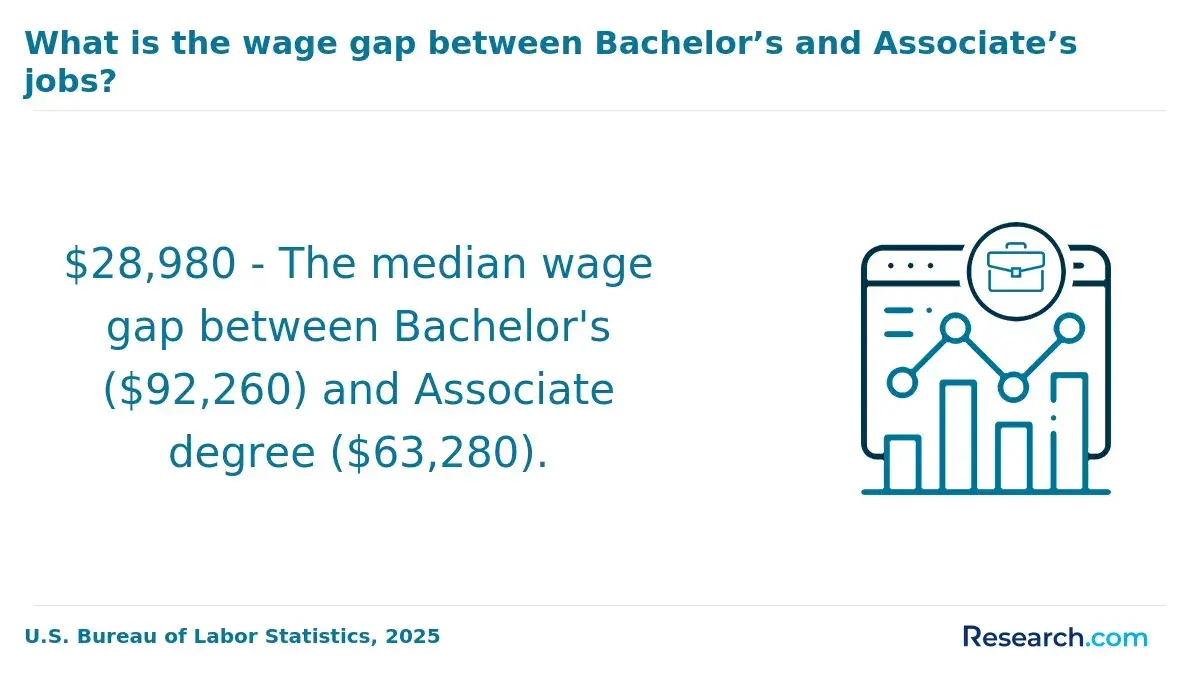
2026 Update: Clinical Placement and Licensure Readiness Checks
This 2026 update adds a focused checklist for online elementary education applicants who must complete in-person classroom experiences before graduation or teacher licensure.
- Confirm whether the program helps arrange practicum and student teaching placements near your home.
- Check if your state requires fingerprinting, background checks, or child abuse clearances before fieldwork.
- Ask whether placement sites must meet specific grade-level or public school requirements.
- Review how early classroom observation hours begin and whether they fit your work schedule.
- Verify that the program’s licensure pathway matches the state where you plan to teach.
- Find out who supervises field experiences and how online students are evaluated.
Checking these requirements early helps students avoid enrollment surprises and choose an online program that supports both degree completion and future classroom eligibility.
Many online bachelor's degree programs in elementary education, particularly those aimed at adult learners or transfer students, have shifted to test-optional or test-free admission policies since 2020. These changes reduce barriers and expand access to prospective students.
Nevertheless, certain programs still require SAT or ACT scores, mainly for merit scholarships, honors tracks, or highly competitive admissions to assess academic readiness.
Typical score ranges used when tests are submitted usually fall between 1050 and 1200 on the SAT or 20 to 25 on the ACT. Since policies can differ widely and evolve rapidly, verifying requirements directly through each program's website or admissions office is essential to avoid surprises during application.
- Test-Optional and Test-Free Policies: Many programs prioritize accessibility for nontraditional students by eliminating mandatory standardized testing.
- Score Requirements for Scholarships and Honors: Some competitive tracks or financial aid opportunities still ask for test scores to evaluate candidates' qualifications.
- Score Ranges: When needed, successful applicants usually present SAT scores around 1050-1200 or ACT scores between 20-25 to stay competitive.
- Variability Among Schools: Admission rules are not uniform and can change based on the institution or cohort; prospective students must consult official sources.
- Nationwide Trends: Over 75% of four-year colleges have embraced test-optional policies as of 2023, reflecting a broader movement in higher education admissions.
A professional who enrolled in an online elementary education bachelor's degree program shared that, although he initially worried about standardized testing, the process was much smoother due to flexible admissions pathways. He described feeling relief when he learned test scores were not mandatory for his application, emphasizing how this reduced stress during what was already a challenging career transition.
Nonetheless, he recommended contacting admissions early to clarify requirements, noting, "It helped me stay focused and avoid unnecessary delays." Navigating these policies can feel confusing, but the added support and accessible options ultimately made pursuing his new career goal feasible and encouraging.
Online elementary education bachelor's degree programs generally require about 120 semester credit hours (SCH), although some majors may extend to 128 or 130 credits depending on the specialization. These credits are spread among general education, major-specific courses, electives, and practical experiences such as student teaching or capstone projects.
The total semester credits needed for an online elementary education bachelor's program reflect this comprehensive curriculum structure.
Semester credit hours represent time in a traditional academic calendar, usually one hour per week over a semester. In contrast, quarter credit hours are used at schools on a quarter system and are typically smaller; approximately 1.5 quarter credits equal one semester credit. Students in programs using different calendars should be aware of this conversion when estimating progress or transferring credits.
Prior learning assessments through Advanced Placement (AP), College-Level Examination Program (CLEP), or credits from community colleges can reduce the number of credits students must complete. Each school's policy varies on the acceptance and application of these credits to the degree requirements, so it's essential to inquire about transfer eligibility and how it impacts overall coursework.
- General Education Requirements: Generally consist of 30 to 40 credits covering foundational subjects like writing, math, and social sciences necessary for all education students.
- Major-Specific Core Courses: Around 40 to 50 credits focus on teaching methods, child development, and curriculum design tailored for elementary education.
- Practicum and Capstone Components: Approximately 10 to 15 credits are dedicated to hands-on teaching experiences, internships, or final projects preparing students for classroom realities.
- Electives and Flex Credits: Typically 15 to 20 credits allow exploration of additional interests or enriching specialty knowledge within elementary education.
- Credit Transfer and Prior Learning: Schools assess AP, CLEP, and community college credits to potentially reduce total credit requirements, facilitating an affordable, accelerated path to graduation.
For those considering building their education credentials, exploring starting points with an associate's degree can be a practical, cost-effective strategy before transferring into a bachelor's program.
Core high school courses are critical prerequisites for admission to an online elementary education bachelor's degree program. Most institutions require completion of essential subjects such as English (composition and literature), math (usually through algebra or beyond), basic sciences like biology, and social studies including history or civics.
These foundational classes ensure students are prepared for the academic rigors of education coursework.
Beyond these mandatory courses, recommended subjects like advanced math, psychology, or child development can strengthen an application and provide helpful background knowledge, although they are not required. Many students also benefit from dual enrollment or community college credits earned during high school, which often satisfy prerequisite requirements and can reduce the time needed to graduate.
For applicants missing some prerequisites, numerous programs offer bridge or remedial classes to help close learning gaps. While these courses support academic success, taking them may lengthen the degree timeline and influence financial and scheduling plans.
- Core Prerequisites: Completion of high school English, algebra-level math, basic science, and social studies is essential for program eligibility and foundational skills development.
- Recommended Courses: Classes in psychology, child development, and advanced mathematics help prepare students for classroom demands but are not mandatory.
- Credit Through Dual Enrollment: Taking college-level courses while in high school can fulfill prerequisites and ease the transition into degree programs.
- Bridge Programs: Remedial classes offered by universities assist those missing credits but may extend time to graduation.
- Academic Planning: Early completion of prerequisites signals readiness and supports smoother admission and degree progress.
A professional who launched their career after completing an online elementary education bachelor's shared that navigating prerequisite requirements was initially overwhelming, especially balancing work and family. They appreciated programs allowing dual enrollment credits, which helped reduce course load later. When remedial options were needed, the extra semesters felt challenging but ultimately boosted confidence and mastery of key concepts.
"It wasn't easy adjusting the timeline, but finishing those bridge courses made me feel more equipped for the teaching profession," they recalled, emphasizing the value of proactive planning and utilizing available support services.
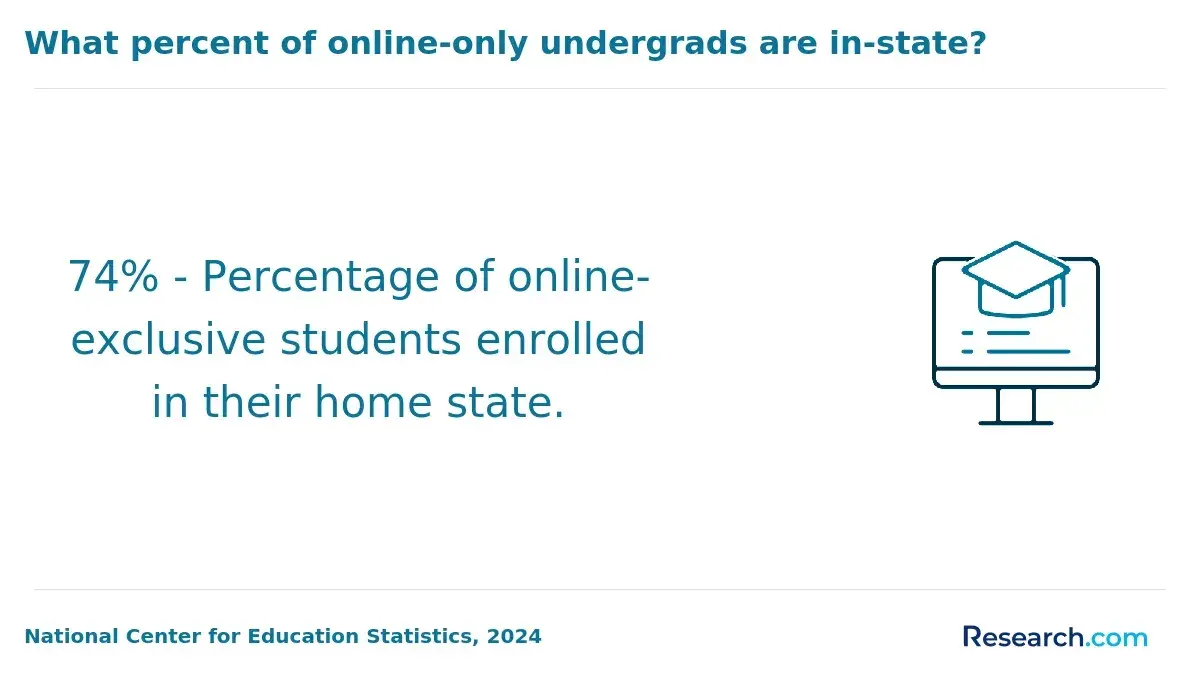
Most accredited institutions generally accept between 60 and 90 transfer credits toward a bachelor's degree, although exact limits vary by school. Some programs might have lower caps depending on specific degree requirements and accreditation standards, so it's essential to confirm policies with each institution.
- Credit Caps: Transfer credit limits usually range from 60 to 90 credits, reflecting roughly two to three years of prior coursework, but some schools impose stricter ceilings based on program or accreditation guidelines.
- Transfer-Friendly Schools: Institutions with established 2+2 articulation agreements with community colleges typically offer smoother transfer processes, often guaranteeing junior standing to students who complete an associate degree.
- Transcript Evaluation: Admissions staff or registrars conduct detailed reviews of official transcripts to assess whether previous coursework aligns with the program's curriculum, considering factors like course content, credit hours, and institutional accreditation.
- Course Relevance: Not all credits transfer; courses lacking direct relevance to elementary education curriculum standards or those deemed remedial usually do not count toward the degree.
- Evaluation Timing: It's advisable to request an official transfer credit evaluation early during admissions to understand exactly how many credits will count toward your degree progress.
According to data from the National Student Clearinghouse Research Center, about 38% of bachelor's degree students transfer at least once during their undergraduate studies, underscoring the importance of verifying transfer credit policies before enrolling in online elementary education programs.
Accreditation shapes admission requirements for an online elementary education bachelor's degree and ensuring the program's credibility. Institutional accreditation, often regional or national, is recognized by the Council for Higher Education Accreditation (CHEA) or the U.S. Department of Education.
Regional accreditation confirms overall institutional quality and impacts credit transferability, easing transitions between schools or entry into graduate programs.
- Institutional Accreditation: Regional and national accreditation by organizations recognized by the Council for Higher Education Accreditation (CHEA) or the U.S. Department of Education confirms that a school meets rigorous quality standards. This accreditation directly influences how employers and graduate programs evaluate your degree and plays a crucial role in whether credits transfer between institutions.
- Programmatic Accreditation: Many elementary education programs pursue additional accreditation from discipline-specific bodies like the Council for the Accreditation of Educator Preparation (CAEP). These accreditations often require programs to meet higher admission standards or offer specialized curriculum components necessary for state licensure.
- Credit Transferability: Attending a regionally accredited institution greatly increases the likelihood that your transfer credits will be accepted if you change schools. In contrast, credits from unaccredited or nationally accredited institutions may not transfer, potentially extending the time and cost needed to finish your degree.
- Employer Recognition: Degrees from regionally accredited schools are widely accepted by K-12 districts and education leaders. Unaccredited degrees may limit job opportunities and career advancement within elementary education.
- Licensing and Graduate School: Many states and graduate programs require degrees from accredited institutions for teacher certification or advanced study. Without proper accreditation, you may face barriers to licensure or enrollment in master's or doctoral programs.
- Research Recommendation: Always verify a school's current accreditation status with CHEA or the U.S. Department of Education before applying to avoid investing in an invalid degree.
- Admission Impact: Programmatic accreditation can introduce stricter admission requirements such as minimum GPAs or prerequisite coursework, so investigate these criteria carefully.
- Financial Aid Eligibility: Accreditation status often determines eligibility for federal financial aid, which is critical for many students pursuing an online degree.
According to the National Center for Education Statistics, 92% of students earning bachelor's degrees in education attend regionally accredited institutions, highlighting the importance of accreditation for successful career outcomes in the elementary education field.
Applying to an online bachelor’s degree program usually requires submitting a standard set of documents that help schools evaluate your academic background and readiness. Prepare in advance to make the application process smoother and to stay organized.
- Official Transcripts: You must submit official high school transcripts as a basic part of the required paperwork for online elementary education degree admission, proving completion of your diploma or GED. If you attended college before, include official college transcripts to verify transferable credits. These transcripts must be sent directly by the issuing institution to be valid.
- Government-Issued ID: Providing a current government-issued ID, such as a driver's license or passport, is essential to verify your identity throughout the application. This step helps schools comply with regulations and ensures you are the applicant applying for the program.
- Application Essay: Many programs request an essay to assess your motivation, goals, and suitability for an elementary education track. This essay is an opportunity to communicate your passion for teaching and your dedication to working with young learners.
- Supplementary Documents: Competitive or more selective elementary education programs might require additional documents-including a portfolio showing relevant experience or coursework, recommendation letters from teachers or employers, a résumé highlighting academic or volunteer work, and a personal statement describing your educational philosophy and career goals.
- Official vs. Unofficial Documents: Official transcripts arrive sealed and directly from schools, while unofficial ones are copies or scanned versions you may hold. Schools generally require official documents for final admission decisions. International students must provide certified translations of all documents not originally in English when applying to U.S.-based online programs.
- Time Management: Begin collecting all necessary documents two to three months before deadlines, whether rolling or semester-based. Early preparation avoids delays from waiting for official transcripts or letters of recommendation, which can take weeks to process.
When preparing to apply for an online elementary education bachelor's degree, you'll want to ensure you have a clear sense of the online master's degree in organizational leadership options if you plan on advancing your education later. Knowing what documents to gather and when to submit them is crucial for a smooth admission process.
Non-native English speakers applying to an online elementary education bachelor's degree program usually must demonstrate English language proficiency through recognized standardized tests. Most accredited U.S. institutions accept scores from the TOEFL iBT, IELTS Academic, or the Duolingo English Test.
These exams evaluate reading, writing, speaking, and listening skills that are essential for academic success.
- Common Tests: TOEFL iBT, IELTS Academic, and Duolingo English Test are the widely accepted exams for online elementary education programs, assessing comprehensive English proficiency necessary for coursework.
- Typical Score Ranges: Undergraduate admission generally requires TOEFL iBT scores between 61 and 80. IELTS score requirements commonly range from 6.0 to 6.5 bands. Duolingo English Test scores typically align with these conventional benchmarks.
- Exemptions: Applicants from English-speaking countries or those who completed multiple years of study at English-medium institutions may be exempt from submitting test scores. Verification is usually done through transcripts and residency documentation.
- Conditional Admission: Some programs offer conditional acceptance with ESL bridge courses to support students who haven't yet met proficiency standards. This can provide targeted English training alongside foundational elementary education coursework.
Applicants should carefully review individual programs' requirements to confirm acceptable tests, minimum scores, and exemption policies. Contacting admissions offices will clarify if conditional admission pathways exist and what additional support is available for non-native speakers.
Preparing these documents upfront can smooth the application process and help students follow the most affordable, credit-efficient path to an elementary education degree.
Those interested in broader academic options may also explore a variety of programs beyond education, such as an online computer science degree, to compare degree pathways and admission requirements.
The College-Level Examination Program (CLEP) offers a way to gain college credit by passing standardized tests in multiple subjects. Achieving a score of 50 or above, as advised by the American Council on Education (ACE), can earn undergraduate credit accepted by more than 2,900 colleges nationwide.
Yet, CLEP credit policies vary widely; some online elementary education bachelor's programs accept CLEP scores for core courses, while others restrict them to general education requirements.
- CLEP Acceptance: Different schools have distinct rules. While some programs apply CLEP credits directly to elementary education coursework, many limit such credits to fulfilling general education prerequisites.
- Other Credit Options: In addition to CLEP, institutions may award credit for DANTES/DSST exams, portfolio reviews, professional certifications, military training, or relevant professional experience through prior learning assessment (PLA).
- Early Contact Recommended: Because prior learning credits can shorten degree completion time and reduce tuition costs, it's crucial to reach out to a school's registrar or admissions office early. This ensures you understand their specific PLA requirements and necessary documentation.
- Eligibility Requirements: Despite applying PLA or CLEP credits, students must still satisfy admission standards like minimum GPA, background checks, and state licensure conditions related to teaching.
Many public universities offer in-state tuition rates to online students even if they live out-of-state, largely thanks to the State Authorization Reciprocity Agreement (SARA). This agreement among member states eases the process for colleges to provide online programs across state borders.
It permits institutions in participating states to enroll out-of-state students without needing separate state approvals, ensuring legal compliance.
However, some universities do not participate in SARA and may still charge higher, out-of-state tuition for online elementary education programs. It is crucial to confirm the school's tuition policies beforehand to avoid unexpected costs.
- SARA Participation: This pact reduces regulatory hurdles, allowing member colleges to legally offer online education to students from other states without additional authorization requirements.
- Tuition Differences: Rates may vary depending on residency, with some schools charging non-resident fees for online elementary education courses. Inquiring about this early helps control budgeting.
- Residency Proof: To qualify for in-state tuition, students might need to submit documents such as utility bills, voter registration cards, or driver's licenses that confirm their state residency.
- Cost Planning: Knowing how residency status impacts tuition enables students to plan finances accurately and avoid surprises related to out-of-state tuition charges.
What Graduates Say About Preparing for the Online Elementary Education Bachelor's Degree Requirements
- Alba: "Getting a clear understanding of the admission requirements really helped me choose the right online elementary education program without wasting time. Knowing exactly what was needed upfront made my application process smooth and stress-free. This approach gave me the confidence to focus entirely on my studies and launch my teaching career sooner than I expected."
- Cindy: "I found that having a good grasp of credit policies and eligibility criteria was crucial for transferring previous coursework and maximizing my credits. Being proactive about these details saved me months and allowed me to finish my degree efficiently. The program's flexibility and clarity helped me balance work, family, and education, which changed how I viewed career advancement."
- Bryan: "Completing my online elementary education degree truly transformed my professional life. Understanding the admission process and credit requirements upfront meant I could select a program that aligned precisely with my career goals. The degree opened doors in school districts I hadn't considered before, and now I'm thriving in a role I'm passionate about."
Other Things You Should Know About Elementary Education Degrees
Yes. Many programs accept up to 60 semester credits from regionally accredited colleges, and some cap transfer work at 75 percent of the degree. Admissions offices usually review official transcripts course by course before confirming which credits apply to general education or major requirements.
Most online elementary education bachelor's degree programs take about four years to complete when attending full time. Part-time students or those transferring credits from previous college work may take longer. Some programs offer accelerated tracks that allow completion in three years, but this depends on the school's structure and credit transfer policies.
For a 2027 online elementary education bachelor's degree, institutions may require background checks and character assessments to ensure suitability for teaching. These checks are crucial for confirming that candidates can safely and effectively work with children in educational settings.
- Elementary Education Degree – BSED Online | University of Phoenix https://www.phoenix.edu/online-education-degrees/elementary-education-bachelors-degree.html
- Prior Learning Credits https://www.njcu.edu/admissions-aid/undergraduate-admissions/transfer-applicant/transfer-resource-center/prior-learning-credits
- Can I Teach Online With A Bachelor's Degree | ITTT https://www.teflonline.net/tefl-tesol-info/can-i-teach-online-with-a-bachelor-s-degree/
- Elementary Education, BS Online | Accredited Liberal Arts Christian College in Illinois https://www.greenville.edu/academics/online-programs/elementary-education-bs-online
- Accreditation Still Matters for Online Degrees | All Education Schools https://www.alleducationschools.com/blog/online-school-accreditation/
- How to Apply for Online School in Education | Eligibility and Requirements - Jobmac https://jobmac.org/how-to-apply-for-online-school-in-education-eligibility-and-requirements/
- Do you need your ACT or SAT scores if you apply on an online school? https://testing.education.narkive.com/tp76vNLe/do-you-need-your-act-or-sat-scores-if-you-apply-on-an-online-school
- Teaching English online as a non-native speaker | The TEFL Org https://www.tefl.org/teach-english-online/requirements/non-native/