2027 Online Elementary Education Bachelor's Degree Programs With Weekly Start Dates

Co-Founder and Chief Data Scientist
Many working professionals with unrelated undergraduate degrees face scheduling conflicts when trying to enroll in traditional Elementary Education programs. The rigid semester start dates often delay career transitions in a rapidly evolving education sector. Research shows that 43% of online Elementary Education bachelor's degree programs now offer weekly start dates to accommodate diverse learner schedules without compromising accreditation quality.
These flexible options help students begin coursework immediately-supporting faster entry into teaching roles. This article explores the benefits and structure of online Elementary Education bachelor's degree programs with weekly start dates, guiding readers toward manageable, accredited pathways for timely career advancement.
Key Benefits of Online Elementary Education Bachelor's Degree Programs With Weekly Start Dates
- Online elementary education bachelor's programs with weekly starts offer unmatched flexibility-ideal for working professionals and career changers balancing jobs and family commitments.
- These programs eliminate long waits typical of semester-based enrollment-students can begin coursework within days of acceptance, accelerating degree progress.
- Quick enrollment removes a key barrier to returning to school, enabling learners to earn regionally accredited degrees while managing personal and professional responsibilities effectively.
What Are Weekly Start Dates in Online Elementary Education Bachelor's Programs, and How Do They Differ From Traditional Term-Based Enrollment?
Weekly or rolling start dates in online elementary education bachelor's programs enable students to begin coursework every week, contrasting with traditional semester-based enrollment where classes start only a few times a year. This flexible enrollment model removes long wait times between application and the first day of class-giving students more control over their academic timeline and allowing them to tailor their progress to fit personal schedules. It differs significantly from the difference between weekly enrollment and traditional term-based elementary education by offering nearly continuous admissions rather than rigid academic terms.
Institutions like Western Governors University and Purdue Global exemplify this approach with competency-based education and multiple monthly start dates. Western Governors University allows learners to start new course modules frequently and advance at their own pace, while Purdue Global's rolling start dates reduce bottlenecks and help students complete degrees faster. This model is especially beneficial for working professionals and adult learners balancing numerous responsibilities, including family and career.
The growing demand for these flexible online elementary education bachelor's programs with weekly start dates stems from their ability to support academic momentum and accommodate life's unpredictabilities. Additionally, prospective students can maximize their savings and speed with prior learning assessments and generous transfer credit policies. Exploring tuition costs and financial aid options through accredited programs is essential for making informed choices that align with career goals supported by Bureau of Labor Statistics and U.S. Department of Education data.
- Continuous Access: Students can enroll and start courses almost immediately, accelerating their path to a degree without waiting for a semester to begin.
- Flexible Scheduling: Weekly start dates allow learners to fit education around personal and professional commitments more easily than fixed academic terms.
- Competency-Based Learning: Programs often use self-paced models prioritizing mastery over seat time, enabling motivated students to progress faster.
- Increased Enrollment Opportunities: Frequent starts reduce application delays and help adult learners access financial aid and transfer credits in a timely manner.
For those interested in healthcare-related careers as well, exploring affordable programs such as a medical coding and billing certification could complement their educational journey.
Which Accredited Institutions Offer Online Elementary Education Bachelor's Degree Programs With Weekly or Rolling Start Dates?
Several regionally accredited institutions offer online elementary education bachelor's degree programs with weekly or rolling start dates, providing flexibility essential for adult learners and working professionals. These programs enable students to begin coursework almost every week-avoiding the constraints of traditional semester schedules-and allow them to accelerate degree completion while managing life commitments effectively.
- American Public University System: Their bachelor's in elementary education offers weekly course starts and holds regional accreditation from the Higher Learning Commission (HLC). Tuition rates are approximately $285 per credit, making it one of the more affordable options with genuine rolling enrollment for this program.
- Southern New Hampshire University: Offering an online Bachelor of Arts in Early Childhood Education applicable to some elementary teaching licensure, SNHU charges about $320 per credit. The university supports multiple monthly start dates on a rolling basis, providing flexible entry options similar to weekly starts.
- Columbia College: Accredited by the Higher Learning Commission, Columbia College offers an online Bachelor of Arts in Elementary Education with tuition around $324 per credit. The program features eight-week terms, six start dates annually, and accelerated course options, closely resembling continuous enrollment.
- Liberty University: Their Bachelor of Science in Elementary Education charges roughly $390 per credit, utilizing eight-week courses with rolling admissions and multiple start dates monthly. This enables students to begin courses nearly every week, accommodating diverse schedules.
- Western Governors University: The Bachelor of Arts in Elementary Education is accredited by NWCCU with tuition charged at about $3,500 per six-month term rather than per credit. Enrollment windows open monthly, effectively resulting in continuous starts comparable to weekly enrollments.
Such flexible enrollment patterns benefit those balancing jobs, family, or other responsibilities. Many of these accredited online elementary education degrees with rolling enrollment accept transfer credits generously and offer prior learning assessments to maximize speed and savings. Coursework is typically structured in shorter, intensive sessions rather than traditional semesters-requiring disciplined time management. Prospective students should verify state licensure requirements, as these vary widely. For those exploring pathways in healthcare education, a notable online nurse practitioner program shares a similarly flexible, affordable model.
How Do Weekly Start Dates in Online Elementary Education Programs Benefit Working Adults and Non-Traditional Students?
Weekly start dates in online elementary education bachelor's programs eliminate traditional enrollment barriers by allowing students to begin classes immediately after acceptance. This approach removes the waiting period associated with fixed semester start dates-helping to close the gap between a learner's motivation to progress and actual enrollment. Studies from the NCES and Lumina Foundation highlight that such flexibility boosts student persistence and graduation rates, as learners gain control over their start timelines.
- Immediate Enrollment: Students can dive into coursework right away without delays, matching the urgent need many adults experience to balance education with work and family commitments.
- Flexible Scheduling: Weekly start dates accommodate the busy routines of working adults, allowing them to pick a start date that fits their unique responsibilities and maintain a steady, manageable pace.
- Improved Retention: When learners control when they begin, they are more likely to stay engaged and complete their degrees, as research shows higher retention linked to enrollment flexibility.
- Financial Progress: Starting sooner accelerates entry into the elementary education workforce or advancement within one's current role, enabling earlier salary increases and financial stability rather than waiting for traditional semester cycles.
A professional who enrolled in an online elementary education bachelor's program with weekly start dates described the experience as a "game-changer." Faced with balancing a full-time job and family life, he appreciated not having to wait months before beginning his studies. "It was reassuring to know I could start promptly and keep moving forward," he said. He also noted how the ability to choose his own start date helped reduce stress and avoid burnout, saying, "It felt like the program adapted to my life-not the other way around." This flexibility kept him motivated during challenging weeks and gave him confidence to complete coursework steadily.
Tuition rates for online elementary education bachelor's programs with weekly starts generally revolve around per-credit costs ranging from $200 to $450. Since most degrees require about 120 credits, the average tuition cost for online elementary education bachelor's programs with weekly starts typically falls between $24,000 and $54,000, depending on the institution's pricing.
- Per-Credit Cost Variability: Public universities usually offer lower rates compared to private colleges, affecting total tuition fees for online elementary education bachelor's degrees with rolling enrollment.
- Block Tuition Options: Some programs implement flat-rate tuition for full-time enrollment (12-15 credits per term), benefiting students who accelerate their studies by lowering cost per credit as they take more courses each session.
- In-State Online Rates: Certain universities charge in-state tuition to all online students regardless of residency, making these among the most economical choices for learners nationwide.
- Additional Expenses: Fees for technology, materials, and online access can add between $500 and $2,000 annually, so including these is essential when estimating total costs.
Students are advised to visit official program pages and consult NCES IPEDS data for precise information. Exploring transfer credit policies, financial aid, and prior learning assessments can further reduce costs and duration. For a deeper understanding of options that maximize savings and flexibility, see this comprehensive self paced online degree guide.
Flexible Enrollment: Weekly start dates let students begin classes immediately, removing the wait time between traditional semesters and enabling faster progress toward degree completion.
Credit Load Per Term: Students often can enroll in multiple courses each term, speeding up their pace. Those attending full-time typically move through programs in 3 to 4 years, while part-time students may take 5 to 6 years or more due to lighter course loads.
Transfer Credit Acceptance: Many institutions accept a substantial amount of transfer credits-sometimes up to 90-allowing learners to bypass previously completed coursework and shorten their time to graduate.
Prior Learning Assessments: Competency-based options and assessments for knowledge gained outside the classroom give students credit for professional experience or exams, further accelerating degree completion.
Estimated Completion Time: Motivated adults who take advantage of full course loads, transfer credits, and weekly start flexibility can often finish an online elementary education bachelor's degree within 2 to 3 years, making it a practical solution for working professionals seeking timely advancement.
One graduate from a self-paced online elementary education bachelor's program shared her experience, noting how overcoming initial doubts about balancing family life and studies was challenging but manageable thanks to the program's structure. She reflected that starting immediately through weekly enrollments "gave me control over when and how fast I moved." Earning credit via prior learning assessments was a relief, cutting down redundant coursework and boosting confidence. Despite occasional stress, completing her degree faster than expected felt empowering and opened doors to new career opportunities, reaffirming the value of flexible, student-centered programs.
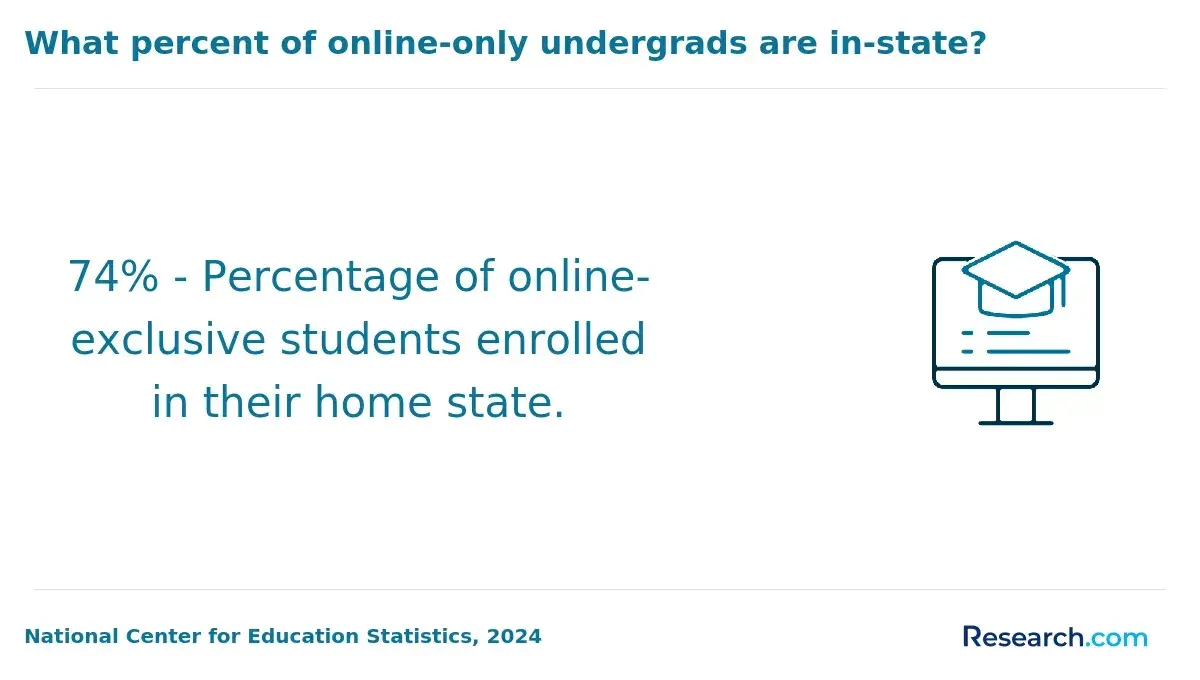
Online elementary education bachelor's programs with weekly or rolling start dates often require a high school diploma or GED equivalency as a baseline for admission. While some institutions may ask for a minimum GPA-typically around 2.5 on a 4.0 scale-many programs embracing open admission policies do not enforce strict grade requirements, making entry simpler for adult learners and those returning to education after time away.
Open admissions allow for faster start times and less selective entry but usually mean programs offer more academic support services like tutoring and advising to assist students who may need extra help. In contrast, selective programs expect stronger independent study skills, often with fewer structured supports available. This trade-off helps prospective students choose programs matching their learning styles and readiness.
Standardized tests such as the SAT or ACT are increasingly optional or waived in many rolling admission programs, reflecting a shift toward inclusivity and flexible access in teacher preparation. Applicants with unconventional academic backgrounds or long gaps since last schooling can boost their applications by submitting personal statements or recommendation letters that emphasize relevant experience, motivation, and commitment to succeed.
According to the National Center for Education Statistics, enrollment in online teacher education programs continues to rise, highlighting expanding opportunities to access flexible pathways into teaching careers.
- Minimum Credentials: Most programs require a high school diploma or GED; some ask for a 2.5 GPA, but open admission options often waive GPA requirements to broaden access.
- Testing Flexibility: SAT and ACT scores are typically optional or not required, aligning with the trend toward more inclusive admissions policies.
- Admission Models: Open admission facilitates quick enrollment and offers more academic support, while selective programs demand greater self-directed learning with fewer supports.
- Non-Traditional Applicants: Personal statements and recommendations strengthen applications for those with gaps in education or alternative backgrounds.
- Rising Enrollment: Online elementary education programs are seeing steady growth, reflecting growing demand for accessible teacher training.
Weekly-start online elementary education bachelor's degree programs frequently offer flexible transfer credit policies designed to help adult learners and working professionals accelerate degree completion and reduce tuition expenses. These programs often evaluate prior college coursework, military training, and employer-sponsored education using approved standards to determine transferable credits. The American Council on Education (ACE) credit recommendation system plays a key role-many institutions rely on ACE to convert non-traditional learning experiences into academic credits, supporting students' savings and timely graduation.
Notably, schools like Liberty University and Western Governors University accept up to 90 transfer credits, which can represent nearly three years of study. This substantial transfer credit acceptance allows students to avoid repeating coursework and speeds progress toward a bachelor's degree in elementary education. Prospective students should request a detailed transcript evaluation before enrolling to gain clarity on how many credits will transfer and what remains. This upfront knowledge is particularly valuable in weekly-start programs, where continuous enrollment means students can plan their course load efficiently without waiting for semester cycles.
Recent data from the National Center for Education Statistics (NCES) shows that nearly 70% of online learners apply transfer credits, highlighting the critical importance of transfer policies in today's online degree programs.
- Transfer Credit Flexibility: Weekly-start programs accept credits from accredited colleges, military training, and employer-based learning to accelerate degree progression.
- ACE Credit Recommendations: The American Council on Education converts non-traditional learning into academic credits, expanding transfer opportunities.
- High Credit Acceptance: Institutions like Liberty University and Western Governors University allow up to 90 transfer credits to significantly reduce time and cost.
- Transcript Evaluation: Early credit assessments help students understand degree requirements and plan course sequences efficiently.
- Growing Trend: Nearly 70% of online students use transfer credits, underscoring their importance in online elementary education programs.
Students enrolled in weekly-start online elementary education bachelor's programs can access federal financial aid options similar to those in traditional semester systems. The Free Application for Federal Student Aid (FAFSA) is the essential gateway for Pell Grants, subsidized and unsubsidized Stafford loans, and Federal Work-Study funds. These programs typically align their academic terms to meet federal requirements, so students remain eligible for aid despite nontraditional start dates.
Pell Grants provide need-based funding that does not require repayment, while Stafford loans offer fixed interest rates and flexible repayment options. Work-study opportunities depend on each school's participation and the availability of jobs, which may be more limited for online students. According to the College Board's Trends in Student Aid report, undergraduate federal grant recipients average over $6,000 annually, helping weekly-start enrollees estimate their potential aid packages.
In addition to federal aid, numerous scholarships target students pursuing elementary education degrees or online learners specifically. Professional associations, nonprofits, and colleges often award scholarships based on merit, financial need, or career goals in education. Because many grant and scholarship funds operate on a first-come, first-served basis, applying early through FAFSA is critical-especially for weekly-start students with rolling admission schedules.
Prospective students should also explore flexible financial strategies such as prior learning assessments and generous transfer credit policies offered by accredited programs. For those considering further education options, programs like masters in nutrition online demonstrate how online degrees can expand career pathways.
- Federal Aid Eligibility: Pell Grants, Stafford loans, and work-study are generally available to students in weekly-start online elementary education programs when enrollment meets federal standards.
- Scholarship Opportunities: Many scholarships exist specifically for elementary education students and online learners, provided by professional groups, nonprofits, and institutions supporting flexible enrollment.
- FAFSA Timing: Early FAFSA submission is essential since many grants and scholarships follow first-come, first-served rules-even with rolling start dates.
- Average Aid Amounts: College Board data shows average annual federal grant awards over $6,000 for undergraduates, offering a useful aid expectation benchmark.
- Work-Study Limits: Online students may encounter limited access to work-study jobs due to location or program structure, so checking school-specific offerings is advised.
When considering an online elementary education bachelor's program with weekly start dates, confirming accreditation is essential to ensure your degree is recognized by employers and that credits transfer smoothly. Regional accreditation-the gold standard in the U.S.-is granted by one of seven regional accrediting bodies recognized by the U.S. Department of Education. These are Middle States, New England, North Central, Northwest, Southern, Western, and the recently reorganized Southeastern Commission. Most reputable weekly-start online programs hold regional accreditation, underscoring their academic quality and reliability.
National accreditation, often granted to vocational, technical, or for-profit institutions, typically offers less transfer flexibility and weaker employer recognition in elementary education fields. Students should verify a program's accreditation status using the U.S. Department of Education's official accreditation database before enrolling. This verification is critical because attending a nationally accredited-only school may complicate transferring credits to regionally accredited programs or pursuing graduate studies.
- Regional Accreditation Authority: Seven regional agencies recognized by the U.S. Department of Education oversee academic quality; most accredited weekly-start elementary education programs are regionally accredited.
- National vs. Regional: National accreditation limits credit transfer and employer recognition, especially in elementary education careers requiring state certification.
- Verify Through Official Database: Prospective students should confirm a school's standing via the U.S. Department of Education's accreditation search tool to avoid credit transfer or financial aid issues.
- Credit Transfer Risks: Degrees from nationally accredited institutions may not transfer to regionally accredited programs, complicating further education plans.
- Employer and Certification Impact: Regional accreditation is commonly required for state teacher certification and preferred by education employers.
In addition to accreditation, prospective students should evaluate tuition costs, transfer credit policies, financial aid options, and career outcomes when selecting an accredited weekly-start elementary education program. Weekly enrollment windows often provide greater flexibility than traditional semesters, allowing students to maximize speed and savings through prior learning assessments and generous transfer credit acceptance.
For those seeking to accelerate their degree path, exploring programs like a fast track nutrition degree can offer insights into how flexible scheduling and transfer credits can reduce time and expense in higher education.
Weekly-start elementary education bachelor's programs typically deliver coursework through asynchronous video lectures and readings accessible anytime, enabling students to study flexibly around other commitments. Weekly deadlines for assignments and participation on discussion boards ensure steady progress and engagement. Digital tools, such as forums and group collaborations, encourage peer interaction despite the program's online format. These accelerated modules usually last five to eight weeks-much shorter than traditional 15-week semesters-so students must exercise strong self-discipline and time management to stay on track.
This compressed schedule focuses on honing essential elementary education skills like lesson planning, classroom management, and formative assessment techniques. The fast-paced environment helps learners quickly apply pedagogical concepts suited to real classroom challenges. However, it may offer fewer opportunities for in-depth research or iterative feedback typical of semester-long courses. Preparing for this pace means organizing a consistent weekly study routine and proactively seeking academic support when needed.
Enrollment in online elementary education programs with rolling or weekly start dates has risen by over 25% in recent years, reflecting the growing demand for flexible teacher education options.
- Flexible Access to Coursework: Asynchronous lectures and readings allow students to learn at their convenience while meeting regular deadlines.
- Accelerated Modules Require Discipline: Shorter terms demand effective time management and consistent engagement to keep up with fast-moving content.
- Core Teaching Skills Developed Efficiently: Focused curriculum quickly builds abilities in lesson planning, classroom management, and assessment.
- Less Depth Than Semester Formats: The condensed schedule limits extended research and reflective assignments common in longer courses.
- Rising Popularity of Rolling Starts: Growing enrollment highlights interest in accelerated, flexible elementary education pathways.
Credit-by-examination programs such as CLEP and DSST enable students to earn college credit by demonstrating their knowledge through standardized tests, allowing them to skip certain courses. These options are especially valuable in weekly-start online elementary education bachelor's programs, where they can substantially reduce both time and tuition expenses. The College Board's CLEP exams and the American Council on Education's (ACE) credit recommendation system are widely accepted frameworks for awarding credit via exams.
Prior Learning Assessment (PLA) policies go beyond testing, awarding credits for documented military training, work experience, and professional portfolios. Some online programs permit up to 30 to 60 credits through PLA, significantly lightening the course load. Programs with flexible PLA practices typically require students to submit official transcripts, training documentation, and reflective statements to designated PLA evaluators or admissions counselors early in the enrollment process.
Organized and thorough documentation is vital-providing detailed syllabi, military service records, or portfolios that clearly link real-world experience to academic standards improves the likelihood of credit approval. Early submissions facilitate faster evaluations and maximize savings.
- Exam-Based Credit: CLEP and DSST offer affordable, fast ways to bypass general education courses, recognized by most weekly-start online elementary education programs.
- PLA Policy Generosity: Top programs allow up to 60 credits from prior learning including military and professional experiences, often accepting portfolio assessments.
- Required Documentation: Official transcripts, course descriptions, and reflective narratives are essential to substantiate credit claims.
- Submission Process: Evidence is reviewed by PLA specialists or advisors, typically during initial enrollment, to ensure timely credit awards.
What Graduates Say About Online Elementary Education Bachelor's Degree Programs With Weekly Start Dates
- Michelle: "Choosing an online elementary education bachelor's degree with weekly start dates was a game-changer for me. The flexibility allowed me to balance work and study seamlessly, while the affordable tuition helped me avoid the burden of excessive debt. Since graduating, I've confidently stepped into my teaching role, equipped with practical knowledge and real-world experience."
- Casey: "I enrolled in the online elementary education bachelor's degree program because starting every week meant I didn't have to wait months to begin pursuing my dream career. The program's cost was reasonable and fit my budget as a full-time professional, which made continuing my education possible without financial strain. Reflecting on my journey, this degree has opened doors to leadership opportunities in education that I hadn't anticipated."
- Walker: "The weekly start dates of this online elementary education bachelor's degree program offered an opportunity to jump right into learning without delay-perfect for someone eager to grow their career quickly. The affordability was a key factor, making advanced education realistic for me financially. Professionally, completing this program has significantly enhanced my instructional skills and my confidence in managing diverse classroom environments."
Other Things You Should Know About Elementary Education Degrees
Yes. Most programs require supervised field experiences and a student teaching placement, even when coursework starts weekly online. Schools usually place students in approved K–6 classrooms near where they live. Many states require at least 12 to 16 weeks of student teaching before graduation and teacher licensure.
Graduates of online elementary education bachelor’s programs with weekly start dates can expect similar career outcomes and starting salaries as their on-campus counterparts. Entry-level teaching positions in elementary education often start around $40,000 to $50,000 annually. Opportunities for advancement and higher earnings increase with experience and further education.
Weekly-start online elementary education programs often provide comprehensive student support including academic advising, tutoring, library access, and technical assistance. Dedicated retention counselors and career services help students stay on track and prepare for licensure exams. Many programs also offer virtual student communities and mentorship opportunities to foster engagement and collaboration among peers and faculty.
- Top 50 Most Affordable Bachelor’s in Elementary Education or Early Childhood Education Online https://www.topeducationdegrees.org/rankings/affordable-online-eled-early-childhood-bachelors/
- Personalized Education Program - Step Up For Students https://www.stepupforstudents.org/scholarships/personalized-education-program/
- How to Enroll in Online Elementary School? - Legacy Online School https://legacyonlineschool.com/blog/how-to-enroll-in-online-elementary-school.html
- Vouchers and Scholarship Programs - K12 https://www.k12.com/online-private-school/how-to-make-private-school-free/
- How Long Does It Take to Get an Online Degree? https://www.collegevaluesonline.com/resources/online-learning/how-long-to-get-online-degree/
- Exploring the Shift to Online Education: Benefits and Challenges - Course Sidekick https://www.coursesidekick.com/communications/32906845
- What Financial Aid Options Are Available for Online Education? - Lakewood University https://lakewood.edu/online-education-financial-aid-3/
- Bachelor of Science in Elementary Education Online https://ed.mnsu.edu/academic-programs/elementary-literacy-education/bachelor-of-science-elementary-education-online/
- Quality Standards and Accreditation of Distance Education Programs in a Pandemic - OJDLA https://ojdla.com/articles/quality-standards-and-accreditation-of-distance-education-programs-in-a-pandemic
- Elementary Education Degree – BSED Online | University of Phoenix https://www.phoenix.edu/online-education-degrees/elementary-education-bachelors-degree.html