2027 Weekend-Only Nursing Orientation: Support, Competencies, and Paid Training Questions
Audited and Verified:
Our Editorial and Data Verification Process
Research.com uses government datasets, official education statistics and primary institutional information to support its career and degree guides. Our review process checks factual accuracy, occupational definitions, source dates and the requirements associated with the credentials discussed.
How This Article Was Fact-Checked
Our editorial team verifies salary estimates, employment projections, education requirements and program information against original data providers and official organizations. Salary figures are checked against the relevant occupational definitions and reporting periods. Information about licensure, accreditation and required in-person training is reviewed separately.
Fact-checked and verified on:

Co-Founder and Chief Data Scientist
A weekend-only nursing job can fit around weekday commitments, but its orientation may not. Classroom sessions, preceptor availability, and competency checks can follow a different schedule from the eventual job. For new graduates and nurses changing specialties, that difference affects pay, caregiving arrangements, and patient safety. This guide explains what weekend-only orientation can include, how to check whether every required hour is paid, and which questions to settle before accepting an offer. It also separates employer onboarding from nursing education and licensure, so you can evaluate the right kind of training.
Key Things You Should Know
- "Weekend-only" may describe the job, not every orientation shift. Ask for a written schedule covering classroom time, supervised shifts, and competency checks.
- Required employee training is generally compensable under federal wage-and-hour rules, but pay rates, differentials, and overtime depend on the circumstances and applicable law.
- Orientation is not complete just because a set number of shifts has passed. Confirm who observes your competencies, how gaps are addressed, and what support remains after sign-off.
What Is Weekend-Only Nursing Orientation and Who Is It For?
Weekend-only nursing orientation is an employer's onboarding process for a nurse hired to work primarily on weekends. It may combine organizational training, unit-specific instruction, supervised patient care, and documented competency evaluation. The term does not establish a standard length or guarantee that every training activity occurs on Saturday or Sunday.
It is especially relevant to new RNs entering practice, experienced nurses moving to an unfamiliar specialty, and parents or other caregivers whose weekday availability is limited. A nurse familiar with one unit may still need substantial preparation for another unit's patients, equipment, and escalation procedures. The right orientation depends on the role and demonstrated performance, not simply years licensed.
Ask the hiring manager to distinguish the permanent schedule from the orientation schedule. Initial EHR classes, simulation, educator-led sessions, or shifts with an appropriate preceptor may be available only on weekdays. If weekday attendance is impossible, establish whether the employer can offer an equivalent supervised path before accepting the position.
Employer orientation also differs from qualifying for a new license. For example, an LPN/LVN seeking RN eligibility needs an appropriate educational route, not additional RN unit onboarding; LPN-to-RN programs with online coursework are a separate decision from whether a prospective employer can train someone on weekends.
Is Weekend-Only Nursing Orientation Paid Training?
For an employee, required job-related orientation is generally paid work time under federal wage-and-hour rules. Calling it "training" does not, by itself, make attendance unpaid. Whether a particular activity qualifies for an exception depends on factors such as whether attendance is voluntary, outside working hours, unrelated to the job, and involves no productive work. State law or an employment agreement may provide additional protections.
Get the compensation terms in writing before your first session. Confirm the base hourly rate during orientation; whether weekend, night, or other differentials apply to each training shift; how classroom, online modules, and supervised shifts are recorded; and how overtime is calculated. A weekend-position differential may not apply to a weekday class, even when that class is paid. Avoid assuming the rate on a job posting applies to every orientation hour.
Student clinical placements are different from employee orientation. A clinical rotation arranged by a nursing program is an educational requirement and should not be treated as an automatically paid new-hire shift. Likewise, employer tuition assistance is distinct from wages for onboarding. If further education is on your horizon, compare its separate expenses - for example, comparing online BSN-to-MSN program costs - rather than treating paid orientation as funding for a degree.
What Support and Competencies Are Covered During Nursing Orientation?
A workable orientation pairs an identified preceptor or educator with a progression from observation to supervised responsibility. The plan should show who is available on each weekend shift, how the nurse obtains help when that person is unavailable, and how performance is assessed. A checklist without observed practice is weaker evidence of readiness than documented feedback across relevant situations.
Specific checks vary by setting. On a hospital unit, they may address assessment and clinical judgment, medication and equipment safety, documentation, handoffs, prioritization, escalation of deterioration, infection prevention, and delegation within the nurse's scope and employer policy. A specialty transition may require additional equipment training, patient-population exposure, or simulation. Not every competency can be demonstrated in one weekend, particularly when relevant cases are uncommon.
Before signing off, ask what happens if a needed case does not occur, a preceptor is reassigned, or an assessment shows a gap. Useful support includes additional supervised shifts, educator review, a named escalation contact, and a plan for the first shifts after orientation. Sign-off should follow demonstrated competence; it should not substitute for it.
Do not confuse an employer preceptor with one responsible for graduate clinical education. Nurses planning advanced practice study must separately verify a program's supervised clinical arrangements; FNP programs with support finding preceptors address a different placement need from weekend employee onboarding.
Weekend-only orientation assumes the employee already holds the license required for the hired role, unless the employer has explicitly arranged a lawful, appropriately supervised role while licensure is pending. Graduation, NCLEX eligibility, passing an exam, and an active state license are distinct milestones. Employers must verify authorization to practice; onboarding does not grant an RN or LPN/LVN license.
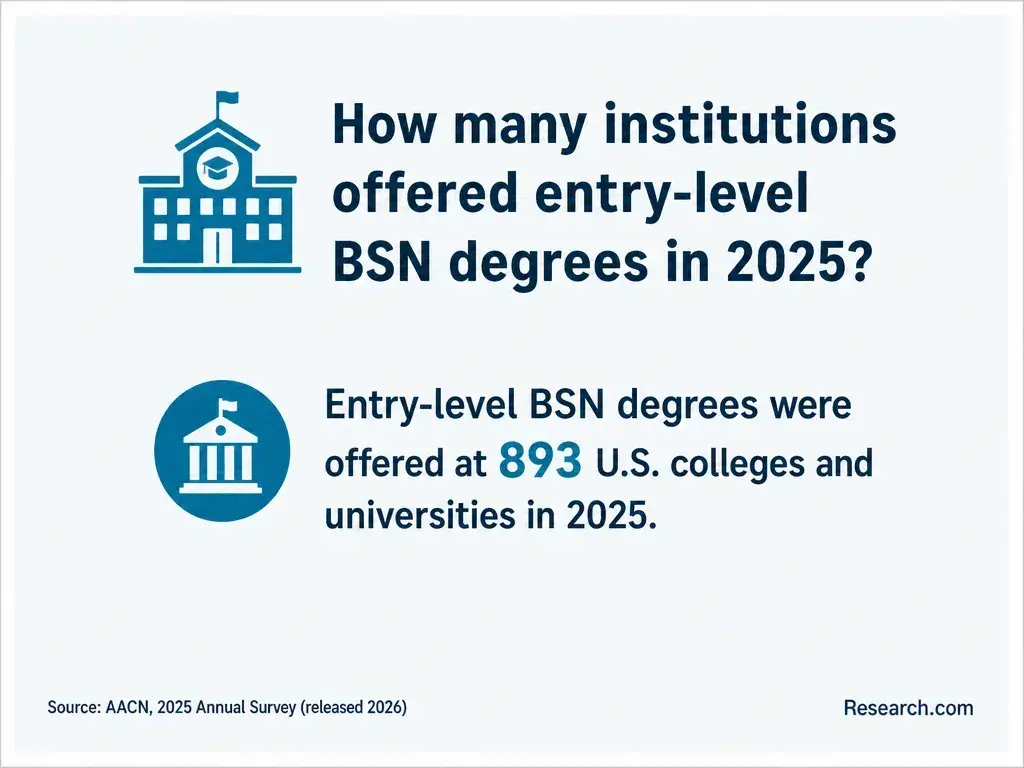
For initial RN preparation, prelicensure associate and bachelor's nursing programs provide education and supervised clinical learning toward examination eligibility, subject to state board requirements. Postlicensure RN-to-BSN programs generally assume an existing RN license. Advanced practice preparation has separate educational, certification, and state requirements tied to the intended role and population focus.
Even an RN with graduate study cannot use employer orientation to replace required advanced practice clinical education. Someone considering post-master's family NP clinical training requirements should confirm eligibility with the educational program, certifying organization, and applicable state regulator - not infer it from bedside experience or a completed onboarding checklist.
Program delivery format matters if you need education in addition to employer orientation. Online coursework can reduce travel for lectures, but prelicensure programs still require approved hands-on learning and supervised clinical experiences. Campus-based programs may make labs easier to access while imposing fixed travel and class times. Neither format guarantees weekend-compatible clinical placements.
For a working nurse, compare the actual weekly calendar: live sessions, simulation, campus visits, clinical shifts, and the notice given before schedules change. A program that advertises asynchronous classes may still require weekday clinical hours. Those commitments can conflict with both weekend employment and caregiving responsibilities.
This distinction continues into advanced study. If a future specialty change is under consideration, an online mental health NP affordability guide can help frame the education-cost question, but the program must separately confirm required in-person training, clinical placement, and eligibility where you intend to practice.
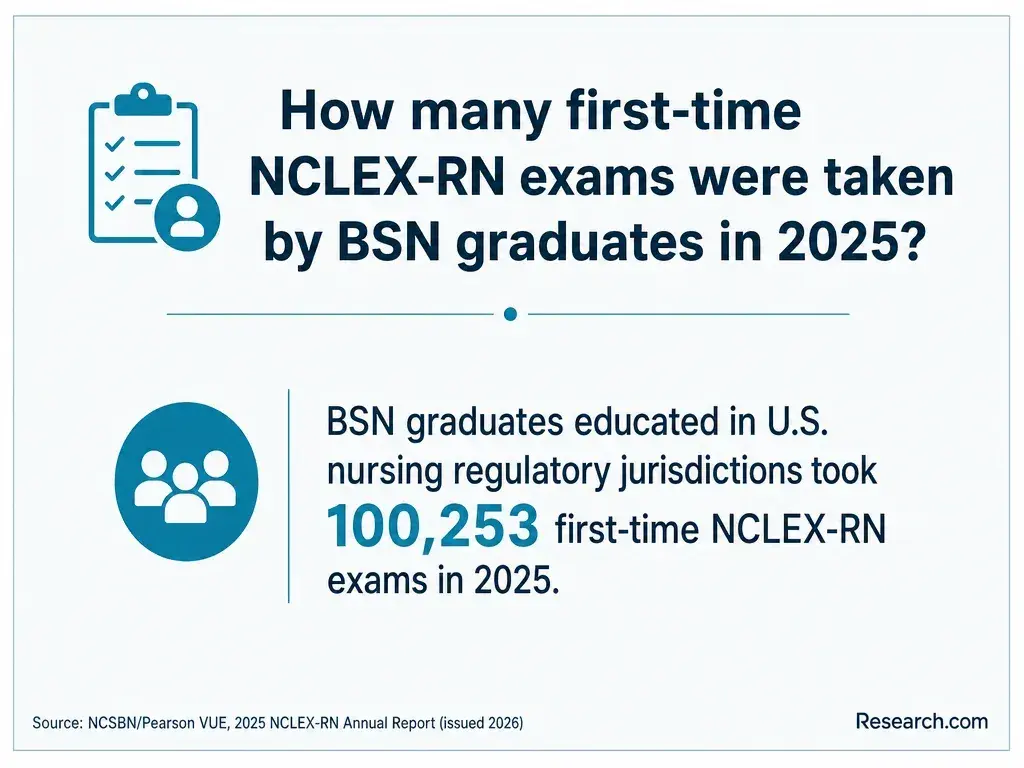
Prelicensure coursework commonly develops health assessment, anatomy and physiology, pharmacology, pathophysiology, patient safety, communication, and clinical judgment. Labs, simulation, and supervised clinical work help students apply that knowledge. Curricula and assessment methods vary by program.
Employer orientation builds on this foundation in a particular workplace. Knowing medication principles does not establish proficiency with a unit's dispensing system or high-risk workflows; practicing handoffs in school does not replace learning the employer's escalation chain. That is why an experienced nurse and a new graduate may need different orientation plans even when both have studied the same underlying concepts.
Further academic coursework is not automatically the answer to an onboarding gap. If the immediate need is safe practice on a new unit, request supervised specialty training. If the goal is a new advanced practice role, compare formal pathways, including shorter family NP training pathways, against their actual prerequisites and clinical requirements rather than assuming a short program replaces workplace orientation.
Admission requirements matter when the role you want requires education you do not yet have; they are not substitutes for an employer's hiring or orientation requirements. Prelicensure programs may assess prior coursework, science labs, grades, entrance assessments, and eligibility for clinical placement. Requirements, course-age limits, and application sequences differ by school.
Postlicensure and advanced practice programs may require an active RN license and specified prior education. Nurse practitioner tracks additionally evaluate whether the applicant meets the program's requirements for the intended role and population focus. A non-nursing bachelor's degree does not itself confer RN eligibility, while a postlicensure track generally does not provide initial RN preparation.
If the long-term aim is advanced practice rather than a different weekend staff-nurse position, check entry requirements before comparing price. A list of lower-cost options for future nurse practitioners is useful only after confirming the exact track, required license, clinical arrangements, and eligibility in your state.
There is no standard weekend-only orientation length. The number of supervised shifts should reflect the nurse's starting experience, unit complexity, opportunities to demonstrate required skills, and documented progress. Ask for the planned duration and the criteria for extending it. For household budgeting, count any weekday training, childcare, travel, or temporary reduction in weekend shifts as well as the wages you expect to receive.
A nursing degree is a separate, larger commitment. Program length and total cost depend on prior credits, enrollment pace, clinical scheduling, tuition and fees, travel, equipment, and potential lost earnings. Do not use a program's advertised shortest completion time to plan around a fixed work schedule without checking course availability and required on-site attendance.
For instance, shorter routes to a DNP degree may be relevant to an eligible nurse pursuing a graduate goal, but they do not resolve an immediate lack of supervised weekend onboarding. In most cases, getting a sound employer training plan is the more direct response to that problem.
A weekend-only position may be available in hospital, long-term care, home health, or other settings, but the work and support differ substantially. Compare patient needs, typical weekend staffing, access to an educator or experienced colleague, escalation coverage, physical demands, and how often you would work without your original preceptor. A schedule that fits your household is not a good trade if the unit cannot support safe progression into the role.
Pay also depends on more than the degree held. License, occupation, location, employer, specialty, experience, shift differentials, and hours worked affect an offer. U.S. Bureau of Labor Statistics occupation-wide RN wages and employment projections can provide market context, but they do not predict the pay or prospects of a particular weekend vacancy. Obtain the employer's written rate and differential terms rather than applying a national median to your offer.
If the goal is to leave bedside work rather than find a better-supported weekend unit, consider whether experience, targeted employer training, or additional education fits the target job. Post-master's DNP programs for non-bedside goals concern a different career decision; a DNP is not a prerequisite for most staff-nurse orientation.
How Can Students Choose an Accredited Nursing Program?
If you need a nursing program to enter or change roles, verify institutional accreditation, applicable nursing program accreditation, and state board approval or recognition separately. They serve different purposes. Ask the school whether the exact track and location qualify you for the intended examination or credential in your jurisdiction, and who arranges required clinical placements. Do not infer those answers from a school-wide accreditation statement.
For the more immediate weekend-job decision, apply the same verification habit to the employer: request the orientation calendar, compensation terms, named preceptor arrangement, competency criteria, and extension process in writing. If the employer cannot explain how required skills will be observed on its weekend shifts, ask for a workable alternative before committing.
An already-licensed RN considering continuing from an ADN into MSN study should evaluate that program independently of the employer's onboarding promise. Accreditation and educational outcomes cannot establish that a particular unit will provide adequate weekend supervision.
Other Things You Should Know About Nursing
Tell the educator or manager promptly and ask how the missed experience will be made up. Rescheduling a shift may not replace a particular class or observed competency, so confirm the revised plan before working independently.
Yes. Contact the employer's HR or accommodations process early to discuss your needs and the essential requirements of the role. Do not assume a scheduling request and a disability-related accommodation follow the same process.
Ask how to access your completed evaluations and keep copies the employer permits you to retain. Never take patient information, confidential forms, or restricted employer records for a personal portfolio.
Raise the gap with the manager or educator and request a revised supervised schedule. If required competencies cannot be observed safely on weekends, discuss temporary weekday shifts or a later start rather than treating unsupported shifts as completed orientation.
- Standards & Guidelines | azbn.gov https://azbn.gov/standards-guidelines
- Nursing Practice FAQ - Texas Board of Nursing - Texas.gov https://www.bon.texas.gov/faq_nursing_practice.asp.html
- Clinical nurse competence and its effect on patient safety culture | nih.gov https://pmc.ncbi.nlm.nih.gov/articles/PMC10196295/
- Handy Reference Guide to the Fair Labor Standards Act | dol.gov https://www.dol.gov/agencies/whd/compliance-assistance/handy-reference-guide-flsa
- Labor Law Guidance & Education | colorado.gov https://cdle.colorado.gov/dlss/labor-laws-rules-resources/labor-law-guidance-education
- G. Time Spent in Meetings and Training Programs | texas.gov https://efte.twc.texas.gov/g_meetings_training.html
- Roles of Preceptors, Students, and Faculty in PreL Clinical Education (Policy PREL-01) - School of Nursing https://www.boisestate.edu/nursing/student-resources/son-student-policy-manual/section-3-son-undergraduate-programs-policies/section-3-1-pre-licensure-track-policies/roles-of-preceptors-students-and-faculty-in-prel-clinical-education-policy-prel-01/
- Premium Pay - IU Policies - Indiana University https://policies.iu.edu/policies/hr-03-50-premium-pay/index.html
- Work Schedules - University of Nebraska Medical Center https://wiki.unmc.edu/index.php
- Nurse Orientation and Onboarding: A Make or Break! | AMSN https://amsn.org/Practice-Resources/Medical-Surgical-Monitor/Article/nurse-orientation-and-onboarding-a-make-or-break