2027 Theology Degree vs Bootcamp vs Certificate: Which Path Leads to Better Career Outcomes?

Co-Founder and Chief Data Scientist
Choosing among a theology degree, bootcamp, or certificate can be daunting for those seeking careers in religious education, counseling, or ministry-each pathway offers different benefits and challenges. For instance, data shows that graduates holding a theology degree earn on average 20% more over a decade than those with only certificates or bootcamp experience. Employers vary in credential preferences, with some favoring the depth of degree holders and others prioritizing practical skills certified through bootcamps.
This article unpacks salary outcomes, job placement rates, return on investment, and long-term growth to guide learners in selecting the best fit for their career goals.
Key Things to Know About Which Path Leads to Better Career Outcomes: Theology Degree, Bootcamp, or Certificate
- Theology degree holders see a 15% higher average salary over bootcamp graduates-reflecting employer preference for comprehensive academic credentials in traditional religious organizations.
- Bootcamp attendees benefit from faster job placement rates-often within 3 months-due to skills-focused training aligned with emerging religious nonprofit tech roles.
- Professional certificates offer strong ROI for adult learners seeking niche ministry skills-though long-term advancement typically requires combining certificates with degree credentials.
How Does Theology Degree Compare to Bootcamps and Certificates in Total Program Cost and Time to Completion?
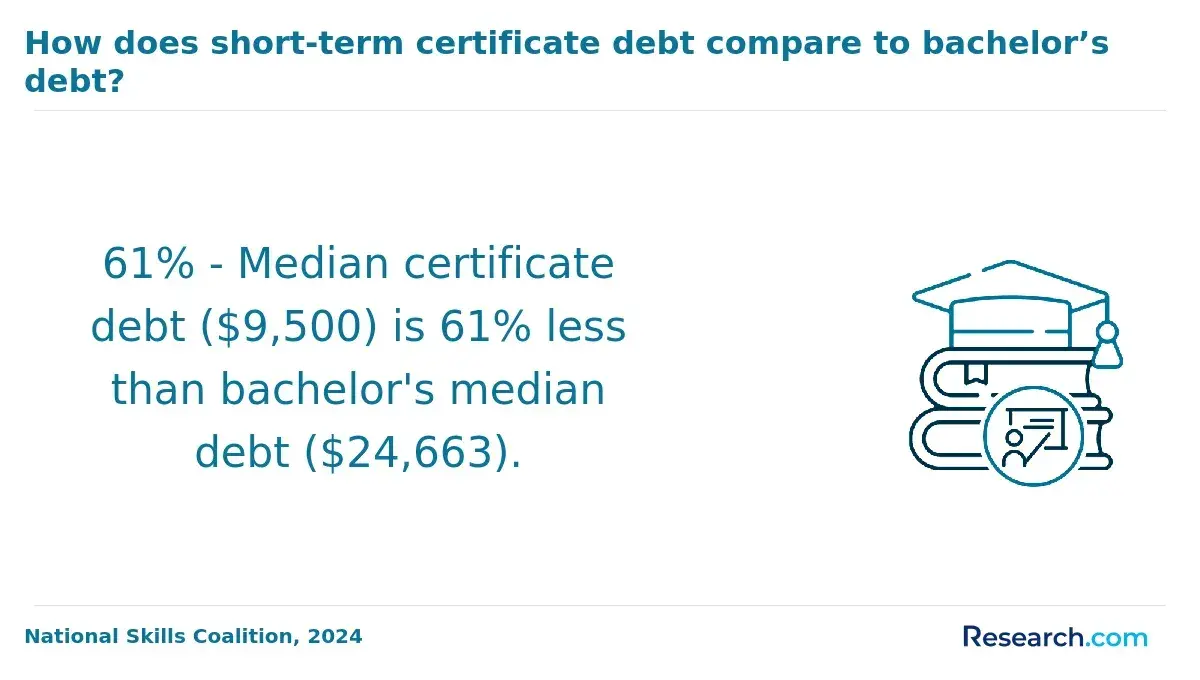
Prospective students face a real choice between committing to a multi-year theology degree or opting for faster, lower-cost alternatives like bootcamps and certificates-none of which is automatically the right answer for every learner. A traditional theology degree typically means enrolling in a bachelor's or associate's program at a college or university. These programs usually require two to four years of full-time study, with annual tuition averaging about $10,000 at public institutions, and total costs ranging from $20,000 to over $40,000 for degrees. Private schools can charge much more. Part-time study stretches the timeline but can ease upfront financial pressure.
Bootcamps are intensive, short-term training programs lasting roughly 8 to 26 weeks, focused on practical skills for quicker workforce entry. Median costs from aggregators like SwitchUp and Course Report range between $3,000 and $15,000-substantially less than degrees. These compressed programs usually run full-time, but some part-time options exist.
Professional certificates offer flexible, self-paced or instructor-led learning, available via platforms such as Coursera, Google, or industry bodies. Time to completion varies from weeks to a few months, with costs typically from $200 to $3,000. Certificates suit working professionals seeking targeted skills without the full commitment of a degree.
- Program Length: Degrees require 2-4 years full-time; bootcamps last 2-6 months; certificates vary from weeks to a few months.
- Total Cost: Degrees cost $20,000-$60,000+; bootcamps range $3,000-$15,000; certificates usually below $3,000.
- Format Flexibility: Degrees generally follow fixed-semester schedules; bootcamps may offer part- or full-time pacing; certificates excel in self-paced accessibility.
This overview on theology degree program cost and duration comparison sets the stage, but cost and time alone don't guarantee the best return. Factors like salary outcomes, employer credential preferences, job placement rates, return on investment, networking access, and long-term career growth also matter greatly. Readers interested in how these elements impact career trajectories might explore options like the ai online degree for analogous insights into affordable degree pathways in other fields. Time and total expenses for theology bootcamp versus certificate programs highlight clear trade-offs that recent high school graduates, adult learners, and working professionals should carefully weigh against their unique career goals.
What Career Outcomes Can Theology Degree Graduates Expect Compared to Bootcamp and Certificate Completers?
The Bureau of Labor Statistics (BLS) Occupational Employment and Wage Statistics alongside Course Report's annual bootcamp outcome data reveal important distinctions among pathways for theology degree career salary comparison. Theology degree holders usually achieve employment rates within six months between 70% and 80%-a reflection of the formal credential's strong recognition in religious organizations, academia, and nonprofit sectors. Bootcamp graduates report employment rates often exceeding 60% shortly after program completion, though their median starting salaries tend to be 10% to 20% lower than those with degrees. Certificate holders typically see more modest gains, influenced heavily by the issuing institution's reputation and the skillset's specificity.
- Employment Rate: Degree graduates maintain a higher immediate employment rate, but bootcamp completers rapidly close the gap where practical skills override formal credentials.
- Median Starting Salary: Theology degree holders command higher starting salaries reflecting broader educational backgrounds and access to leadership roles compared to more junior or technical positions secured by bootcamp and certificate graduates.
- Job Title Level: Degree recipients often enter mid-level professional roles, whereas bootcamp and certificate holders usually start in entry-level or support positions-though variability exists by region and employer.
- Data Reliability: Bootcamp outcome statistics are often self-reported, susceptible to survivorship bias and selective disclosure. Independent auditing or CIRR membership verification can offer more trustworthy comparisons.
- Employer Preferences: Despite a shift toward skills-based hiring, many employers in theology-related fields still prioritize degrees, especially for roles demanding theological expertise or leadership.
- Additional Factors: Career outcomes depend on more than credentials alone-quality of portfolio, networking, geographic location, and industry focus all play significant roles and influence the trajectory beyond the initial credential.
This comparison helps readers frame better questions about their education and career planning in theology rather than relying solely on headline numbers. Those exploring options may also consider pursuing an online bachelor degree as a flexible, cost-efficient pathway. Understanding the nuances in theology bootcamp versus certificate job placement rates offers a clearer picture of how different educational routes align with long-term career goals.
Which Theology Pathway - Degree, Bootcamp, or Certificate - Offers the Highest Starting Salary for Graduates?
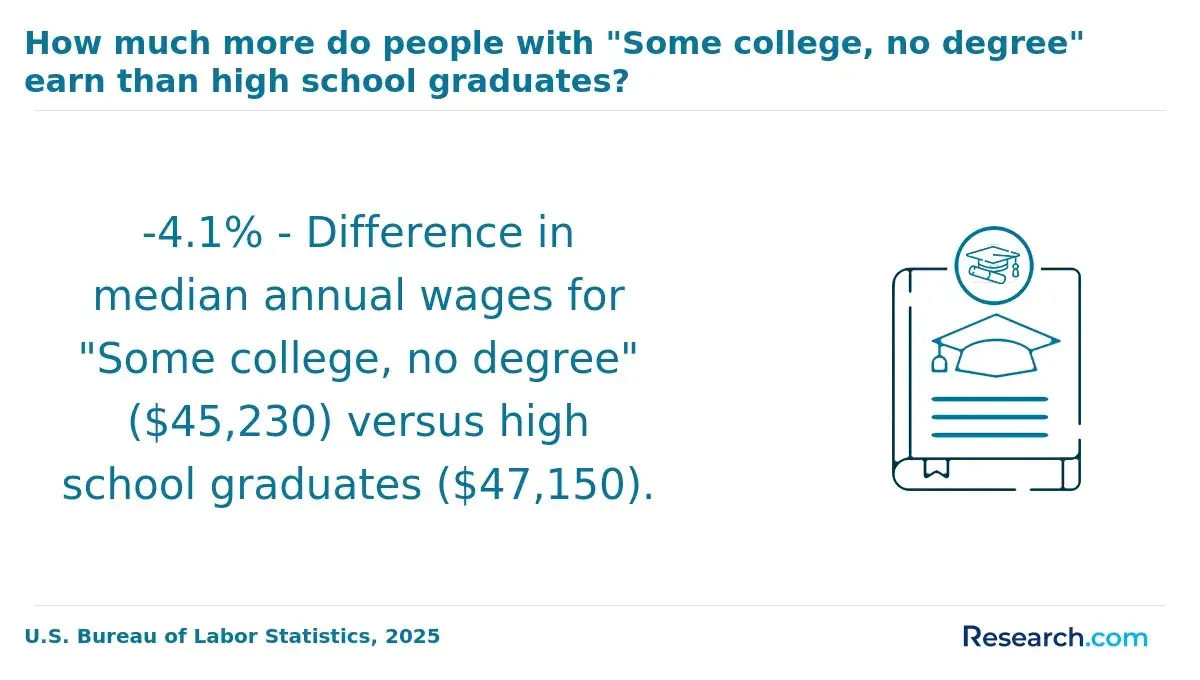
Entry-level salaries for theology roles vary significantly depending on the educational pathway. Data from the Bureau of Labor Statistics (BLS), LinkedIn Salary Insights, Glassdoor, and the National Association of Colleges and Employers (NACE) show that bachelor's degree holders typically command starting salaries between $40,000 and $50,000 annually. Those entering the field with bootcamp or certificate credentials generally report lower starting wages, ranging from $30,000 to $38,000. This gap reflects employer preferences for formal degrees, especially within established religious organizations, nonprofits, and academic settings that prioritize credentials for pastoral or chaplaincy positions.
- Degree Preference: Employers often view degrees as essential for leadership and specialized roles, leading to stronger initial offers and faster salary growth.
- Bootcamp and Certificate Entry: These pathways facilitate quicker skill acquisition but typically lead to lower starting pay, as they're considered supplementary rather than full qualifications.
- Employer Type Influence: Larger, traditional institutions usually provide higher salaries and stricter credential requirements, whereas startups and smaller nonprofits might offer lower pay but faster experiential opportunities.
- Industry and Location Factors: Geographic markets with higher living costs and sectors like education or counseling tend to offer better compensation; specialized roles within theology can command premium salaries.
- Salary Growth Over Time: Although some bootcamp or certificate holders reach parity initially, degree holders more often advance quickly into management and specialized ministry positions, accelerating their earnings well beyond entry level.
- Variability in Outcomes: Median salaries mask wide individual differences influenced by work experience, geographic mobility, program prestige, and networking, all of which affect earning potential.
A theology professional who completed a degree shared that while the academic path was rigorous and required balancing coursework with internship experiences, the formal credential opened doors in well-established organizations. "Navigating the process wasn't easy-there were moments of doubt, especially when competing with applicants holding diverse credentials-but the degree ultimately provided a solid foundation and credibility," he reflected. His early salary aligned with the upper-range benchmarks, reinforcing the degree's value within competitive job markets.
Employers in the theology sector predominantly prefer formal degrees-such as bachelor's or master's credentials-especially across large institutions, including denominational organizations, seminaries, academic settings, and government agencies. These credentials act as essential gateways, serving as a baseline or even mandatory screening tool for hiring and promotions. This trend is confirmed by employer ranking of theology credentials in surveys from SHRM and LinkedIn Talent Insights, which show that degrees remain central in regulated and institutional environments.
- Institutional Preference: Established and larger theology employers prioritize formal degrees because they offer broad instruction in doctrine, ethics, and history-areas often insufficiently covered by bootcamps or certificates.
- Emerging Flexibility: Smaller nonprofits, faith-driven startups, and consulting roles are more open to candidates with bootcamp or certificate qualifications, especially when skills like digital ministry, counseling, or interfaith communication align with job demands.
- Skills-Based Hiring: Although tech firms and government agencies promote portfolio-based evaluations, their impact on theology employment remains limited, with outcomes favoring degree holders more consistently.
- Sector-Specific Outcomes:
- Academic and ecclesiastical sectors maintain strong degree dominance.
- Younger ministries and nonprofits sometimes compete certificate completers effectively when relevant skills are demonstrated.
- Long-Term Growth: Degrees still offer better networking opportunities and clearer paths to leadership, whereas bootcamps and certificates facilitate quicker entry but often less steady upward mobility.
For those exploring theology credentials, understanding these nuances can guide choices based on intended career sectors. Additionally, some learners may find value in supplementing their formal education with targeted programs-such as an online degree in psychology-to broaden interdisciplinary appeal and skills.
Admission to accredited theology degree programs usually requires more stringent qualifications compared to bootcamps and certificate courses, reflecting their academic rigor and institutional standards. Key requirements often include:
- GPA Minimums: Typically a 2.5 to 3.0 GPA on a 4.0 scale from high school or undergraduate studies, demonstrating steady academic performance.
- Prerequisite Coursework: Completion of foundational subjects such as religious studies, philosophy, or English to prepare for advanced theological study.
- Standardized Tests: Some undergraduate programs ask for SAT or ACT scores, while graduate programs may request GRE results, though this is decreasing in frequency.
- Letters of Recommendation: Usually two to three academic or professional endorsements that provide insight into the applicant's character and potential.
- Application Timelines: Strict deadlines aligned with academic calendars require early and careful planning.
Bootcamps and certificate programs present much lower entry barriers, often featuring open enrollment and no formal prerequisites. This makes them more accessible for learners needing rapid skill acquisition without traditional academic constraints:
- GPA and Test Scores: Generally not required, lowering access hurdles.
- Prerequisites: Basic literacy or interest is encouraged rather than formal coursework.
- Letters of Recommendation and Essays: Usually omitted to streamline enrollment.
- Enrollment Flexibility: Rolling admissions and multiple start dates provide adaptable options.
This selectivity gap both limits and signals quality. Competitive entry acts as a filter trusted by employers for degree programs, whereas bootcamps and certificates rely on demonstrable outcomes like curriculum quality and accreditation to build credibility.
Lower barriers in non-degree paths particularly benefit career changers, full-time workers, and those balancing family or geographic constraints-groups often restricted from traditional degrees due to cost or time commitments.
One professional who established her career after completing a theology bootcamp recalled feeling relieved at the lack of rigid entry requirements, which allowed her to enroll without the stress of past academic setbacks. She found the focused curriculum practical and appreciated the hands-on support from instructors, which helped her transition smoothly into a new vocation. Though she acknowledged the bootcamp lacked the prestige of a degree, the accessible format and career-relevant skills ultimately proved a better fit for her personal and professional goals.
The curriculum offered through theology degree programs typically integrates broad general education-covering arts, humanities, and social sciences-alongside specialized major courses in biblical studies, church history, ethics, and ancient languages like Greek or Hebrew. Electives enable students to focus on areas such as pastoral care, counseling, or interfaith relations. Many degrees require a research thesis or capstone project, fostering critical thinking, scholarly discipline, and a thorough theoretical foundation. This wide-ranging academic exposure equips graduates with versatile skills-analytical reasoning, research proficiency, and ethical judgment-that support varied career paths but often extend the time needed before entering the workforce.
Bootcamps in theology adopt an accelerated, hands-on curriculum centered on practical abilities relevant to ministry roles, community engagement, or digital ministry technologies. These programs emphasize real-world application through project-based learning typically completed in weeks or months. While capstone projects or practical assessments demonstrate job-ready skills, bootcamps usually lack the deep theoretical and historical study characteristic of degree tracks. This focused training rapidly prepares learners for employment but tends to limit broader academic understanding and the development of transferable knowledge.
Certificate programs vary considerably-entry-level options, often available through platforms like Coursera or specialized religious studies institutions, introduce core concepts suitable for beginners or those seeking to augment their credentials. More advanced certificates issued by ecclesiastical organizations or theological societies cater to professionals aiming to deepen expertise or fulfill continuing education requirements. Certificates generally offer less breadth than degrees and less immersive practice than bootcamps, balancing foundational theory with targeted skills depending on the program's focus. Their value in the labor market depends heavily on prior experience, employer expectations, and the specific niche role pursued.
Calculating the return on investment (ROI) for theology degree programs, bootcamps, and certificate courses requires careful consideration of total costs-including tuition, fees, materials, and critically, opportunity cost. Opportunity cost represents the income forfeited while studying instead of working. For example, a traditional four-year theology degree entails several years without salary earnings, which substantially affects the true ROI compared to shorter pathways.
Consider three learner profiles:
- Recent High School Graduate: With no prior income to sacrifice, opportunity cost is minimal. Although degree programs typically range from $40,000 to $80,000 in upfront costs, the potential salary premium in ministry or academia can produce a positive ROI after ten years. Certificates and bootcamps, often costing under $10,000, offer quicker returns but with limited long-term salary growth.
- Mid-Career Professional Leaving a $50,000/Year Job: For this learner, opportunity cost dominates. Forgoing salary for four years to pursue a degree is a high cost. Shorter bootcamp or certificate options-lasting months to a year-enable a faster return to income. These paths often generate better five-year ROI, while degrees may yield higher pay over ten years if the individual remains in specialized roles.
- Part-Time Learner Maintaining Employment: Studying part-time minimizes opportunity cost. Degrees, bootcamps, and certificates can fit flexible schedules, but degrees typically carry more weight with employers due to deeper credentialing. ROI depends on whether the credential advances salary without losing current income.
While ROI provides a useful financial metric, it does not capture all value dimensions. Degrees often open doors to advanced academic and leadership roles, whereas certificates and bootcamps focus on rapid skill acquisition. Your decision should align with your career goals, preferred learning style, and employer expectations.
Job placement rates in theology pathways differ widely due to contrasting data sources and definitions of "placement." Degree programs often report outcomes through authoritative channels like IPEDS graduate outcome surveys or institutional career services reports, which are rigorously audited. Theology bootcamps typically rely on self-reported statistics that may lack external verification, although some programs participate in CIRR reporting for more reliable data. Certificate programs' data quality varies, depending on how systematically outcomes are tracked.
- Data Sources: Degree programs use independently audited surveys, boosting credibility. Bootcamps mostly self-report, with some incorporating CIRR standards. Certificate programs fall in between, influenced by issuer practices.
- Definition of Placement: The meaning of job placement varies. Some bootcamps count any employment in broadly related fields as success, inflating rates. Degrees usually track employment strictly linked to the major, offering a more precise measure. Certificate programs' placement depends on program focus and employer recognition.
- Career Services Impact: Strong career services-including employer partnerships, resume coaching, mock interviews, and alumni networks-significantly enhance placement across all pathways. Evaluating the depth of these supports is essential when assessing programs, especially in theology-related sectors.
- Evaluating Placement Claims: Prospective students should ask for placement breakdowns by job role, salary, and time-to-employment rather than relying on aggregate numbers. This scrutiny helps compare programs fairly and identify meaningful employment outcomes.
Exploring certificate programs versus theology degree employment outcomes reveals that while certificates may offer quicker entry and focused skills, degrees often provide broader career growth and stronger employer recognition. Those considering supplementing a theology education with short-term training might also explore related fields, such as an organizational development degree, for expanded job prospects.
Theology Degree Programs: Theology degree programs generally provide extensive networking benefits in theology degree programs, featuring robust infrastructures like active alumni associations, regular career fairs, faculty members with professional ties in religious and nonprofit sectors, and opportunities through Greek or professional organizations. The prestige and geographic footprint of the institutions heavily impact alumni access comparison theology bootcamps certificates-graduates from renowned universities or seminaries located in major cities benefit from wider, more influential employer networks that support senior career progression.
Bootcamps: Theology-related bootcamps tend to have smaller, more tightly knit cohorts. Their alumni networks are younger and less expansive than those of degree programs, but some established bootcamps have cultivated strong referral cultures and maintain partnerships with employers focused on technology-adjacent Theology specializations. These programs emphasize peer support, quick mentorship, and use technology platforms to sustain connections. While bootcamp networks are valuable, especially in niche areas, their overall reach and influence remain limited compared to traditional degree programs.
Certificate Programs: Certificate programs backed by recognized credential providers create professional communities that are often more transactional yet provide meaningful access to hiring managers, mentors, and peer groups. These networks include online forums and exclusive events that enhance targeted networking aligned with specific career goals. The sustainability of these professional communities varies based on the provider's dedication to ongoing learner engagement beyond certification completion. For example, programs comparable to Google Career Certificates or industry association certifications play pivotal roles in supporting long-term career growth.
Professional network development is one of the most durable and compounding assets a learner can acquire, frequently surpassing the direct value of formal instruction. Learners interested in evaluating diverse education pathways might also explore options such as the best MSW programs online for additional context on how alumni and professional networking influence career trajectories across fields.
Geographic factors significantly shape the career prospects for Theology graduates-degree holders, bootcamp completers, and certificate recipients alike. In large metropolitan hubs such as New York, San Francisco, and Chicago, bootcamp programs tend to thrive due to strong employer networks and local recognition, resulting in higher job placement for those who remain in these cities. Relocating elsewhere, however, often reduces the value of such credentials because employers outside these centers may not recognize bootcamp qualifications as readily.
Mid-sized regional markets typically favor traditional Theology degrees, reflecting employer preferences grounded in familiarity and perceived academic rigor. Here, the sparser employer networks mean bootcamps and certificates face challenges in gaining traction, which can limit salary growth and job openings. Smaller or rural labor markets amplify these trends: employer density is low and alternative credentials are less known, leading Theology degree holders to dominate job opportunities due to their extensive alumni networks and broader recognition.
The surge in remote work has started to level the playing field by allowing Theology graduates from all paths to apply for positions offering metropolitan-level salaries, no matter their location. This development broadens access but simultaneously intensifies competition nationally, making it harder for any specific credential to stand out.
- Credential Recognition: Bootcamp benefits are strongest within their home markets where local employers are familiar; outside these areas, advantages decline.
- Employer Density: High-density urban environments support bootcamps and certificates, whereas less populated markets largely reward traditional degree credentials.
- Remote Work: Expands opportunities across geographies but increases candidate competition for Theology roles.
Data shows remote job listings in theological fields rose by over 30% from 2021 to 2023, highlighting this shift. Considering employer concentration, credential awareness, and remote job availability within one's chosen region is crucial when selecting the most effective Theology educational pathway.
Employer hiring practices for Theology candidates vary significantly based on organizational size and sector. Large corporations and government bodies tend to rely heavily on formal Theology degrees as decisive screening tools-viewing them as evidence of foundational expertise and commitment aligned with stringent hiring protocols and regulatory compliance.
- Enterprise and Government: These employers often maintain traditional degree requirements, especially for entry-level roles, reflecting a cautious adaptation despite recent shifts toward flexibility.
- Startups and Skills-First Employers: Smaller firms and nonprofits prioritize demonstrated abilities over formal credentials. Proven project experience, portfolios, and successful technical assessments carry substantial weight, enabling bootcamp graduates and certificate holders to compete effectively.
- Post-2020 Shifts: Since the pandemic began, many leading employers publicly removed mandatory degree requirements. While this has increased hiring of non-degree candidates, degrees still predominate in official job listings at the enterprise level, indicating gradual rather than radical change.
- Actual Credential Patterns: Research reveals a gap between stated policies and actual hiring outcomes. Candidates without Theology degrees frequently offset this with strong recommendations, relevant work history, or portfolios-especially in mission-driven or flexible organizations.
- Applicant Strategies: Beyond relying on published criteria, prospective Theology professionals should seek informational interviews with hiring managers in their target organizations. Analyzing LinkedIn profiles of employees recently hired into desired roles also provides tangible insight into which credentials truly facilitate employment.
What Graduates Say About Which Path Leads to Better Career Outcomes: Theology Degree, Bootcamp, or Certificate
- Noah: "Choosing the Theology degree was a gamechanger for me-while the initial salary wasn't the highest compared to bootcamps, the long-term career growth and networking opportunities were unbeatable. Employers consistently value the depth of understanding and credentials that come with a full degree, leading to higher job placement rates in established institutions. For those willing to invest time upfront and seek sustained career development, this pathway delivers immense return on investment."
- Cameron: "From my experience, completing a theology bootcamp provided the fastest route into the job market with competitive salaries and practical skills employers actively seek. Unlike the degree, the bootcamp is ideal for professionals aiming to pivot quickly without the time commitment of formal study. However, while it lacks the extensive networking of a degree program, its return on investment is impressive for learners focused on immediate employment outcomes."
- Walker: "I opted for a theology certificate to align with my existing career, and the results were surprisingly positive-employers appreciated the credential as evidence of specialized knowledge without requiring a full degree. The certificate path is perfect for those who need flexibility and targeted learning, though its job placement rates are modest compared to bootcamps and degrees. Ultimately, it offers a solid balance of credential recognition and affordability that fits many learner profiles."
Other Things You Should Know About Theology Degrees
For seminary or graduate admission, the school should hold institutional accreditation from a U.S. Department of Education-recognized agency, such as SACSCOC, HLC, MSCHE, WASC, or NECHE. If the program is denominational, also check whether the seminary requires a regionally accredited bachelor’s degree and a minimum GPA, often 2.5 to 3.0.
Recent high school graduates often benefit from pursuing a theology degree, as it offers a thorough foundation and structured learning environment. Career changers may find bootcamps or certificates more practical-these options allow faster skill acquisition and flexible schedules suited to adults managing established responsibilities. However, career changers aiming for roles requiring extensive theological knowledge usually still benefit from degree programs.
During economic downturns, theology degree holders generally have an advantage because their qualifications are more widely recognized and valued across a variety of institutions. Bootcamps and certificates can offer faster re-skilling but often face limitations as employers may prioritize candidates with degrees when competition is high. Certificates and bootcamps excel in niche or emerging theological fields but may not provide as much job security overall.
In 2027, theology degrees offer comprehensive academic knowledge essential for roles in academia or ministry. Bootcamps focus on practical, hands-on skills tailored to immediate job entry, whereas certificates provide specialized expertise in niche areas. Each path equips students differently, enhancing varying aspects of practical readiness for theology careers.
- Bachelor's Degrees With the Highest and Lowest ROI https://www.investopedia.com/bachelors-degrees-offering-the-highest-and-lowest-return-on-investment-revealed-1776346223445-11951201
- Nine Ways to Make Your Ministry Resume Stand Out - Lifeway Research https://research.lifeway.com/2016/12/13/nine-ways-make-ministry-resume-stand/
- Which College Degrees Deliver the Best Return on Investment? - ClearanceJobs https://news.clearancejobs.com/2025/10/14/which-college-degrees-deliver-the-best-return-on-investment/
- Is a theology degree worth the money? — Gospel Simplicity https://www.gospelsimplicity.com/blog/is-a-theology-degree-worth-it
- 5 Essential Components to a Ministry Resume — David Reneau https://www.davidreneau.org/blog/5-essential-components-to-a-ministry-resume
- Alumni Networking: Why Your Degree Connections Matter More Than Your GPA | Joinee Articles https://www.joinee.io/articles/alumni-networking
- Bootcamp Certification vs. Degree: The Importance of Accreditation in Education https://www.qahe.org/article/bootcamp-certification-vs-degree-the-importance-of-accreditation-in-education/
- Bootcamp vs College: Which Offers Better ROI in 2025? https://www.skillspire.net/post/bootcamp-vs-college-which-path-offers-better-roi-in-2025
- Theological training equips students for real life https://resourceleadership.com/theological-training-equips-students-for-real-life-2/
- 14 Essential Tips for Writing a Winning Resume for Church Jobs and Ministry Positions https://churchjobsonline.com/articles/14-essential-tips-for-writing-a-winning-resume-for-church-jobs-and-ministry-positions/83