2027 Worst States for Theology Degree Graduates: Lower Pay, Weaker Demand, and Career Barriers

Co-Founder and Chief Data Scientist
Imagine a recent theology graduate relocating to a state with limited religious institutions and nonprofit organizations. Despite holding specialized knowledge for roles such as chaplaincy or faith-based counseling, this graduate faces stagnant salaries and scarce job openings. National data reveals that some states offer up to 25% lower median wages for theology-related careers compared to top-paying regions.
These disparities often stem from local economic factors and industry concentration, directly influencing career growth and stability. This article explores which states create the toughest environments for theology degree holders and offers insights to help graduates navigate these location-based challenges effectively.
Key Things to Know About the Worst States for Theology Degree Graduates
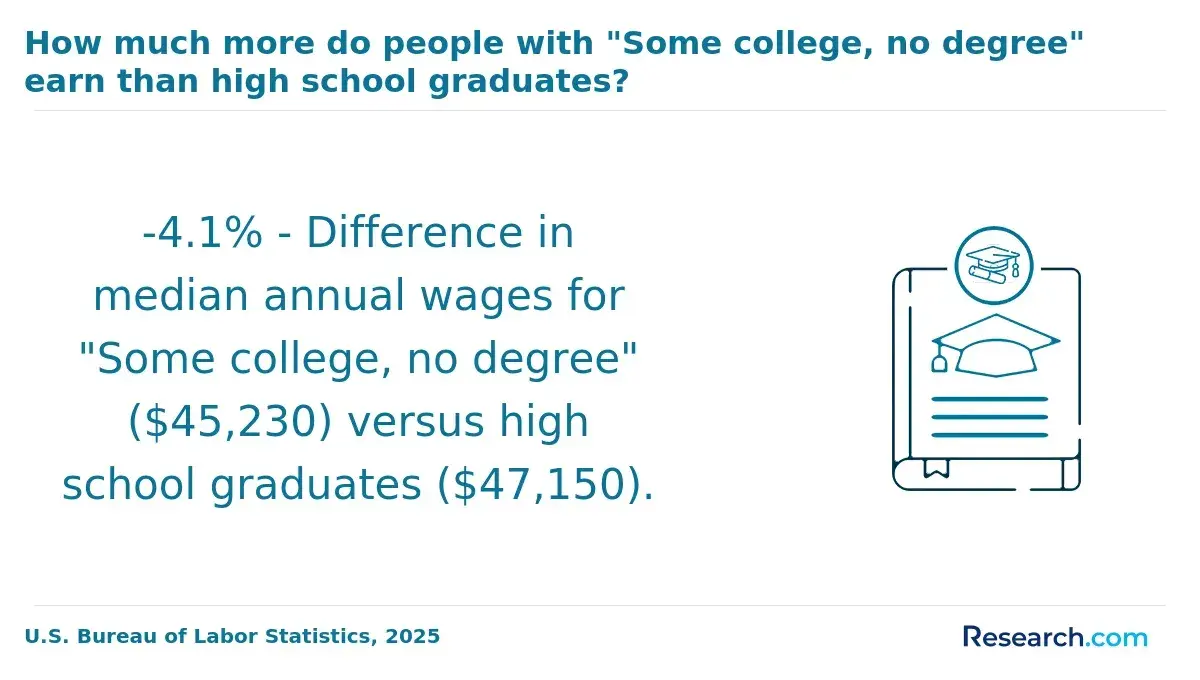
- States with the lowest salaries for theology graduates can see annual earnings below $35,000, significantly less than the national average near $47,000.
- Weaker job demand in rural and economically depressed areas limits entry-level positions, reducing employment opportunities for theology degree holders.
- Geographic isolation in some states restricts access to major religious institutions, hampering career advancement and networking essential for long-term growth.
Which States Are the Worst for Theology Degree Graduates?
Certain states in the U.S. present notably less favorable conditions for theology degree graduates, primarily due to lower pay, limited job demand, and fewer career advancement opportunities.
Regional disparities significantly influence the viability of pursuing careers in theology-related fields, with states like Mississippi and West Virginia reporting median salaries nearly 20% below the national average for clergy members. These factors contribute to some states having weaker job demand for theology graduates overall.
The following states particularly illustrate challenges faced by theology graduates in terms of compensation and employment prospects:
- Mississippi: Lower compensation levels and a limited number of large religious organizations restrict career options for theology graduates, resulting in fewer full-time ministry roles.
- West Virginia: Economic challenges contribute to fewer available clergy positions and stagnant salaries, creating a less supportive environment for those pursuing theology careers.
- Alaska: Geographic isolation combined with a small population size reduces overall demand for theology roles and limits important networking opportunities within religious and educational institutions.
- Arkansas: While culturally rich in religious traditions, Arkansas offers scarce institutional positions, leading to narrower career paths and fewer advancement options for theology degree holders.
- Montana: Sparse populations and limited urban centers correlate with diminished employment prospects in ministry or theological education, making it difficult for graduates to find stable positions.
Given these limitations in salary and job growth, it is essential for prospective students to weigh regional economic differences carefully. Those interested in pursuing further education might consider some of the cheapest online doctoral programs in education that offer more flexible career pathways beyond these restricted markets.
Why Do Some States Offer Lower Salaries for Theology Graduates?
Salary disparities for theology degree graduates across states primarily arise from broad economic and structural factors that shape regional labor markets. One key influencer is the regional industry composition, which affects demand for theology-related roles.
States with fewer religious institutions, non-profits, or educational organizations employing theology graduates tend to offer lower salaries due to limited competition for qualified workers. Employer concentration also matters; regions dominated by a small number of employers often experience stagnant wages, lacking the competitive pressure needed to raise pay.
According to U.S. Bureau of Labor Statistics data, wage variation for theology-related occupations can differ by as much as 30-40% between the highest- and lowest-paying states, demonstrating significant regional income disparities that do not necessarily reflect worker ability or qualifications. This explains why some of the worst states for theology degree salaries tend to have fewer employment opportunities and lower pay levels.
These economic factors further influence compensation through institutional funding variations, the supply of available theology graduates, and differing state tax structures affecting employer budgets. Broader economic scale plays a role as well; larger state economies with higher GDP generally support better compensation across many fields including theology, while smaller economies face fiscal constraints limiting salary growth.
Overall, it is these broader economic conditions-not just individual performance-that determine salary outcomes for theology graduates. For those exploring educational options or job prospects, understanding how theology graduate job demand by state aligns with economic realities can be beneficial. Additionally, prospective students might consider 2 year bachelor degree programs to enter the field more quickly in states with stronger job markets.
Which States Have the Weakest Job Demand for Theology Careers?
Job opportunities for theology graduates differ widely among states due to variations in economic conditions, cultural influences, and the density of religious and educational organizations. According to data from the U.S. Bureau of Labor Statistics, employment differences for clergy and religious workers can vary by as much as 30% between states with high and low demand. These disparities highlight the uneven nature of career prospects across the country.
The following states have notably weaker job markets for theology graduates:
- Wyoming: With a small population and limited faith-based institutions, Wyoming offers fewer employment openings for theology professionals. The scarcity of religious nonprofits and seminaries further restricts job growth.
- Montana: A sparse employer landscape and fewer metropolitan hubs reduce the need for theological roles. Religious organizations here tend to be smaller and less centralized.
- North Dakota: Limited nonprofit and educational sectors, combined with a low density of churches and worship centers, translate to scarce career opportunities in theology.
- Alaska: Geographic isolation and a dispersed population lead to less frequent demand for clergy and religious workers. The state's unique cultural environment also shapes the limited job market.
- Vermont: Smaller communities and a minimal presence of large religious organizations contribute to a constrained labor market for theology graduates.
One theology degree graduate shared that finding a relevant position in a low-demand state felt "like casting a very small net into a vast ocean." He described navigating a lengthy application process where openings were rare and competition intense. The limited local network meant relying heavily on remote connections and occasional opportunities through smaller faith communities. "Patience and persistence became as important as the degree itself," he reflected, emphasizing how location deeply influenced his career path and options.
Entry-level opportunities for theology graduates differ widely among U.S. states, shaped by variations in employer density, industry clusters, and economic conditions. Some regions experience up to 40% fewer early-career openings in humanities and religious studies compared to the national average, highlighting the impact of location on job availability. Such geographic disparities also influence theology degree salary growth by industry, affecting new graduates' prospects.
Below are states known for having limited entry-level positions for theology graduates:
- Wyoming: A sparse population combined with few religious institutions limits the number of entry points for recent graduates pursuing theology-related careers.
- Montana: Dominated by agriculture and mining sectors, the state offers minimal presence of faith-based nonprofits and educational entities relevant to theology employment.
- North Dakota: Smaller cities and a lack of major religious organizations contribute to fewer opportunities for those starting out in theology fields.
- West Virginia: Economic hurdles and a limited number of large seminaries and religious organizations reduce entry-level hiring in theology professions.
- Alaska: Geographic isolation and a narrow employer landscape constrain the demand for theology graduates and slow the fastest growing salaries for theology graduates.
Many students interested in theology also explore diverse career paths, including those connected to finance and business, making it beneficial to consider options like accounting programs as alternative or complementary routes.
The opportunities and challenges for theology graduates can vary widely by state, influenced by local economic structures and institutional presence. A 2023 study on regional employment inequality found salary differences in theology-related fields may reach up to 20% depending on geographic location. These variations underscore the uneven landscape graduates must navigate when pursuing careers.
Key barriers theology graduates face in some states include:
- Limited Industry Presence: Areas with fewer religious or nonprofit institutions provide minimal positions aligned with theology skills, reducing employment options and increasing competition.
- Reduced Employer Diversity: When economies rely mainly on ministry or academia, graduates encounter narrow career paths, often restricted to lower-paying or less secure roles.
- Wage Disparities: Variations in average salaries across states impact long-term financial planning and influence decisions about relocation or career changes.
- Fewer Advancement Pathways: Smaller communities or organizations may lack leadership roles and limited continuing education, hindering professional growth regardless of experience.
Reflecting on the question, a professional with a Theology degree shared her experience navigating such obstacles. She described feeling "frustrated by the scarcity of roles beyond traditional ministry" in her region, noting that "most opportunities required relocating or accepting part-time positions." Despite these challenges, she emphasized how persistence led her to a supervisory role after years of limited advancement, highlighting the importance of adaptability and commitment in these environments. "It's a journey that demands patience but also resilience," she concluded, illustrating the nuanced reality many theology graduates face beyond just statistical data.
The availability of theology-related jobs and salary levels varies greatly based on the presence of religious institutions, educational centers, and nonprofit organizations within a state. States such as Texas and California, which have a robust network of seminaries and diverse nonprofit sectors, typically offer more employment options and better pay for theology graduates.
Conversely, states with economies focused on industries like manufacturing or mining, including West Virginia and Wyoming, tend to have fewer opportunities and lower compensation for those with theology backgrounds. Industry presence not only impacts job quantity but also the stability and sustainability of these roles.
Broader economic conditions, including the diversity of industries and concentration of employers, further influence job prospects for theology graduates. Regions with well-rounded economies that include thriving education and social service sectors provide a more consistent demand for theology professionals. In contrast, states dominated by limited industries may experience unstable job markets affecting both availability and security.
According to U.S. Bureau of Labor Statistics data, employment concentration for clergy and religious workers can fluctuate by more than 30% above or below the national average depending on the state, reflecting how economic structures shape career opportunities in theology.
Cost of living significantly influences salary levels for theology graduates across states, as employers adjust compensation to match local expenses. Data from the U.S. Bureau of Economic Analysis reveals that cost-of-living differences can exceed 50% between some states, prompting wages to shift accordingly. Such regional variations ensure that pay aligns more closely with the financial realities of housing, transportation, and everyday costs.
The following points outline common patterns in how cost of living impacts theology salaries:
- Salary Adjustments: In areas with higher living costs, employers generally offer increased salaries for theology graduates to help maintain their purchasing power despite expensive housing and services.
- Lower-Cost Regions: States with modest living expenses tend to provide smaller salaries, reflecting reduced demand on employers and less pressure for high compensation.
- Housing and Transportation: Differences in these major expense categories strongly influence overall theology salary structures, often driving localized wage variations within larger regions.
- Regional Wage Standards: Economic conditions in metropolitan versus rural areas can create distinct compensation trends, leading to varying salary expectations even within the same state.
- Purchasing Power: Although nominal salaries may be lower in regions with cheaper living, theology graduates there can experience comparable or superior real income levels compared to peers in pricier locations.
Remote work has become a valuable option for theology graduates seeking to overcome geographic limitations, especially those residing in areas with fewer local opportunities. By enabling access to remote theology jobs in states with weak demand, graduates can apply for positions beyond their immediate surroundings, expanding their potential employment pool.
A 2023 survey by the Pew Research Center found that about 37% of employed adults with bachelor's degrees or higher work remotely at least part-time, illustrating a growing willingness to embrace location-flexible roles. This shift can help theology graduates find meaningful work even outside traditional religious or academic hubs.
Despite its benefits, remote work does not completely eliminate disparities caused by state-level differences in job availability and industry concentration. States with strong religious communities and educational institutions naturally offer more frequent openings for theology graduates in both local and virtual settings.
Remote work serves as a supplemental pathway but cannot fully replace the need for community engagement in certain roles. For prospective students interested in career flexibility, exploring options such as high paying certificate jobs may also complement a theology degree and broaden employment potential.
A weak job market for theology graduates often means fewer available positions, slower hiring processes, and lower wages compared to other fields. In some regions, unemployment rates for recent humanities and social science graduates approach or exceed 10%, highlighting significant challenges in securing entry-level roles. These difficult conditions frequently result from shrinking institutional budgets, demographic shifts, and changing societal interests that reduce demand for theology-related careers.
Addressing how to overcome job market challenges for theology graduates in specific states or regions requires deliberate strategies that enhance adaptability and professional growth. Consider these approaches:
- Skill Enhancement: Expand your employability by acquiring complementary skills like counseling, nonprofit management, or digital communication. These abilities broaden career options beyond traditional theological roles.
- Networking Expansion: Build connections through local religious organizations, academic groups, and community initiatives. Such networks can reveal hidden or informal job opportunities, especially in tight markets.
- Continued Education: Pursue additional certifications or continuing education in specialized ministry roles or related fields. This not only increases professional credibility but also improves marketability.
- Career Flexibility: Stay open to alternative pathways such as chaplaincy, social services, or educational roles that value theological insight. Flexibility helps navigate limited traditional opportunities.
- Practical Experience: Leverage volunteer work or internships to gain real-world exposure and demonstrate commitment. This practical experience can offset the challenges posed by a sluggish job market.
Many students also explore options at non profit online colleges to develop versatile skills and credentials suited to evolving job markets for theology graduates.
Location plays a vital role in shaping career prospects, salaries, and the availability of jobs for theology graduates. Some regions support stronger employment conditions, with variations exceeding 20% in opportunity levels across educational and religious service sectors. This disparity highlights how local factors influence the demand for theology-related roles.
When selecting an area to build a theology career, keep the following key aspects in mind:
- Industry Concentration: Regions with a rich presence of churches, seminaries, and faith-centered organizations tend to offer a wider range of positions and increased networking possibilities.
- Salary Conditions: Pay scales for theology professionals differ significantly between areas, affecting overall job satisfaction and financial stability over time.
- Opportunity Availability: The number of openings for clergy, educators, counselors, and nonprofit leaders determines how easily one can enter and progress within the field.
- Career Development: Consider whether the location provides access to advanced training, leadership roles, and ongoing professional growth aligned with theological work.
What Graduates Say About the Worst States for Theology Degree Graduates
- Mordechai: "After graduating with my theology degree, I quickly realized that staying in a state with limited demand was a tough challenge. The local job market offered few opportunities, and I had to weigh the difficulties of settling down where the roles were scarce. Ultimately, moving to another state expanded my career options tremendously and allowed me to put my education to meaningful use."
- Casen: "I found the decision to relocate for better job prospects to be both practical and necessary. Working remotely became a valuable option that opened doors I hadn't considered before earning my theology degree. This flexibility made me appreciate how a degree in theology can provide a strong foundation, even if the path isn't always straightforward in certain regions."
- Walker: "My journey with a theology degree has been quite professional and enlightening. The biggest insight I have is the importance of understanding the geographic dynamics of demand-particularly how some states simply don't have the infrastructure to support graduates in this field. Knowing this, I intentionally targeted areas with more robust opportunities, which made a significant impact on my career trajectory."
Other Things You Should Know About Theology Degrees
Public school jobs usually require a state teaching license and often a bachelor’s degree with an approved teacher-preparation program. Most states also require Praxis exams and a supervised student-teaching placement. Theology degrees alone do not meet licensure rules for teaching religion in K–12 public schools.
The size and diversity of faith communities significantly influence demand for theology graduates. Smaller or less diverse religious populations often correspond with fewer employment opportunities. In states where faith communities are declining or consolidating, theology graduates may find fewer positions and diminished career growth potential.
Regional cultural attitudes and levels of religiosity impact how theology degrees are valued in the job market. In states where secularism is more prevalent, there may be reduced support for theology-related roles. This can result in fewer job openings and constrained advancement options for graduates in those areas.
- RFBF https://religiousfreedomandbusiness.org/1-2-trillion-religious-economy-in-us
- The Christian Post: Best and Worst States for Religious Liberty - 2025 Religious Liberty in the States https://religiouslibertyinthestates.com/the-christian-post-best-and-worst-states-for-religious-liberty/
- Data & Studies – AAR https://aarweb.org/resource/data-studies/
- Challenges for Christian Colleges - National Association of Evangelicals https://www.nae.org/hoogstrapodcast/
- Opportunities and Challenges for Theological Education (HTML) https://thirdmill.org/magazine/article.asp/link/ric_pratt%5Eric_pratt.ATA.html/at/Opportunities%20and%20Challenges%20for%20Theological%20Education
- How Should Christians Think Through Career Choices? https://www.acc.edu.au/blog/how-should-christian-think-through-career-choice/
- Fully Funded Master's Programs in Religion and Theology | ProFellow https://www.profellow.com/fellowships/fully-funded-ma-mth-and-mdiv-programs-in-religion-and-theology/
- Exploring Theology Graduate Careers: A Deep Dive at Mount Carmel Seminary https://mcscollege.com/resources/uncovering-the-potential-of-theology-graduate-careers
- Salaries, Debt and A Whole Lot of Questions - Reformed Journal https://reformedjournal.com/2014/04/14/salaries-debt-and-a-whole-lot-of-questions/
- Tackling Unemployment - Christianity Today https://www.christianitytoday.com/2025/10/tackling-unemployment-td-jakes-wells-fargo/