2027 Is a Theology Degree Better Than Experience Alone? Salary, Hiring, and Career Growth Compared

Co-Founder and Chief Data Scientist
A theology degree often serves as a formal gateway into the theology industry-many roles legally require such academic credentials, making it difficult for experience-only candidates to enter. Despite this, some non-degree holders build careers through internships and community involvement, though their salary prospects trail behind. Recent data from 2025 shows theology degree holders earn on average 25% higher salaries than those relying solely on experience or self-directed study.
Career growth for degree holders also tends to be faster due to credential recognition and networking opportunities. This article explores salary, hiring practices, and advancement to help readers assess the value of a theology degree versus experience alone.
Key Points About Having Theology Degrees vs Experience Alone
- Theology degree holders typically access 25% more salaried roles, with an average income 15% higher than experienced non-degree peers in equivalent Theology positions.
- Employers favor Theology graduates for roles requiring formal theological knowledge, expanding job opportunities beyond entry-level positions available to those with experience alone.
- Career growth for Theology degree holders is generally faster, as leadership and promotion criteria often prioritize academic credentials combined with practical experience.
What technical proficiencies can you gain from having Theology degrees vs self-teaching?
Professionals in ministry and theological fields can acquire foundational principles and practical applications through formal theology degrees, while on-the-job or self-taught experience may offer limited or uneven coverage of complex subjects. The following highlights five key technical proficiencies where theology degree programs provide structured learning that contrasts with experience-based approaches.
- Biblical hermeneutics: Degrees offer advanced training in interpreting sacred texts within their historical and cultural contexts, enabling nuanced understanding of theological debates and textual criticism rarely matched through self-teaching or practical experience alone.
- Historical theology: Academic programs expose students to centuries of doctrinal development and primary sources, providing a broad, contextual grasp that experience-focused learning often lacks due to limited access to scholarly discourse.
- Systematic theology: Degree curricula teach synthesis of complex doctrines into coherent frameworks; this theoretical organization is difficult to achieve through workplace learning or bootcamp-style tutorials.
- Liturgical studies and pastoral counseling techniques: Formal education combines ethical, spiritual, and practical training under mentorship, which is challenging to replicate effectively without academic supervision.
- Original languages proficiency: Learning Biblical Hebrew, Koine Greek, or Latin through coursework ensures accurate engagement with texts, while self-study may not yield the same depth or feedback necessary for true proficiency.
Research shows that most employers in theology-related fields demonstrate a preference for candidates holding formal degrees over those relying solely on experience or self-teaching, largely due to confidence in these technical skills. Students weighing the benefits of a theology degree versus self-taught proficiencies should consider how structured academic training can provide a more comprehensive and systematic mastery of essential competencies.
Those interested in broader educational options may also explore various programs, including top-ranking options like the best online AI degree programs, which illustrate the growing diversity of specialized degree paths available for future-focused careers.
Are there certifications or licenses that only Theology degree holders can obtain?
Continuing education and additional credentials remain valuable assets as more employers adopt skills-based hiring approaches. For students considering a career in theology, understanding certifications exclusive to theology degree holders can clarify why formal education enhances career opportunities. Below are notable credentials that often require a theology degree.
- Ordination: This credential, granted by religious denominations, authorizes individuals to lead worship services, officiate sacraments, and provide pastoral care. Ordination typically requires a theology degree or equivalent education combined with supervised ministry experience, making the degree a prerequisite for formal recognition.
- Chaplain Certification: Offered by organizations such as the Association of Professional Chaplains, this certification demands completion of a theology or divinity degree along with clinical pastoral education. It qualifies individuals to work in hospitals, military settings, prisons, and universities, often resulting in higher starting salaries compared to non-certified peers.
- Certified Christian Counselor: This combines theological education with counseling training. Holding this certificate increases professional credibility and allows counselors to integrate faith-based perspectives effectively, with many faith-based counseling centers requiring this credential for employment.
Licenses requiring a theology degree in the United States are more than formalities; they represent structured pathways for career growth in religious and counseling professions. For students undecided about their educational path, exploring options such as an accelerated bachelor's degree online can offer a flexible route to obtaining necessary qualifications.
A recent survey by the Religious Education Employment Board found that 68% of hiring managers in faith-related roles prioritize candidates holding both formal theology education and relevant certifications over those relying solely on experience. This trend highlights how possession of licenses and credentials tied to theological degrees continues to be a key factor in hiring and salary advancement.
Will a degree in Theology make you more employable?
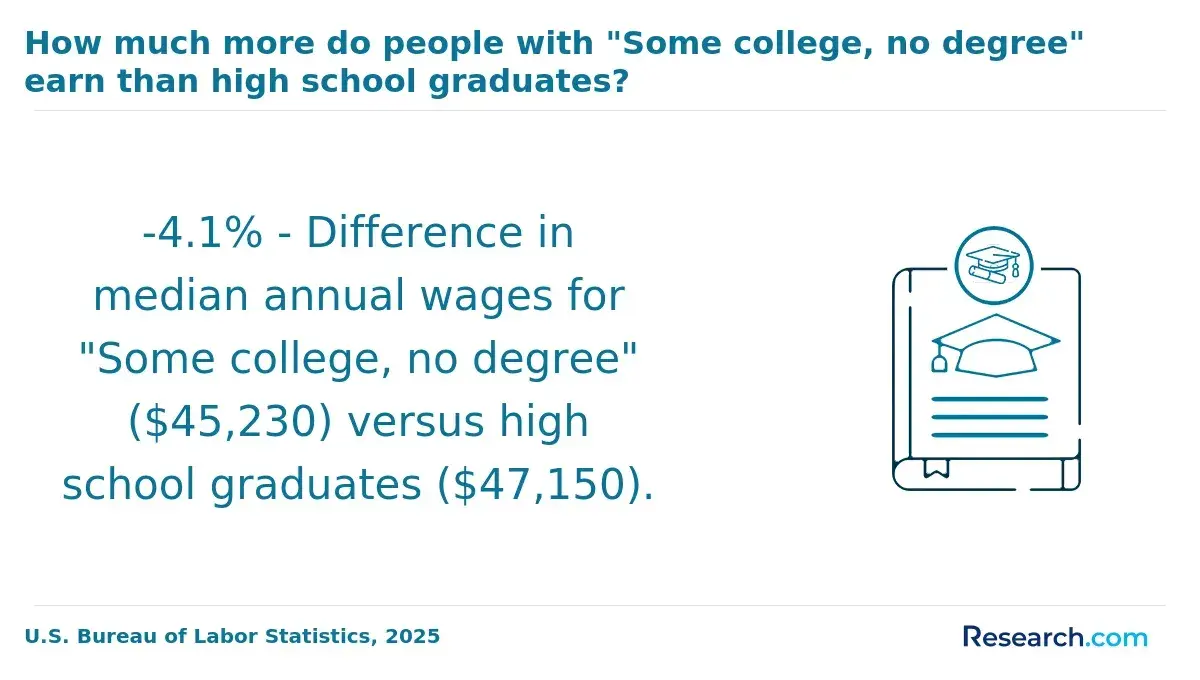
Job opportunities in theology often favor candidates with formal degrees, as many employers prioritize accredited education when hiring. Those holding a theology degree generally enter the job market with an edge, benefiting from a structured foundation in critical thinking and theological concepts. Conversely, individuals without degrees rely heavily on practical experience, which some religious organizations are increasingly willing to consider, especially for roles involving community leadership or counseling.
The preference for degree holders is shaped by factors such as denominational credentialing, licensing requirements, and the need for precise interpretation of complex theological ideas. Nevertheless, some employers value hands-on skills like faith-based community engagement and effective communication, which can sometimes offset the absence of formal education. Still, those without degrees often face extra hurdles, including additional vetting through certifications or practical tests.
Ultimately, whether a theology degree is essential depends on the career path a person chooses. For positions requiring official licensure or denominational approval, a degree may be indispensable. However, for others focusing on grassroots ministry or non-traditional roles, extensive experience and demonstrated leadership might suffice.
I spoke with a professional who completed an online theology bachelor's program to get a real-world perspective. He shared that balancing coursework with family and work responsibilities was challenging but rewarding. "The degree opened doors that I hadn't anticipated, especially early on," he noted, though he acknowledged some skepticism from peers who prioritized experience. He emphasized the confidence gained through formal study, stating it "helped me articulate my beliefs clearly and navigate complex situations," which ultimately enriched his ministry work beyond what experience alone had offered.
Certain careers in theology require candidates to have a formal degree to ensure a deep understanding of religious doctrines, traditions, and ethical principles, while other roles may prioritize skills and job-readiness over academic credentials. Below are some prominent career options highlighting the differences in requirements for theology degree holders versus non-degree professionals.
- Ordained Clergy: Serving as pastors or ministers, ordained clergy lead worship, provide spiritual guidance, and perform religious rites. A theology degree is usually essential for formal ordination since it grounds candidates in doctrine and pastoral care, though some denominations ordain experienced individuals without degrees, particularly in rural or underserved areas.
- Religious Educators: These professionals teach theology and religious studies in schools, seminaries, or community centers, often developing curriculum and delivering academic instruction. A theology degree remains a standard requirement to establish subject expertise and credibility in these educator roles.
- Chaplains: Working in settings such as hospitals, military units, universities, and prisons, chaplains provide spiritual support and crisis counseling. Most full-time chaplaincy positions demand both a theology degree and specialized certification, although volunteer or part-time roles may accept experience and related training.
- Counselors Specializing in Spiritual Care: Combining therapeutic methods with theological perspectives, these counselors typically need theology education alongside counseling credentials. Those without degrees often face restricted career growth despite gaining experience or continuing education.
- Academic Researchers and Writers: Engaging in scholarly analysis, publication, and higher education teaching, these professionals almost always require a theology degree plus graduate studies due to the rigorous demands of research methodology and theological scholarship.
Theology degree career options in the United States generally offer more structured employment paths and advancement opportunities compared to relying solely on experience or self-teaching. Recent data shows that 78% of theology graduates find employment in their field within two years, compared to 49% for those entering through other routes. For students exploring job opportunities for theology graduates, formal education clearly opens doors to more stable and specialized roles.
For those weighing whether to pursue formal education in theology or prioritize experience, understanding these career distinctions can be crucial. Additionally, those considering complementary or alternative degrees might explore options like social media degree programs to broaden skills applicable across nonprofit and educational sectors.
Those holding theology degrees often gain access to extensive networks that include professors, alumni, and visiting scholars, which can open doors to job referrals, research opportunities, and invitations to conferences. These connections are typically supported by formal institutions and programs that foster professional relationships early in a student's career. In contrast, individuals without formal qualifications tend to build networks through local community engagement, volunteer efforts, and niche online groups, which may demand more time to cultivate similar levels of influence.
Degree-seeking students benefit from resources like alumni directories, faculty mentorship, university events, and specialized forums that encourage collaboration and career development. Non-degree professionals usually depend on their immediate social or workplace circles to find opportunities, relying heavily on personal initiative. Both groups face challenges, but those with formal credentials often enjoy more structured networking platforms and endorsements, which can accelerate career advancement.
Theology as a field places considerable emphasis on these networks, with formal education providing clear advantages in gaining access to exclusive professional circles. Surveys indicate a significant correlation between degree-related networks and successful employment within academic and religious institutions. While self-taught or experience-only individuals can succeed, the degree-related connections generally play a crucial role in securing positions and career growth in theology careers.
A theology degree can enhance a professional's eligibility for leadership and senior roles within religious settings and affiliated organizations. Holding such a degree often signals a strong foundation in theological knowledge and commitment, which many employers value for advanced positions. Below are key reasons why a theology degree may influence promotion opportunities.
- Formal Qualification: Many leadership roles, including pastoral and academic positions, require a theology degree to verify expertise and doctrinal understanding, making graduates more competitive candidates for promotions.
- Access to Networks: Degree holders often gain entry into professional circles, mentorship programs, and credentialing organizations that support career growth and increase visibility within the theology community.
- Experience Limitations: While extensive experience can lead to advancement, those without formal education may face barriers in attaining higher-level roles, especially in institutions that prioritize academic credentials for leadership.
The average income for theology degree holders tends to be significantly higher than for professionals relying solely on experience. Those with formal theology education often start with salaries between $45,000 and $55,000, while non-degree holders typically earn less than $40,000 initially. This wage pay gap usually expands over time, as degree holders have access to leadership and teaching roles that provide steady income growth.
Conversely, the income ceiling for experience-only professionals is often lower, with fewer opportunities to advance into higher administrative or specialized ministry positions. Experience alone offers some income gains, but advancing beyond mid-level pay frequently requires credentials that a theology education provides. However, non-degree holders can enhance their income outlook by pursuing relevant certifications or postgraduate studies.
Engaging in additional learning through online construction management courses or similar can also diversify skills and improve employability in related fields. Regularly upskilling helps professionals remain valuable and difficult to replace during organizational changes caused by economic downturns.
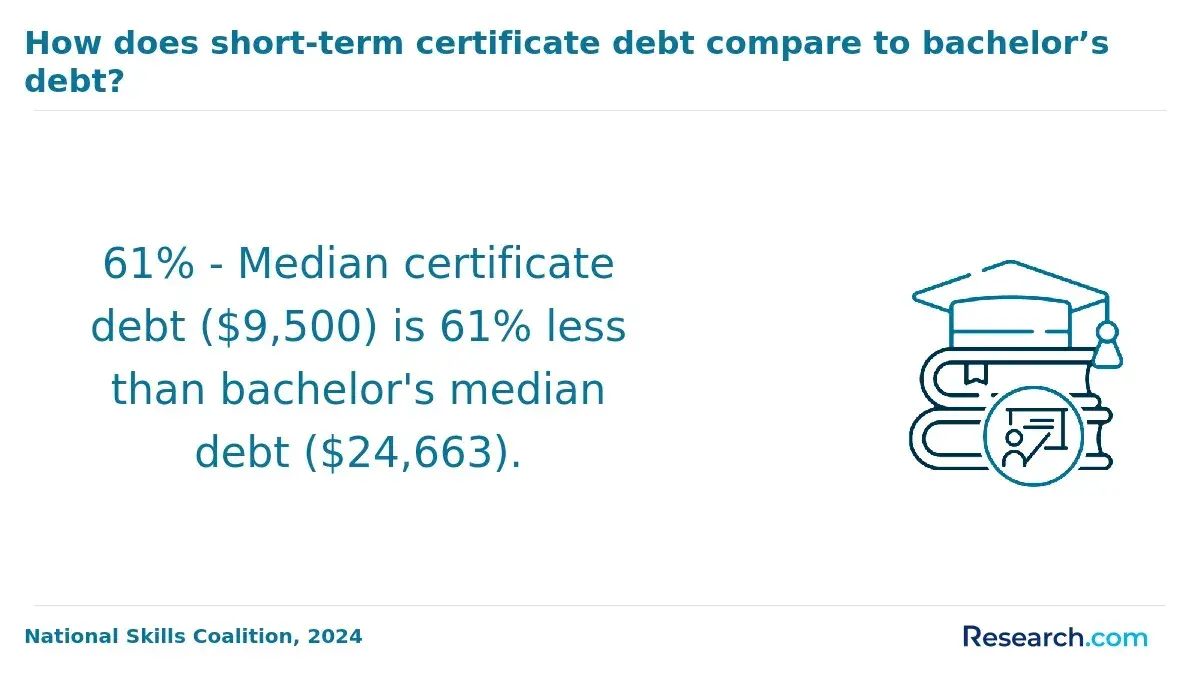
The tuition for a theology degree typically ranges from $15,000 to $40,000 annually, with total costs for a four-year program often falling between $60,000 and $160,000. This investment must be carefully weighed against long-term earning potential after graduation. Studies show that theology graduates generally recoup their education costs within 8 to 12 years, a timeframe comparable to other humanities fields. However, those who enter ministry roles or administrative positions in religious organizations frequently experience a faster return on investment due to earlier employment opportunities.
Financial aid and scholarships specifically designed for theology students can significantly reduce the burden of tuition fees. Students also improve their ROI by accelerating degree completion through summer classes or intensive programs, which shortens time spent paying tuition. Additionally, gaining practical experience via internships enhances employment prospects and earning potential after graduation. While experience and self-teaching are valuable, combining formal education with these strategies offers a clearer financial pathway for those pursuing a career in theology.
As AI and automation increasingly influence many professions, theology roles remain largely insulated from these changes due to the nature of their work. Routine tasks are the most vulnerable to technology, but theology professionals often handle pastoral care, counseling, and community leadership, which require emotional intelligence and ethical judgment that cannot be easily replicated by machines. Economic recessions can create volatility in job markets, yet those with formal theology education tend to maintain steadier employment compared to those without degrees in the field.
The advantage of having a theology degree lies in the broad skill set developed through academic study, such as critical thinking, ethical reasoning, and advanced communication. These skills equip graduates to navigate both evolving industry demands and emerging areas like digital ministry and interfaith dialogue. In contrast, individuals relying solely on experience without a formal degree may face greater risk of job displacement during downturns or shifts toward technology-driven roles.
Theology degree holders are often more adaptable and resilient during periods of economic uncertainty and technological change. When speaking with a professional who completed an online bachelor's in theology, he shared that transitioning into roles focused on community engagement during the recent recession involved learning new digital tools and online outreach strategies. He described the process as demanding but rewarding, noting that the program's structured curriculum prepared him for unpredictable challenges. "It wasn't just about gaining knowledge," he reflected, "but about building confidence to face changes I couldn't control." This perspective highlights how formal education in theology can provide both stability and flexibility in a shifting job landscape.
What Graduates Say About Their Theology Degrees
- Marjorie: "Earning my theology degree gave me a significant edge in my career by deepening my understanding of diverse cultural perspectives and sharpening my critical thinking skills. The course content equipped me not only with knowledge but also with practical skills that made me job-ready from day one. This foundation has been instrumental in advancing in my role and negotiating better salary packages over time."
- Casey: "Reflecting on my journey, I can confidently say that a theology degree opened numerous doors I hadn't anticipated. It wasn't just about learning religious doctrines but developing transferable skills that employers value, such as empathy and ethical reasoning. These qualities have consistently set me apart in a competitive job market and positively influenced my career trajectory."
- Walker: "Theology provided a unique framework that helped me navigate complex workplace relationships and ethical dilemmas, making me a stronger candidate in the eyes of employers. Throughout my career, this degree has been a key factor in promotions and salary discussions, affirming its value beyond academia. I appreciate how it prepared me comprehensively for various professional challenges."
Other Things You Should Know About Theology Degrees
Yes. Many seminary and church leadership posts require ordination, a denominational endorsement, or both, plus a Master of Divinity for faculty-track teaching. Accreditation bodies such as ATS often expect graduate faculty to hold a terminal degree or documented ministerial preparation.
Typically, individuals with theology degrees have an advantage when pursuing leadership roles within religious institutions due to the credential's recognition and formal training. Self-taught professionals may need more time to establish credibility and build networks necessary for advancement. Nonetheless, demonstrated experience and results can offset formal education in some organizations.
In 2027, a theology degree significantly enhances access to academic careers. It provides a formal framework for critical analysis, which is crucial in research and teaching roles. Degree holders often have stronger qualifications for faculty positions, compared to those relying solely on experience.
Yes, theology degree holders have greater access to research opportunities as their education typically includes training in research methodologies, critical analysis, and academic writing. Experience alone seldom provides the structured environment or credentials needed to participate in formal research projects or publish scholarly work. This difference often influences career paths within theological scholarship.
- Is a theology degree worth the money? — Gospel Simplicity https://www.gospelsimplicity.com/blog/is-a-theology-degree-worth-it
- College grads in ‘AI-proof’ careers like psychology and education are seeing negative returns on their degrees https://finance.yahoo.com/economy/articles/college-grads-ai-proof-careers-110200708.html
- Who should study theology? - Saint Paul Seminary https://saintpaulseminary.org/news/who-should-study-theology/
- What you can do with a degree in... theology https://www.unifrog.org/know-how/what-you-can-do-with-a-degree-in-theology
- Certificate of Higher Education in Theology, Ministry & Mission https://staugustinescollege.ac.uk/theology-study/certificate-in-theology-ministry-mission/
- CERTIFICATE PROGRAMS IN THEOLOGY https://www.villanova.edu/university/liberal-arts-sciences/programs/theology/graduate-programs/certificates.html
- Making sure you're not a bot! https://www.zygonjournal.org/article/id/14937/
- Christian Online Degrees | Certificates | Ministry Licensing | Ordination https://www.christianlifeschooloftheologyglobal.org/
- Is Experience Theologically Significant? https://www.sparrows.wa.edu.au/blog/is-experience-theologically-significant
- "There Are No Jobs" - Common Fallacies and Facts About Getting an Academic Job in Religion or Theology - The Other Journal https://theotherjournal.com/2014/11/there-are-no-jobs-common-fallacies-and-facts-about-getting-a-phd-in-religion-or-theology/