2027 Staff Nursing Scheduling: Availability, Cancellations, and Minimum Work Commitments
Audited and Verified:
Our Editorial and Data Verification Process
Research.com uses government datasets, official education statistics and primary institutional information to support its career and degree guides. Our review process checks factual accuracy, occupational definitions, source dates and the requirements associated with the credentials discussed.
How This Article Was Fact-Checked
Our editorial team verifies salary estimates, employment projections, education requirements and program information against original data providers and official organizations. Salary figures are checked against the relevant occupational definitions and reporting periods. Information about licensure, accreditation and required in-person training is reviewed separately.
Fact-checked and verified on:

Co-Founder and Chief Data Scientist
A nursing job's advertised hours do not tell you when you must be available, whether a scheduled shift can be canceled, or how much work you are guaranteed. Those details affect income, childcare, rest, and the feasibility of nursing school. This guide is for nurses and nursing job applicants comparing staff positions, including full-time, part-time, and PRN roles. It explains the terms to look for in a written policy and the questions to ask before committing to a schedule.
Key Things You Should Know
- Availability, scheduled hours, and guaranteed paid hours are different: a 36-hour schedule does not necessarily guarantee 36 hours of pay if shifts can be canceled.
- Three 12-hour shifts equal 36 scheduled hours before any unpaid breaks; weekend, holiday, on-call, and minimum-shift rules depend on the employer's policy and the position offered.
- Compare written cancellation rules and actual worked hours - not just the posted shift pattern - especially if you need predictable income or protected time for classes and clinical placements.
What Does Staff Nursing Scheduling Typically Involve?
Staff nurses are employees assigned to a unit, service, or staffing pool. A position may use eight-, 10-, or 12-hour shifts, fixed days, rotating shifts, or a self-scheduling system. Self-scheduling usually means submitting preferences; the manager still has to meet staffing needs, and preferences may not become approved shifts.
A schedule also has less visible requirements: rotating weekends or holidays, floating to another unit, being placed on call, and responding to requests for extra shifts. Ask whether a published schedule is final, how far ahead it is posted, and when changes can still be made. For someone entering nursing, an RN staff position requires RN licensure; nursing education pathways without prior licensure are a separate decision from choosing an employer's schedule.
How Much Availability Must Staff Nurses Provide?
There is no single nationwide availability requirement for staff nurses. A job may require a set pattern, open availability across designated days, rotating weekends, or a stated number of shifts in each scheduling period. Availability means the times you agree you could work; it is not the same as being scheduled, working, or being paid for those hours.
Get the permitted limits in writing: Can you rule out a recurring class day? Must you be available for both day and night shifts? How many weekend and holiday shifts are required? How are schedule requests ranked when several nurses want the same days off? A nurse considering an intensive option such as exploring 12-month FNP study pathways should check required classes and supervised clinical times before promising an employer open availability. An active RN license and program admission do not make those commitments interchangeable.
Can Hospitals Cancel Scheduled Nursing Shifts?
Yes. Hospitals may cancel shifts when staffing needs fall, but the consequences depend on state and local law, a union agreement if applicable, the employment agreement, and employer policy. Some policies cancel volunteers first; others use a rotation, float staff, offer on-call status, or permit use of accrued paid time off. Do not assume that appearing on a schedule guarantees pay for a shift you never work.
The key distinction is canceled before reporting versus sent home after reporting. Reporting-time pay or other protections may apply in some jurisdictions or agreements. Ask how much notice you receive, whether you must remain reachable, whether canceled hours count toward benefits eligibility, and whether a canceled shift must be made up. Restrictions on what you can do while on call can also affect whether that time is compensable under applicable wage rules. If canceled shifts would fund short-format online PMHNP study, budget against reliably worked hours rather than the best-case schedule.
A minimum work commitment is the number of shifts or hours an employee must work or remain available for during a defined period. It is especially important in part-time and PRN jobs: a PRN posting might set monthly shifts, weekend coverage, holiday availability, or a minimum to keep the position active. Those requirements are employer-specific, and a minimum commitment is not necessarily a guarantee that the employer will offer that much work.
Read the measurement period and exceptions closely. Find out whether orientation shifts, canceled shifts, approved leave, or a month with no available shifts count toward the minimum, and what happens if you fall short. Nurses planning further study should compare those rules with the actual term schedule - not just an advertised program length, including when looking at MSN-PMHNP program length comparisons.
These labels describe employment arrangements, not universal shift counts. The examples below show what to compare; an employer's written definition controls benefits, required availability, and scheduling priority.
| Arrangement | Common scheduling pattern | Main trade-off to verify |
| Full-time | A recurring schedule, sometimes three 12-hour shifts totaling 36 scheduled hours | Benefits and steadier scheduling versus more required weekends, holidays, or rotations |
| Part-time | Fewer regular shifts, such as two 12-hour shifts totaling 24 scheduled hours | More nonwork days versus potentially different benefit eligibility |
| PRN or per diem | Shifts offered or selected according to staffing needs, often subject to a minimum commitment | Potential choice of shifts versus less predictable hours and benefits |
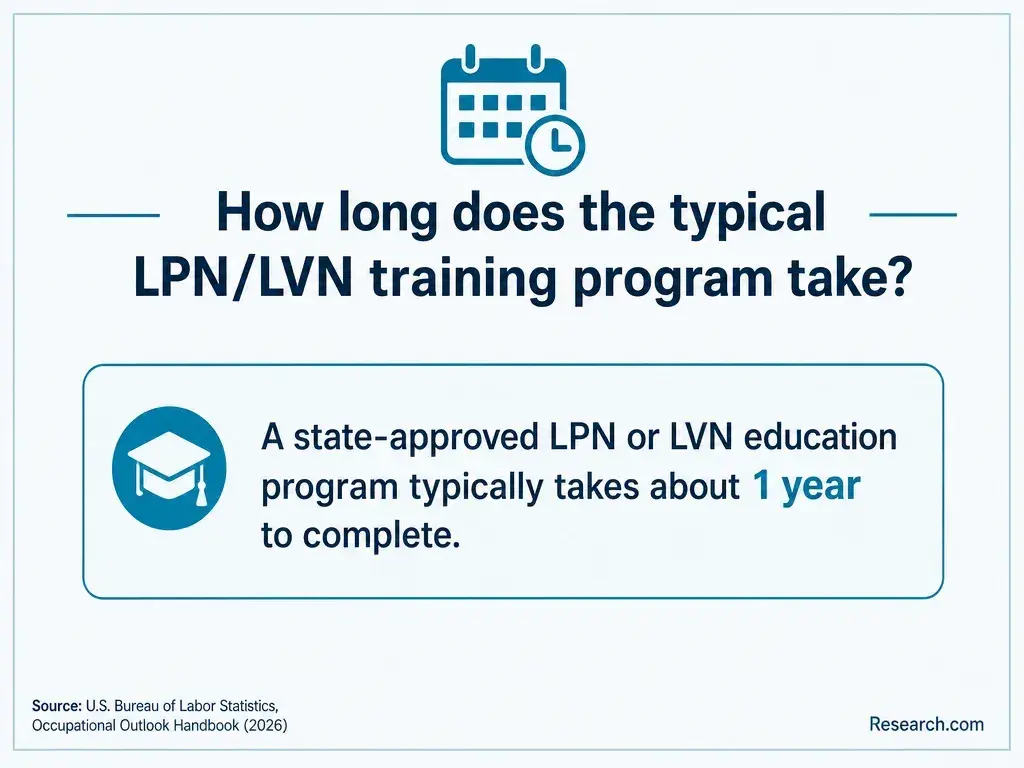
A recurring 12-hour shift also occupies time for commuting, handoff, and recovery. Compare the actual job title and license requirement: exploring faster routes into practical nursing education concerns LPN/LVN preparation, not qualification for an RN staff vacancy. LPN/LVN and RN scheduling options may differ even within the same employer.
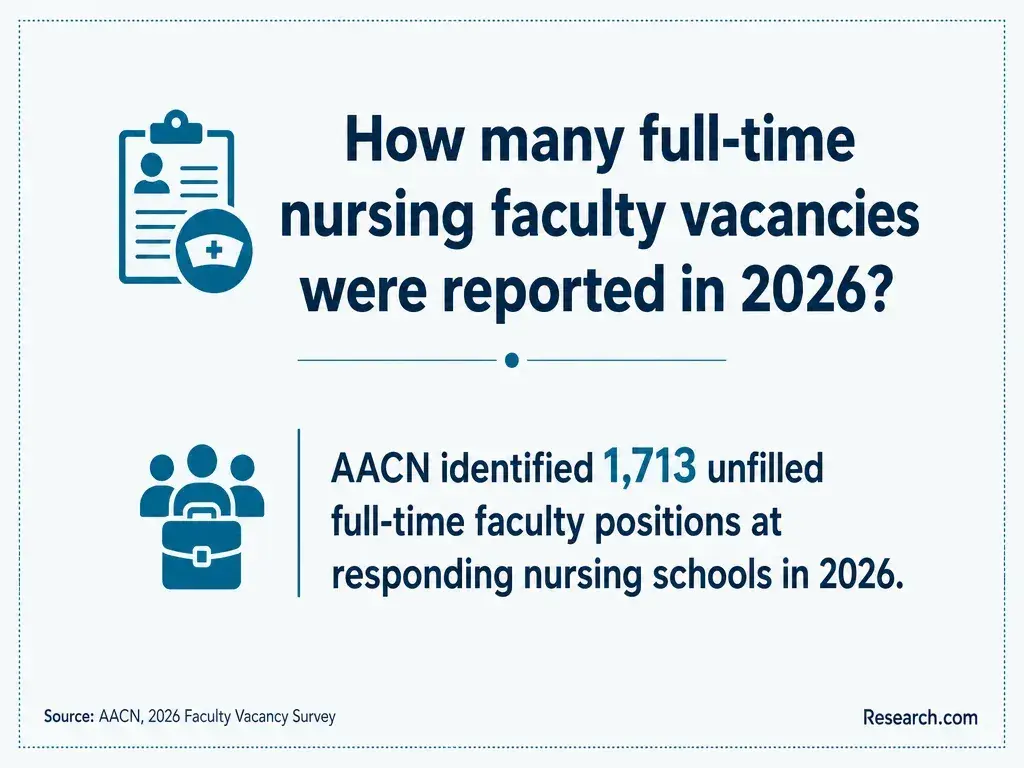
Working a nursing shift does not automatically satisfy a degree program's supervised clinical requirements. A program determines which sites, preceptors, patient populations, hours, and evaluations it accepts. An employer determines your work schedule; neither can unilaterally waive the other's requirements.
Before accepting extra shifts or changing employment status, obtain the program's calendar for on-site labs, live classes, simulation, and clinical placements. Clinical days may be assigned rather than chosen, and a student's regular job may not qualify as a placement. For an NP track, clarify who secures approved preceptors and whether placement support has geographic limits; family nurse practitioner programs with placement services still require confirmation of the specific program's responsibilities. Plan enough time between shifts and clinical experiences to meet safety and attendance expectations.
Request the position-specific scheduling policy, offer terms, and any applicable collective bargaining agreement. A recruiter's description may not capture the rules a unit uses after orientation. Review these provisions together because a favorable base schedule can be undermined by frequent cancellations or restrictive availability rules:
- Schedule control: Posting dates, self-scheduling limits, shift-swap approval, and required rotations.
- Coverage obligations: Weekend, holiday, float, on-call, and minimum-shift rules.
- Changes and pay: Cancellation order, notice, reporting-time provisions, call-back pay, differentials, and treatment of canceled hours.
- Time off and benefits: PTO approval, benefit-hour thresholds, leave rules, and tuition-assistance conditions.
If education assistance is part of the offer, check whether reduced hours or a PRN transfer changes eligibility, reimbursement, or repayment obligations. That matters when weighing costs such as psychiatric nurse practitioner study on a budget; an advertised tuition figure and an employer benefit do not establish your eventual out-of-pocket cost.
Build the schedule around obligations you cannot move: required clinical days, labs, examinations, childcare coverage, and recovery after nights. Then decide whether full-time, part-time, or PRN work leaves a sustainable margin. "Online" may describe coursework while still requiring live sessions or supervised in-person learning.
Ask your manager about recurring availability limits before enrollment, and ask the school when clinical assignments are released and whether placements can change midterm. A postlicensure RN-to-BSN student may find comparing no-traditional-clinical RN-to-BSN options useful, but must verify each program's projects, practice experiences, and attendance requirements. If the work and school calendars conflict, a slower course load or temporary change in work status may be safer than assuming swaps will always be approved.
Annual earnings depend on hours actually worked, hourly rate, differentials, overtime eligibility, and unpaid cancellations. Compare offers using a realistic estimate of paid hours, not the maximum hours on a proposed schedule. For example, 36 scheduled hours each week represent fewer annual paid hours if shifts are regularly canceled; a higher night differential may not compensate for lost shifts or added childcare costs.
The U.S. Bureau of Labor Statistics publishes occupation-wide RN wage and employment data, but those figures cannot predict the pay of a particular unit, shift, or degree graduate. For an individual offer, request the base rate, differential rules, overtime policy, and benefits costs. A schedule may also affect access to orientation, specialty experience, committee work, and education. An RN considering associate-to-master's nursing pathways should weigh any future opportunity against current work-hour and tuition costs; the degree alone does not guarantee a promotion or advanced practice eligibility.
How Can Applicants Compare Nursing Employers' Scheduling Practices?
Compare the same position type across employers and ask for examples from the specific unit, not just hospital-wide policy. A practical comparison has four parts:
- Request the written schedule, cancellation, weekend, holiday, float, and minimum-commitment rules.
- Ask the hiring manager how many shifts the unit canceled or reassigned in a recent comparable scheduling period, and whether those figures include new hires.
- Calculate a conservative paid-hours scenario alongside benefits, differentials, commute, and childcare costs.
- Confirm the orientation schedule and any approved recurring limits before accepting the offer.
For a new graduate, weigh preceptor continuity and a realistic orientation schedule alongside pay. Someone not yet licensed should first establish which education route leads to the intended RN role; shorter prelicensure MSN pathways do not remove the need to verify program requirements and subsequent licensure eligibility. The strongest offer is the one whose written terms fit both your income needs and the time you can reliably provide.
Other Things You Should Know About Nursing
Not necessarily. Orientation may follow a preceptor's shifts or require classes on different days. Ask for the expected orientation schedule before arranging childcare or another job.
Yes. Tell the employer which work requirement conflicts with your religious practice and request an accommodation. Applicable law and the circumstances of the job determine the outcome; do not assume a particular shift change is automatic.
Tell the appropriate supervisor promptly, explain the safety concern, and follow the facility's escalation and handoff procedures. Rules about declining extra work vary, but patient responsibilities must be addressed safely.
Yes. Save schedules, cancellation notices, approved swaps, and pay statements so you can check pay and discuss discrepancies. Keep patient information out of personal records.
- Fact Sheet #53 - The Health Care Industry and Hours Worked | U.S. Department of Labor https://www.dol.gov/agencies/whd/fact-sheets/53-healthcare-hours-worked
- Work Schedules | texas.gov https://efte.twc.texas.gov/work_schedules.html
- Nurse rostering: understanding the current shift work... - PMC https://pmc.ncbi.nlm.nih.gov/articles/PMC11057102/
- Per Diem Nurse Staffing vs. Internal Float Pools | Greenstaff Medical https://www.greenstaffmedical.com/blog/per-diem-nurse-staffing-vs-internal-float-pools-what-works-best/
- Per Diem Nursing: What Is It and How Does It Work? | ANA https://www.nursingworld.org/content-hub/resources/nursing-resources/per-diem-nursing/
- Do Nurses Have to Work Weekends and Holidays? | betternurse.org https://betternurse.org/do-nurses-work-weekends-holidays/