2027 Sociology Degree Programs That Accept Transfer Credits

Co-Founder and Chief Data Scientist
Prospective students seeking to transfer credits into sociology degree programs often face obstacles stemming from GPA minimums, course recency requirements, and concentration-specific restrictions-each affecting credit acceptance. Military veterans or community college graduates may discover that even well-earned credits must meet stringent documentation standards to count toward a sociology degree.
Nationwide, sociology graduates see a median annual salary near $58,000, highlighting the importance of efficient credit transfer in accelerating career entry. This article explores how transfer credit policies-beyond mere acceptance-shape degree progress and professional outcomes, offering clarity on navigating these academic and administrative hurdles.
Key Things to Know About Sociology Degree Programs That Accept Transfer Credits
- Most sociology degree programs require a minimum GPA-often 2.5 to 3.0-for transferable courses, directly impacting how many transfer credits apply toward the major.
- Course recency rules-such as accepting only classes completed within the last 5 to 7 years-limit credit acceptance to ensure relevance and academic rigor.
- Documentation requirements demand official transcripts and detailed syllabi; without these, as many as 20-30% of credits may be rejected, delaying degree completion.
Which Sociology Degree Programs That Accept Transfer Credits Are Available at the Undergraduate Level?
Undergraduate sociology degree programs that accept transfer credits exist in three main categories, each widely supported by accredited institutions across the United States. These pathways address varying student needs-from community college graduates to working adults and military veterans-by offering explicit transfer credit policies that facilitate smoother transitions and degree progress.
- Associate-to-Bachelor Pathways: Focused on students transferring from community colleges, these programs often feature formal articulation agreements that guarantee acceptance of core sociology and general education credits, minimizing redundant coursework and accelerating degree completion.
- Bachelor's Completion Programs: Tailored for working adults and veterans, these programs recognize previous academic and professional experience by accepting substantial transfer credits while requiring fewer on-campus hours. Flexible scheduling helps accommodate students balancing education with personal and career obligations.
- Traditional Four-Year Degrees: Universities offering standard bachelor's degrees emphasize transparent transfer policies based on GPA minimums, course recency, and alignment with sociology major requirements, including restrictions on upper-division or concentration-specific credits. Regional accreditation typically underpins these transfer evaluations.
Students should consider detailed documentation of course content and institution accreditation status-especially regional accreditation, which most strongly impacts transferability-alongside institutional limits on credit acceptance.
Some programs may mandate completion of critical upper-level sociology courses in residence. Identifying a program with a strong, clear transfer credit policy is essential for prospective students seeking to maximize credit acceptance and optimize timely graduation.
Many prospective students researching undergraduate sociology degree programs accepting transfer credits also explore pathways that support various educational backgrounds and career goals. Those interested in accelerated degree options may find specialized programs such as the fastest EdD program online helpful in understanding speedy academic progression.
What Are the Most Common Transfer Credit Policies Among Accredited Sociology Programs?
Transfer credit policies for accredited sociology programs generally operate within a structured framework, but they vary notably by institution type and mission. Such common criteria for sociology degree transfer acceptance enable students to anticipate how previous coursework may be applied toward new degree requirements.
- Credit Caps: Most schools limit transferable credits-often capping them between 60 and 90 semester hours at four-year colleges-while two-year community colleges typically allow a full transfer of credits earned in associate degrees. Public universities frequently follow statewide articulation agreements that set specific credit limits.
- Course Equivalency: Institutions conduct formal reviews to compare prior courses with the receiving school's sociology curriculum, requiring course descriptions and syllabi to confirm alignment with core or elective courses.
- Grade Requirements: A minimum grade-usually a C or better-is commonly required for transfer credits. Some institutions enforce higher GPA thresholds for foundational sociology courses.
- Program Type Differences:
- Two-year colleges focus on transferring credits into bachelor's degree programs, prioritizing general education requirements.
- Four-year public universities often maintain strict articulation agreements that narrow which transfer courses count.
- Private institutions may offer greater flexibility but enforce stricter grade or recency requirements.
- Concentration and Recency Rules: Some sociology programs limit transfer credits for specialized concentrations or mandate coursework completion within the last 10 years to ensure academic relevance.
- Documentation and Evaluation Time: Official transcripts and sometimes detailed course materials must be submitted for credit evaluation. Processing times vary, and military veterans may receive special credit for relevant service training.
Because transfer credit acceptance fluctuates widely by institution, prospective students-including working adults, community college graduates, and military veterans-should carefully compare transfer policies. Doing so helps ensure efficient progress toward degree completion in sociology, especially when exploring most profitable degrees.
How Many Transfer Credits Can Students Typically Apply Toward a Sociology Degree?
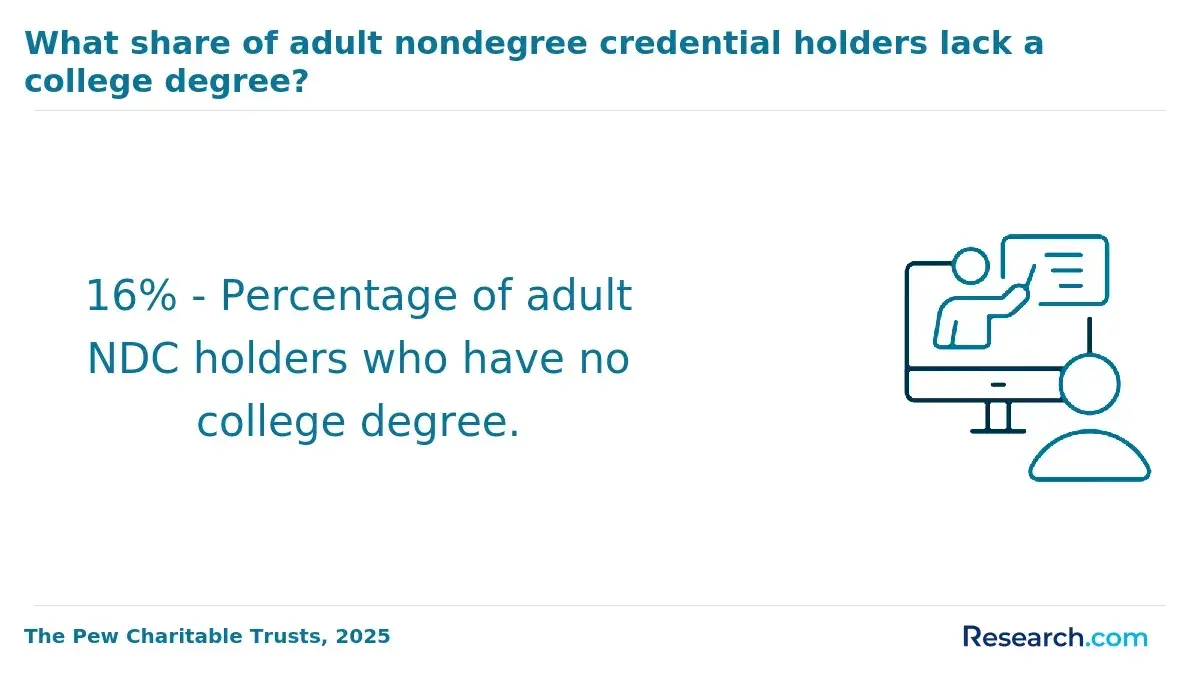
Accredited sociology degree programs generally accept 30 to 90 semester credits in transfer-covering general education and electives-but fewer credits typically apply toward the sociology major itself. Institutions often require students to complete 30 to 40 credits within their sociology department to maintain academic rigor and ensure mastery of core concepts.
- Total Transfer Credits Allowed: This varies by institution, shaped by state articulation agreements, transfer policies, and the reputation of the sending college. Regionally accredited schools usually offer the most seamless credit acceptance.
- Major-Specific Applicability: While many transferred courses meet broader degree requirements, sociology majors must often meet residency requirements or complete key courses at the awarding institution, limiting direct major credit transfer.
- Quality and Accreditation: Transfer success relies heavily on course equivalency, accreditation status, and minimum GPA standards-commonly 2.0 to 2.5-to ensure relevant academic quality.
- Front-loading Credits: Early transfer of credits from high-quality institutions can shorten degree timelines significantly and reduce tuition costs by bypassing introductory or general education classes.
- Practical Factors: Recency of coursework, concentration track restrictions, and documentation proving course content impact transferability and credit evaluation outcomes.
- Advisory: Prospective students should seek a detailed transfer credit evaluation to understand how prior coursework fits their intended sociology degree path before enrollment.
Reflecting on his experience, a professional who earned a sociology degree emphasized how navigating transfer credit policies initially felt daunting, especially deciphering which courses would count toward his major.
He recalled, 'It was stressful waiting for confirmation, not knowing if half my credits would be accepted.' After requesting a thorough evaluation early on, he was able to strategically plan his remaining courses, which significantly shortened his completion time and eased financial pressure. This proactive approach, he noted, 'made all the difference in turning prior learning into progress rather than wasted effort.'
Many four-year institutions offering sociology programs support credit transfers from community colleges and other two-year schools through formal or informal partnerships. These articulation agreements outline which community college sociology courses apply directly toward bachelor's degree requirements, helping to clarify transfer pathways for students.
- Transfer Pathways: Degrees such as Transfer Associate or Transfer Pathway degrees are crafted to align community college coursework with bachelor's-level sociology curricula. These programs ensure foundational courses taken at two-year institutions meet university standards, facilitating smoother credit acceptance and progression toward degree completion.
- State-Level Agreements: Transfer guarantee initiatives in states like California, Florida, and New York simplify credit transfer processes. For instance, California's Associate Degree for Transfer (ADT) guarantees admission to participating universities with junior standing in sociology-related fields, while Florida's Statewide Articulation Agreement minimizes credit loss during transfers. These policies provide structured routes but can have different criteria that influence credit acceptance.
- Policy Complexities: Despite these frameworks, variations in GPA requirements, course recency rules, and credit caps sometimes complicate transfers. Universities may exclude certain applied or interdisciplinary sociology classes or require courses to be recent to count toward the major, affecting how many credits actually transfer.
- Articulation Agreements: Detailed transfer guides from colleges specify accepted community college credits, minimum grade thresholds, and necessary documentation such as official course descriptions. Engaging academic advisers or transfer offices early on helps students align their coursework with these agreements.
- Practical Advice: Prospective students-whether community college graduates, returning adults, or career changers-should confirm if their community college has established sociology articulation agreements before selecting courses. Doing so offers clarity on credit transferability and identifies any additional requirements to complete a bachelor's degree. Exploration of related options can be valuable, such as considering construction management programs for parallel career paths.
Accredited sociology programs commonly set distinct GPA requirements for transfer students seeking admission versus those aiming to transfer specific course credits.
Typically, students must meet a minimum cumulative GPA-often between 2.0 and 2.5-to be admitted as transfers. However, the threshold for courses to count toward the sociology major or core curriculum usually demands a higher grade-commonly within the C to B range-to confirm adequate mastery of the material.
Some institutions implement sliding-scale policies, allowing students with stronger GPAs to transfer more credits, while limiting credit acceptance for those with borderline performance. GPA thresholds may also shift based on the concentration within sociology or the recency of completed coursework-recent classes typically receive more favorable credit consideration.
Relying solely on admissions brochures can be misleading; transfer applicants are advised to consult detailed transfer credit guidelines published by institutions to fully understand credit evaluation criteria and GPA standards.
Even if prior coursework falls below required GPA cutoffs, students often remain eligible to enter programs but may need to retake certain sociology classes to fulfill degree requirements.
- Admission Standards: Minimum cumulative GPA around 2.0-2.5 to qualify for transfer admission.
- Course Credit Eligibility: Higher grade requisites-usually C or above-for sociology major credits.
- Sliding-Scale Policies: More credits accepted from students with better GPA profiles.
- Program Variability: GPA and credit acceptance differ by concentration and course recency.
- Policy Reliance: Official transfer credit guides are essential references.
- Retake Opportunities: Students below thresholds may need to repeat courses.
Reflecting on her transfer experience, a professional who established her career after earning a sociology degree shared how navigating varying GPA requirements was initially daunting.
She recalled spending significant time deciphering official transfer policies and working closely with academic advisors to align her previous credits with the new program's expectations. Though some credits weren't accepted due to falling below GPA minimums, she embraced retaking key courses as an opportunity to deepen her understanding.
"It felt discouraging at first," she admitted, "but eventually, this process helped me solidify the foundation I needed for my career." Her journey underscores the importance of patience and proactive inquiry when managing transfer credit acceptance in sociology.
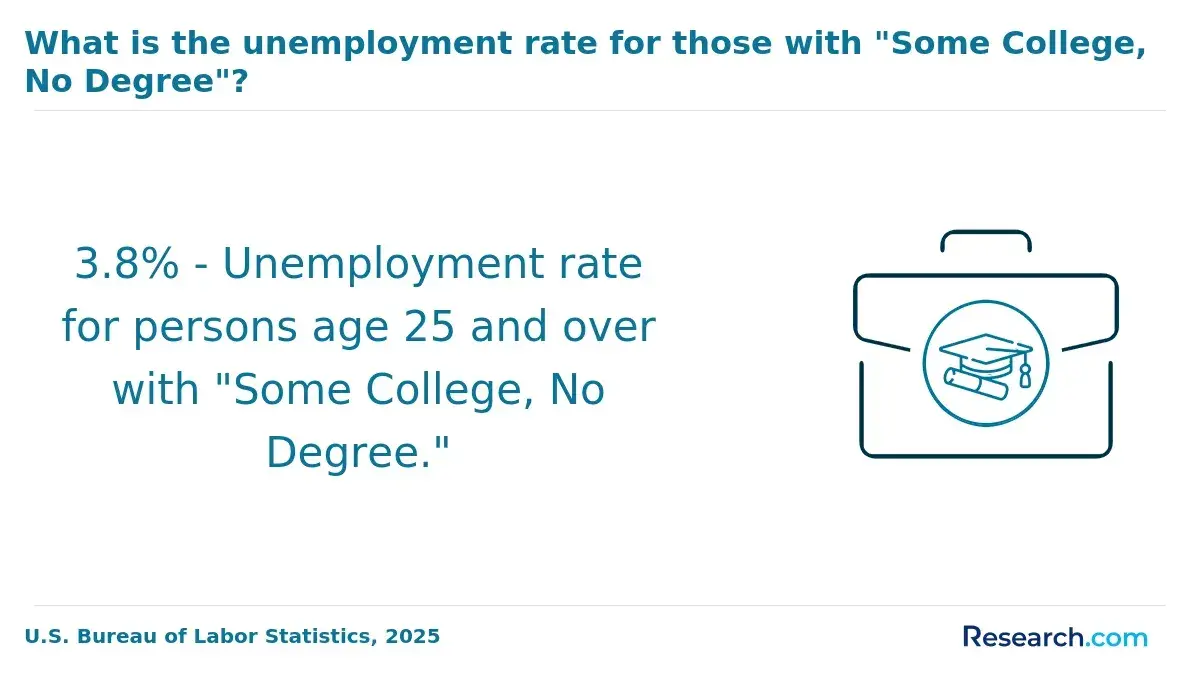
Accredited sociology programs assess non-traditional credits-such as those from military training, professional development, workforce courses, or employer-sponsored education-using established frameworks that ensure academic equivalency.
Institutions commonly rely on American Council on Education (ACE) Credit recommendations to translate military and workforce experiences into college credit. Additionally, the College-Level Examination Program (CLEP) offers standardized testing routes for credit in relevant subjects.
Some programs also implement portfolio reviews, where students present detailed evidence like syllabi, professional licenses, performance evaluations, and course descriptions. This documentation allows faculty or admissions committees to evaluate how closely prior learning aligns with sociology curriculum requirements.
Accepted non-traditional learning often includes military leadership training, human resources education, and community service-related courses that parallel sociology topics. Gathering thorough and precise documentation before submitting for credit evaluation is critical, as approval largely depends on the quality and specificity of these materials.
Applicants should confirm if their target institutions participate in national consortia such as the National College Credit Recommendation Service, which facilitate transfer recognition for non-traditional credits. Currently, over 70% of accredited sociology bachelor's programs acknowledge some form of such credit, reflecting expanding flexibility in transfer policies nationwide.
- Frameworks: ACE Credit recommendations, CLEP exams, and portfolio assessments guide credit evaluation.
- Accepted Learning: Military training, professional education, workforce development, employer-sponsored programs.
- Documentation: Syllabi, certifications, evaluations, licenses are essential for validation.
- Institutional Networks: Confirm participation in consortia like the National College Credit Recommendation Service.
- Trends: Over 70% of sociology programs now recognize some non-traditional credits, easing credit transfer.
Employer Confidence in Online vs. In-Person Degree Skills, Global 2024

Online sociology degree programs commonly offer flexible transfer credit policies, especially at regionally accredited institutions that focus on adult learners and career changers. Many of these programs cap residency requirements at 30 credit hours or fewer, allowing students to apply a significant portion of previous coursework toward their degree, which speeds up graduation timelines.
- Residency Limits: Capping residency at 30 credits or below maximizes transfer opportunities by letting students leverage prior credits effectively.
- Credit Acceptance: These programs often recognize a wide range of coursework, including sociology and general education classes from community colleges, military training, and some international credits, provided students meet GPA and syllabus alignment criteria.
- Transfer Criteria: Minimum grade requirements (often a C or better) and recency limits on transferred credits help maintain academic quality and currency.
- Major Restrictions: Some online degree plans limit transferability of core sociology courses to protect the academic integrity of the major, so checking these restrictions is critical.
- Adult Learner Focus: Designed for veterans, working adults, and career changers, online sociology programs feature more adaptable transfer policies than traditional on-campus options with stricter residency rules.
- Quality and Perception: While flexibility is a hallmark, prospective students should confirm that programs hold regional accreditation and-where applicable-recognized programmatic accreditation to ensure employer and graduate school acceptability.
- Advisory: Compare residency hours, GPA thresholds, transfer evaluation processes, and major-specific limits carefully before finalizing enrollment decisions to align transfer policies with academic and career goals.
Transfer credits in sociology can vary widely depending on whether a program holds regional accreditation or national accreditation. The distinction significantly shapes how coursework is recognized across institutions and by employers and graduate programs.
Regionally accredited programs-overseen by six agencies recognized by the U.S. Department of Education and CHEA-are generally seen as the highest standard in U.S. higher education. Sociology programs with regional accreditation typically benefit from established reciprocal policies, facilitating smoother and more predictable credit transfers.
This regional accreditation impact on sociology transfer credits helps students avoid unexpected hurdles when moving between colleges or universities.
- Regional Accreditation: This accreditation signals academic quality and rigor, resulting in more widespread acceptance of prior coursework. Reciprocal transfer agreements are common within this system, making it a favorable path for those planning to transfer credits.
- National Accreditation: Focused often on career-oriented or vocational schools, national accreditation meets quality standards but tends to face more restrictive credit transfer conditions. Institutions with regional accreditation often limit credits they accept from nationally accredited schools, which complicates transfers for sociology students enrolled in such programs.
- Implications for Transfer Students:
- Students from nationally accredited sociology programs may experience credit denial or restrictions when transferring to regionally accredited schools.
- These limitations risk prolonging degree completion and devaluing previously earned coursework.
- Risk Management: Those considering a nationally accredited sociology program with plans to transfer credits should confirm the receiving institution's transfer policies in writing beforehand. This proactive step helps avoid credit loss and informs academic planning, especially for community college graduates, working adults, military veterans, and career changers navigating GPA minimums, recency rules, and course-specific restrictions.
Students exploring transition into sociology fields should also consider related pathways such as a project management degree jobs for career versatility when mapping out their academic and professional goals.
Articulation agreements serve as essential tools for facilitating transfer credit acceptance in sociology programs by establishing clear, formal contracts between two institutions. These agreements guarantee the transferability of specific sociology courses or entire sequences, significantly reducing uncertainty for students navigating between schools. They often exist as part of broader state articulation agreements for sociology transfer credits or national frameworks.
- Definition: An articulation agreement is a written pact detailing which courses or credits from the sending institution are accepted by the receiving school, ensuring smooth credit transfer aligned with institutional standards.
- Common Structures:
- Bilateral agreements-contracts between two particular colleges or universities.
- Statewide articulation systems-state-level frameworks that standardize policies for transfer credit in sociology degree articulation frameworks across public institutions.
- National transfer frameworks-policies coordinating transfer acceptance across wider regions or multiple states.
- Researching Agreements: Prospective students should verify whether their current college maintains active articulation agreements with sociology programs they want to enter-this information is commonly found via academic advising offices or institutional websites.
- Reading Agreements: Careful review is essential to identify exactly which sociology courses transfer and which do not, as these agreements explicitly list transferable units and their equivalents.
- Confirm Currency: Since articulation agreements are periodically updated, it's critical to confirm the publication date to ensure transfer policies remain valid and current.
- Academic Advising: Early and ongoing communication with advisors at both sending and receiving institutions helps students use articulation agreements as a strategic roadmap for degree planning from their first semester onward.
Additionally, students exploring career changes or interdisciplinary fields-such as those interested in an artificial intelligence major-should consider how articulation agreements might integrate or overlap with other degree pathways for timely graduation.
Prior Learning Assessment (PLA) awards sociology students credit for knowledge gained outside classroom settings-through work, military service, or independent learning-helping speed degree progress. Common PLA methods include:
- CLEP Exams: Standardized tests measuring college-level knowledge in sociology topics, widely accepted by accredited institutions.
- DSST Exams: Similar to CLEP, these assess general education and social science knowledge relevant to sociology.
- Institutional Challenge Exams: Schools may create their own tests allowing students to bypass certain courses by proving competency.
- Portfolio Assessment: Students submit comprehensive portfolios documenting experiential learning, reviewed by faculty to grant course credit.
- ACE-Evaluated Training: The American Council on Education reviews military and corporate training for credit recommendations, often accepted by sociology programs.
- Credit Differences: Unlike transfer credits based on transcripts, PLA credits require direct evaluation through exams or portfolios and often show as credit by examination or experiential learning on transcripts. This distinction affects residency and GPA policies.
- Accreditation and Employer Factors: It's crucial that PLA credits originate from regionally accredited bodies to ensure acceptance by employers and schools. Some fields demand strict accreditation, limiting PLA use.
- Time and Cost Savings: Research from the Council for Adult and Experiential Learning indicates PLA can cut degree completion by 6 to 12 months, lowering tuition and benefiting working adults and veterans.
- Student Guidance: Prospective students should consult their sociology program's registrar or advisor early to confirm PLA policies, as acceptance varies significantly between institutions.
Graduate sociology programs such as master's degree completion tracks, bridge programs, and post-baccalaureate certificates often accept transfer credits from undergraduate or previous graduate coursework as part of their degree requirements.
These pathways cater to diverse learners-including community college graduates, working adults, military veterans, and career changers-by recognizing prior academic achievements and professional experience to ease degree progression.
Transfer credit approval depends on several important factors:
- Academic Level Equivalency: Courses must be comparable in rigor to graduate or advanced undergraduate sociology classes required by the receiving program.
- Course Recency: Many institutions enforce a timeframe-usually five to seven years-within which transfer credits remain valid, maintaining relevance and currency of knowledge.
- Accreditation: Credits are accepted primarily from regionally accredited or nationally recognized institutions to ensure academic quality.
- Curricular Fit: Coursework should align closely with foundational or specialized sociology topics to qualify for transfer credit.
Transfer credits are most frequently granted in professional sociology master's programs, including MBA hybrids and accelerated options tailored for career changers. These programs typically acknowledge prior relevant study and work experience to streamline completion.
Conversely, research-intensive degrees-those emphasizing theses or doctoral preparation-usually require the majority of coursework to be completed onsite, limiting transfer opportunities.
Prospective students should seek a formal graduate credit evaluation during admissions. This process assesses factors such as minimum GPA requirements, concentration-specific restrictions, detailed course syllabi, and maximum allowable transfer credits-ensuring clarity about how previous work applies toward the sociology degree.
What Graduates Say About Sociology Degree Programs That Accept Transfer Credits
- Baker: "Choosing a Sociology degree program that accepts transfer credits was a game-changer for me. I learned quickly that meeting the minimum GPA threshold was essential-some schools require a 3.0 just to count your previous courses toward the degree. This helped me stay motivated throughout and made the transition smooth and rewarding."
- Matthias: "Reflecting on my journey, I appreciate how crucial course recency rules are in transfer policies for Sociology degrees. Some programs only accept credits from courses taken within the last seven years, which meant I had to retake a few classes. It was eye-opening to see how these rules ensure that what you learn remains relevant in our ever-evolving field."
- Wesley: "From a professional standpoint, I found the documentation requirements for transferring credits into a Sociology degree surprisingly detailed. Schools needed official syllabi and course descriptions to evaluate concentration-specific restrictions properly, which could limit how many credits count toward your chosen focus area. It was a thorough process-but ultimately fair in maintaining academic standards."
Other Things You Should Know About Sociology Degrees
Transferred credits toward a sociology degree typically remain eligible for application if they were earned within the past 5 to 10 years, though this timeframe varies by institution. Many programs enforce a recency rule to ensure coursework reflects current sociological theories and methods. Older credits may require additional review or approval to count toward degree requirements.
Students must provide official transcripts from previously attended institutions when submitting transfer credits to sociology programs. In addition, course descriptions, syllabi, or catalogs may be required to verify content equivalency and credit hours. Some programs also request GPA information and articulation agreements if applicable.
Yes, but many sociology programs cap the age of transfer credits at 7 to 10 years, especially for methods, statistics, and theory courses. Older credits often require a syllabus review or department approval before they can count toward the degree.
- Student guide to credit transfer and recognition of prior learning | University of West London https://www.uwl.ac.uk/about-us/policies-and-regulations/student-guide-credit-transfer-and-recognition-prior-learning
- 20 Great Value Online Colleges for a Sociology Degree (Bachelor’s) https://www.greatvaluecolleges.net/online-colleges-sociology-bachelors/
- Corrections or Feedback https://catalog.chemeketa.edu/preview_program.php
- Articulation agreements: What are they? https://blog.cuw.edu/articulation-agreement-2163-9/
- Guide to Articulation Agreements: All You Need to Know https://www.ivywise.com/blog/articulation-agreements/
- Articulation Agreements https://www.swu.edu/on-campus/transfer-students/articulation-agreements/
- Types of Credit for Prior Learning https://sunysccc.edu/Academics/Register-for-Classes/CPL-Types.html
- Understanding the Difference Between Regional and National Accreditation https://www.qahe.org/article/understanding-the-difference-between-regional-and-national-accreditation/
- What is an Articulation Agreement? https://www.columbiasouthern.edu/blog/blog-articles/2023/june/what-is-an-articulation-agreement/