2027 Sociology Degree Programs You Can Start Without Meeting All Requirements

Co-Founder and Chief Data Scientist
Many prospective students face barriers enrolling in sociology degree programs-whether due to a slightly low GPA, incomplete prerequisites, or a career break. Institutions increasingly offer conditional admission policies and bridge courses, allowing early program entry without meeting all standard requirements. These pathways support nontraditional learners-such as community college transfers or career changers-with alternative credential reviews and dedicated academic support.
Notably, sociology graduates earn a median annual wage of $63,230 nationally, reflecting strong career potential across diverse sectors and regions. This article explores legitimate admission options and institutional resources to guide students toward successful sociology degree completion despite initial gaps.
Key Things to Know About Sociology Degree Programs You Can Start Without Meeting All Requirements
- Conditional admission allows students with incomplete prerequisites to enroll-usually requiring completion of specific courses within the first year to continue in the sociology program.
- Bridge and foundational courses support learners lacking academic background-these classes build essential skills while counting toward degree credits, easing transition into rigorous sociology studies.
- Alternative credential reviews consider professional experience or nontraditional education-enabling adult learners and career changers to qualify despite missing standard transcripts, reflecting a growing trend in flexible admissions.
What is the minimum GPA requirement for a sociology degree program?
Minimum GPA requirements for sociology degree programs vary widely based on institutional type and selectivity. Highly selective universities often require GPAs around 3.5 or higher due to their competitive admissions processes. Moderately competitive schools typically set minimum GPAs between 2.5 and 3.0, balancing academic standards with accessibility.
Open-admission institutions may accept students with GPAs as low as 2.0, prioritizing broader access to higher education. These variations reflect differences in institutional mission and applicant pools, influencing typical GPA standards for conditional sociology program admission.
Admissions committees weigh more than just a static GPA number-they consider grade trends, course rigor, and policies like grade forgiveness or replacement. For example, a rising GPA or strong grades in foundational sociology courses can offset a lower overall average. These contextual factors help provide a fuller picture of an applicant's readiness for upper-division coursework in sociology.
Students who fall below a stated minimum GPA requirement should take proactive steps rather than assuming disqualification:
- Communication: Connect with admissions counselors to discuss your individual circumstances and inquire about any flexibility.
- Holistic Review: Request that your entire application-work experience, recommendations, personal statements-be considered to potentially counterbalance GPA deficiencies.
- Conditional Admission: Explore provisional enrollment options that allow you to begin sociology studies while meeting specific academic benchmarks.
For adult learners, high school graduates who fell short of their GPA thresholds, community college transfer students still completing prerequisites, and career changers with strong professional backgrounds but incomplete transcripts, these pathways provide essential opportunities.
More on schools that explicitly support students with academic deficiencies-through bridge courses, foundational program options, and institutional support-is coming next. For those looking beyond undergraduate admission, exploring the easiest masters degrees can also offer flexible entry points into sociology-related fields.
Which sociology programs accept applicants on academic probation or with academic deficiencies?
Programs accepting sociology applicants with academic deficiencies offer vital opportunities for students who do not meet standard admission criteria yet demonstrate potential to succeed. These pathways typically allow enrollment under specific conditions-such as maintaining a minimum GPA within an initial probationary period, completing foundational coursework, and undergoing regular academic monitoring.
- Midwestern State University: This public university admits sociology undergraduate students on academic probation, requiring them to maintain at least a 2.0 GPA while enrolled in up to 12 credit hours during their probation term.
- Students must engage regularly with academic advisors to monitor progress and receive personalized support.
- Coastal College: A regionally accredited institution focused on bridging gaps for sociology aspirants missing prerequisite courses. Conditional admission hinges on earning no less than a C grade in all initial sociology courses.
- Advisor oversight includes mandatory biweekly meetings to design study strategies and assess advancement.
- Eastern Regional University: Catering to graduate sociology candidates with academic deficiencies, this university limits course load to 6 credits and requires a 3.0 GPA after the first 9 credit hours on probation.
- Monthly progress reports must be submitted and reviewed by faculty mentors.
- Sunnyvale Community College: Designed for adult learners and career changers, it offers provisional admission with the condition of completing specified foundational courses within two terms.
- Academic advisors provide tailored guidance and workshops on time management and research skills.
- Northlake State University: This program requires maintaining a 2.5 GPA in the initial term while limiting course loads to 13 credit hours.
- Students meet monthly with advisors to ensure adherence to academic plans.
Policies for conditional admission in sociology programs often vary between undergraduate and graduate tracks and can change frequently-students should verify the most current requirements directly with admissions offices.
Importantly, a past academic probation status does not automatically exclude applicants. Crafting a compelling personal statement that addresses previous challenges and securing strong references can greatly enhance one's application to these sociology degree programs.
Students considering such pathways-including conditional admission sociology programs for students on academic probation and those exploring bridge or foundational course options-may also find it useful to research related fields; for example, resources concerning online business schools offer additional flexible enrollment insights applicable to diverse academic ambitions.
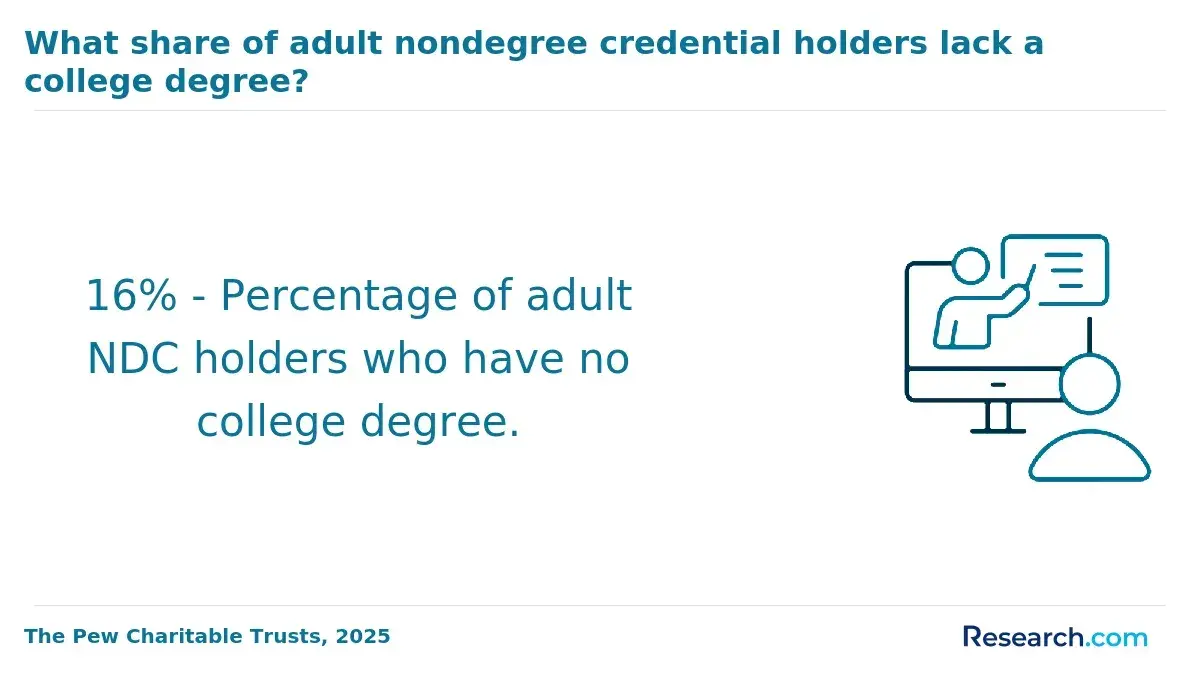
How do conditional admission and provisional enrollment work for sociology degree seekers?
Conditional admission allows students to enter sociology programs when they meet most-but not all-requirements, often demanding they meet specific academic or prerequisite conditions. Typically, these include maintaining a minimum GPA in early sociology or general education courses, completing designated foundation or bridge classes within the first one or two semesters, and submitting outstanding documents like test scores or transcripts by set deadlines.
Provisional enrollment usually applies to students temporarily admitted in an unclassified status while their formal admission materials are being reviewed. This status tends to last only a semester, with limited course registration options, and requires prompt submission of missing paperwork to advance to full degree-seeking status.
- Academic Performance: Maintaining necessary grades in initial coursework to satisfy conditions.
- Course Requirements: Finishing required foundation or prerequisite courses within a designated time.
- Documentation: Providing all pending transcripts, test scores, or credentials promptly.
- Status Duration: Provisional status usually lasts briefly while awaiting full clearance.
- Progress Evaluation: Institutions review academic standing or paperwork to confirm progression.
- Decision Authority: Specific admissions offices or committees determine when full admission is granted.
When students meet these benchmarks, they transition to full standing-accessing all resources and course options. Failing to do so can result in enrollment denial or reevaluation, but the pathways emphasize support over exclusion. Prospective students should ask what triggered their condition, the review timeline, and who decides advancement.
Reflecting on this, a professional who graduated with a sociology degree shared that conditional admission initially felt daunting. He recalled, "I struggled with the required foundation courses while juggling work, but meeting those GPA standards pushed me to improve my study habits."
He also noted that tight deadlines to submit documents created stress but, in hindsight, "those early checks kept me accountable." His experience highlights how such structured pathways-though challenging-can build resilience and equip students to succeed fully within their programs.
Many alternative admission pathways are available for sociology programs when prerequisites are not met. Here are some of them:
Portfolio Review: Interdisciplinary or applied sociology programs-particularly those focused on community engagement, social work, or qualitative research-often accept portfolios as an alternative to prerequisites. Applicants typically submit writing samples, summaries of volunteer activities, research projects, and reflective essays that demonstrate sociological insight and skills. These portfolios are evaluated qualitatively by faculty committees or designated admissions staff trained to assess diverse evidence.
Demonstrated Professional Experience: Many adult education and continuing studies sociology programs-frequently evening, online, or part-time-consider relevant employment history in lieu of some prerequisite courses. Candidates provide detailed resumes, employer verification letters, and statements connecting job duties to sociological theories or concepts. Admissions offices collaborate with program directors to gauge equivalencies between professional experience and academic requirements.
Prior Learning Assessment (PLA) Credit: Programs with established PLA systems, especially those featuring competency-based or hybrid curricula, offer academic credit for relevant learning outside traditional classrooms. Students must supply official transcripts for non-collegiate training, standardized exam results, and comprehensive learning portfolios proving mastery of prerequisite content. Institutions maintain PLA offices or advisors dedicated to guiding applicants through these assessments.
Placement Testing as a Substitute: Some public universities and community colleges with open-access policies permit placement exams to bypass prerequisites by demonstrating sufficient knowledge. Applicants complete department-approved tests or challenge exams covering foundational sociological theories and methodologies. Testing centers and faculty committees collaborate to develop and evaluate these assessments.
Prospective students should actively reach out to sociology department chairs or program directors-who often have the discretion to approve conditional admission options for sociology degree-even if such pathways are not clearly listed online.
Direct communication enables tailored discussions on application materials, conditional enrollment terms, and bridge programs for sociology prerequisites designed to help students meet academic standards.
Successfully navigating these options typically requires students to maintain minimum GPA thresholds or complete foundational coursework as agreed upon with program leadership. Clear awareness of these academic expectations is essential for transitioning smoothly to full admission status. For additional insight into affordable degree options in related fields, students may also explore the cheapest online psychology degree programs available.
Some sociology programs enable students to start degree coursework while finishing prerequisite classes simultaneously-this is known as concurrent or co-requisite enrollment. It differs from conditional admission, which grants entry contingent upon meeting certain conditions like maintaining specific grades or passing a probationary period. Concurrent enrollment, on the other hand, structures the academic plan so foundational courses run alongside core sociology classes, helping expand access without compromising academic sequencing.
Common concurrent pairs include introductory statistics or research methods taken during the first sociology semester. These combinations foster essential analytical skills early on while allowing steady progress toward degree completion. However, juggling both foundational and advanced content demands significant effort-students must balance heavier workloads that can be challenging, especially for those managing jobs or family responsibilities.
To confirm if concurrent enrollment is permitted, students should:
- Review Course Catalogs: Check descriptions for co-requisite options or flexible enrollment policies.
- Consult Academic Advisors: Seek guidance on eligibility, approvals, and potential workload concerns.
- Request Degree Audits: Analyze outstanding prerequisites and identify viable course overlaps.
Effective strategies for handling this increased demand include:
- Prioritization: Focus on critical tasks and deadlines to allocate study time well.
- Scheduling: Create a consistent weekly plan balancing classes, assignments, and personal commitments.
- Seeking Support: Utilize tutoring, study groups, and counseling services to maintain progress.
A professional who built her career after completing a sociology degree reflected on the experience: "Beginning core classes while still finishing prerequisites felt daunting, but it allowed me to stay engaged and move forward without delay.
The workload was intense; I had to be very disciplined and communicate often with my advisors to avoid falling behind. Looking back, that approach taught me valuable time management and resilience that benefitted my job later. I recommend students consider their other life responsibilities carefully before choosing this path, but it can be a powerful way to keep momentum."
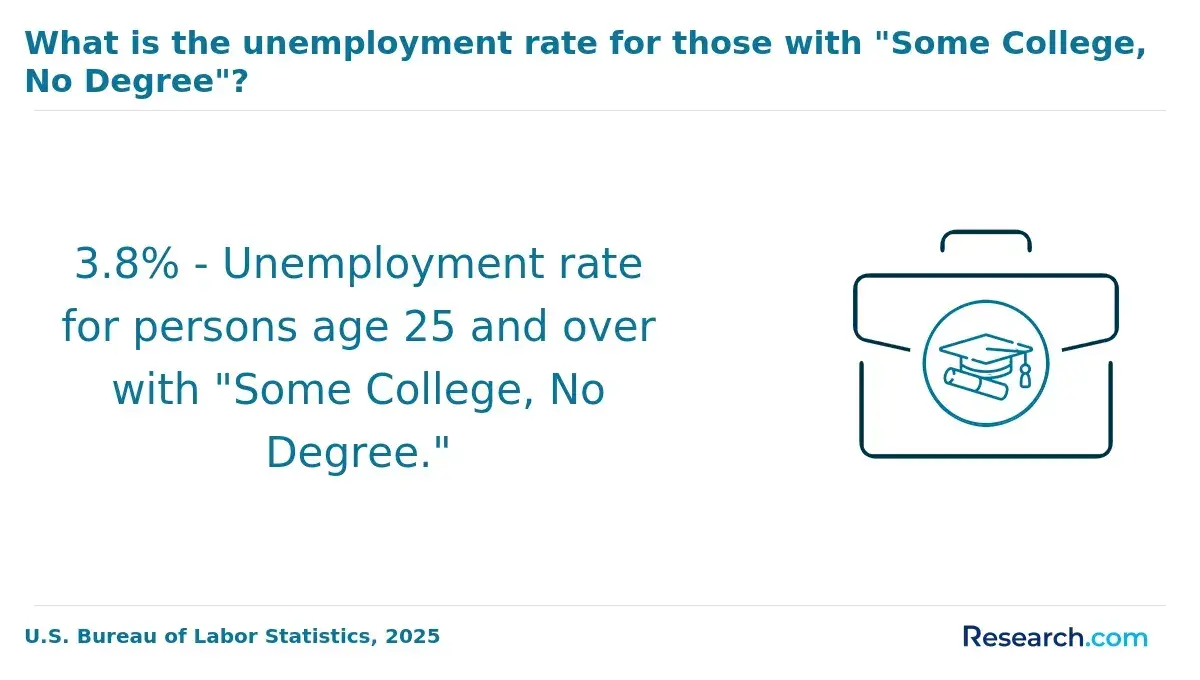
Community colleges offer critical alternative routes for students lacking traditional admission qualifications to begin Sociology coursework and prepare for transfer to four-year programs. These pathways often include 2+2 articulation agreements, dual-enrollment options, and specialized pathway programs designed to ease transitions for non-traditional or conditionally admitted students.
- 2+2 Articulation Agreements: Formalized transfer plans guarantee that credits earned-particularly in foundational sociology and general education classes-are accepted by partnering universities, allowing a smooth progression from an associate to a bachelor's degree.
- Dual Enrollment: High school or community college students can start earning college credits early through Sociology courses, shortening time to degree completion and enhancing preparedness for upper-level study.
- Pathway Programs: These initiatives focus on improving GPA, academic writing, research skills, and essential sociology prerequisites to help students meet bachelor's degree admission standards.
- Valued Coursework: Admissions committees look favorably on transfer applicants who complete foundational classes, rebuild their GPA, and develop critical thinking and academic writing abilities relevant to sociology.
- Identifying Transfer Options: Prospective students should consult both community college advisors and four-year Sociology program admissions offices to confirm existing articulation agreements or explore alternative transfer arrangements if no formal agreement exists.
- Flexible Admission Standards: Community college coursework is generally assessed with more leniency compared to freshman admissions-evaluators prioritize demonstrated college-level academic success over high school performance.
- Recent Trend: In 2023, nearly half of Sociology bachelor's graduates began their education at community colleges, highlighting these institutions' vital role in expanding access to sociology education.
When applicants do not meet all quantitative criteria-such as GPA minimums or prerequisite completion-for sociology programs, personal statements and letters of recommendation become essential tools in gaining conditional admission. These materials offer admissions committees a deeper, more personalized understanding of the applicant's potential beyond numerical metrics.
A strong personal statement for conditionally admitted sociology students should include a candid yet forward-focused discussion of past academic setbacks, demonstrating maturity and self-awareness.
It should also clearly connect relevant life or work experiences to the demands of rigorous sociology study-highlighting critical thinking, research participation, or community involvement. Applicants must explicitly state why their chosen sociology program aligns well with their goals and background, showing informed commitment and program fit.
Letters of recommendation hold significant influence when they come from individuals familiar with the applicant's intellectual abilities and professional achievements-such as supervisors, research mentors, or instructors.
These recommenders who can attest to analytical skills and work ethic carry more weight than generic character references, which tend to be less persuasive for conditional acceptance committees.
Key Points:
- Personal Statement: Frame academic challenges honestly, emphasize growth, and clarify program fit.
- Relevant Experience: Link professional and academic backgrounds to sociology readiness.
- Recommenders: Prefer specific mentors or supervisors over general character references.
- Admissions Insight: The personal statement is the primary vehicle for controlling the applicant's narrative.
Many sociology degree programs offer pathways for students who do not fully meet standard admission prerequisites, creating flexible options to begin studies sooner. These bridge or foundational courses serve a critical role for high school graduates with low GPAs, community college transfers completing prerequisites, adult learners returning to education, and career changers with incomplete transcripts.
Such programs vary widely in format, cost, and timing, allowing candidates to build the skills needed for full enrollment.
- Non-Credit Boot Camps: Public universities and community colleges typically provide these short-term, intensive courses focusing on basics like statistics or academic writing. Completion is marked as non-credit achievements on transcripts and does not count toward degree credits. They tend to be low-cost or free, lasting from days to weeks, enabling quick progression into full programs. These are ideal for those needing fast foundational preparation.
- Post-Baccalaureate Preparatory Sequences: These formal, often credit-bearing courses target students with undergraduate degrees who lack sociology prerequisites. Offered at many public and private universities, they appear as graded coursework on academic records, usually spanning one to two semesters. Though costs resemble standard tuition and timelines may delay degree start, these sequences provide strong academic grounding crucial for success.
- Certificate-Level Prerequisite Bundles: Many four-year and online institutions offer these structured bundles combining required courses into a certificate program. Recorded as formal credentials separate from the bachelor's transcript, they demonstrate readiness to admissions committees. Completion times range from a semester to a full academic year, with moderate fees and payment options that often accommodate working learners.
- Self-Paced Online Remediation Modules: Favored by adult learners and career changers, these modules deliver foundational sociology concepts through flexible, self-directed online study. Administered by continuing education departments or accredited online schools, they earn continuing education credits or informal certifications. Costs vary from nominal fees to regular tuition and timelines depend entirely on individual pacing and discipline.
Sociology foundational course options for conditional university admission may not always be highlighted in official materials. Prospective students should proactively ask admissions offices about available bridge programs to find flexible enrollment opportunities. Careful consideration of academic, financial, and timeline factors will aid in selecting the right pathway.
For those exploring varied educational programs, resources on related topics such as ABA approved paralegal programs can offer insight into flexible credential options and affordability in professional education.
Many sociology degree programs recognize that professional background and work experience as substitute for academic requirements in sociology programs can partially offset limited traditional credentials-especially within admissions processes adopting holistic reviews.
This approach allows applicants to present relevant experience as credible evidence of their readiness for rigorous study when standard academic qualifications fall short.
- Relevant Experience: Industry certifications, years spent in sociology-related roles, leadership or management positions overseeing social programs or research teams, and professional contributions such as published articles or conference presentations are most likely to be recognized.
- Volunteer Work: Extended community service directly addressing social issues strengthens applications by demonstrating practical engagement with sociological concepts.
- Documentation: A professional resume tailored to an academic audience should detail roles, responsibilities, and sociological relevance. Supporting materials may include certificates, verification letters, published works, and detailed descriptions of volunteer projects.
- References: Recommendations are important from supervisors or collaborators familiar with sociological tasks-these must speak to competencies in sociology rather than general work habits.
- Caution: Because policies vary greatly, prospective students should confirm with each sociology program whether and how non-academic credentials are evaluated before investing significant effort in gathering documentation.
For those still completing prerequisite coursework, conditional admission policies and bridge courses can create legitimate pathways to enrollment. Adult learners and career changers with strong professional backgrounds-yet incomplete transcripts-may find it helpful to explore flexible options including early enrollment opportunities supported by institutional resources. Many programs also outline clear academic obligations and performance benchmarks that must be met to continue in good standing.
A growing number of institutions offer short-term preparatory options such as 5 week college courses online, which can help applicants demonstrate academic readiness while completing missing requirements. Employing alternative credential reviews alongside work experience credit options for sociology degree admission provides a more inclusive, practical admissions environment that reflects real-world expertise.
Financial support remains available to sociology students admitted under provisional conditions, though eligibility depends heavily on enrollment status and academic progress. Those enrolled at least half-time and meeting satisfactory academic standards-such as passing required credits and maintaining a minimum GPA-generally qualify for federal aid during their conditional period. Early FAFSA submission is crucial to secure timely funding and avoid delays.
- Federal Aid: Students must maintain at least half-time enrollment and meet institution-specific academic progress rules to retain federal assistance.
- Institutional Scholarships: Colleges often provide scholarships for non-traditional or returning adult learners with academic gaps or lower past performance.
- These awards frequently emphasize professional experience and future potential rather than GPA alone.
- Bridge funding may be available for foundational or prerequisite courses before students achieve full admission.
- Private Scholarships: Various community and foundation awards support sociology students on conditional status, focusing on career changes, ongoing education commitments, or financial need instead of traditional academic criteria.
- Advisory Support: Consulting both the financial aid office and program advisors before enrolling conditionally can clarify how provisional status impacts aid packages and tuition costs.
Online sociology programs-especially those offered by large public university systems or for-profit institutions with broad enrollment goals-often provide more accessible admission pathways than traditional campus programs while maintaining regional accreditation and comparable degree standards.
These programs frequently allow students to start coursework before completing all standard prerequisites or meeting the full GPA requirements, a flexibility designed to support diverse learners such as adult returnees, community college transfers, and career changers.
- Admission Policies: Conditional enrollment and prerequisite waivers are common options that enable students with incomplete academic records to begin their studies, helping those who may not meet traditional admissions criteria to advance academically.
- Alternative Credential Reviews: Many online programs assess professional experience, competency exams, or nontraditional transcripts as substitutes for formal course prerequisites-offering tailored admissions evaluations often unavailable at campus-based schools.
- Support Infrastructure: Access to essential services varies widely but often includes:
- Academic advising focused on assisting conditionally admitted students in completing prerequisites.
- Remote tutoring and writing centers adapted to online learners.
- Disability accommodations that meet legal requirements but differ in availability and responsiveness depending on the institution.
- Mental health resources, which may be more limited compared to those offered on traditional campuses.
- Academic Expectations: Students admitted under flexible policies face clear timelines and performance benchmarks to complete foundational courses and maintain good standing.
- Quality Considerations: Flexible admissions should not be mistaken for lower academic standards. Prospective students must verify an institution's accreditation status and review graduation and retention data to ensure educational rigor and value.
What Graduates Say About Sociology Degree Programs You Can Start Without Meeting All Requirements
- Baker: "Starting the sociology degree without fulfilling every admission requirement felt daunting-but the clear academic obligations and structured timeline offered a roadmap I could follow. The program demands steady progress and meeting performance benchmarks each semester, which kept me motivated and accountable. Overall, the conditional admission was a challenge that truly prepared me for the rigor of the coursework ahead."
- Matthias: "Reflecting on my time in the sociology program, I appreciated how the conditional requirements emphasized consistent academic performance without overwhelming me right from the start. The timeline expectations were realistic-giving me breathing room to adjust and grow into the curriculum. For anyone unsure about jumping in, these measures create a supportive framework to keep you on track."
- Wesley: "From a professional standpoint, the sociology degree's conditional entry was a practical approach-it balances flexibility with accountability by outlining specific performance benchmarks you must meet to continue. The academic obligations demand commitment but also provide clear guidelines that make managing deadlines and expectations straightforward. This structure helped me build discipline while progressing steadily toward graduation."
Other Things You Should Know About Sociology Degrees
Programs often waive one or two admission items for conditional entry, such as a pending transcript, a minimum GPA shortfall, or an incomplete prerequisite course. Students are usually required to finish the missing work by the end of the first term or within 12 to 24 credit hours.
Prospective students can emphasize relevant experience, present a strong personal statement, and gain endorsements from mentors or supervisors. Demonstrating a passion for sociology and showing academic potential through completed coursework or similar fields can also strengthen their application.
Sociology programs typically provide academic advising tailored to conditionally admitted students, emphasizing course planning and progress monitoring. Many schools offer tutoring services, workshops on research methods, and writing centers to help students meet program standards. Some also have mentoring programs that pair new students with upperclassmen or faculty to facilitate a smoother transition and ensure timely completion of foundational requirements.
Transfer students must have their previous coursework evaluated to determine credit applicability toward sociology prerequisites and core classes. If gaps exist, institutions usually require students to complete specific foundational courses before advancing to higher-level sociology topics. Academic advisors play a crucial role in developing transfer plans that meet degree requirements while considering the student's prior learning and experience.
- Fully Funded Master's Programs in Sociology | ProFellow https://www.profellow.com/fellowships/fully-funded-masters-programs-in-sociology/
- Share On Social https://www.northampton.edu/news/online-vs-on-campus-degree-whats-the-best-option-for-me.html
- 59 Institutions offering Online/Distance Sociology Courses Abroad https://www.hotcoursesabroad.com/study/training-degrees/international/distance-online/sociology-courses/smode/3/cgory/l11-3/sin/ct/programs.html
- What if I don’t meet the entry requirements for the University I am interested in? https://augstudy.com/guide/course-guide/dont-meet-entry-requirements/
- Community College Partnerships Help Diversify Four-Year Institutions | Insight Into Academia https://insightintoacademia.com/community-college-partnerships-help-diversify-four-year-institutions/
- Viewpoint: A holistic approach to the development of social capital https://www.ccdaily.com/2023/12/viewpoint-a-holistic-approach-to-the-development-of-social-capital/
- What if I don't meet the admission requirements for the course I want to study? https://www.curtin.edu.au/study/help-support/app/answers/detail/a-id/1865/what-if-i-dont-meet-the-admission-requirements-for-the-course-i-want-to-study/
- Best Sociology Courses- Online & Offline Certifications for Students https://www.upes.ac.in/blog/liberal-studies/sociology-courses