2027 Shortest Online Nurse Education Doctorate Programs: Fast PhD, DBA, EdD, DNP, PsyD, and Professional Doctorate Options

Co-Founder and Chief Data Scientist
Choosing the fastest online nurse education doctorate is really a trade-off between speed, workload, cost, and career value. The need is urgent: AACN reported that U.S. nursing schools turned away 65,766 qualified applications in 2023, with faculty capacity among the constraints.
This guide is for nurses, educators, administrators, and advanced practice professionals comparing accelerated doctoral paths. You will learn which degree types usually finish fastest, what slows students down, and how to choose a program that fits your goals without sacrificing accreditation or academic quality.
Key Things You Should Know
- The fastest online nurse education doctorate is usually a practice-focused DNP or EdD that uses a capstone, scholarly project, or applied dissertation rather than a traditional research dissertation.
- Most accelerated nurse education doctorates advertise completion in about 18 to 36 months, but dissertation delays, practicum hours, residencies, and part-time enrollment can extend the real timeline.
- Speed should be weighed against value: graduate and professional students can borrow up to $20,500 per academic year in federal Direct Unsubsidized Loans, so each extra term can materially affect total cost.
Which Online Nurse Education Doctorate Programs Can Be Completed the Fastest?
The shortest online nurse education doctorate programs are usually designed for experienced nurses who already hold an MSN, have a clear professional goal, and can move through an intensive course sequence without taking breaks. In practice, the fastest options tend to be online DNP, EdD in nursing education, and applied professional doctorates because they often use structured projects instead of open-ended dissertations.
The table below summarizes common online doctorate options for nurse educators and related healthcare leaders. Use it to compare realistic timelines and the main academic feature that often determines how fast students finish.
| Doctorate type | Common fit for nurse education | Typical accelerated completion range | Main speed factor |
| DNP | Clinical nurse educators, academic-practice leaders, advanced practice faculty, quality improvement leaders | 18 to 36 months after an MSN | Capstone or DNP project with defined practice outcomes |
| EdD | Nursing faculty, curriculum leaders, simulation educators, academic administrators | 24 to 36 months in accelerated formats | Applied dissertation or doctoral project tied to an education problem |
| Professional doctorate in healthcare education or leadership | Nurse educators in hospitals, universities, workforce development, and continuing education | 24 to 36 months when credits are fixed and cohorts are structured | Project-based curriculum and limited electives |
| PhD in nursing | Research faculty, nurse scientists, tenure-track academic roles | 36 months or longer, even online | Original dissertation research and faculty committee approval |
| DBA with a healthcare or education focus | Nursing executives, deans, workforce strategy leaders, healthcare education entrepreneurs | 30 to 48 months in many online formats | Business research project or dissertation |
| PsyD with health, education, or organizational focus | Less common for nurse education; may fit behavioral health education or interprofessional training goals | Often longer than 36 months | Clinical or applied psychology requirements, practicum expectations, and specialization rules |
The fastest program is not always the best program. For example, a nurse who wants to become a tenure-track researcher may need the credibility and methodological depth of a PhD, even if a DNP or EdD would be faster. Students comparing cost and speed may also want to review the cheapest online nursing PhD programs to see how research-focused options differ from practice-focused doctorates.
As a practical rule, advertised timelines are best understood as best-case scenarios. Before enrolling, ask each school for the average time to completion among recent online students, not just the minimum possible time.
Which Type of Online Nurse Education Doctorate Offers the Fastest Path to Graduation?
For most nurses, the fastest path depends on whether they are entering with an MSN, whether they need advanced practice preparation, and whether their goal is teaching, research, leadership, or clinical education. The DNP and EdD are usually the strongest fast-track options because they are structured around applied practice rather than extended independent research.
The comparison below shows how each doctorate type tends to align with career goals. This matters because choosing the wrong degree can cost more time than choosing a slightly longer but better-matched program.
| Goal | Best-fitting doctorate type | Why it may be fast or slow | When to avoid it |
| Teach nursing while leading curriculum or simulation design | EdD in nursing education or health professions education | Often uses applied education research and may accept working educators' practice settings as project sites | Avoid if your target employer specifically requires a research doctorate |
| Lead clinical education, quality improvement, or academic-practice partnerships | DNP | Project expectations are usually structured around practice improvement rather than theory generation | Avoid if you want a primarily research-intensive academic career |
| Become a nurse scientist or research faculty member | PhD in nursing | Slower because the dissertation must contribute original research | Avoid if your main goal is fast advancement in practice leadership |
| Move into executive healthcare education, operations, or workforce strategy | DBA or professional doctorate | Can be efficient when the dissertation or project uses workplace data | Avoid if nursing faculty roles require a nursing doctorate |
| Work in behavioral health education or interprofessional training | PsyD or specialized professional doctorate | May be slower due to clinical, practicum, or psychology-specific requirements | Avoid if the program does not align with nursing education hiring expectations |
An MSN-to-DNP route is often the clearest accelerated path for nurses who already have graduate nursing preparation and want a practice doctorate. If you are comparing formats, costs, and timelines, reviewing MSN to DNP programs can help you understand how post-master's options differ from BSN-to-DNP pathways.
In general, choose a DNP when your work centers on clinical practice, systems improvement, or advanced practice education. Choose an EdD when your work centers on curriculum, teaching, assessment, academic leadership, or learning design. Choose a PhD when your long-term goal requires independent research, grant work, or tenure-track scholarship.
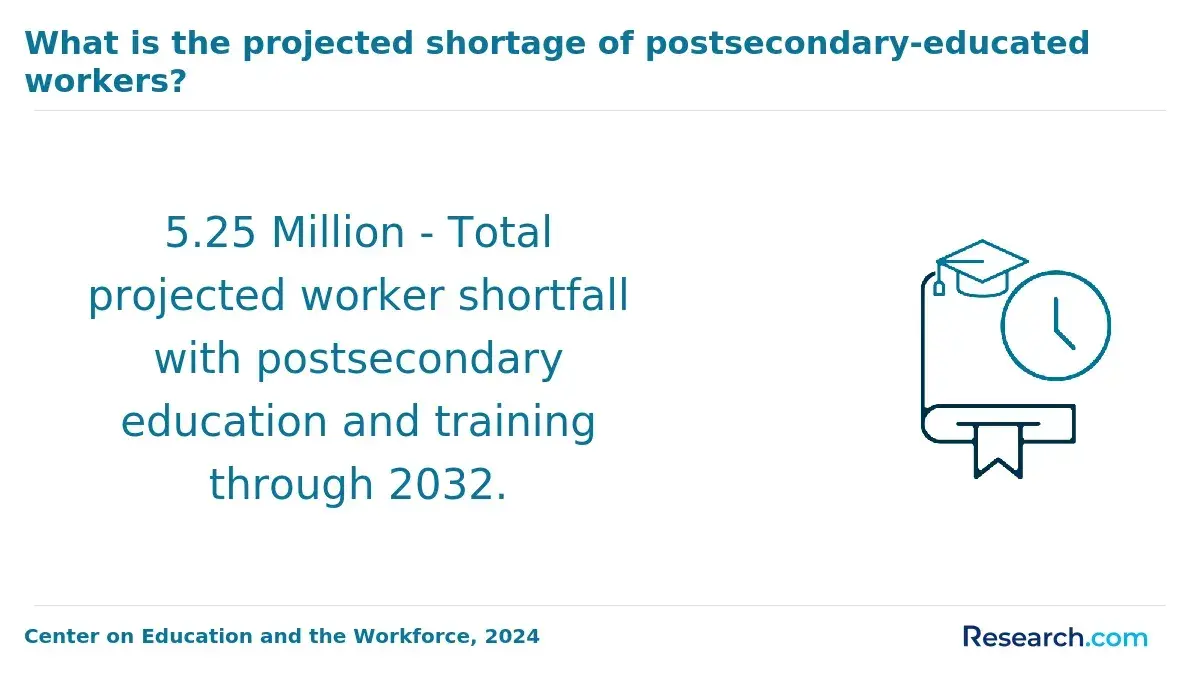
What Program Features Help Students Finish an Online Nurse Education Doctorate Faster?
Accelerated doctoral programs are not fast simply because they are online. They finish faster when the curriculum, advising structure, project model, and calendar are intentionally designed to reduce delays.
The following features are especially important because they affect the parts of doctoral study that usually create bottlenecks:
- Post-master's entry: Programs built for MSN-prepared nurses usually require fewer credits than BSN-to-doctorate options.
- Lockstep cohort scheduling: A fixed course sequence can prevent students from waiting an extra term for a required class.
- Year-round courses: Programs with summer terms and multiple start dates can reduce calendar gaps.
- Embedded project milestones: Courses that require proposal drafts, literature reviews, data plans, and committee feedback before the final project stage help students avoid a long "all but dissertation" period.
- Applied capstone or scholarly project: A defined practice problem is usually easier to scope than a broad original dissertation topic.
- Asynchronous coursework with optional live sessions: This format helps working nurses complete assignments around clinical, teaching, or administrative schedules.
- Dedicated doctoral advising: Regular faculty check-ins reduce the risk of stalled proposals, unclear methods, or late committee approvals.
Students should also look for clear evidence that the program is designed for adult learners. Helpful signs include published course rotations, transparent practicum expectations, accessible faculty office hours, and a student handbook that explains project approval steps in plain language.
A common mistake is assuming that "online" means "self-paced." Many doctoral programs are online but still follow strict weekly deadlines, synchronous intensives, or cohort calendars. Fast completion depends on schedule compatibility, not just delivery format.
What Requirements Most Commonly Extend the Length of an Online Nurse Education Doctorate?
The requirements that most often lengthen an online nurse education doctorate are not always visible in the marketing copy. They usually appear in the academic catalog, project handbook, practicum policy, or residency schedule.
Before applying, review these requirements carefully because each one can add months if it is poorly aligned with your work schedule or local access to project sites.
- Dissertation or applied dissertation approval: Topic changes, committee availability, data access, and institutional review board review can slow progress.
- DNP project site approval: Students may need a clinical, academic, or organizational site willing to support data collection or quality improvement work.
- Practicum or immersion hours: Some DNP and education doctorates require documented hours that must fit state, employer, or school policies.
- Residency or intensive sessions: Even "online" programs may require campus visits, virtual residencies, or synchronous project seminars.
- Statistics and research readiness: Students who need extra preparation in methods, scholarly writing, or evidence appraisal may take longer.
- Transfer credit limits: Some schools accept prior graduate credits, while others require most doctoral credits to be completed in-house.
- Licensure or certification alignment: Nurses pursuing advanced practice, educator certification, or state-specific roles may need requirements beyond the doctorate itself.
Students should also be cautious about vague residency language. If a school says residencies are "limited" or "minimal," ask how many are required, whether they are virtual or in person, how long they last, and whether travel costs are included in the estimated cost of attendance.
How Do Enrollment Choices Affect Completion Time in an Online Nurse Education Doctorate?
Enrollment pace is one of the most important factors in doctorate completion time. A student in an accelerated full-time sequence may finish quickly, but the weekly workload can be difficult for nurses balancing patient care, teaching, leadership responsibilities, and family obligations.
The table below compares common enrollment choices. Use it to estimate whether the advertised pace is realistic for your current workload.
| Enrollment choice | Likely effect on completion time | Best fit | Main risk |
| Full-time accelerated | Shortest path, often possible within two to three years in structured DNP or EdD formats | Students with flexible work schedules, strong writing skills, and a ready project idea | Burnout or reduced academic quality if workload is underestimated |
| Part-time continuous | Longer but more sustainable for many working professionals | Full-time nurses, faculty, managers, and parents | Extra terms may increase total tuition, fees, and loan interest |
| Stop-out or leave-based pacing | Can significantly extend completion | Students facing temporary work, health, military, or caregiving constraints | Policy limits may require re-enrollment or updated degree requirements |
| Transfer-credit supported | Can shorten coursework when allowed | Students with recent doctoral, education, leadership, or statistics credits | Credits may expire or may not match required doctoral outcomes |
| Project-ready enrollment | Can reduce delays in the final phase | Students who already have employer support, data access, and a focused problem of practice | Projects can still change after faculty review |
Students often focus on credit count, but calendar design can matter just as much. A 36-credit program with one course per term may take longer than a 42-credit program with year-round eight-week sessions and embedded project milestones.
To choose a realistic pace, map your weekly schedule before applying. If you cannot consistently reserve time for reading, writing, project meetings, and revision, a slightly slower program may produce a better outcome than a nominally faster one.
Which Online Nurse Education Doctorate Programs Are Best for Working Professionals?
The best online nurse education doctorate for working professionals is usually the one that offers predictable scheduling, flexible project design, strong faculty support, and a realistic path to completion without requiring students to leave their jobs. For nurses already working in advanced practice or clinical education, a DNP with an education or leadership focus can be especially practical.
Working professionals should look beyond the phrase "designed for working adults." The strongest programs usually demonstrate that flexibility through concrete policies and support systems.
- Predictable weekly structure: Courses should make deadlines, discussion expectations, and major assignments clear at the start of each term.
- Project use of the student's workplace: When allowed, a school, hospital, clinic, or academic unit can become the project setting, saving time on site development.
- Limited synchronous requirements: Optional live sessions are easier to manage than mandatory evening or weekend meetings every week.
- Faculty with nurse education experience: Mentors who understand clinical teaching, simulation, accreditation, and curriculum design can help students narrow project scope.
- Transparent practicum policies: Working nurses need to know whether paid work activities can overlap with doctoral practice hours or whether separate hours are required.
- Student services for online learners: Library access, writing support, statistics help, and project coaching should be available remotely.
Nurse practitioners considering a doctorate should also separate credential goals from role goals. If your main plan is to become or remain an NP, compare doctoral options with online nurse practitioner programs so you do not choose a fast education doctorate that fails to meet clinical preparation needs.
A practical shortcut is to ask admissions teams for a sample weekly calendar from a recent course. If the school cannot show what the workload looks like, it is harder to judge whether the program is truly compatible with full-time employment.
Does Finishing an Online Nurse Education Doctorate Faster Affect Cost or Academic Quality?
Finishing faster can reduce total cost, but only when the program's tuition model supports that advantage. If a school charges by credit, the savings may come mainly from fewer fees, less time out of the workforce, and reduced borrowing. If a school charges by term or subscription period, faster progress can have a larger direct tuition effect.
Federal Student Aid information for graduate and professional students lists the annual Direct Unsubsidized Loan limit at $20,500. That matters because an extra academic year can increase borrowing needs, especially for students who also rely on Graduate PLUS Loans, employer tuition benefits, or personal savings.
The table below shows how speed, cost, and quality interact. It is not a price list; it is a decision framework for understanding where savings may or may not appear.
| Factor | How faster completion can help | How it can create risk | What to verify |
| Tuition | Fewer terms may reduce term-based charges and student fees | Per-credit tuition may stay the same even in an accelerated format | Total program cost, not just per-credit tuition |
| Loan interest | Shorter enrollment may reduce time spent borrowing | Heavier course loads may reduce work hours and increase reliance on loans | Estimated debt under full-time and part-time plans |
| Academic quality | Structured milestones can improve focus and completion | Overly compressed courses may limit deep research, writing, or faculty feedback | Accreditation, faculty credentials, project support, and completion data |
| Career timing | Earlier completion may support promotion, faculty eligibility, or leadership applications | Rushing into the wrong degree can weaken long-term fit | Employer requirements for faculty, leadership, or advanced practice roles |
Accreditation is non-negotiable. For nursing doctorates, institutional accreditation matters, and programmatic accreditation may matter depending on the degree type and career goal. For DNP programs, look for recognized nursing accreditation such as CCNE or ACEN when it is applicable to the program.
Academic quality is not defined by length alone. A short program can be rigorous if it has qualified faculty, clear outcomes, strong project supervision, and transparent standards. A longer program can be weak if advising is inconsistent or the dissertation process is poorly supported.
Which Careers Benefit Most From Completing an Online Nurse Education Doctorate Quickly?
The careers that benefit most from faster doctoral completion are roles where the doctorate can help a candidate meet faculty expectations, qualify for promotion, lead education initiatives, or compete for senior academic and healthcare leadership positions. The benefit is strongest when the degree directly matches the role's expectations.
BLS wage data released in 2024 places postsecondary nursing instructor pay in the high-$80,000 median range nationally, while nurse practitioner median pay is above $125,000. These figures do not mean a doctorate automatically increases pay, but they show why nurses often weigh doctoral cost against roles in higher education, advanced practice, and leadership.
The table below connects common career goals with the doctorate types most likely to support them. Use it to avoid choosing a fast program that does not serve your intended job market.
| Career goal | Doctorate that often fits best | How faster completion may help | Key caution |
| Nursing faculty member | EdD, DNP, or PhD depending on the institution and role | May help meet preferred or required doctoral qualifications sooner | Research universities may prefer or require a PhD |
| Clinical nurse educator | DNP or EdD | Can support leadership in practice education, competency design, and quality improvement | Employers may value specialty certification and experience as much as the doctorate |
| Simulation or curriculum director | EdD or DNP with education focus | Applied projects can produce portfolio evidence in curriculum, assessment, or simulation outcomes | Project topic should align with the target role |
| Academic administrator | EdD, PhD, DNP, or DBA depending on setting | Can support applications for chair, director, dean, or program leadership roles | Leadership experience is usually still essential |
| Healthcare education executive | DNP, EdD, DBA, or professional doctorate | Can strengthen preparation for workforce development, compliance education, and organizational learning roles | Business or operations roles may expect finance and management skills |
| Nurse scientist | PhD in nursing | Faster completion is less important than research preparation and mentorship quality | A practice doctorate may not substitute for a research doctorate |
Students should also consider current hiring trends. Healthcare organizations increasingly expect educators to use simulation, learning analytics, competency-based assessment, telehealth tools, and AI-supported instructional design responsibly. A fast doctorate is more valuable when it helps you build these current skills rather than merely adding letters after your name.
What Student Characteristics Lead to Faster Completion of an Online Nurse Education Doctorate?
Program design matters, but student readiness often determines whether an accelerated timeline is realistic. The fastest students are usually not the ones with the lightest schedules; they are the ones who enter with clear goals, strong writing habits, and a manageable project scope.
The following characteristics often support faster completion because they reduce delays during coursework, proposal development, and final project approval:
- A specific career goal: Students who know whether they want faculty, leadership, advanced practice education, or research roles can choose the right degree and project topic earlier.
- Recent graduate-level writing experience: Doctoral courses require synthesis, evidence appraisal, and revision, not just discussion posts and exams.
- Comfort with statistics and evidence-based practice: Even applied doctorates require students to interpret data and evaluate outcomes.
- Employer or site support: A workplace that supports a project, schedule flexibility, or tuition assistance can reduce barriers.
- Protected weekly study time: Accelerated courses can fail quickly when students rely on leftover time after work and family responsibilities.
- Willingness to narrow the project scope: A focused, feasible project is more likely to finish than an ambitious study that requires complex approvals.
- Responsiveness to feedback: Students who revise promptly and communicate with faculty regularly are less likely to lose momentum.
Students who may need a slower path include those changing specialties, returning to school after a long gap, working rotating shifts, or entering without a clear project environment. Taking longer is not a failure if it leads to stronger learning, less debt stress, and a more useful doctoral project.
A useful self-check is to draft a one-paragraph problem statement before applying. If you cannot clearly describe the nursing education problem you want to address, choose a program with strong early-stage project development rather than one that expects you to arrive fully prepared.
How Should Students Compare the Shortest Online Nurse Education Doctorate Programs?
Students should compare the shortest online nurse education doctorate programs by verified completion time, accreditation, degree fit, project structure, total cost, faculty support, and employer recognition. The right program is the fastest credible option for your goal, not simply the shortest advertised timeline.
Use the following steps to compare programs in a practical way. This sequence helps you filter out programs that look fast but may be expensive, poorly supported, or misaligned with your career plans.
- Confirm the degree outcome first: Decide whether you need a DNP, EdD, PhD, DBA, PsyD, or another professional doctorate for your target role.
- Verify accreditation: Check institutional accreditation and, when relevant, nursing program accreditation before considering speed or price.
- Ask for average time to completion: Request recent online student data, not only the minimum advertised timeline.
- Review the final project model: Compare dissertation, applied dissertation, capstone, DNP project, or professional project expectations.
- Map residency and practicum requirements: Identify travel, synchronous sessions, site approvals, and documented hours before enrolling.
- Calculate total cost: Include tuition, fees, books, travel, technology, background checks, clinical documentation, and possible lost work hours.
- Check faculty fit: Look for faculty whose expertise matches nursing education, curriculum, simulation, leadership, or your project area.
- Ask employers what they recognize: Faculty, leadership, and advanced practice expectations can vary by institution, state, and role.
- Compare support services: Writing centers, library access, statistics help, and project coaching can shorten the final phase.
- Read progression policies: Understand grades, leaves of absence, repeat limits, candidacy rules, and maximum completion time.
If you are still early in your nursing education search, comparing broader online nursing programs can help you understand how doctoral pathways connect to MSN, NP, education, and leadership credentials.
Watch for common red flags: unclear accreditation language, no published project handbook, unusually short timelines without explanation, weak faculty transparency, heavy transfer promises without transcript review, and admissions staff who cannot answer questions about residencies or average completion time.
The best final decision balances speed with credibility. A slightly longer program with strong mentorship, clear project milestones, and recognized accreditation may be more valuable than the shortest program if it better supports your long-term career.
Other Things You Should Know About Nurse Education
Yes, many nursing programs hire DNP-prepared faculty, especially for clinical, practice, simulation, and leadership-focused teaching. However, research-intensive universities or tenure-track roles may prefer or require a PhD, so check employer expectations before choosing.
Some do and some do not. Many programs are mostly online but may require virtual residencies, campus intensives, project presentations, or practicum-related meetings. Always confirm the number, format, and cost of required sessions.
A dissertation is usually broader and more research-intensive because it must contribute original scholarship. A DNP project or capstone is often more applied and practice-focused, but it still requires evidence, data, faculty approval, and careful writing.
Sometimes. Schools may accept recent graduate or doctoral credits that match required outcomes, but limits vary widely. Ask for a formal transfer evaluation before assuming previous coursework will reduce your timeline or cost.
References
- 1-2 Year Doctoral Programs Online: Top Schools & More https://www.phds.me/online-programs/one-year-doctoral-programs/
- What Type of Doctorate is Right for Me? https://nursingcas.org/career-insights/blog/what-type-of-doctorate-is-right-for-me
- Doctoral degrees: Looking at the options https://npwomenshealthcare.com/doctoral-degrees-looking-options/
- How to Pay for Nursing School | University of Bridgeport https://www.bridgeport.edu/news/how-to-pay-for-nursing-school/
- DNP vs Ph.D. in Nursing Degree - What’s the Difference? https://nursinglicensemap.com/nursing-degrees/dnp-degree-programs/dnp-vs-phd-in-nursing/
- Most Affordable Online DNP Programs https://www.onlineu.com/most-affordable-colleges/dnp-degrees
- Accelerated Nursing Programs: 10 Helpful Tips to Fast-Track Your Nursing Career - Prereqcourses https://www.prereqcourses.com/accelerated-nursing-programs/
- Financial Aid for Nursing Students https://www.bestnursingdegree.com/nursing/financial-aid/
- Nursing School Admissions | Research College of Nursing https://researchcollege.edu/admission/
- Online Doctor of Nursing Practice DNP Degree Programs https://teach.com/online-ed/healthcare-degrees/online-doctor-of-nursing-practice-programs/