2027 Online Nurse Education Doctorate Programs for Working Professionals: Flexible, Part-Time, and Self-Paced Options

Co-Founder and Chief Data Scientist
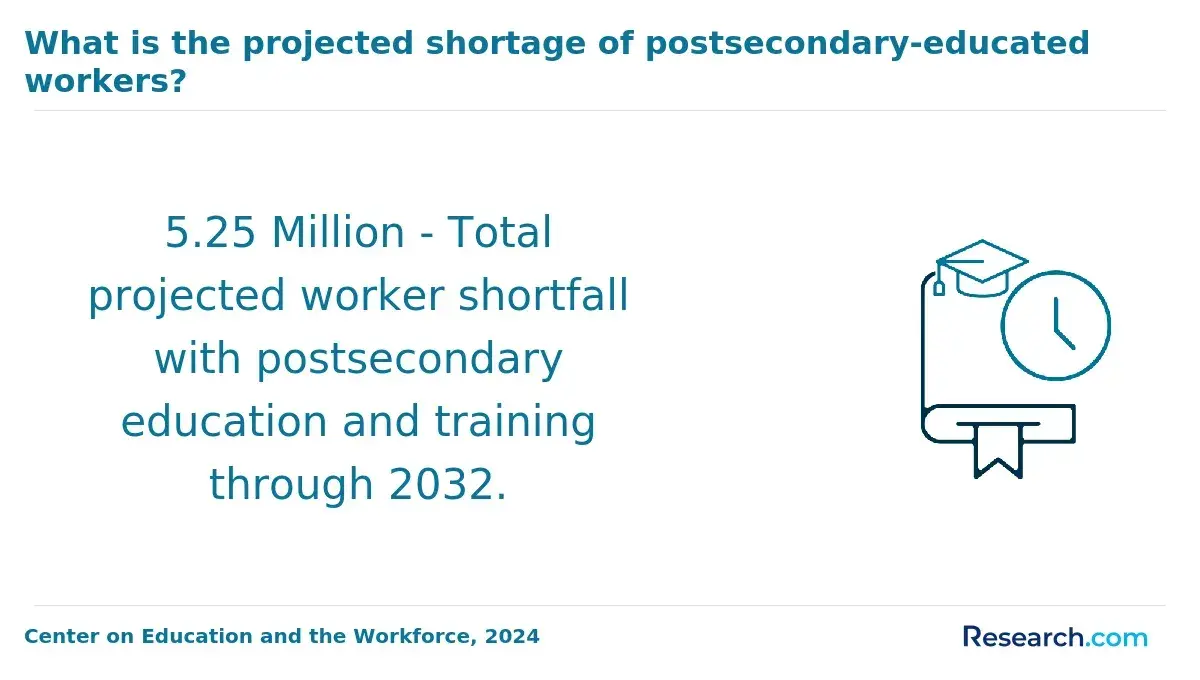
Choosing an online Nurse Education doctorate while working full time is really a scheduling, workload, and career-fit decision. The American Association of Colleges of Nursing reported more than 1,900 full-time nursing faculty vacancies in 2024, underscoring demand for educators prepared at the doctoral level.
This guide is for nurses balancing employment, family, clinical duties, and long-term academic or leadership goals. You will learn how flexible, part-time, asynchronous, and self-paced formats differ so you can choose a program that fits your calendar, learning style, budget, and professional direction.
Key Things You Should Know
- Most online Nurse Education doctorate programs designed for working nurses take about 3 to 6 years part time, with faster completion more likely in DNP-style project programs and longer timelines more common in dissertation-based PhD or EdD pathways.
- Full-time professionals should plan for roughly 12 to 20 hours of weekly academic work in a typical part-time doctoral load, with heavier weeks during statistics, practicum, dissertation, capstone, or residency milestones.
- "Online" does not always mean fully remote or self-paced: many programs still include fixed deadlines, synchronous sessions, practicum hours, scholarly projects, dissertation checkpoints, or short campus residencies.
Is an Online Nurse Education Doctorate Worth It for Working Professionals?
An online Nurse Education doctorate can be worth it for working professionals when the credential directly supports a realistic career move: nursing faculty, curriculum leader, clinical education director, academic administrator, simulation director, or healthcare education consultant. It is less likely to be worthwhile if you only want a modest title change, cannot protect weekly study time, or need a program with no deadlines at all.
The value of the degree depends on the match between format and goal. A nurse who wants to teach in a university may need a research-oriented doctorate, while a nurse educator in a hospital may get better practical value from a DNP focused on evidence-based teaching, leadership, and quality improvement. If you are still comparing nursing education pathways more broadly, reviewing affordable online nursing programs can help you understand how doctoral study fits into the larger nursing education ladder.
Labor-market context matters. The U.S. Bureau of Labor Statistics lists postsecondary nursing instructors and teachers as a specialized higher-education occupation, while the faculty pipeline remains constrained by retirements, clinical competition, and salary differences between practice and academia. For a working nurse, that means the doctorate may open doors, but it should be evaluated against opportunity cost, employer support, and the type of teaching or leadership role you actually want.
This table summarizes when the investment tends to make sense and when it may not. Use it to compare the degree against your current role, available study time, and professional destination.
| Situation | Likely fit | Why it matters |
| You want a full-time faculty, dean-track, or research-informed academic role | Strong fit | Doctoral preparation is often expected for tenure-track, senior academic, and curriculum leadership roles. |
| You want to remain in clinical education, staff development, or simulation leadership | Moderate to strong fit | A practice-focused doctorate can support leadership credibility without requiring a traditional research career. |
| You need maximum schedule control because of shifts, call, or caregiving | Depends on format | Asynchronous or part-time programs may work, but residencies and fixed deadlines can still create pressure. |
| You mainly want a salary increase in your current job | Uncertain fit | Some employers reward doctoral preparation, but pay changes vary widely by institution, role, union rules, and budget. |
| You cannot commit consistent weekly study time | Weak fit | Doctoral work requires sustained writing, reading, data analysis, teaching practice, and faculty interaction. |
A practical way to decide is to start with the role, not the credential. If the job descriptions you want repeatedly request a doctorate, teaching experience, scholarly work, curriculum design, or academic leadership, the degree may be a strategic investment. If those requirements do not appear, a certificate, MSN concentration, or targeted leadership training may be more efficient.
Which Type of Online Nurse Education Doctorate Best Fits Your Career Goals?
The main online doctorate options for Nurse Education are the PhD in Nursing, Doctor of Nursing Practice, Doctor of Education, and sometimes a DNS or DNSc. They can all support education-focused careers, but they are not interchangeable. The best choice depends on whether you want to generate research, apply evidence in practice settings, lead academic programs, or improve teaching systems.
Working professionals should compare doctoral types by outcome, not just delivery mode. The table below shows how common options differ in purpose, academic work, and career fit.
| Doctorate type | Best fit | Typical final requirement | Scheduling implications |
| PhD in Nursing with Nurse Education focus | Future researchers, tenure-track faculty, scholars, and academic leaders | Dissertation based on original research | Often longer and more writing-intensive, with structured dissertation milestones. |
| DNP with Nurse Education or academic leadership focus | Clinical educators, health-system education leaders, quality improvement educators, and practice faculty | Applied DNP project or scholarly practice project | Often more practice-oriented, with project and practicum requirements tied to a real setting. |
| EdD in Nursing Education or Health Professions Education | Curriculum leaders, instructional designers, academic administrators, and teaching specialists | Dissertation or applied dissertation | Often built around education theory, leadership, assessment, and institutional improvement. |
| DNS or DNSc | Advanced nursing scholars and educators where offered | Research dissertation or scholarly inquiry | Less common; requirements vary significantly by school. |
If your background is an MSN and your goal is practice leadership with an education emphasis, comparing MSN to DNP programs can be useful because many are built for employed nurses and may offer part-time pathways. If your goal is a research-intensive faculty role, compare PhD programs carefully because dissertation expectations and faculty research alignment matter more than convenience alone.
Use the following decision sequence before choosing a degree type. It helps prevent the common mistake of enrolling in the most flexible program rather than the one aligned with your target role.
- Identify the job titles you want within 3 to 7 years, such as assistant professor, clinical education director, simulation center leader, or associate dean.
- Review real job postings and note whether they prefer a PhD, DNP, EdD, or simply an earned doctorate in nursing or education.
- Match the final project to your career goal: original research for scholarship-heavy roles, applied projects for practice and leadership roles, and education-focused inquiry for curriculum roles.
- Check whether the program includes teaching practicum, curriculum design, assessment, simulation, online pedagogy, or academic leadership coursework.
- Confirm that your employer, future academic institutions, or state requirements recognize the doctorate type for the role you want.
The main trade-off is depth versus flexibility. A highly structured PhD may be demanding but valuable for research-intensive academic careers. A DNP or EdD may be more immediately applicable to education leadership, but it may not substitute for a research doctorate in every faculty environment.
How Do Flexible, Part-Time, Asynchronous, and Self-Paced Nurse Education Doctorate Programs Differ?
Flexible, part-time, asynchronous, and self-paced are often used together in marketing, but they describe different features. Understanding the difference can prevent disappointment after enrollment, especially if you work rotating shifts or have unpredictable clinical responsibilities.
The table below separates the major scheduling terms you will see on program pages. This matters because a program can be asynchronous but not self-paced, or part time but still highly deadline-driven.
| Format term | What it usually means | What it does not necessarily mean | Best for |
| Flexible | The school offers scheduling options such as evening sessions, part-time loads, multiple start dates, or online coursework. | It may still require weekly deadlines, group projects, exams, or residencies. | Nurses who need some control but can follow a calendar. |
| Part time | You take fewer credits per term than full-time students. | It does not always mean lighter reading or easier courses. | Full-time employees, caregivers, and nurses in demanding roles. |
| Asynchronous | You do not usually have to log in at a fixed class time. | Assignments may still be due on specific days each week. | Shift workers and nurses in different time zones. |
| Synchronous online | You attend live virtual classes, seminars, defenses, or faculty meetings. | It may not require campus attendance, but it does require schedule availability. | Learners who benefit from live discussion and accountability. |
| Self-paced | You may move through some course material at your own speed within school limits. | It rarely means unlimited time, no faculty checkpoints, or no term deadlines. | Highly independent students with strong writing discipline. |
| Cohort-based | You progress with the same group of students on a shared schedule. | It may limit the ability to pause, accelerate, or change course order. | Students who want structure, peer support, and predictable sequencing. |
For working professionals, the safest assumption is that online doctoral study is flexible in location but not effortless in time. Self-paced coursework may give you more control over when you complete modules, but doctoral milestones such as proposals, institutional review board approvals, teaching practica, and final defenses usually depend on faculty calendars.
Ask admissions advisors these questions before you apply. They reveal whether a program is truly compatible with your work schedule rather than just online in name.
- Are courses asynchronous, synchronous, or a mix of both?
- How many live sessions are required per course, and are recordings accepted if I work shifts?
- Can I enroll part time every term, or only after completing a fixed first-year sequence?
- Are there required campus visits, immersion weekends, intensives, or in-person defenses?
- Can practicum, teaching, or project hours be completed at my workplace?
- What happens if I need to stop out for one term because of work, health, or family responsibilities?
- Does the dissertation or doctoral project have fixed deadlines, rolling deadlines, or faculty-negotiated milestones?
A common red flag is a school that advertises "self-paced" but cannot explain maximum time limits, faculty feedback timelines, course availability, or progression rules. True flexibility should be documented in the catalog, student handbook, or enrollment agreement, not only discussed during recruitment.
What Are the Admission Requirements for Online Nurse Education Doctorate Programs?
Admission requirements vary by degree type, but most online Nurse Education doctorate programs expect applicants to show graduate-level nursing preparation, professional licensure, academic readiness, and a clear reason for doctoral study. For working professionals, the strongest application usually connects current practice experience with a specific education problem the doctorate can help address.
If you are moving from advanced clinical practice into education, your admissions profile may overlap with requirements used in online nurse practitioner programs, such as RN licensure, graduate transcripts, clinical experience, and professional recommendations. However, education doctorates usually place more emphasis on teaching goals, scholarship, leadership, and writing readiness.
Most programs ask for a combination of academic, professional, and goal-focused materials. Review each requirement closely because missing one item can delay admission by an entire term.
- Active, unencumbered RN license in the United States, with APRN licensure required only for some DNP tracks or clinical placements.
- BSN, MSN, or another graduate nursing degree, depending on whether the pathway is BSN-to-doctorate, MSN-to-doctorate, or post-master's.
- Minimum GPA, often focused on graduate coursework, although exact thresholds vary by school.
- Official transcripts from all colleges attended.
- Current resume or curriculum vitae showing clinical, teaching, leadership, precepting, or staff-development experience.
- Statement of purpose explaining career goals, research interests, teaching philosophy, or proposed doctoral project area.
- Professional recommendations from faculty, supervisors, nurse leaders, or advanced practice colleagues.
- Writing sample, interview, statistics prerequisite, or evidence of graduate research preparation for some programs.
- Background check, immunization records, liability insurance, or site documentation if practicum or teaching hours are required.
Admissions committees may also evaluate whether your goals fit available faculty expertise. This is especially important for PhD and EdD applicants because dissertation advising depends on alignment with faculty scholarship, methodology expertise, and available mentorship capacity.
Working applicants should also ask about transfer credits and prior doctoral coursework. Some schools allow limited transfer of graduate credits, but they usually restrict the number, age, and type of credits accepted. Courses tied to a dissertation sequence, DNP project, or institutional curriculum often cannot be transferred because they are program-specific.
How Long Does It Take to Complete an Online Nurse Education Doctorate Part Time?
Part-time online Nurse Education doctorate programs commonly take about 3 to 6 years, but the exact timeline depends on degree type, credit load, dissertation or project complexity, course availability, and whether you pause enrollment. A student taking one course per term will usually need longer than a student who can manage two courses during lighter work seasons.
The table below gives a realistic planning view rather than a promise. Use it to compare how enrollment intensity affects completion time for employed students.
| Enrollment pattern | Typical course load | Common completion range | Best fit |
| Full time | 2 to 3 courses per term or school-defined full-time credits | About 2.5 to 4 years | Students with reduced work hours, strong support, or employer-sponsored study time. |
| Part time | 1 to 2 courses per term | About 3 to 6 years | Most full-time nurses, faculty, managers, and caregivers. |
| Extended part time | 1 course in most terms with occasional breaks | About 5 to 7 years, subject to school limits | Professionals with variable shifts, leadership responsibilities, or family obligations. |
| Accelerated online | Compressed terms, heavier sequencing, or year-round coursework | About 2 to 3.5 years | Students who can protect substantial weekly study time and tolerate fast deadlines. |
Timeline planning should include more than coursework. Many students move quickly through classes and then slow down during proposal development, site approval, data collection, writing, revision, or committee review. Dissertation and project phases often require more self-management than weekly classes because fewer deadlines are built into the calendar.
Before enrolling, build a personal completion plan. The following steps make your timeline more realistic and help you avoid overcommitting.
- List your fixed work obligations, including shifts, call, teaching terms, leadership meetings, and peak clinical seasons.
- Estimate how many uninterrupted study blocks you can protect each week for reading, writing, statistics, and discussion boards.
- Ask the school for a part-time degree map that shows every term, not just the first year.
- Confirm whether required courses are offered every term, annually, or only in a fixed sequence.
- Ask about maximum time-to-degree limits and what happens if you need a leave of absence.
- Identify the semester when dissertation, capstone, or practicum work begins so you can adjust work commitments early.
The biggest scheduling mistake is assuming part time means the same workload every week. Doctoral programs often have uneven intensity: a theory course may be manageable during a busy work month, while statistics, research design, or proposal writing may require several concentrated writing days.
What Curriculum, Dissertation, Residency, or Practicum Requirements Do Online Nurse Education Doctorate Programs Include?
Online Nurse Education doctorate curricula usually combine advanced nursing knowledge, education theory, research methods, leadership, assessment, technology, and a culminating scholarly requirement. The exact mix depends on whether the program is a PhD, DNP, EdD, or another doctoral pathway.
Curriculum structure matters because it affects both career fit and schedule pressure. The table below shows common components and what working professionals should look for in each one.
| Requirement | Common content | Why it matters for working professionals |
| Core doctoral courses | Nursing science, theory, ethics, policy, leadership, evidence-based practice, or healthcare systems | These courses build the doctoral foundation and often require substantial reading and writing. |
| Nurse education courses | Curriculum design, evaluation, pedagogy, simulation, online teaching, student assessment, and academic role development | These are essential if your target role involves teaching, program evaluation, or faculty leadership. |
| Research and methods | Qualitative methods, quantitative methods, statistics, literature synthesis, and scholarly writing | These courses are often time-intensive and may be challenging to combine with heavy work weeks. |
| Practicum or teaching experience | Supervised teaching, curriculum project, simulation lab work, academic leadership experience, or clinical education project | Site approval and scheduling can be difficult if your employer does not support education hours. |
| Residency or immersion | Campus visit, virtual intensive, research seminar, project workshop, or dissertation boot camp | Travel, lodging, PTO, childcare, and shift coverage may add hidden costs and scheduling constraints. |
| Dissertation or doctoral project | Original research, applied dissertation, DNP project, or scholarly education improvement project | This phase requires sustained independent work and strong faculty communication. |
A dissertation usually asks the student to produce original research that contributes to nursing knowledge, education, or practice. A DNP project typically applies evidence to improve a practice or education problem in a real setting. An EdD dissertation or applied dissertation often focuses on institutional, curriculum, teaching, or learner-outcome problems.
Residency requirements deserve special attention. Some online programs are fully remote, while others require short campus sessions for orientation, research development, project defense, simulation training, or faculty consultation. Even a two-day residency can be challenging for nurses who need shift coverage, travel funds, or childcare.
To evaluate curriculum fit, look beyond course titles. Ask for syllabi, practicum expectations, examples of recent dissertation or project topics, and the process for securing approved teaching sites. A strong program should be able to explain how online students receive mentoring, writing feedback, library support, statistics help, and project guidance.
How Much Weekly Work Should Full-Time Professionals Expect in an Online Nurse Education Doctorate Program?
Full-time professionals should expect doctoral study to function like a second part-time job. A realistic part-time load often requires about 12 to 20 hours per week, although the actual number depends on course difficulty, writing speed, reading load, research background, and the stage of the program.
The table below translates common doctoral activities into weekly planning terms. Use it to test whether your schedule can absorb the program before you enroll.
| Program activity | Typical weekly demand | Scheduling risk | Best planning approach |
| Weekly readings and discussion posts | Moderate | Can pile up quickly during long shifts or travel weeks. | Reserve two shorter reading blocks and one writing block each week. |
| Research, statistics, or methods courses | High | Assignments may require concentrated time rather than short study sessions. | Protect longer weekend or off-day blocks when possible. |
| Group projects or peer review | Variable | Team schedules may conflict with clinical shifts. | Clarify availability early and choose programs with asynchronous collaboration tools. |
| Teaching practicum or project hours | Variable to high | Hours may depend on site schedules, faculty availability, or academic calendars. | Arrange workplace or local site support before the requirement begins. |
| Dissertation or DNP project writing | High and uneven | Progress slows without self-imposed deadlines. | Schedule recurring writing appointments and faculty check-ins. |
The biggest workload challenge is cognitive switching. After a demanding clinical shift, it may be hard to move immediately into scholarly writing or statistics. Many successful working students schedule difficult academic tasks on lower-fatigue days and use shorter windows for discussion posts, citation management, or article review.
A practical weekly structure can help. This sample is not universal, but it shows how part-time doctoral work can be spread across a busy professional schedule.
- Two 90-minute weekday sessions for reading, discussion responses, and literature searching.
- One 2-hour block for writing, data analysis, or assignment drafting.
- One 3- to 4-hour weekend or off-day block for major papers, project planning, statistics, or dissertation work.
- One short administrative block for email, faculty messages, calendar updates, citations, and group coordination.
Working professionals should avoid enrolling in the heaviest possible course load during a job transition, new leadership role, family medical event, or major licensure cycle. Flexibility only helps if the program allows you to adjust enrollment before workload becomes unmanageable.
How Much Does an Online Nurse Education Doctorate Cost, and What Financial Aid Is Available?
Costs vary widely by institution, degree type, residency requirements, credit count, and whether tuition is charged per credit, per term, or through a flat-rate model. The most reliable estimate is total program cost, not advertised tuition per credit, because fees, technology charges, books, travel, practicum expenses, and dissertation continuation credits can change the real price.
Current federal education data published through NCES shows that graduate tuition differs substantially by institutional sector, with public institutions generally less expensive than private nonprofit institutions. For working nurses, that means school type, transfer policy, employer tuition assistance, and time-to-completion can affect affordability as much as the sticker price.
When comparing prices, ask schools to provide a full cost sheet for the exact part-time plan you would follow. Common cost categories include the following:
- Per-credit tuition for all required doctoral credits.
- Mandatory university, technology, distance-learning, graduation, clinical, or dissertation fees.
- Books, software, statistical tools, citation tools, and database access if not included.
- Travel, lodging, meals, parking, and lost work time for residencies or campus intensives.
- Practicum-related costs such as background checks, immunizations, liability insurance, or site documentation.
- Dissertation or project continuation credits if you need extra terms after coursework.
- Loan interest and repayment cost if you borrow rather than pay as you go.
Because no universal pricing plan applies across online Nurse Education doctorates, compare total estimated charges rather than generic "online tuition." Many students also review lists of cheapest online nursing PhD programs to identify lower-cost research-focused options before narrowing by faculty fit and schedule.
- Public university graduate tuition is often lower for in-state students, but some online programs charge one rate regardless of residency.
- Private nonprofit programs may have higher tuition but sometimes offer scholarships, cohort discounts, or stronger advising resources.
- Per-term tuition models can reward faster completion but may cost more if work obligations slow your pace.
- Per-credit tuition models are easier to estimate for part-time study but may extend total cost if fees repeat every term.
Financial aid options may include federal graduate loans, employer tuition reimbursement, nursing faculty loan programs where available, scholarships, grants, military education benefits, state workforce initiatives, and payment plans. Employer support is especially important for working professionals, but read the fine print: some benefits require minimum grades, continued employment, annual caps, or repayment if you leave the organization.
Avoid the common mistake of choosing the lowest tuition without checking completion risk. A cheaper program that lacks dissertation support, offers required courses infrequently, or requires expensive travel may not be the lowest-cost option in practice.
How Can You Verify the Accreditation and Quality of an Online Nurse Education Doctorate Program?
Accreditation is one of the most important quality checks for an online Nurse Education doctorate. At minimum, the university should hold institutional accreditation recognized by the U.S. Department of Education or the Council for Higher Education Accreditation. For nursing doctorates, programmatic nursing accreditation may also matter, especially for DNP pathways and employer recognition.
Quality review should go beyond whether the program is online. The table below shows the major checks working professionals should complete before applying or accepting admission.
| Quality factor | What to verify | Why it matters |
| Institutional accreditation | The university is accredited by a recognized institutional accreditor. | It affects financial aid eligibility, credit transfer, employer recognition, and academic credibility. |
| Nursing program accreditation | Relevant nursing programs are accredited by appropriate nursing accreditors where applicable. | It supports confidence in curriculum standards and may matter for some employers or advanced roles. |
| State authorization | The school can enroll online students from your state. | Some institutions cannot offer online programs or placements in every state. |
| Faculty qualifications | Faculty have doctoral preparation, teaching expertise, research alignment, and nursing education experience. | Faculty fit is critical for dissertation, project, and career mentoring. |
| Student support | Online students receive library access, writing help, statistics support, advising, and technology support. | Doctoral persistence often depends on support during independent research and writing phases. |
| Outcome transparency | The program can describe completion rates, time-to-degree, residency expectations, and graduate career paths. | Transparent programs make it easier to estimate risk and return on investment. |
To verify accreditation, check the school's accreditation page, the accreditor's directory, and federal databases rather than relying only on marketing language. If a school says accreditation is "pending," ask what that means for current students and whether financial aid, employer reimbursement, or future academic employment could be affected.
Working professionals should also watch for red flags. These issues do not always mean a program is poor, but they deserve follow-up before you commit.
- The school cannot explain whether the doctorate is a PhD, DNP, EdD, or another credential in practical career terms.
- The program advertises "no dissertation" without clearly describing the required doctoral project or scholarly alternative.
- Residency, practicum, or campus requirements are vague or absent from the catalog.
- Faculty research interests do not match your intended dissertation or education project area.
- Advisors pressure you to enroll quickly before you receive a full cost estimate and degree plan.
- The program will not provide details about leave policies, maximum time-to-degree, or part-time sequencing.
Quality and flexibility should reinforce each other. A strong online doctorate gives working students access to qualified faculty, clear milestones, rigorous scholarly expectations, and scheduling structures that are challenging but understandable before enrollment.
What Career Outcomes and Professional Benefits Can an Online Nurse Education Doctorate Provide?
An online Nurse Education doctorate can support careers in academic teaching, curriculum leadership, clinical education, simulation, professional development, accreditation, nursing program administration, healthcare training, and research-informed practice improvement. The degree is most valuable when paired with teaching experience, subject-matter expertise, leadership skills, and evidence of scholarly or curriculum work.
Salary outcomes vary by setting. Nursing faculty roles may offer academic stability, mission fit, and advancement opportunities, while clinical leadership or healthcare management roles may have different compensation patterns. BLS wage data published for 2024 shows that medical and health services managers had a median annual pay above $100,000, but that figure covers a broad management category rather than only nurse educators. Use salary data as context, not as a personal earnings guarantee.
The table below links common career paths to the kind of doctorate preparation that may help. It is meant to guide fit, not replace employer-specific requirements.
| Career path | Typical responsibilities | Doctoral preparation that may fit |
| Nursing faculty member | Teach courses, advise students, design assessments, contribute to curriculum, and participate in scholarship or service. | PhD, DNP, or EdD depending on institutional expectations and faculty role. |
| Clinical nurse educator | Train staff, evaluate competencies, support evidence-based practice, and improve clinical learning systems. | DNP or EdD with education, leadership, and evaluation coursework. |
| Simulation director | Design simulation scenarios, manage labs, train faculty, and evaluate learner performance. | DNP, EdD, or PhD with simulation, pedagogy, and assessment experience. |
| Curriculum or program director | Lead curriculum mapping, accreditation preparation, student outcomes assessment, and faculty development. | EdD, PhD, or DNP with academic leadership and evaluation preparation. |
| Academic administrator | Oversee programs, faculty, budgets, policy, compliance, and strategic planning. | Doctorate plus experience in teaching, leadership, accreditation, and governance. |
| Education consultant | Advise schools, healthcare systems, or vendors on curriculum, training, evaluation, and workforce development. | Doctorate with a strong portfolio, niche expertise, and evidence of project outcomes. |
Doctoral study can also produce professional benefits that are not purely salary-based. These may include stronger scholarly writing, grant or publication readiness, curriculum design skills, confidence in data use, eligibility for leadership committees, and credibility when mentoring faculty or preceptors.
If your long-term goal is direct advanced clinical practice rather than education leadership, compare the doctorate against clinical pathways and online nurse practitioner programs. The right investment depends on whether you want to teach, lead learning systems, conduct research, manage care delivery, or provide advanced patient care.
Before making a final decision, compare each program against your preferred role, weekly availability, cost ceiling, required campus time, and dissertation or project model. The best online Nurse Education doctorate is not simply the most flexible one; it is the one you can complete while building the credentials your target career actually values.
Other Things You Should Know About Nurse Education
Yes, many nurses do, but the best fit is usually an asynchronous or part-time program with predictable deadlines. Ask whether live sessions are required, whether recordings are accepted, and whether practicum or project hours can be scheduled around shift work.
No. Self-paced usually means you have some control over course modules or assignment timing, but doctoral programs still have term dates, faculty review periods, maximum time limits, project approvals, and graduation deadlines.
Usually, yes. Your employer may offer tuition assistance, schedule flexibility, practicum-site support, or project opportunities. It is also better to discuss workload early if you may need adjusted shifts during residencies, exams, proposal writing, or final defense periods.
Start by collecting job postings for the roles you want, then compare the required degree type, teaching experience, research expectations, and leadership responsibilities. After that, request part-time degree maps from schools and compare them against your real weekly schedule.
References
- Why More Nurses Are Choosing Online Doctor of Nursing Programs to Advance Their Careers https://collegelife.co/magazine/online-doctor-of-nursing-programs
- Best Ed.D. Nursing Education Programs (2026 Rankings) https://www.nurseeducator.com/degrees/edd/
- EdAssist | Scholarships and grants for nursing students https://www.brighthorizons.com/resources/blog/edassist/scholarships-and-grants-for-nursing-students
- PhD Scholarships: Explore Your Online Education Aid Options https://www.oedb.org/phd-scholarship/
- The development of an interdisciplinary nurse educator doctoral program Issues for consideration and goals for success https://www.scirp.org/journal/paperinformation
- Best Online Doctorate in Nursing Education Programs 2025 https://nursfpxwriters.com/top-online-doctorate-in-nursing-education-programs-for-2025/
- Online Doctor of Nursing Practice DNP Degree Programs https://teach.com/online-ed/healthcare-degrees/online-doctor-of-nursing-practice-programs/
- EdD vs DNP: EdD in Nursing Education vs DNP in Nursing Education https://www.onlineeddprograms.com/faqs/edd-nursing-education-vs-dnp-nursing-education
- Scholarships & Financial Aid https://www.aacnnursing.org/students/scholarships-financial-aid
- Your Guide to Online PhD Nursing Programs: What They Are, What to Expect, and How to Choose the Right One – FRESHRN https://www.freshrn.com/online-phd-nursing-programs/