2027 Online Nurse Education Doctorate Programs That Do Not Require the GRE or GMAT

Co-Founder and Chief Data Scientist
Many experienced nurses want a doctorate but do not want a standardized test to delay their next career move. Online nurse education doctorates with no GRE or GMAT requirement can shorten the application process while still leading to faculty, leadership, and curriculum roles.
The U. S. Bureau of Labor Statistics reported a May 2024 median annual wage of $86,530 for postsecondary nursing instructors, showing why doctoral preparation remains relevant. This guide helps MSN- and BSN-prepared nurses compare program types, admissions expectations, costs, quality signals, and career fit.
Key Things You Should Know
- No-GRE and no-GMAT online nurse education doctorates are usually not "easy admission" programs; schools often weigh graduate GPA, RN licensure, advanced nursing preparation, teaching experience, writing ability, and professional references more heavily.
- Program type matters: EdD programs often emphasize teaching systems and academic leadership, PhD programs emphasize nursing research and scholarship, and DNP programs with education tracks emphasize practice leadership plus educator preparation.
- Cost and outcomes vary widely, so compare total credits, per-credit tuition, residency travel, dissertation or capstone format, and accreditation before prioritizing the convenience of skipping a test.
Which Online Nurse Education Doctorate Programs Do Not Require the GRE or GMAT?
Online nurse education doctorate programs that do not require the GRE or GMAT typically fall into three categories: Doctor of Education programs in nursing education, Doctor of Philosophy programs with a nursing education focus, and Doctor of Nursing Practice programs with nurse educator coursework. The GMAT is rarely relevant to nursing doctorates, so applicants usually need to confirm whether the GRE is required, optional, waived, or not considered.
The examples below illustrate the kinds of online nurse education doctorates applicants commonly review. Admissions policies can change by term, so verify the current application page before applying.
| Program example | Doctorate type | Online format | GRE or GMAT status to verify | Best fit |
| University of West Georgia | EdD in Nursing Education | Primarily online with doctoral education focus | GRE and GMAT are generally not listed as required for this pathway | Nurses seeking academic teaching, curriculum, or faculty leadership roles |
| Southern Connecticut State University | EdD in Nursing Education | Online or hybrid-style doctoral coursework depending on cohort design | Standardized graduate tests are commonly not required, but applicants should confirm by cycle | MSN-prepared nurses pursuing college-level teaching or education administration |
| Liberty University | PhD in Nursing Education | Online coursework with research-oriented doctoral expectations | GRE or GMAT scores are not typically central to admission | Nurses who want scholarship, research, and teaching preparation |
| Aspen University | EdD in Leadership and Learning with nursing education focus options | Online | GRE or GMAT scores are generally not required | Working nurses who want flexible doctoral study tied to education leadership |
| Bryan College of Health Sciences | EdD with emphasis in nursing education | Online-focused doctoral format | GRE or GMAT requirements should be checked directly with admissions | Nurse educators seeking a practice-informed education doctorate |
| Selected online DNP programs with nurse educator electives or certificates | DNP | Online or low-residency | Many DNP programs no longer require GRE scores, though policies vary | APRNs, nurse leaders, or MSN-prepared nurses who want a practice doctorate plus educator preparation |
A good search strategy is to compare the doctorate page, the graduate catalog, and the application portal because one may be updated before the others. If you are still deciding whether a doctorate is the next step, it can also help to compare broader online nursing programs before narrowing your search to doctoral nurse education pathways.
Pay attention to the wording schools use. "No GRE required" usually means you do not submit scores at all, while "GRE optional" means you may submit scores if they strengthen your file. "GRE waived" may mean the school will skip the test only if you meet a GPA, degree, license, or experience threshold.
Why Have Online Nurse Education Doctorate Programs Eliminated GRE and GMAT Requirements?
Nursing doctoral programs have moved away from standardized tests because many applicants are experienced clinicians, educators, APRNs, or administrators whose professional records say more about doctoral readiness than a timed exam. For nurse education doctorates, schools often want evidence that applicants can teach, lead, write at the graduate level, interpret evidence, and complete a long-term scholarly project.
This shift also reflects broader changes in graduate admissions. Many universities have adopted test-optional or test-free policies to reduce application barriers for working adults, military learners, rural nurses, and first-generation graduate students. For a full-time nurse, preparing for the GRE can add weeks or months of study time and hundreds of dollars in test-related costs without necessarily improving the school's ability to judge teaching potential.
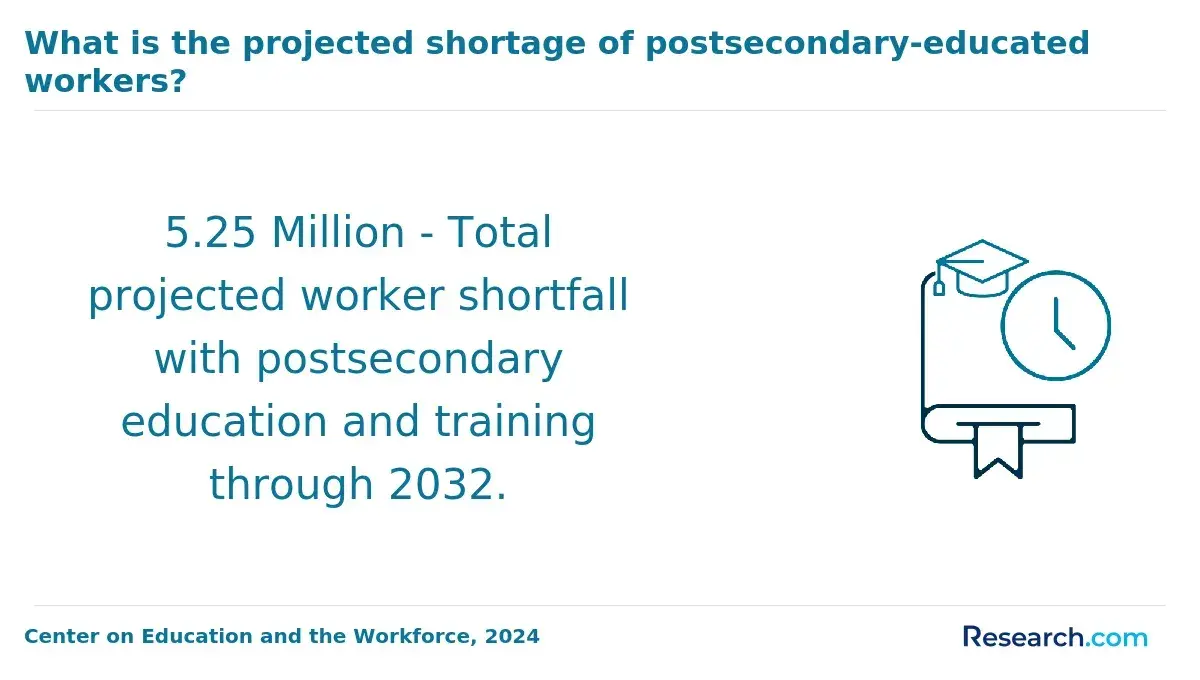
Another driver is the national need for nursing faculty. Nursing schools continue to report hiring challenges caused by retirements, limited doctoral-prepared faculty, and higher-paying clinical roles outside academia. Removing a test requirement does not solve the faculty shortage by itself, but it can make doctoral preparation more accessible to qualified nurses who already have strong graduate transcripts and teaching experience.
The practical takeaway is simple: no-GRE admissions are not a lowering of doctoral expectations. They are a different screening model. Instead of asking whether you can produce a test score, the program asks whether your academic record, professional background, writing sample, goals, and references predict success in doctoral study.
What Admissions Factors Matter Most Without GRE or GMAT Scores?
Without GRE or GMAT scores, the rest of the application carries more weight. The strongest applicants show a clear connection between their nursing background, educator goals, doctoral research or project interests, and readiness for advanced academic writing.
The table below summarizes the admissions factors that usually matter most and how each one helps a school judge doctoral readiness.
| Admissions factor | Why it matters | What a strong applicant shows |
| Graduate GPA | Signals ability to succeed in advanced coursework | Consistent performance in MSN, nursing education, APRN, leadership, or related graduate courses |
| Active RN license | Confirms professional nursing foundation | Unencumbered licensure in the applicant's state or eligibility that meets program rules |
| Master's or advanced nursing preparation | Shows readiness for doctoral-level nursing education work | MSN, post-master's certificate, or related graduate preparation aligned with program entry requirements |
| Teaching or precepting experience | Connects the applicant to nurse education practice | Classroom teaching, clinical instruction, simulation facilitation, staff development, or preceptor roles |
| Statement of purpose | Replaces part of what tests once claimed to predict | Specific goals, clear fit with the program, and a realistic doctoral project or research interest |
| Writing sample | Shows scholarly communication ability | Organized argument, evidence use, APA familiarity, and clear academic voice |
| Recommendations | Provides external evidence of readiness | Letters from faculty, supervisors, or nurse leaders who can speak to teaching, leadership, and persistence |
| Interview | Helps faculty assess fit and expectations | Ability to discuss goals, time management, research or project interests, and online learning readiness |
If your GRE scores are optional, submit them only when they add value. A strong score may help offset an older GPA or show quantitative readiness for a research-heavy PhD. A weak or average score usually does not strengthen an otherwise solid nurse educator application, especially when the program states that scores are optional.
Before submitting, use this checklist to strengthen the parts of the application that now matter most:
- Match your statement of purpose to the exact doctorate type rather than using one generic essay for every school.
- Ask recommenders to address doctoral writing, leadership, teaching, and follow-through instead of writing only about clinical competence.
- Describe educator experience broadly, including precepting, simulation, staff development, curriculum work, quality improvement education, and patient education leadership.
- Choose a writing sample that demonstrates evidence-based reasoning, not just personal reflection.
- Explain any GPA weakness directly and briefly, then show stronger recent graduate performance or professional development.
Are No-GRE or No-GMAT Online Nurse Education Doctorate Programs Easier to Get Into?
No-GRE and no-GMAT online nurse education doctorate programs may be easier to apply to, but they are not automatically easier to get into. Removing a test requirement reduces one barrier, yet admissions committees still evaluate whether applicants can complete doctoral coursework, participate in scholarly discussion, and finish a dissertation, capstone, or applied research project.
The difference is especially important for working nurses. A test-free pathway can save time and reduce stress, but the school may ask for a stronger essay, a more detailed resume, an interview, or proof of teaching experience. Some programs also require a minimum graduate GPA, an MSN, an active RN license, statistics coursework, or prior graduate-level research preparation.
No-GRE programs can also be competitive when they are affordable, public, well-established, cohort-based, or connected to a strong nursing school. In these cases, the absence of a GRE requirement may increase the applicant pool because more qualified nurses are willing to apply.
Think of admissions flexibility as one advantage, not the whole decision. If a program has strong faculty fit, transparent outcomes, reasonable tuition, and recognized accreditation, no-GRE admission can be a meaningful benefit. If the program lacks clarity on accreditation, doctoral expectations, or student support, the missing test requirement should not compensate for those concerns.
Does Skipping the GRE or GMAT Affect the Quality of an Online Nurse Education Doctorate?
Skipping the GRE or GMAT does not, by itself, reduce the quality of an online nurse education doctorate. Program quality depends on accreditation, curriculum design, faculty qualifications, student support, doctoral project expectations, and whether the degree aligns with your career goal.
The table below separates admissions convenience from quality indicators. This distinction matters because employers and academic hiring committees generally care more about the institution, degree type, teaching record, scholarship, and fit than whether an applicant took a standardized test before enrollment.
| Quality signal | What to look for | Why it matters |
| Institutional accreditation | Accreditation from an agency recognized by the U.S. Department of Education or CHEA | Supports federal aid eligibility, credit transfer, employer recognition, and academic credibility |
| Nursing accreditation where applicable | CCNE or ACEN accreditation for eligible nursing programs | Important for many nursing degrees, although some education doctorates are housed outside nursing accreditation structures |
| Doctoral project model | Dissertation, applied dissertation, DNP project, or capstone with clear milestones | Determines the type of scholarship or practice contribution you will produce |
| Faculty expertise | Nurse educators, researchers, simulation specialists, curriculum leaders, and DNP or PhD faculty | Affects mentorship quality and alignment with your scholarly interests |
| Online support | Library access, writing center, statistics help, dissertation support, advising, and technology training | Can influence persistence, especially for part-time working nurses |
| Residency transparency | Clear information about campus visits, virtual intensives, clinical hours, or practicum expectations | Helps you budget time, travel, and work coverage before enrolling |
Be especially careful with programs that advertise speed or convenience more aggressively than academic substance. A legitimate doctoral program should clearly explain admission standards, faculty credentials, dissertation or project requirements, tuition, transfer credit policies, state authorization, and student complaint processes.
The strongest no-test programs treat standardized testing as unnecessary, not quality as optional. If two programs both meet your career needs, choosing the one that saves you a GRE or GMAT can be reasonable. If only one program has the accreditation, faculty fit, and scholarly model you need, those factors should outweigh test policy.
Which Students Benefit Most From Online Nurse Education Doctorate Programs Without GRE or GMAT Requirements?
Students who benefit most from no-GRE or no-GMAT online nurse education doctorates are usually experienced nurses whose strengths are better shown through practice, teaching, leadership, and graduate coursework. These programs are especially useful for applicants who have been out of school for several years and do not want a standardized exam to slow down an otherwise strong application.
Consider a test-free doctorate if one of these profiles fits your situation:
- You have an MSN, strong graduate GPA, and nurse educator experience, but little interest in spending time and money on test preparation.
- You teach clinical groups, precept new nurses, lead staff education, or design training programs and want a doctorate to move into faculty or academic leadership roles.
- You are an APRN who wants to transition from primarily clinical practice to teaching, simulation, curriculum, or graduate nursing education.
- You are balancing full-time work, family responsibilities, and doctoral planning, so application efficiency matters.
- You have a strong professional record but an older or irrelevant standardized test history that would not reflect your current abilities.
These programs may be less ideal if you are applying to highly research-intensive PhD programs where faculty expect strong quantitative preparation, or if you need a doctoral pathway that leads directly to advanced practice eligibility. Nurses still exploring APRN preparation may want to compare online nurse practitioner programs before choosing a doctorate focused primarily on education.
The best fit is not always the easiest application. A nurse who wants a tenure-track research career may need a PhD with strong methods training and faculty mentorship. A nurse who wants to direct simulation, teach in a BSN program, or lead curriculum redesign may find an EdD or DNP education pathway more practical.
How Do Tuition and Financial Aid Compare for No-GRE Online Nurse Education Doctorate Programs?
Tuition for no-GRE online nurse education doctorate programs is not automatically lower or higher than tuition for programs that require tests. The main cost drivers are institution type, total credits, transfer credit acceptance, dissertation continuation fees, online fees, residency travel, and whether you qualify for employer tuition assistance or public in-state rates.
Recent national tuition data can help you set a baseline before reviewing individual programs. The National Center for Education Statistics reported in its 2024 Digest that average graduate tuition and required fees for 2022-23 were:
- $12,596 at public institutions
- $29,931 at private nonprofit institutions
Those figures are not doctorate-specific and do not include every program fee, but they show why applicants should calculate total program cost instead of comparing only per-credit tuition. A lower per-credit rate can become less attractive if the program requires more credits, repeated dissertation enrollment, or travel you cannot easily afford.
Financial aid options are usually similar whether or not a program requires standardized tests. Eligible students may use federal Direct Unsubsidized Loans, Grad PLUS Loans, institutional scholarships, graduate assistantships, employer tuition benefits, military education benefits, or state workforce grants. Nurse educators should also ask whether the school participates in loan repayment or faculty development programs tied to teaching in shortage areas.
When comparing costs, use a total-cost worksheet rather than the school's headline tuition number. Include the following items before deciding that one program is more affordable:
- Multiply tuition by the total number of required credits, not the number of credits you hope to take.
- Add technology fees, graduate fees, nursing fees, background checks, immunization tracking, and graduation fees.
- Estimate residency or intensive costs, including travel, lodging, meals, missed work, and childcare.
- Ask whether dissertation, capstone, or project continuation credits are billed after coursework ends.
- Confirm whether transfer credits, post-master's credits, or prior doctoral coursework can reduce the total bill.
- Compare aid that does not require repayment before relying on graduate loans.
If cost is your top constraint and you are open to a research-oriented nursing doctorate, reviewing the cheapest online nursing PhD programs can provide a useful benchmark for tuition and program structure.
What Career Outcomes Can Graduates Expect From No-GRE Online Nurse Education Doctorate Programs?
Graduates of online nurse education doctorate programs often pursue roles in academic teaching, curriculum development, simulation education, faculty leadership, professional development, academic administration, and nursing program assessment. The exact outcome depends on the degree type, prior nursing experience, publications or scholarly work, teaching record, and local employer requirements.
The BLS May 2024 wage estimate for postsecondary nursing instructors was a median of $86,530. This does not mean every doctoral graduate will earn that amount; salaries vary by institution type, academic rank, contract length, region, union status, clinical background, and whether the role is full-time faculty, adjunct, administrative, or hybrid clinical-academic work.
Common roles connected to nurse education doctorates include:
- Nursing faculty member in ADN, BSN, MSN, DNP, or continuing education programs
- Clinical nurse educator for hospitals, health systems, or specialty units
- Simulation lab director or simulation education specialist
- Curriculum coordinator or program assessment lead
- Director of nursing education, department chair, or academic program administrator
- Professional development specialist or nurse residency program leader
- Scholar-practitioner contributing to nursing education research, presentations, textbooks, or policy work
Career outcomes also reflect the continuing pressure on nursing education capacity. Many nursing schools need doctoral-prepared faculty to teach future nurses, supervise clinical learning, design competency-based curricula, and meet accreditation expectations. However, applicants should be realistic: academic roles may pay less than some advanced clinical or administrative positions, especially in high-demand practice specialties.
A doctorate is most likely to be worth the investment when it unlocks a role you could not otherwise access, strengthens your long-term academic credibility, or supports a transition from bedside or advanced practice work into education leadership. It is less likely to produce a strong return if you choose an expensive program without a clear career target or if your desired employer does not require doctoral preparation.
What Common Application Mistakes Reduce Admission Chances to No-GRE Online Nurse Education Doctorate Programs?
No-GRE admissions make the application process simpler, but they also remove one possible way to compensate for weaknesses. That means avoidable mistakes in essays, references, accreditation checks, and program fit can matter more.
These are the most common mistakes that reduce admission chances, along with practical ways to avoid them:
- Assuming no GRE means open admission: review GPA, license, degree, prerequisite, interview, and writing sample requirements before applying.
- Choosing a program only because it is test-free: compare accreditation, faculty fit, doctoral project expectations, support services, and cost.
- Submitting a generic statement of purpose: explain why that specific program, degree type, and nurse education focus match your goals.
- Overlooking teaching evidence: include clinical instruction, precepting, simulation, staff development, patient education leadership, and curriculum work on your resume.
- Using weak recommendations: choose people who can discuss your academic readiness, writing ability, leadership, and persistence, not only your bedside skills.
- Ignoring residency requirements: confirm whether online really means fully online or whether intensives, campus visits, or practicum placements are required.
- Missing state authorization issues: verify that the school can enroll students from your state and that any practicum or project requirements can be completed where you live.
- Failing to ask about dissertation support: learn how chairs are assigned, how often students meet faculty, and what happens if a project timeline extends.
- Assuming test policies are permanent: admissions rules can change by cohort, so save the current requirements and confirm them before submission.
A strong application tells one coherent story: you are a prepared nurse, you understand doctoral work, you have realistic educator goals, and you can finish a demanding online program while meeting professional obligations.
How Should Students Compare Online Nurse Education Doctorate Programs Without GRE or GMAT Requirements?
To compare online nurse education doctorate programs without GRE or GMAT requirements, start with your career goal and work backward. A no-test policy can save time, but the right program should also match the role you want, the scholarship you want to produce, the teaching environment you prefer, and the budget you can manage.
Use the following process to compare programs objectively:
- Define your target role first, such as full-time faculty, clinical educator, simulation director, curriculum leader, academic administrator, or nursing education researcher.
- Choose the doctorate type that fits that role: EdD for education leadership, PhD for research and scholarship, or DNP for practice leadership with educator preparation.
- Confirm institutional accreditation and nursing accreditation where applicable before reviewing tuition or convenience.
- Compare admissions policies carefully, including whether the program is test-free, test-optional, or test-waiver-based.
- Review curriculum depth in pedagogy, curriculum design, assessment, simulation, nursing education research, statistics, and leadership.
- Ask how dissertations, applied dissertations, DNP projects, or capstones are structured and supported.
- Calculate total cost, including fees, travel, continuation credits, and lost work time.
- Check online flexibility, synchronous class times, part-time pacing, cohort expectations, and residency rules.
- Ask admissions counselors for recent completion timelines, faculty mentoring practices, and examples of graduate career paths.
- Compare at least three programs before applying so you can separate true fit from marketing language.
If you already hold an MSN and want a practice doctorate rather than an education-focused EdD or PhD, comparing MSN to DNP programs can help you decide whether a DNP pathway offers a better balance of advanced practice leadership and teaching preparation.
The best choice is usually the program that meets three conditions at once: it is academically credible, financially workable, and aligned with your post-graduation role. If a no-GRE policy helps you apply sooner to that kind of program, it is a meaningful advantage. If it distracts you from accreditation, fit, cost, or doctoral support, it can lead to a poor decision.
Other Things You Should Know About Nurse Education
Usually, no state teaching license is required to teach nursing in colleges or universities. Requirements vary by employer, but most nursing faculty roles focus on RN licensure, graduate or doctoral nursing preparation, teaching experience, and specialty expertise.
Most online Nurse Education doctorate programs require about 45 to 60 credits and take 3 to 4 years to finish. Students complete advanced coursework, a supervised practicum or residency, and a final capstone or dissertation project approved by the university.
Certification is not always required, but credentials such as Certified Nurse Educator may strengthen a faculty or education leadership profile. Eligibility rules depend on education, experience, and the certifying organization's current requirements.
It can, but the best degree type depends on the institution. Research universities often prefer or require a PhD, while teaching-focused colleges may consider EdD, DNP, or PhD graduates with strong teaching experience and scholarly activity.
References
- Best Online Ph.D. Nursing Programs for 2026 | Ranked https://www.nurseeducator.com/degrees/phd/
- Online Nursing PhD Programs: Compare Top Schools https://www.edumed.org/online-schools/nursing-rn-programs/phd/
- 90+ Online Ed.D. Programs with No GRE Required in 2025 https://www.eddprograms.org/schools/no-gre/
- Online Doctor of Nursing Practice DNP Degree Programs https://teach.com/online-ed/healthcare-degrees/online-doctor-of-nursing-practice-programs/
- Best Online EdD Programs with No GRE Requirement https://www.phds.me/online-programs/education-doctorate-edd/no-gre-required/
- How Long is an Online EdD Program? Full-Time vs Part-Time EdD Programs https://www.onlineeddprograms.com/faqs/length-of-edd-programs
- 2025 Most Affordable Online Doctorates in Education https://www.onlineu.com/most-affordable-colleges/education-doctoral-degrees
- PhD Education https://www.aacnnursing.org/students/nursing-education-pathways/phd-education
- Online MSN Programs No GRE Required (Master of Science in Nursing) https://www.onlineeducation.com/nursing/faqs/online-msn-programs-no-gre-required
- Ed.D. in Nursing Education | ACE https://ace.edu/degree-programs/doctoral-degrees/doctoral-nursing/doctor-of-education-in-nursing-education/